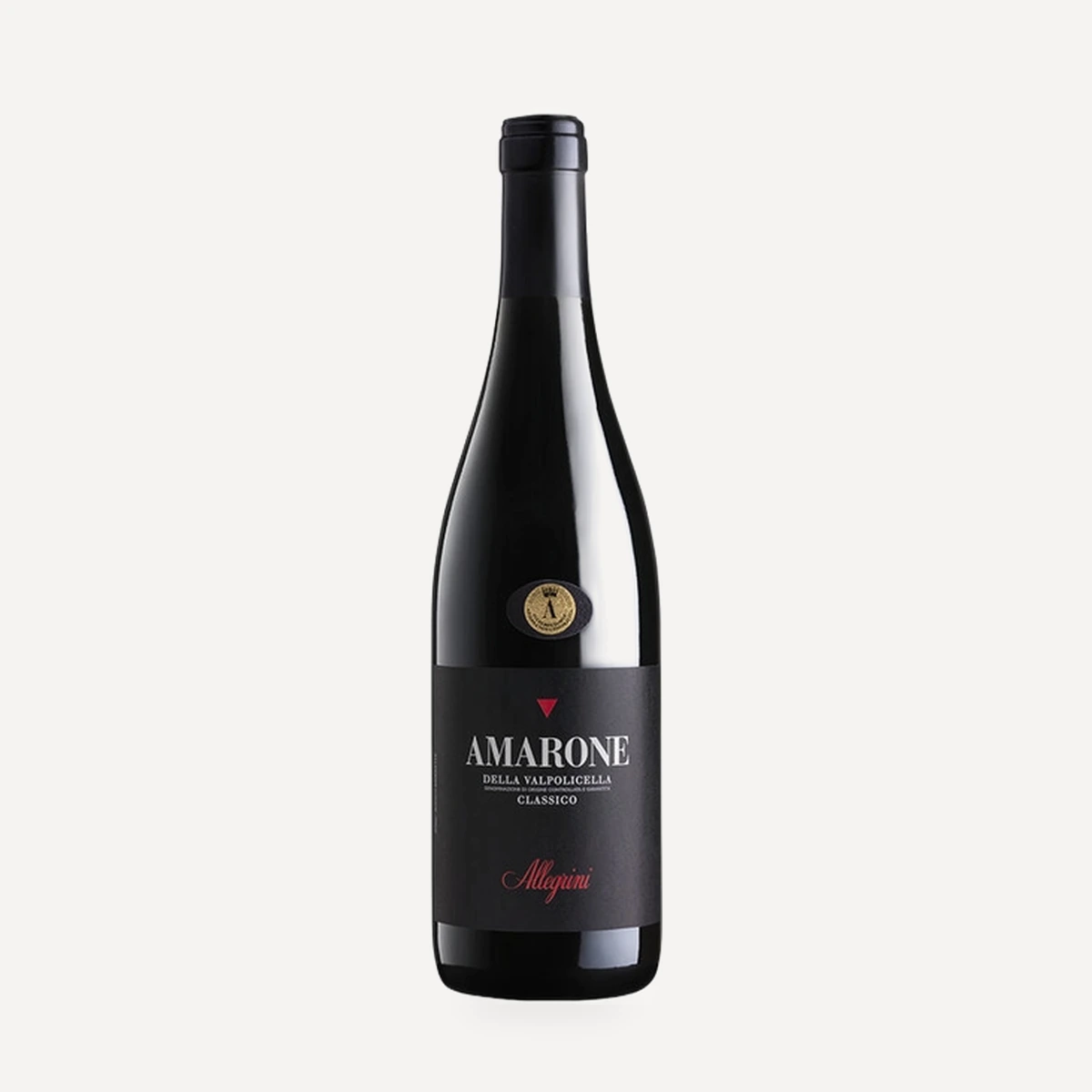
About this wine
Vineyard and terroir
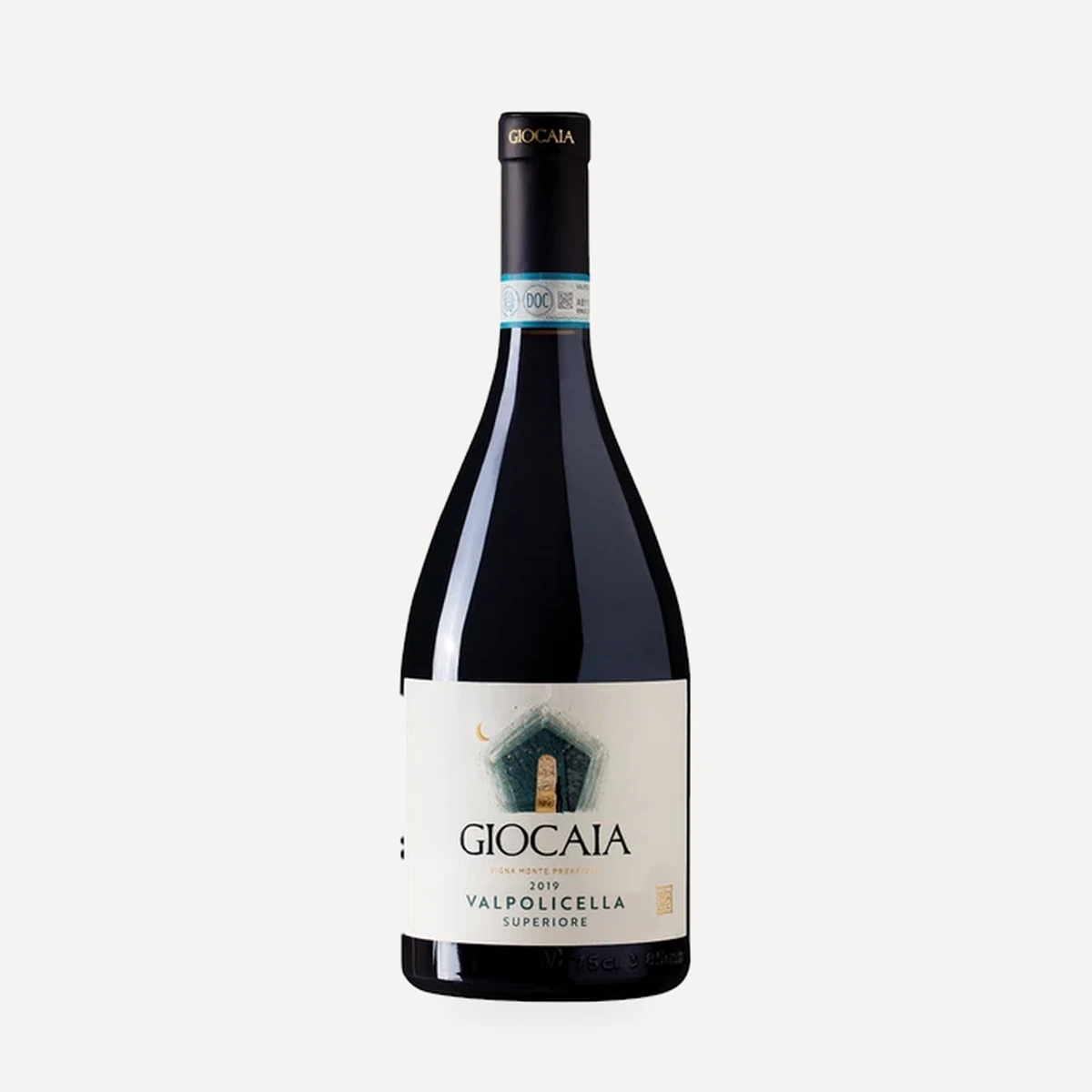
This Amarone comes from Monte Preafitta, in the lower-lying terrain near Mizzole in the Val Squaranto area, at 100–250 metres above sea level. The vines average 40 years of age. The soils comprise heterogeneous marly limestone deposits—including biancone and scaglia rossa—alongside basaltic volcanic rock. They have abundant gravel, a moderately fine texture and rootable depths ranging from moderate to very shallow.
Grapes
Corvina, Corvinone, Rondinella, Molinara, Croatina and Oseleta. The proportions vary by vintage.
Vinification
Bunches are harvested manually into crates between the second and third weeks of September. Selection and cleaning precede a slow, controlled drying period that continues until early December. The dried grapes are destemmed and lightly pressed, followed by cold pre-fermentation maceration and one month of fermentation on the skins.
Ageing
The wine ages for two years in barriques and tonneaux, followed by one year in bottle.
Technical data
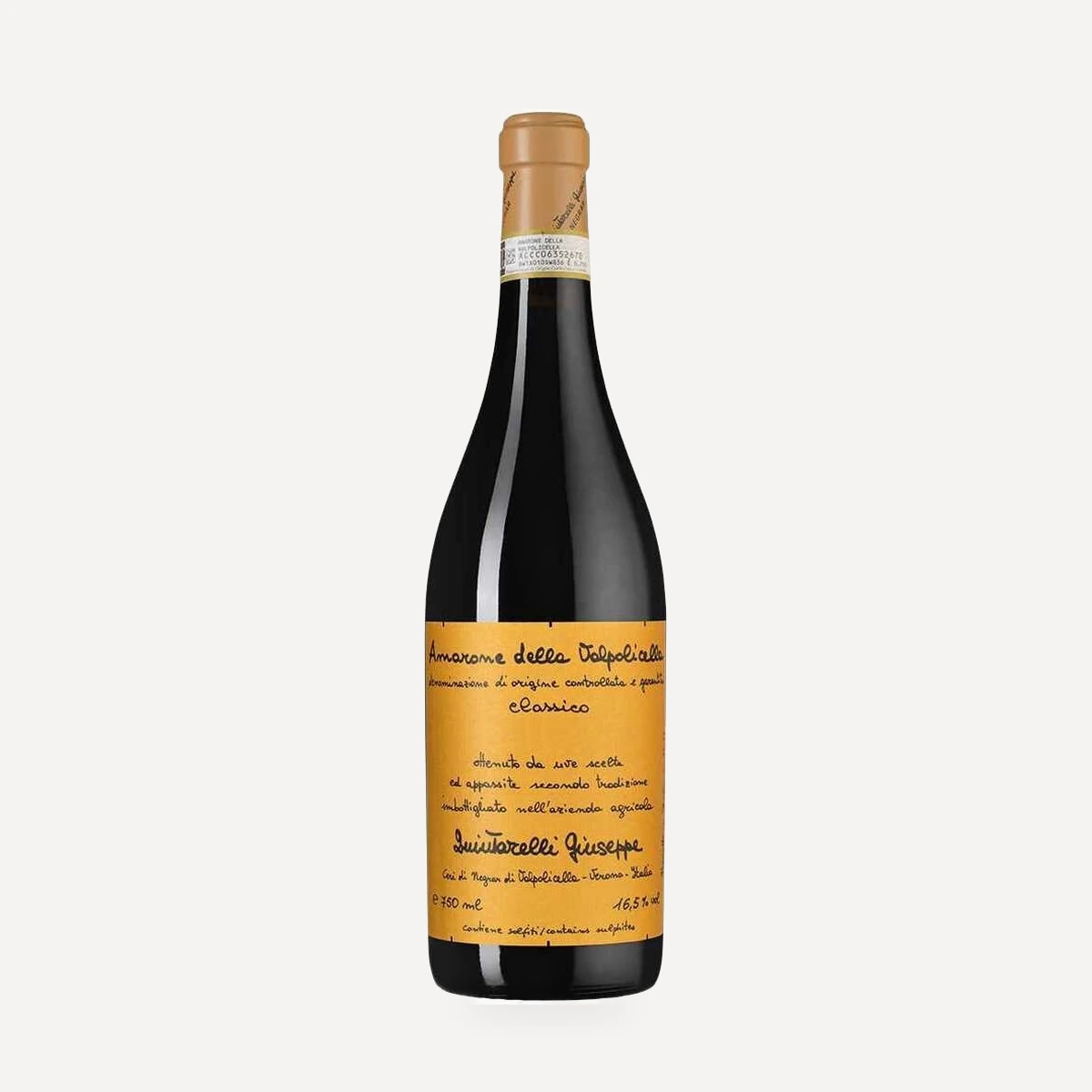
Alcohol: 16.5%. Total acidity: 7.15 g/L. pH: 3.3. Residual sugar: absent.
Tasting profile
Intense ruby red tending toward garnet. Sour cherry and cherry preserved in spirit lead the aroma, followed by vanilla, caramel, liquorice, leather, cocoa, brushwood and cedar. The palate opens assertively and is full, saline, substantial and persistent, with lively tannin. The retronasal profile brings dried fig, apricot and hazelnut, together with green pepper and chocolate. Pronounced acidity balances the wine’s complexity.
Label / history
The wine is rooted in the traditional appassimento process. Manual harvesting, bunch cleaning, drying-room rest, gradual dehydration, pressing as winter approaches, wood selection and the timing of bottling collectively shape its character and connect it with the past of the Monte Preafitta vineyards.