Amarone della Valpolicella
66 wineries and 175 wines. The Valpolicella spreads across the foothills of the province of Verona, from Lake Garda almost to the border with Vicenza, in a series of valleys and ridges that reach into the plain like the fingers of a hand. The Lessini mountains shelter it from the north, the lake softens it from the west, and on the lower slopes the climate comes close to Mediterranean, with 850 to 1,000 mm of rain falling mostly in winter. The soils are a mix of weathered limestone and dolomite, basalt, and glacial and river deposits of volcanic origin, with vineyards up to 500 metres. Read more ↓
- Tier
- DOCG
- Region
- Veneto
- Grapes
- Corvina, Rondinella, Corvinone
- Styles
- Red, Sweet, Fortified
- Vineyards
- 2 named
- Producers
- 66
Wineries making Amarone della Valpolicella
 Tommaso Bussola Amarone della Valpolicella · 10 wines1 Tre Bicchieri 2010 · Recioto della Valpolicella Classico TB
 Allegrini Valpolicella · 28 wines16 Tre Bicchieri, latest 2026 · Amarone della Valpolicella Classico DOCG
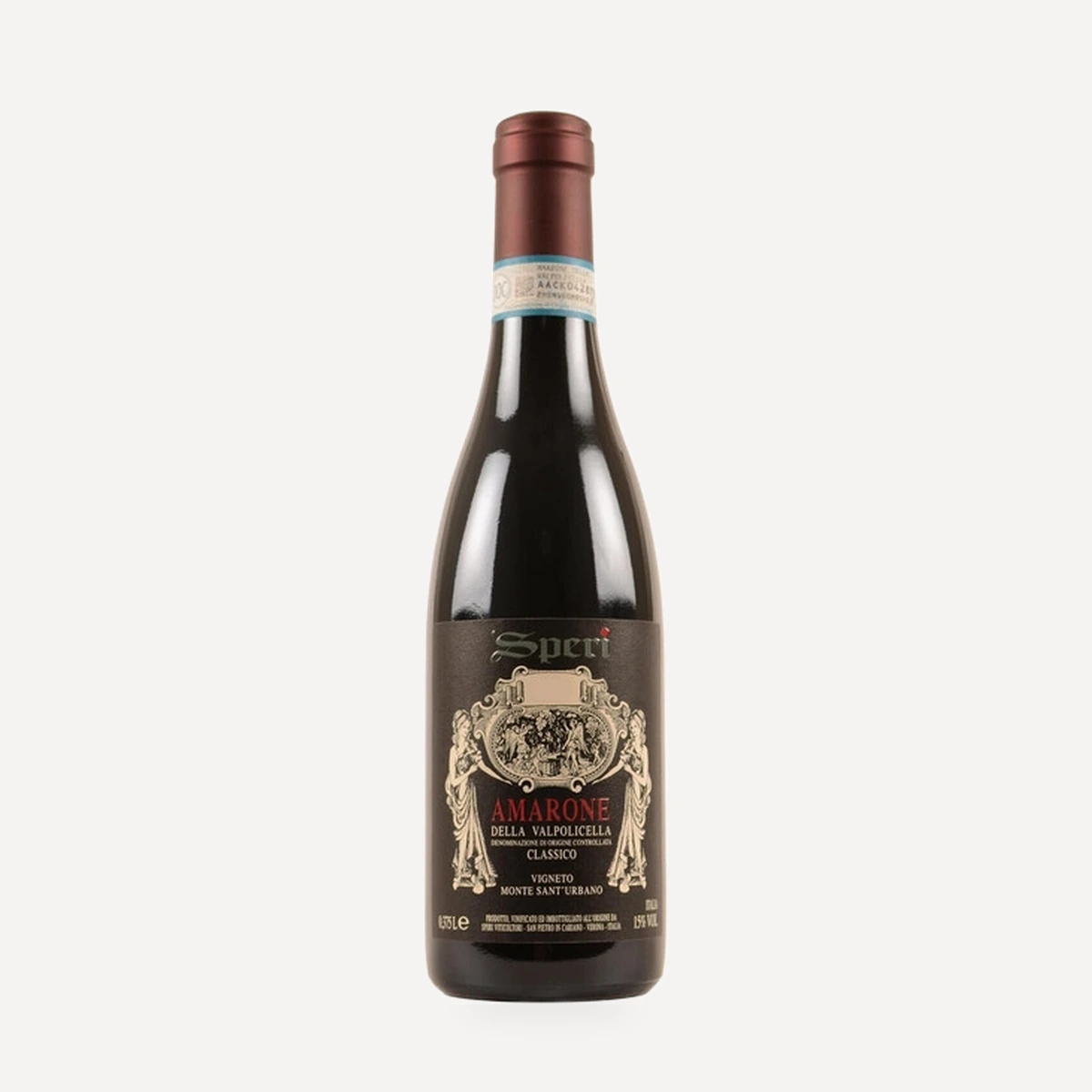
 Speri Valpolicella · 5 wines5 Tre Bicchieri, latest 2026 · Valpolicella Classico Superiore Sant’Urbano
 Bertani Valpolicella · 27 wines9 Tre Bicchieri, latest 2026 · Amarone della Valpolicella Classico
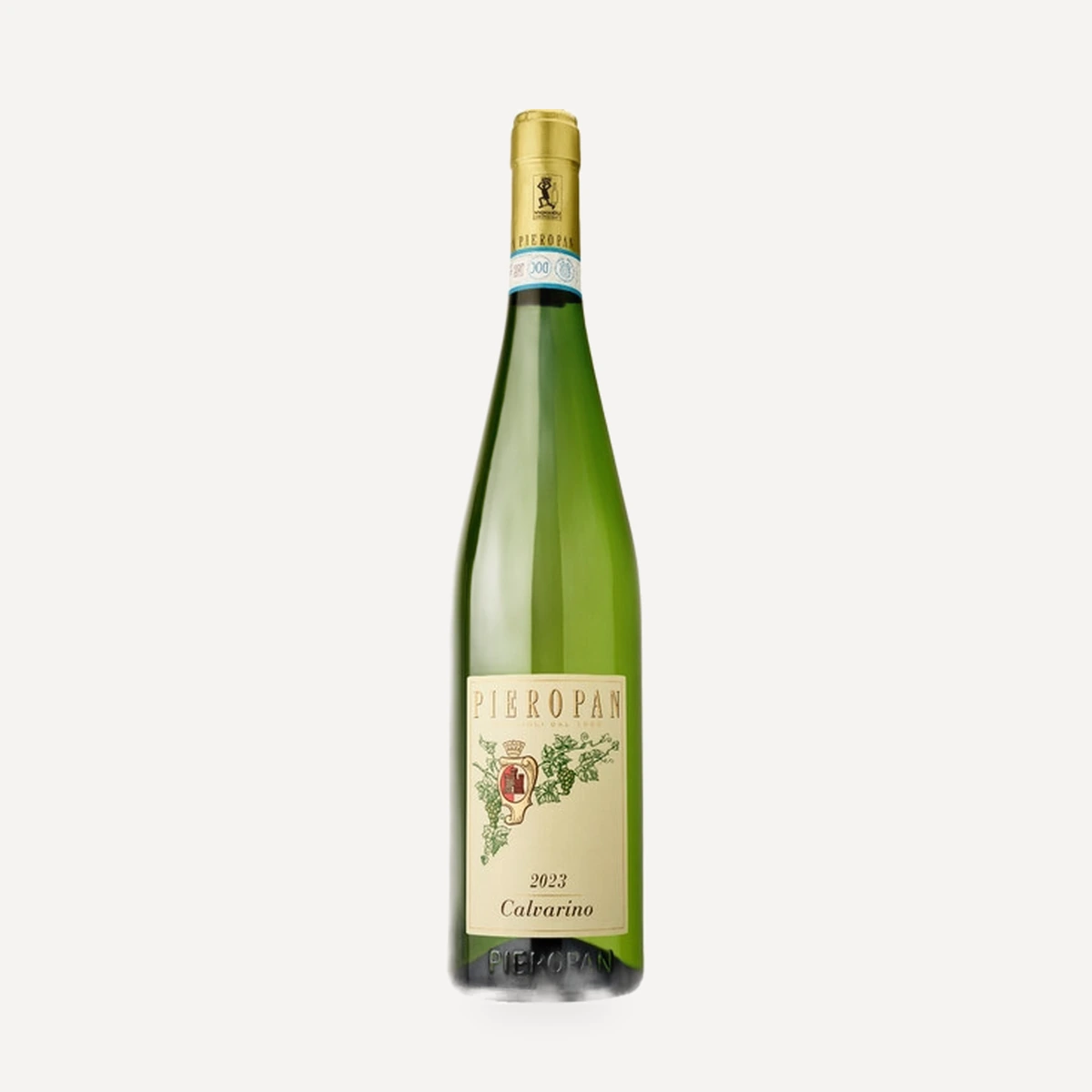 Pieropan Soave · 15 wines5 DWWA awards, latest 2026 · Soave Classico, Calvarino, Pieropan, Veneto, Italy
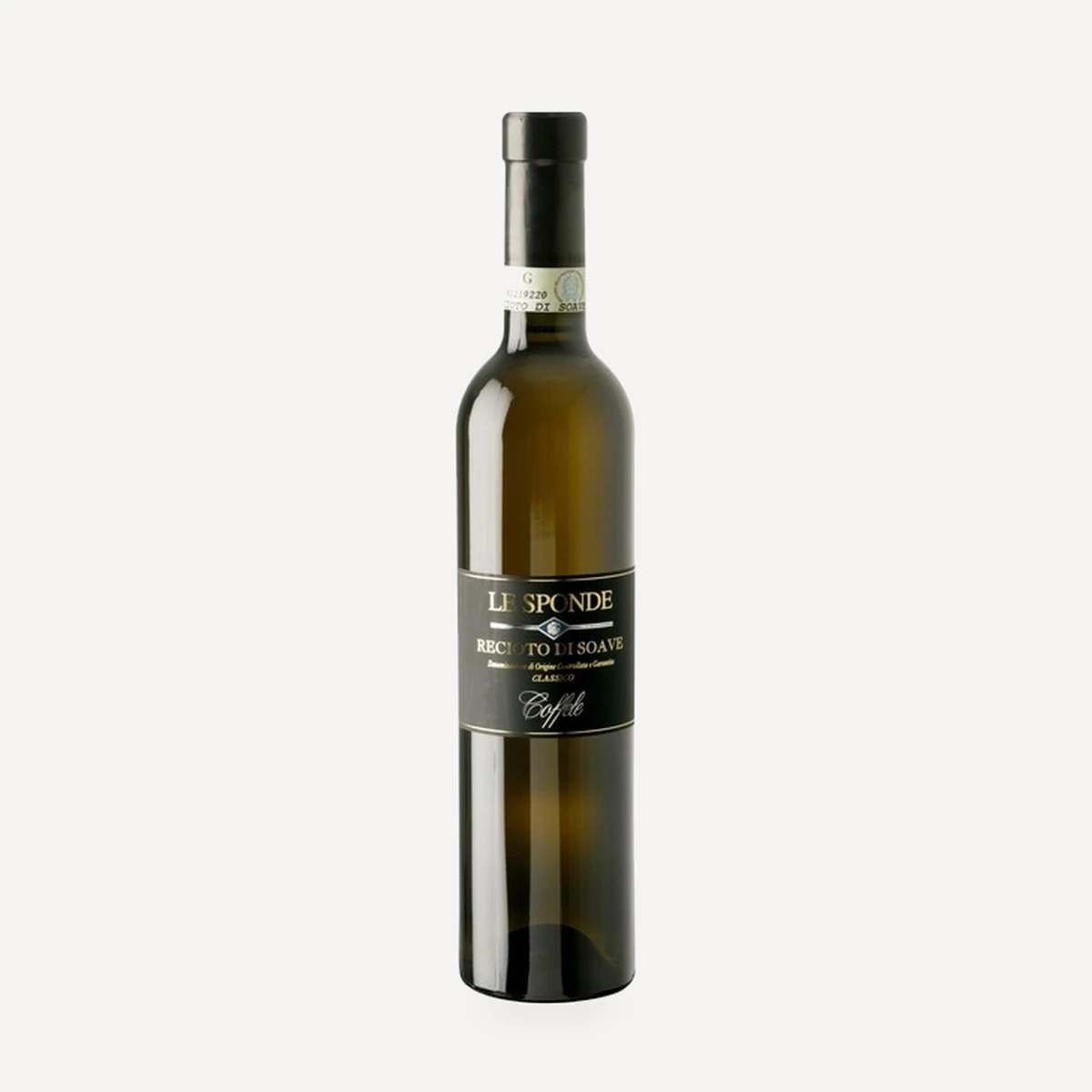 Coffele Soave · 9 wines2 Tre Bicchieri, latest 2016 · Le Sponde Recioto di Soave Classico DOCG
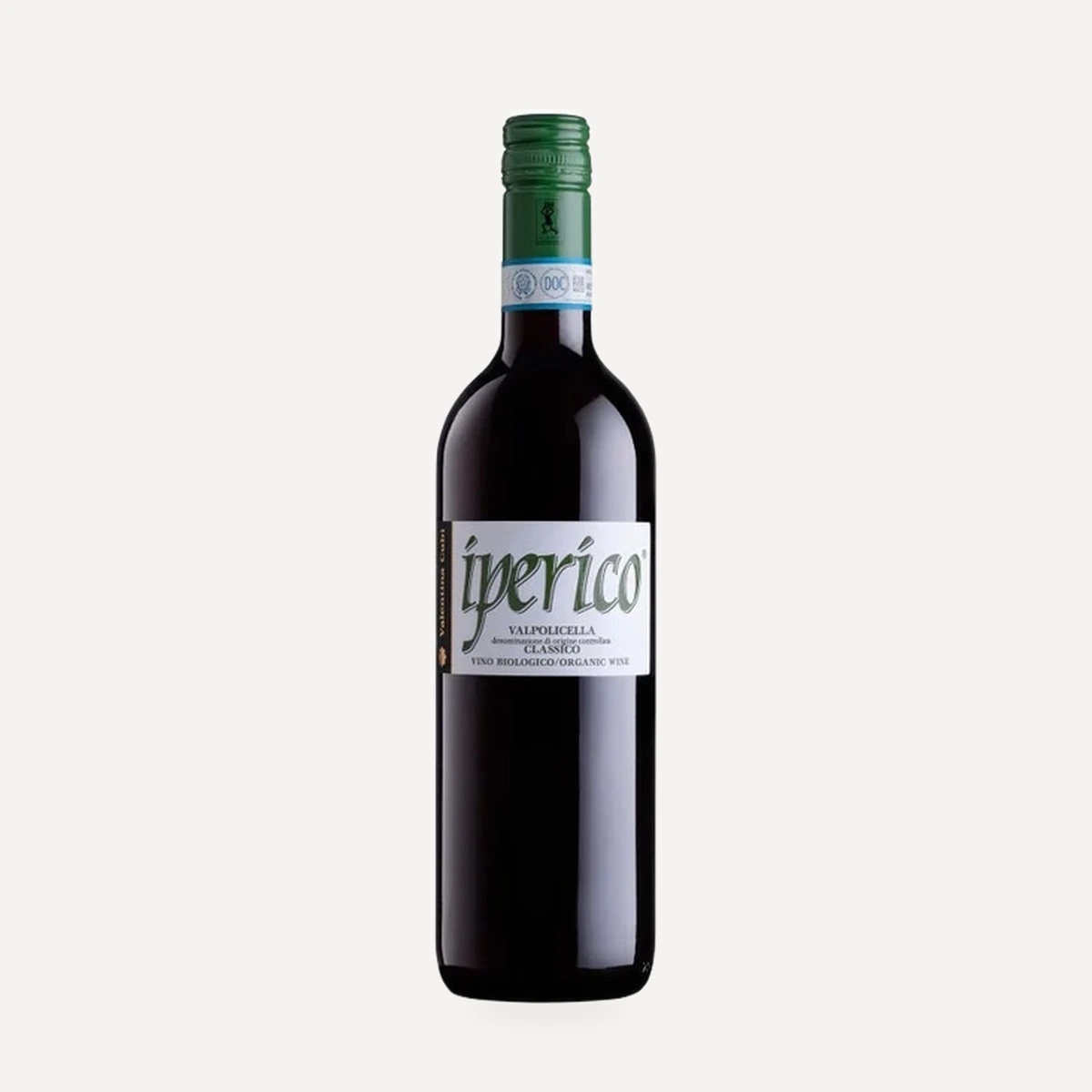 Valentina Cubi Valpolicella · 9 wines1 DWWA award 2026 · Iperico
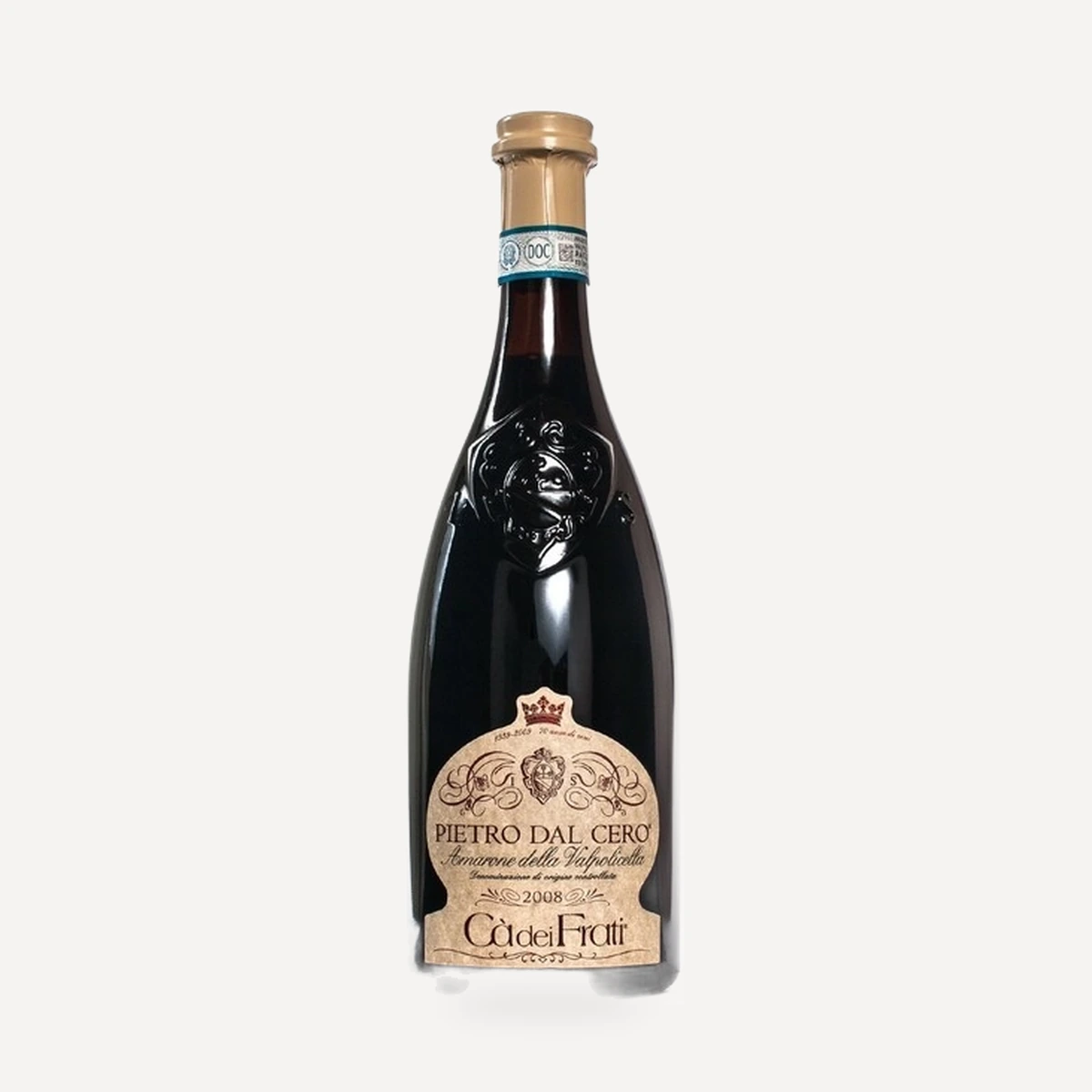 Ca dei Frati Lugana · 13 winesPietro Dal Cero
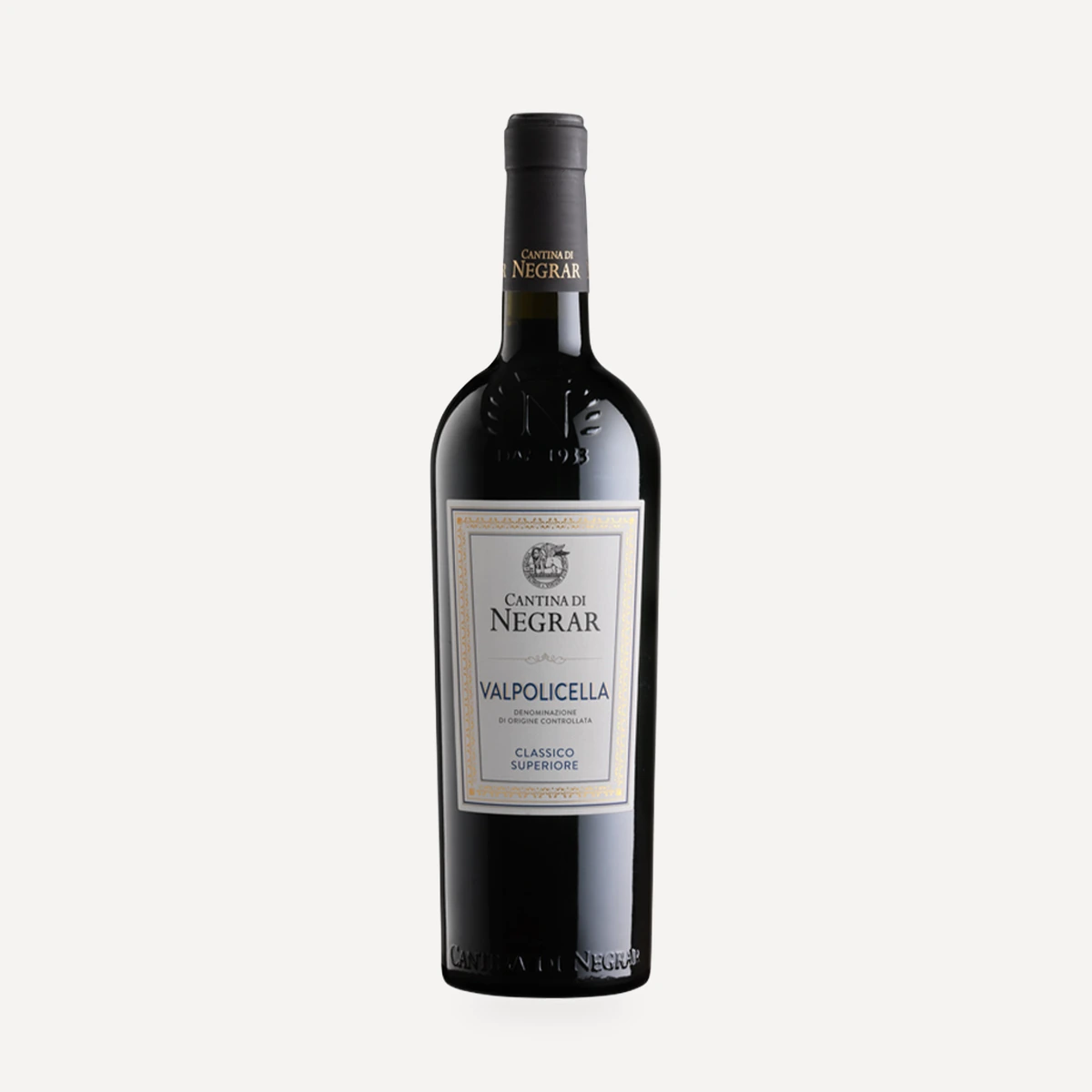 Cantina Negrar Valpolicella · 24 winesValpolicella Classico Superiore DOC
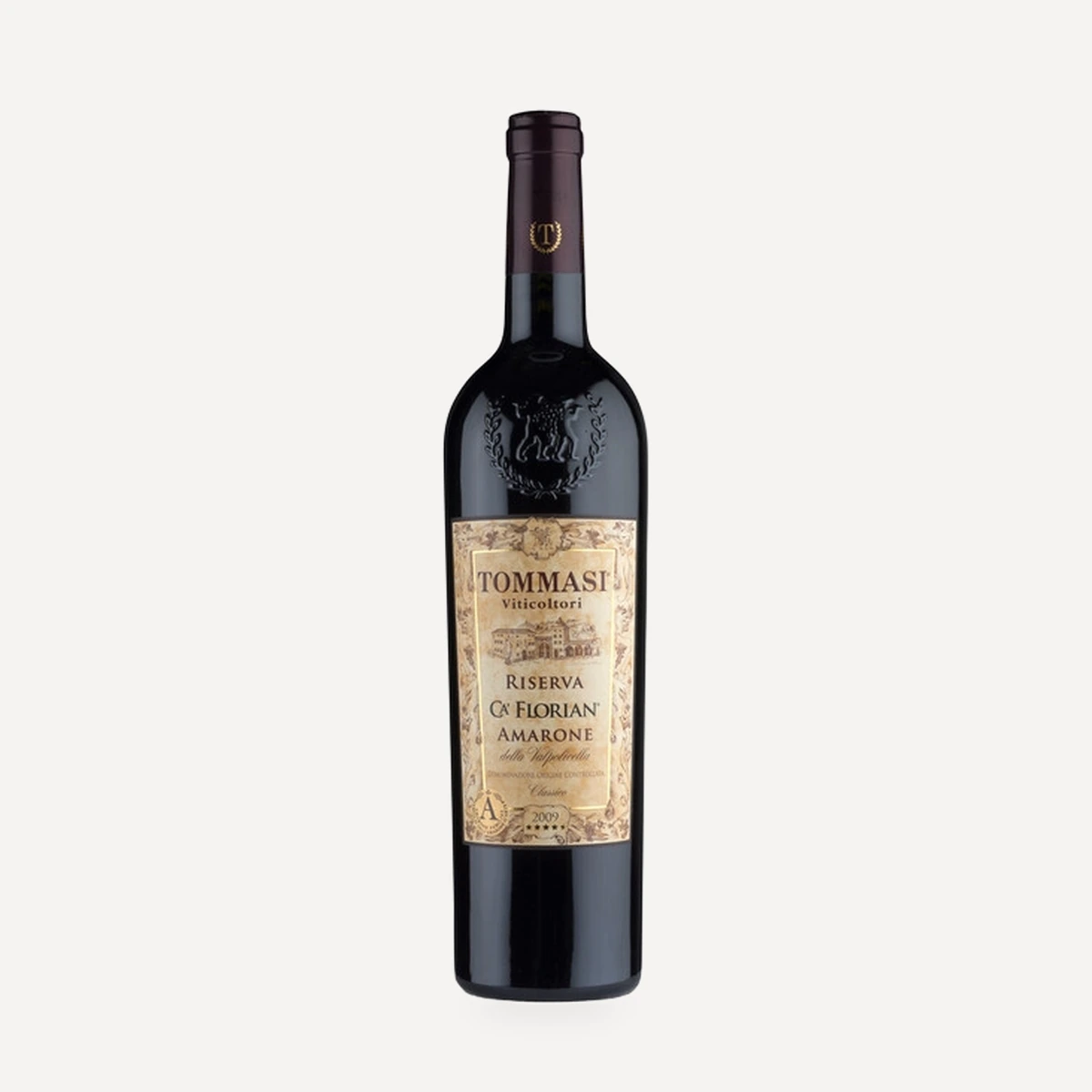 TommasiAmarone della Valpolicella · 39 wines2 DWWA awards, latest 2024 · Ca’ Florian Amarone della Valpolicella Classico Riserva DOCG
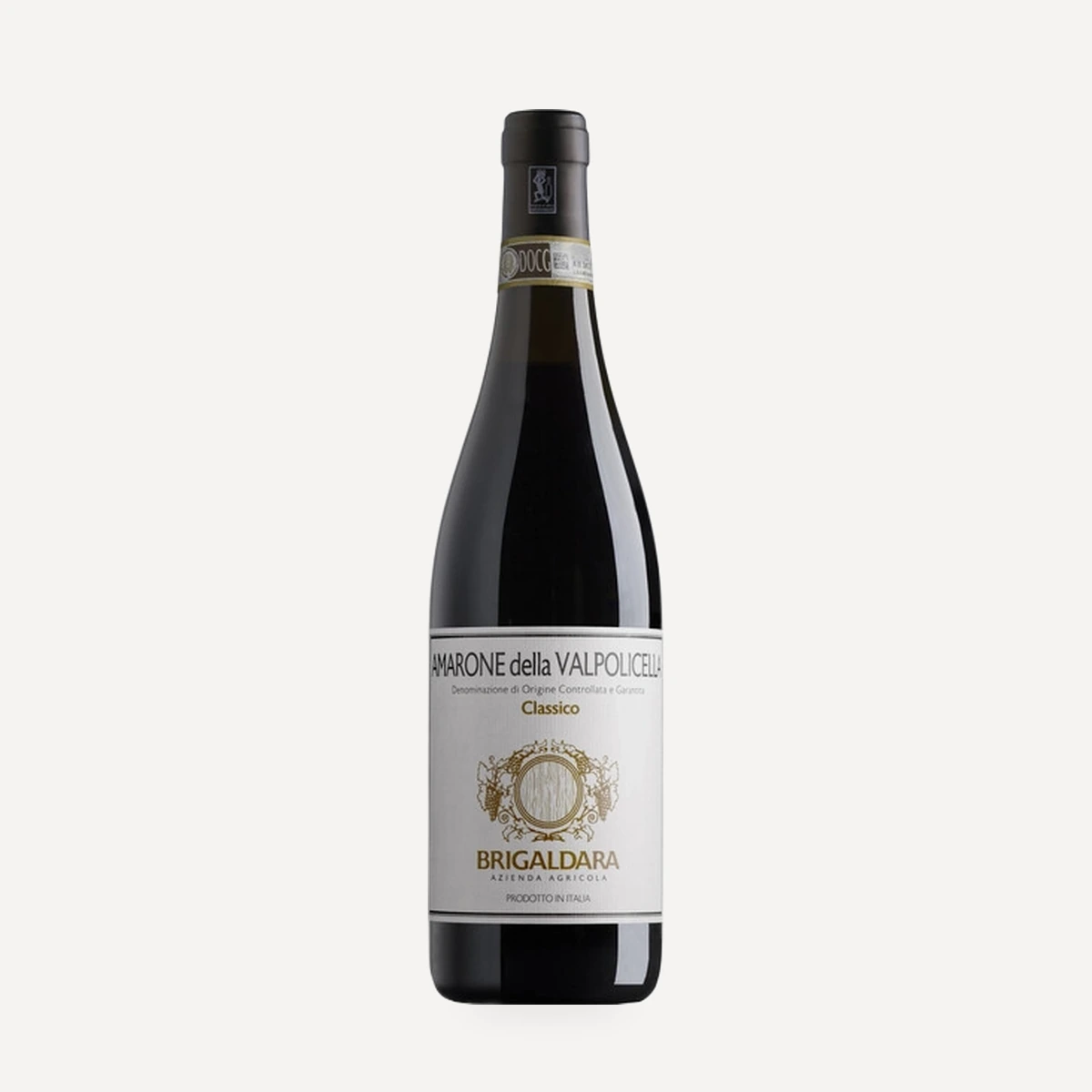
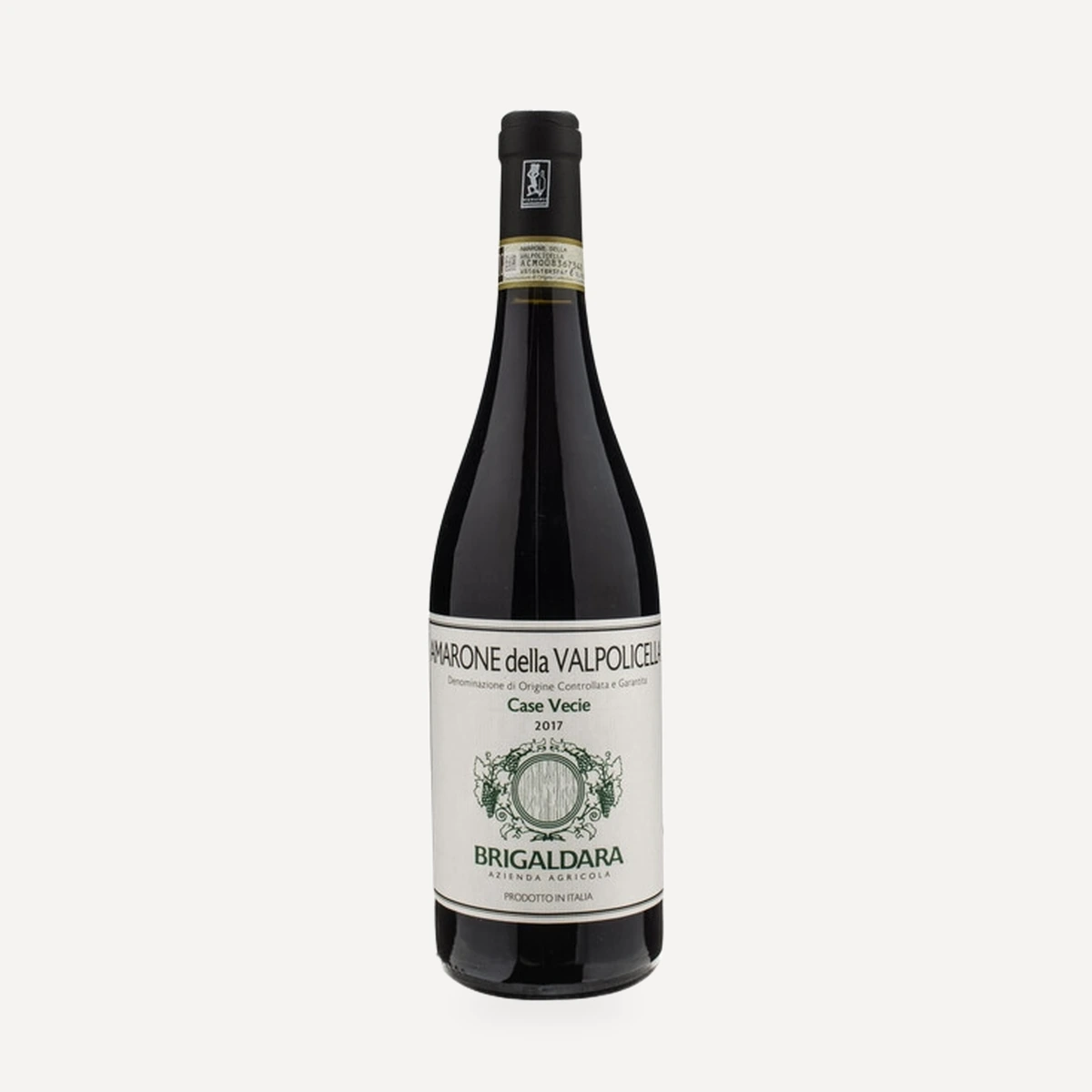 BrigaldaraAmarone della Valpolicella · 12 wines13 Tre Bicchieri, latest 2026 · Amarone della Valpolicella Case Vecie DOCG
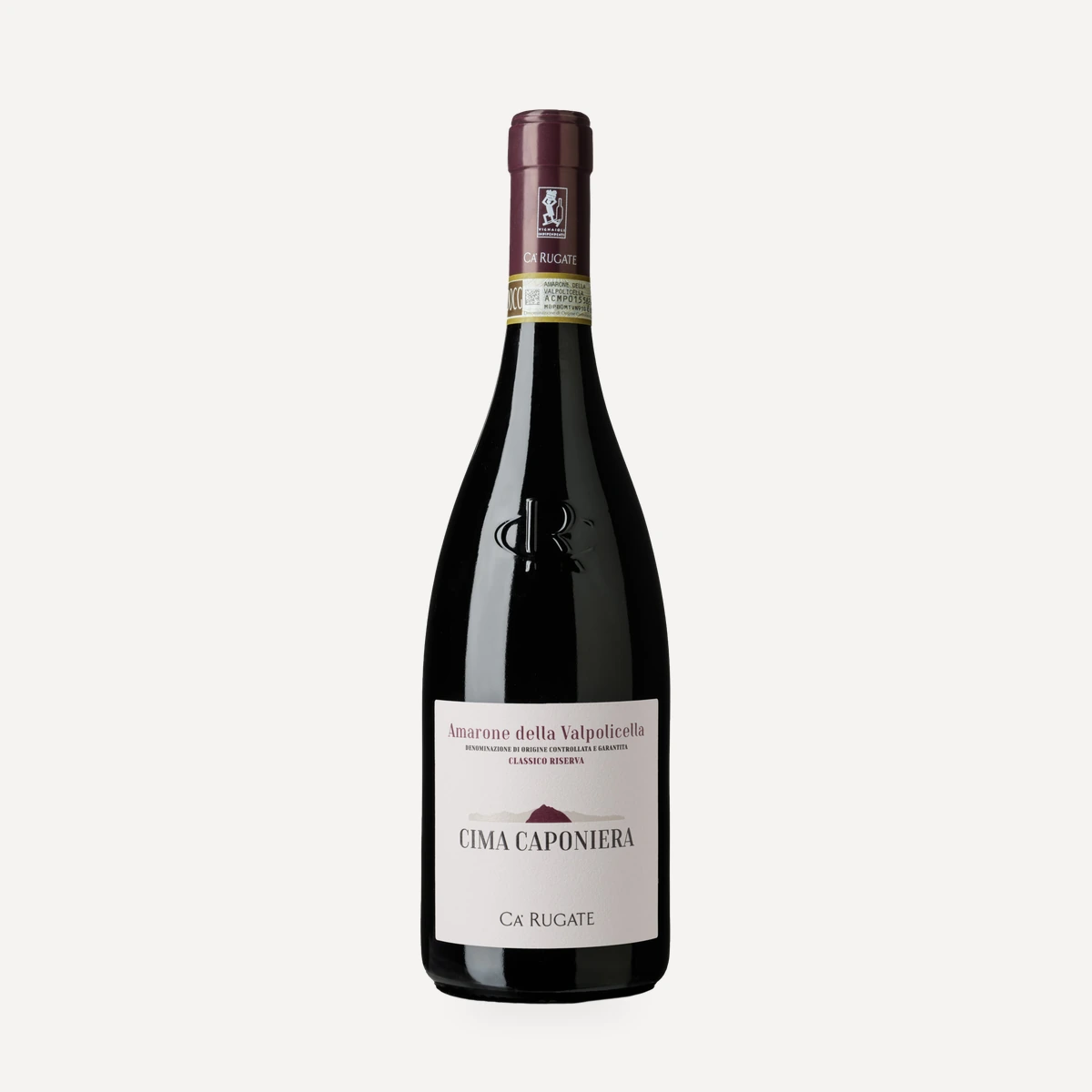 Ca RugateAmarone della Valpolicella · 21 wines13 Tre Bicchieri, latest 2025 · Cima Caponiera Amarone Classico Riserva
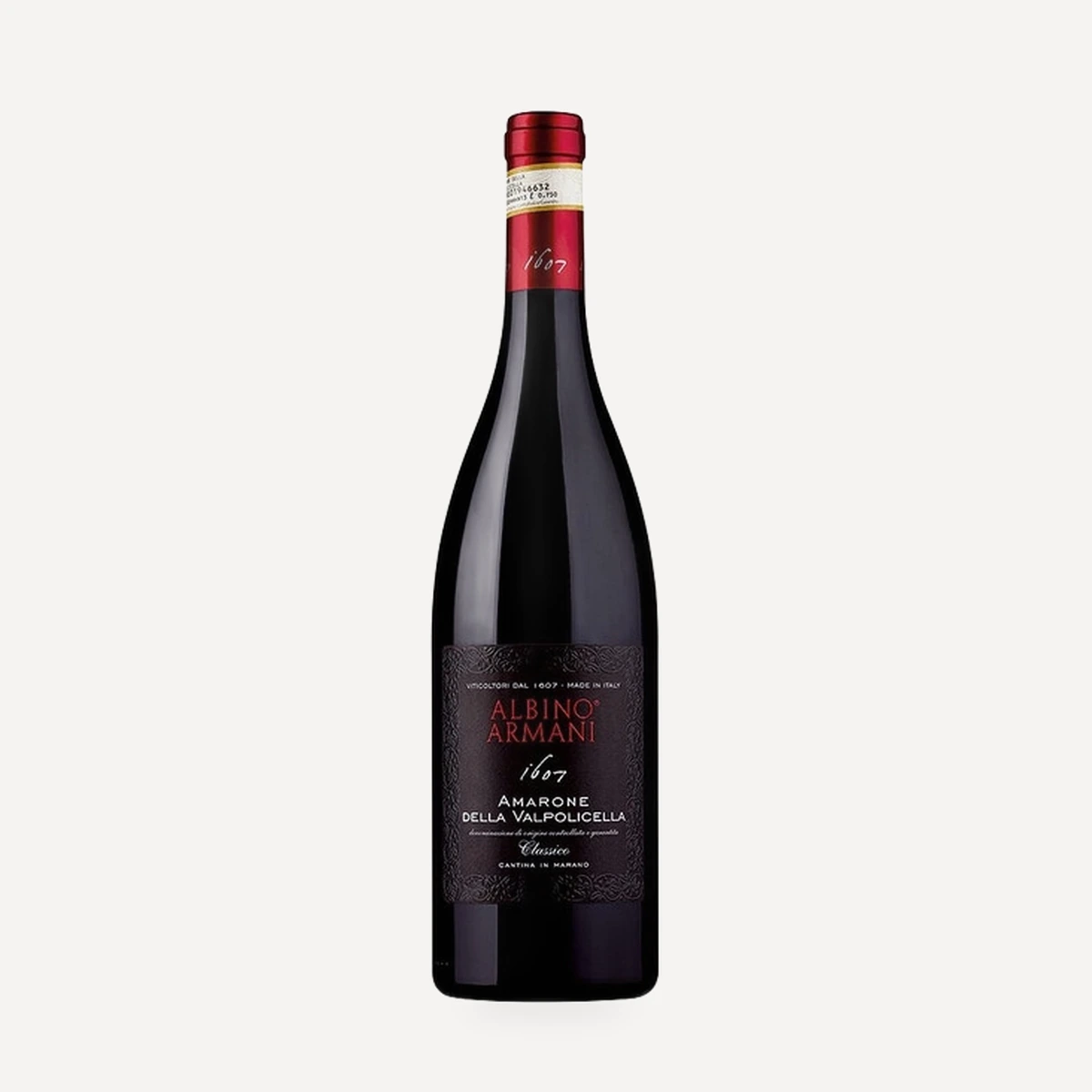
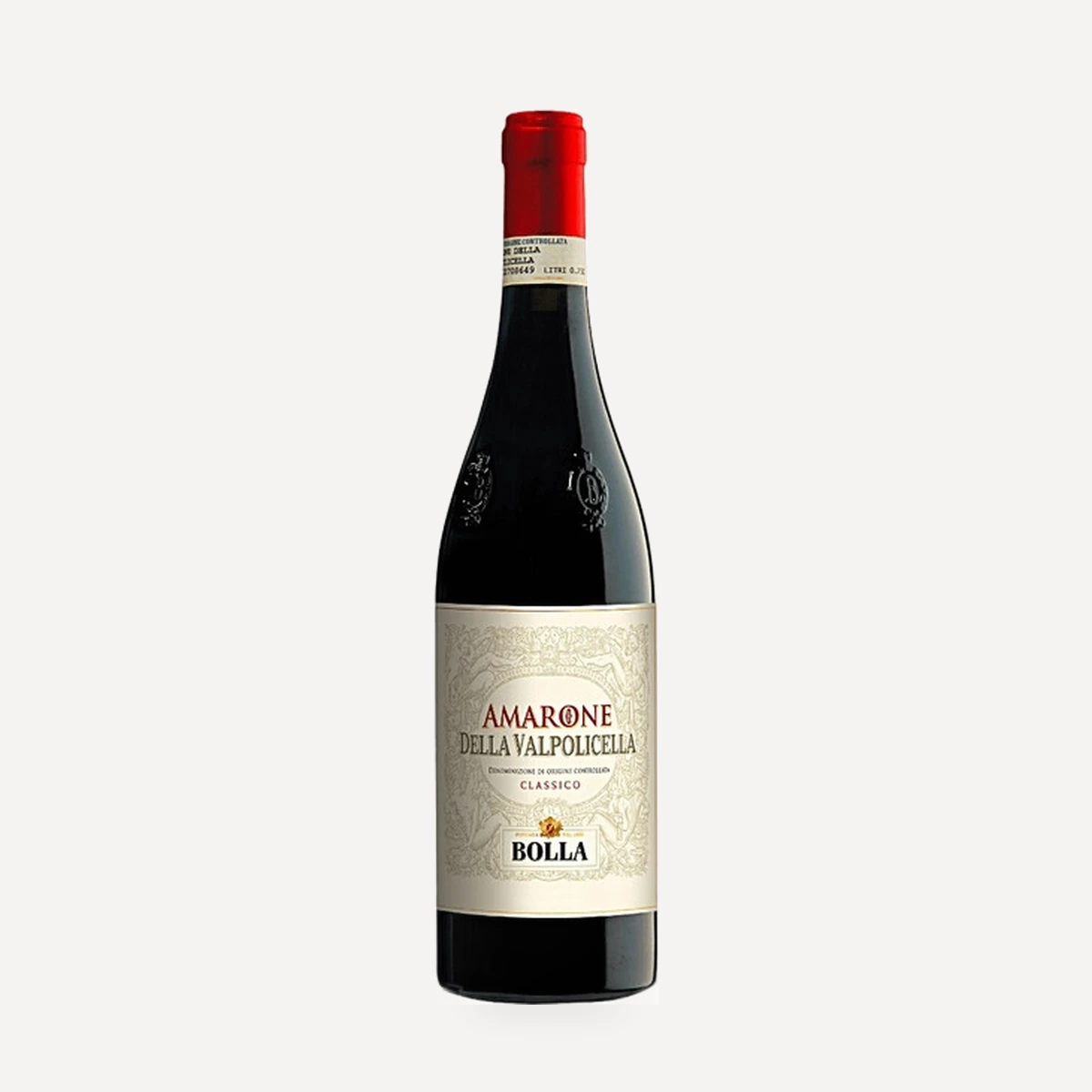
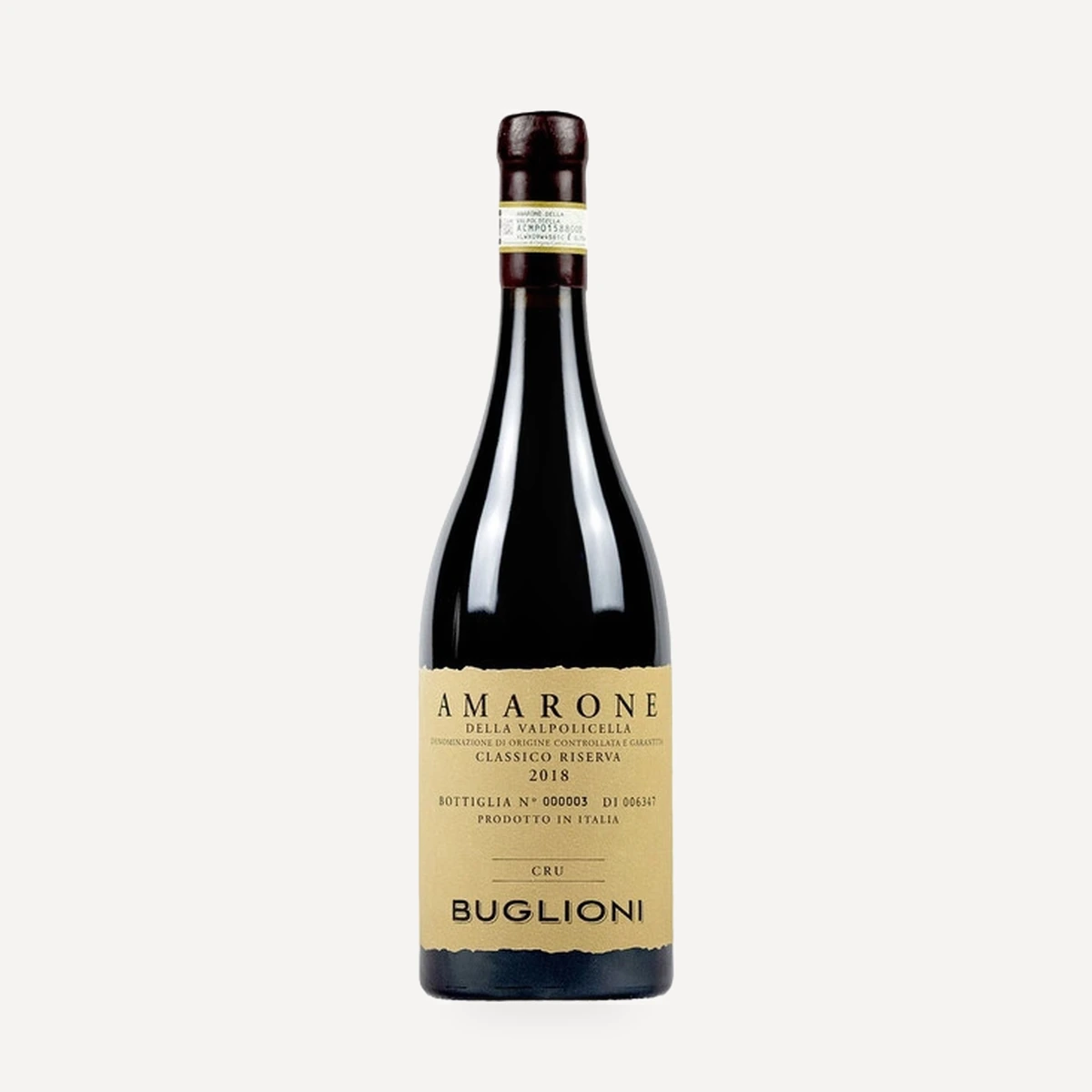 Ca dei Frati Lugana · 13 winesCa RugateAmarone della Valpolicella · 21 winesCa' del PipaCa' La Bionda11 winesCantina Negrar Valpolicella · 24 winesCaterina ZardiniAmarone della Valpolicella · 2 winesCecilia Beretta10 wines
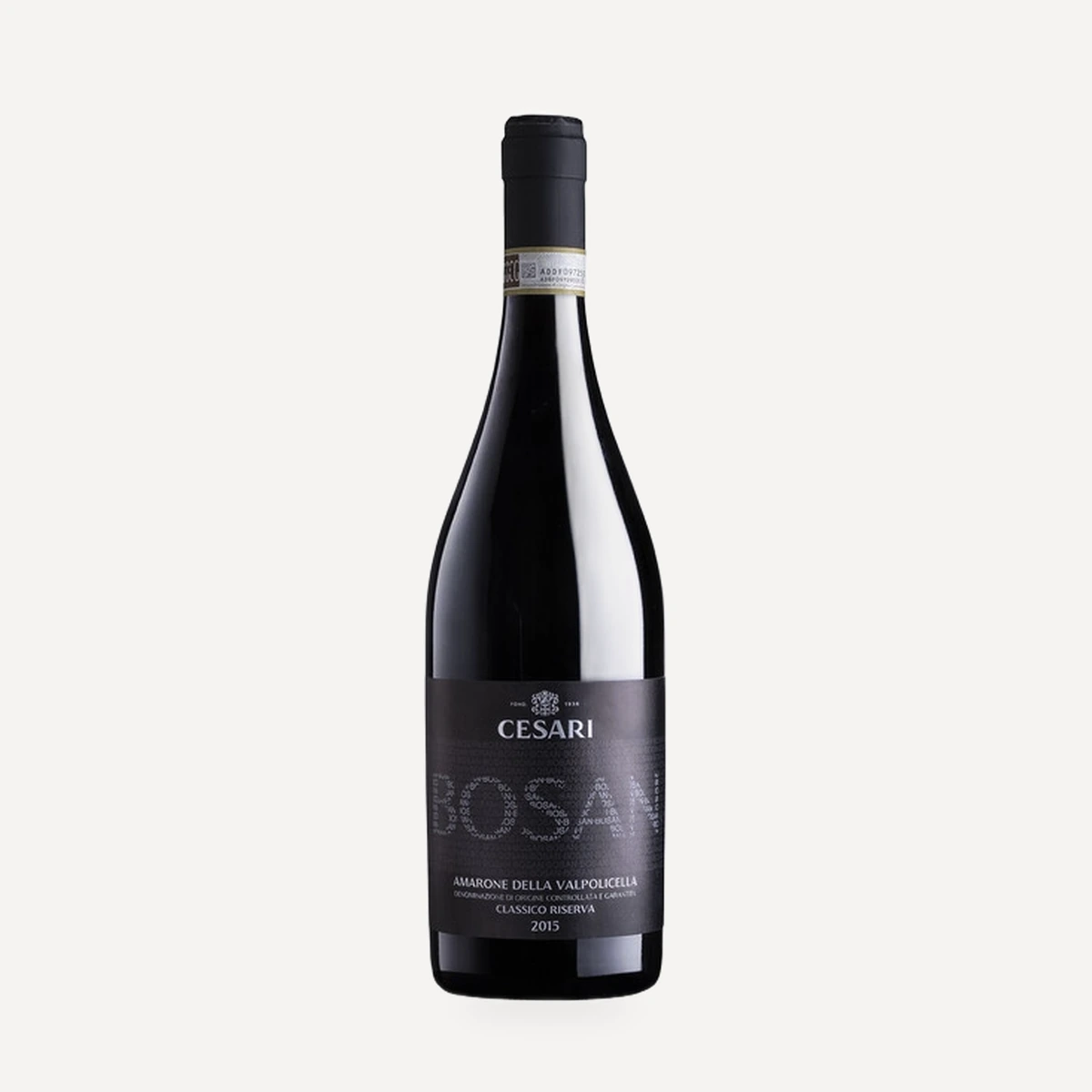 CesariVenezia · 38 winesCoffele Soave · 9 wines
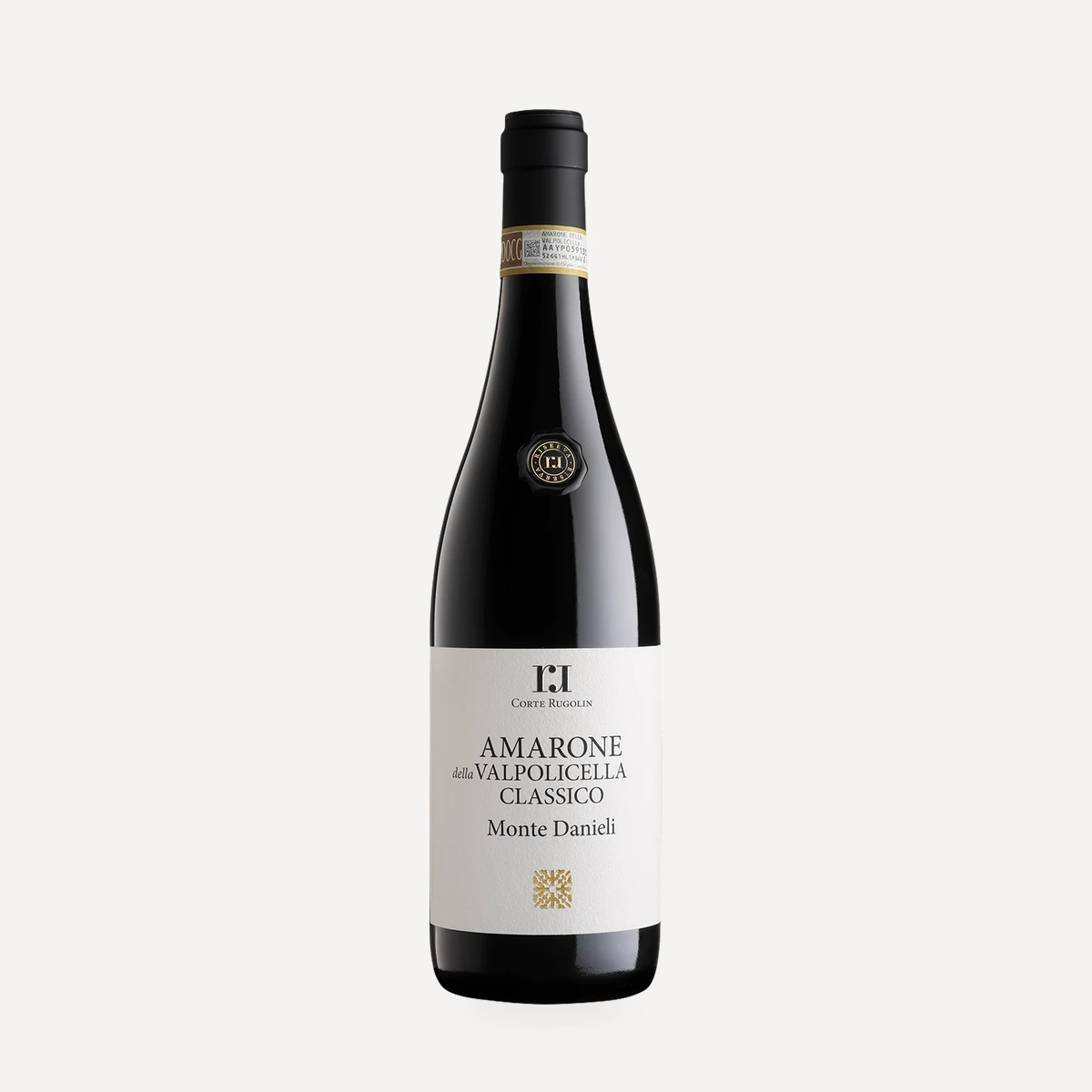 Corte RugolinAmarone della Valpolicella · 6 winesCorteforte10 wines
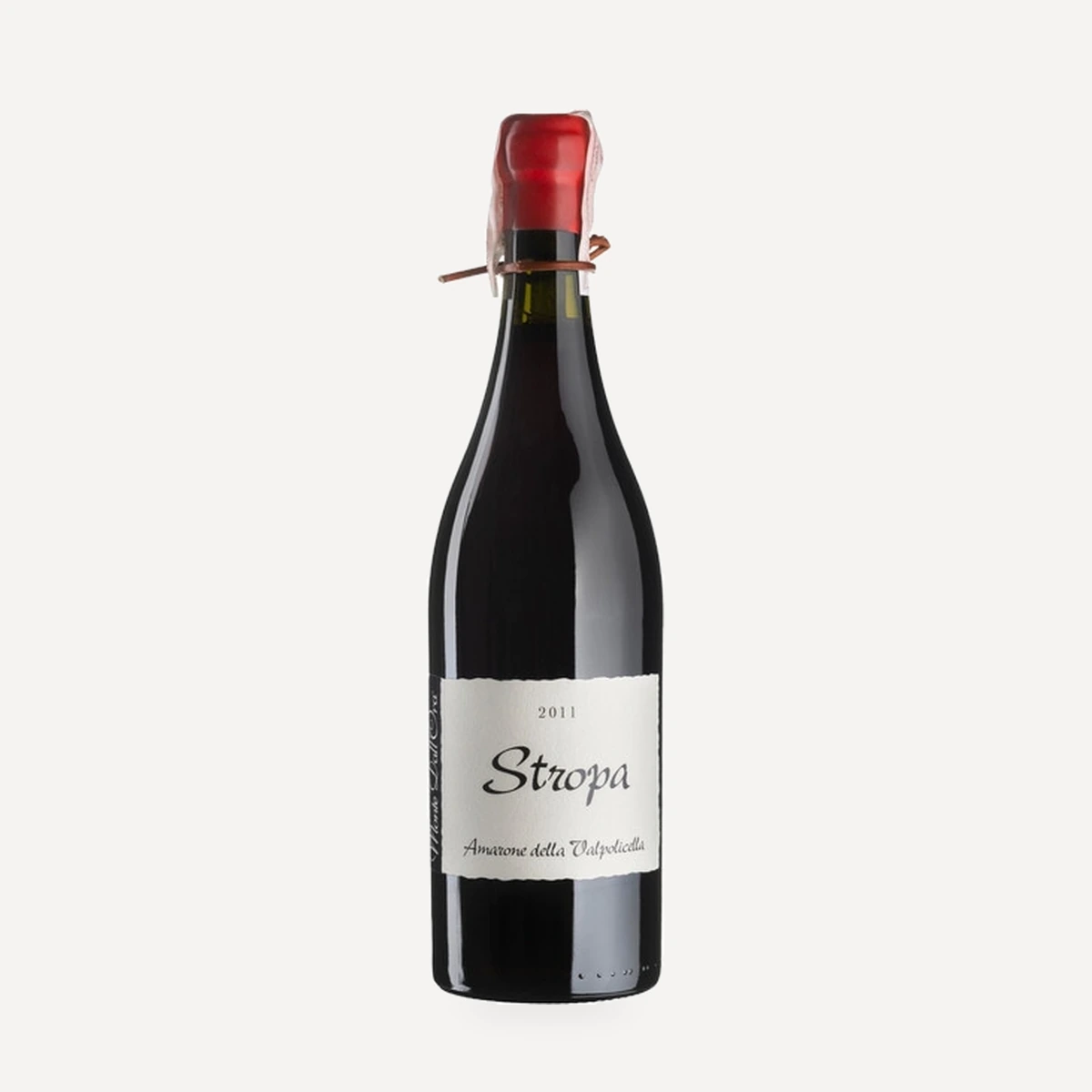
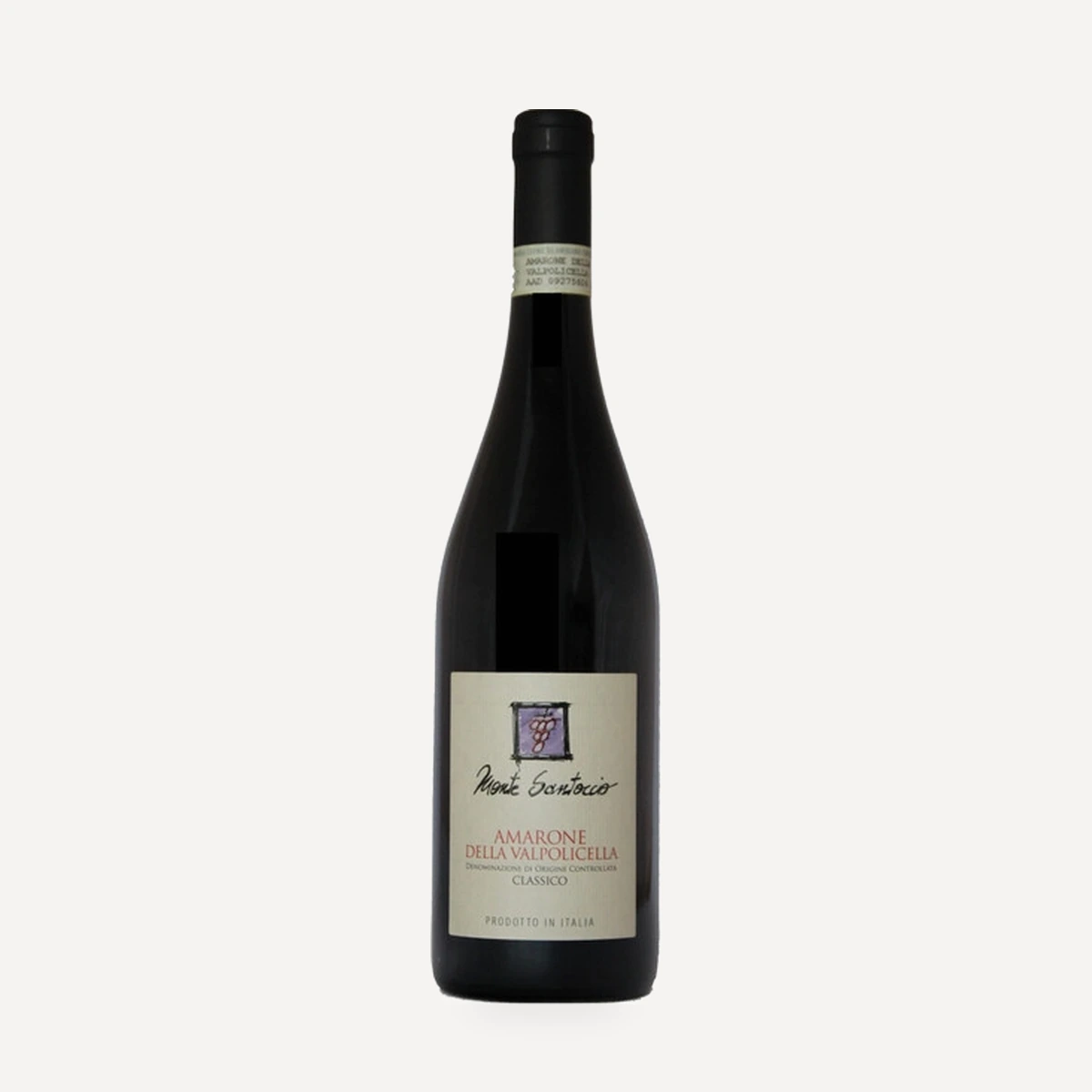
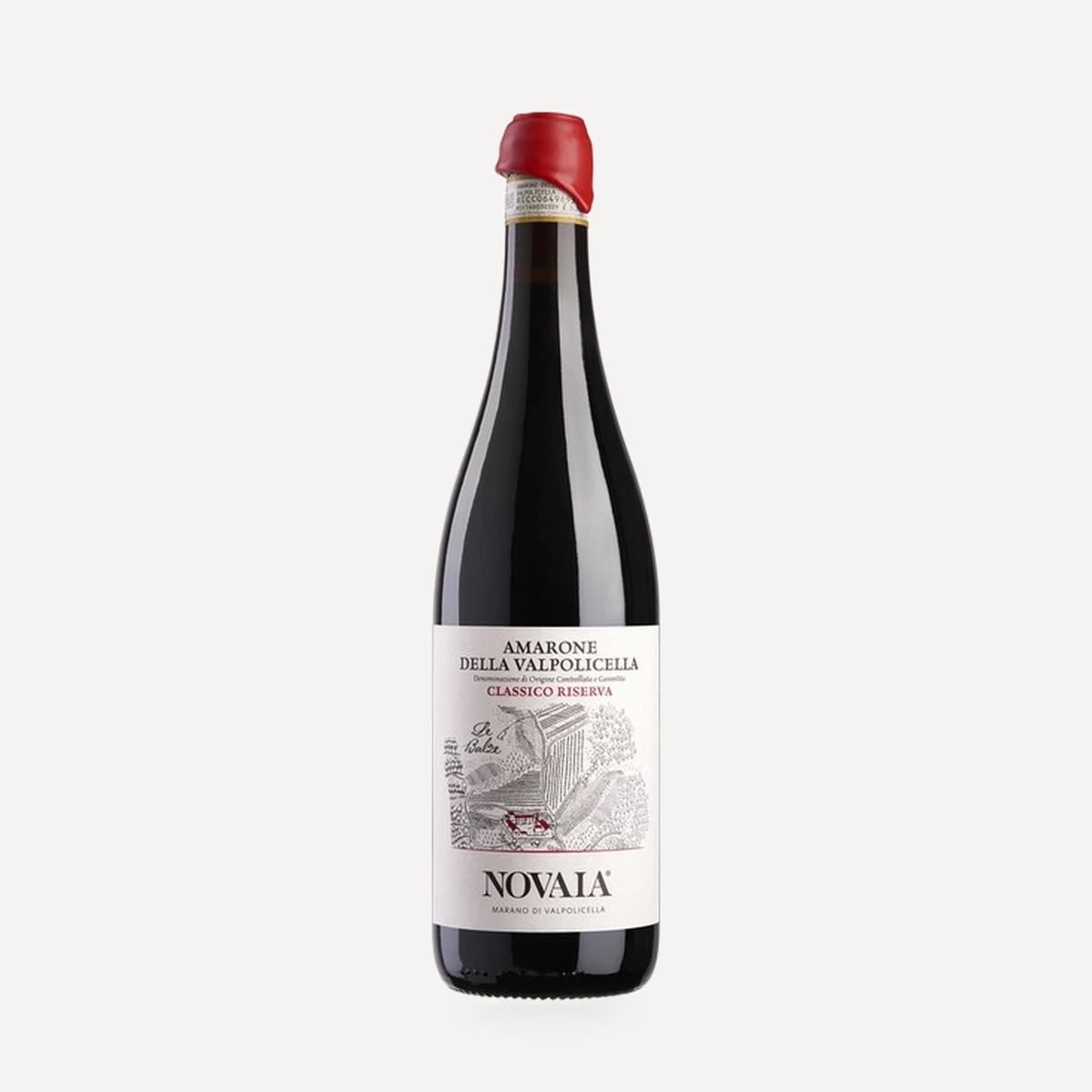
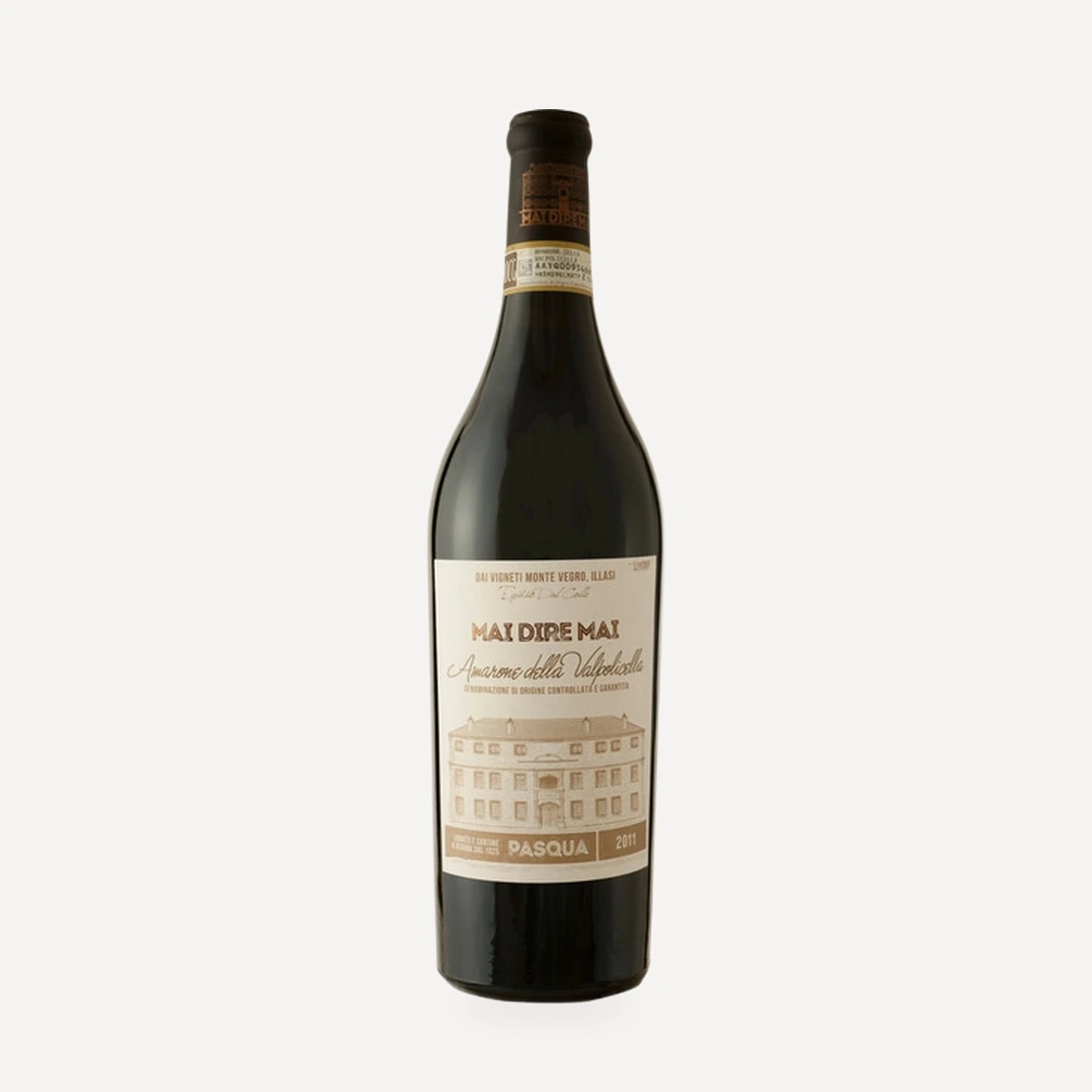
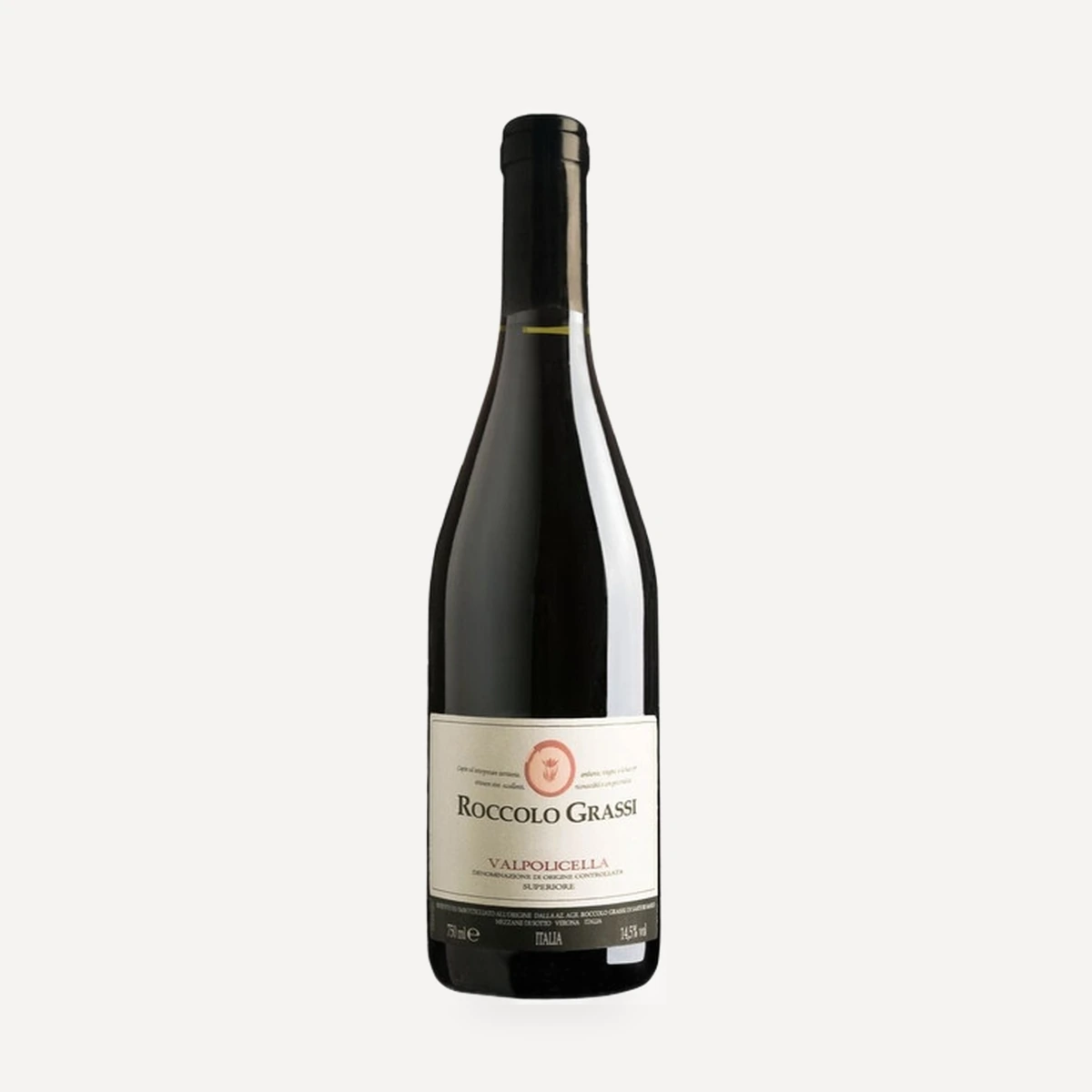
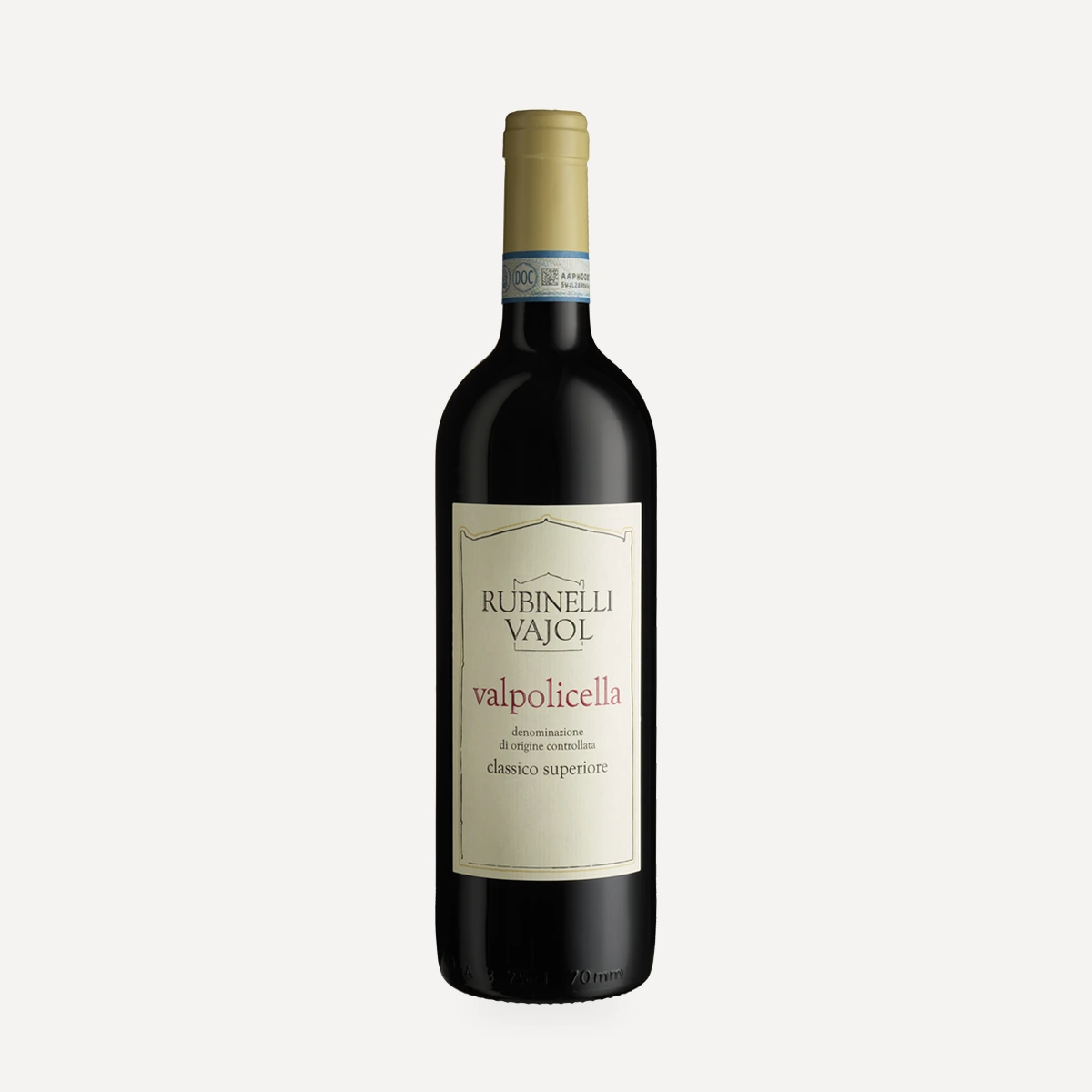
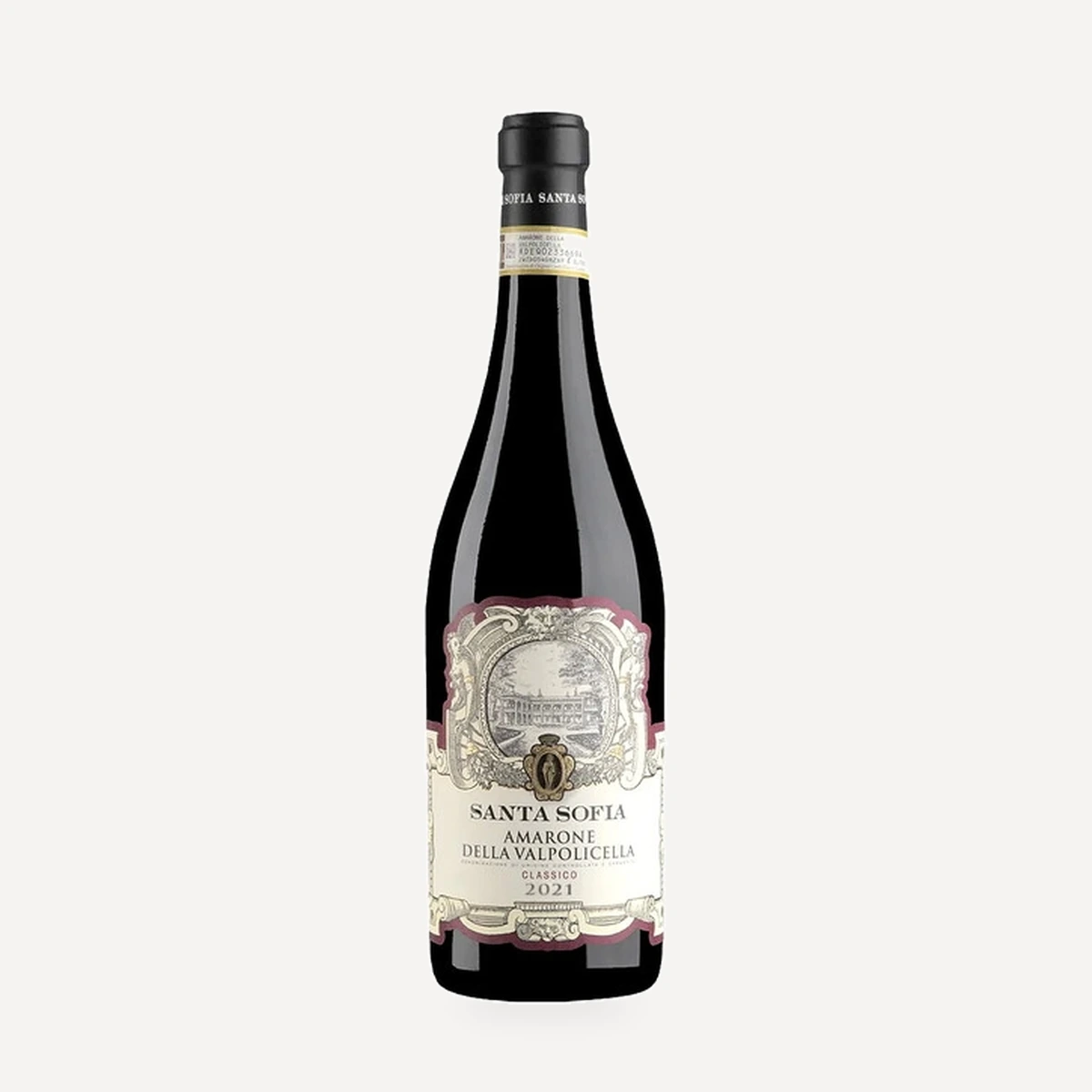

 Tenuta CostalungaAmarone della Valpolicella · 9 wines
 Tenuta di MissojValpolicella Ripasso · 2 winesTenuta di ValpolicellaTenuta Marnebianche5 winesTenuta Novare
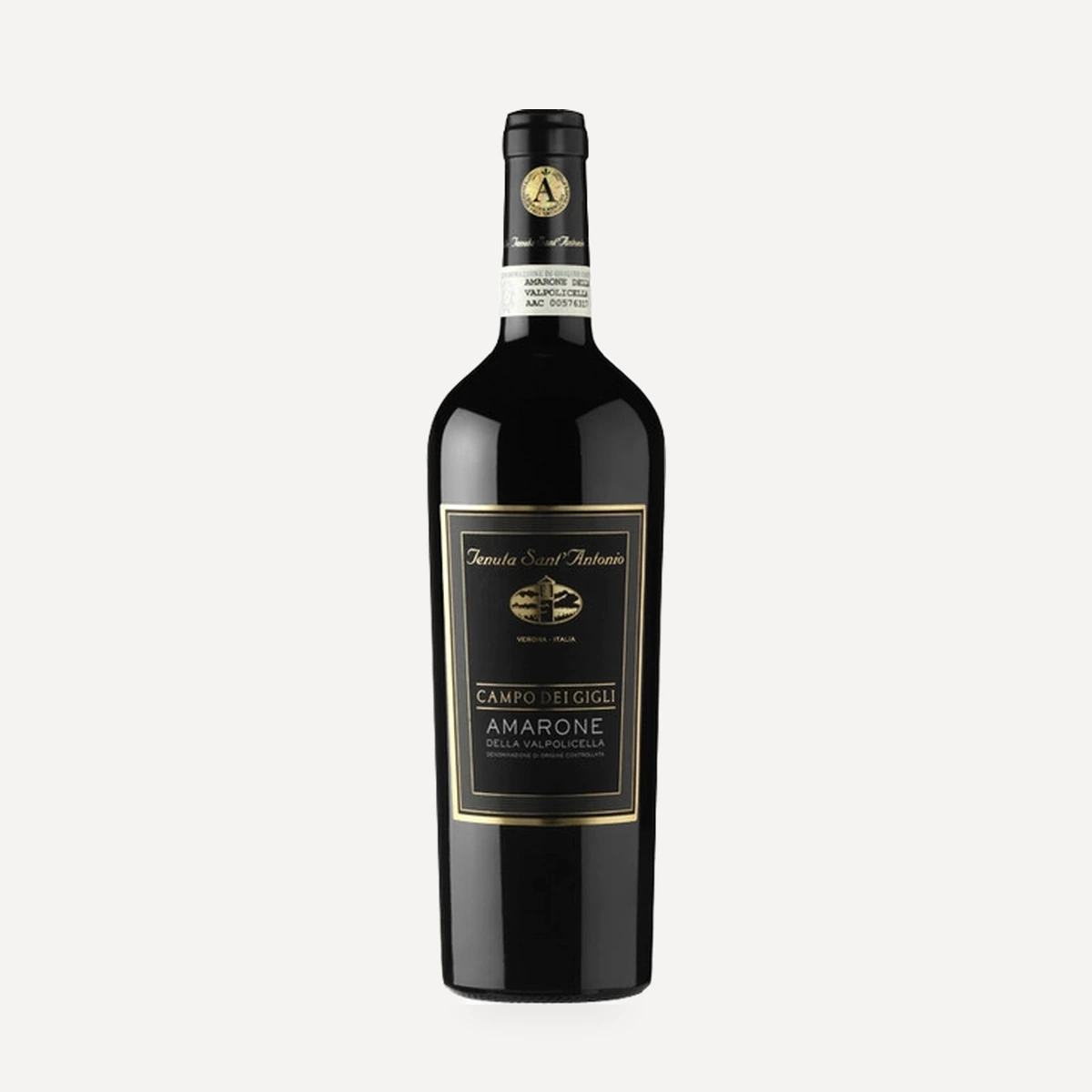 Tenuta Sant'AntonioValpolicella · 24 winesTenuta Scajari6 wines
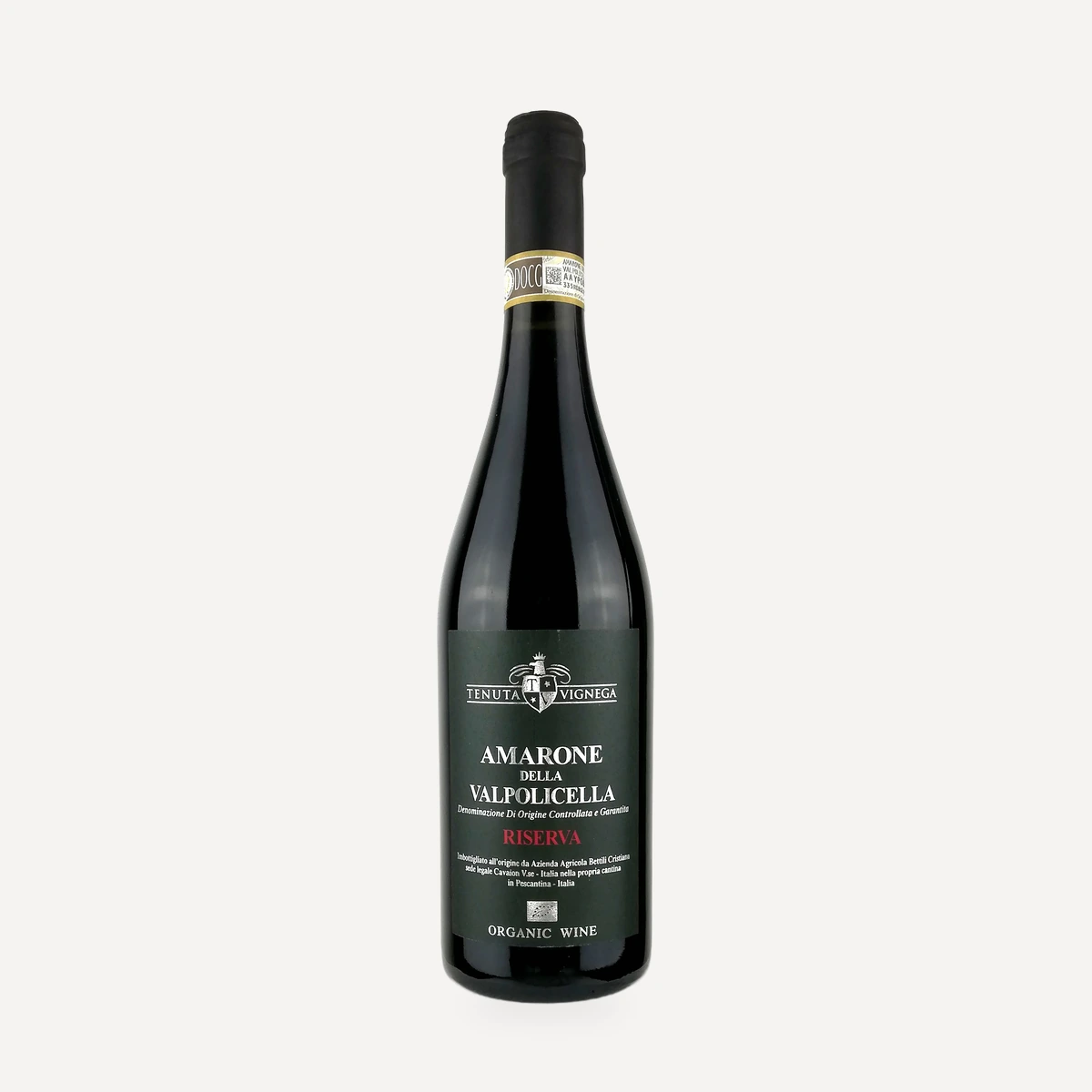 Tenuta VignegaAmarone della Valpolicella · 6 winesTezza13 winesTommasiAmarone della Valpolicella · 39 winesTommaso Bussola Amarone della Valpolicella · 10 winesTorre d'Orti7 wines
Amarone della Valpolicella wines
Named vineyards
About Amarone della Valpolicella
Amarone is made from grapes left to dry for months after the harvest. The blend is built on Corvina, 45 to 95 per cent — up to half of which may be replaced by Corvinone — and Rondinella, 5 to 30, with up to a quarter of other local red grapes. The dried grapes must reach at least 14 per cent potential alcohol and may not be crushed before the first of December; drying rooms may be climate-controlled but never heated. The wine ages at least two years from the first of January after the harvest, and a Riserva four years from the first of November. The Classico zone and the Valpantena valley may appear on the label.
Its ancestor is the Acinatico, a wine of dried grapes that Cassiodorus, minister to the Ostrogothic king Theodoric, asked the landowners of Valpolicella to send to the royal table. Amarone was recognised as a DOC in 1968 and became a DOCG in 2010.