About this wine
Vineyard and terroir
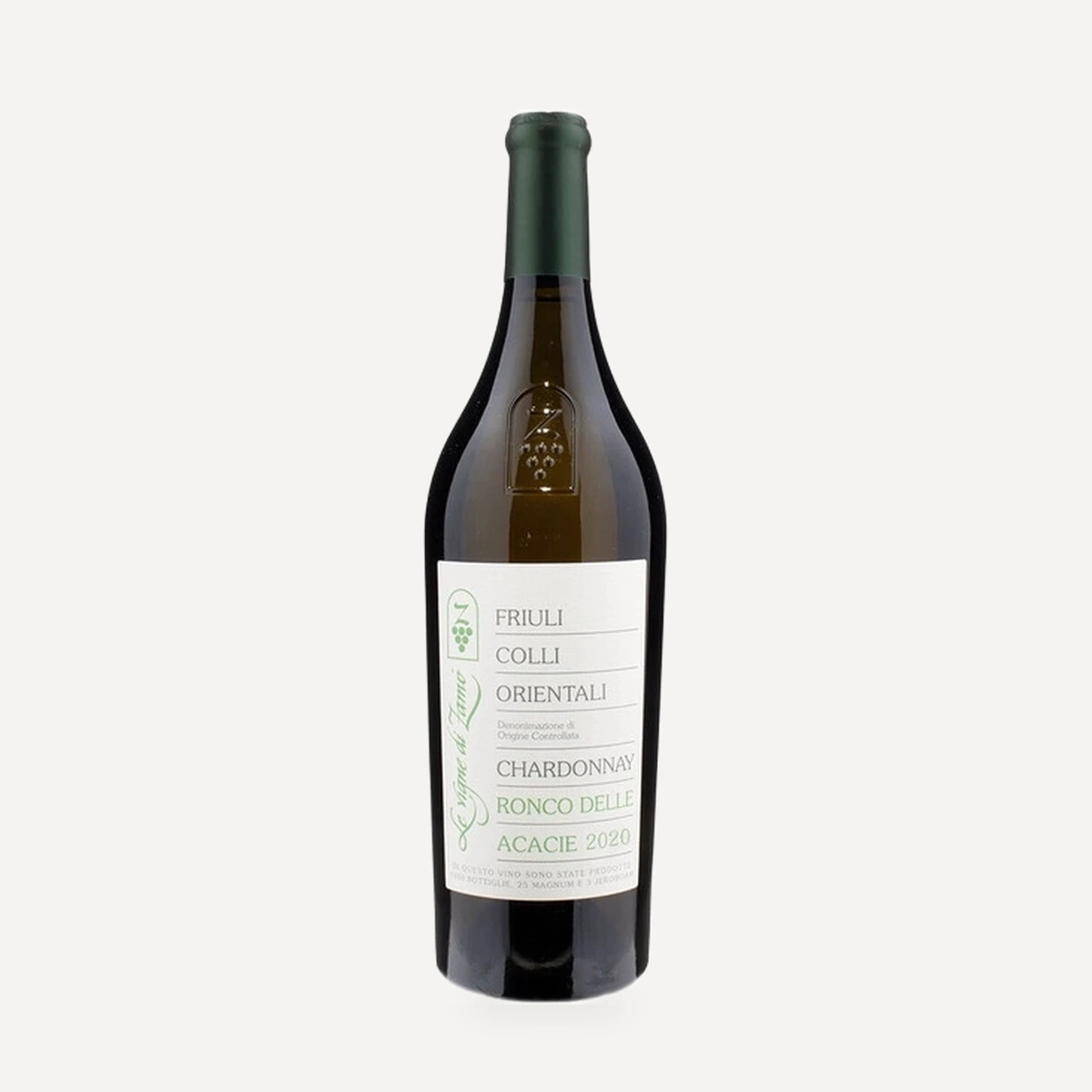
Chardonnay has been established in Friuli for many decades. The wine comes from a hillside site whose character is expressed through freshness, balance, savoury depth and persistence. Ponca—the characteristic local soil near the Friuli–Slovenia border—consists of alternating layers of sandstone and marl.
Grapes
100% Chardonnay. The grapes are harvested by hand between the last week of August and the first week of September and carefully selected on a sorting bench.
Vinification
The 2023 technical description specifies whole-cluster fermentation with the stalks. The free-run must is separated and left overnight in stainless-steel tanks at approximately 5°C for spontaneous cold clarification. It is racked the following day, after which alcoholic fermentation proceeds for about 16 days at 18°C.
Ageing
The wine matures on its fine lees for approximately six months, with weekly bâtonnage, before preparation for bottling.
Technical data
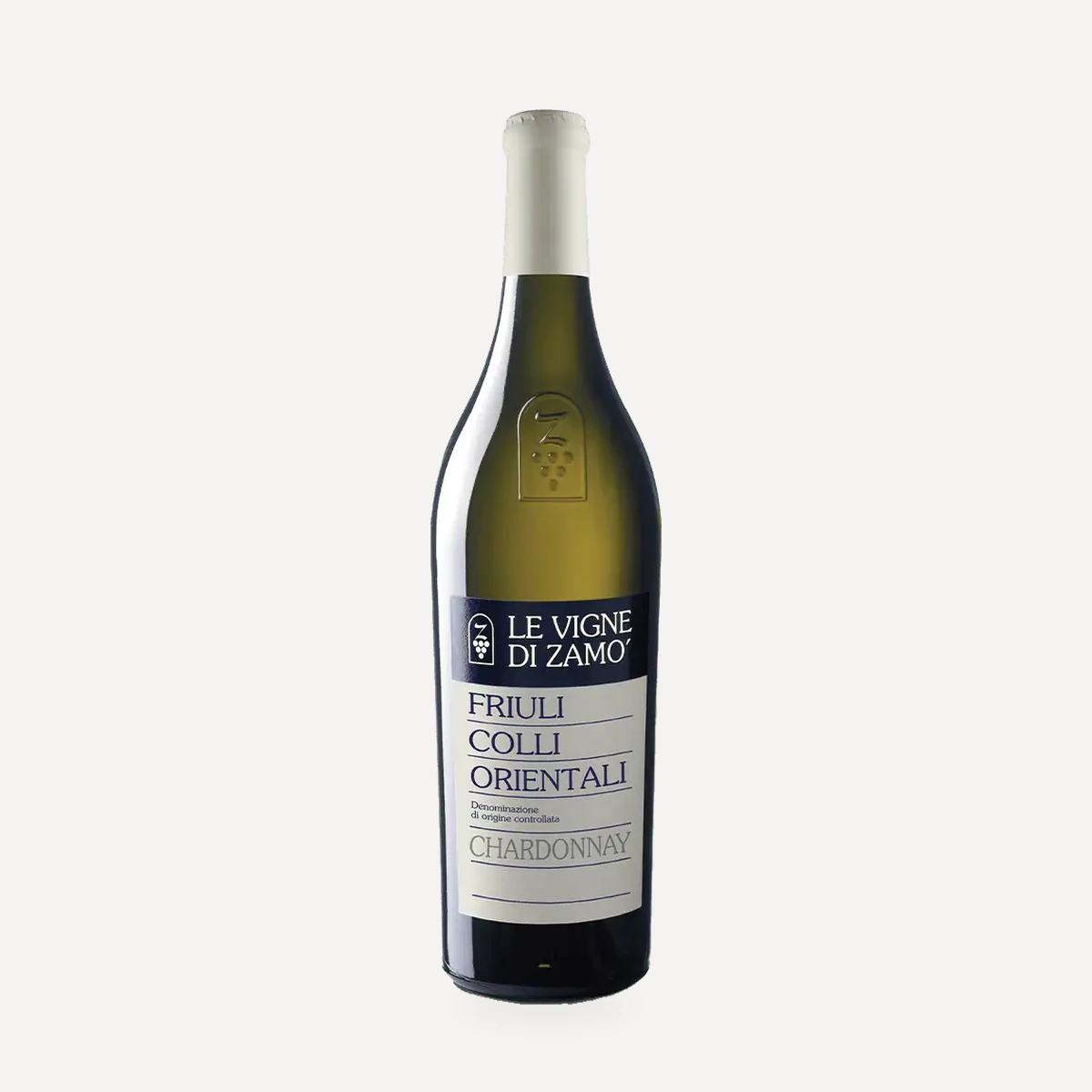
Friuli Colli Orientali D.O.C. Recommended serving temperature: 12°C.
Tasting profile
Greenish yellow in its youth, tending toward a bright straw-yellow colour. The nose is intense and fruit-led, with banana, peach and apricot. The palate is fresh and balanced, with pronounced savoury character and a persistent finish. The broader stylistic description emphasizes freshness, richness and a buttery quality.
Serving and pairing
Serve at 12°C. Pair with fish dishes, especially seafood risotto, or with substantial whole fish baked in the oven or cooked in salt.
Label / history
The WEART label interprets ponca through the dancer’s dress: its layered design echoes the alternating strata of sandstone and marl. The project was created in 2023 by Le Vigne di Zamò with illustrator Elisa Talentino, linking the movement of dance with Friuli’s history as a meeting place of peoples and cultures and with the sensory language used to describe wine. The accompanying account notes two traditions concerning Chardonnay’s distant origin—one placing it in the Middle East and another in the Balkans—while emphasizing its long-established presence in Friuli.