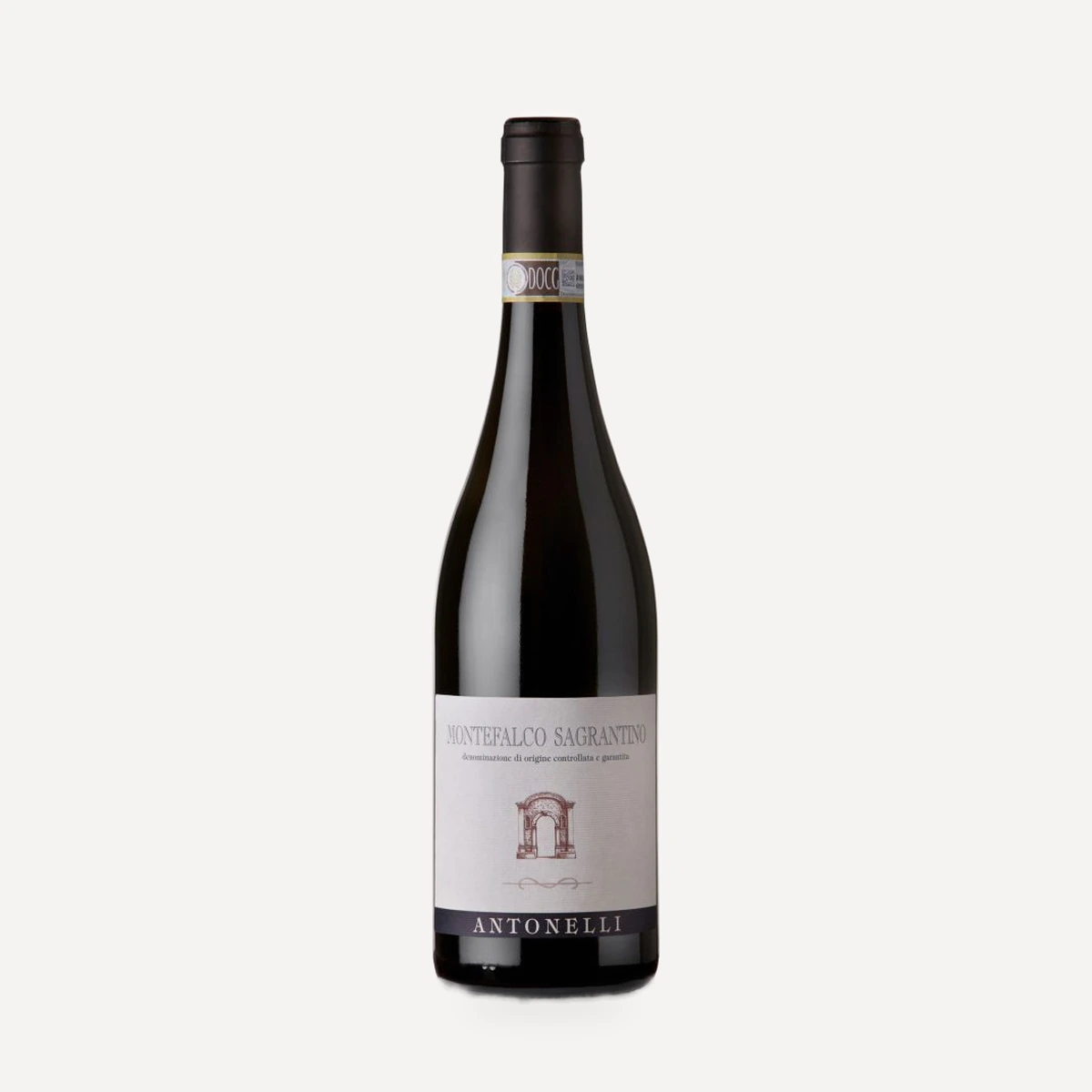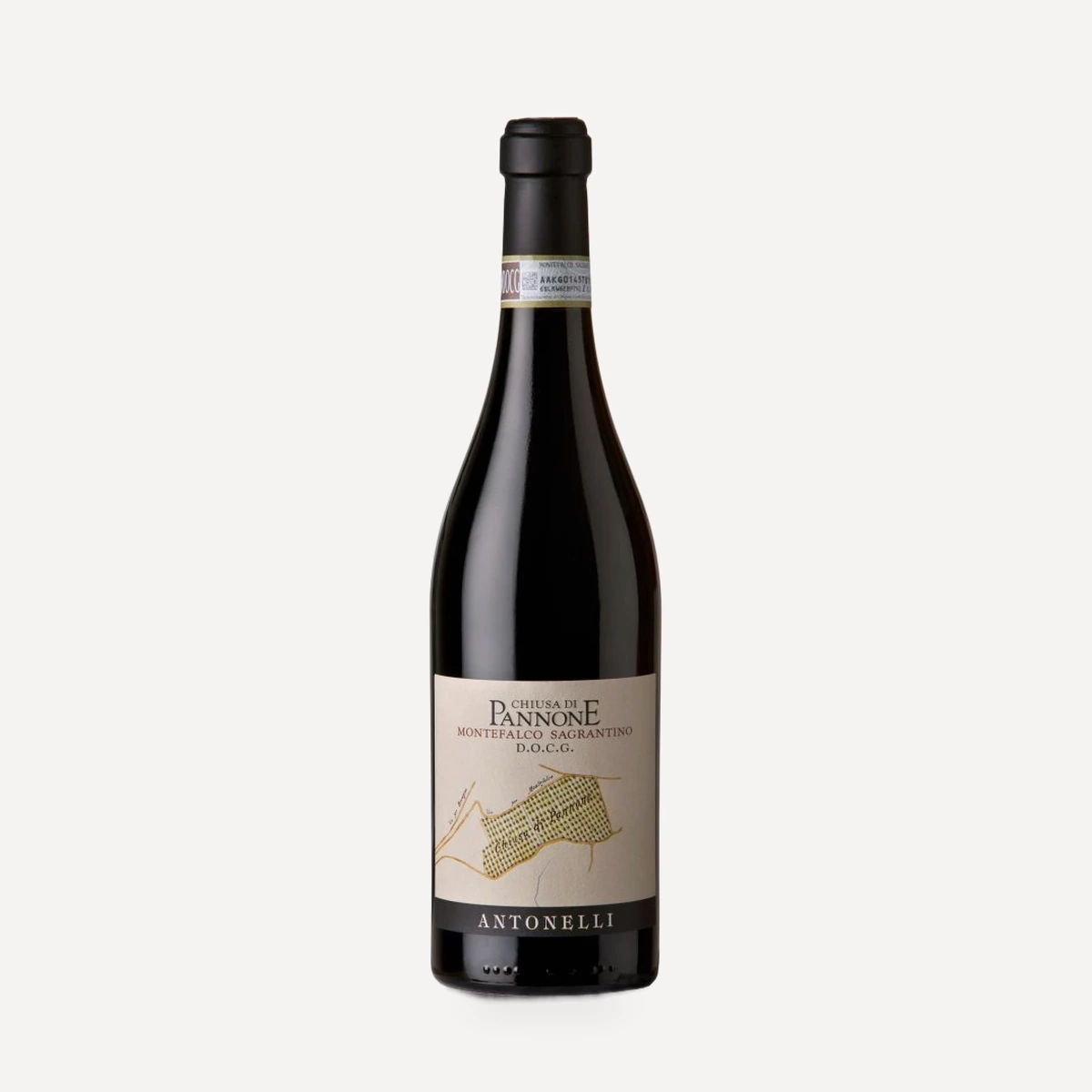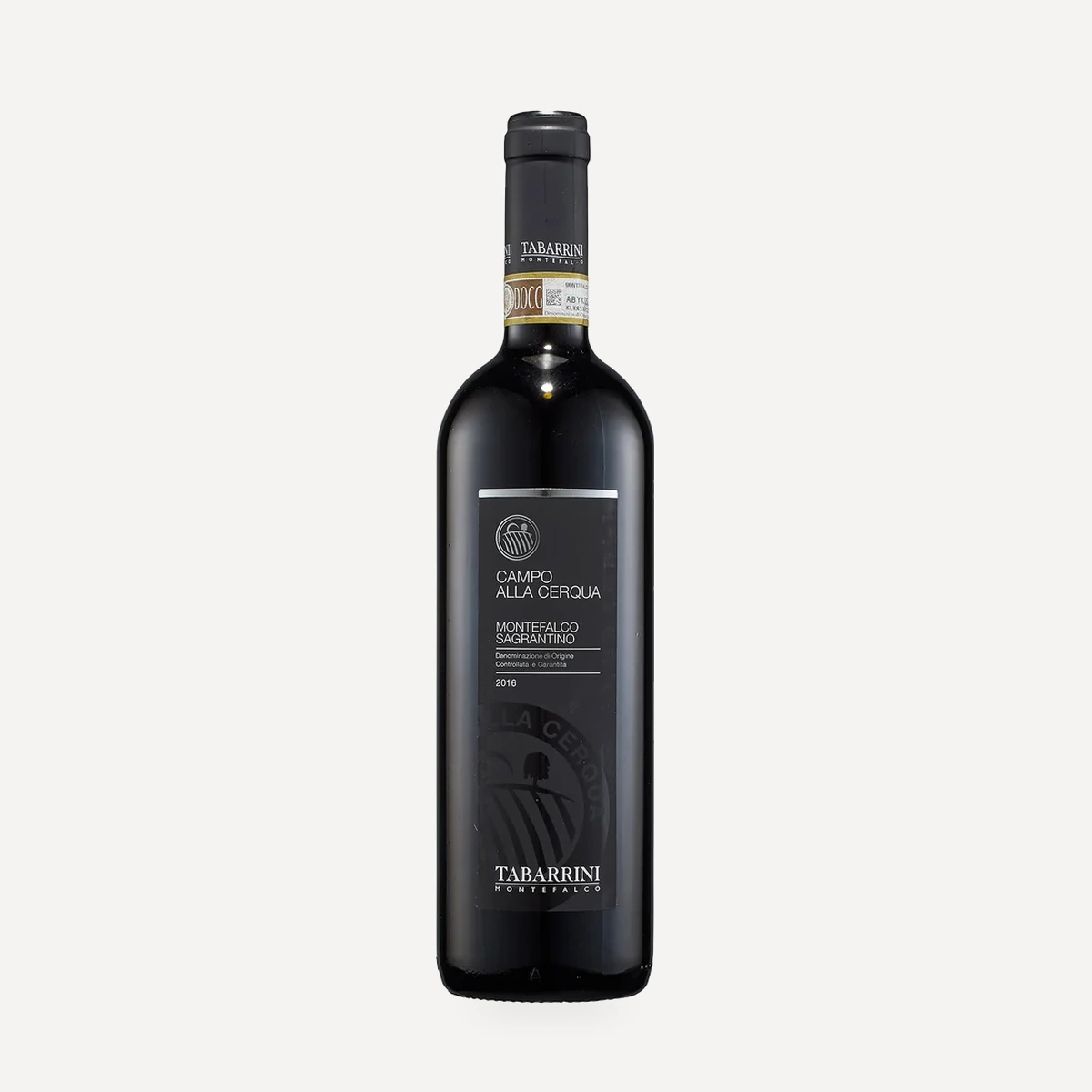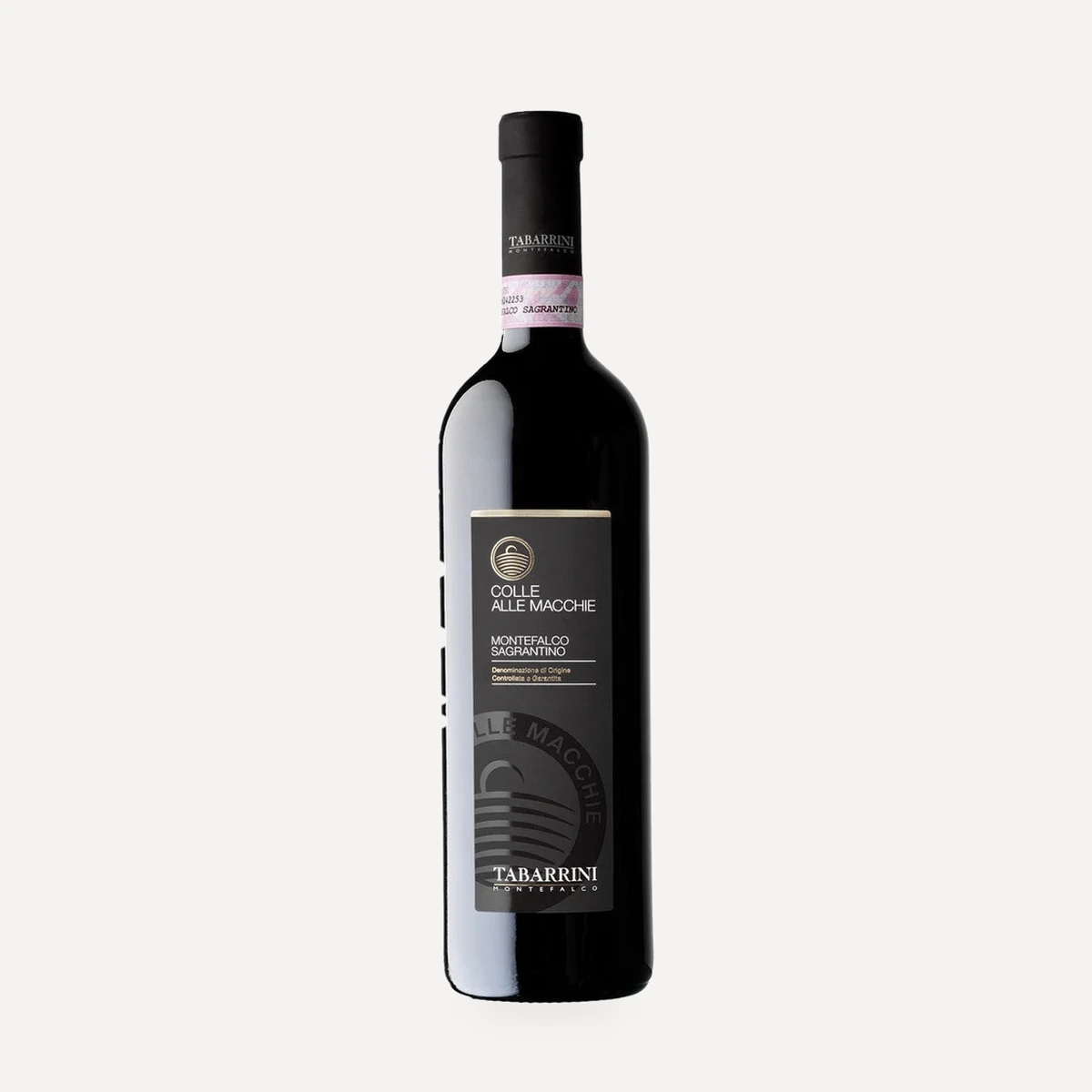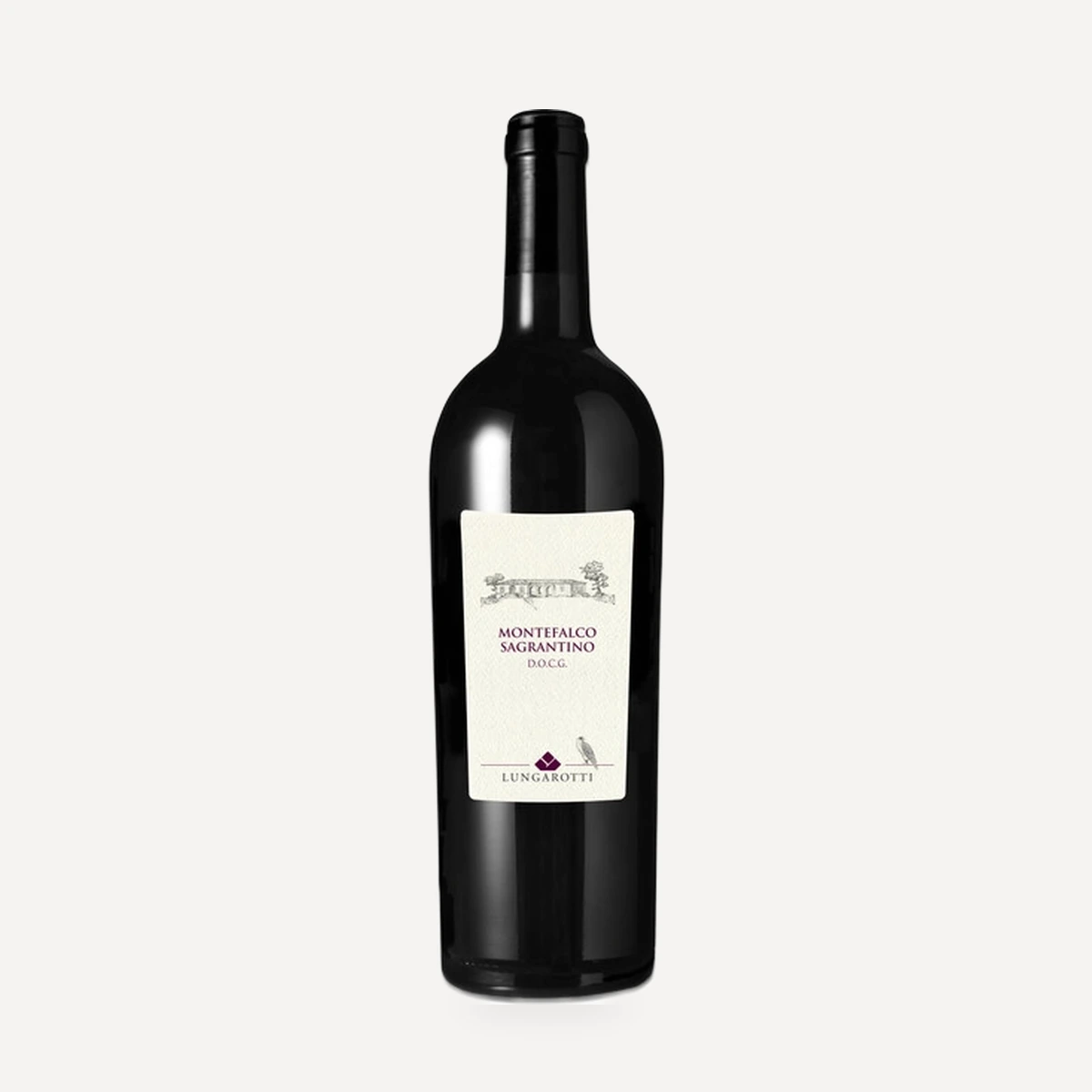
About this wine
Vineyard and terroir
The vines are trained to a double spurred cordon at a density of 5,000 plants per hectare, with a yield of 6,000 kg/ha. The deep, medium-textured soil is rich in limestone and clay.
Grapes
100% Sagrantino. The main page identifies the vines as originating from massal selection. Harvest takes place in October.
Vinification
Fermentation is carried out in stainless steel with 28 days of skin contact. The wine undergoes light filtration.
Ageing
The 2021 vintage matures for 12 months in oak: 20% in barriques and 80% in large 20–30 hl casks. It then rests in bottle for 30 months before release.
Technical data
Latest published vintage: 2021, certified organic. Alcohol: 15.00% vol. Formats: 750 ml, 1,500 ml and 3,000 ml. The wine is intended for exceptionally long ageing.
Tasting profile
Deep red with violet tones. The broad, complex bouquet opens with blueberry and sour cherry, followed by cocoa, sweet spices and cinchona bark. The aromas are lingering and harmonious. The palate is powerful, deeply concentrated and sustained by fresh fruit. Fragrant acidity and densely woven, pleasant tannins create an exceptionally persistent texture.
The general profile also evokes marasca cherry, currant, raspberry, sweet tobacco and officinal herbs. Its considerable polyphenolic richness gives dense structure and abundant yet harmonious tannins, balanced by freshness and a long finish.
Serving and pairing
Serve at 16–18°C. Traditional pairings include roasted red meats, feathered or furred game alla ghiotta, pheasant salmì and Umbrian-style wood pigeon. Cave-aged Pecorino di Norcia is the vegetarian suggestion. A fusion pairing is Korean galbijjim—braised beef short ribs with soy, ginger and jujubes. Suckling pig, stewed venison and sharp cheeses are also suitable.
Label / history
Sagrantino originated as a sacramental wine and was preserved within the protective walls of monasteries and convents during the phylloxera epidemic. Today, about 650 hectares are planted to the variety in Montefalco. Its exceptionally high polyphenol content demands precise vineyard work to bring the fruit to full ripeness and turn its tannic power into balance.
The current label features a wolf, representing the nobility, strength, balance and territorial identity of Tenuta Brancalupo. A local legend instead links the name Sagrantino to Emperor Frederick II of Swabia and his falcon. Montefalco received DOC recognition in 1979, with Giorgio Lungarotti contributing to that achievement.