About this wine
Vineyard and terroir
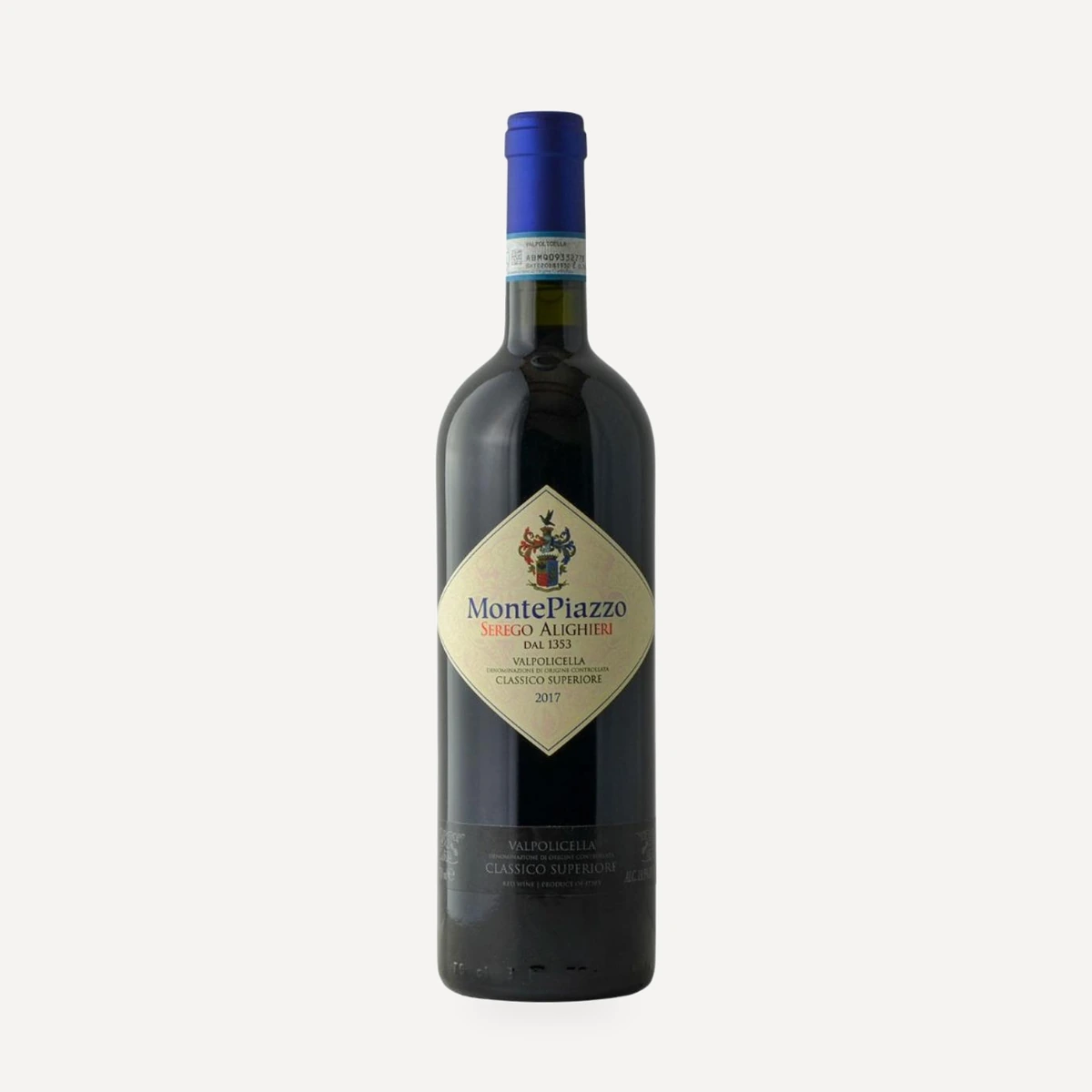
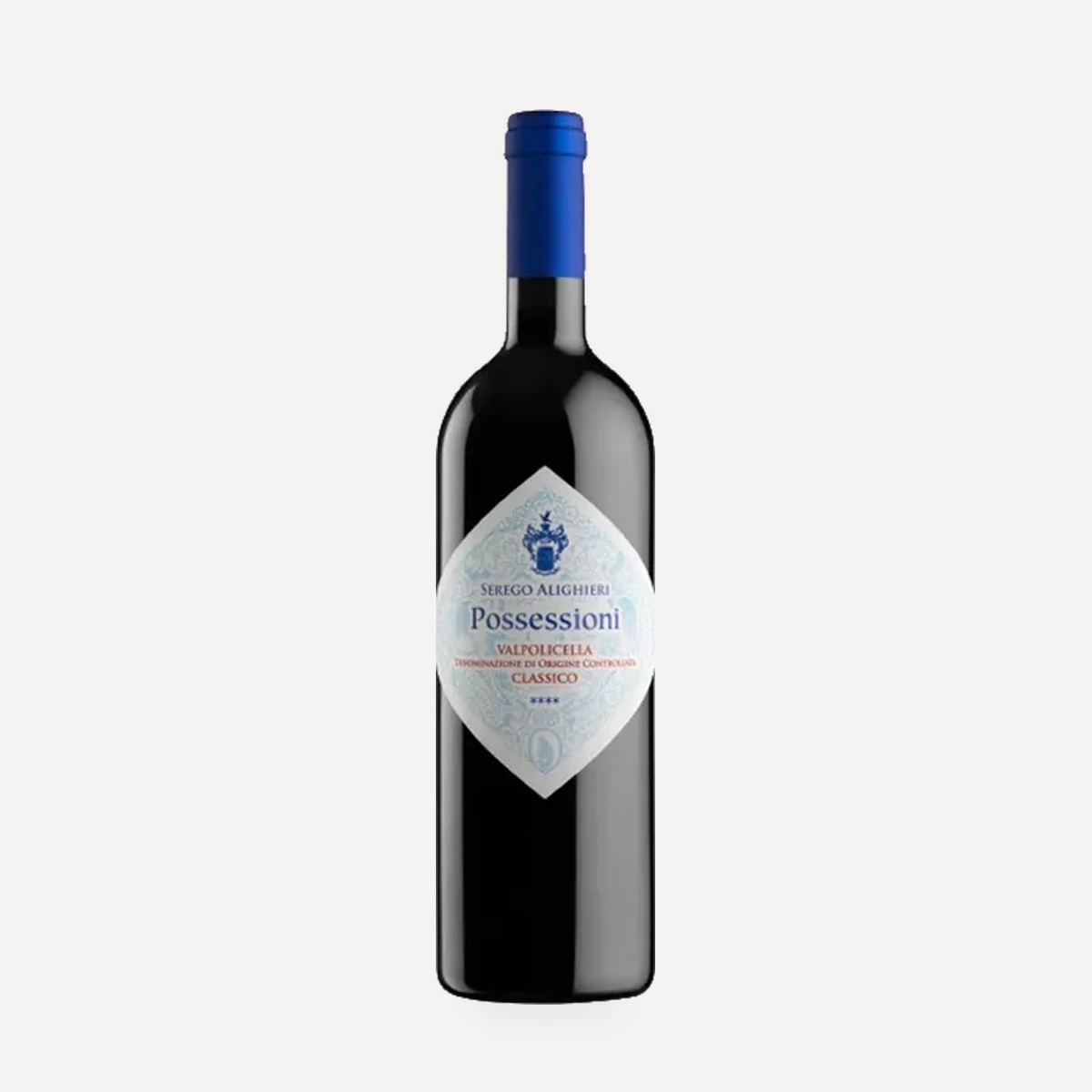
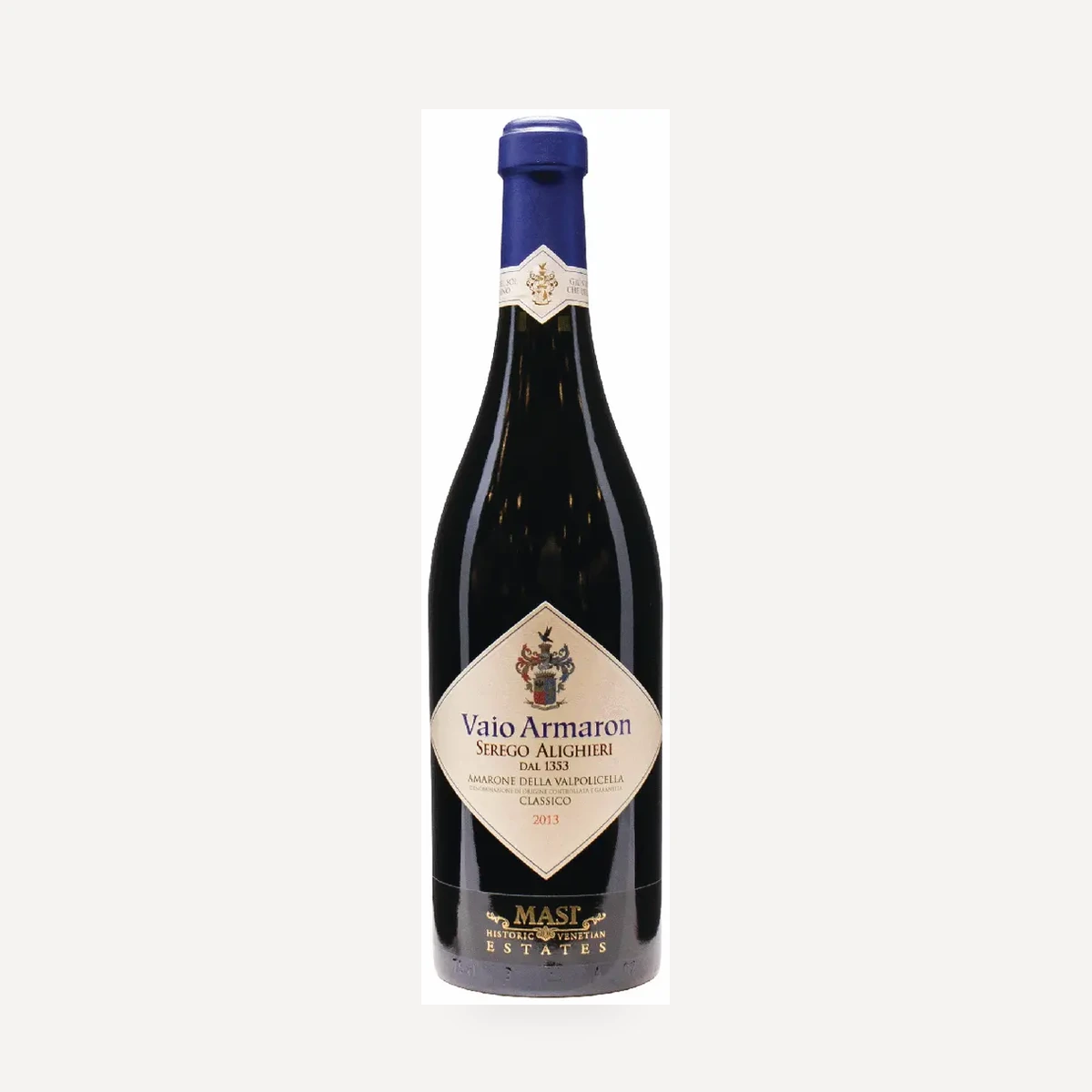
Vaio Armaron is the icon wine of the historic Serego Alighieri estate. It comes from the vineyard of the same name in Valpolicella Classica; the estate associates this site with the possible origin of the name Amarone.
Grapes
Corvina, Rondinella and the Serego Alighieri clone of Molinara. The proprietary Molinara selection contributes to the wine’s distinctive identity.
Ageing
The wine matures in cherry-wood casks in keeping with the Serego Alighieri family tradition.
Technical data
Alcohol: 15.5% vol. Available formats: 750 ml, 1,500 ml and 3,000 ml, with old vintages also offered. Expected cellar life is 25–30 years.
Tasting profile
Opaque ruby red. The nose is intense and elegant, combining fruit preserved in spirit with dried plum and cocoa. The palate is structured and balanced, with silky tannins and a long finish marked by ripe cherry and sweet spices.
Serving and pairing
Serve at 18°C. Pair with risotto, richly flavoured or spicy pasta, fine cuts of wagyu or buffalo beef, seared Argentine Angus, mushrooms or truffles. It also suits mature cheeses such as Parmigiano, Pecorino and aged Monte Veronese served with walnuts and acacia honey, or dark chocolate after dinner.
Label / history
Dante Alighieri lived in Verona during his exile. His son Pietro remained in the area and acquired the Casal dei Ronchi estate at Gargagnago in 1353. Wine production began in the sixteenth century and continued through successive generations of the Conti Serego Alighieri family.