About this wine
Vineyard and terroir
The Sangiovese vineyards lie on the north-eastern side of Montalcino Hill at 300 m above sea level. The medium-textured soils are rich in clay and marine fossils, with sandstone appearing in the highest section. Older vines are trained to spur-pruned cordon, while Guyot is used in the newer parcels.
The vineyards are cultivated according to organic-agriculture principles. Practices include mating-disruption traps to limit vine moth, applications of organic humus, sowing and green manure to improve soil quality.
Grapes
100% Sangiovese Brunello. IGT.
Vinification
The grapes are hand-picked at optimal ripeness, usually during the first days of September. After soft pressing, the must is treated at 10°C and fermented in stainless-steel tanks at a controlled temperature of 16–20°C. Secondary fermentation takes place in 50 hl pressure tanks.
Ageing
The wine remains sur lie for six months following secondary fermentation.
Technical data
Alcohol: 12%.
Tasting profile
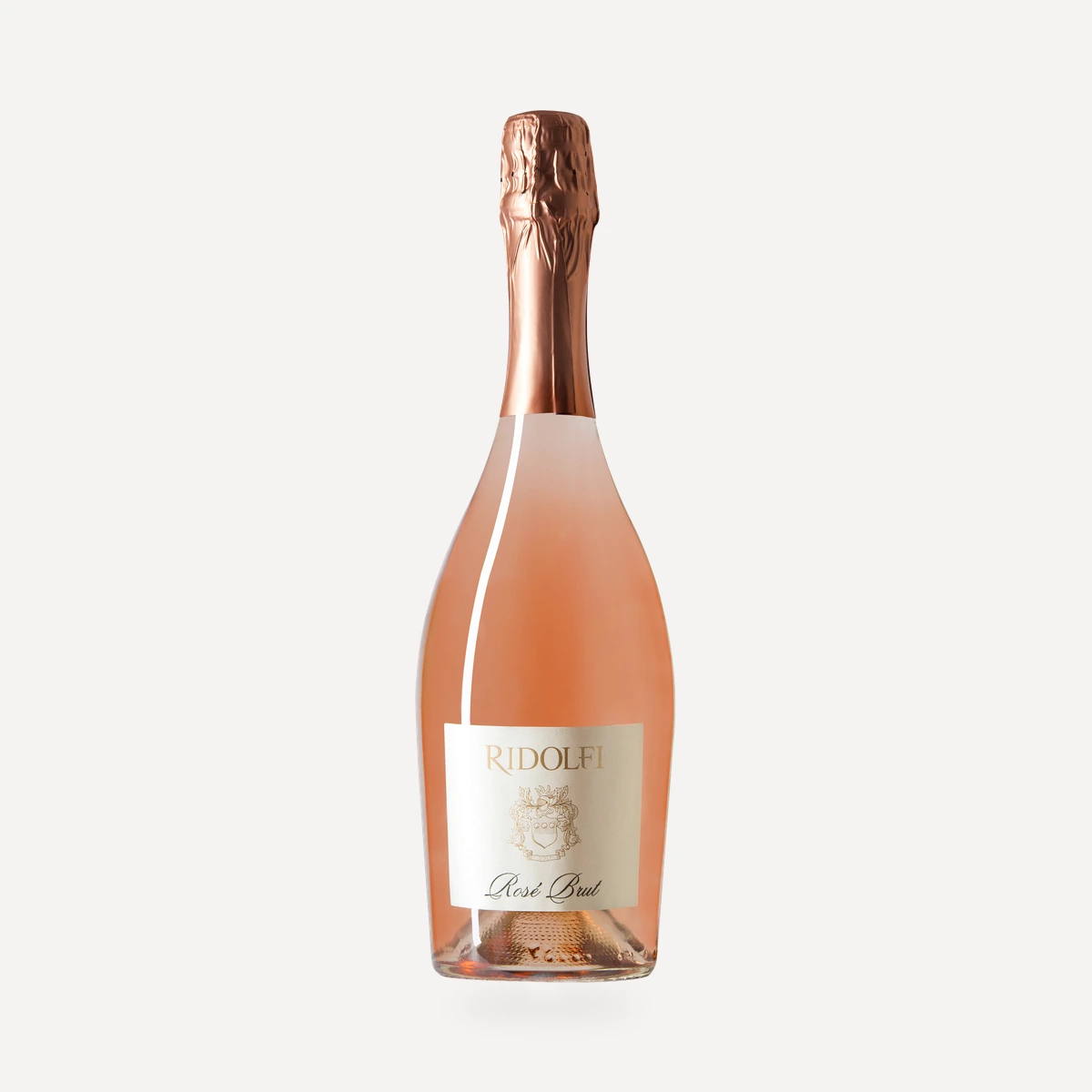
Bright salmon pink, with a fine perlage. The bouquet combines wild strawberry, pansy, cherry and small forest fruits. The palate is soft and elegant, with balanced freshness and an excellent finish.
Serving and pairing
Serve at 6–8°C. Pair with appetizers, sushi, delicate first courses, fish and seafood, soft cheeses or cold cuts.
Vintage notes
The 2020, 2019, 2018 and 2017 entries share the same vineyard, vinification, alcohol and tasting information. The 2016 entry describes the wine explicitly as a Charmat-method sparkling rosé. For that vintage, grapes were harvested during the first ten days of September, conditioned to 10°C and given a short maceration before vinification without skins. Fermentation lasted 18 days in temperature-controlled stainless steel at 16–20°C. The base wine was held in stainless steel at a constant temperature before secondary fermentation in a 50 hl autoclave for four months, with yeast autolysis. The 2016 alcohol level was 12.5%.