History
From bread to Verdicchio
Ferruccio Sartarelli began his working life as a well-regarded baker and later became an entrepreneur. He was also active as a benefactor and patron, supporting both institutions and people in need. He initially considered moving to Argentina to invest in land, but abandoned that plan out of devotion to his wife, Matilde.
In 1972, supported by Matilde, Ferruccio transformed his passion for Verdicchio into a family wine enterprise. His ambition was to demonstrate that a variety then associated largely with high-volume table wine could produce wines of high quality. The business was established around values attributed to him by the family: quality, competence, tenacity and reliability.
The second generation
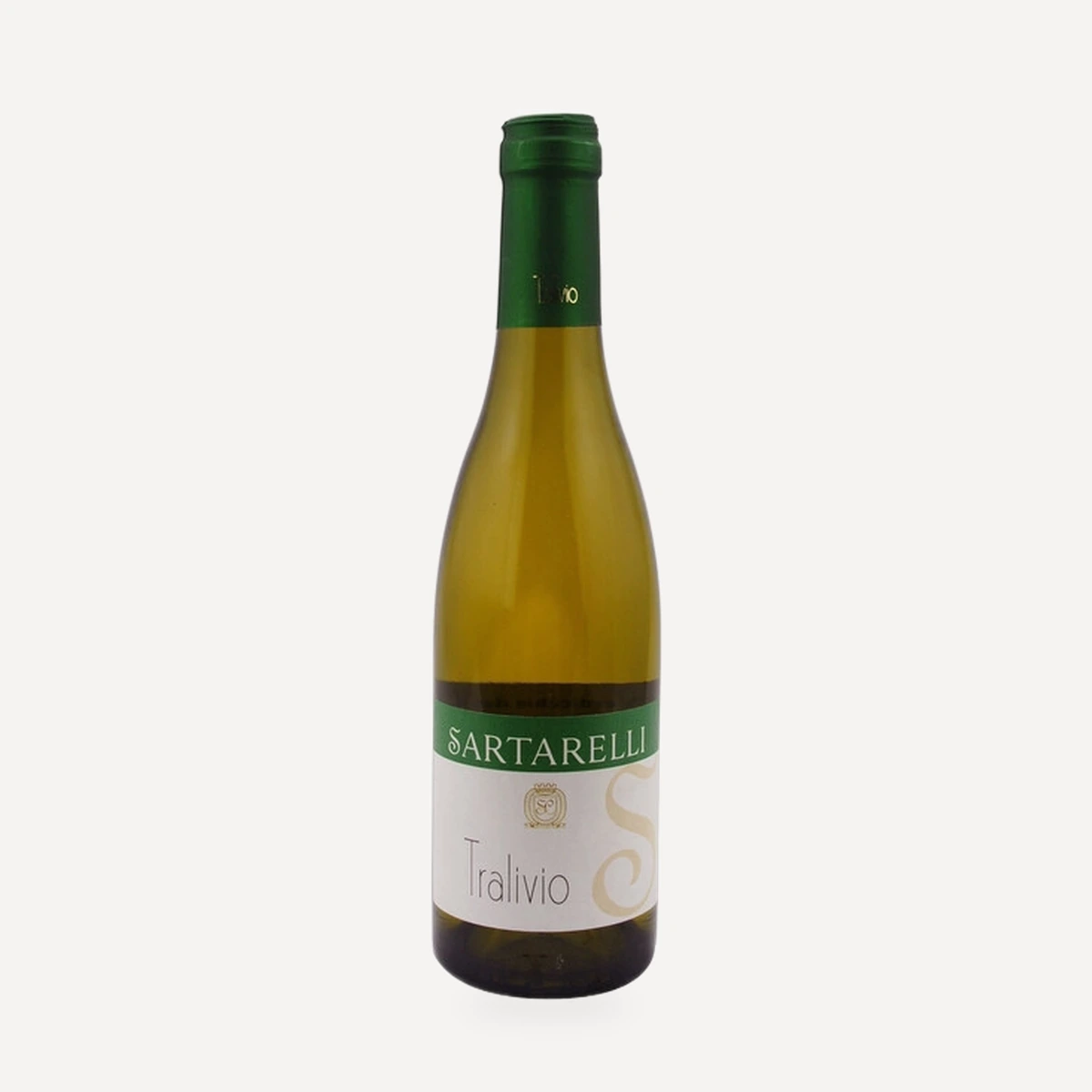
Ferruccio’s daughter Donatella and her husband Patrizio Chiacchiarini began working in the wine business at an early stage. From the 1990s they drove a substantial phase of development while maintaining the company’s exclusive focus on pure Verdicchio. Tralivio was created in 1990, followed by Balciana in 1994.
During the late 1990s, the family made its first selection of the best vines in a vineyard associated with Matilde. That selection later became the basis of Milletta.
A decisive international result came in 1999. At the International Wine Challenge in London, where 8,500 white wines from 34 countries competed, Balciana 1997 received both the Italian White Trophy and the White Wine Trophy.
The third generation and expansion of the range
Donatella and Patrizio were subsequently joined by their children. Caterina assumed responsibility for export markets, while Tommaso became the family’s oenologist. Together, the second and third generations introduced Sartarelli Passito in 2006, Sartarelli Brut in 2011 and Milletta in 2020. Milletta was named after Ferruccio’s wife Matilde, whose family nickname was “Milletta.” The third generation also helped extend Sartarelli’s presence across international markets.
Environmental research and the estate today
In 2013, Sartarelli began a research-and-development programme on a small vineyard plot to reduce chemical residues through the use of resistance inducers. The system was progressively extended to all estate vineyards and developed into Sartarelli.ZERO, governed by certified internal guidelines.
The winery and offices now surround the family’s historic country house, dated 1882, at approximately 350 metres above sea level. The estate remains a family enterprise in Poggio San Marcello, with Donatella and Patrizio working alongside Caterina, Tommaso and the wider vineyard and cellar team. It manages every stage of its chain directly, from vineyards and vinification to stainless-steel maturation, bottling and tasting.
Terroir
Sartarelli is based in Poggio San Marcello, in the province of Ancona in the Marche region. Its winery and offices stand around the historic country house at approximately 350 metres above sea level. The estate lies among rolling hills on the left bank of the Esino River, within the historic Classico production area of Verdicchio dei Castelli di Jesi.
The vineyards occupy steep and gently rolling slopes in historically important districts including Coste del Molino, Tralivio and Balciana. The estate’s oldest vines are concentrated on these hillsides. Across the individually described vineyard sources, soils are medium-textured and slightly calcareous. Vineyard elevations range from 210 to 350 metres, inclinations from 5% to 15%, and exposures include east, south-east, south, south-west and north-east.
Individual sites differ materially. The Milletta vineyard lies at 210 metres with east and south-east exposures. The source vineyards for Sartarelli Brut are at 250 metres with south, east and south-west exposures. The Classico, Tralivio and Balciana sources generally lie between 300 and 350 metres. Balciana and the vineyard used for Passito face north-east, while Tralivio combines south, south-east and south-west aspects.
Winemaking
Sartarelli directly manages approximately 55 ha of vineyards planted entirely to Verdicchio. Permanent natural grass cover is maintained on the steep slopes to reduce erosion, retain organic matter, protect the stability and integrity of the land, and allow timely access to the vineyards.
Annual vineyard cycle
Winter work includes manual pruning, removal of cut canes and tying. From December through March, pruning is performed exclusively by hand, with the crop load calculated at approximately 30,000 buds per hectare. This early control creates a balanced productive load and generally removes the need for summer cluster thinning, thereby avoiding unnecessary vegetative stress.
From late April through late June, green pruning is also performed by hand. The team selects the best productive shoots and opens the canopy to ventilate the bunches correctly. From mid-June to early August, according to the progress of ripening, the leaf canopy is mechanically trimmed. The work is intended to be minimally aggressive and to preserve vegetative balance.
Harvest
All grapes are picked by hand, continuing the method used since the winery’s foundation. The fruit for Sartarelli Brut and Sartarelli Classico is transported in carts; fruit for Tralivio, Balciana and Sartarelli Passito is placed in small crates of approximately 15 kg. Harvest dates and the number of passes are adjusted to the season, and picking is never completed in a single pass.
The Brut harvest normally takes place at the end of August in two or three passes. Sartarelli Classico begins in the second week of September and also requires two or three passes. Tralivio starts in the third or fourth week of September and averages three passes. Sartarelli Passito is picked around mid-October in two or three passes. Balciana is a late harvest, normally beginning in the second or third week of November and extending to as many as four passes.
Sartarelli.ZERO
Research for Sartarelli.ZERO began in 2013 on a small plot and was progressively expanded to every vineyard. It is an integrated crop-protection method designed to leave no synthetic chemical residues in either grapes or finished wine. During the vine’s first vegetative phase, before flowering, plant-protection products may still be used. Once the bunches begin to develop, treatments are limited to resistance inducers made from advanced technical preparations and natural extracts derived from herbs, algae and yeasts. These induce the vine’s own defensive response by simulating a disease challenge.
The vineyard and cellar work was codified into strict internal guidelines that received certification. The project treats land, vine and people as a single living organism. Continuing research also focuses on selecting the best Verdicchio clones to establish an estate genetic patrimony, respond to climate change and preserve the variety’s characteristic identity.
Sartarelli controls the full production chain: vineyard management, vinification, stainless-steel maturation, bottling, tasting and pairing. All wine is made solely from Verdicchio.
The general vinification approach is based on close control of timing and technique. Grapes are softly pressed in horizontal membrane presses. The must is immediately pumped into stainless-steel tanks and clarified by separating the lees before fermentation. Selected yeast is then inoculated. Fermentation normally lasts 15–20 days at a constant 18–20°C.
After fermentation, the new wine undergoes several rackings for clarification. Both vinification and maturation take place exclusively in stainless steel. Maturation temperatures remain below 18°C to preserve and enhance aromatic expression.
Bottling schedules vary by wine. Sartarelli Classico is bottled between March and June; Tralivio is bottled in May and June; the remaining wines follow before the next harvest begins. Bottled wines are held in temperature-controlled warehouses at 16°C.
Philosophy
Sartarelli places respect for the grapes and care in transforming them at the centre of its approach. The family regards careful selection and accurate ripening as the foundations of wine quality, while direct management of the entire chain is intended to preserve continuity from vineyard to bottle.
The estate has chosen an exclusively monovarietal identity based on Verdicchio. Its objective is to intensify the variety’s characteristic expression rather than dilute it through blending. Selection of old Verdicchio clones from the estate’s mature vineyards is intended to retain traditional varietal character while broadening aromatic nuance. This selection work also serves as a genetic resource for adapting to climate change.
The family describes balance as the essential relationship between the nature of the territory, the must and the finished wine. Environmental responsibility is pursued through permanent grass cover, restrained canopy work and the Residual Zero programme, which combines technology, natural resistance inducers and certified internal protocols.
Family and teamwork are equally central. Ferruccio’s values of quality, competence, tenacity and reliability remain the stated reference points. Donatella, Patrizio, Caterina and Tommaso present the enterprise as a team in which family members and collaborators in the vineyard and cellar are interdependent, with no individual role considered more important than another. The same balance between continuity and change is expressed architecturally by the modern Verdicchio museum beside the 1882 country house.
Wines
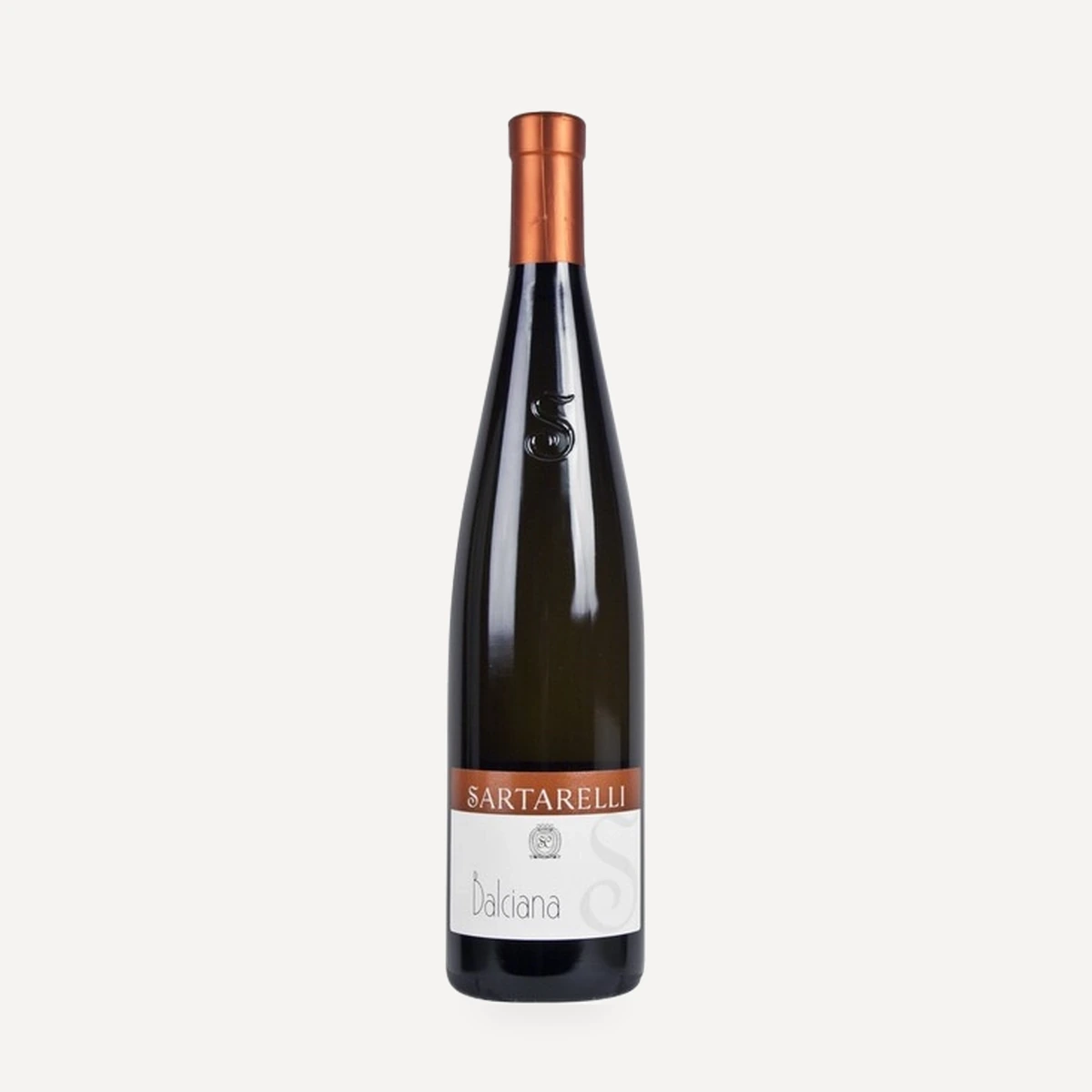
Balciana Verdicchio dei Castelli di Jesi DOC
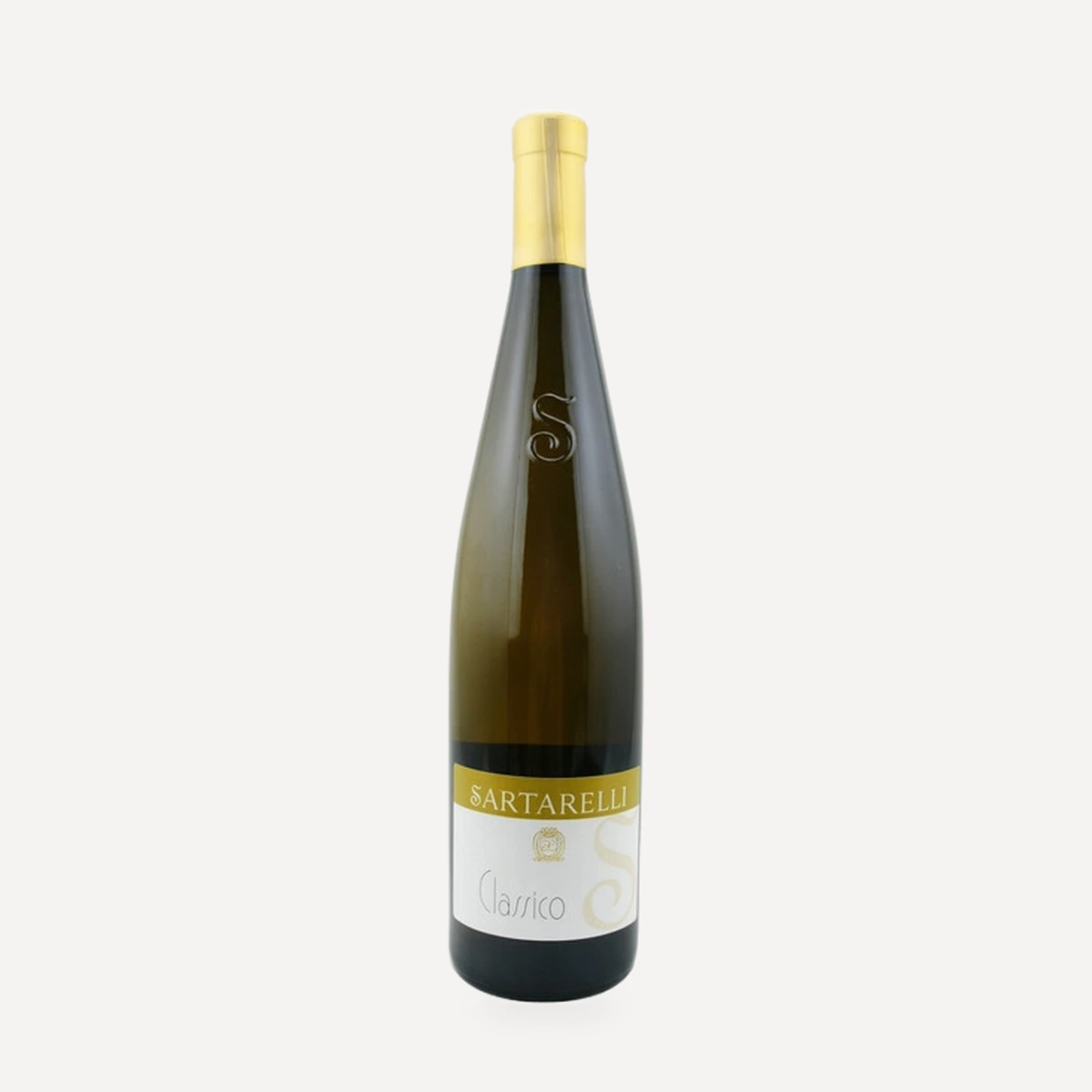
Classico Verdicchio dei Castelli di Jesi DOC