About this wine
Vineyard and terroir
Didacus Chardonnay comes from the Ulmo vineyard at Sambuca di Sicilia, in the province of Agrigento, at 250 metres above sea level. Four hectares of Chardonnay were planted there in February 1985. The selected parcel is planted at 2.20 × 1.20 metres, equivalent to 3,787 vines per hectare, using clone R8 on 1103 P rootstock. The vines are trained on an espalier and pruned by the Guyot system.
The soil consists of 61.9% clay, 29% loam and 9.1% sand. It is alkaline, with a measured pH of 8.35, and low in organic matter.
Cultivation follows organic-agriculture criteria and the SOStain® protocol. Clover, vetch, yellow mustard and spontaneous vegetation provide ground cover, increasing organic matter and nitrogen while supporting soil microfauna. Vine health is managed with small quantities of sulphur and copper; beneficial insects, mating disruption, zeolite, kaolin and plant extracts are used against pests.
Grapes
100% Chardonnay.
Vinification
For the 2021 vintage, the grapes were picked by hand into 12 kg bins on 1 September. After 12–16 hours in refrigerated storage, they were selected by hand on a sorting table; 9% of the crop was discarded and the sound grapes were sent to an 80-quintal pneumatic press. Maceration in the press lasted three to four hours at approximately 9°C, producing a must yield of about 55%.
The must underwent static settling for 48 hours at 10°C. Only the clear fraction was racked, inoculated with Saccharomyces cerevisiae and transferred to barriques after fermentation began at 15°C. Fermentation ran for seven days from 4 September, with temperatures of 17–19°C inside the barrels. Malolactic conversion reached 80%.
Ageing
The wine matured for eleven months in selected Remond and Seguin Moreau barriques. The barrel composition was 65% new oak and 35% once-used oak, all medium toasted and sourced from the forests of Nevers, Vosges and Allier. Bâtonnage was carried out weekly during the first six months and every two weeks for the remainder of maturation. The barrels were emptied on 28 July 2022, and bottling followed on 9 August 2022.
Technical data
For 2021, average must concentration on arrival was 20.15 degrees Babo. Yield was 1.120 kg per vine and average bunch weight was 145 g. The finished wine had 13.25% alcohol, pH 3.28, total acidity of 5.70 g/L and malic acid of 0.18 g/L.
Vintage notes
The autumn and early winter preceding the 2021 harvest were rainy. A relatively mild winter was followed by an extended, cool spring, particularly from March through May. Cool soils and spring temperatures delayed the growing cycle and harvest. Most months were cooler than the ten-year average, while June and July were warm and brought rainfall well above the long-term average. August was hot and dry. Harvest began on 1 September, approximately six to eight days later than usual. Budbreak was recorded on 29 March, flowering on 18 May, fruit set on 28 May and veraison on 21 July.
Label / history
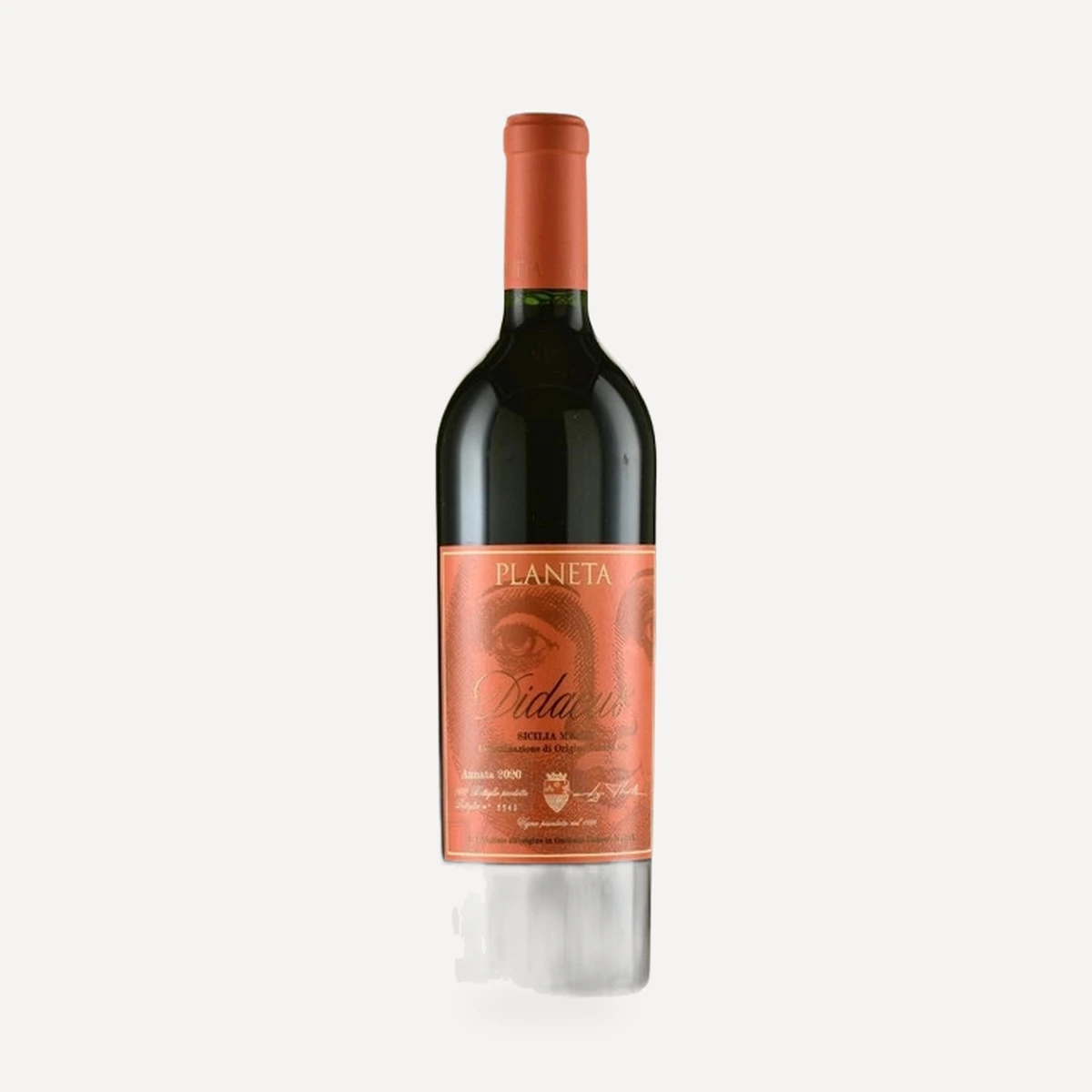
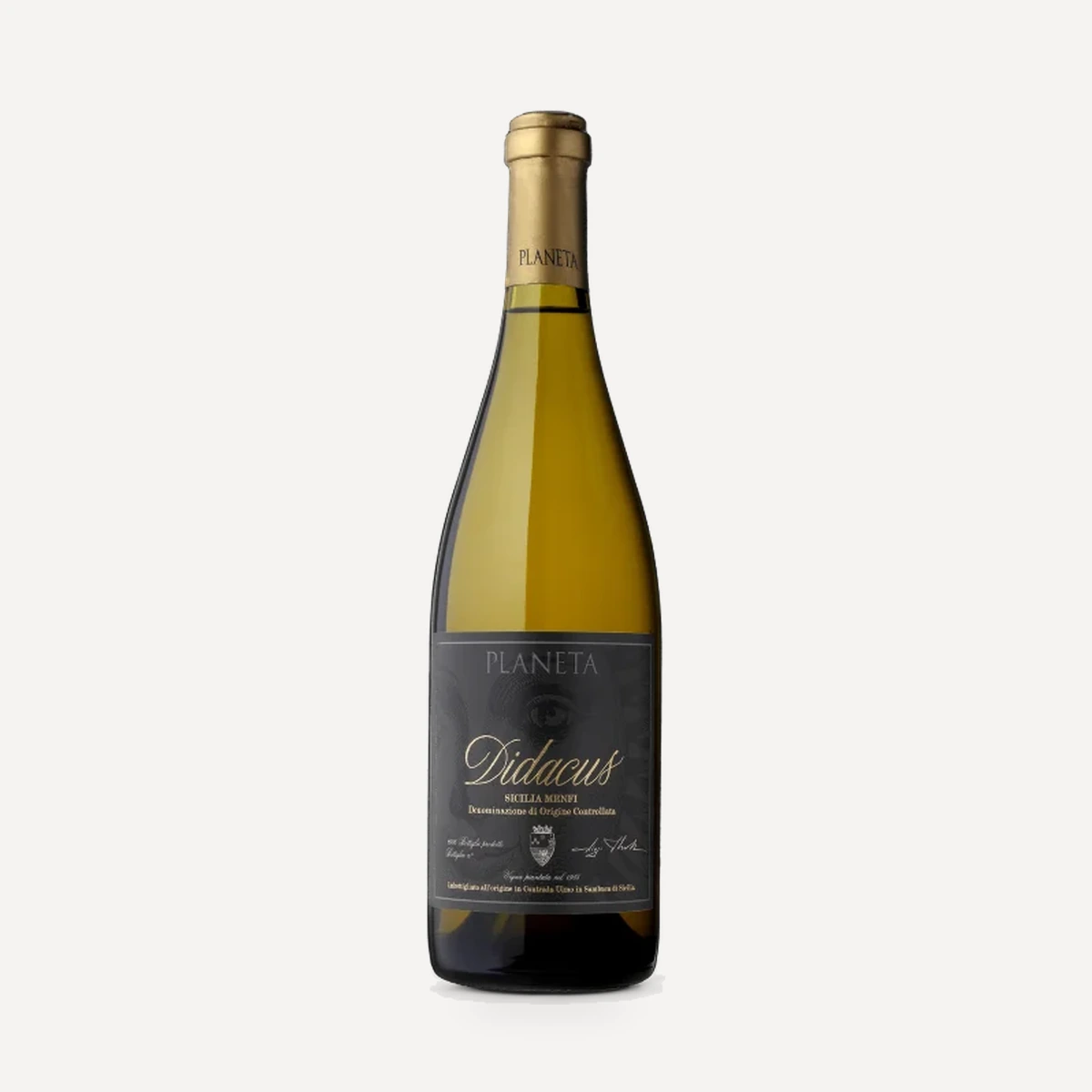
The project began with four hectares of Chardonnay planted at Ulmo in 1985. In 2014, surviving vines from that original planting were identified individually, and their best bunches were selected for Didacus. The first vintage was 2014.
The wine is dedicated to Diego Planeta. “Didacus” was one of the names his father Vito used for him, reserved for moments when the young Diego was particularly unruly. The bottle represents a family vision linking Sicily, tradition, innovation and future generations.