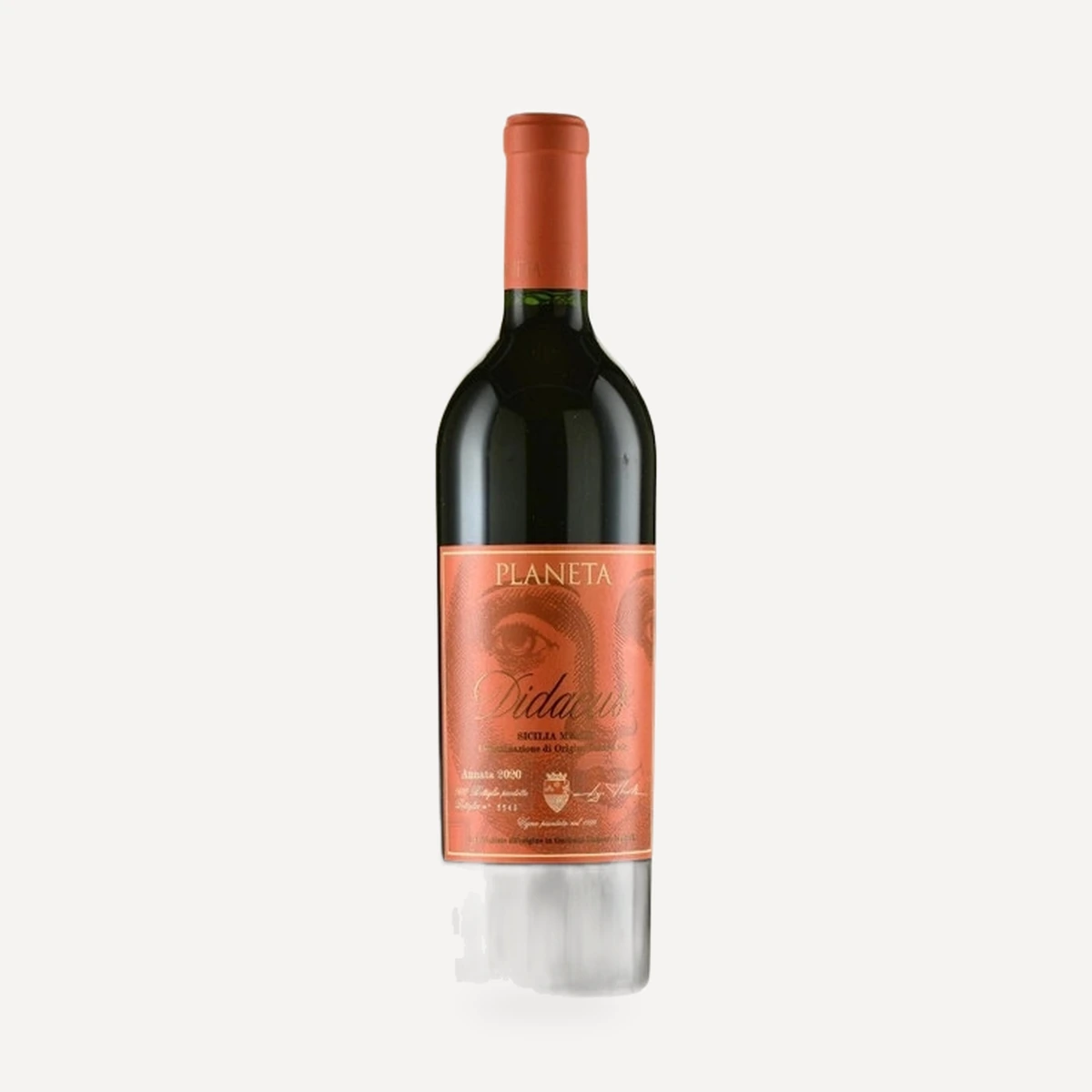
About this wine
Vineyard and terroir
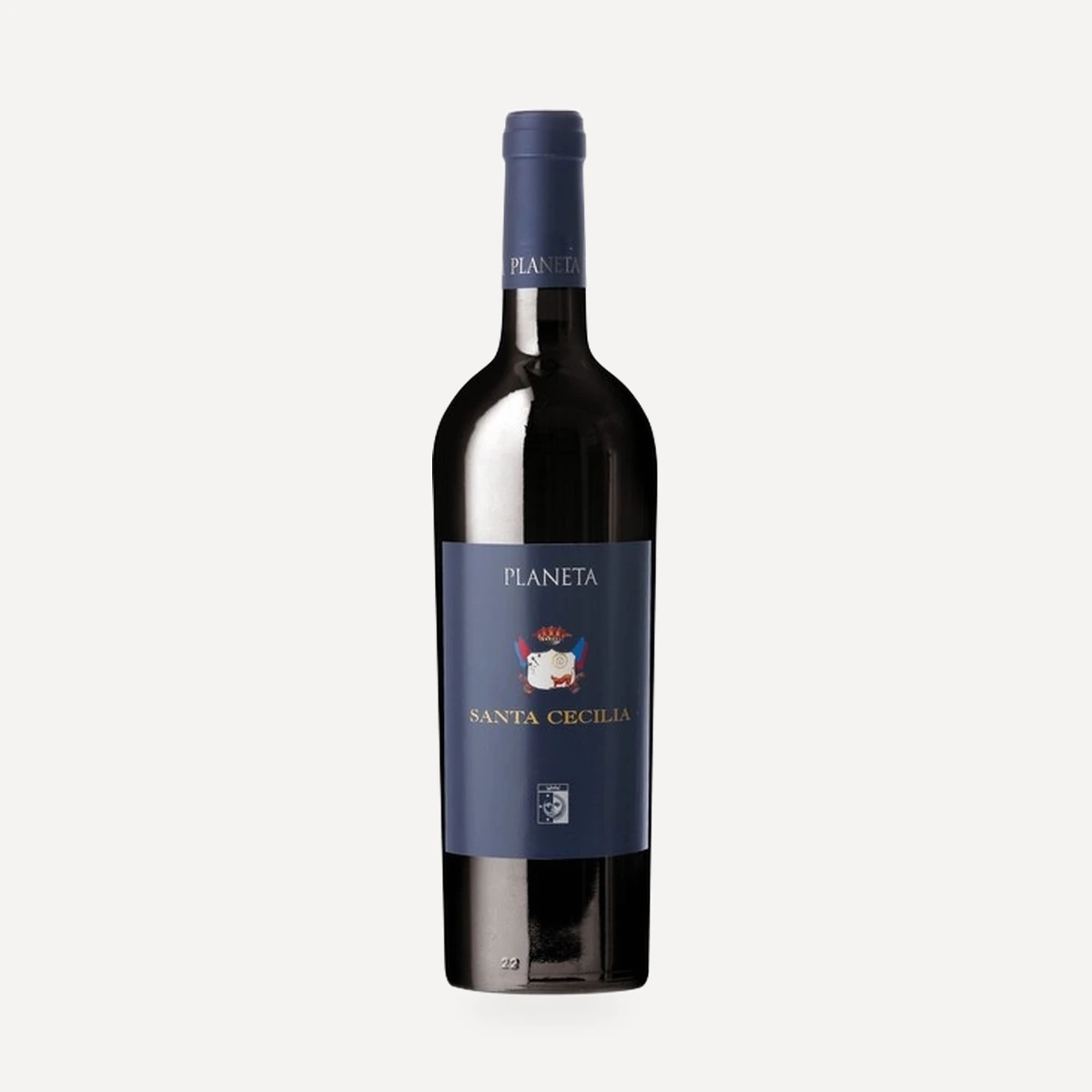
The Cabernet Franc comes from Piano del Sommacco, a five-hectare plateau at Sambuca di Sicilia in the province of Agrigento. At 450 m above sea level, the site overlooks the old farms and fields of the Ulmo estate, with the Mazzallakar Saracen fort to the north, the Maroccoli land toward the sea in the south, and the Cirami and Risinata districts to the east.
The vineyard was planted in 2000 after lengthy experiments with Cabernet Franc in the Ulmo terroir. Its name recalls the Sicilian sumac shrubs that once grew on the plateau. Local family accounts associated those surviving plants with extensive cultivation dating from Sicily’s Arab period; sumac leaves and branches supplied tannin for tanning hides, while its berries were used as a spice.
The soil comprises 46% clay, 22% loam and 32% sand. It is subalkaline, with a soil pH of 7.7, and poor in organic matter. Vine spacing is 2.20 × 1.00 m, giving 4,545 plants per hectare. The VCR10 clone is grafted onto 140R rootstock. Vines are trained on an espalier and spur-pruned cordon.
Cultivation follows the SOStain® protocol. Clover, vetch, yellow mustard and spontaneous flora provide ground cover to increase organic matter and nitrogen and support soil microfauna. Vine health is managed with minimal quantities of sulphur and copper, while beneficial insects, mating disruption, zeolite, kaolin and plant extracts are used against pests.
Grapes
100% Cabernet Franc. For the 2020 vintage, average yield was 1.105 kg per vine and average bunch weight was 148 g.
Vinification
The 2020 grapes were picked by hand on 18 September into 12–14 kg crates. They were cooled for 16–24 hours at 10–12 °C. Whole bunches underwent manual selection on a first sorting table, rejecting 3–3.5%; after destemming, a second table was used to select intact berries. A conveyor fitted with a crusher carried the selected fruit directly to the fermentation vessels.
Fermentation with selected yeasts took place at 18–24 °C through three separate approaches: integral vinification in tonneaux, integral vinification in barriques, and fermentation in stainless steel followed by maturation in wood. After the free-run wine was drained, the skins were transferred to a vertical basket press and the best press fractions were selected. Malolactic fermentation took place entirely in barriques.
Ageing
The wine matured for 21 months in specially selected Saury and Seguin Moreau barriques. The barrel programme comprised 31% integral vinification in new barrels, 37% traditional vinification in new barrels and 32% traditional vinification in second-use barrels. Bâtonnage was performed every two weeks throughout maturation. The barrels were emptied on 11 July 2022, and the wine was bottled on 18 August 2022.
Technical data
The 2020 wine has a pH of 3.45, alcohol of 14.13% and total acidity of 5.99, with no unit stated for the latter. The vineyard’s average incoming grape reading is reported differently in the two language sections of the technical sheet: 20.90 Babo in Italian and 21.90 Babo in English.
Tasting profile
The long, even ripening of the 2020 bunches produced a soft, deeply coloured red with fruity aromas. Cabernet Franc’s tannins are central to the wine’s identity, with a velvety character and a structure conceived for extended ageing.
Vintage notes
Autumn and early winter preceding the 2020 harvest were rainy and slightly cooler than the ten-year average. January and February were cold and dry, while March brought abundant rain and low temperatures. Further rainfall during ripening in August and September, together with the absence of sirocco winds, delayed harvest. The grapes retained a strong balance between sugar and acidity and showed excellent aromatic development.