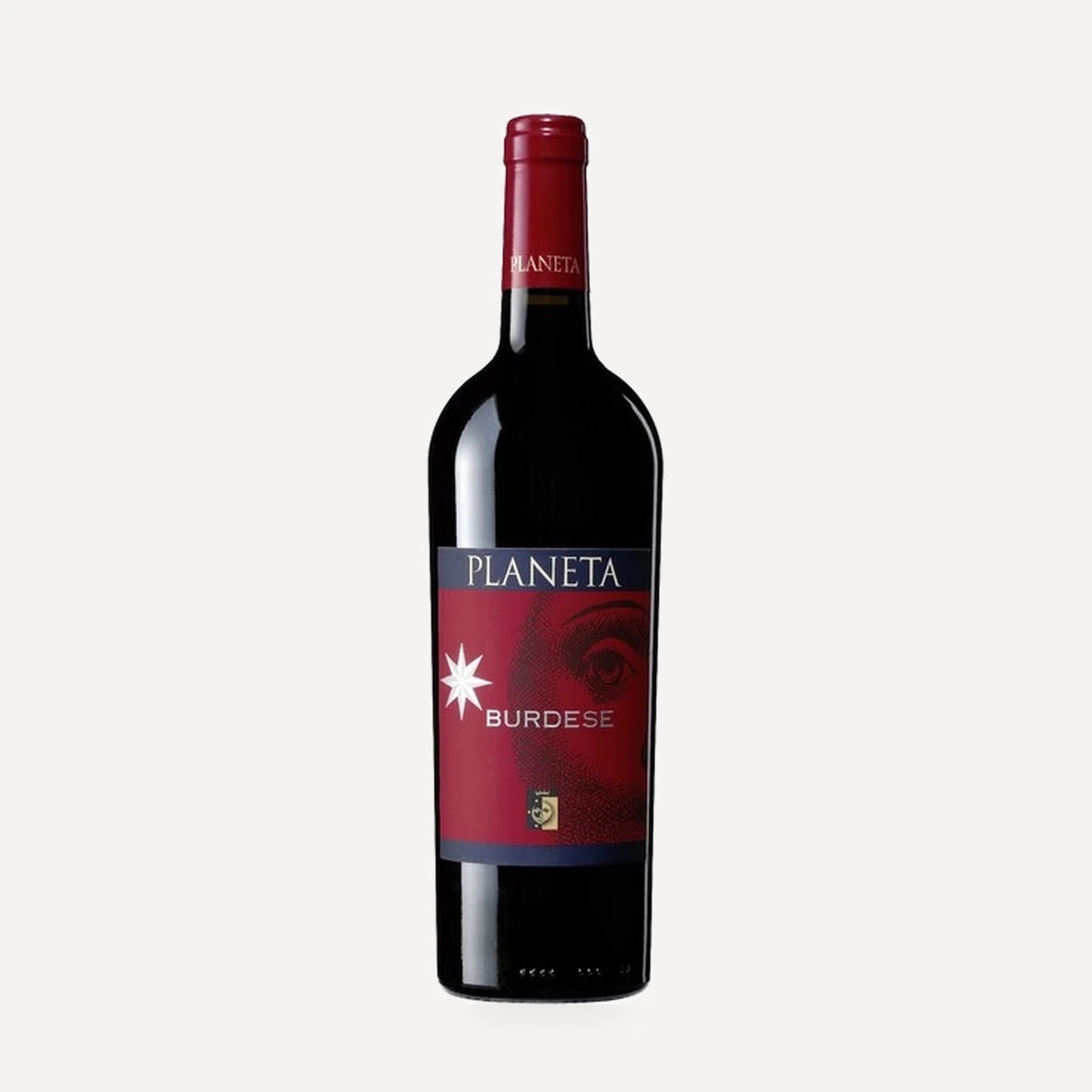
About this wine
Vineyard and terroir
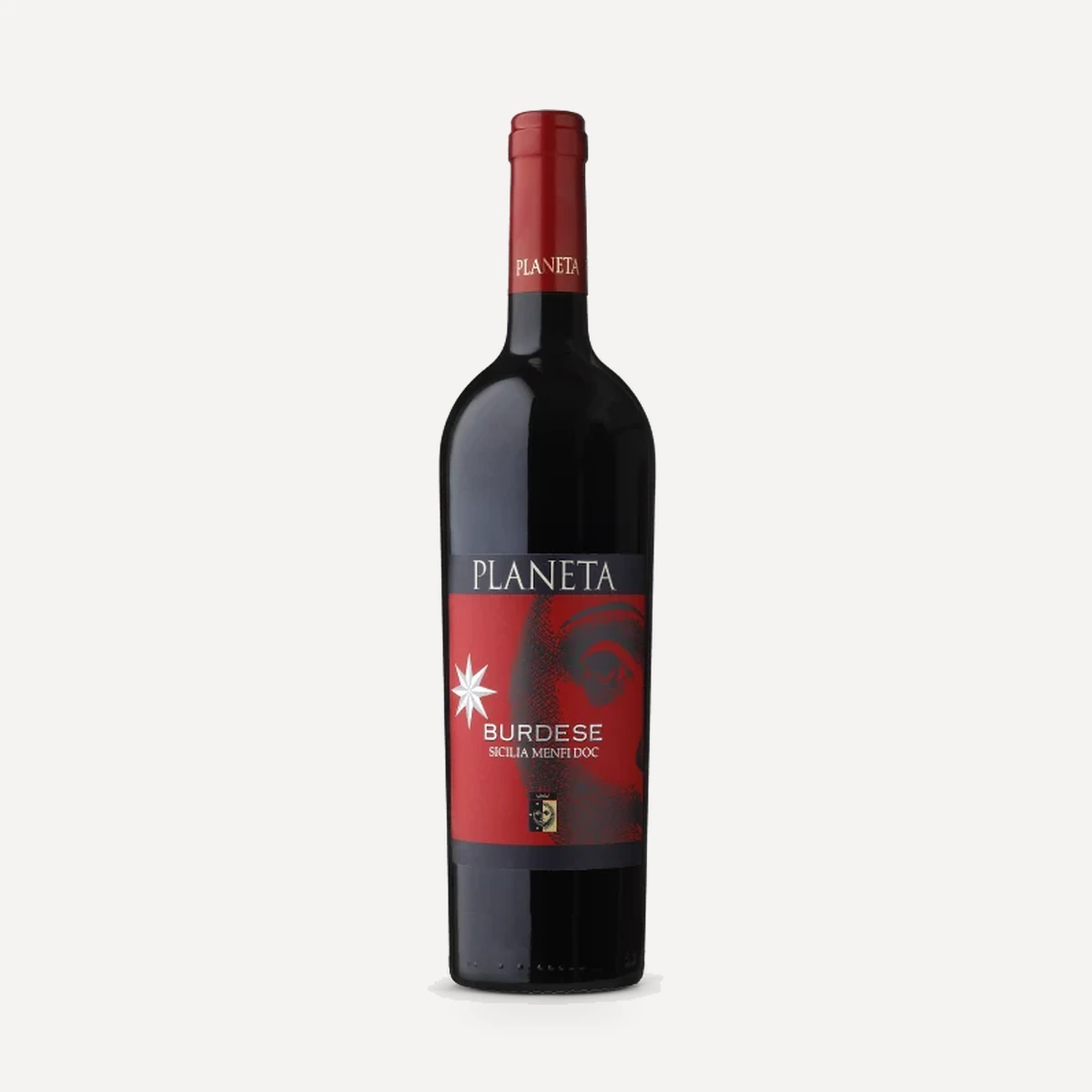
Burdese comes from the Dispensa and Maroccoli vineyards in the districts of Menfi and Sambuca di Sicilia and is vinified at the Ulmo winery. Dispensa lies at 75 m above sea level and has moderately calcareous, medium-depth soil tending toward chalk, with an almost structureless texture. Maroccoli reaches 430 m and has calcareous, moderately structured soil containing some chalk and abundant limestone particles. Yields are 60 q/ha at Dispensa and 70 q/ha at Maroccoli. The planting density is 4,545 vines/ha, trained to espalier with spurred-cordon pruning.
Cultivation follows the SOStain® protocol. Clover, vetch, yellow mustard and spontaneous plants provide ground cover, increasing organic matter and nitrogen while supporting soil microfauna. Vine health is managed with minimal quantities of sulphur and copper. Beneficial insects, mating disruption, zeolite, kaolin and plant extracts are used to deter pests.
Grapes
Blend proportions vary by vintage. Latest published vintage (2021): 70% Cabernet Sauvignon and 30% Cabernet Franc.
Vinification
Harvest takes place from 1 to 12 September. Cabernet Sauvignon from the old Tunno vineyards is picked by hand into 15 kg crates and taken immediately to the winery, where the fruit is pressed and destemmed. The crushed grapes enter stainless-steel tanks for alcoholic fermentation lasting 6–8 days. Temperature is held near 15–16°C in the opening phase, raised to 20–22°C during the second phase and allowed to reach 26–27°C as fermentation approaches completion. Two short pump-overs of 10–15 minutes are carried out daily, adjusted to the stage of fermentation to handle the skins gently and develop complexity.
Once alcoholic fermentation is complete, the tanks are topped with wine from the same vineyards. Maceration continues for 12–15 days at approximately 20–22°C. Small, controlled additions of oxygen during this period are intended to strengthen structure and stabilize anthocyanins. The wine is then racked. Malolactic fermentation takes place in stainless steel, followed by another racking off the lees.
Ageing
Maturation lasts 16 months in first-use Allier French oak barrels. The 2021 vintage was bottled in June 2023 with a single-piece natural cork. The 750 ml bottle weighs 500 g.
Technical data
Menfi DOC. First vintage: 1999. Alcohol: 13.5% vol. Total acidity: 6.15 g/L. pH: 3.35. Available formats are 0.75 L, 1.5 L, 3 L, 5 L, 9 L and 12 L. The wine can be enjoyed on release or cellared for 10–12 years.
Tasting profile
A full-bodied, powerful red built around dense, substantial tannins and balanced by its alcoholic structure. The bouquet develops notes of mint, tar, cocoa, vine wood and incense, alongside cherry, iodine and rosemary. Concentrated flavours recall blueberry, sour cherries preserved in spirit, myrtle, tobacco, cocoa, leather, rosemary and seaweed, with an overall suggestion of Mediterranean scrub.
Serving and pairing
Its strength and concentration allow it to be enjoyed by itself or alongside equally assertive food. Pairings include stews, game, spiced Sicilian sausage and meat rolls. Grilled radicchio with aged cheese and deeply roasted, almost caramelized onions offer vegetarian alternatives.
Vintage notes
The 2021 agricultural year in the area ran from October 2020 through September 2021. Rainfall was 40% below the ten-year average, making irrigation necessary. Budbreak was slightly early, but spring did not accelerate the cycle further; harvest ultimately began around one week ahead of the usual timing. Although summer brought some very hot days, extreme-heat events were fewer than in years such as 2017. Unusually abundant rain in June, July and August alternated with dry harvesting windows, mitigating the heat. Conditions at Menfi particularly favoured red French varieties; the hillside Cabernet Franc achieved excellent colour and tannin quality. The grapes were entirely healthy, while the crop size fell between those of 2020 and 2018 and was broadly consistent with a normal harvest.
Label / history
The name derives from the local words “Burdisi” or “Burdese,” meaning “from Bordeaux,” a reference to the Cabernet Sauvignon and Cabernet Franc blend. First produced in 1999, it is made in limited quantities from selected vineyards and conceived as a structured, complex red for extended ageing.