Valtellina Superiore
5 cantine e 26 vini. In the Valtellina, Nebbiolo grows at the foot of the Alps: on the south-facing Rhaetian side of the valley, on the right bank of the Adda between 300 and 700 metres, on steep terraces held in by stone walls. The valley runs east to west, the Rhaetian Alps shield it from the north and the Orobie from the south, and the nearness of Lake Como softens the cold. The result is bright, windy and dry — around 850 mm of rain and relative humidity rarely above 80 per cent — with big temperature swings sharpened by the rock that warms in the sun. Continua a leggere ↓
- Livello
- DOCG
- Regione
- Lombardia
- Uve
- Nebbiolo, Pinot Nero
- Tipologie
- Rossi
- Vigneti
- 4 con nome
- Produttori
- 5
Cantine che producono Valtellina Superiore
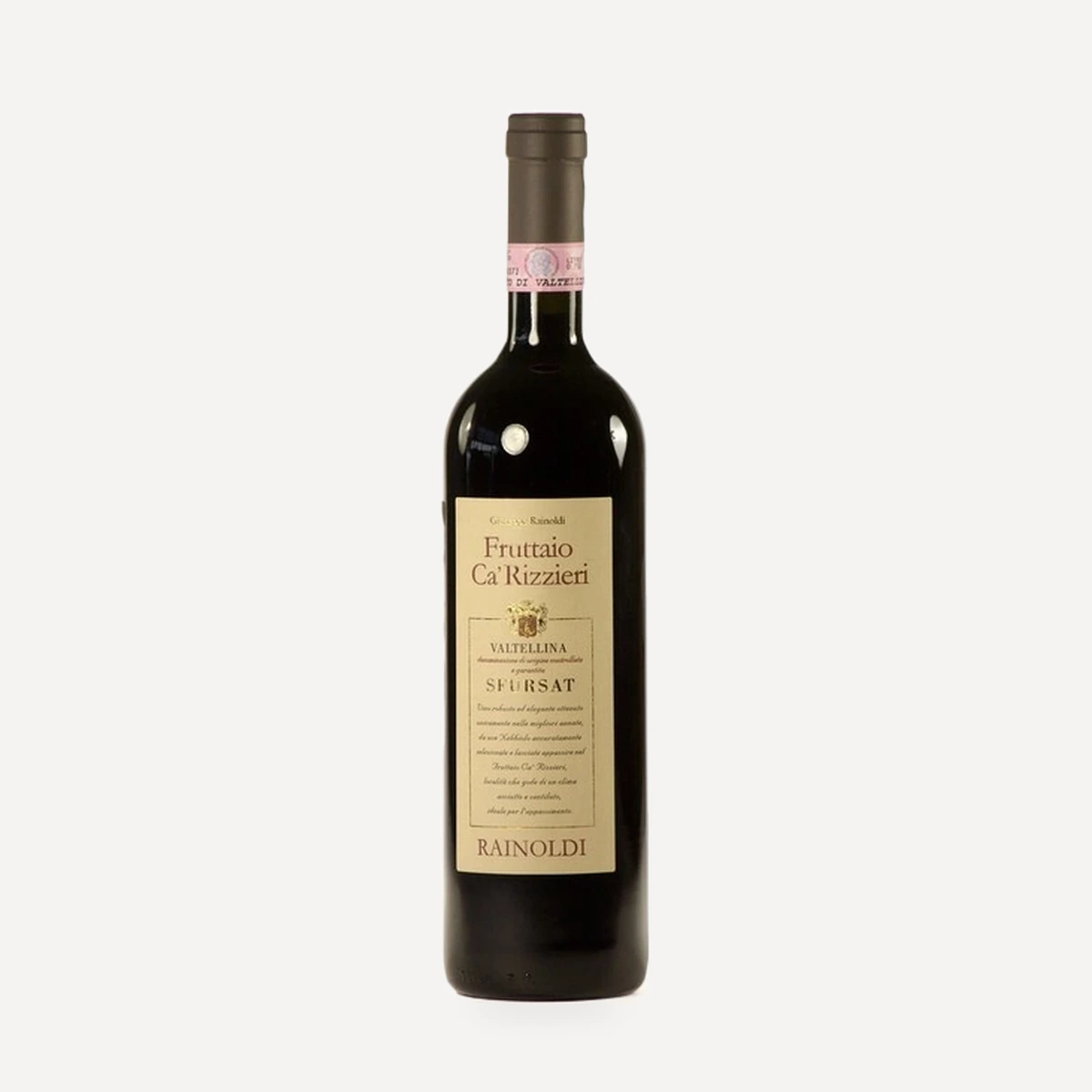 RainoldiSforzato di Valtellina · 17 vini12 Tre Bicchieri, l’ultimo nel 2026 · Fruttaio Ca’ Rizzieri — Sforzato di Valtellina DOCG
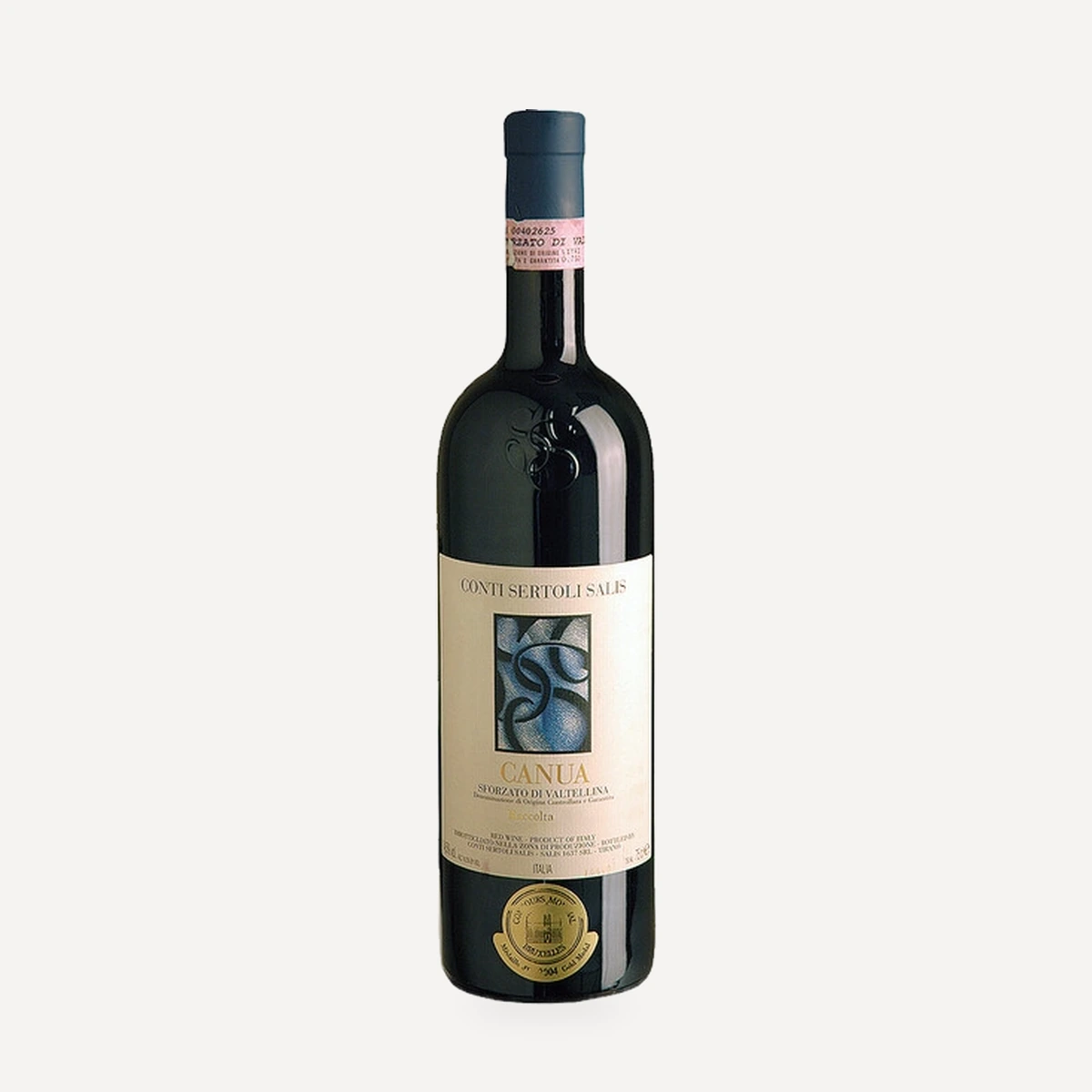 Conti Sertoli SalisValtellina Superiore · 10 viniCanua
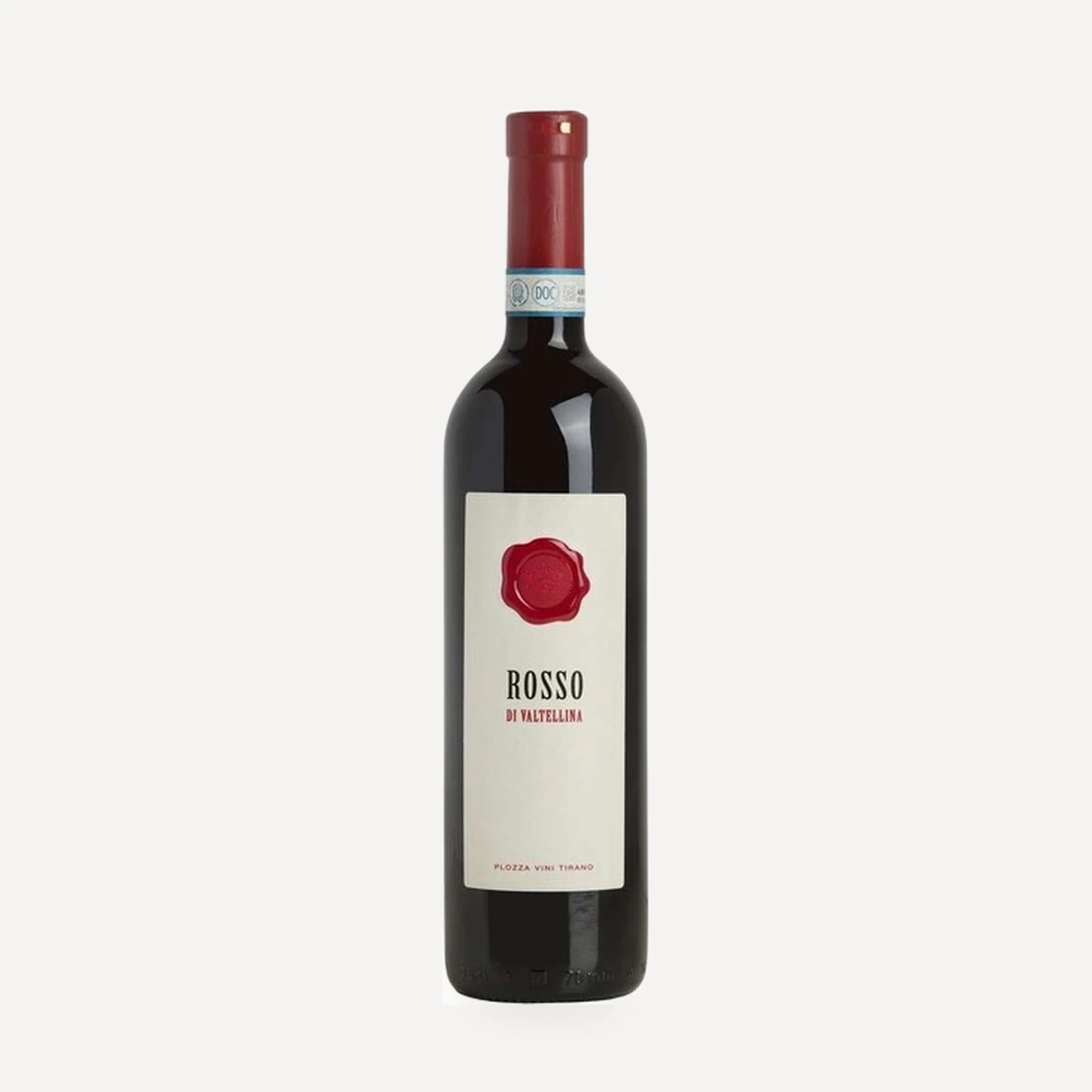 PlozzaValtellina Superiore · 22 viniRosso di Valtellina
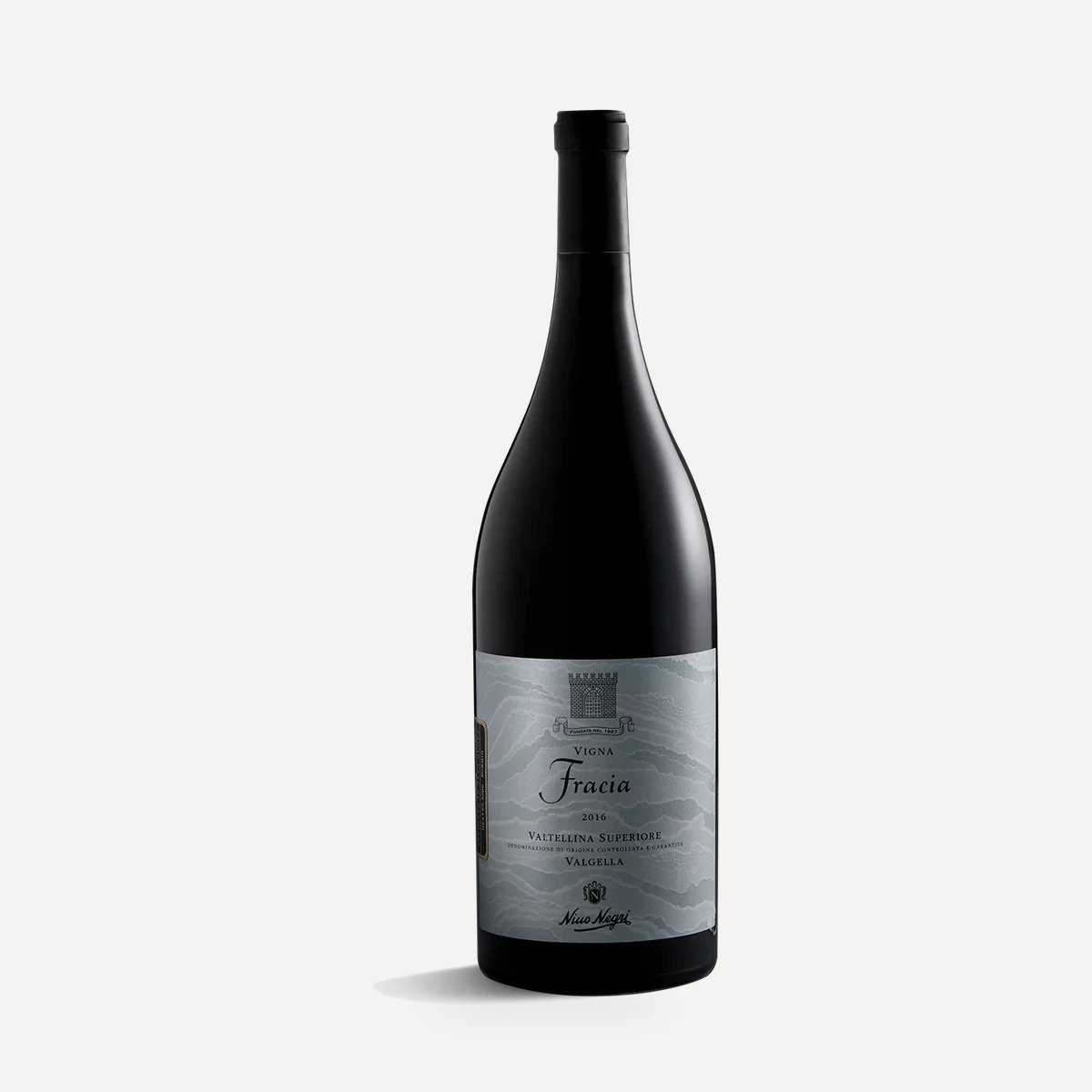 Nino Negri 30002 viniVIGNA FRACIA 2016 Valtellina Superiore Valgella DOCG
Vini di Valtellina Superiore
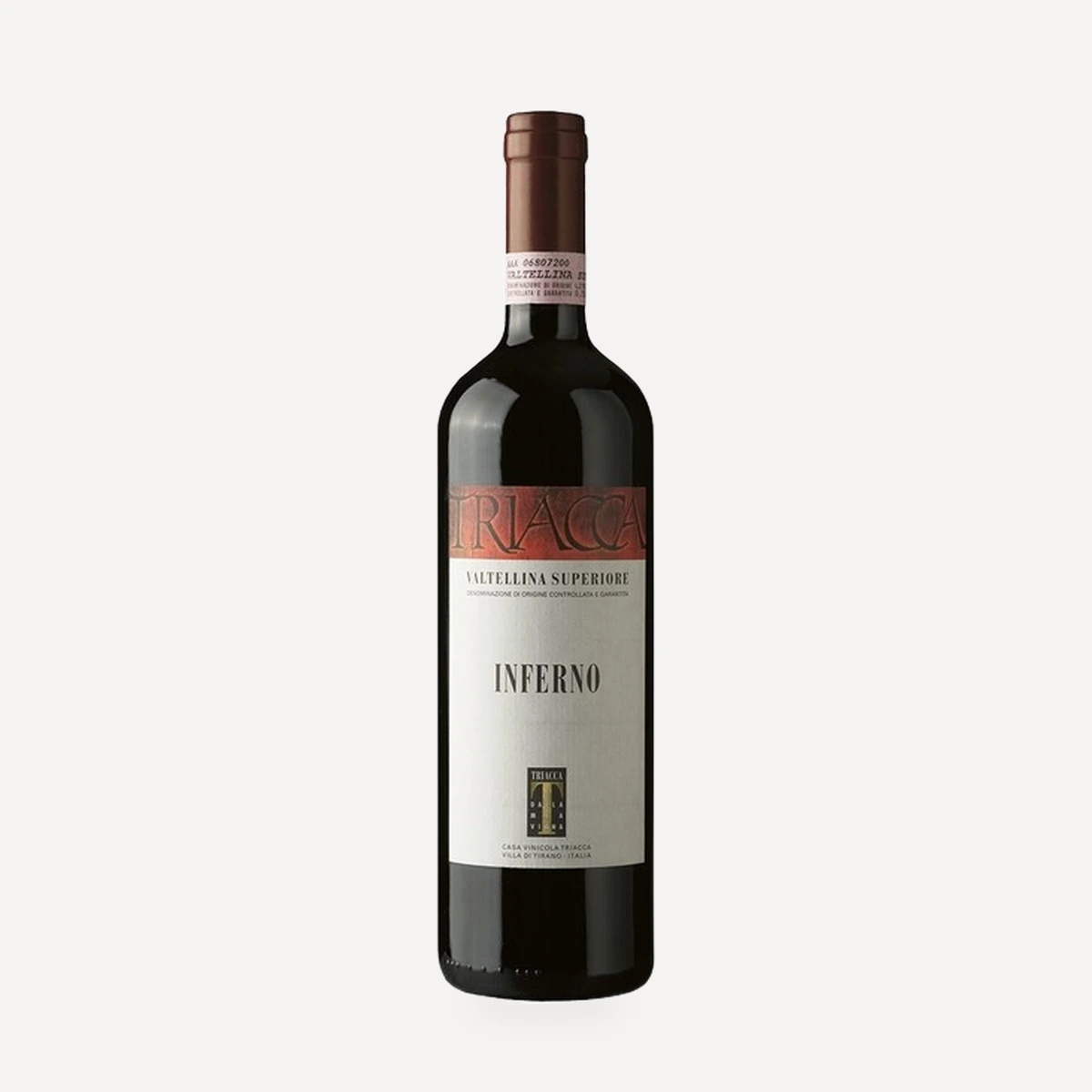
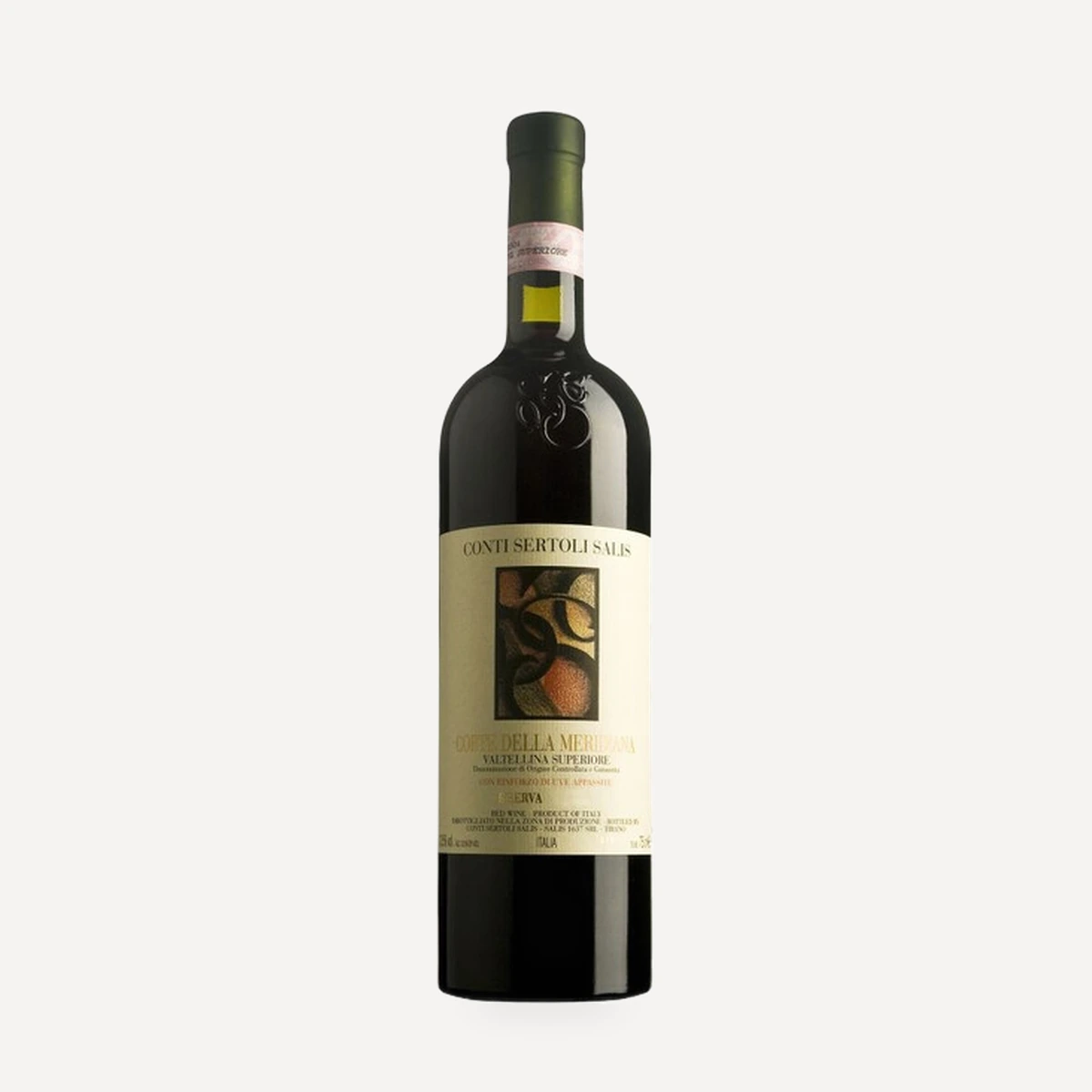
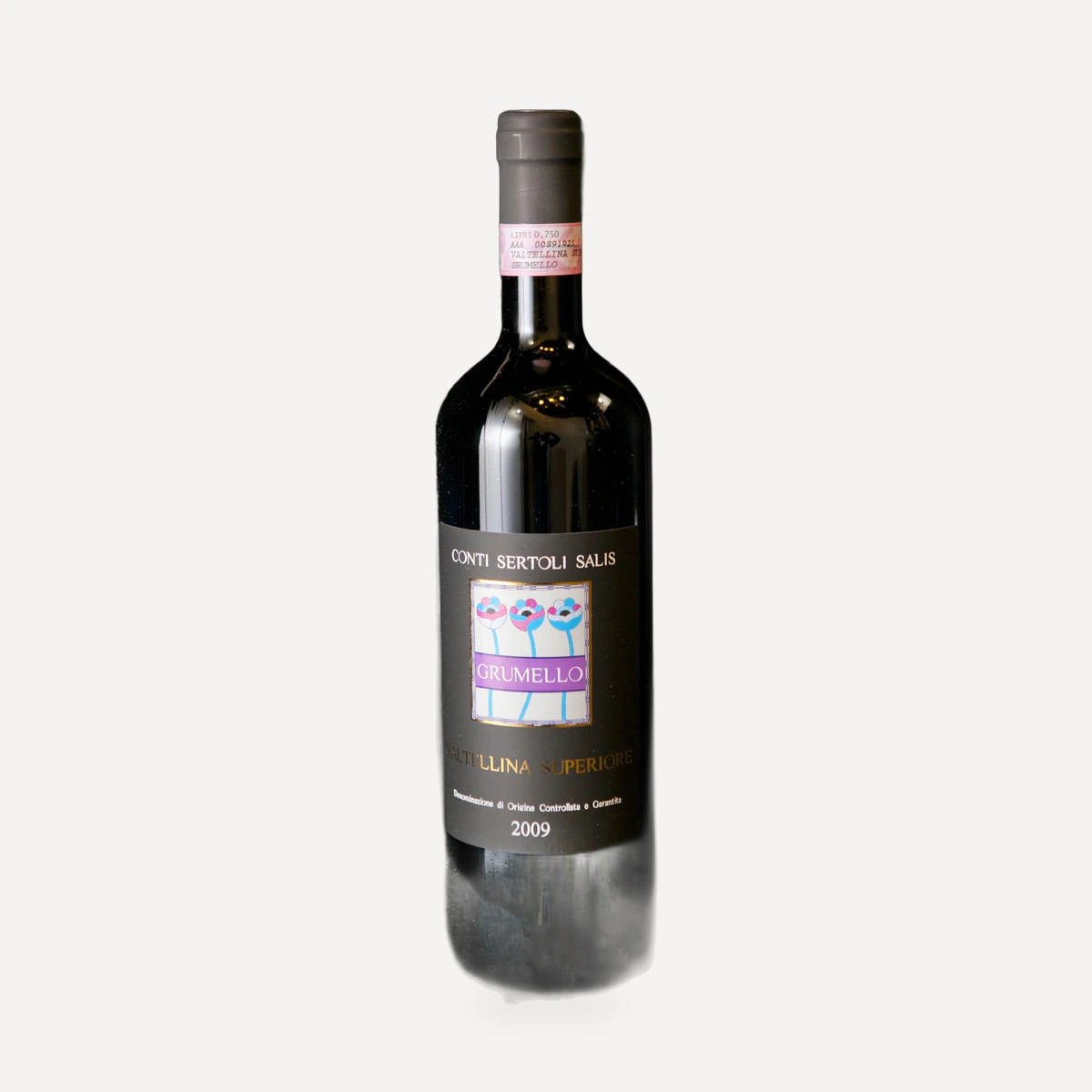
Valtellina Superiore in breve
Valtellina Superiore must be at least 90 per cent Nebbiolo, here called Chiavennasca. Five historic subzones may name themselves on the label, from west to east Maroggia, Sassella, Grumello, Inferno and Valgella.
The wine ages at least 24 months from the first of December after the harvest, twelve of them in wood, and a Riserva at least three years. The Valtellina reds were recognised as a DOC in 1968, and Valtellina Superiore became a DOCG in 1998.