Storia
1919 — Pietro Plozza’s venture
At the age of 29, Pietro Plozza left his position with the Rhaetian Railway in Brusio, Switzerland, a few kilometres from Tirano. He began trading agricultural products and quickly recognised the commercial potential of Valtellina wine. This initiative marked the beginning of the business.
1946 — Bringing Sforzato to the market
Pietro Plozza became the first producer to commercialise Sforzato. Although the style had appeared in written references since the eighteenth century, its production had largely remained within affluent households capable of accepting the substantial volume loss caused by drying grapes.
A diary entry written by Pietro that year expressed his determination to overcome the demands of Valtellina viticulture and his conviction that Sforzato was the noblest expression of its steep vineyards. The first commercial bottle established Sforzato as the central thread in Plozza’s identity and subsequent production.
Seventy-five years later, the event was commemorated with a 2011-vintage Sforzato “1946.” Its bottle carried platinum decoration applied by hot stamping. Nebbiolo from selected vineyards around Tirano was dried for three months, manually harvested and sorted, given three days of cold maceration and ten days on the skins, then matured for ten years in chestnut casks.
1950 — Distillation
Plozza began working as a distiller in 1950, extending its activity from wine to handcrafted spirits based on Nebbiolo marc.
1973 — Transfer of ownership
The company was sold to the ownership that still controlled it when the historical account was prepared. Plozza SA Brusio was established as a Swiss joint-stock company. The new structure continued the emphasis on quality and innovation developed during the preceding 54 years.
2000 — A new Zanolari generation
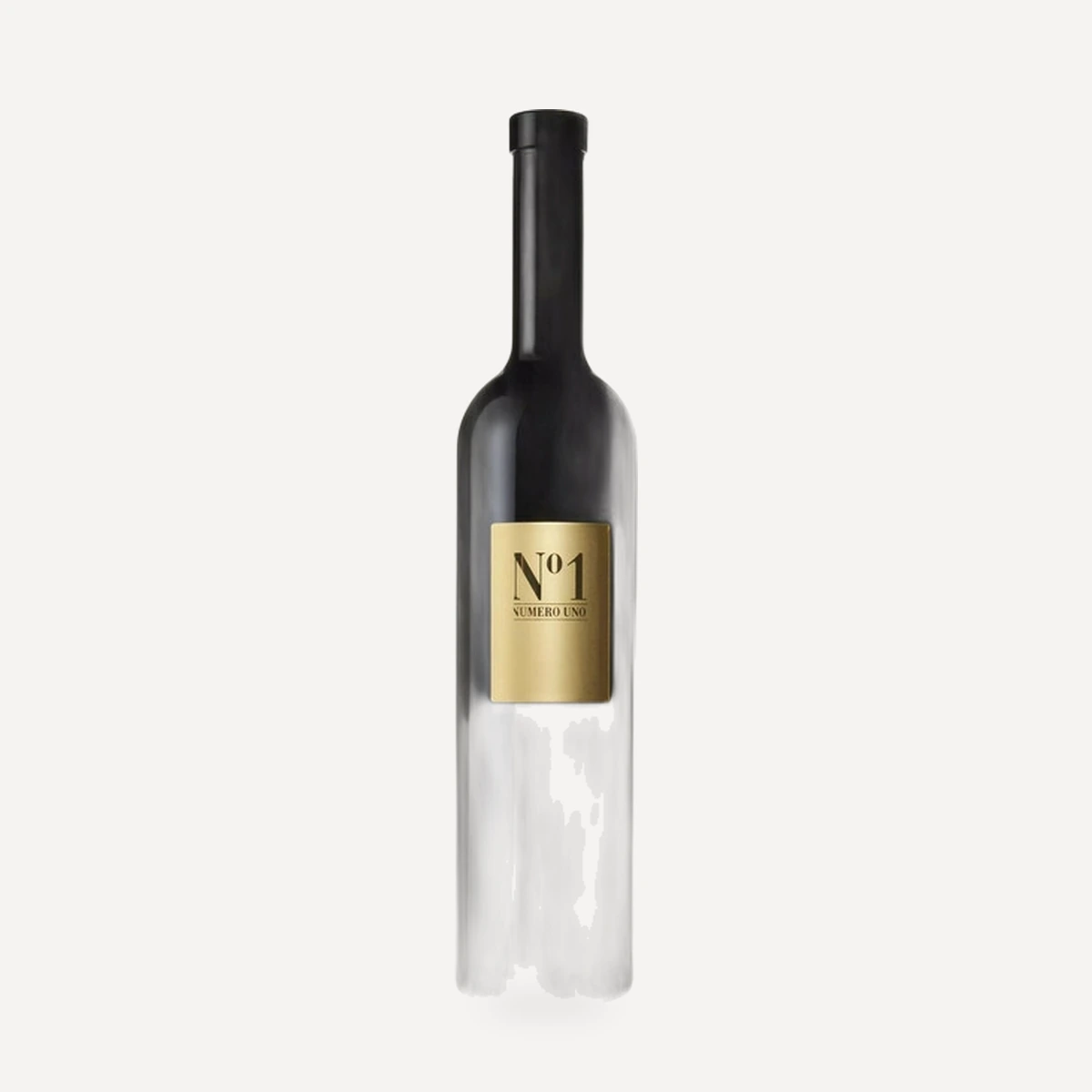
A new generation of the Zanolari family introduced more stylistically modern and ambitious wines. Among the releases associated with this period were 24K, distinguished by an applied label of pure gold, and N°1 – Numero Uno.
2017 — Creation of Plozza Wine Group
A major internal reorganisation created Plozza Wine Group. Responsibilities were divided among three distinct production businesses: Plozza Vini Tirano for Valtellina wines, Plozza Ome Franciacorta for traditional-method sparkling wines and Cottinelli Weinbau Malans for wines from the Bündner Herrschaft and Graubünden Rhine Valley. Andrea and Loris Zanolari are associated with this stage of the company’s development.
2019 — Centenary
Plozza marked its first century with a design-led commemorative bottle created by Lorenzo Ramaciotti, whose automotive work included designs for Ferrari, Maserati and Alfa Romeo. The centenary reinforced packaging as a recurring part of Plozza’s approach, alongside labels and decorative elements made from aluminium, brass, stone, wood and precious metals.
Terroir
Valtellina is an Alpine valley surrounded by high mountain summits and characterised by substantial geological, morphological and environmental variability. Biodiversity forms part of this complex setting.
More than 850 ha of vines occupy the Rhaetian side of the valley. Its south-facing exposure directs the vineyards towards sunlight and warmth, creating the microclimatic conditions described as fundamental to local viticulture. The broader landscape has been shaped into Italy’s largest terraced vineyard area, supported by more than 2,500 km of dry-stone walls.
The terraces are planted almost entirely to Nebbiolo. In the Sassella and Inferno sectors represented by Plozza, vineyard data indicate sandy, silty soils, an average altitude of approximately 550 m and vines averaging about 60 years old. The wider range also draws on almost century-old Nebbiolo vines and on selected sites around Tirano.
The three named Valtellina Superiore areas have distinct positions. Grumello lies on steep slopes northeast of Sondrio beneath a thirteenth-century castle. Sassella consists of tiny plots west of Sondrio, physically taken from the rock. Inferno is a small and especially arduous sector between Poggiridenti and Tresivio.
Vinificazione
Viticulture takes place on the steep, dry-stone-walled terraces of Valtellina, a setting characterised as heroic because of the physical demands imposed by its slopes and fragmented plots. The landscape represents a long collaboration between human labour and the Alpine environment.
Nebbiolo is the dominant variety. Published data for the Sassella and Inferno sectors describe Guyot training, an average vine age of approximately 60 years, density of about 4,500 vines/ha and yields around 8,000 kg/ha. Some selected Nebbiolo vines approach a century in age.
Grapes are harvested and sorted manually. Depending on the intended production, Nebbiolo may be picked at ordinary maturity, left to over-ripen on the vine and harvested two weeks later, or dried after harvest. No vineyard certification or formal organic, biodynamic or regenerative programme is identified.
The cellar combines established Valtellina techniques with controlled-temperature equipment and a varied collection of maturation vessels.
Grapes are harvested and selected by hand. Fresh fruit may be processed directly, while selected Nebbiolo is naturally dehydrated after harvest. Drying generally lasts two or three months and concentrates sugars and aromas through water loss. Some production combines separately vinified fresh and dried grapes, while another approach uses fruit left to over-ripen on the vine.
Cold maceration and skin contact are used for red wines, with the published range showing cold-soak periods of roughly two to five days and total time on the skins varying by selection. Whites and rosé may be gently pressed and fermented at controlled temperature in stainless steel. Some white must ferments or matures in lightly toasted French oak and may remain in contact with fine lees for several months.
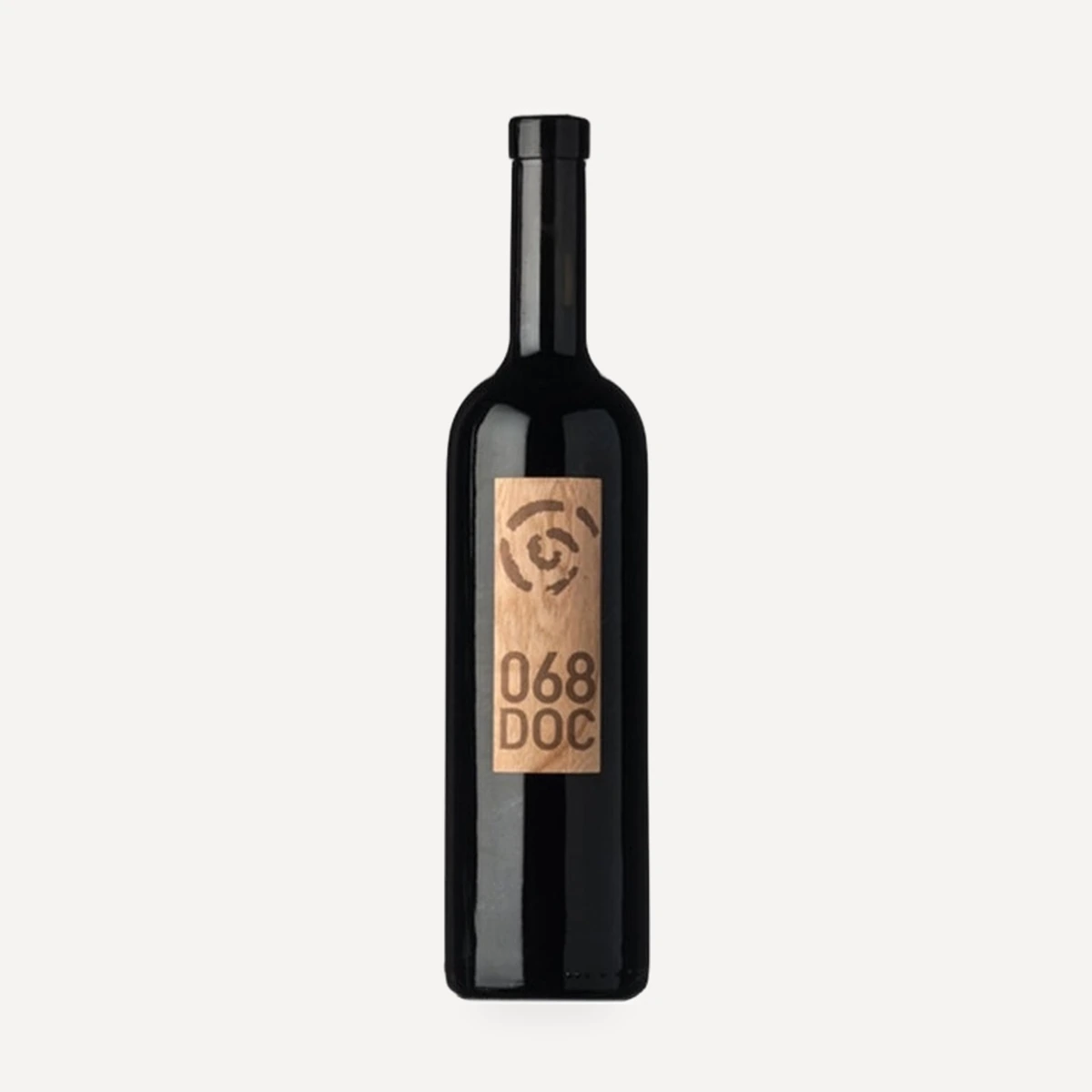
The maturation cellar includes stainless-steel and concrete tanks, used and new French-oak barriques, 500-litre tonneaux, larger oak vessels and casks made from native or European chestnut. Chestnut is a recurring house material: it is used for long maturation, including the numbered 10,000-litre cask that inspired the 025/042 concept and the ten-year ageing of the commemorative Sforzato “1946.”
For the most selective Nebbiolo production, the cellar employs consecutive transfers between new French-oak barriques. One programme comprises ten months in a first new barrique followed by fourteen months in a second; Plozza calls this the “200% barrique method.” The technique is reserved for exceptionally concentrated fruit capable of balancing new-oak influence.
The distillery works with Nebbiolo marc. Fermentation takes place under vacuum at controlled temperature, followed by artisanal distillation in a discontinuous steam still and maturation in barriques.
Filosofia
Plozza presents tradition and innovation as mutually supportive rather than contradictory. Its guiding objective is to preserve the labour embodied in Valtellina’s historic terraces while using creative production and design solutions to develop a contemporary identity.
Sforzato occupies the centre of this philosophy. Pietro Plozza’s 1946 initiative is treated not simply as a commercial milestone but as an enduring commitment to the demanding work of drying Nebbiolo and accepting lower volumes in pursuit of concentration. Subsequent interpretations combine traditional grape dehydration and chestnut vessels with temperature control, French oak and selective cellar programmes.
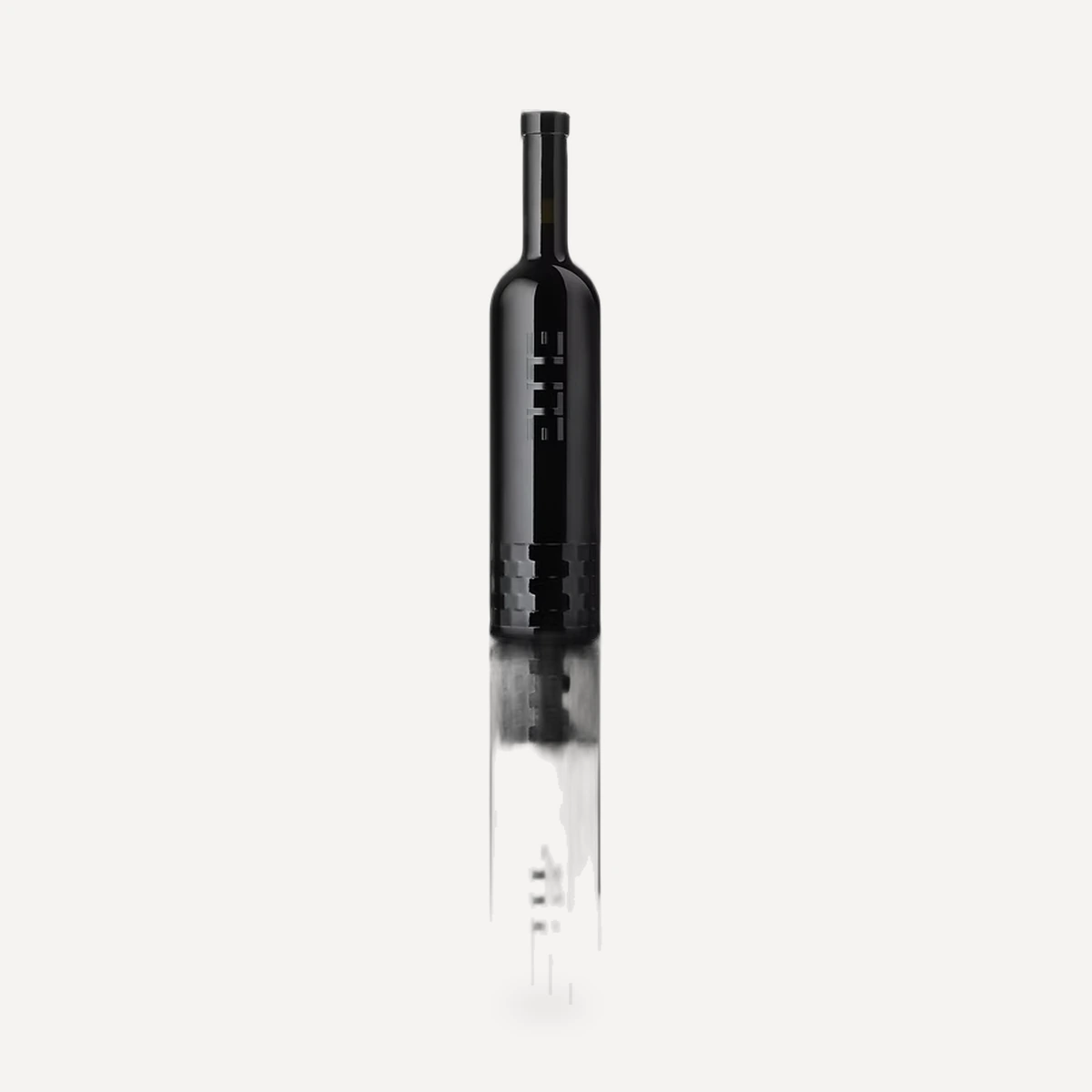
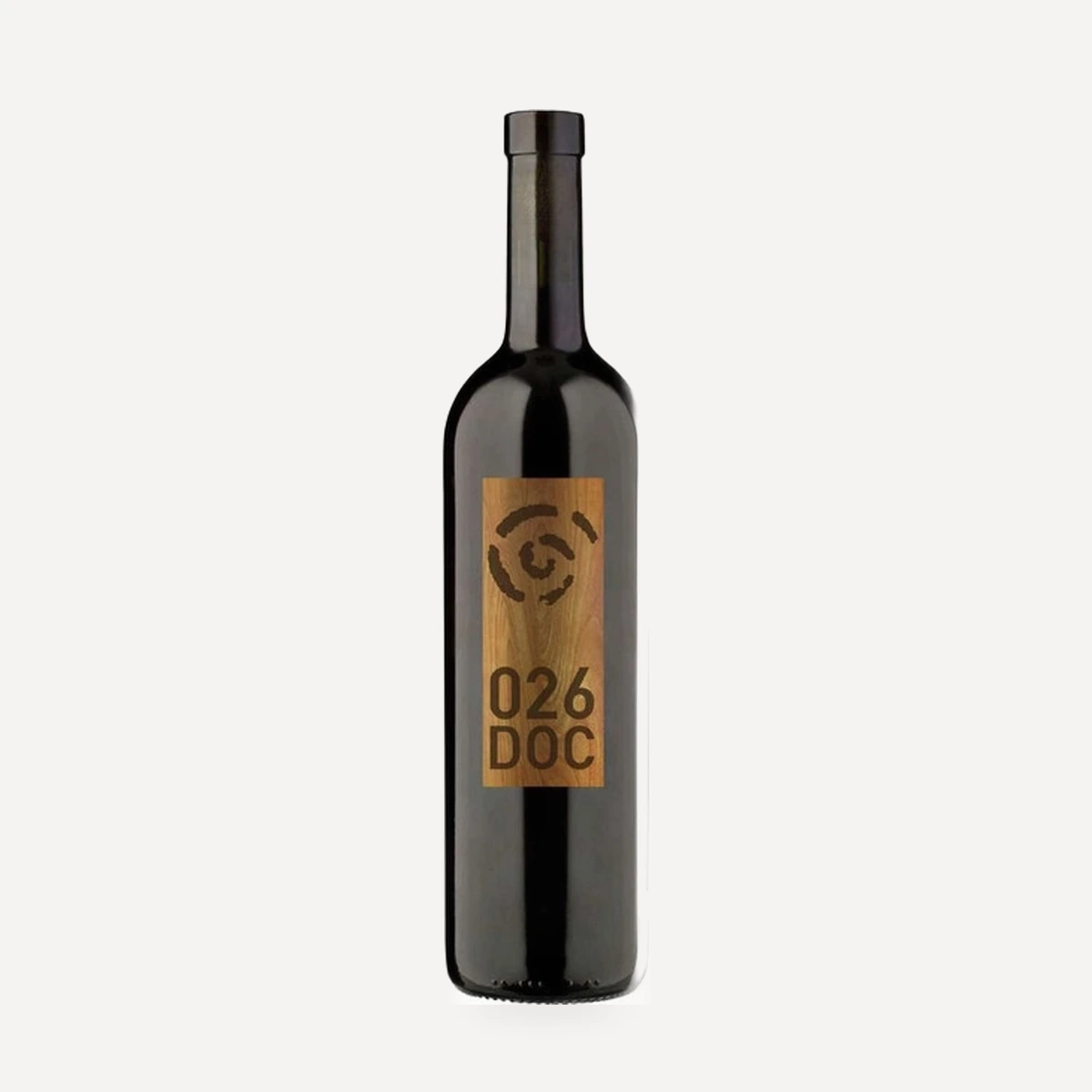
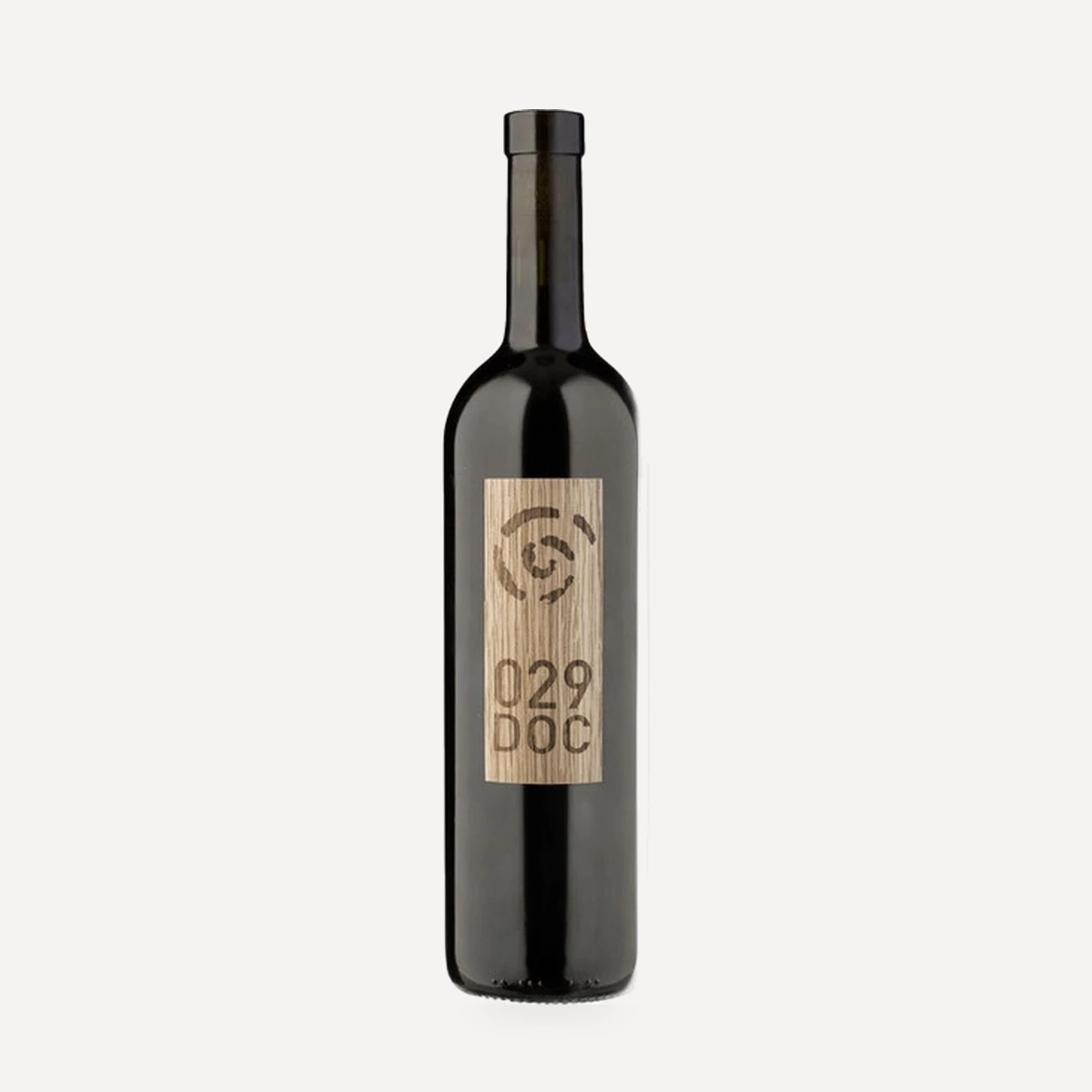
The winery also treats packaging as part of a wine’s identity and communication. Minimalist labels and decorative components have been made from aluminium, brass, stone and wood, while special releases have used pure gold or platinum decoration. This design focus is intended to distinguish each creation without abandoning its connection to Valtellina.
At vineyard level, wine is portrayed as a mosaic formed by the relationship between people and nature, viticulture and landscape. The dry-stone terraces embody that relationship: generations of work have shaped a difficult Alpine environment into a place for Nebbiolo.
Vini
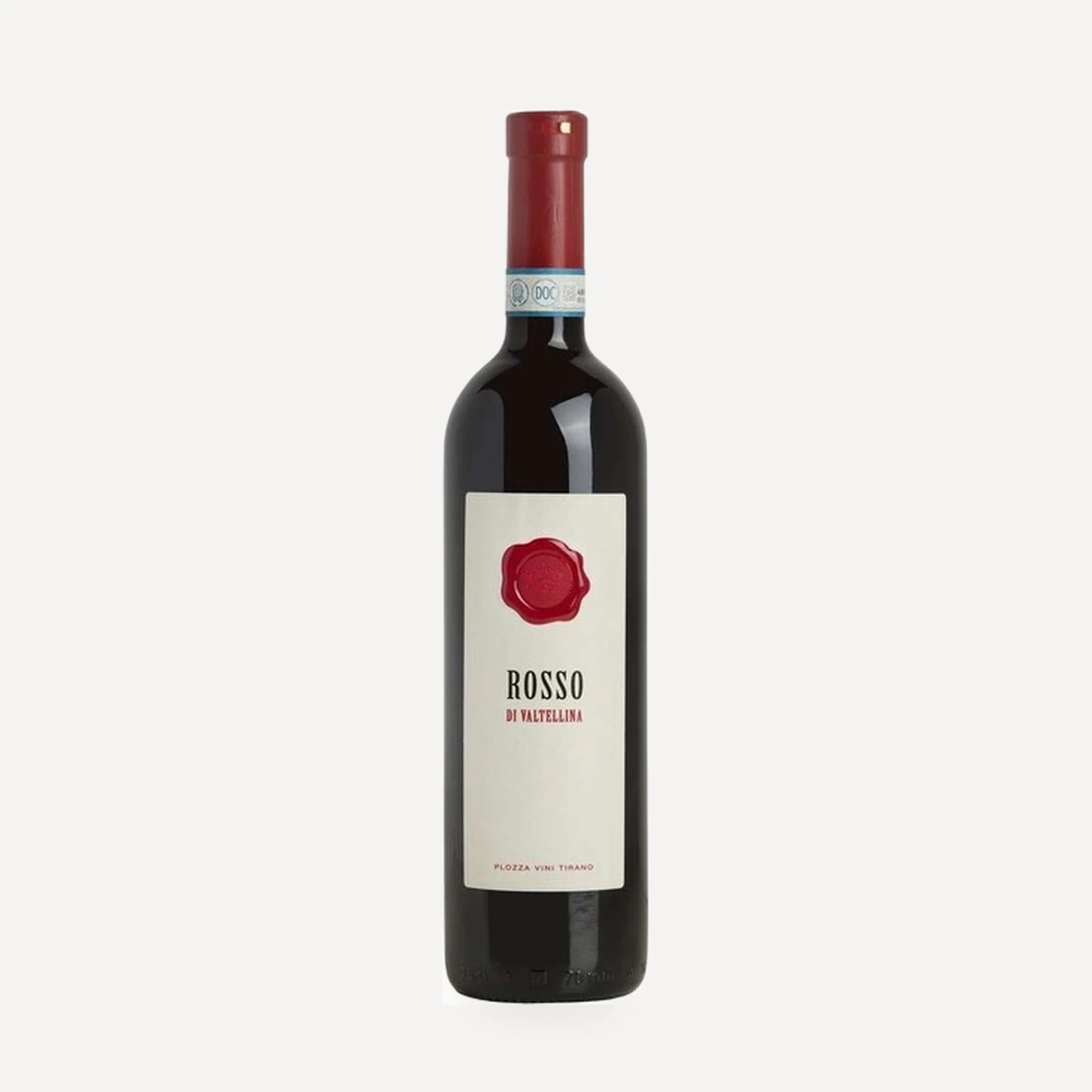
Rosso di Valtellina
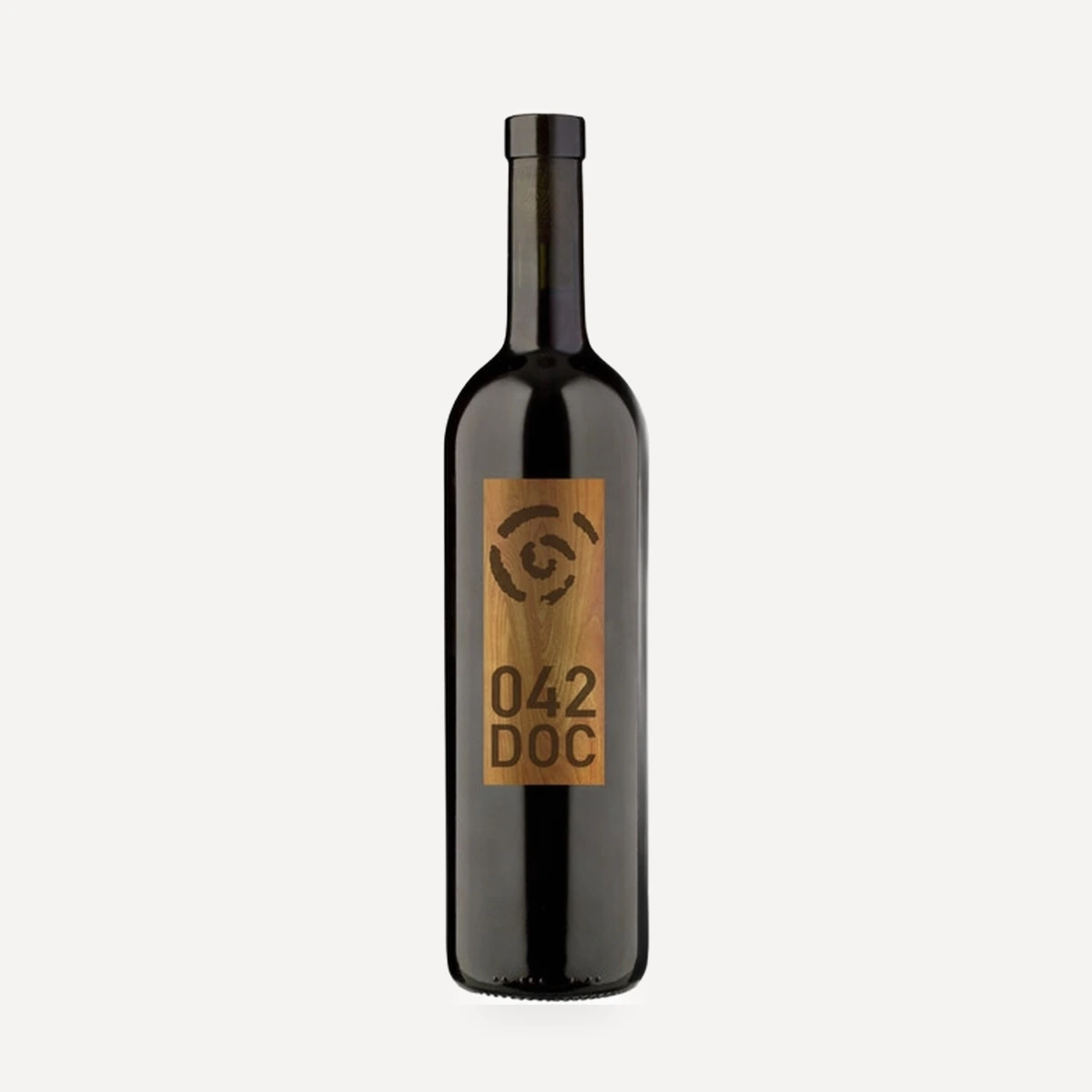
042
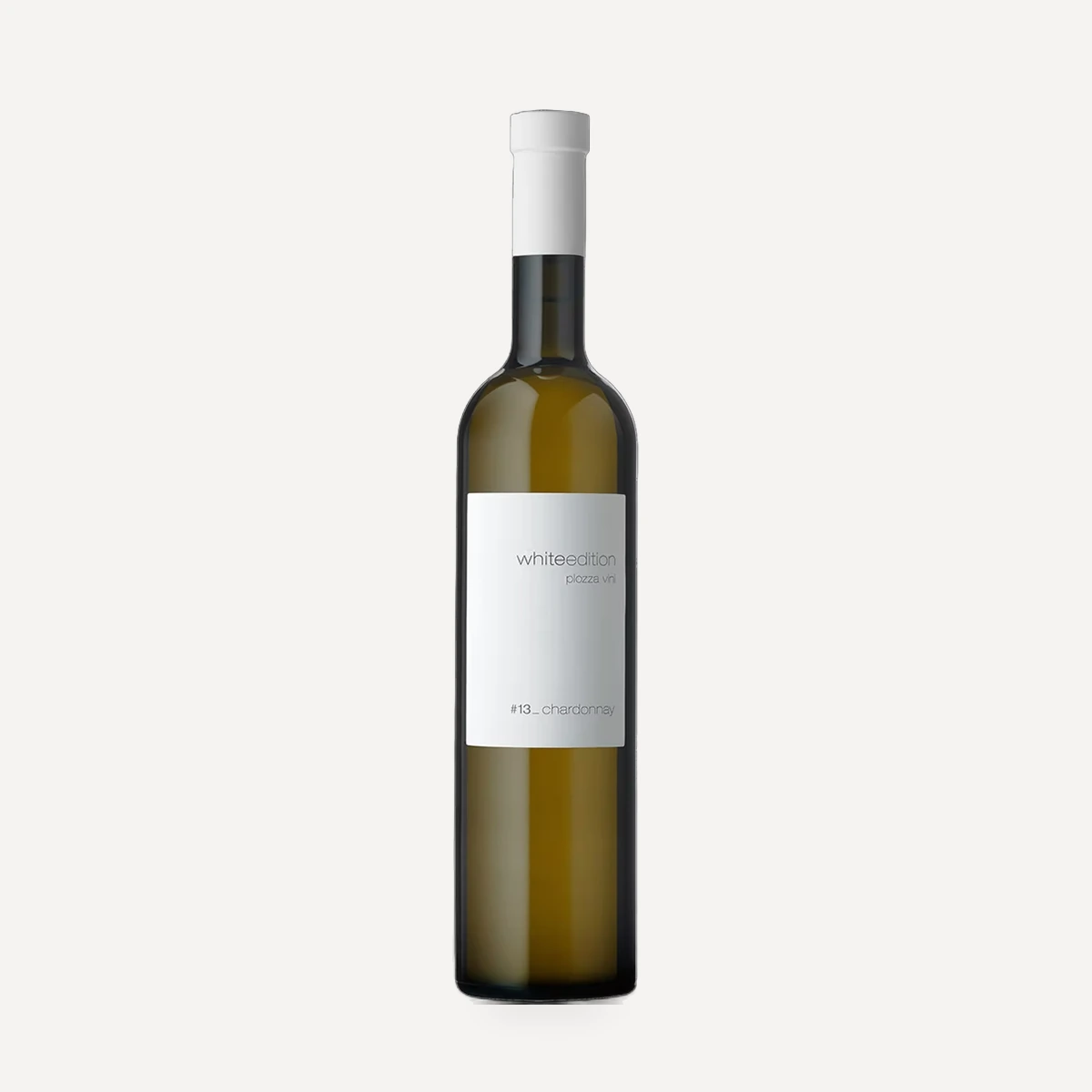
Chardonnay whiteedition
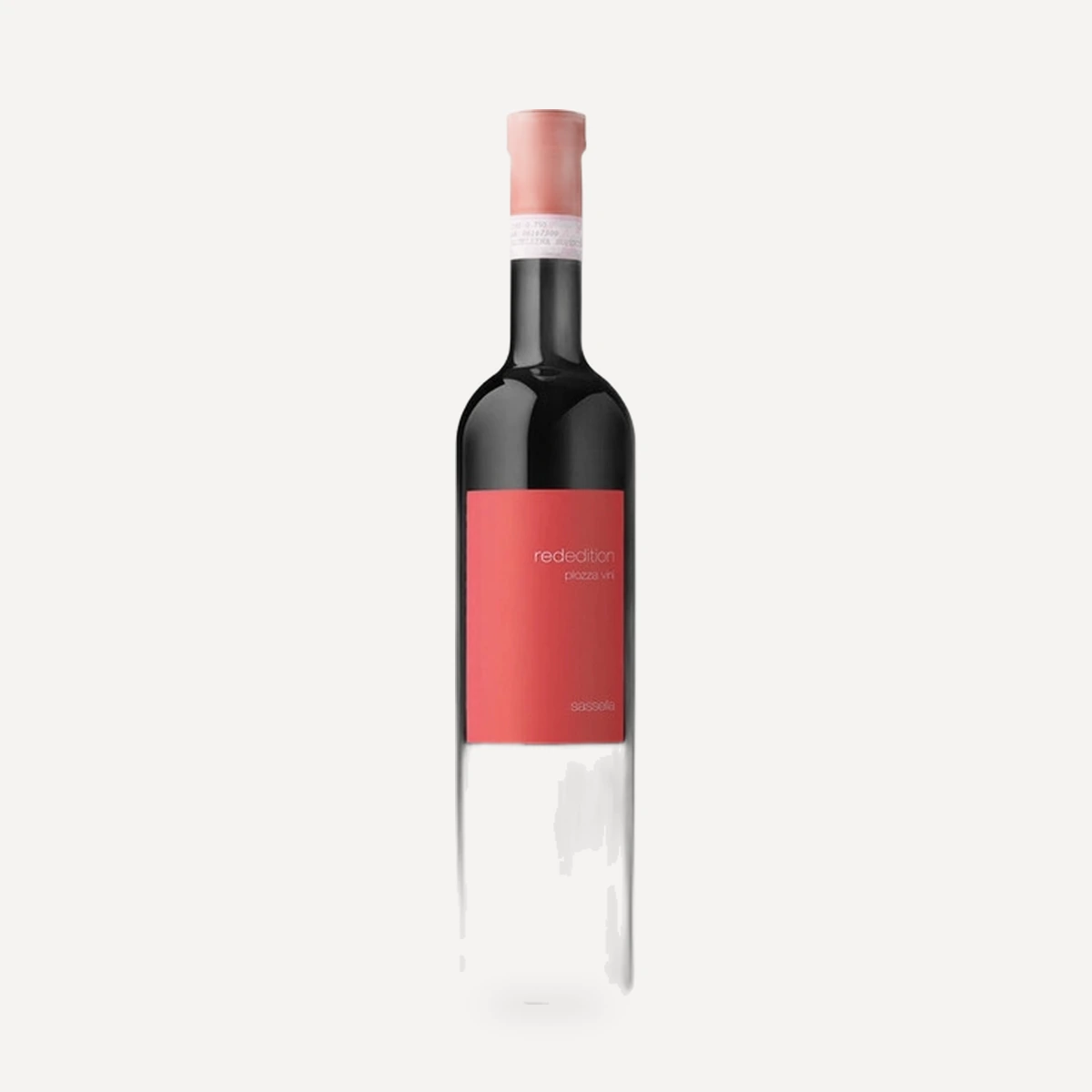
Sassella rededition
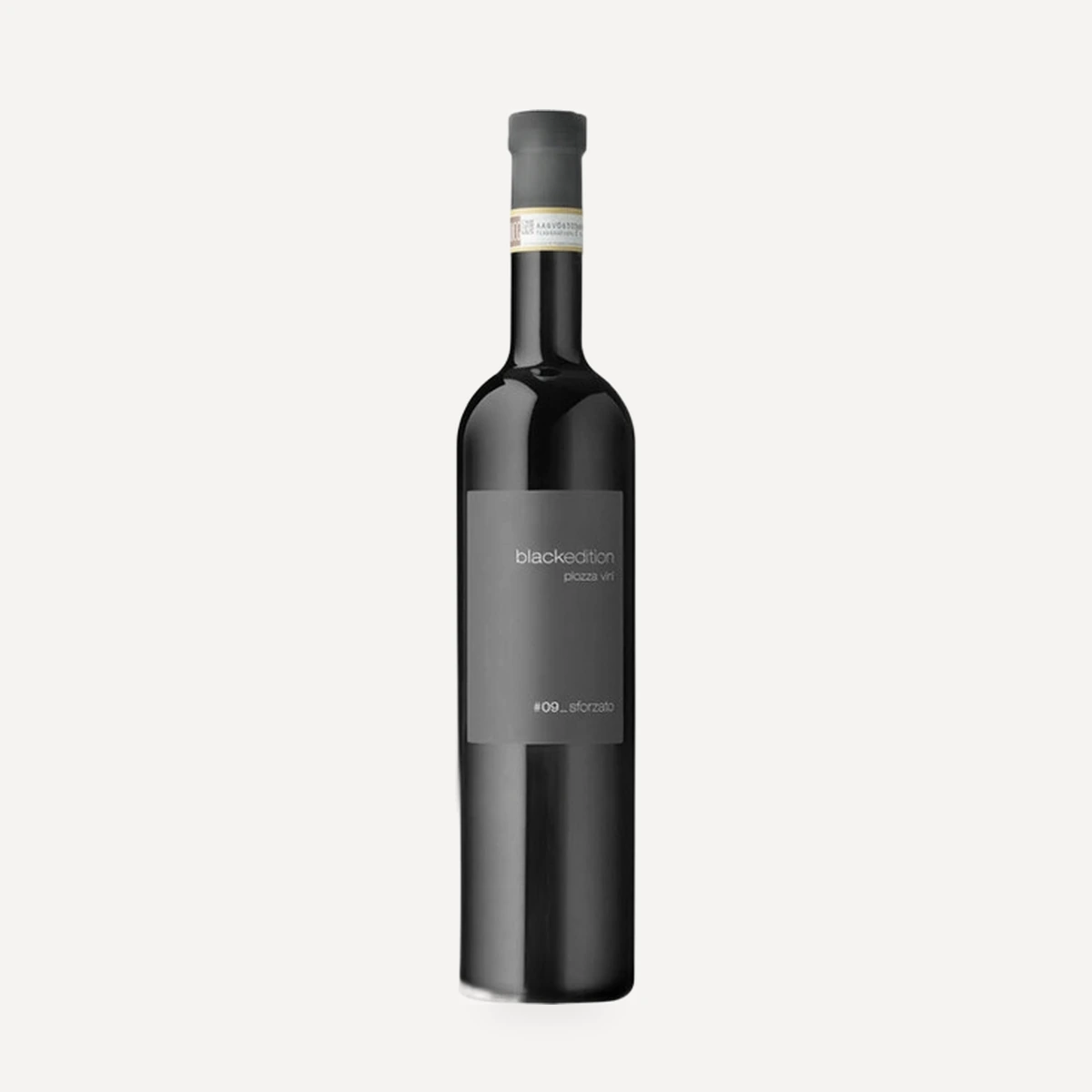
Sforzato blackedition
Seduzione silveredition
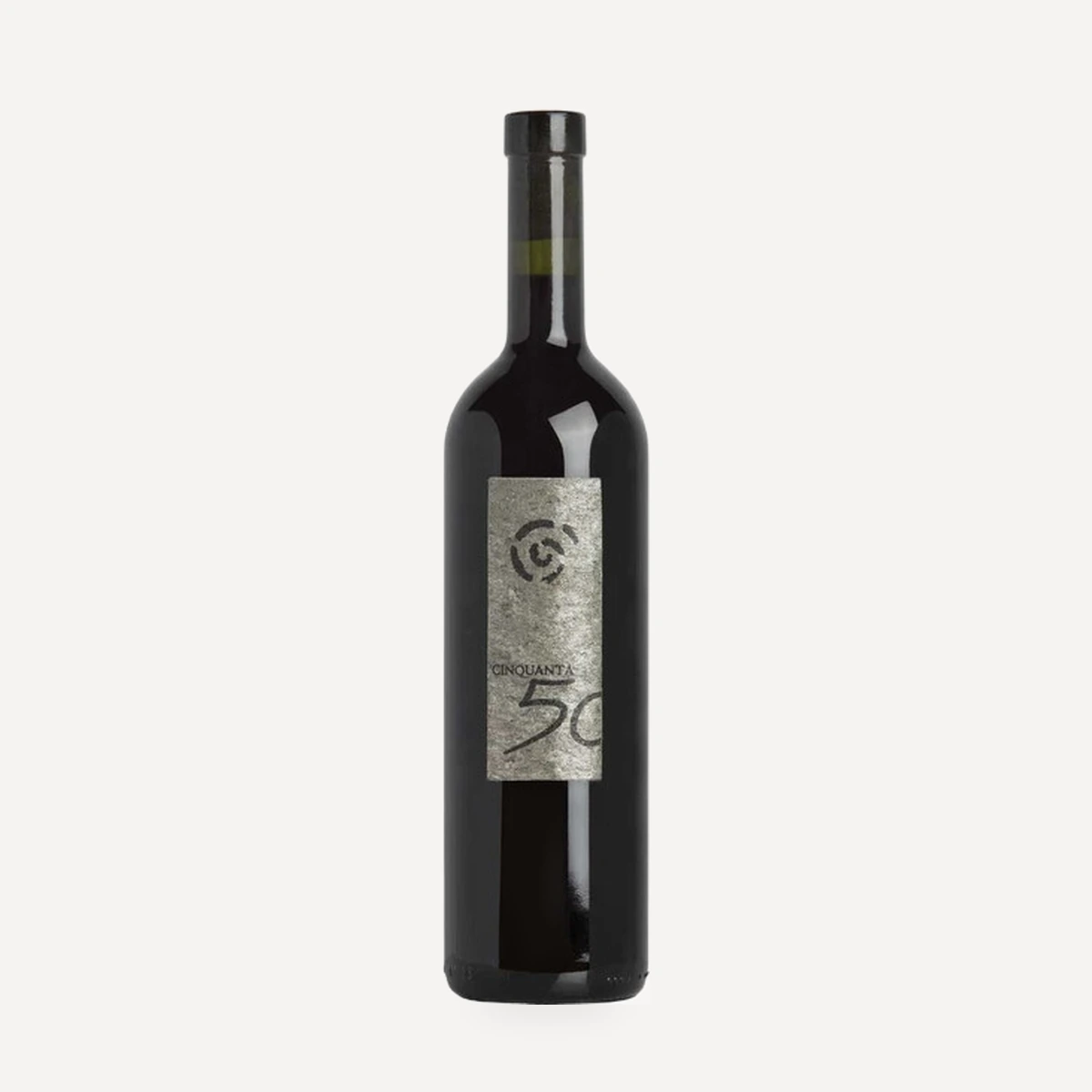
Cinquanta | 50
Elite
N°1 - Numero Uno
026 Rosso di Valtellina DOC
029 DOC
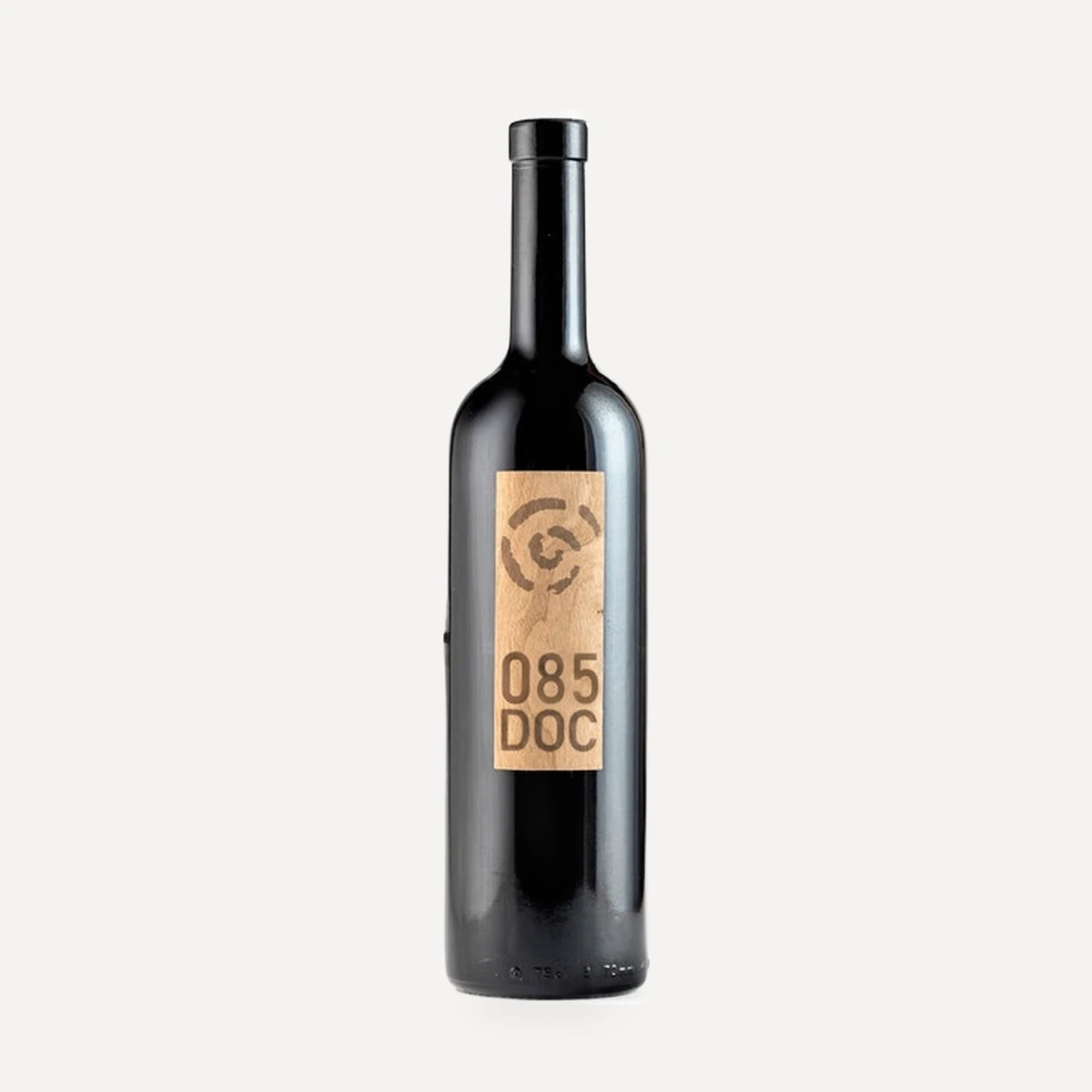
085 Rosso di Valtellina DOC