Questo vino
Vineyard and terroir
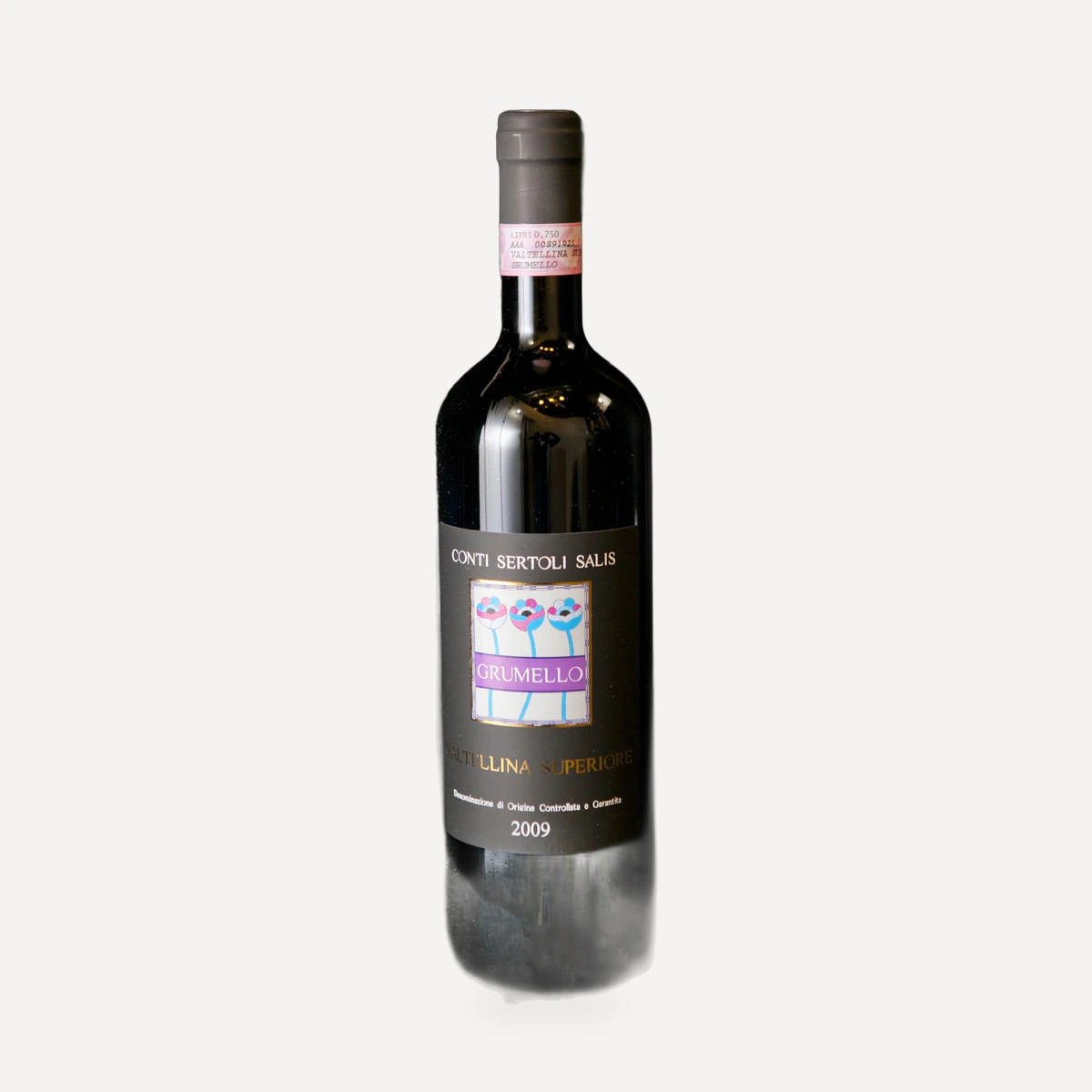
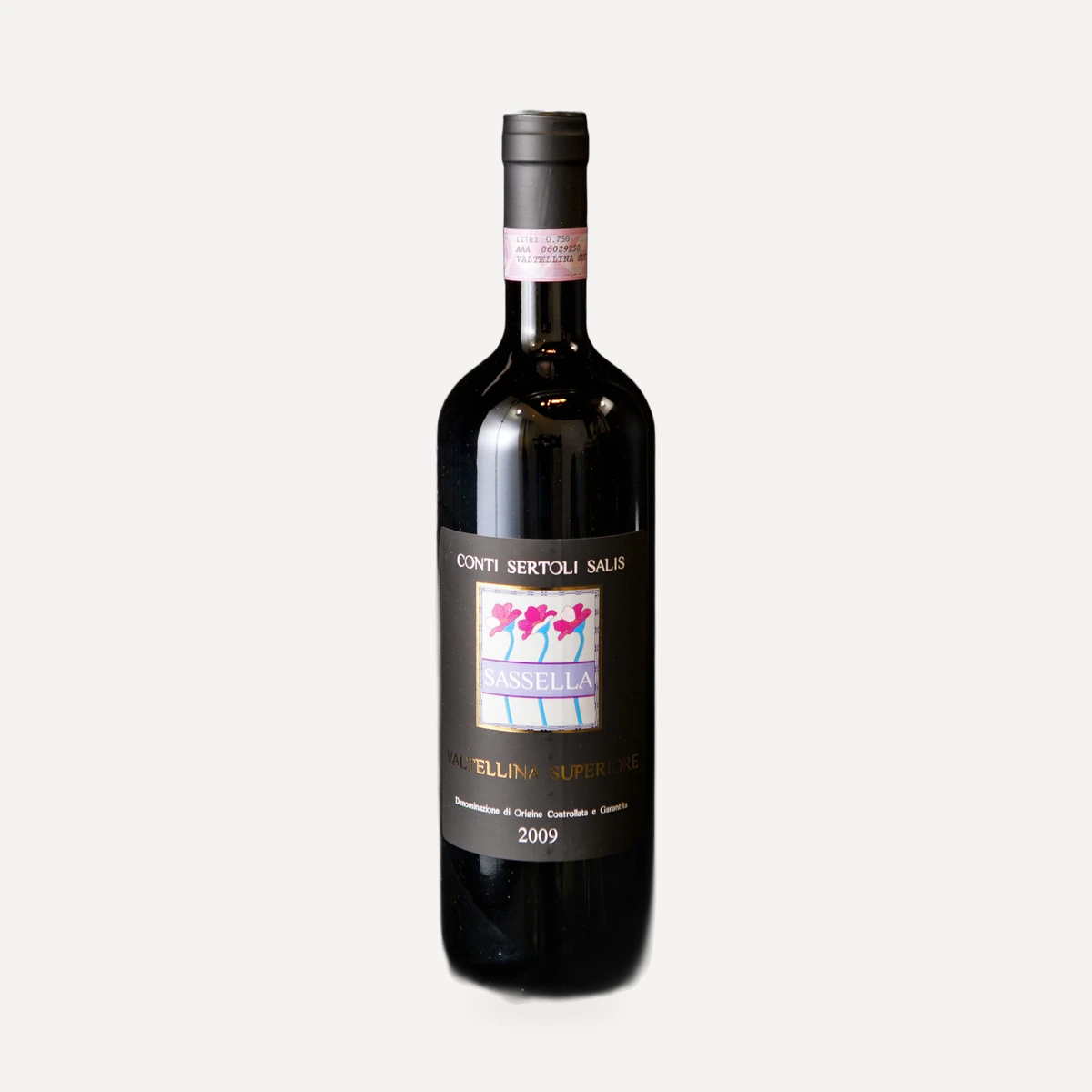
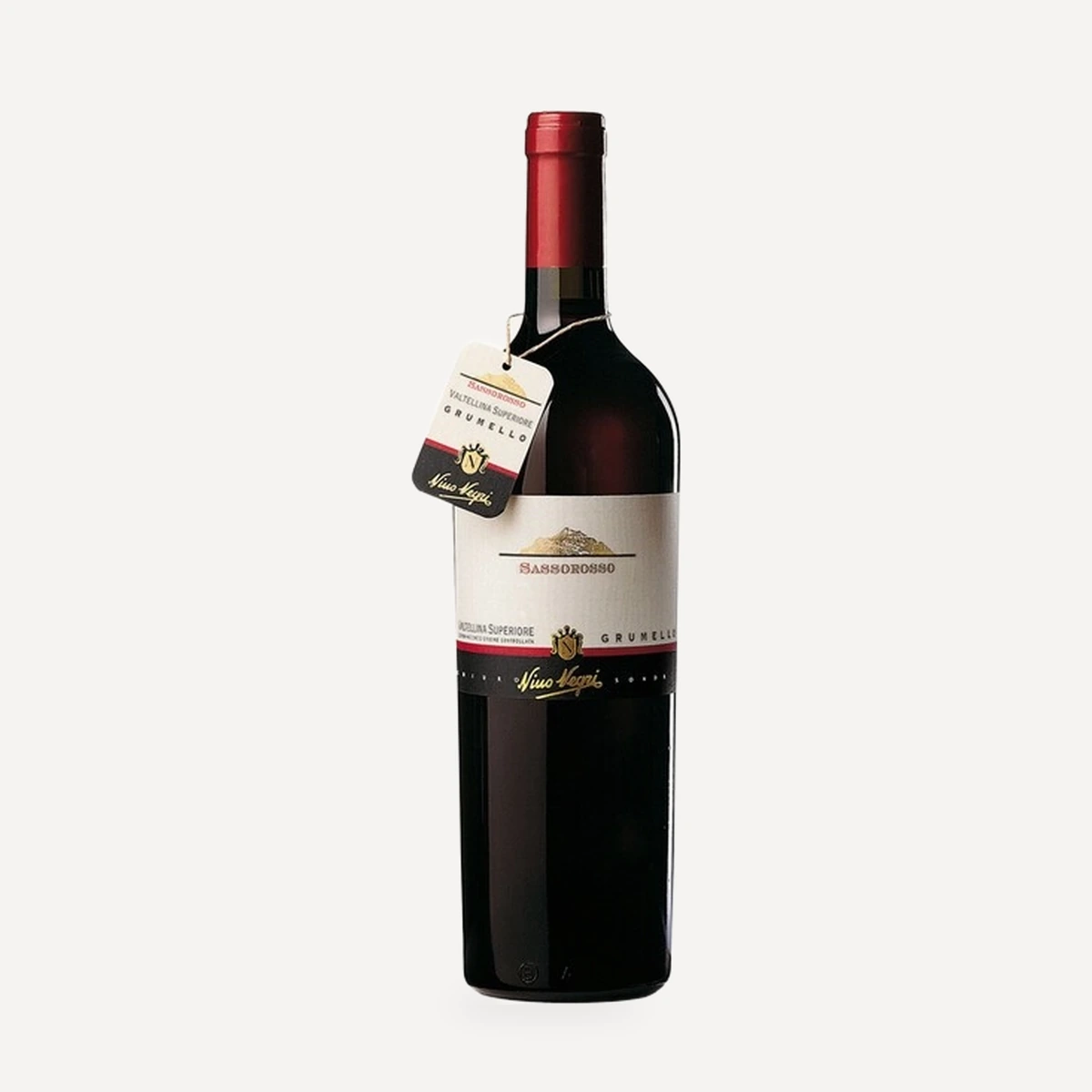
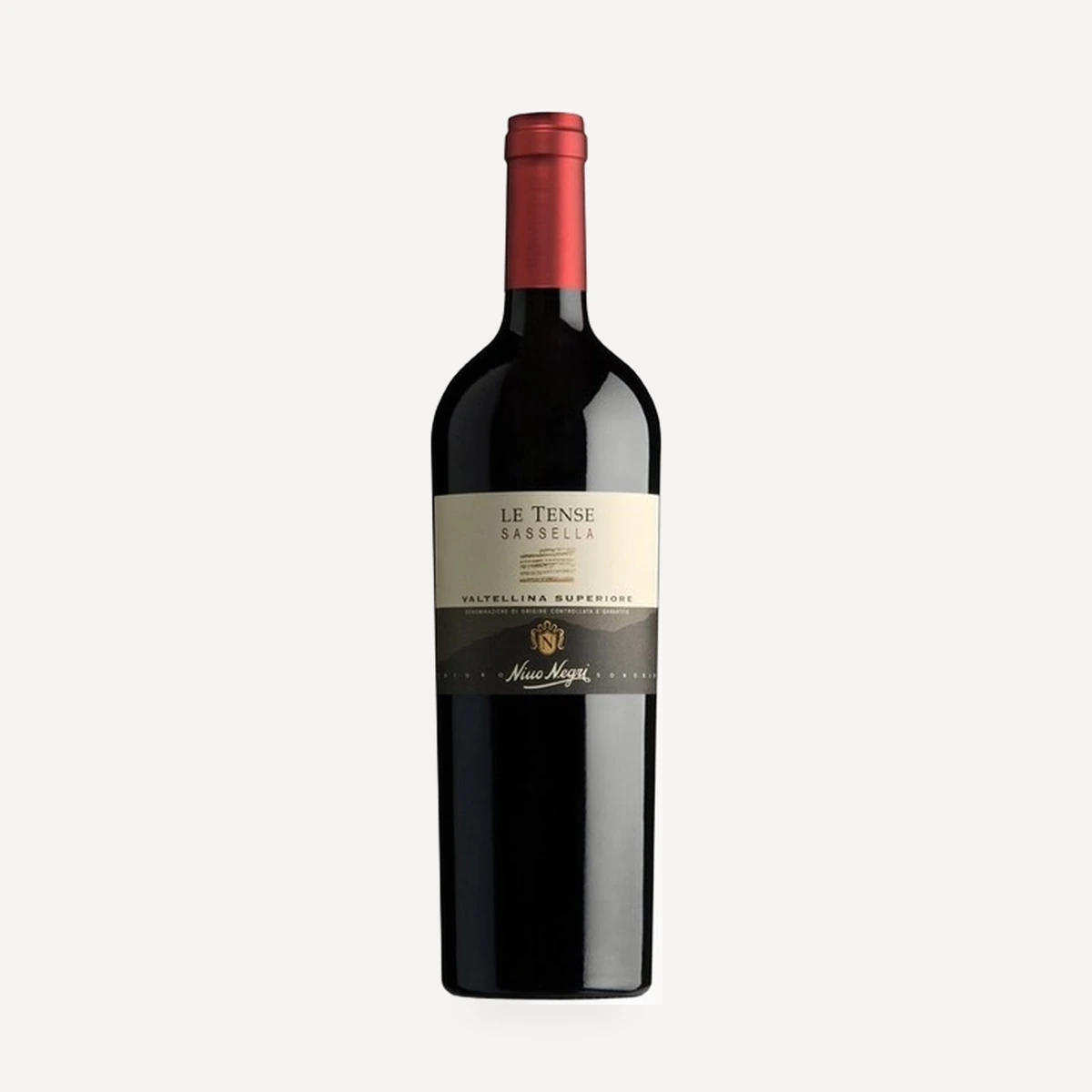
Corte della Meridiana is made exclusively from Nebbiolo, locally known as Chiavennasca, grown in selected vineyards in the Sassella and Grumello subzones of Valtellina Superiore. The vines root directly into rock. Fruit from the two areas is blended because only a small number of vineyards in each subzone yield bunches with the pronounced primary aromas required for partial drying; together, the two origins provide complementary qualities.
Grapes
100% Nebbiolo (Chiavennasca).
Vinification
The wine follows the traditional Valtellina practice known as rinforzo. After harvest, part of the crop is left to dry in lofts until the end of autumn. The remaining grapes are carefully selected and vinified while fresh, producing a base wine in early November.
In December, the dried grapes are pressed and added to the young wine. This addition restarts fermentation. Once fermentation is complete, the wine undergoes repeated rackings for clarification.
Ageing
During the waning moon in April or May, the wine leaves the large cask and is transferred to new oak carati of 450–500 L. It remains in these small casks for more than 18 months, with regular rackings and topping up.
Bottling takes place during the waning spring moon of the second year after harvest. The bottled wine then rests for at least six months before release.
Technical data
- Alcohol: 13–13.5% vol.
- Total acidity: 5.4–5.9 g/L
- Volatile acidity: 0.45–0.60 g/L
- Dry extract: 28–35 g/L
- pH: 3.50–3.70
- Serving temperature: 18–20°C
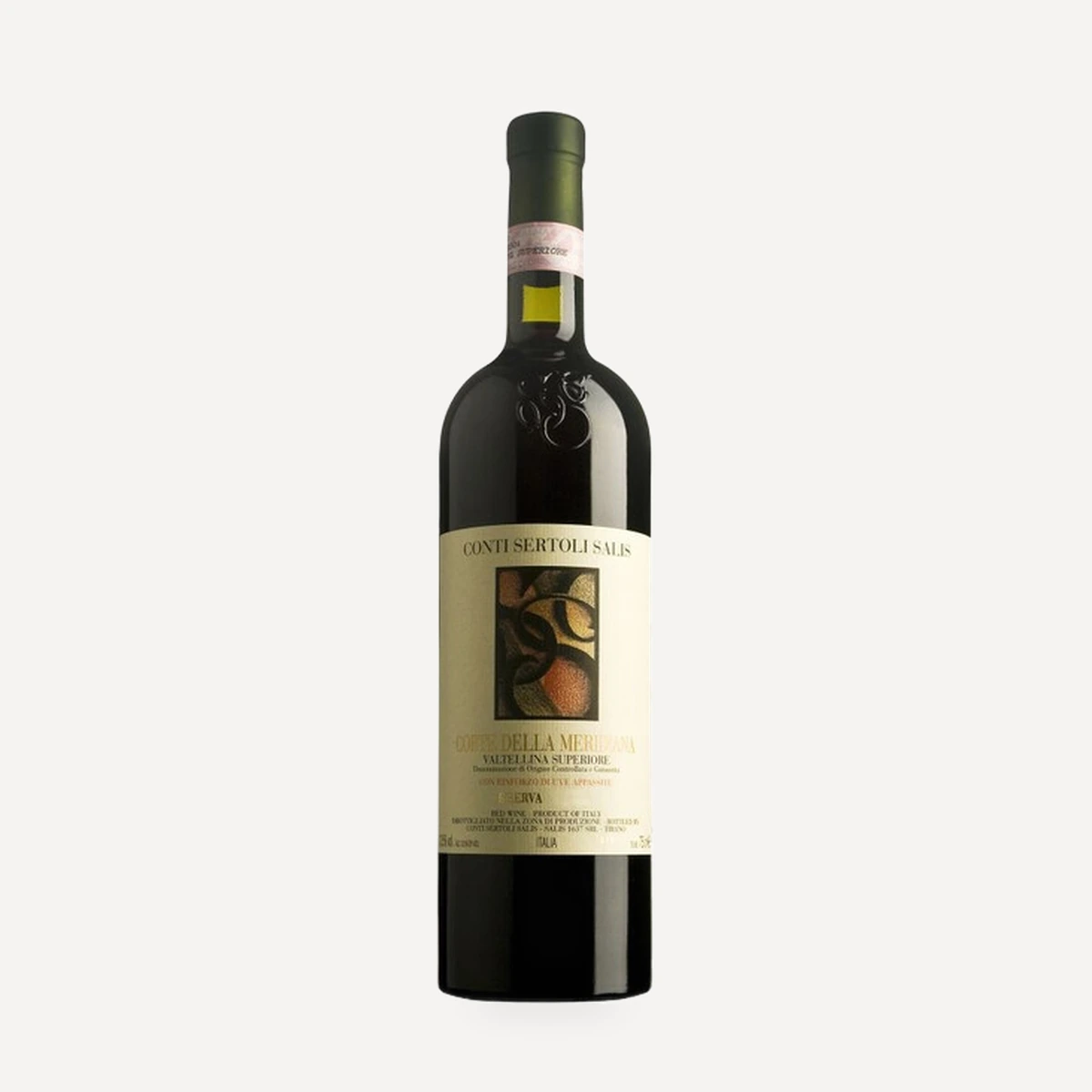
- Bottle format shown: 750 mL
Tasting profile
Moderately deep ruby red, with light purple nuances and a trace of orange at the rim. The bouquet combines dried hazelnut, rose, liquorice and persistent vanilla with raspberry, blackcurrant and warm, fleshy notes. The palate is notably smooth, broad and warm, offering a prolonged impression of red fruit and sweet spices, followed by suggestions of dried fruit and almond.
Serving and pairing
Serve at 18–20°C. It accompanies all kinds of meat, particularly feathered game, as well as full-fat cheeses. It can also be enjoyed by itself.
Ageing potential
The wine begins to show character and elegance in the autumn following its prescribed maturation. It can continue improving for 10–15 years and potentially 20 years or longer, making extended private-cellar ageing possible.