Storia
Establishing La Segreta
Eileen and Lorenzo established La Segreta approximately twenty years before the estate’s current account of its history, on a 36.4-hectare nature preserve in the Umbrian countryside. Their first major undertaking was the restoration of a rustic stone borgo already standing on the property. The family settled into life around Collazzone, its olive groves and medieval churches, while their children grew up in the surrounding community.
The estate subsequently restored and reinterpreted a historic farmhouse farther up the road. The building became The Farmhouse, a private country residence surrounded by olive trees, jasmine and lavender.
Establishing the vineyard
The vines were planted in 2008 on a sun-exposed, southwest-facing slope at 300 metres above sea level. Sangiovese and Sagrantino were chosen instead of a predominantly international assortment. The decision reflected a commitment to varieties with a long history in Umbria and to the character of the estate’s soils.
Organic vineyards were unusual in the immediate area at the time. Vineyard development therefore combined organic farming with a deliberately manual approach: the team avoided large machinery and heavy tractors, tied the vines by hand, reduced the crop to improve fruit quality, and sowed rye and clover between the rows. A Tuscan agronomist and a Tuscan enologist assisted the young project and explored what the Umbrian site could produce.
Harvesting became a communal activity. Retired villagers, local mothers and teenagers joined the family in the vineyard with buckets and shears, establishing a hand-harvesting tradition that continues.
Developing the cellar and identity
Fruit was selected by hand and processed in the estate cellar. Fermentations used the naturally occurring yeasts present in the cellar environment, while extraction was managed through manual punch-downs. The portfolio developed around local varieties and cellar methods ranging from ancestral-method sparkling wine and stainless-steel maturation to extended maceration, French-oak tonneaux and long bottle ageing.
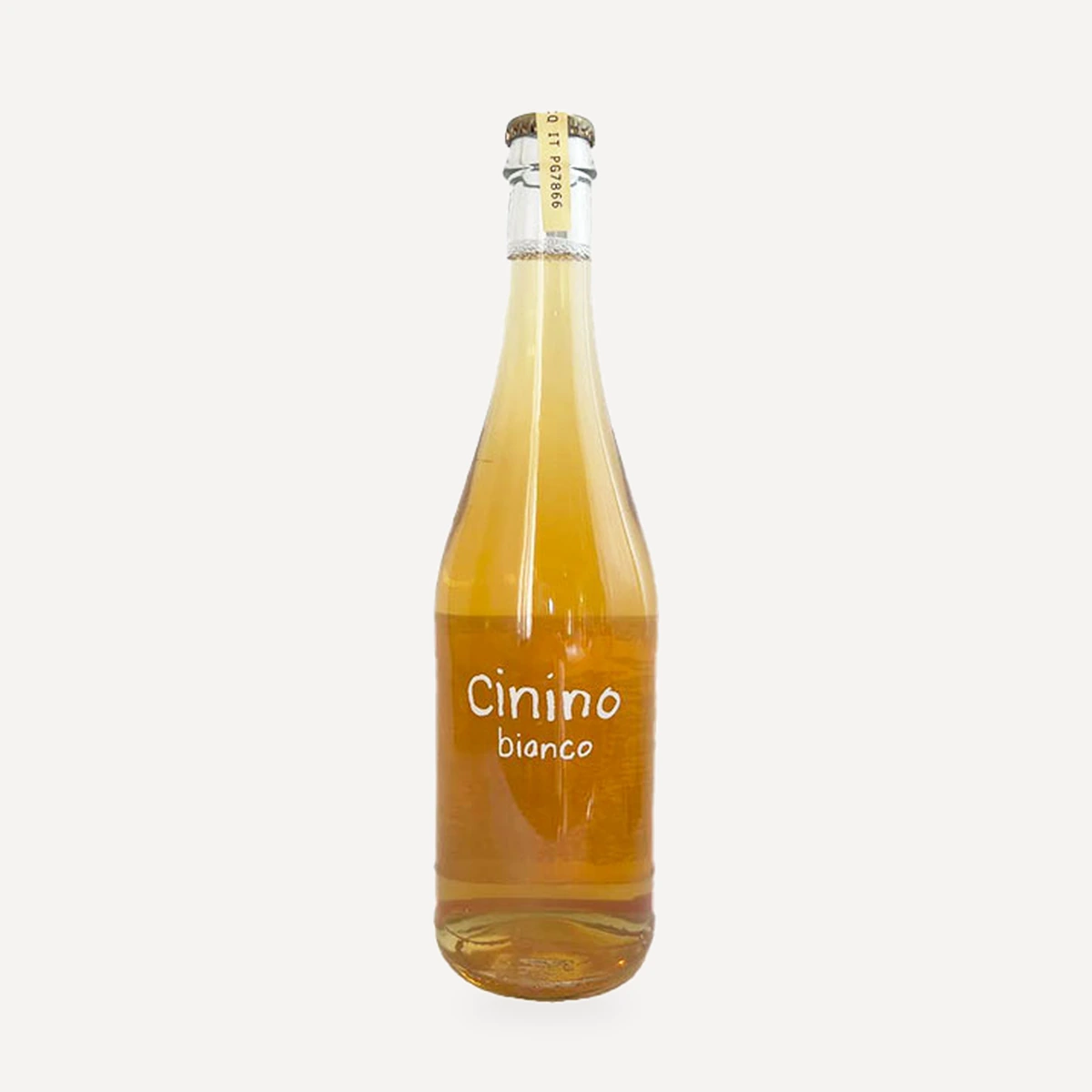
Several wines received names drawn from local speech: Cinino means “tiny one,” Pottarello means “little kid,” and Freghino means “teenager.” Marmocchio is translated as “rascal.” The moon-and-stars emblem became a recurring part of the estate’s packaging and handmade household objects.
Agri Segretum became part of the Todi DOC appellation and joined Todi Terra di Vini, the local association of growers and winemakers. It also affiliated with Vi.Te, an association centred on transparent, authentic and individual expressions of place.
Recognition and international activity
Agri Segretum was included among Umbria’s emerging young producers in the 2020 edition of Vini di Veronelli, following a survey encompassing more than 16,000 producers. Pottarello DOC and Cinino IGT were singled out in that edition, while Pottarello later received the Veronelli “Vino d’Oro” distinction for an Umbrian red.
In 2019, Agri Segretum exhibited for the first time at Brazil’s natural-wine fair through a new partnership with Cadu and Federica of Barbagianni Bio in São Paulo. The estate has also participated in RAW WINE programming, including the 2023 New York fair.
Terroir
Agri Segretum occupies a rolling hill overlooking the Tiber River Valley, outside the medieval town of Collazzone. The vineyard lies on a sun-exposed, southwest-facing slope at 300 metres above sea level.
The growing environment is marked by strong Umbrian sunlight, dry scirocco winds and conditions capable of producing substantial mud. The soils are described in broad terms as hard and mineral-rich. Current vineyard specifications identify limestone and clay, while the estate’s general account also characterizes its Umbrian ground as sandy.
The surrounding agricultural landscape includes olive groves, almond trees, cherries and figs. The olive grove lies slightly lower than the vines, at approximately 280 metres above sea level.
Vinificazione
The vineyard has been farmed organically from its early development and its current wines carry certified-organic status. Work is intentionally manual: large machines and heavy tractors are avoided, vines are tied by hand, and fruit is culled to improve the quality of the remaining crop.
Rye and clover are planted between the rows to enrich the fields. The vines are Guyot trained. Harvest is performed by hand with shears and buckets, continuing a tradition in which family members work alongside retired residents, mothers and teenagers from the surrounding village.
Harvest timing varies with variety and intended style, extending from late August through September and the first half of October, with Sagrantino for passito remaining until November. Varieties that mature at different times are picked separately. Fruit for selected bottlings is also chosen from designated row groups and carefully selected by hand.
Fruit is brought into the estate cellar and sorted by hand before pressing or crushing. Fermentation is spontaneous, relying on naturally occurring yeasts, and stainless-steel tanks are the principal fermentation vessels. Extraction for red wines is managed through manual follatura, allowing the skins to rise before punching them back into the fermenting must.
Protocols vary according to the intended style. The range includes a short nine-day skin maceration followed by approximately nine months in stainless steel; maceration of about three weeks followed by roughly twelve months in 500-litre French-oak tonneaux and nine months in bottle; and a thirty-day extraction period with manual punch-downs three times daily, followed by 15–18 months in 500-litre French-oak tonneaux and another fifteen months in bottle.
The cellar also produces ancestral-method sparkling wine through spontaneous fermentation. For passito production, late-harvested Sagrantino is dried on racks before pressing. The estate’s pure Sagrantino cru is allowed approximately seven years of maturation before release so that its tannic structure can develop and balance.
Bottles and gift presentations are packed by hand in Collazzone. Wooden presentation cases are made by a small Perugia company, while selected limited-edition magnums are reserved only in seasons judged suitable by Lorenzo.
Filosofia
Agri Segretum’s approach begins with fidelity to its Umbrian setting. The family deliberately chose Sangiovese and Sagrantino rather than prioritizing international varieties, favouring grapes with an established history in the region and seeking to express the character of the estate’s soils.
Manual labour, organic cultivation and repeated seasonal attention form the practical basis of that position. The family places equal emphasis on its land, sustained work and its relationship with the village of Collazzone. The involvement of local residents in harvest is part of this community-centred identity rather than simply a picking method.
Through its affiliation with Vi.Te, the estate aligns itself with transparency, authenticity and individuality in artisanal wine. Its stated aspiration is to produce wines that communicate the place where they were grown. Traditional practices such as spontaneous fermentation, manual punch-downs and passito drying coexist with stainless-steel tanks, carefully selected French-oak tonneaux and long, style-specific maturation.
Vini
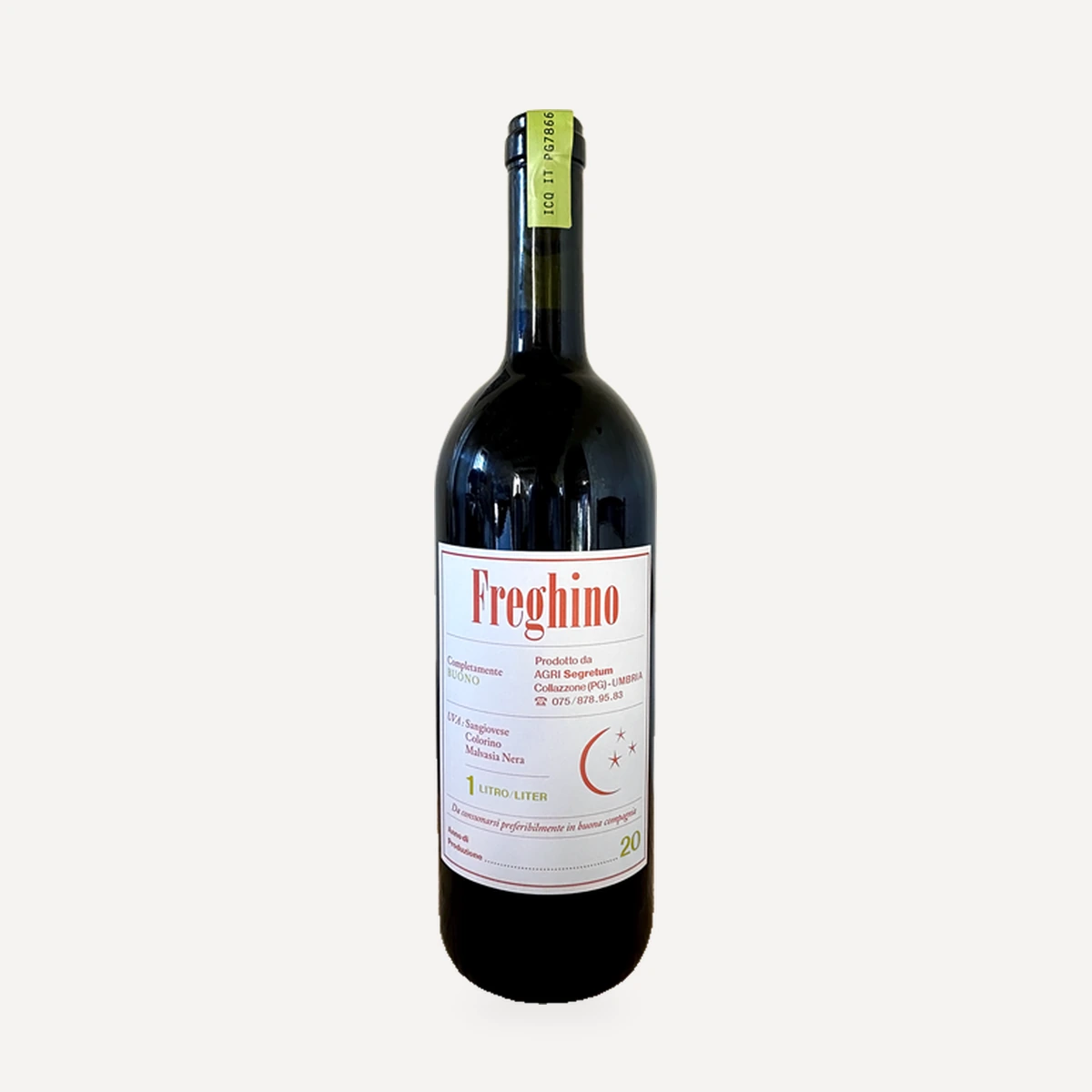
Freghino
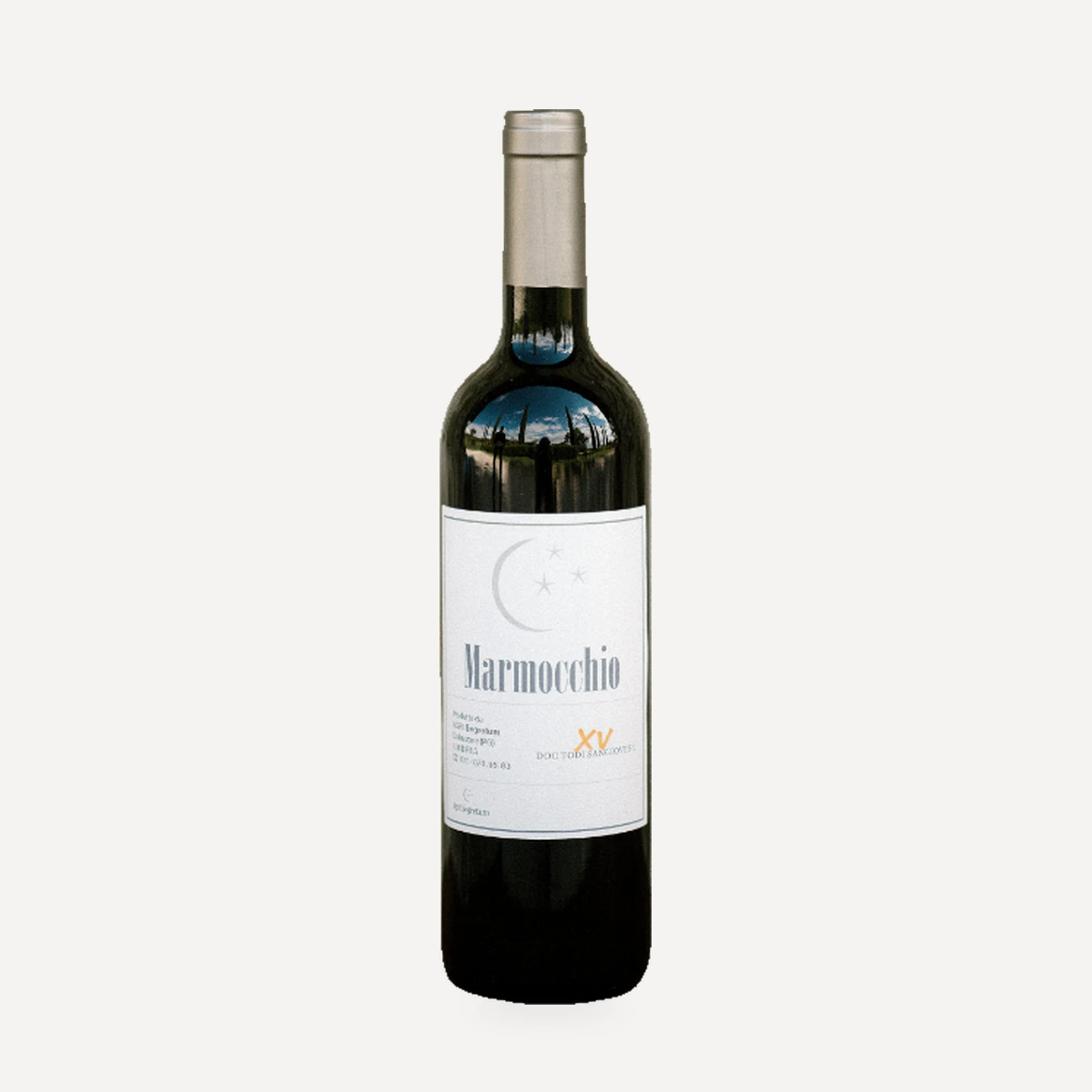
Marmocchio
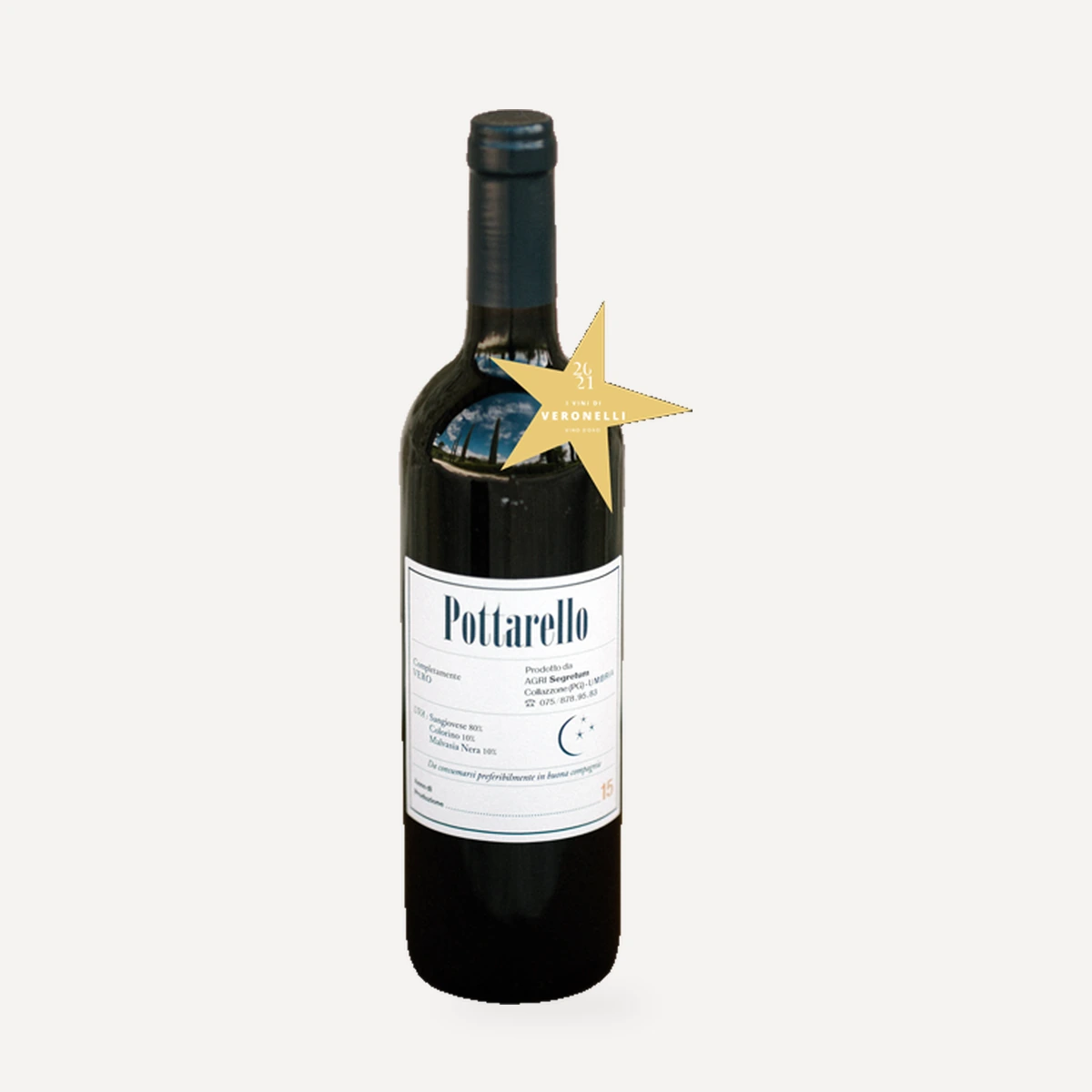
Pottarello
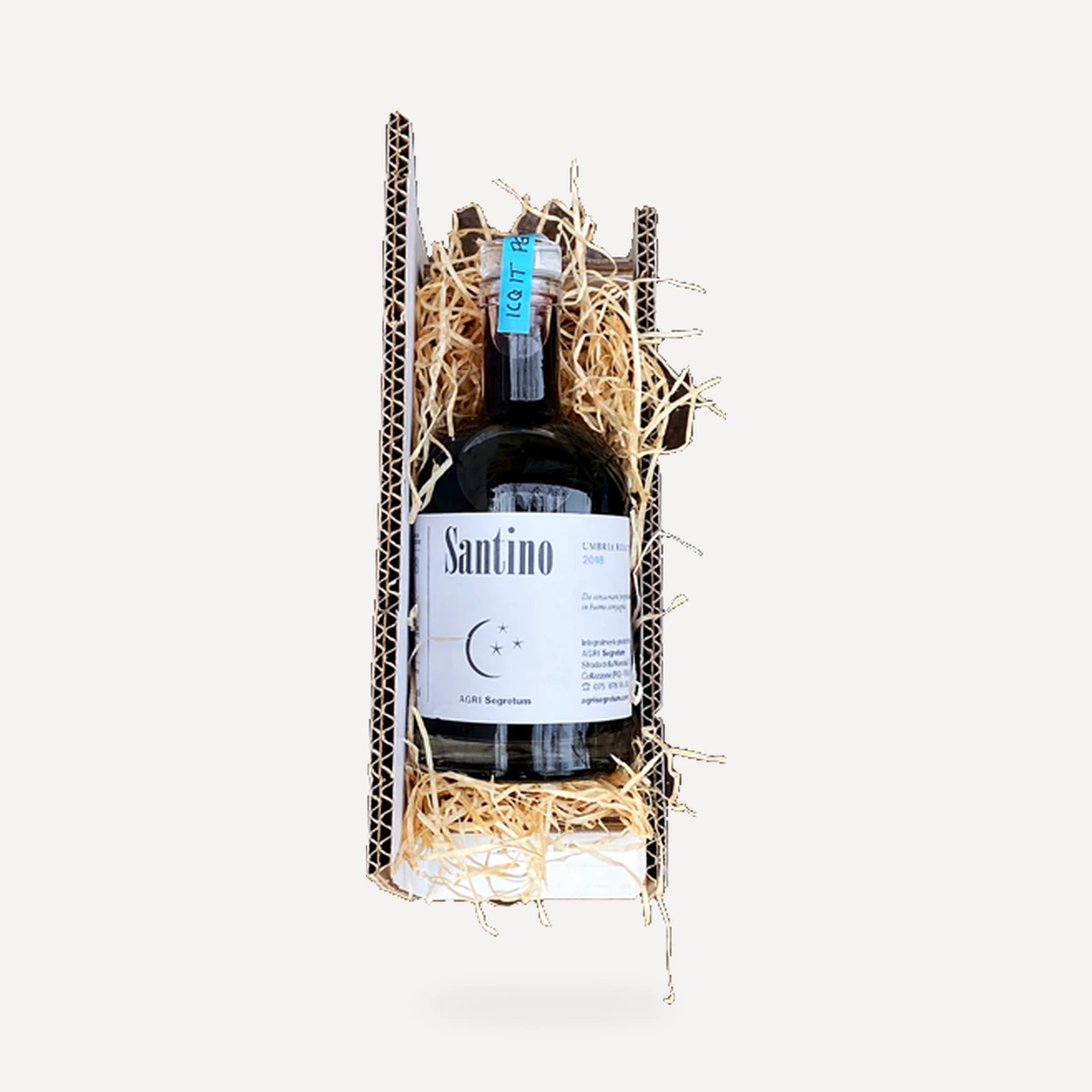
Santino
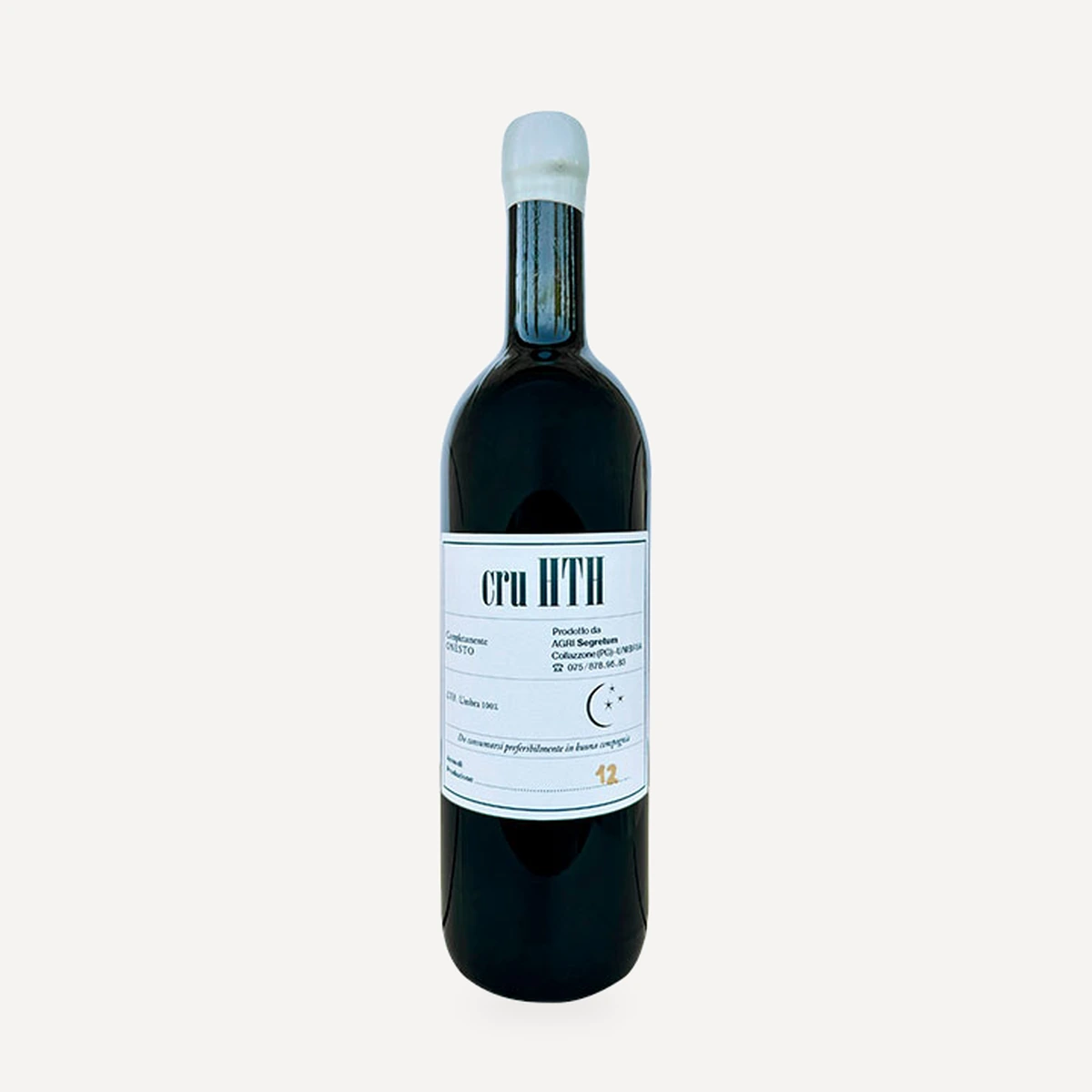
Cru HTH