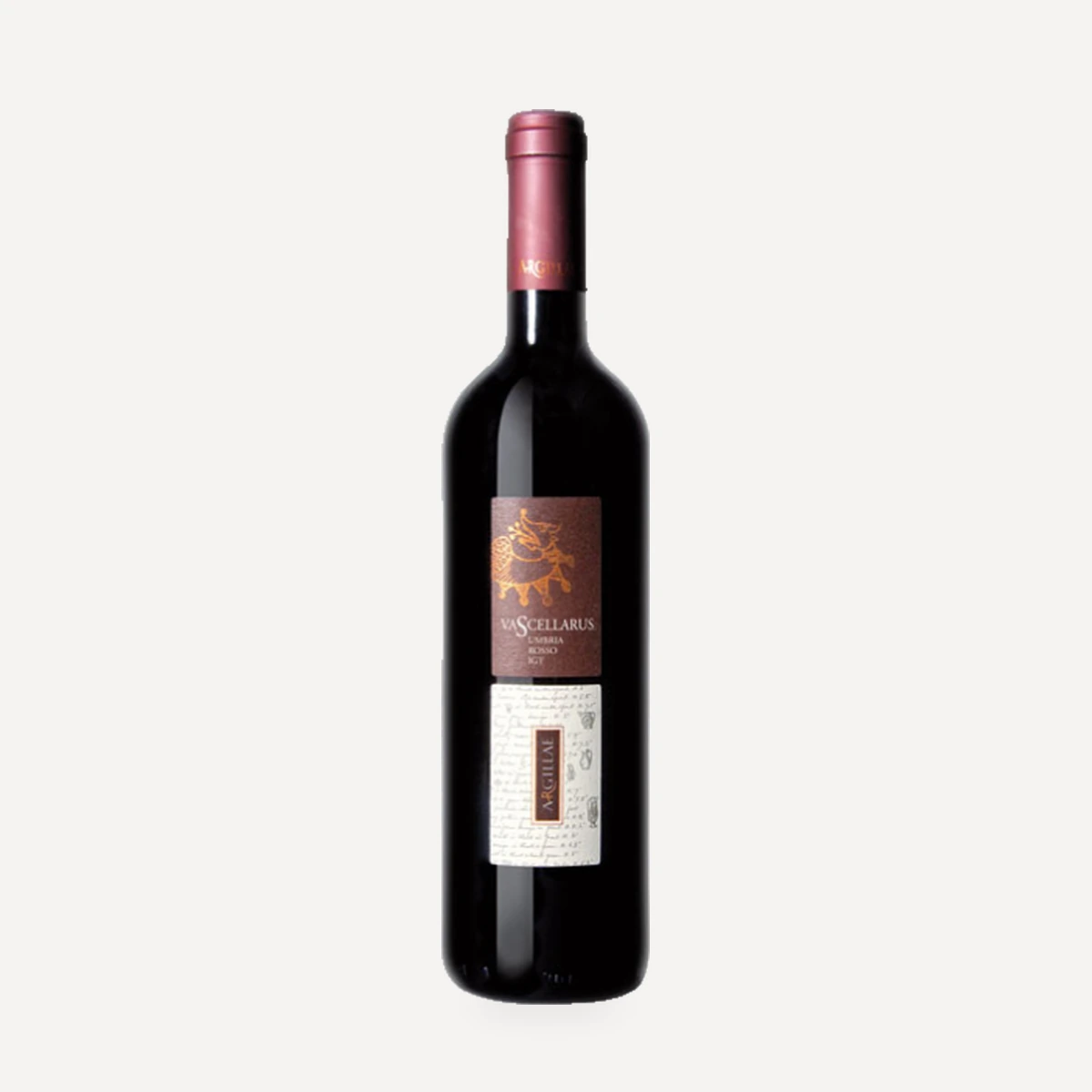
Storia
The Bonollo background
Argillae grew from the agricultural ambitions of Cavaliere del Lavoro Giuseppe Bonollo, a descendant of a family of distillers whose history reaches back to the beginning of the 20th century. After developing Bonollo Spa into Italy’s largest wine distillery, Giuseppe began looking for land capable of producing high-quality wine.
Establishment in the hills north of Orvieto
In the mid-1980s, the search led to the hills north of Orvieto, within reach of Anagni and the family distillery. The property lies between Allerona and Ficulle, northwest of Orvieto. This became Giuseppe Bonollo’s second major family project and the foundation of Argillae.
During its early period, Argillae retained a strong connection to its territory while directing most of its commercial attention to international markets.
Oenological development
Lorenzo Landi began working with Argillae in 2005 as its agronomic and oenological consultant. His contribution joins vineyard management and winemaking, with the stated objective of making each wine recognizable through its place of origin.
The next generation
A new phase began in 2015, when Giuseppe’s granddaughter Giulia joined the business. Argillae subsequently placed greater emphasis on Italy and its local production area, and Giulia assumed direct responsibility for managing the estate.
Under her management, the family introduced projects including Primo d’Anfora, the first Argillae wine to be fermented and matured entirely in terracotta amphorae, and Centopercento, an estate-made Martinotti/Charmat-method sparkling wine based entirely on indigenous varieties. These developments combined the family’s interest in local identity with new production research and a growing focus on quality, typicity and originality.
Terroir
Argillae occupies approximately 120 hectares in the hills between Allerona and Ficulle, northwest of Orvieto. The estate vineyards cover 15 hectares on sunny slopes at elevations between 150 and 300 metres above sea level, with an east–west exposure.
The terrain combines clay, sand, limestone and rock. Clay-and-sand slopes are marked by calanchi: broad, deep erosional fissures formed by atmospheric action approximately two million years ago. The soils also contain abundant Pliocene fossils, including shells and molluscs, dating from a period when water covered this area as far as Città della Pieve. These remains contribute mineral components to the soil.
Clay is a defining element of the estate’s identity and has also inspired its use of terracotta amphorae: the same basic material that sustains the vines becomes a vessel for fermentation and maturation.
Vinificazione
Dry pruning and green pruning are performed by hand. Selected vineyards and projects, including Vigna Vecchia and the old mixed vineyard used for Centopercento, are also harvested manually.
The estate participates in PSR Measure 10.1, the Agroambiente programme, which sets defined limits on phytosanitary products and other agricultural additives. The commitment encompasses vineyards, arable land and olive groves. Two vineyard weather stations record temperature, humidity and other conditions, allowing treatments to be restricted to periods of demonstrated need.
Fertilization uses natural manure. Fava beans are planted to restore soil nitrogen. The broader agricultural programme is intended to safeguard the surrounding land and ecosystem rather than treating the vineyards in isolation.
Winery design and temperature control
The winery was designed to blend into the surrounding landscape. An underground level reduces its visual impact and lowers the energy needed to maintain the cool temperatures required for wine storage.
The principal production and storage areas include temperature-controlled stainless-steel tanks, an analysis laboratory and a tasting room. The lower, partly underground level provides temperature-controlled storage for bottled wines. White and red wines have separate barrel rooms so that the humidity and temperature requirements of each category can be managed independently. French oak barrels are used for maturation.
Production vessels and newer projects
Stainless steel remains a central vessel for fermentation, storage and maturation. The estate also works with French oak, terracotta amphorae and temperature-controlled autoclaves.
Primo d’Anfora was developed as the first Argillae wine fermented and matured entirely in terracotta amphorae. Terracotta is valued as an intermediate material between steel and wood: it does not impart flavour, while its porosity permits gentle, continuous oxygen exchange. The project adapts an ancient Etruscan use of terracotta to modern cellar research and links the vessel directly to the clay that dominates the estate’s soils.
Centopercento is produced in-house by the Martinotti/Charmat method. Fruit from an old mixed vineyard undergoes brief cold maceration in a closed press and gentle pressing. After settling, the must completes its first fermentation in temperature-controlled stainless steel. The second fermentation takes place in an autoclave, followed by three months on fine lees under controlled temperature.
Filosofia
Argillae presents terroir as both its central inspiration and the boundary that defines what the estate can achieve. Its declared direction increasingly emphasizes quality, typicity and originality, while linking the Bonollo family’s attachment to land and nature with contemporary research.
Lorenzo Landi’s approach is to help realize the producer’s intended model rather than impose a consultant’s personal style. He regards territorial recognizability and the differentiation of wines by origin as essential. This requires work in both the vineyard and cellar, with particular weight given to viticulture because the vineyard is the source of originality and diversity.
The sustainability programme is treated as an active, continually developing project. It encompasses agricultural practices, winery architecture, energy, wastewater and packaging, with environmental protection and consumer health identified as its principal objectives.
Vini
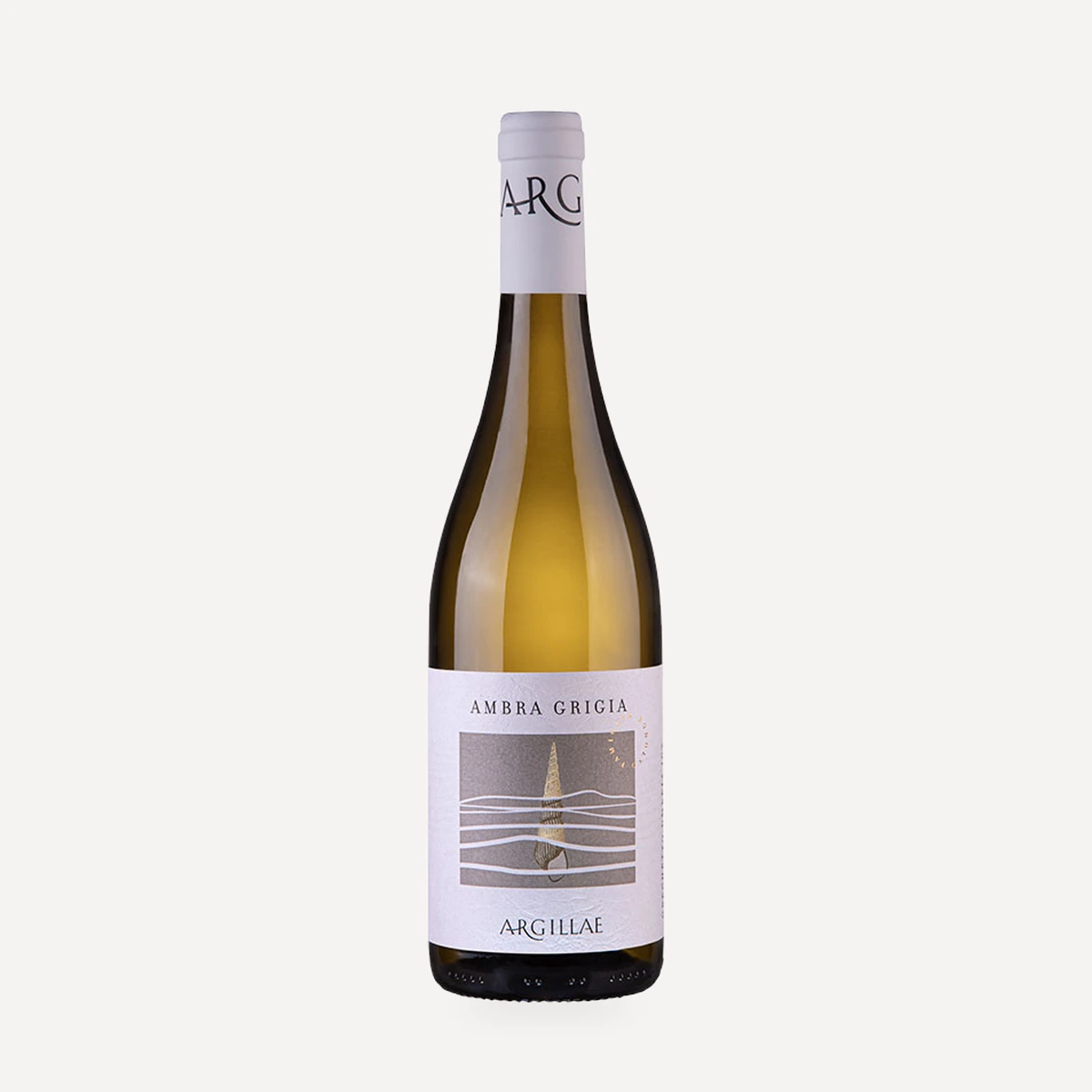
Ambra Grigia
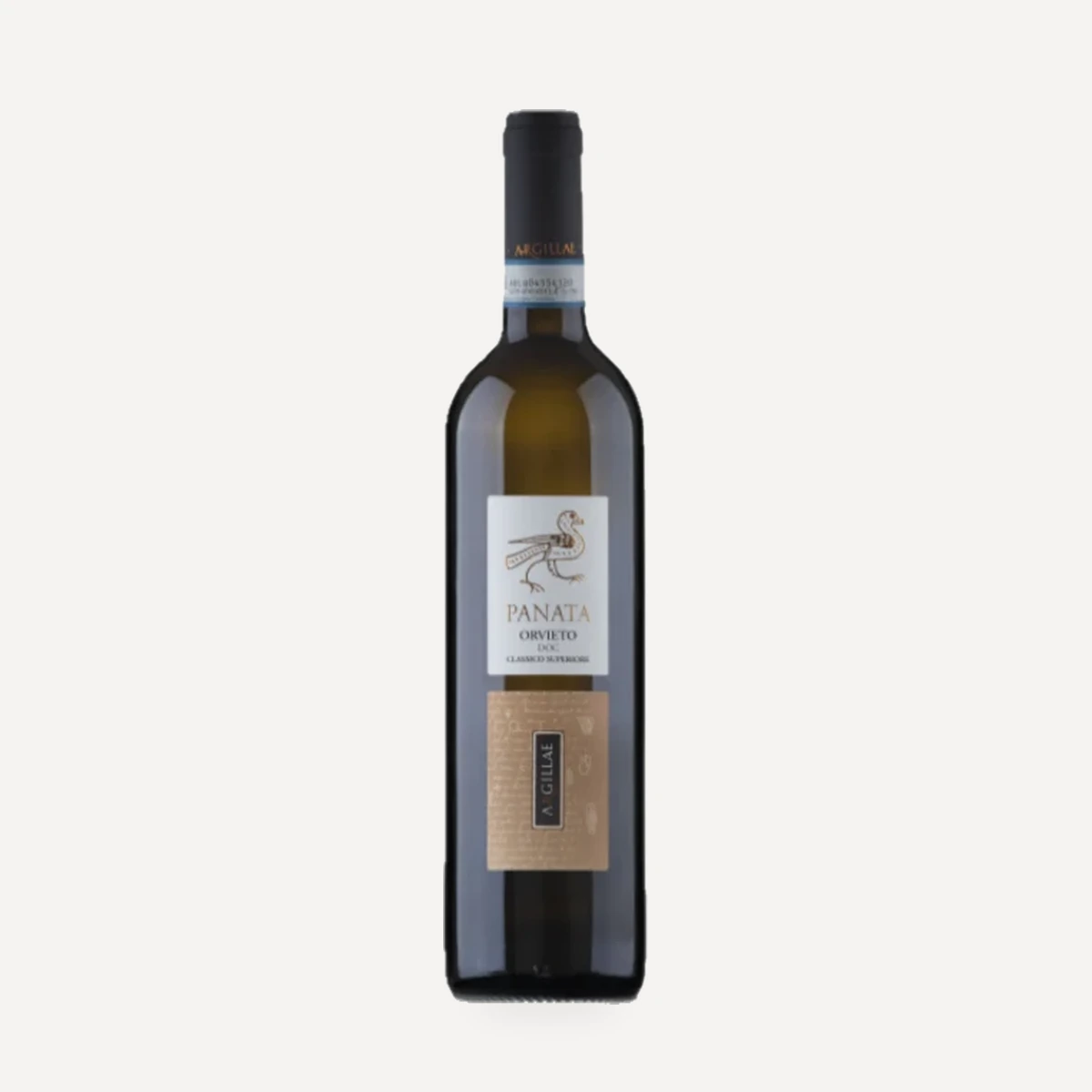
Panata
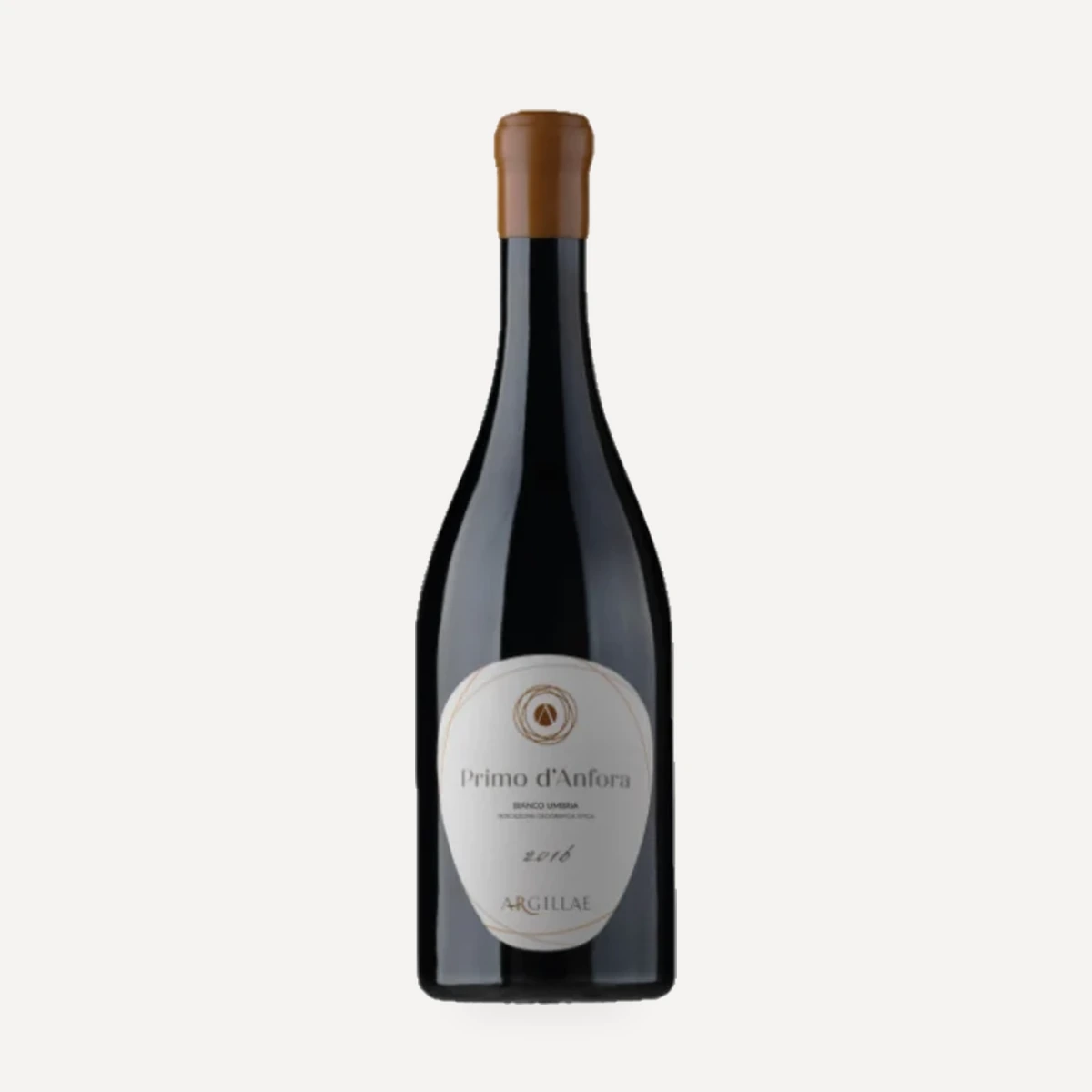
Primo d'Anfora
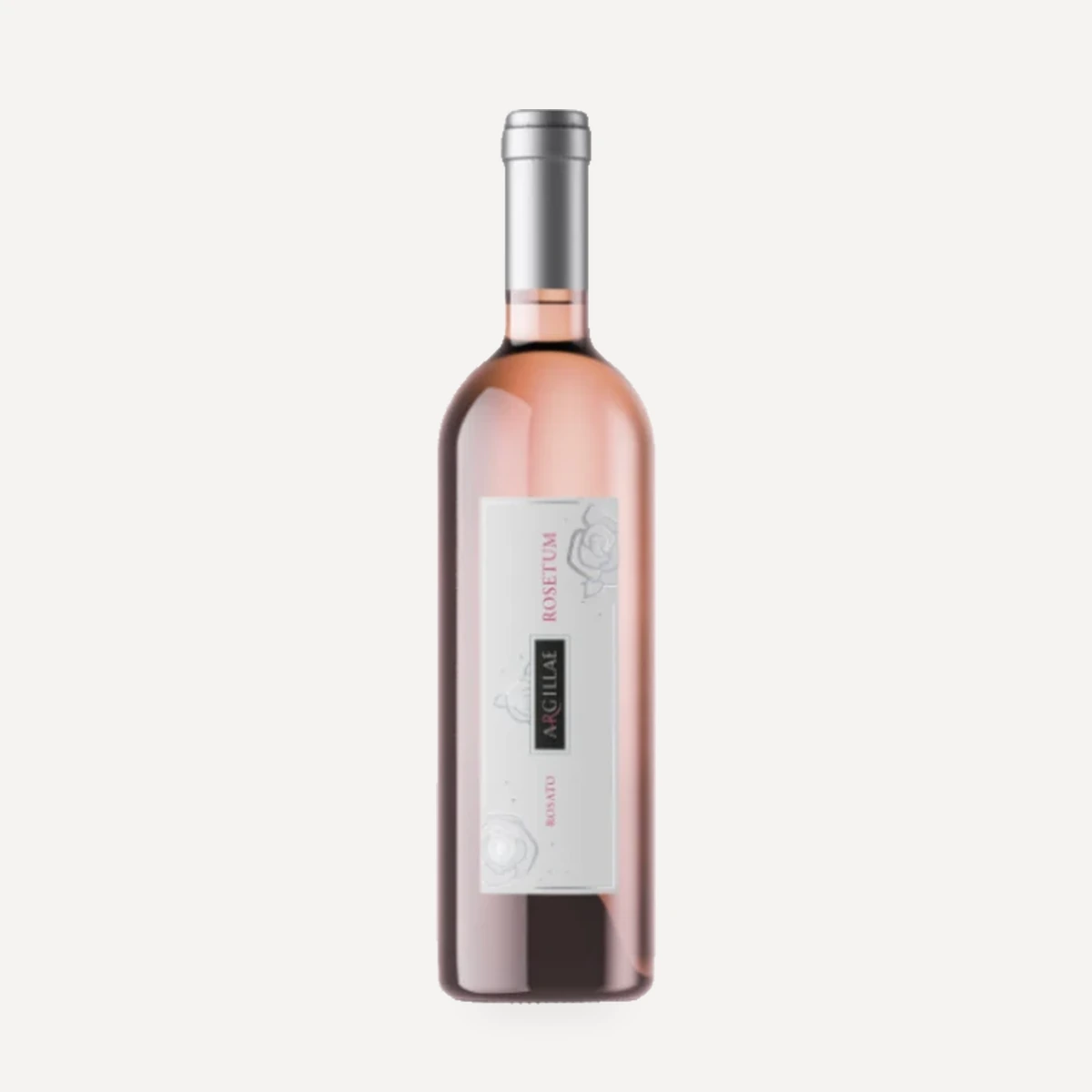
Rosetum