Storia
Post-war influences
The vineyard heritage of this part of Alta Umbria reflects agricultural movement after the Second World War. Farm managers arriving from northern Italy left a trace in the local white-grape composition, represented by Grechetto, Malvasia Bianca and Friuliano.
1998: the oldest vineyards
The oldest vineyards now incorporated into the project date to 1998. They have reached full production and form the mature component of a vineyard holding divided into several parcels and three broad groups according to age and position.
Andrea and Pilar enter the family business
Andrea and Pilar, brother and sister and members of the new generation of the Gritti family, completed periods of study and professional formation that included experience in different parts of the world. They subsequently began working in their parents’ business.
They soon decided to develop an independent project in which they could apply their respective experience, skills and shared interest in wine. Andrea Pilar was created from a selection of the best vineyards belonging to I Girasoli di Sant’Andrea, accompanied by a new range of wines and a distinct conception of the business.
From conventional farming to a new model
The conventional management practised at the beginning was progressively abandoned. Andrea and Pilar redirected the project towards clean agriculture and vineyard work centred on the welfare of the land and the health of its fruit. They became directly involved throughout the operation, including both vineyard and cellar work.
Terroir
Alta Umbria at the Tuscan boundary
The winery and vineyards lie in Alta Umbria, in a border landscape close to Tuscany. The terrain is rugged, wild and frequently steep rather than gently rolling. Valleys, streams, cultivated fields and vineyards interrupt extensive woodland, with villages and old castles visible among the hills. The River Niccone runs beside the vineyards.
Elevation and climate
The vineyard parcels generally occupy elevations between 250 and 400 metres, while the individually described Racchiusole vineyard rises above 400 metres. The highest, most exposed and best-ventilated hilltops are used for Pinot Nero.
The hills receive strong ventilation that disperses fog. Winters are distinctly cold, springs are mild, and summer light reaches the vines without excessive heat, allowing the fruit to ripen gradually and without undue stress. The resulting pattern is continental in character. Pronounced temperature variations occur during summer and the harvest period, supporting aromatic development and freshness. Elevation and air movement also lengthen the growing conditions.
Soils
Across the estate, the soils are alluvial and of medium texture, with abundant stones and pebbles, moderate limestone content and a low proportion of clay. These conditions promote comparatively late ripening and help preserve aroma and acidity during hotter years.
More specific parcels are described as sandy to very sandy, loose, alluvial and rich in stones and potassium. Some steep Syrah and Malvasia Nera parcels are poor in organic matter. The Racchiusole vineyard combines very sandy alluvial ground, abundant stones and potassium with a pronounced slope.
Vinificazione
Andrea and Pilar replaced the project’s initial conventional management with clean agriculture and viticulture intended to protect the condition of the land and the health of the fruit. Both siblings participate directly in vineyard work.
The parcels are managed and harvested separately. Harvest normally extends from mid-September to mid-October. Grapes are selected parcel by parcel and transferred immediately to the cellar.
Cellar approach
Cellar work is deliberately simple and rigorous, avoiding shortcuts and artificial corrective measures. Fermentations are spontaneous and rely exclusively on indigenous yeasts.
Fermentation vessels
Fermentation takes place in several stainless-steel vats and in ten truncated-conical oak vats, each with a capacity of 40 hl. The oak vats are also used for malolactic fermentation and maturation. Across the range, other approaches include gentle destemming, partial crushing and, where appropriate, retention of a portion of whole bunches.
Maceration varies with the fruit and intended expression. The techniques represented in the cellar include brief macerations, periods of approximately 10–20 days and gentle délestage. Some fermentations proceed in stainless steel without temperature control.
Malolactic fermentation and lees work
Malolactic fermentation may take place in the 40 hl oak vats, in smaller used wooden vessels or in stainless steel. Some lots undergo no malolactic fermentation or only a partial conversion, depending on the vintage. Lees management includes periodic stirring of fine or noble lees; in small wooden vessels, artisanal poles are used for this work.
Maturation and bottling
Maturation may take place in stainless steel, cement or wood. The wooden vessels include large, previously used French-oak vats and third-, fourth- and fifth-use barriques. The guiding objective is to support the fruit and the character of the land without allowing the vessel to dominate.
Several bottlings are made without clarification or other oenological additives apart from small quantities of sulphur dioxide. Bottle maturation is also used, while the refermented expression completes its second fermentation and prise de mousse in the bottle.
Filosofia
Andrea Pilar treats wine as a living, authentic and spontaneous expression of its grapes and place. The project favours minimal intervention, accepting a degree of artisanal unpredictability rather than pursuing technically standardized results.
Its preferred wines are refreshing and convivial: wines intended for informal food, meals with friends and extended conversation. The siblings seek transparent expressions that do not disguise their identity through presentation or cellar manipulation.
This philosophy begins in the vineyard. Clean agriculture and concern for the welfare of the land and the health of the fruit are regarded as the basis of artisanal, place-conscious wine. In the cellar, simplicity is paired with rigorous work. Fermentation and maturation vessels are expected to accompany the fruit and territorial character rather than overwhelm them.
Vini
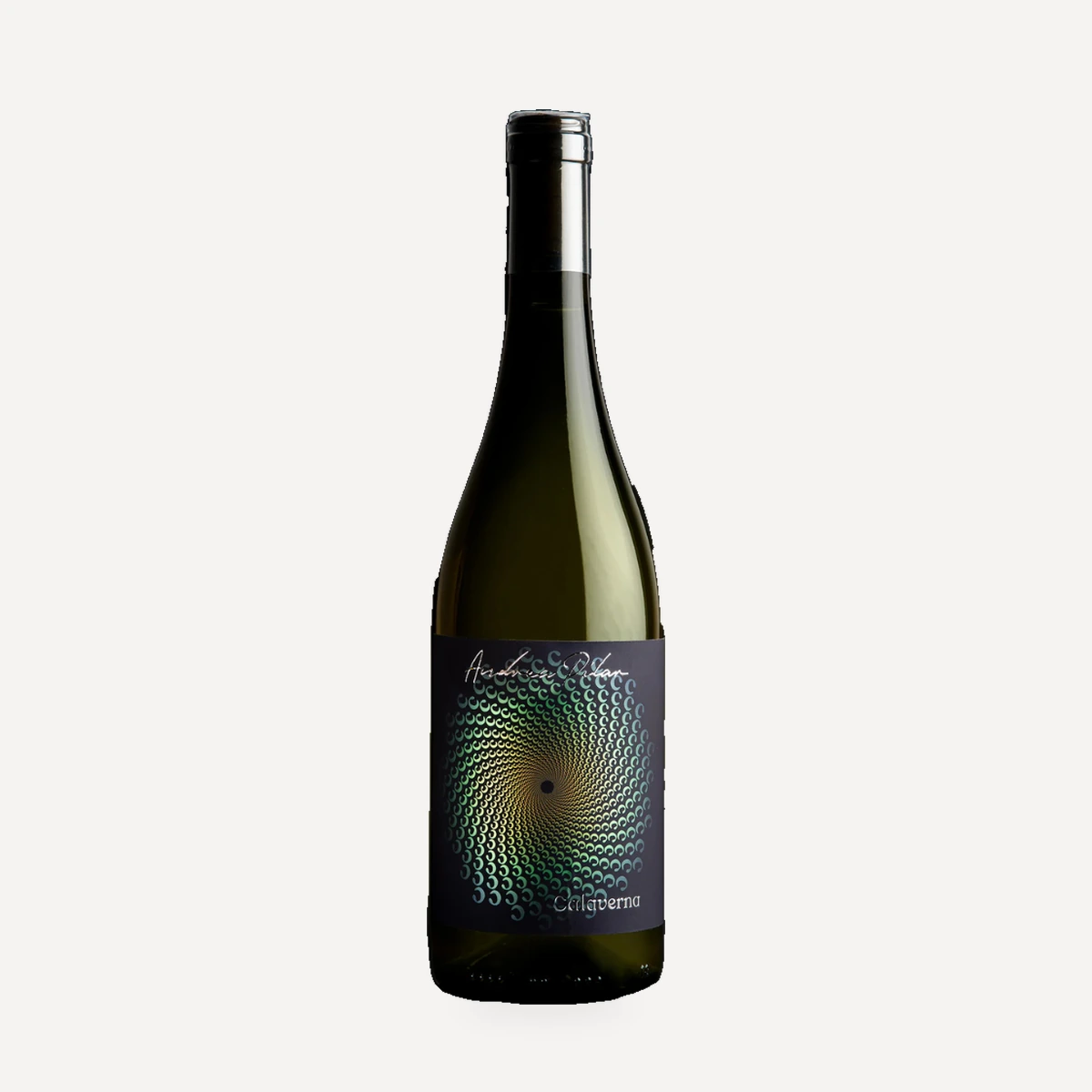
Calaverna
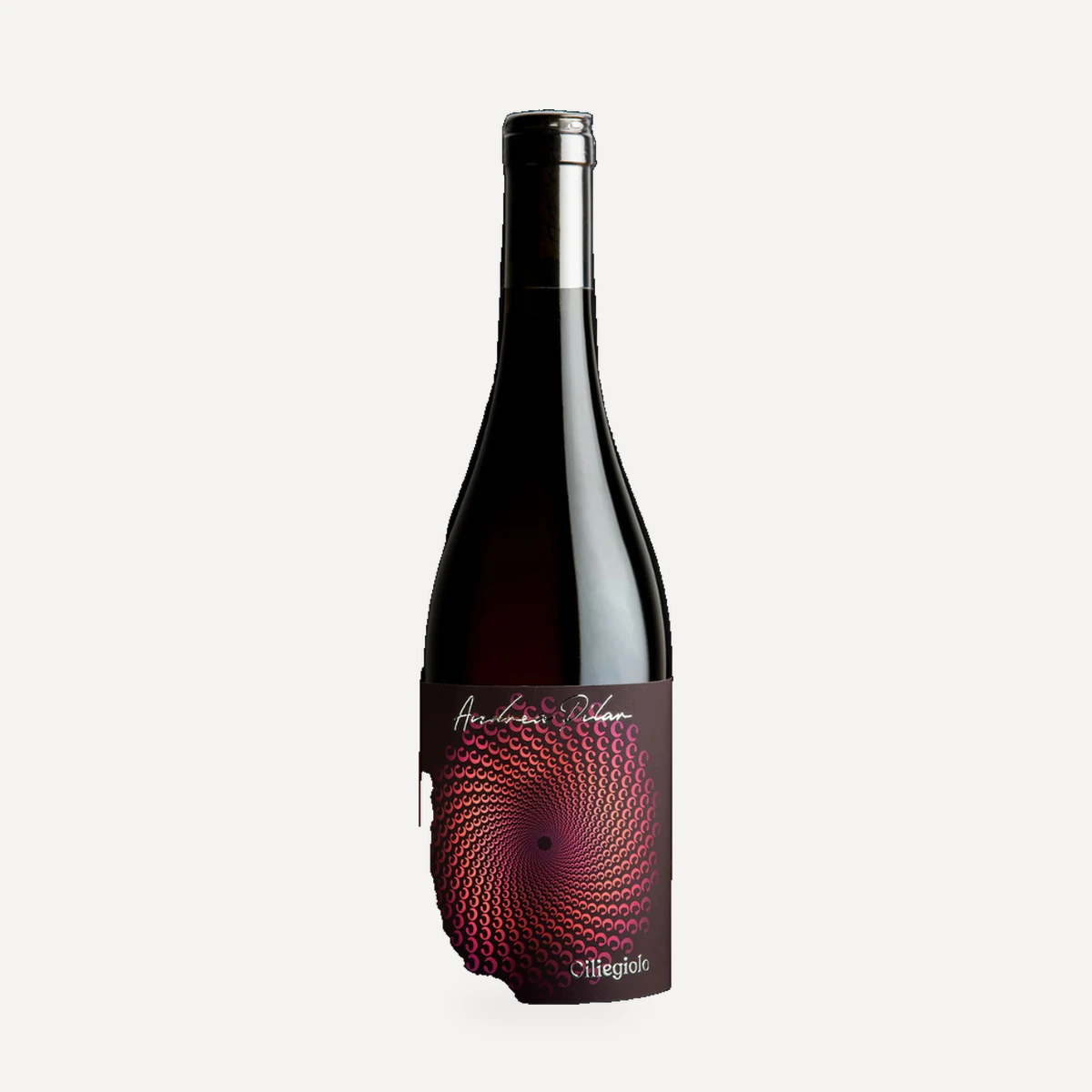
Ciliegiolo
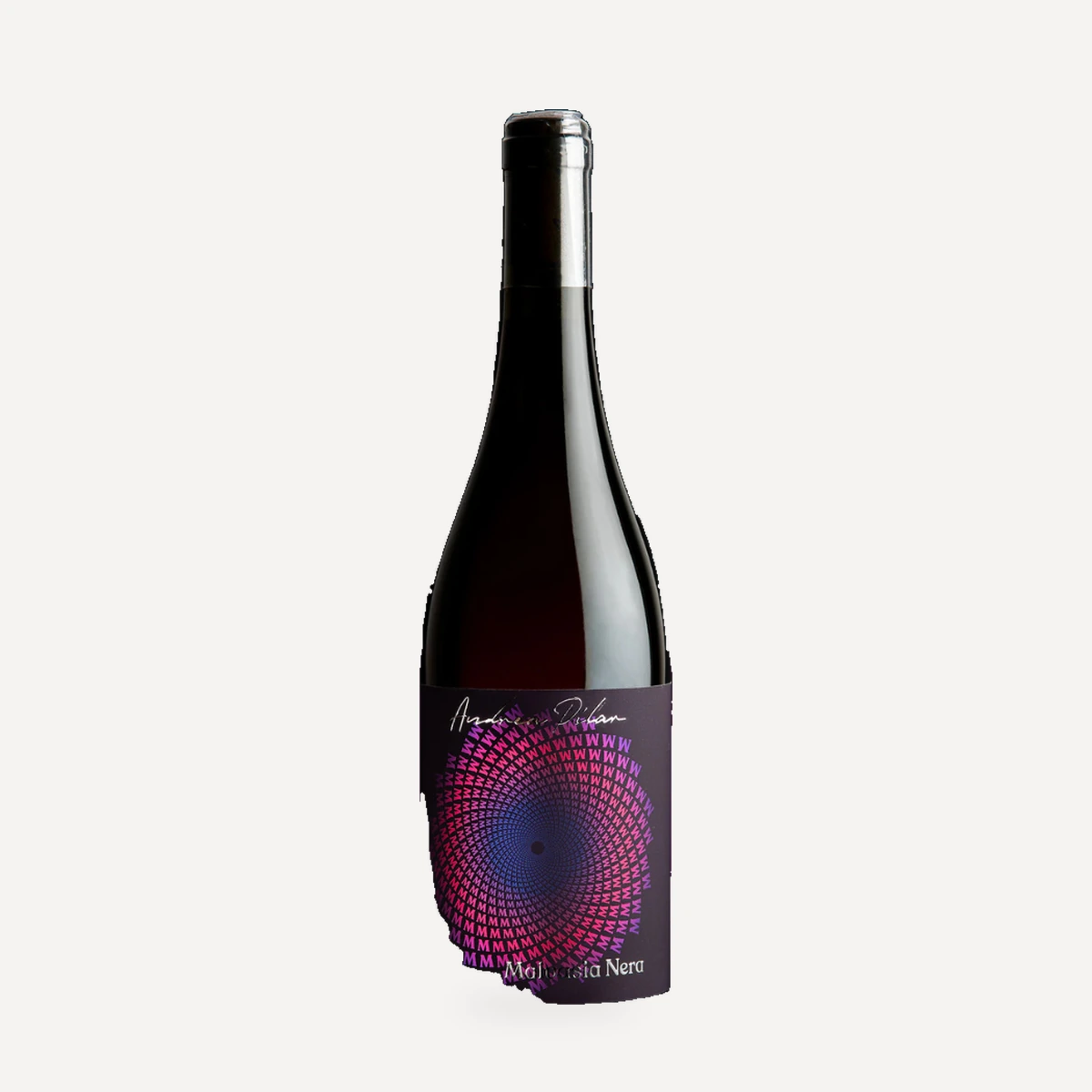
Malvasia Nera
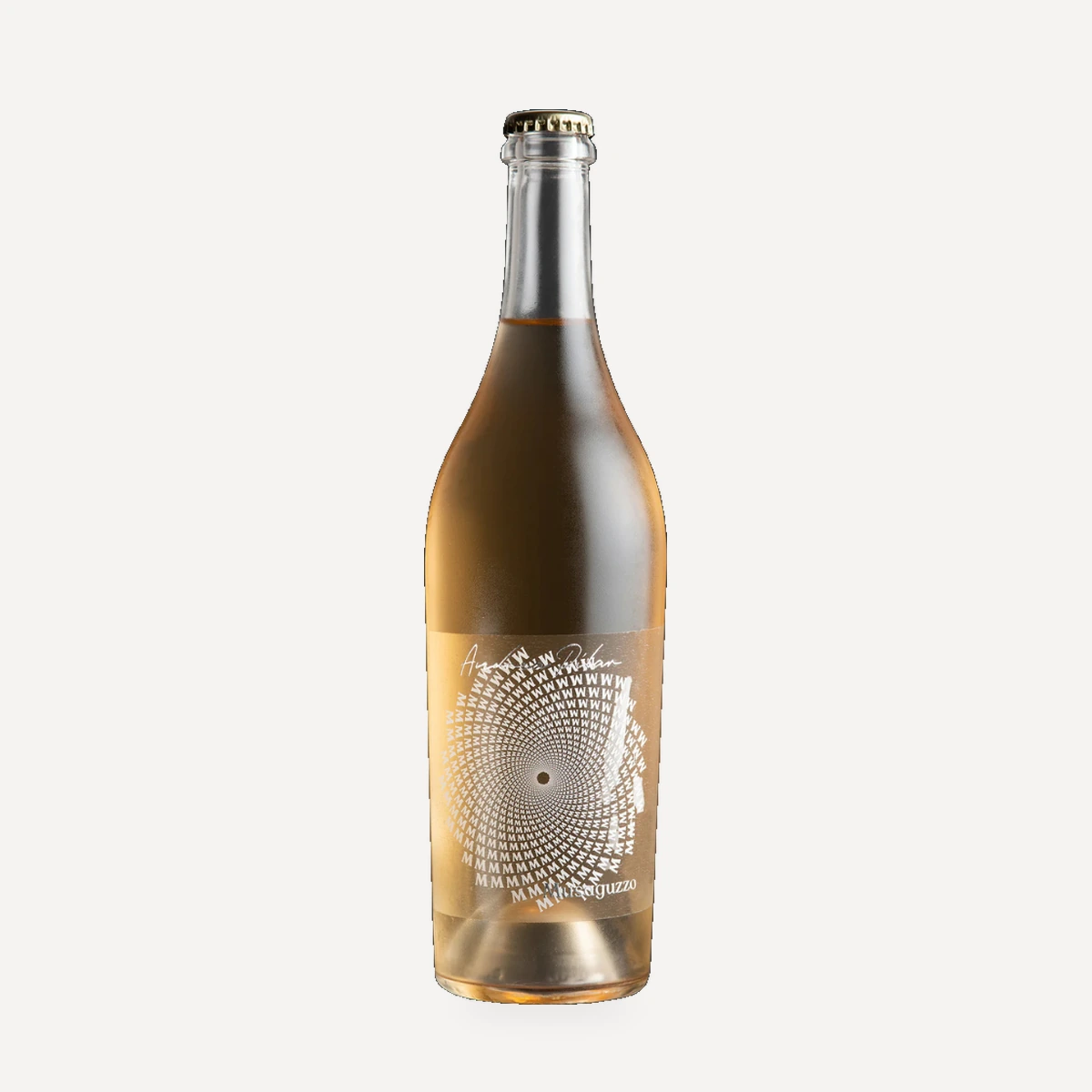
Musaguzzo
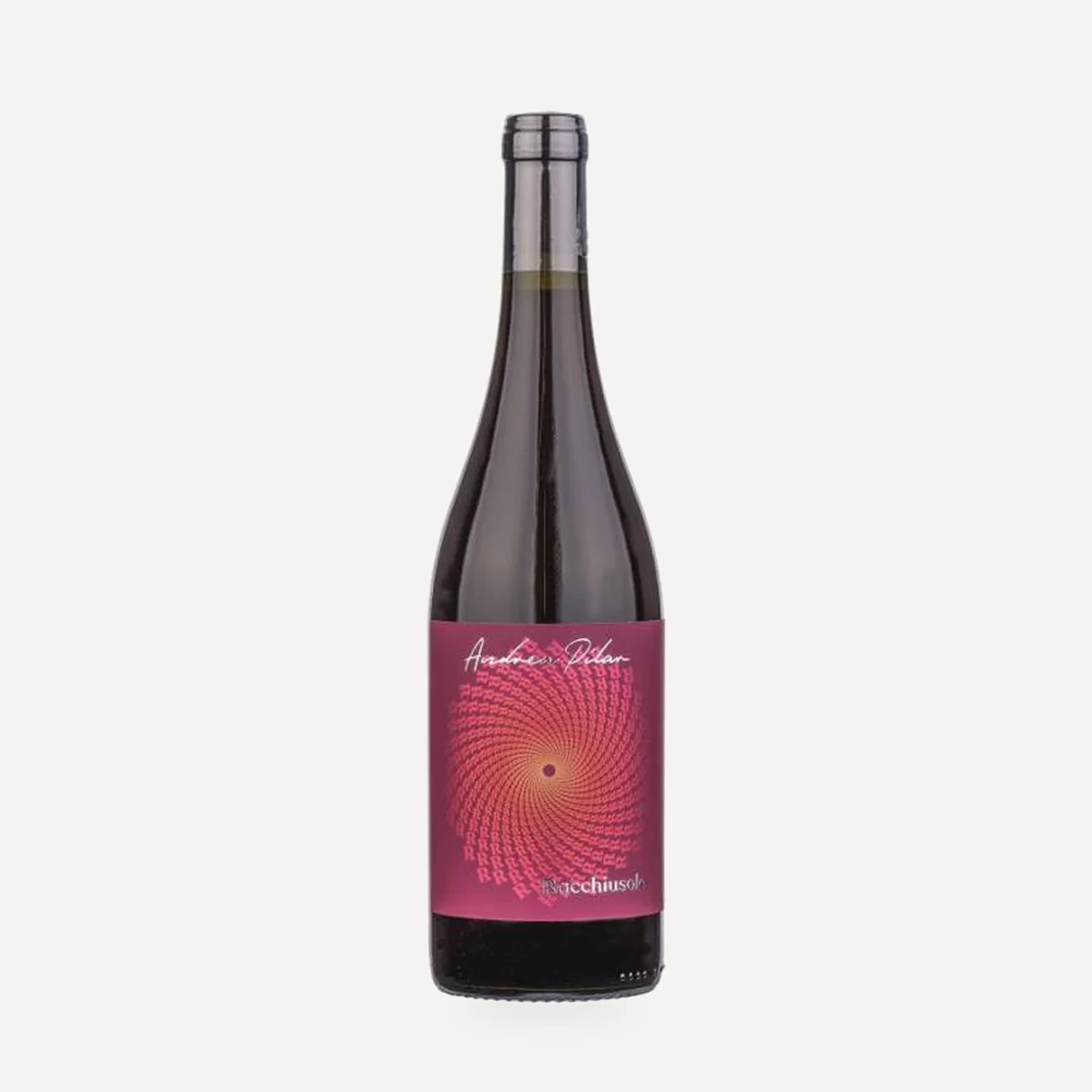
Racchiusole