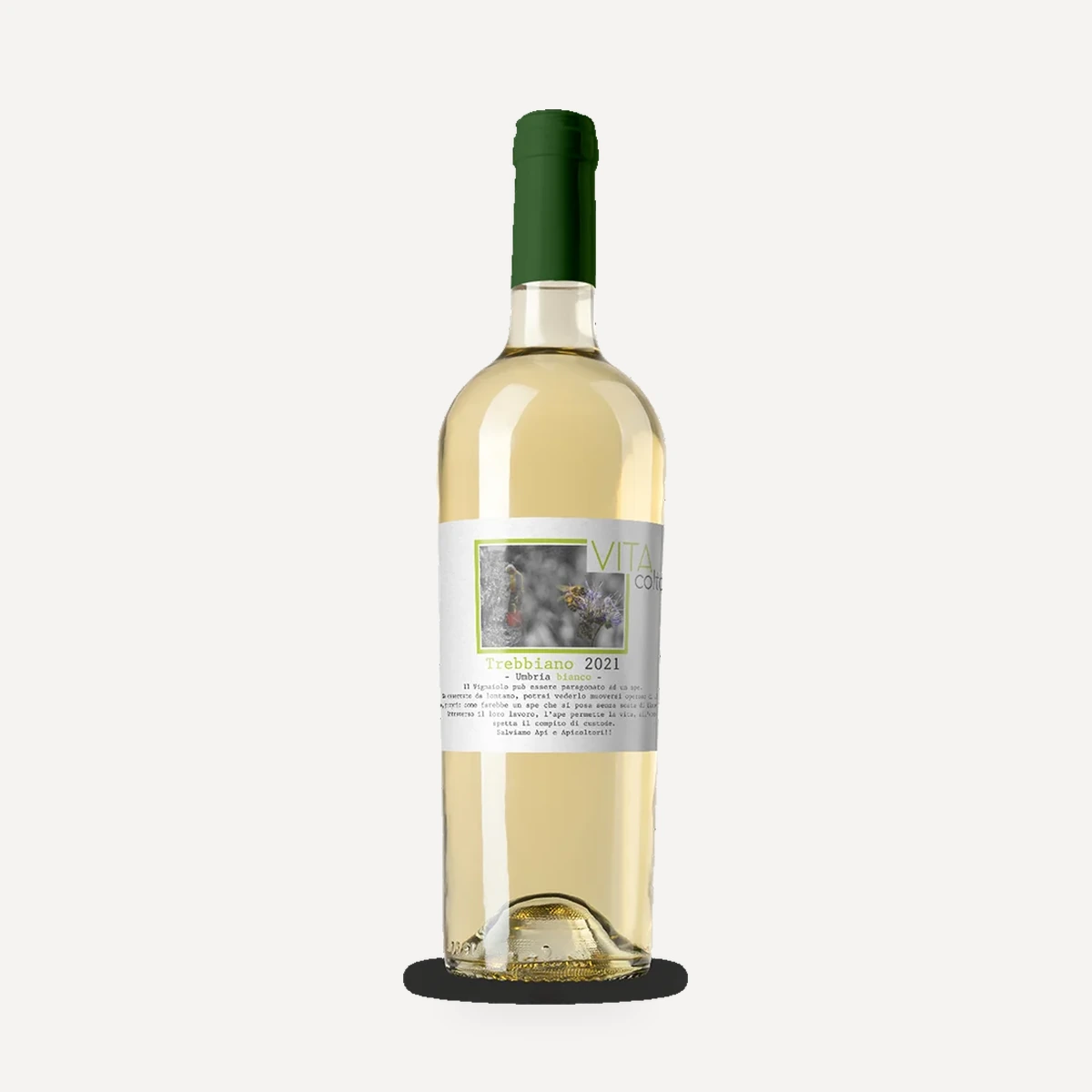
Storia
Nicola Belei’s formative years
At approximately 25 years old and still uncertain about his future, Nicola Belei moved to England. His years in London brought him closer to wine and exposed him to other cultures, large cities and ways of life very different from those of his upbringing. That experience prompted a renewed appreciation of his home and its agricultural setting.
Before establishing the winery, Nicola was already discussing wine and conducting small-scale vinification experiments with friends. These early experiences helped shape the project that followed.
The project begins in 2015
Agricola Belei was founded in 2015 as Nicola’s project, supported by his father, a farmer. It grew from the family’s agricultural identity and from reflection on the value of land, the countryside and a form of farming that treats nature as an end in itself rather than merely as a productive tool.
The resulting labels were conceived as expressions of a personal world organized around passion, nature and family, as well as a means of giving voice to the land from which the wines originate.
A deliberately small future
Nicola’s long-term objective is to preserve Agricola Belei as a small family-run operation. He aims to bring its products to a wider public and enhance the value of the land’s fruit as an expression of its place without changing the intimate scale on which the project began.
Terroir
Agricola Belei identifies proximity to woodland as a defining feature of its vineyard, alongside solar exposure and the soil’s favorable chemical and physical characteristics.
Mixed hedges and trees act as windbreaks and moderate intense solar radiation, heat peaks and late frosts. The neighboring woodland cools the surroundings during summer and retains milder air in winter, regulating the local microclimate. Falling leaves return humus to the soil, while tree roots stimulate microbiological processes that improve soil composition and water absorption.
Trees also provide food and habitat for pollinators and birds, drawing them away from the grapes and helping restore a natural ecological balance. This balance is associated with lower pest pressure, reduced incidence of vine diseases and less need for chemical treatments.
Bees and wasps living in and around the vineyard also contribute to its microbiological environment. Research highlighted by the estate found as many as 27 fermentation-yeast strains in vineyards surrounded by trees, with useful strains transported by these insects.
Vinificazione
Agricola Belei’s vineyard work combines inherited agricultural knowledge with an emphasis on natural ecological balance.
Only fertilizers and soil amendments of natural origin are used. Vineyard protection is limited to copper and sulfur when intervention is necessary. Mixed hedges, trees and nearby woodland encourage pollinators and birds, help control pests and diseases, and reduce the need for chemical treatments.
Grapes are harvested by hand, with selection of the best fruit during picking. Work also takes lunar phases and older agricultural knowledge into account. These practices form part of a broader effort to preserve the relationship between farming, family tradition and the surrounding natural environment.
The grapes are vinified using methods described as traditional. After a selective manual harvest, the wines are matured in chestnut and oak barrels made from wood sourced from the family’s own woodland. Lunar phases and inherited knowledge are considered in the broader production approach.
Filosofia
Agricola Belei defines its identity through passion, nature and family. Its founding idea arose from reflection on the value of the land, the countryside and the family’s agricultural background, coupled with concern that the relationship between people and nature had lost some of its former respect.
The project seeks to be a small but meaningful agent of change. Wine is intended to speak for its territory and the earth from which it comes. Nicola Belei regards wine as an inherently imperfect product that nevertheless represents the person who made it.
His outlook favors a return to older knowledge after a period of extensive technical advancement in viticulture and wine. Wine is also understood as an emotional counterpoint to the standardization of daily life.
The business model follows the same principles: Agricola Belei intends to remain a small family winery even as it reaches more people and builds recognition for the fruit of its land as a product of its territory. Purchasing its wine is framed as support for both the family and the preservation of inherited traditions.
Vini
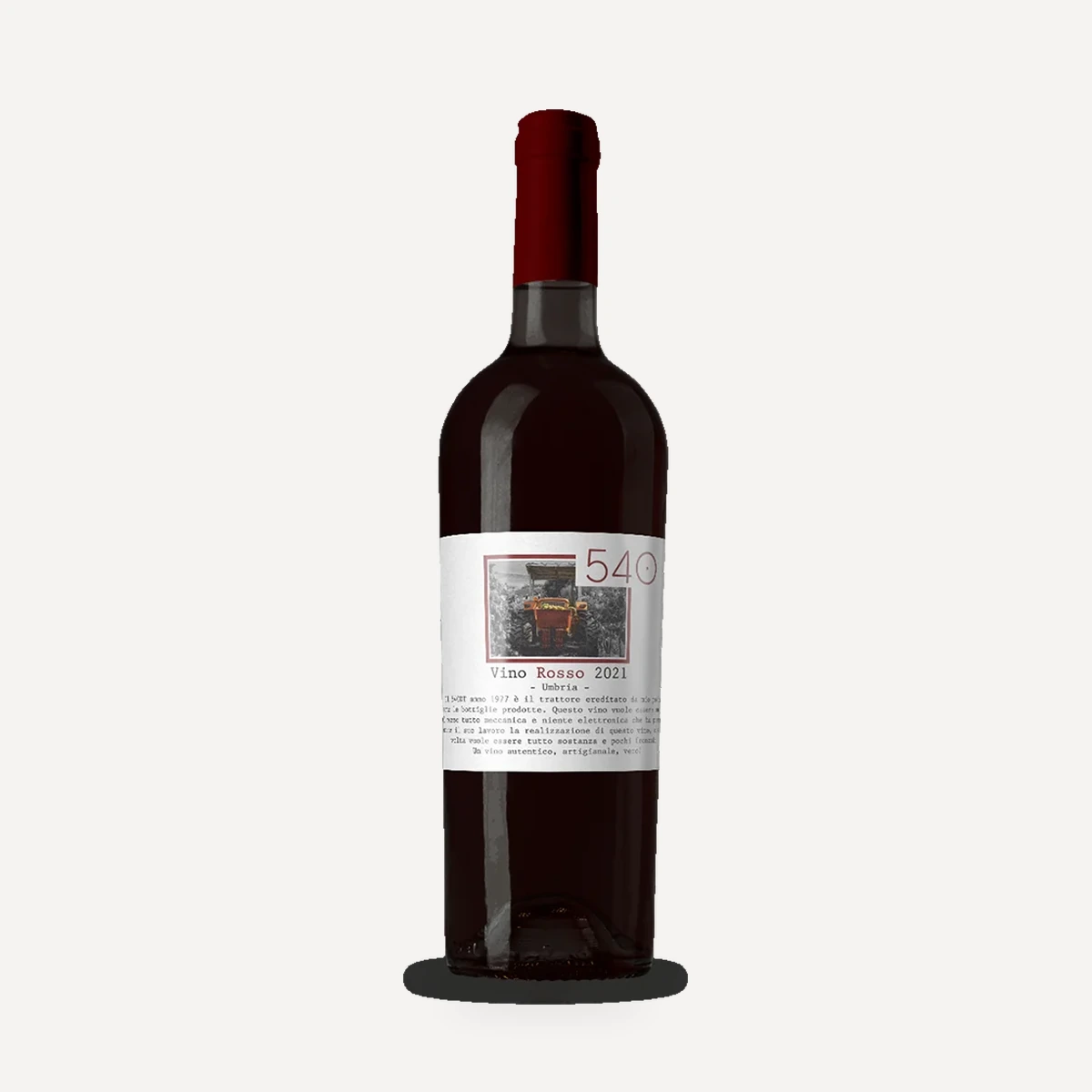
540
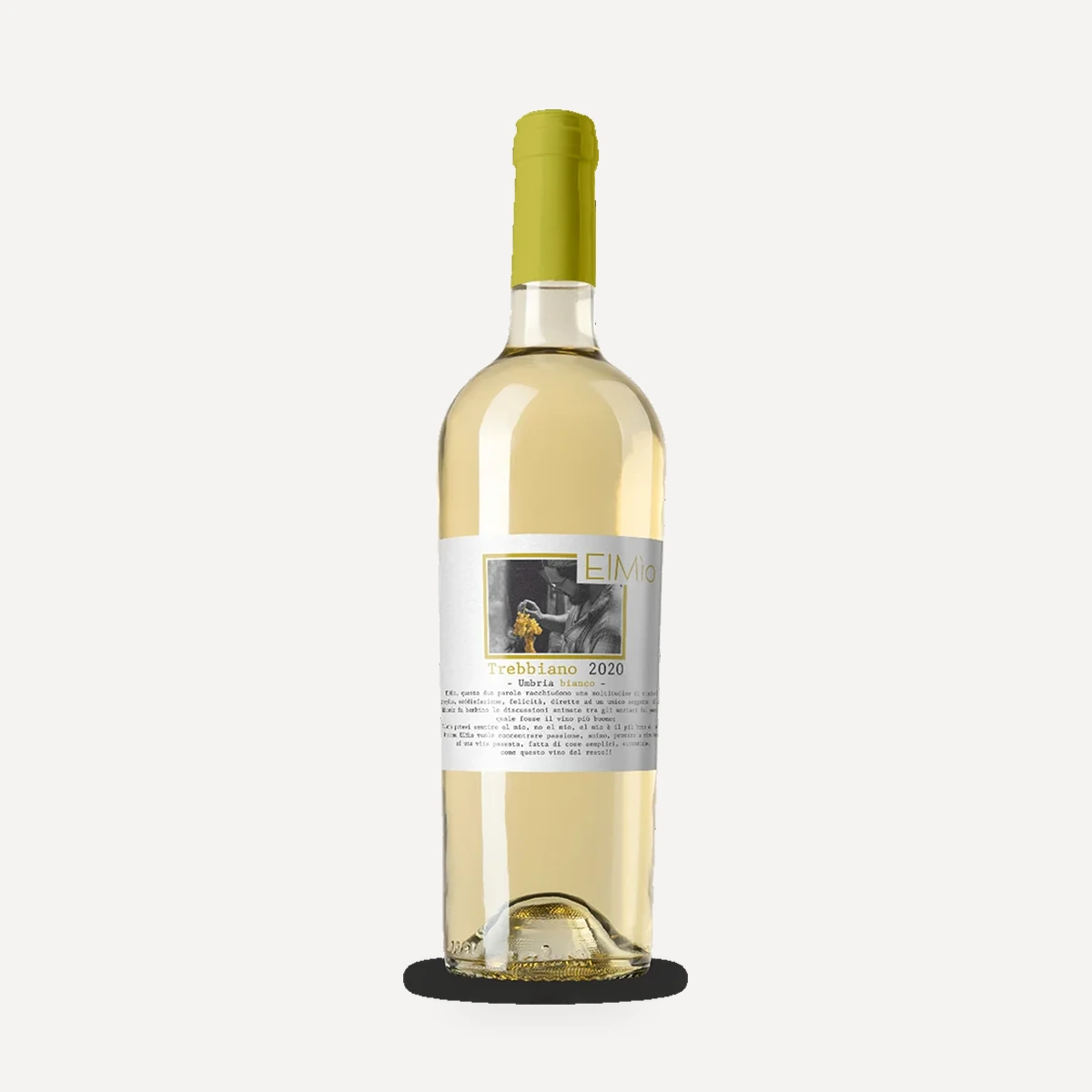
El Mìo