Storia
Earlier viticultural landscape
The hills around Ripalimosani were covered with vineyards during the seventeenth and eighteenth centuries and remained a farming landscape before the two World Wars. The Costa Bianca hills were worked by local winegrowers until the wars and the post-war migration from inland Molise contributed to the abandonment of vineyards and farmland. Tintilia had been cultivated in the Lame del Sorbo area for more than 80 years before Agricolavinica established its present plantings. A technical account of the grape’s history records the name Tintilia in an 1810 manuscript of the Società di Agricoltura di Campobasso and refers to later genetic-biodiversity research by the Università degli Studi del Molise that identified it as a distinct variety found only in Molise.
2007: creation of Agricolavinica
Agricolavinica was established in 2007 through the collaboration of owner and producer Rodolfo Gianserra and company administrator Giuseppe Tudino. Their project was conceived around shared environmental principles, the recovery of long-abandoned high-hill land with a documented viticultural vocation, and the creation of an organic, ecologically sustainable farm producing wine, fruit and vegetables.
The name combines a reference to agriculture with the initials of Gianserra’s children in birth order: VIttorio, NIcholas and CArola.
Development of the vineyards
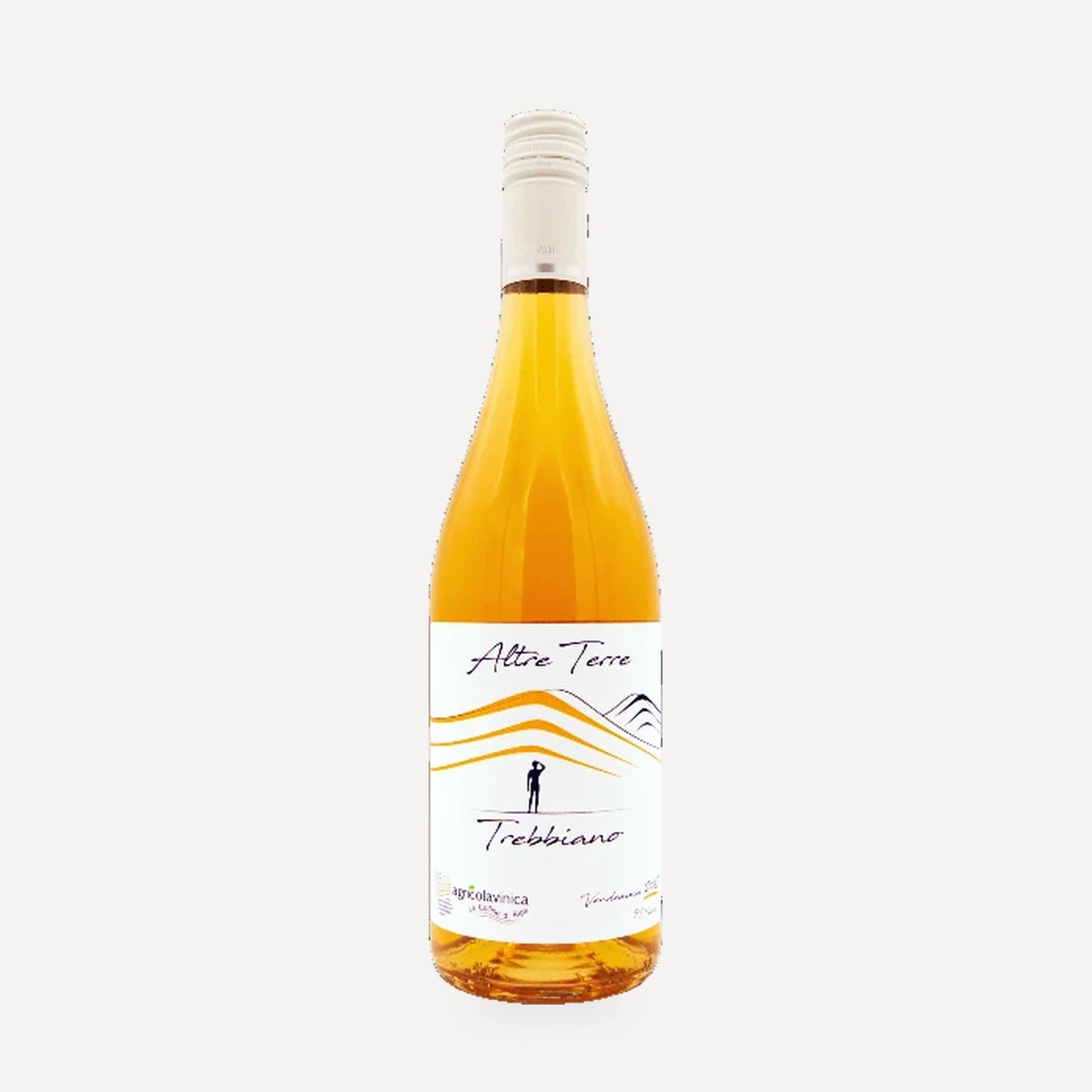
The estate planted vineyards progressively at approximately 3 hectares per year over its first decade of development. The present Lame del Sorbo Tintilia planting dates from 2009; Sauvignon Blanc was planted in 2009 and 2010, and a Riesling planting followed in 2010. Morgia Lafesta was planted in 2012. Plantings associated with Altre Terre—including documented Pinot Nero and Trebbiano–Garganega blocks—date from 2013, as does the documented Moscato and Riesling block used for the passito production.
This development created approximately 30 hectares of vineyards across hills ranging from 550 to 750 metres. Tintilia became the principal variety, occupying approximately 11 hectares, alongside smaller plantings of Merlot, Pinot Nero, Aglianico, Sangiovese, Sauvignon Blanc, Riesling, Moscato, Trebbiano and Garganega.
The Gaetanino Tudino cellar
The estate cellar was named Gaetanino Tudino in memory of Giuseppe Tudino’s father. Gaetanino belonged to a Ripalimosani farming family extending across several generations and died prematurely while the cellar project was being completed.
The cellar was placed among the vineyards so that each day’s harvest could be processed within hours of picking. During its first ten harvests, Agricolavinica chose to work exclusively with stainless-steel tanks, allowing the development of its varieties to be observed without the aromatic influence of other ageing vessels.
Expansion of the farm ecosystem
Agricolavinica developed as a diversified 220-hectare farm rather than solely as a winery. In addition to approximately 30 hectares of vines, its land includes olive groves, indigenous orchards, organic arable crops, woodland and pasture. Alongside approximately 100 hectares of existing forest, a further 20 hectares of woodland, orchards and hazelnut groves were planted over a ten-year period to increase carbon storage and strengthen the biodiverse environment surrounding the vineyards.
The business retains an estate-only model: it neither purchases grapes nor other agricultural raw materials for transformation, instead harvesting, processing and selling products grown on its own land.
Terroir
Location and relief
Agricolavinica occupies several hills around Ripalimosani, a small community north of Campobasso in inland Molise. The estate’s terrain ranges from approximately 550 to 750 metres above sea level and forms part of the high Apennine landscape. Its principal viticultural place names are Lame del Sorbo, Morgia Lafesta and Altre Terre.
Geology and soils
The hills contain a varied geological mixture formed more than 50 million years ago: clay, marl, sandstone crusts, detrital limestone and small limestone breccias. Vineyard descriptions also identify calcareous-clay soils, sandy material and pebbles. Morgia Lafesta has conspicuously red soil rich in iron, clay and limestone, while the Sangiovese planting is described as especially clayey and iron-rich.
Exposure, altitude and air movement
The hills principally face south-west, while individual documented blocks also have west and north-west aspects. An open corridor toward the Adriatic Sea, less than 60 kilometres away, supplies persistent air movement. The combination of ventilation and pronounced temperature variation helps reduce disease pressure and allows copper and sulphur treatments to be kept to a minimum.
High-hill climate
The climate is described as high-hill and almost mountainous. Winters are cold, with substantial snow generally remaining until around March; this meltwater penetrates deeply into the soils and underground water reserves. Snowstorms can occur from November through March and occasionally into April. Summer days can be hot, but temperatures fall markedly in the evening and at night, even during July and August. These diurnal shifts give the vines a cool nightly interval.
Surrounding landscape
Vineyards are enclosed by woodland, pasture, orchards and olive groves. Oak forest is prominent, while the broader woodland includes Cerro, Acero, Roverella, Orniello, Carpino, wild cherry and Sorbo. Part of the medieval Via Francigena crosses the property, as does a section of the Matese–Cortile tratturo formerly used for transhumance between Puglia and northern Molise.
Vinificazione
The entire property is certified organic and managed with conservative, eco-sustainable cultivation techniques. Vineyard inputs are restricted to natural products; pesticides and herbicides are excluded. Persistent ventilation and large diurnal temperature shifts reduce disease pressure, allowing copper and sulphur treatments to be minimized.
Green manure is used across the vineyard surface. All vineyards maintain grass cover, are dry-farmed and use wooden posts to integrate the plantings into the surrounding landscape. The lack of irrigation encourages roots to descend in search of nutrients, minerals and the underground water reserves replenished by winter snow. Vines are Guyot-trained at low density. The general vineyard description gives approximately 3,400 vines/ha and about 3 metres between rows, while individual vineyard records generally specify 3,500 vines/ha.
Harvesting is manual. Fruit is collected in small containers and reaches the centrally located cellar within hours. Bunches are selected by hand before processing. Daily picking is limited to the quantity the cellar can destem, crush and place into fermenters that afternoon, leaving no unprocessed crop overnight.
Biodiversity is supported by the vineyards’ setting among forest, pasture, orchards, olive groves and arable fields. Approximately 100 hectares of forest were already present, and a further 20 hectares of woodland, fruit trees and hazelnut groves were planted over a ten-year period. These plantings increase carbon storage while creating a continuous ecosystem around the vines.
Harvest reception
Grapes are harvested manually into small containers and carried to the cellar situated within the vineyards. They are selected by hand before destemming and crushing. Approximately 50–60 quintals—5–6 tonnes—can be harvested and processed per day. The crop picked each morning is destemmed, crushed and placed in fermenters that afternoon, so no grapes remain unprocessed at the end of the day.
Fermentation and cellar handling
Fermentations begin spontaneously through indigenous yeasts present on the grape skins. No cultured yeast is added and temperature is not controlled. The principal vessels are open stainless-steel tanks. Products intended to extract aromas are excluded, as are fining and filtration. Sulphites are used only in small quantities, comfortably within the limits adopted by VinNatur, to support longevity.
Agricolavinica used only stainless-steel tanks during its first ten harvests. The purpose was to observe the varieties’ development without introducing aromas or flavours from the vessel. Stainless steel remains the central medium for fermentation and maturation.
The cellar adapts its steel-based method to the harvested material. Tintilia may be destemmed for conventional skin fermentation, given brief skin contact for rosé, or undergo semi-carbonic whole-cluster maceration. Trebbiano and Garganega destined for the skin-contact style ferment spontaneously in open vats with daily punch-down before fermentation and maturation continue in steel. Moscato and Riesling for passito are harvested by hand, dried naturally on nets in a vineyard farmhouse for approximately 40 days, manually pressed as whole clusters in a wooden press, and fermented in stainless steel.
Closures
White, rosé and orange wines use Stelvin screw caps to restrict oxygen ingress, preserve freshness and slow bottle evolution. The closure comprises an external tin laminate, an expanding polyethylene seal and a tin-foil layer in direct contact with the wine. Red wines use Ardeaseal closures, selected for similarly low oxygen transmission. Moving away from natural cork also eliminates cork-taint risk and reflects the estate’s concern for tree bark.
Experimental work
A micro-vinification installation supports a research collaboration with the Facoltà di Agraria of the Università degli Studi del Molise. The project evaluates the characteristics and winemaking potential of rare grape varieties found in Molise.
Filosofia
Agricolavinica defines wine as the product of the geological, physical and climatic conditions in which the vine grows. Its central principle is that wine is made primarily in the vineyard; cellar work should accompany the process while preserving the quality already achieved in the fruit.
Rodolfo Gianserra’s formulation is that nature determines the pace and that careful growers must adjust to it. Vine and territory are treated as a symbiotic whole requiring respect and continuous care without forcing. This principle links organic agriculture, dry farming, conservative cultivation, biodiversity plantings and low-intervention cellar work.
The production model combines older winemaking ideas with contemporary scientific and agronomic knowledge. External agents and elaborate cellar procedures that could alter the wine are rejected. Indigenous fermentation, stainless steel, minimal sulphites and the absence of fining or filtration are intended to retain a direct expression of the estate’s vineyards.
Agricolavinica also identifies itself as an agricultural enterprise rather than a commercial processor. It works only with grapes and other crops grown on its own land and does not purchase raw material from other producers.
Vini
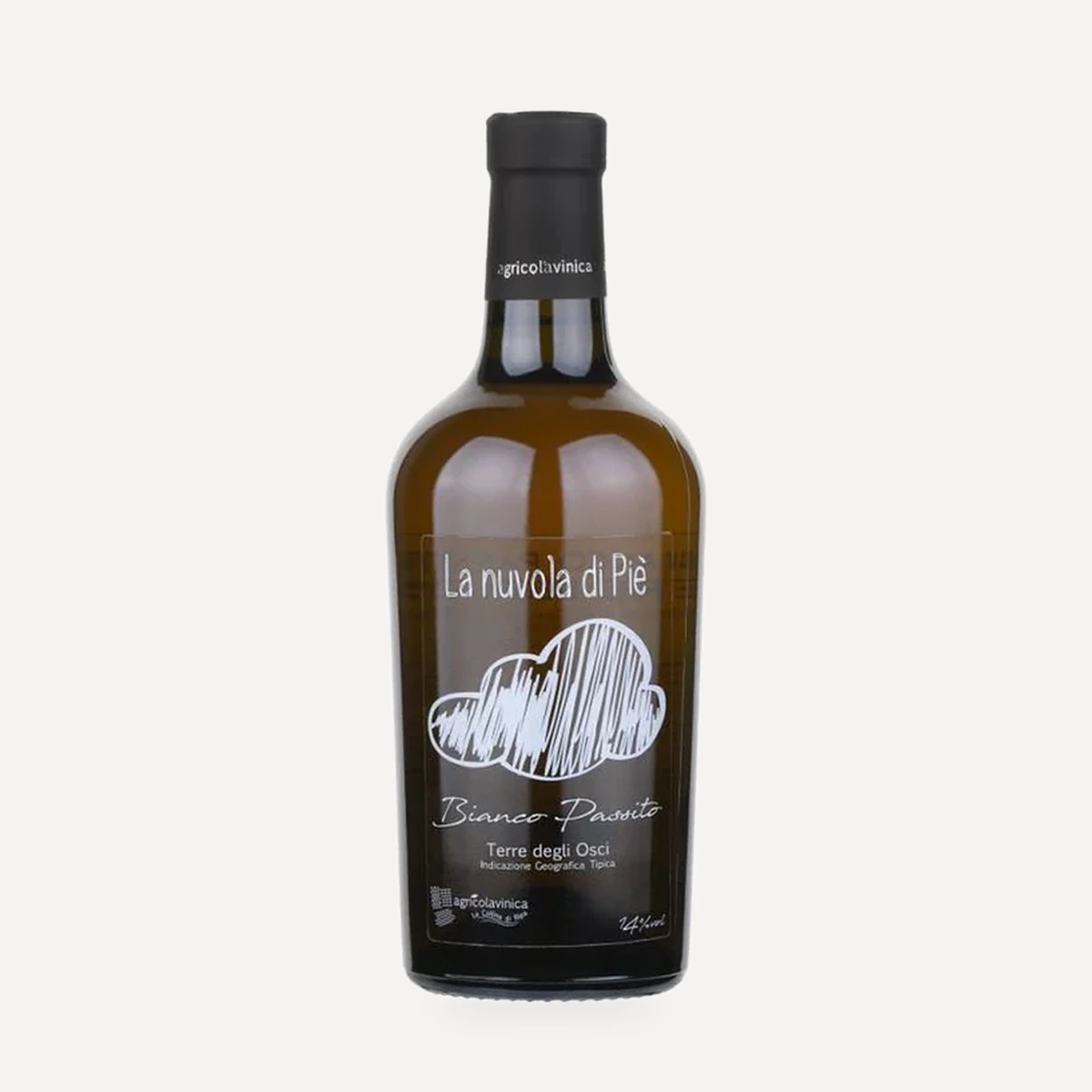
Bianco Passito La Nuvola di Piè IGT
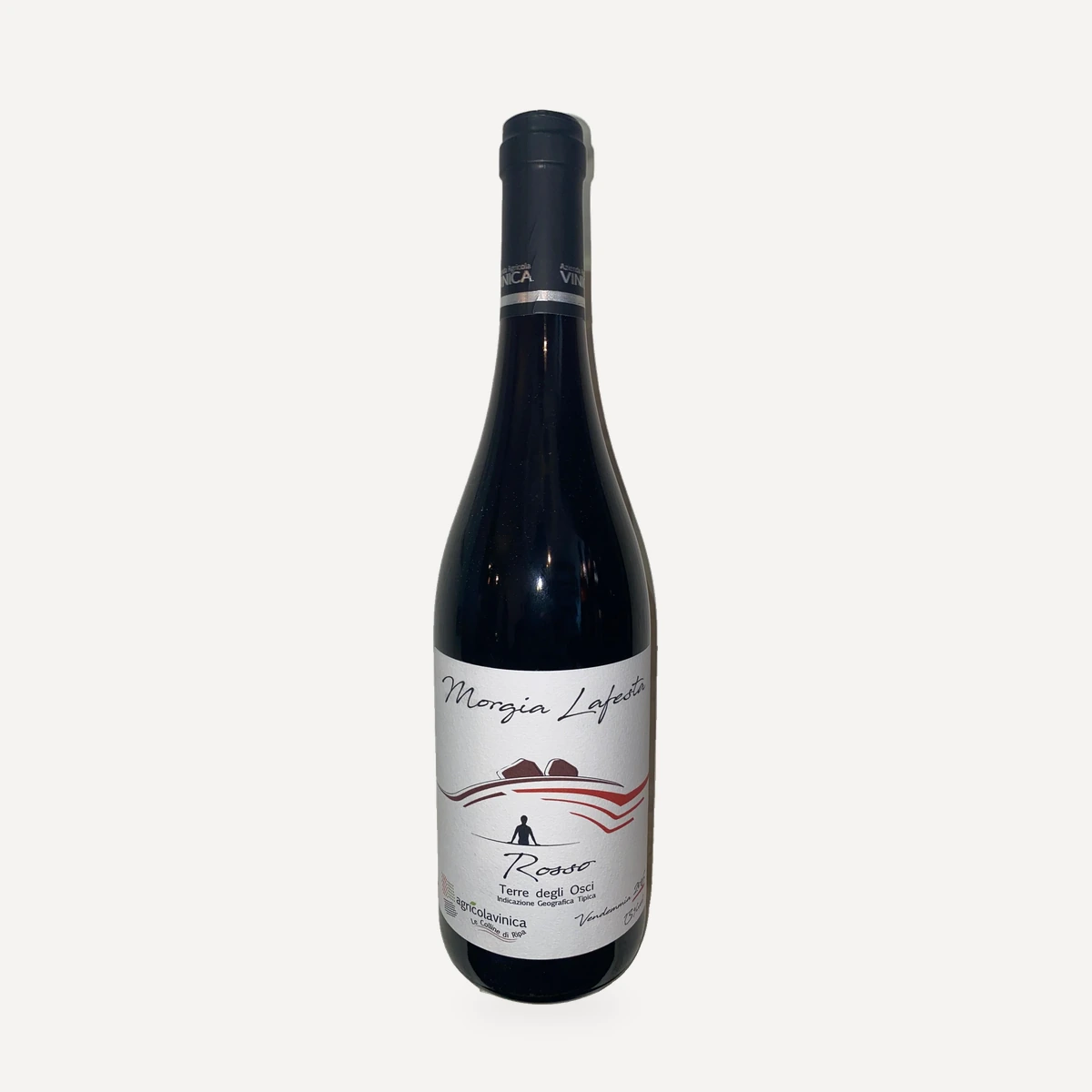
Morgia Lafesta IGT
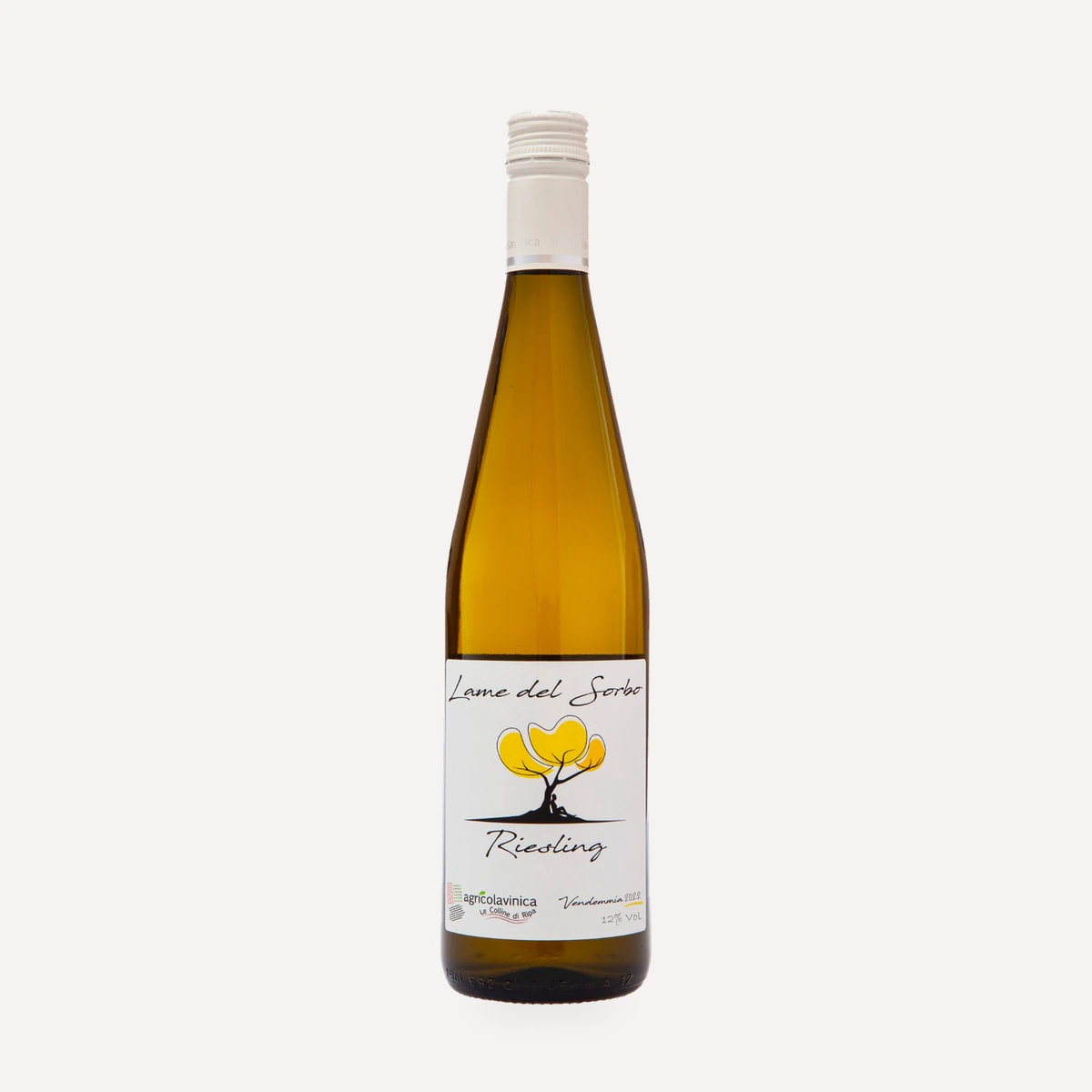
Riesling Terre degli Osci IGT
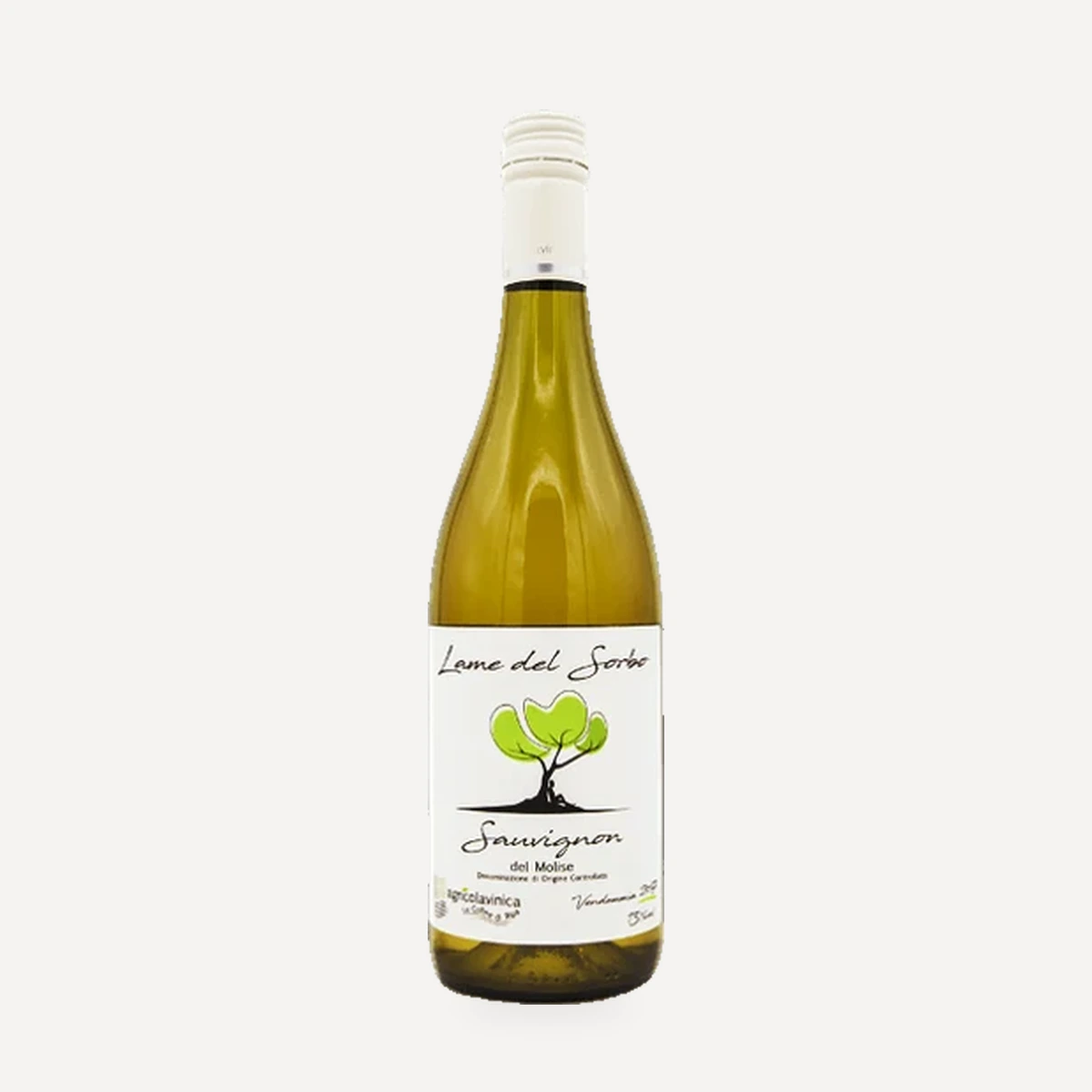
Sauvignon del Molise DOC
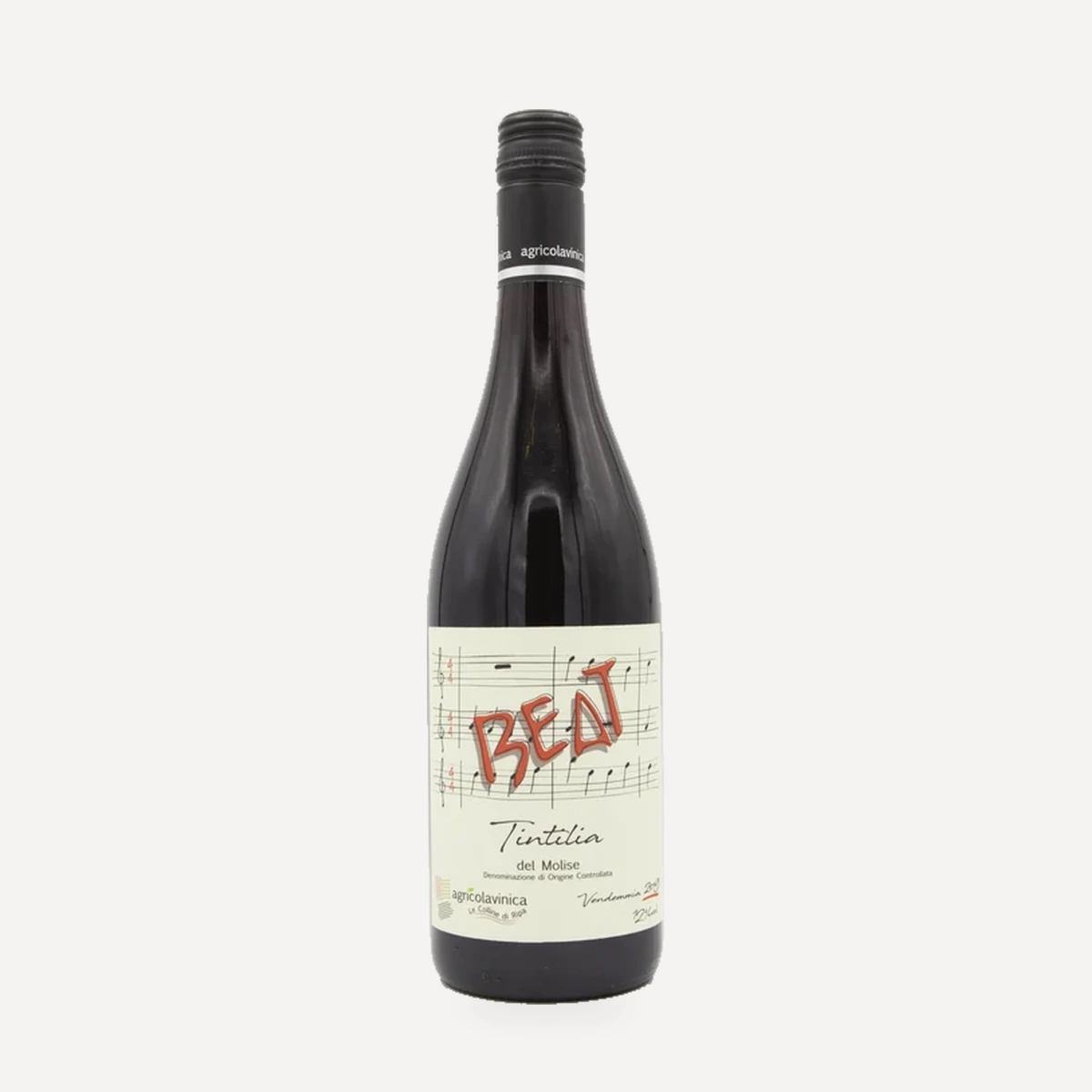
Tintilia Beat DOC
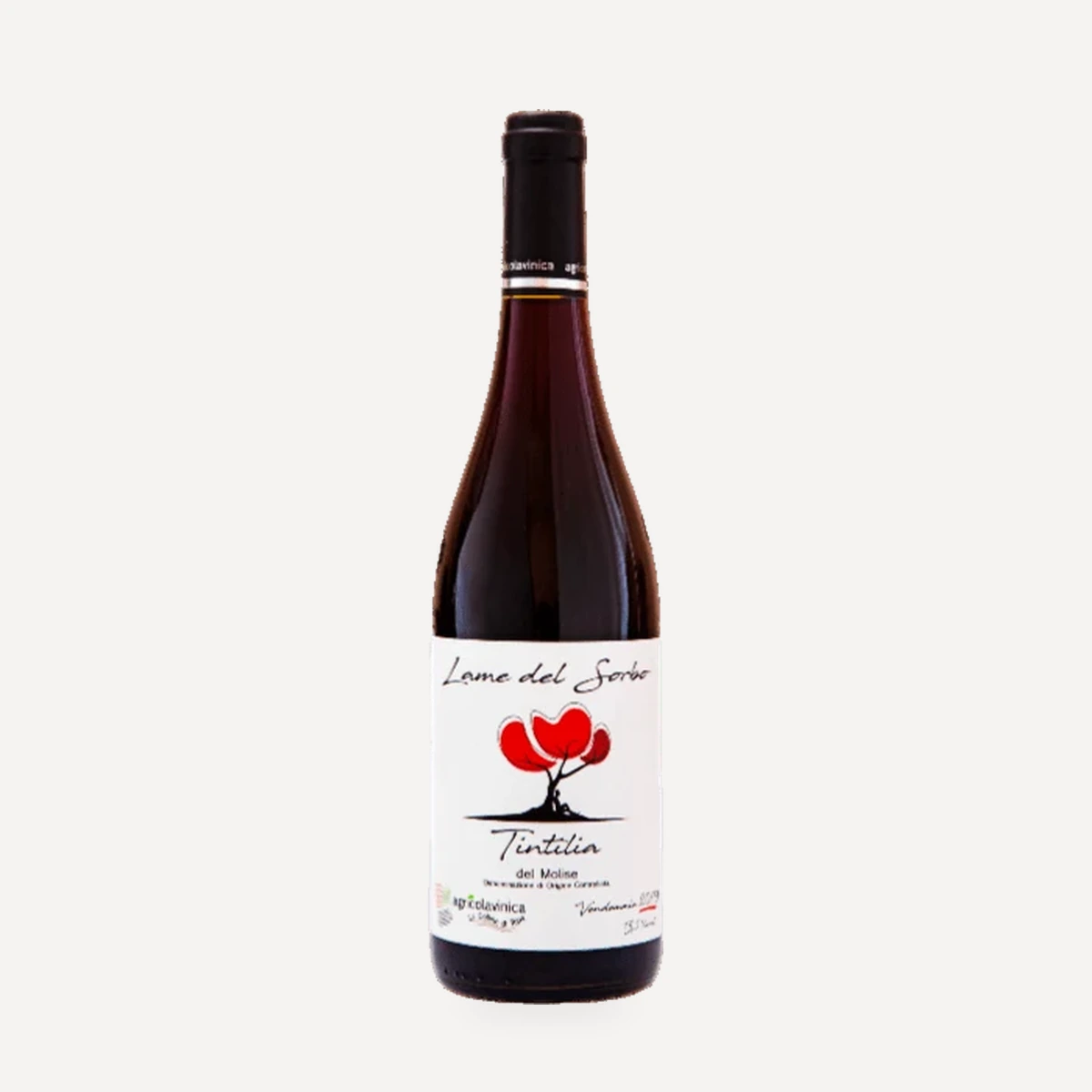
Tintilia Lame del Sorbo DOC
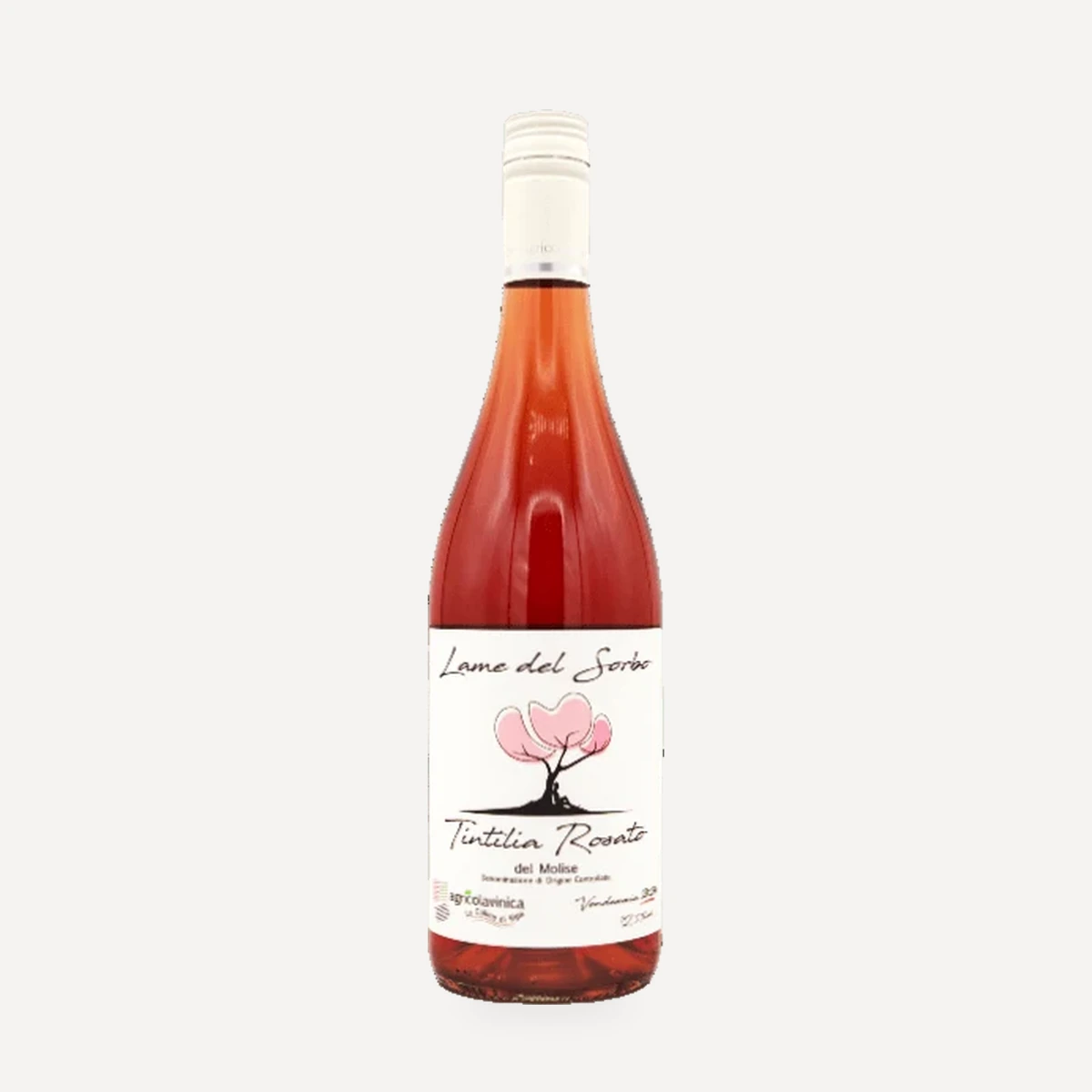
Tintilia del Molise Rosato DOC