Storia
Agricultural roots: 1860
The Cianfagna family has been engaged in agriculture since 1860. Earlier generations also made wine for their own consumption, following straightforward traditional methods that remain an important reference for the estate.
The winery and vineyards: 1999
The winery was established in 1999, when Vincenzo Cianfagna succeeded his father, Pasquale, in managing the family holding. Vincenzo set out to preserve the family tradition while renewing it, focusing the new wine operation on quality, close control of production and the exclusive use of grapes grown by the estate.
Four hectares of vines were established in 1999: 3 ha of Tintilia and 1 ha of Aglianico. The planting followed study, experimentation and vineyard research undertaken with the University of Molise. This work led to the adoption of spurred-cordon training and informed the choice of a windy, predominantly clay-soiled hillside considered suitable for Tintilia.
Vincenzo’s agronomic training shaped a vineyard-led approach based on low yields, careful canopy and crop management, minimal plant-protection treatments and the delivery of sound fruit to the cellar. Production is controlled throughout, from vineyard work and vinification to bottle design.
Terroir
The vineyards occupy hillsides at approximately 500 m above sea level in the commune of Acquaviva Collecroce, in inland Molise. They lie about 30 km from the sea and 70 km from Campobasso.
The vineyard area was selected to provide a suitable pedoclimate for Tintilia. Soils are predominantly clay. Temperature variation is significant both between seasons and between day and night, with the diurnal difference reaching as much as 15°C. The hills remain well ventilated even during summer. This airflow limits humidity and the associated pressure from fungi, reducing the need for vineyard treatments.
Vinificazione
Vincenzo Cianfagna personally directs the vineyards, drawing on his agronomic training and a family culture centred on respect for the land.
The vines are not irrigated, and production is kept deliberately low in pursuit of fruit quality. Buds are selected and spaced to prevent competition. Green bunch thinning leaves only the best and most favourably exposed clusters to continue towards harvest, while leaves are thinned before picking to support complete ripening.
Plant protection is limited to a small number of sulfur and copper treatments against fungi and parasites. The site’s persistent ventilation reduces humidity and fungal pressure. The objective of this work is to bring exceptionally healthy, fully ripened estate-grown grapes into the cellar so they can be vinified through traditional methods without elaborate corrective intervention.
All wines are made solely from grapes grown by the family holding. Cianfagna controls the production chain from work in the vineyard and transformation of the grapes through to the presentation and design of the finished bottle.
The cellar approach begins with sound fruit produced at low yields. Vinification follows traditional techniques, without elaborate manipulation and without the permanent support of an oenologist, reflecting the straightforward way earlier generations made wine for family consumption. Sulfite levels in the wines are kept below the maximum permitted for organic production.
Filosofia
Cianfagna’s guiding aim is to preserve and renew its family agricultural tradition through wines made only from carefully tended estate fruit. Quality is pursued through direct control of every stage, beginning with site selection and meticulous vineyard work rather than reliance on complex cellar intervention.
Respect and affection for the land are presented as family values passed between generations. The estate favours healthy grapes, low yields, traditional vinification, limited treatments and restrained sulfite use. Vincenzo Cianfagna’s agronomic training provides the technical foundation for this approach.
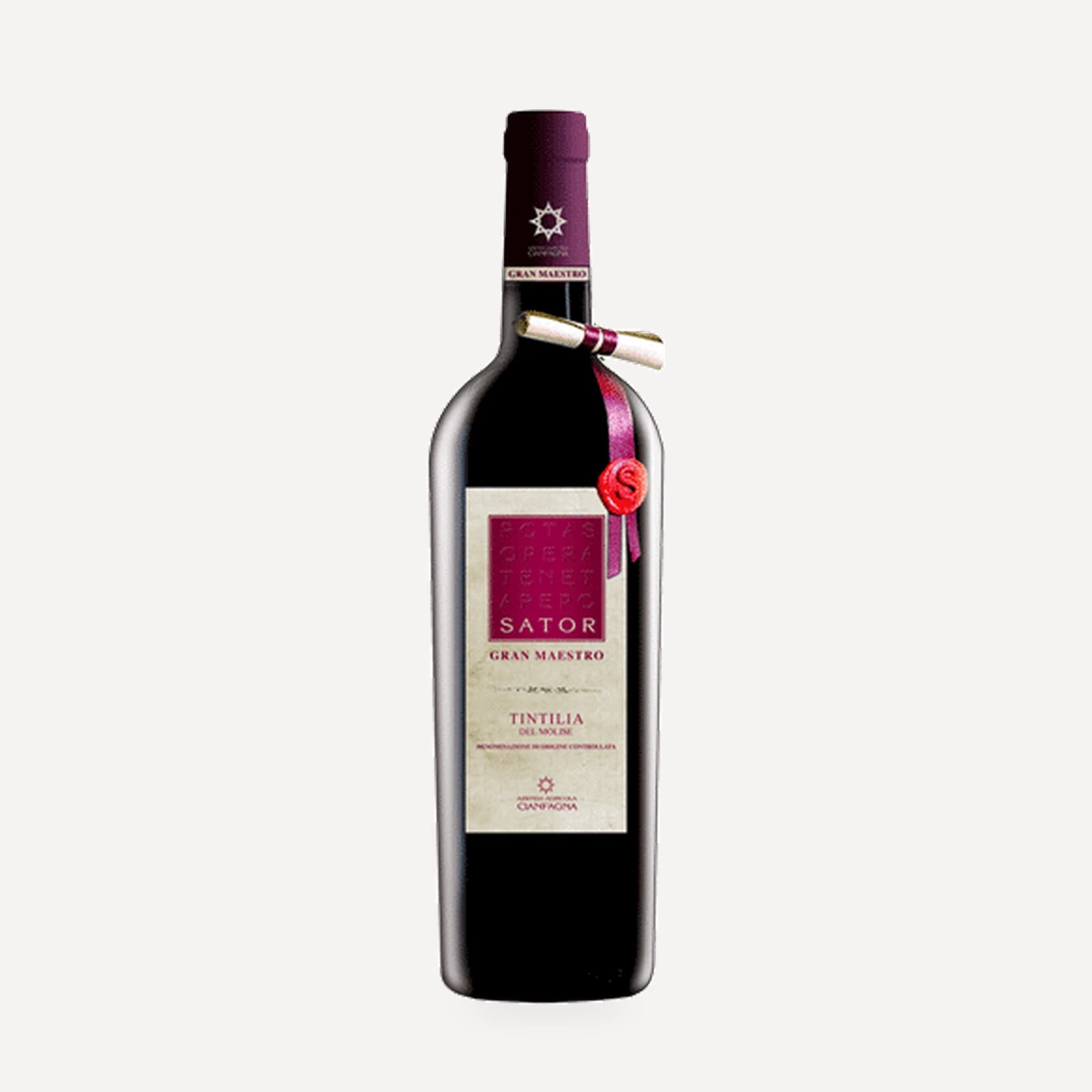
The Sator square adopted as an estate symbol expresses a further element of its philosophy: people may honour the land through daily labour, care and sacrifice, but the outcome of a harvest ultimately remains subject to weather, the progression of the seasons and forces beyond human control. A second emblem, the Templar seal used for Militum Christi, represents the duality of working the land through both love and sacrifice.
Vini
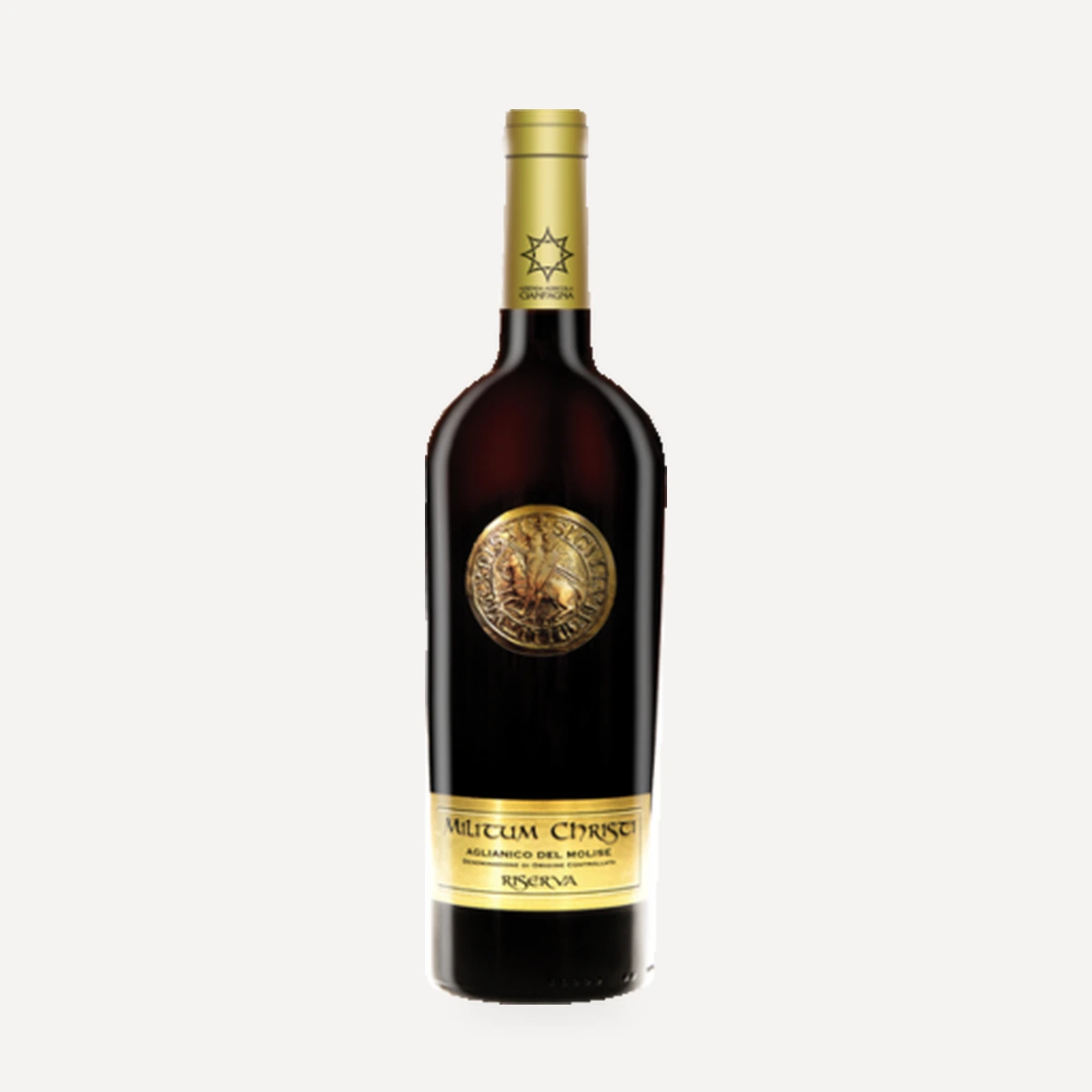
Militum Christi
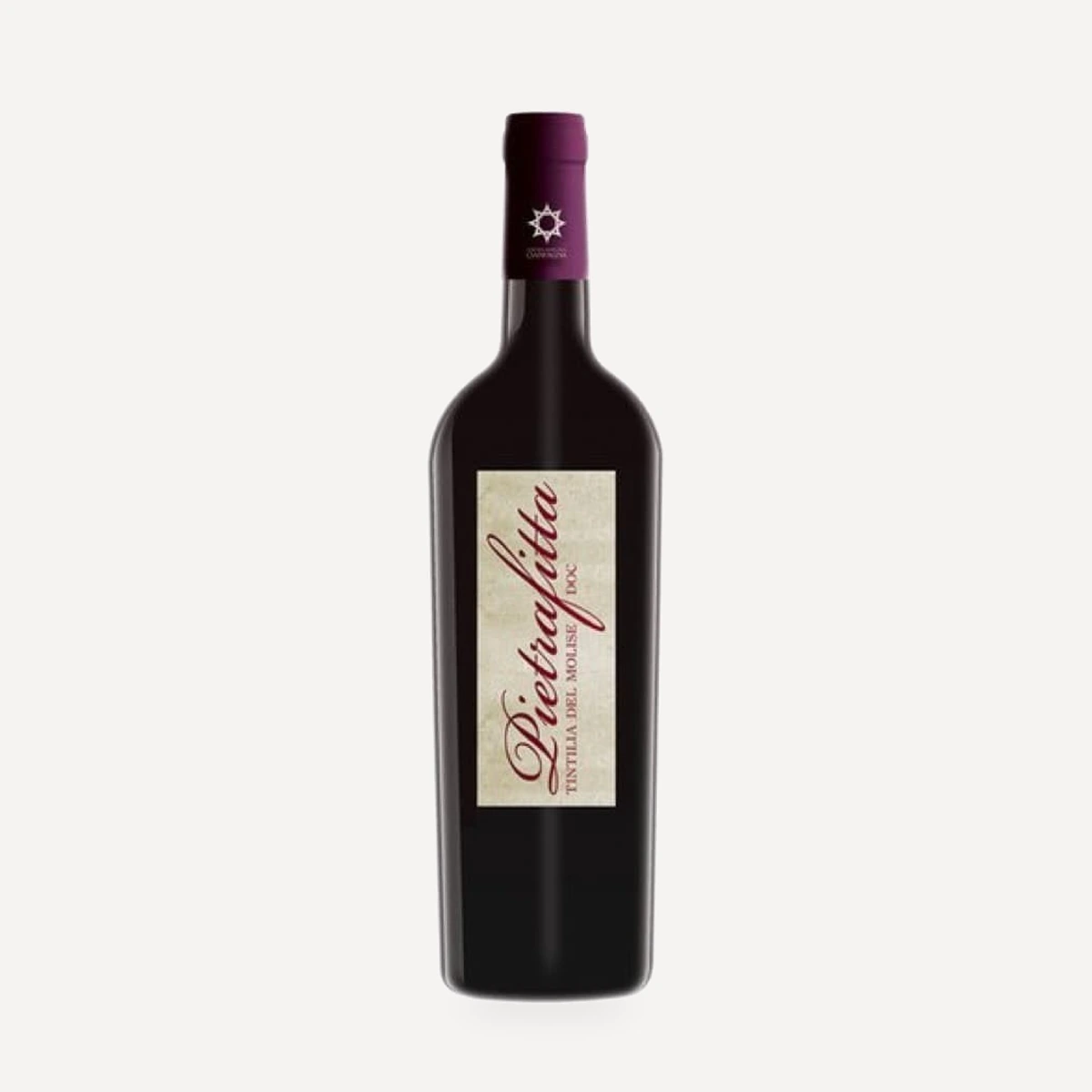
Pietrafitta
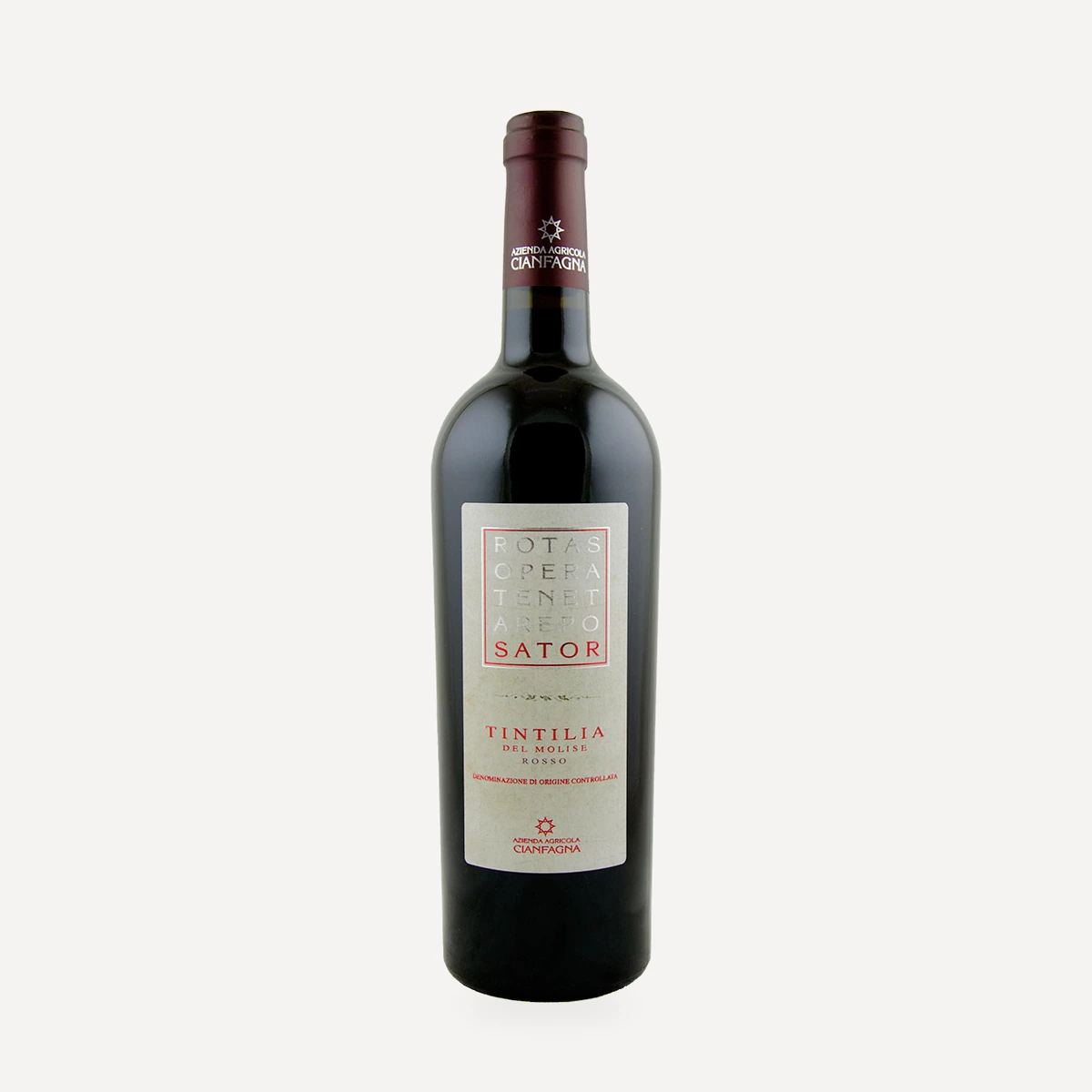
Sator