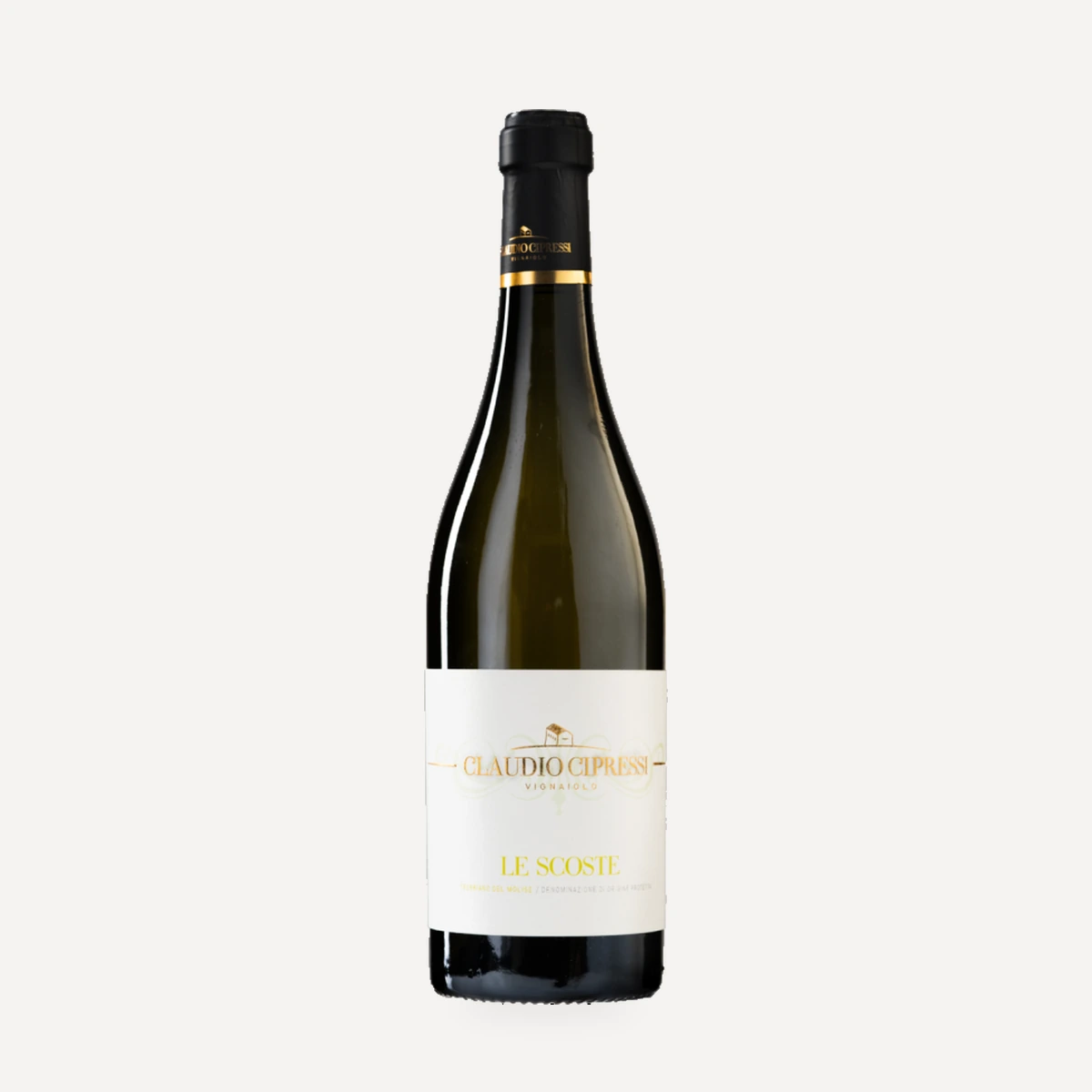
Storia
The search for Tintilia
Claudio Cipressi began his activity in the early 1990s. Following a suggestion from agronomist Michele Tanno, he set out to find Tintilia, a wholly native grape that had become extremely scarce after coming close to disappearing during the 1940s.
For several years, Cipressi selected the vines he considered most promising and conducted small-scale vinification trials. The project required a commitment to a naturally low-yielding variety and was initially regarded as an improbable investment.
Propagation and the first vineyard
In 1996, Cipressi began propagating the material selected during his vineyard work. In 1998, he planted the first five hectares with vines derived from that selection.
The estate’s present 12 hectares of Tintilia descend from mother blocks that remained active until 2006. Cultivation subsequently expanded to Montepulciano, Falanghina and Trebbiano, bringing the planted area to approximately 15 hectares.
Building the winery
Construction of a dedicated winemaking cellar began in 2003. The first estate bottlings followed in 2005, completing the transition from vineyard selection and experimental micro-vinification to commercial production.
Organic certification
Organic farming became a defining element of the estate’s work in the vineyards. In 2014, the winery itself also obtained organic certification, extending the certified approach from grape growing to cellar operations.
Terroir
The vineyards lie at San Felice del Molise in the Province of Campobasso, within the Molise region. The estate’s reference point is at 548 metres above sea level, at coordinates 41°53′31.20″ N, 14°42′5.04″ E, while individual vineyard-derived production specifications range from approximately 470 to 550 metres. The broader vineyard setting is described as almost 600 metres above sea level.
San Felice del Molise occupies a hilly, largely unspoiled landscape of elevated villages. Its rhythms remain closely connected to the surrounding natural environment and to a historical context extending over a millennium. The combination of hills and local climate is considered particularly suitable for Tintilia.
No individual soil compositions, geological formations, aspects, rainfall totals, temperature ranges or named mesoclimates are defined.
Vinificazione
Vineyard cultivation is strictly organic and the estate is certified organic. Environmental respect is the stated basis of the farming method.
Tintilia was rebuilt through mass selection work rather than reliance on unidentified replacement material. Claudio Cipressi spent several years identifying promising vines, testing them through micro-vinifications and then propagating the chosen material from 1996. The first five hectares were planted in 1998, and the present 12 hectares of Tintilia descend from mother blocks active through 2006.
The vineyards use spurred-cordon training at densities of 3,000–5,000 vines per hectare. Crop levels are comparatively low for Tintilia, generally 3,500–4,000 kg/ha and 3,500 kg/ha for sparkling-wine material; Falanghina and Trebbiano are listed at approximately 7,000 kg/ha. Figures can vary by vintage.
Harvest decisions are highly selective. Grapes are picked manually, placed in crates and subjected to bunch-by-bunch selection. The harvest calendar extends from the second half of August for sparkling-wine material through the first half of October for the main red Tintilia selections and Trebbiano.
The winery has operated from a purpose-built transformation cellar whose construction began in 2003; the first bottlings were made in 2005. Cellar operations have been certified organic since 2014.
Production follows traditional, non-invasive processes. Particular attention is paid to must temperature, and barrels are used with the intention of refining the wine without obscuring its fruit or the identity of the originating variety.
For still red Tintilia, bunches are carefully selected before maceration for at least 12 days, with temperature kept below 25–28°C. Maturation varies by selection: one expression spends 36 months in wood followed by six months in bottle, while others mature for 36 months in stainless steel and six months in bottle.
Rosé Tintilia is gently pressed immediately after crushing. The juice settles for approximately 12 hours at 10°C, ferments at approximately 13–15°C and matures in stainless steel.
Falanghina is selected, softly pressed and allowed to settle for 18 hours at 10°C. Fermentation takes place at 16–18°C in stainless-steel vessels, followed by maturation in steel. Trebbiano is also softly pressed and settled for at least 18 hours at 10°C; the clarified must then ferments at 16°C for at least 10–15 days before steel maturation. In particular vintages, Trebbiano may instead undergo skin maceration in wooden vats.
Traditional-method Blanc de Noir and Rosé are made entirely from Tintilia. Grapes are selected, softly pressed and given a short period of skin contact, followed by static clarification and temperature-controlled fermentation. The bottles remain at controlled temperature during fermentation and maturation, spending approximately 36 months on the lees before disgorgement. Both are pas dosé and receive no liqueur d’expédition.
Filosofia
Claudio Cipressi regards wine as a means of giving value to Molise, the land in which he was born. His vocabulary centres on determination, culture, passion, territory and roots, while his personal credo joins knowledge, intuition and enduring values.
His wines are conceived as expressions of identity and lived experience rather than detached products. Dawn in the vineyards, spring rain, difficult moments, small satisfactions, storms and the calm that follows them all form part of that conception. Each bottle is intended to carry a story whose origins lie well before the moment of bottling.
The working principles are certified organic cultivation, exacting grape selection, traditional and non-invasive processing, close temperature control and restrained use of maturation vessels. The aim is to preserve the personality of each grape variety, improve quality continually and demonstrate that wines rooted in Molise can stand alongside leading Italian wines.
Vini
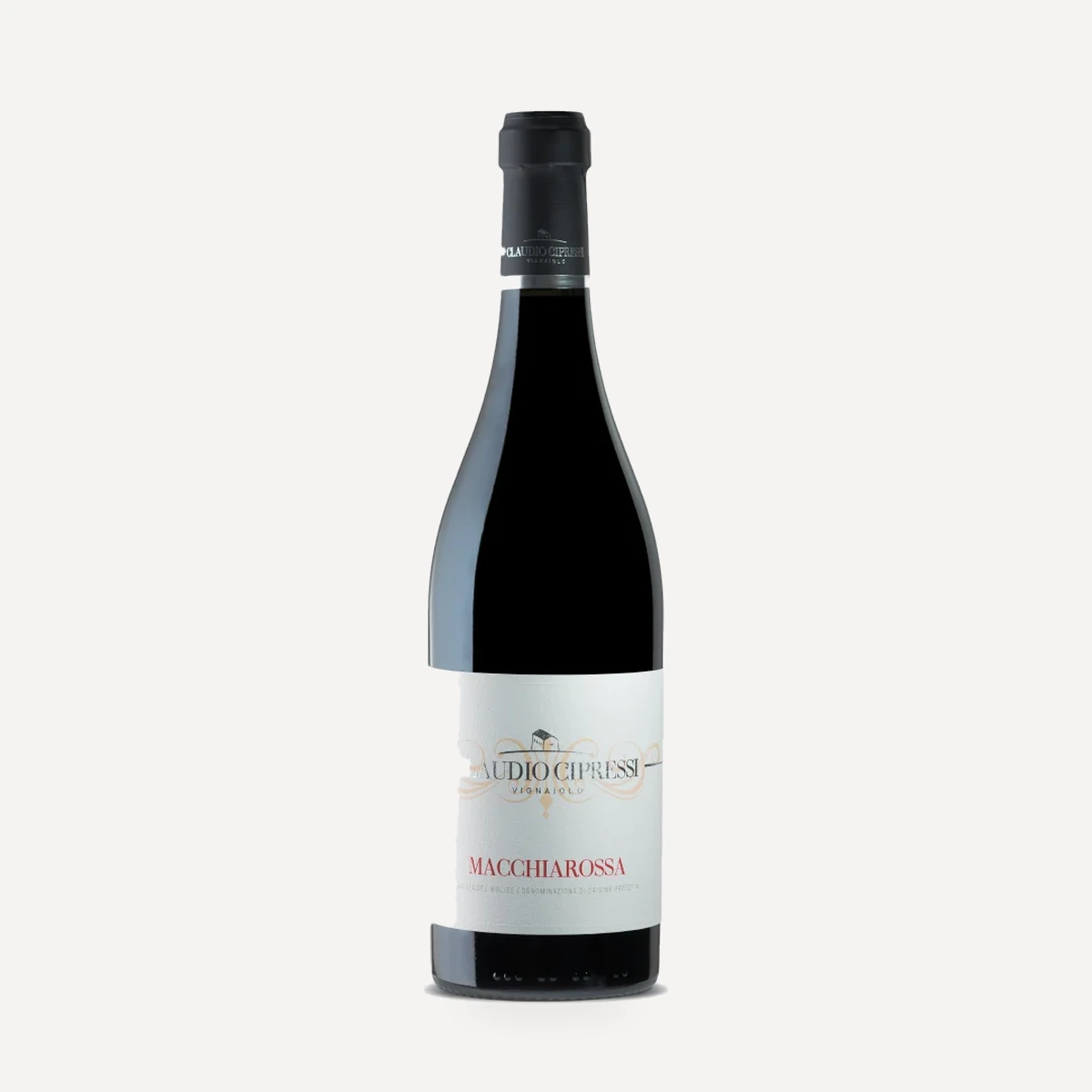
Macchiarossa
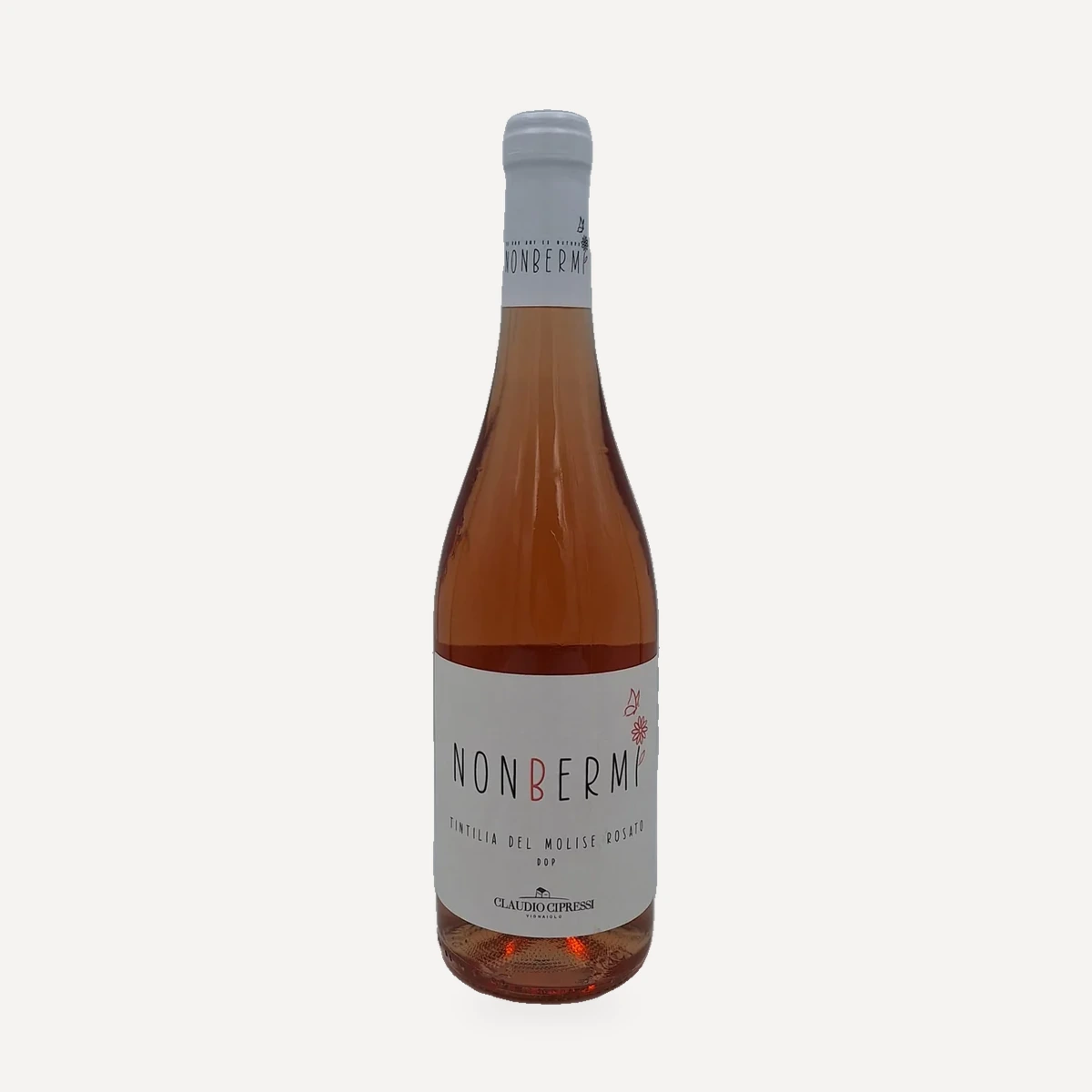
Nonbermi Rosato
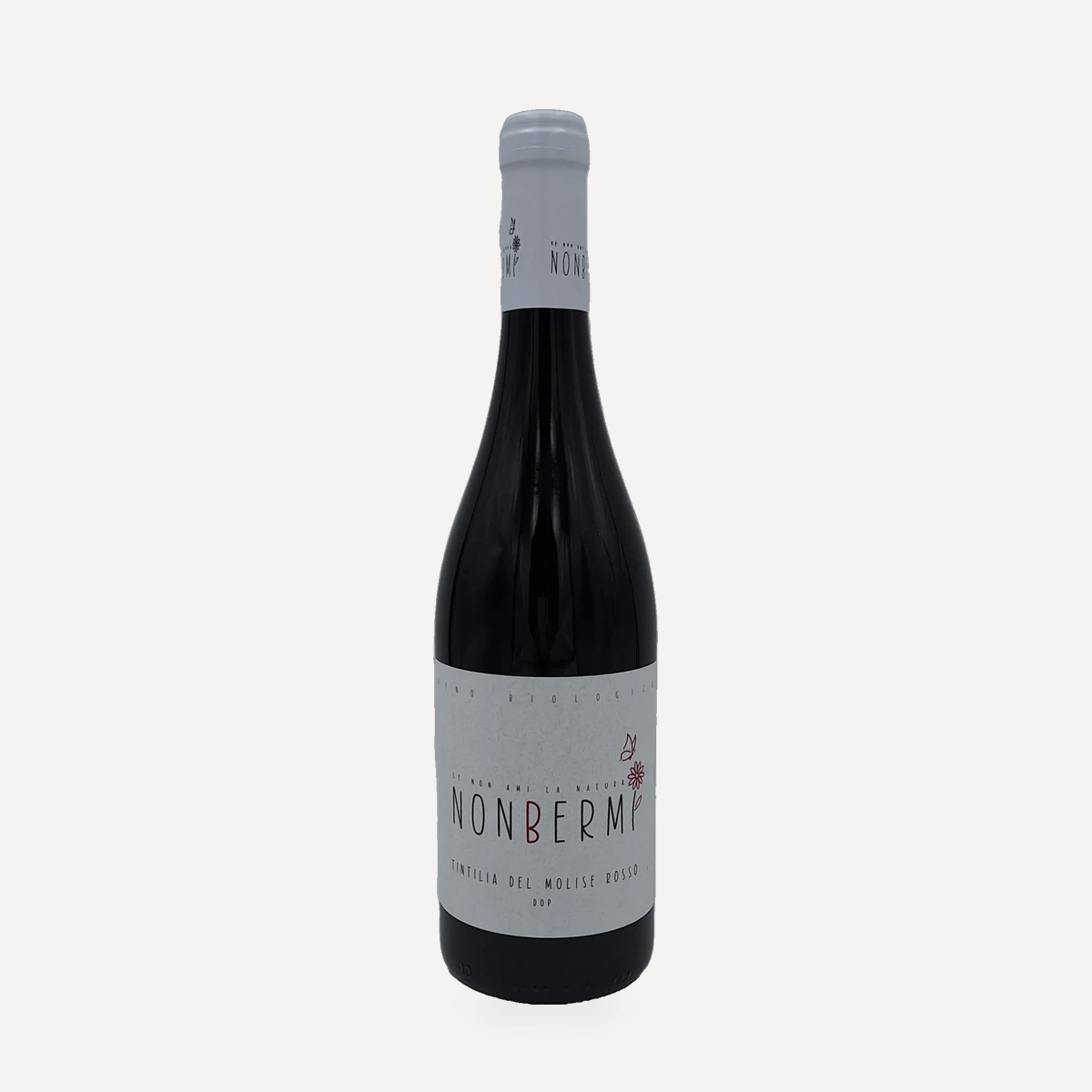
Nonbermi Tintilia
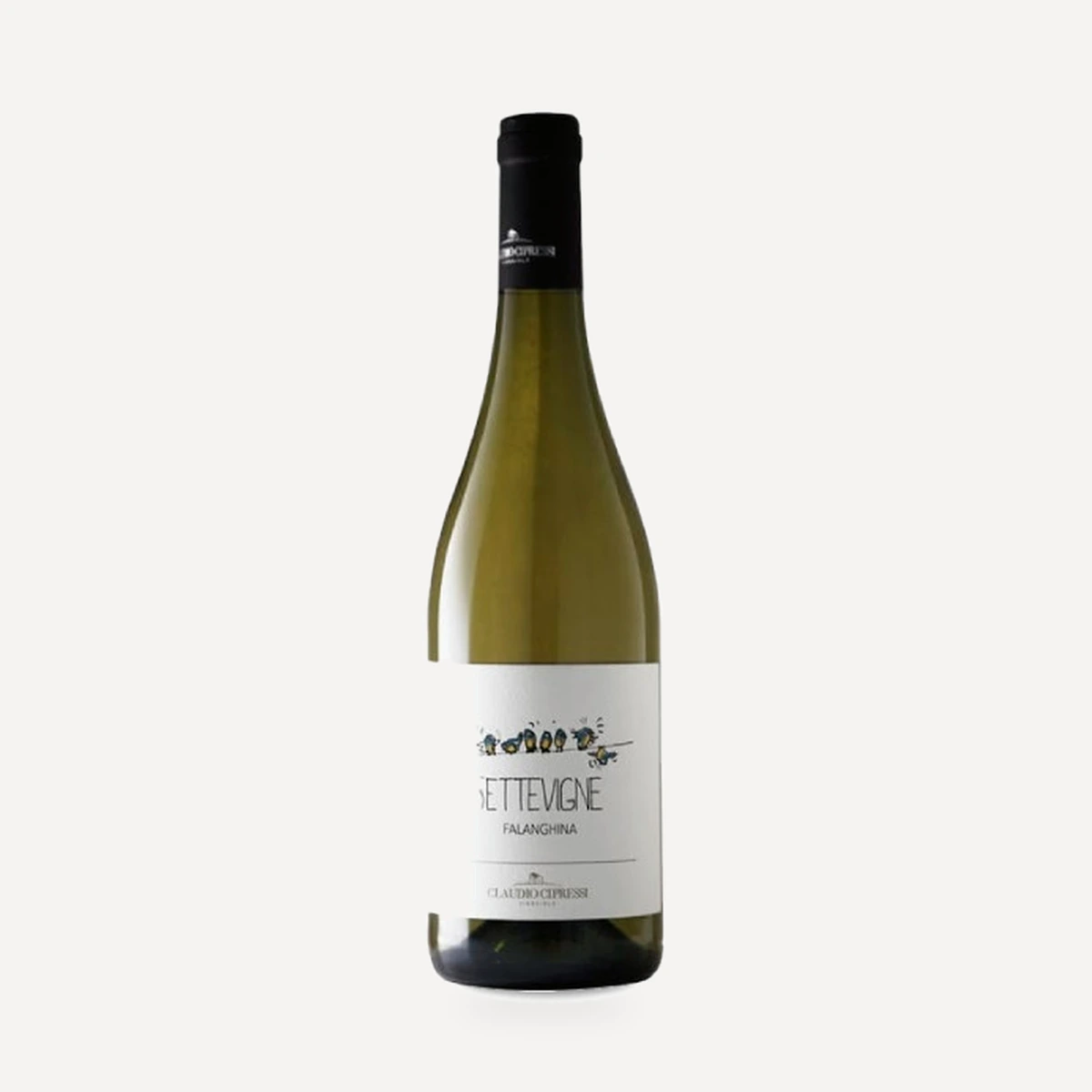
Settevigne Falanghina
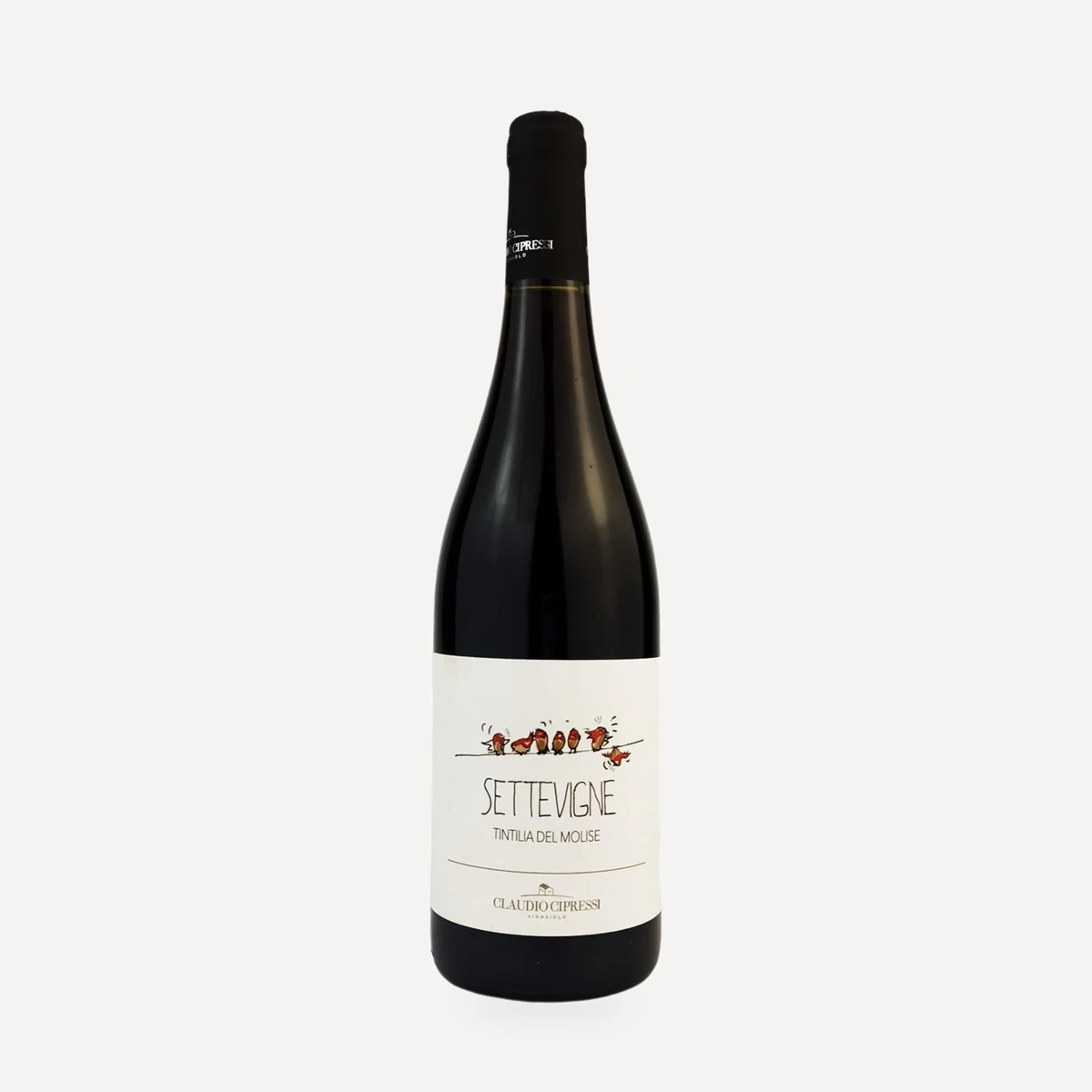
Settevigne Tintilia
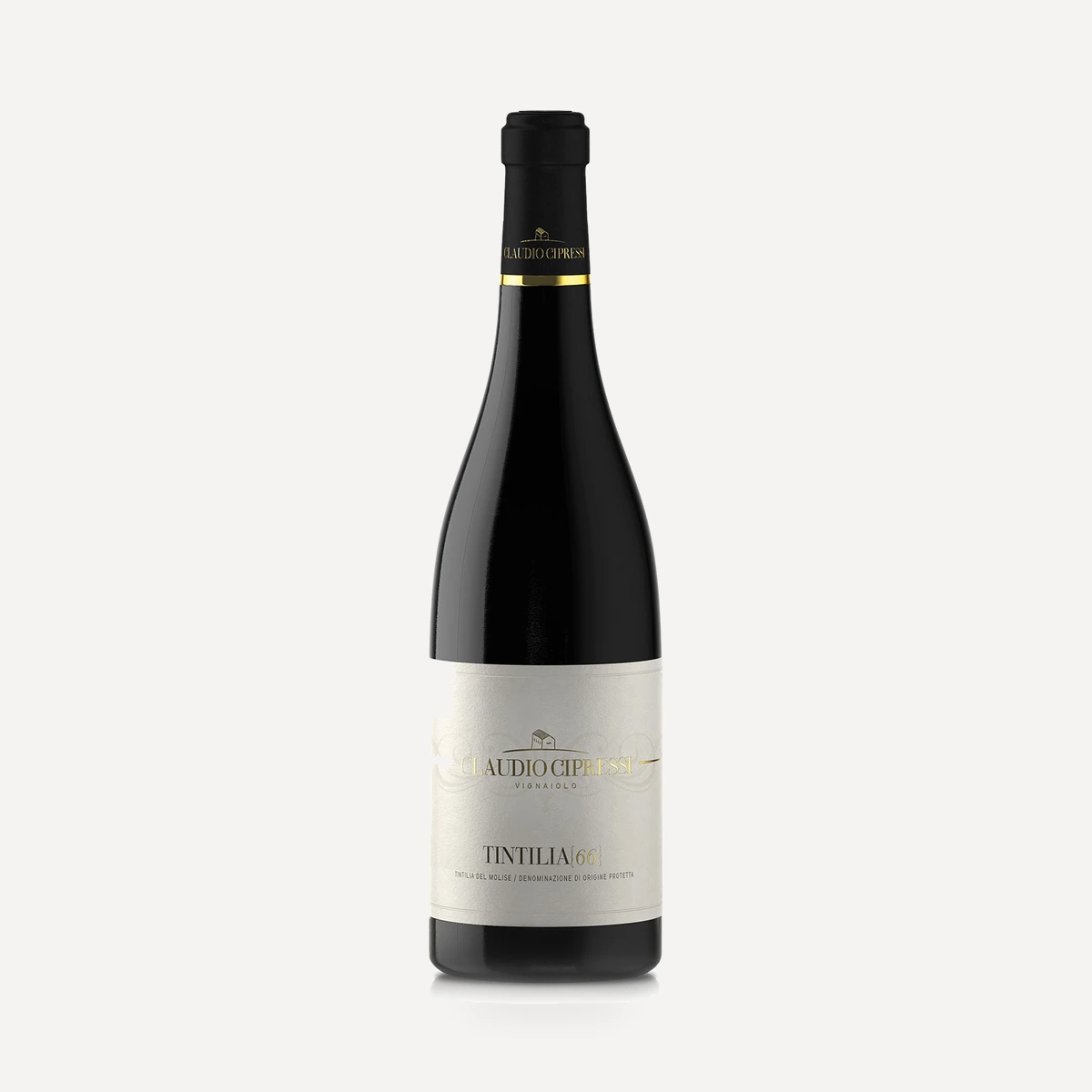
Tintilia 66