Storia
Origins in the 1990s
Catabbo began with an unexpected change of direction for Vincenzo. At the time, he worked in the wholesale trade of cereals and grain, an occupation that took him throughout Italy and abroad. After buying his first land on the slopes of San Martino in Pensilis, he found that its abundance of stones made it poorly suited to grain cultivation. This stony character gave rise to the name Contrada Petriera, the historic property on which the first Catabbo agricultural operation was established.
A chance conversation with an elderly farmer introduced Vincenzo to a few surviving plants of Tintilia, then a rare and largely forgotten local variety. In 1992, initially as an experiment, he planted 0.5 ha of Tintilia at Contrada Petriera. That first planting occupies a parcel on Colle Cervino and remains directly connected to the estate’s origins.
The formative journey to France
During another business journey, Vincenzo visited Bordeaux and then Burgundy. Although he encountered two different conceptions of wine, he saw in both regions the same meticulous attention to vineyard work. The experience crystallised his guiding principle: good wine had to begin in the vineyard. Catabbo consequently emerged from three connected experiences—the unsuitable grain land at Petriera, the encounter with the farmer preserving Tintilia and the lessons Vincenzo drew from France.
The family winery in 2004
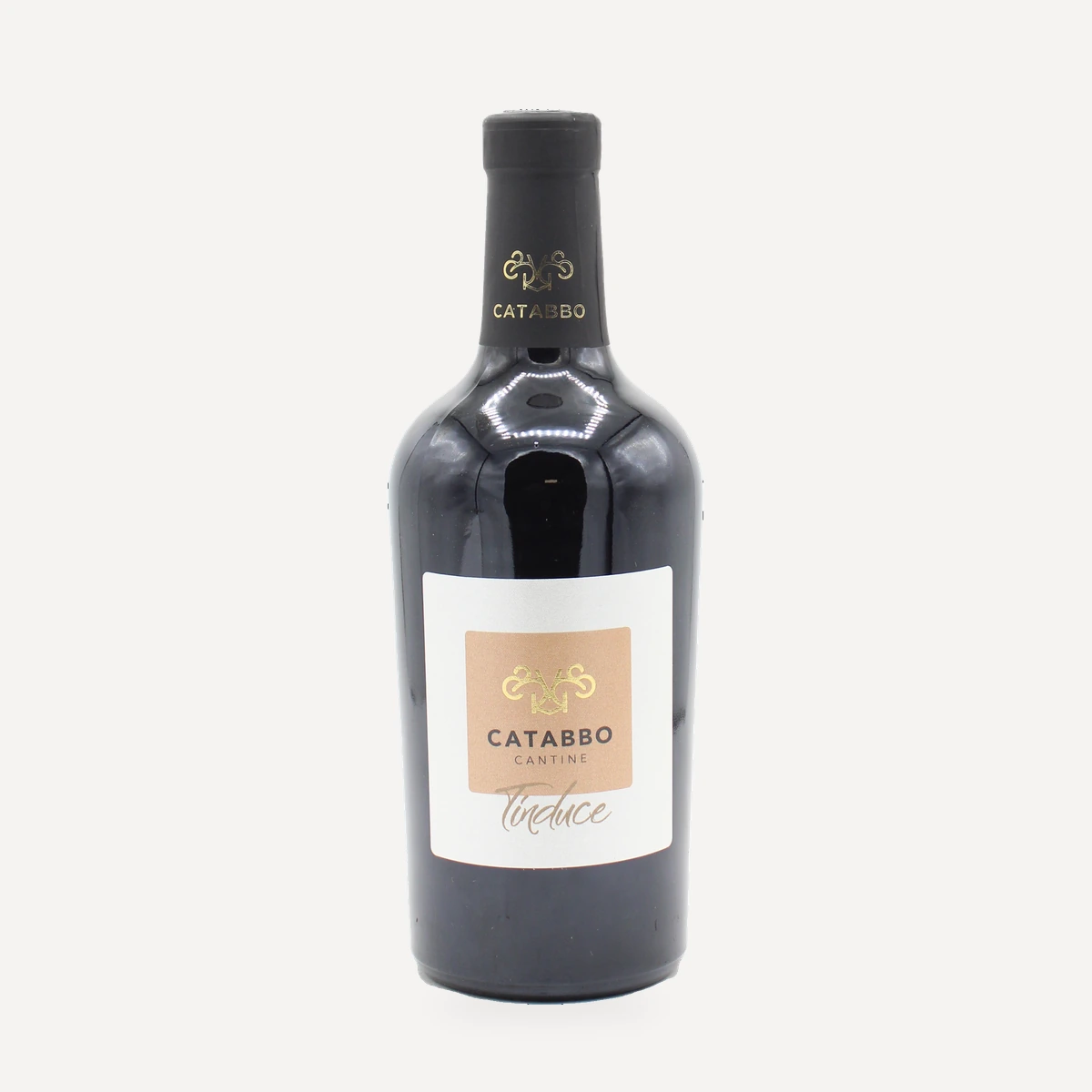
In 2004, encouraged by the interest and aptitude of his three children, Sara, Carla and Pasquale, Vincenzo redirected the enterprise toward estate wine production. The family created a modern cellar to vinify its own grapes and placed greater emphasis on wine quality. The recovery, cultivation and vinification of Tintilia became a central part of the project.
The first vintages of several enduring wines also date to 2004, including interpretations of Tintilia, Falanghina and Montepulciano. Further ranges followed: the Petriera wines began in 2005, Tintilia S in 2010, the bottle-refermented Ancestrale wines in 2019, and the amphora-aged wines in 2020.
Expansion across three organic estates
The agricultural holding developed into 80 ha, including 52 ha of vineyards divided among three certified-organic properties: the historic Tenuta di Contrada Petriera, Tenuta al Convento and Tenuta al Calvario. Their differing soils and local growing conditions allow Catabbo to cultivate Tintilia in three distinct environments and to produce several interpretations of the variety.
By 2020, vineyard care and modern vinification techniques had brought recognition in both Italian and international markets. The continuing direction combines the family’s original focus on vineyard quality with the preservation and exploration of Tintilia through steel, French oak, bottle refermentation and cocciopesto amphorae.
Terroir
Catabbo’s land lies on the slopes and low hills of San Martino in Pensilis in Molise. The agricultural holding covers 80 ha, of which 52 ha are vineyards, divided among three certified-organic estates. The technically described vineyard sites stand at approximately 300 m above sea level.
Tenuta di Contrada Petriera
The historic estate extends over a succession of hills and takes its name from its conspicuously stony ground. Its vineyards are generally described as medium-textured or medium-textured clay soils. Within the estate, individual sites show more specific characteristics.
Colle Cervino occupies one of Petriera’s more exposed slopes. The soil is stony, rich in potassium and capable of retaining substantial water, providing the vines with a continuing supply during dry periods. The historic 1992 Tintilia parcel also benefits from constant natural ventilation and an open exposure that supports slow, complete ripening.
Colle del Limone has stony, mineral-rich ground. The Falanghina planted here is also described in technical data as growing on medium-textured clay soil.
I Dieci Ettari is characterised by abundant pebbles, which promote drainage and help the Montepulciano grapes ripen evenly.
Tintilia Davanti Casa is a Tintilia plot within the historic Petriera property. It supplies grapes for rosé and bottle-refermented interpretations of the variety.
Tenuta al Convento
Tenuta al Convento stands in the historic agricultural area once known as Vaccareccia. Its most recent Tintilia plantings occupy calcareous, nutrient-rich soils; the technical profile of the amphora-wine parcel further classifies the ground as medium-textured clay. The vineyard lies at approximately 300 m.
Tenuta al Calvario
Selected Tintilia parcels at Tenuta al Calvario have richer, more compact, medium-textured clay soils with plentiful calcium and magnesium. This composition is associated with balanced vine growth. Another Calvario Tintilia site used for late-harvest grapes is described as calcareous and rich in nutrients.
Tintilia is cultivated in all three pedoclimatic settings. Catabbo treats their differences as a means of developing distinct expressions of the same variety.
Vinificazione
All three agricultural estates—Tenuta di Contrada Petriera, Tenuta al Convento and Tenuta al Calvario—are certified organic. Together they contain 52 ha of vineyards within an 80 ha holding.
Spur-pruned cordon is the principal training system, including low cordon for many of the still wines. Reported planting densities range from 4,400 to 4,500 vines/ha. Site-specific yields range from 50–70 q/ha for selected Tintilia parcels, 55–60 q/ha for the historic reserve selection, 60–70 q/ha for other Tintilia sites, 70–80 q/ha for Falanghina, 90–100 q/ha for Montepulciano and the white Petriera blend, and 100–120 q/ha for the red Petriera blend. The Ancestrale parcels are cropped at approximately 2 kg per vine.
Harvesting is manual throughout the documented range. White and rosé grapes may be picked from the beginning to the middle of September; Tintilia is generally gathered from early to late September according to site and intended style. Montepulciano from I Dieci Ettari is picked in the final week of September. The historic Colle Cervino reserve selection is harvested later to increase aromatic concentration and structure. Tintilia intended for the passito remains on the vine for slow dehydration and is harvested during the second ten days of November, after which drying continues on racks.
Manual selection is specifically practised at I Dieci Ettari, where the best Montepulciano bunches are chosen. The combination of organic certification, vineyard-specific harvesting and multiple expressions of Tintilia reflects the estate’s emphasis on differentiation among its three growing environments.
A modern cellar for processing estate-grown grapes was created in 2004. Production combines temperature-controlled stainless steel, French oak, bottle refermentation and cocciopesto amphorae.
Reception, pressing and fermentation
All documented grapes are hand harvested. Stainless steel is the principal fermentation vessel. White-wine fermentations are conducted at approximately 15–18°C and generally last 10–20 days. Red-wine fermentations are typically maintained at 25–28°C for 15–20 days.
For rosé, one method keeps the must in contact with the skins for 12 hours before gentle pressing and temperature-controlled fermentation in steel. The Charmat sparkling rosé is produced by gently pressing whole Tintilia bunches, statically settling the must and conducting controlled fermentation in stainless steel before refermentation in autoclave.
The Ancestrale wines are made by direct pressing of manually harvested Falanghina or Tintilia. The must ferments at low temperature and is bottled with enough residual sugar to initiate a second fermentation. Fermentation is spontaneous with indigenous yeasts. These wines are neither disgorged nor filtered and receive no artificial intervention; they remain in bottle for at least four months.
Steel, oak and bottle maturation
Steel maturation ranges from three or four months for fresh white and rosé styles to six or twelve months for selected reds. A Montepulciano program matures for approximately 14 months, with about 30% of the wine going into French-oak barriques. Selected Tintilia matures for 14 months in French barriques, while the historic reserve selection spends 24 months in medium-toast French-oak barriques followed by approximately six months in bottle.
Bottle refinement varies by style, from approximately two months to at least four months, with longer refinement for the reserve selection. The Charmat rosé spends about three months on its lees and five months on the yeasts following autoclave refermentation.
Amphora maturation
Falanghina is fermented in steel and matured for two months in amphora, followed by four months in bottle. Tintilia from Tenuta al Convento is vinified in steel at 25–28°C for 15–20 days, then matures for eight months in porous cocciopesto amphorae and a further two months in bottle. The amphora program is intended to preserve fruit purity and aromatic precision while permitting gradual, low-interference evolution.
Passito production
Tintilia for the passito undergoes slow drying on the vine, followed by further drying on racks. Fermentation proceeds very slowly in steel, beginning at approximately 4–5°C to favour aromatic extraction and being stopped near 18°C before all sugar is converted into alcohol. The current program matures the wine for three months in medium-toast French-oak barriques and approximately four months in bottle.
Filosofia
Catabbo’s founding principle is that good wine begins in the vineyard. Vincenzo formed this view after observing the meticulous treatment of vines in both Bordeaux and Burgundy, despite the different wine cultures of the two regions.
The family project combines close vineyard care with modern cellar techniques. Its central purpose is the recovery and continuing interpretation of Tintilia, a variety that was close to disappearing from Molise. Rather than treating the grape as a single uniform expression, Catabbo cultivates it across three distinct pedoclimatic settings and explores the resulting differences through steel, French oak, natural bottle refermentation, late harvesting and amphora maturation.
The estate presents its approach as a balance between local identity and technical development: an indigenous grape and family history remain at the centre, while modern vinification and alternative maturation vessels are used to express individual sites. Organic certification across all three estates extends that vineyard-focused approach to the wider agricultural holding.
Vini
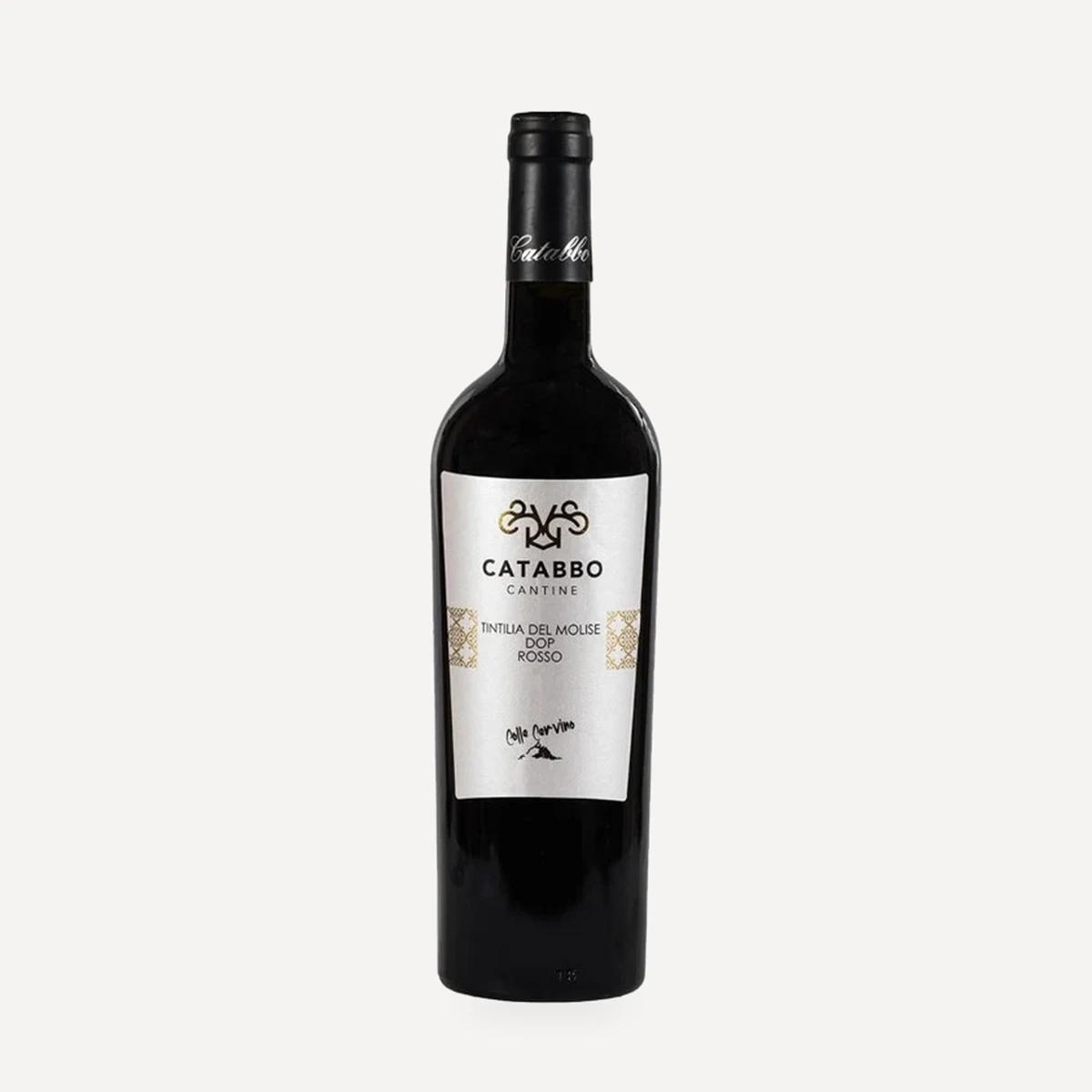
Colle Cervino – Tintilia del Molise Rosso DOP
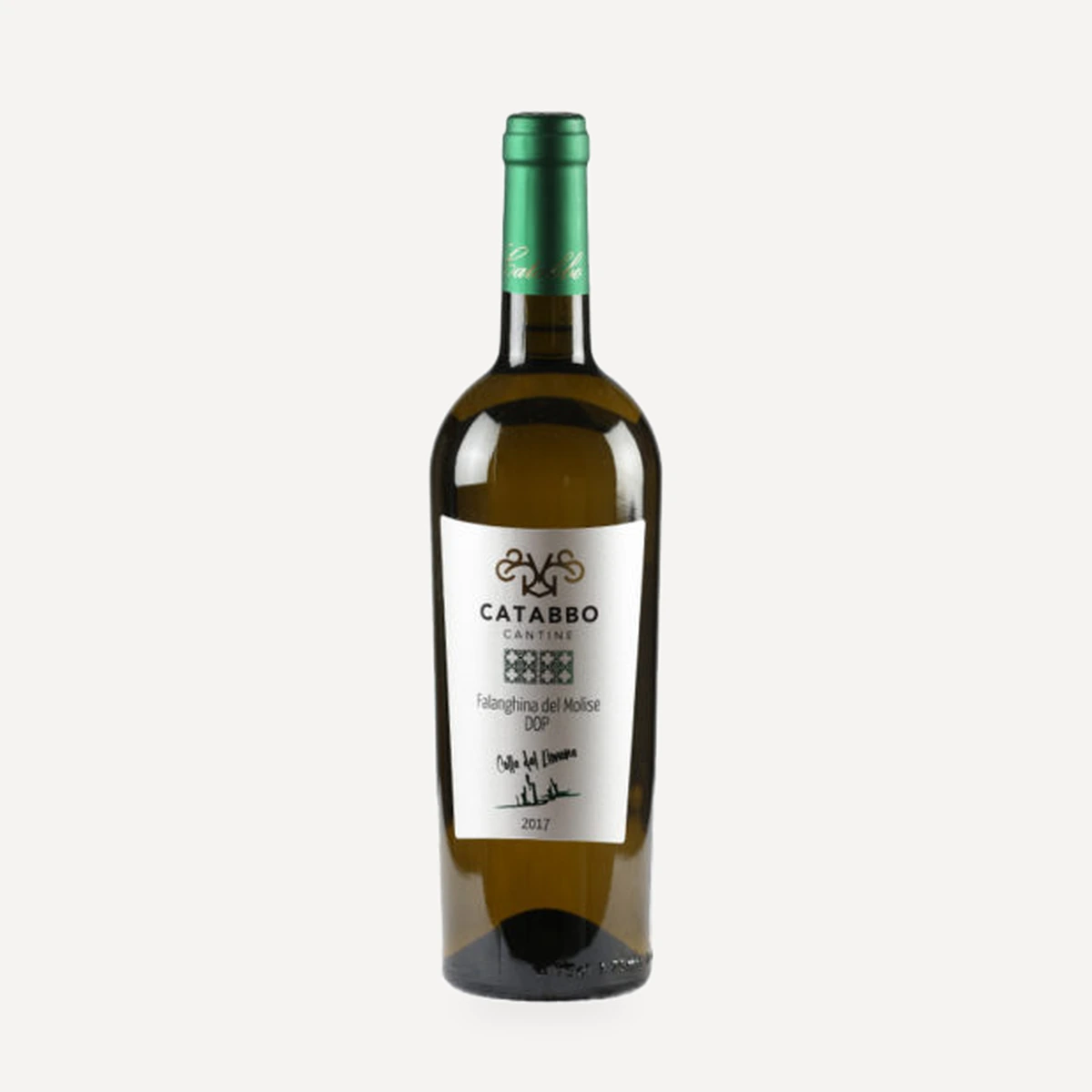
Colle del Limone – Falanghina del Molise DOP
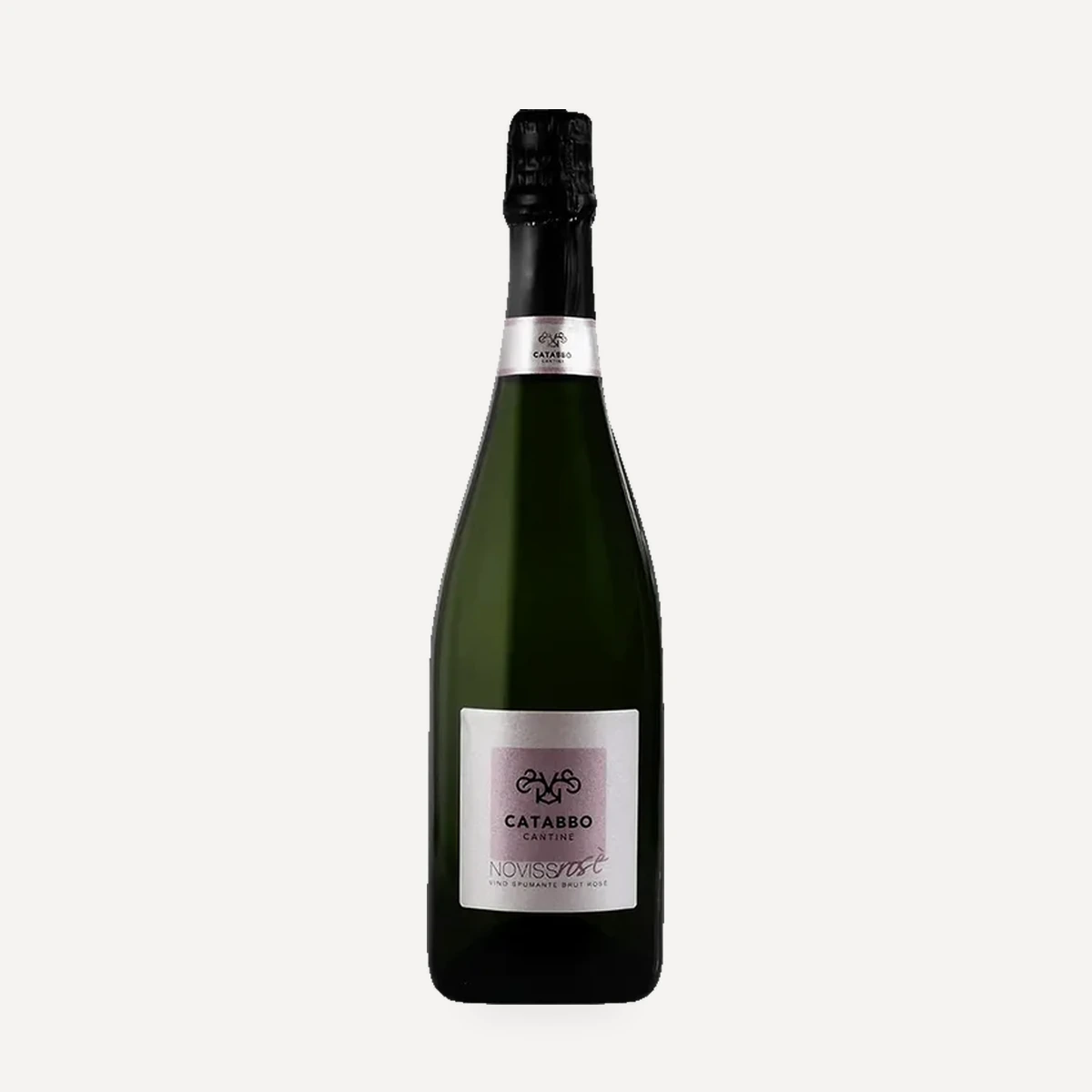
Noviss Rosè
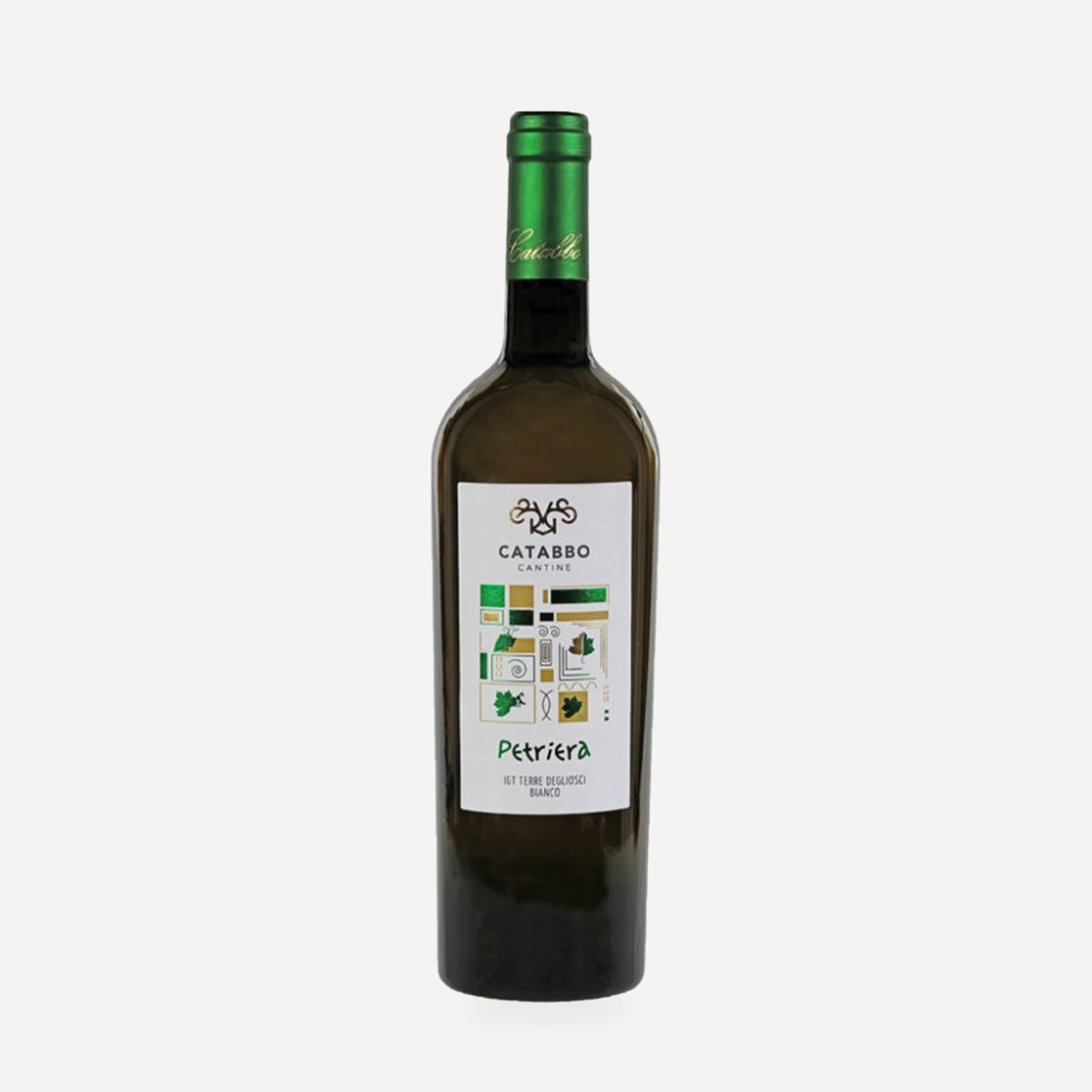
Petriera Bianco
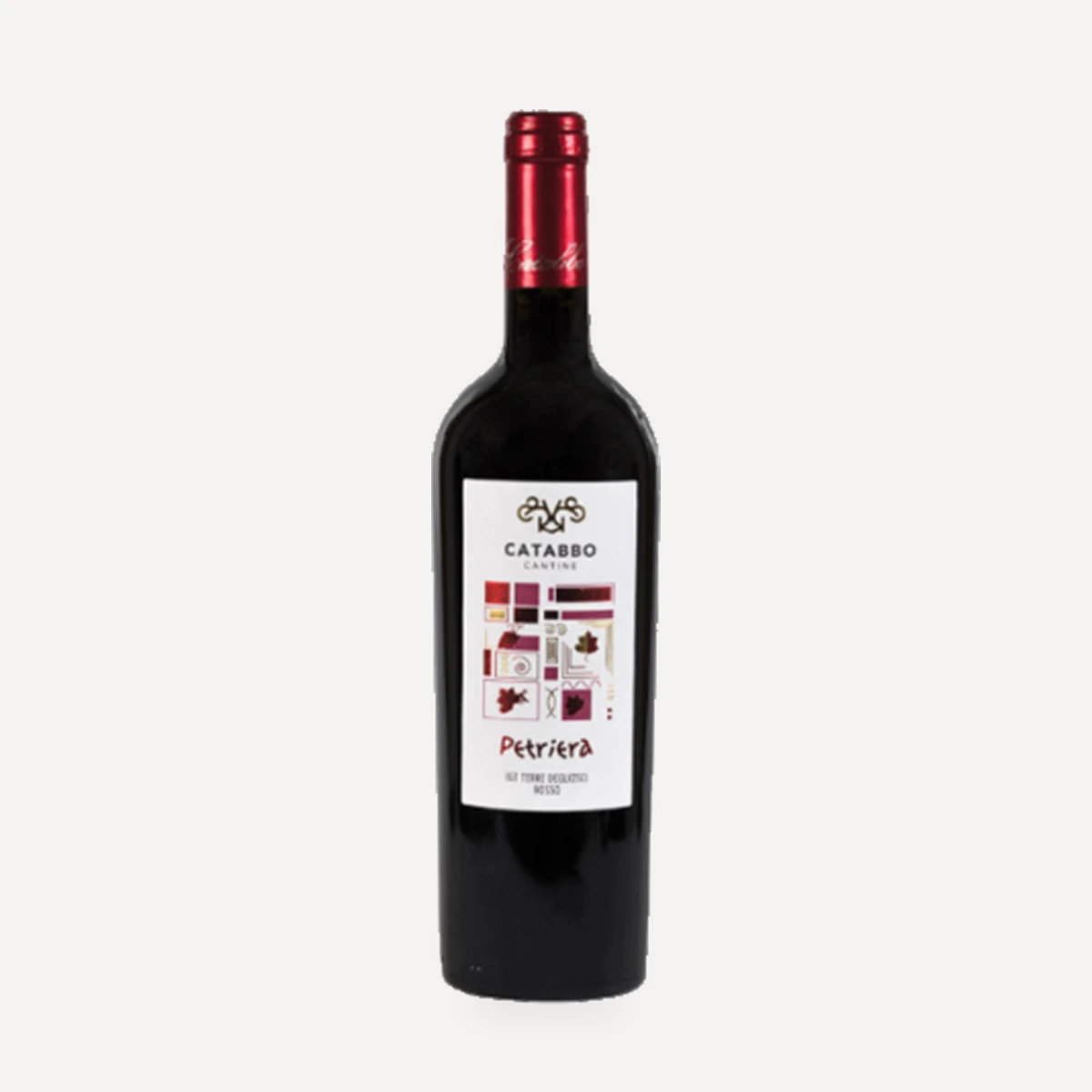
Petriera Rosso
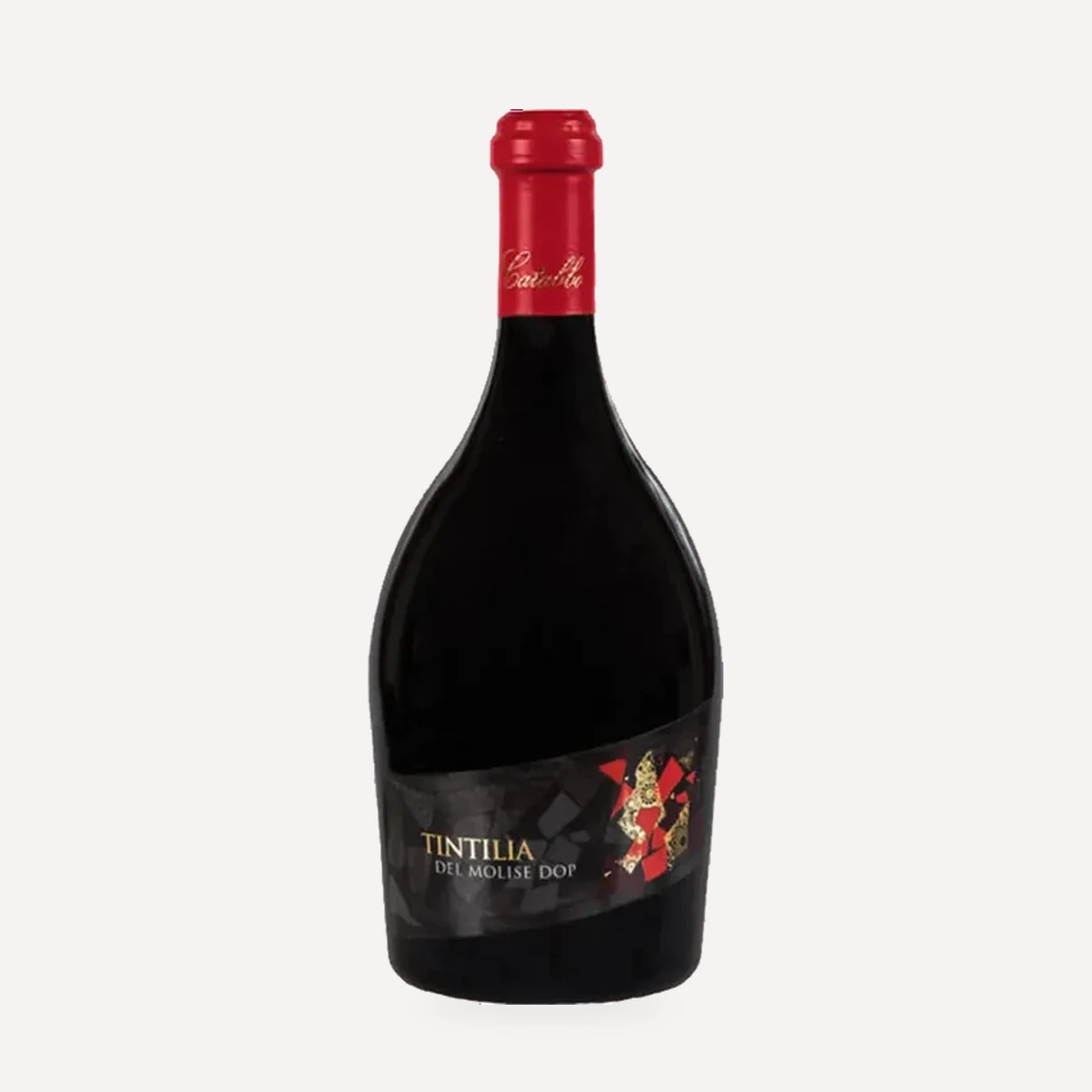
Tintilia S
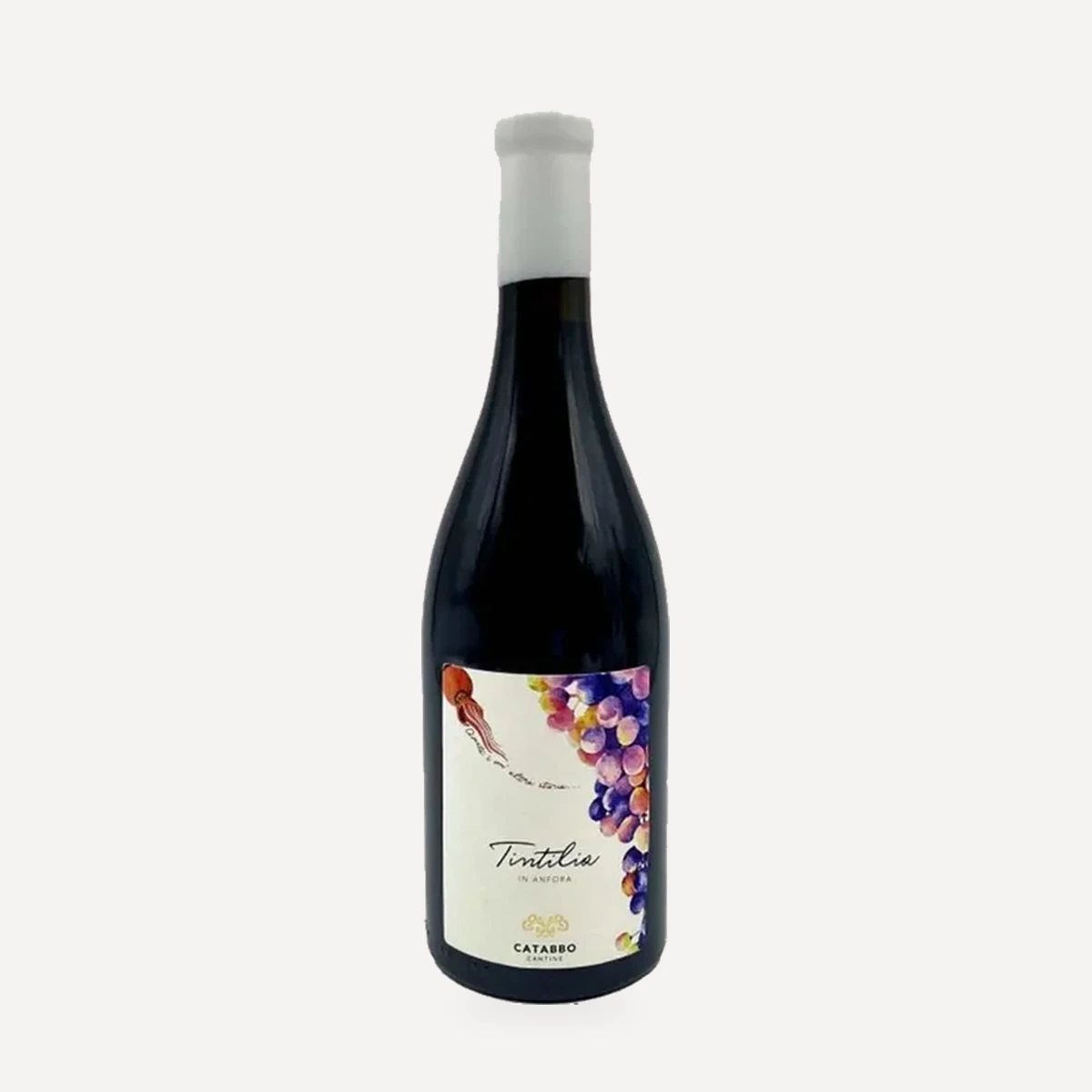
Tintilia in anfora