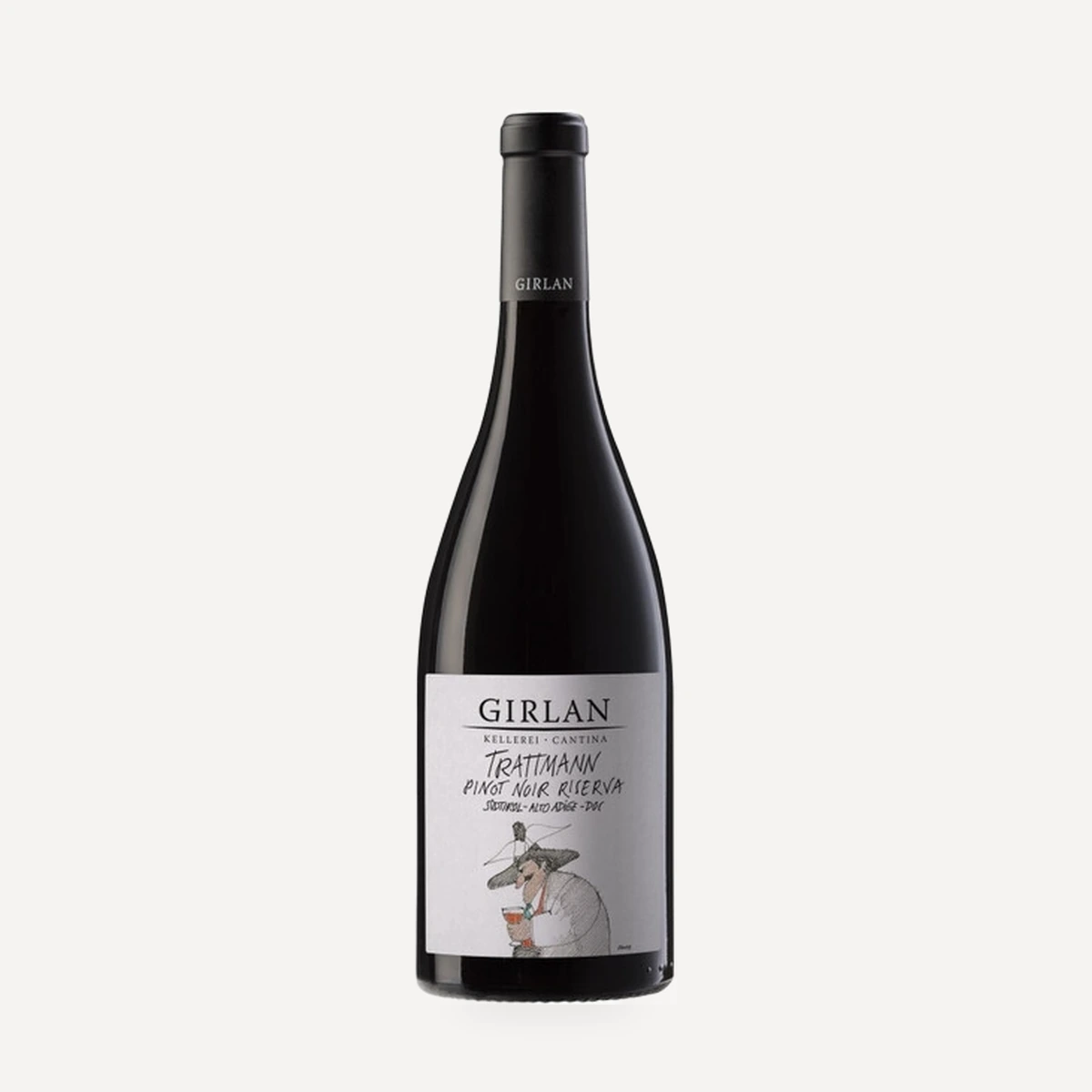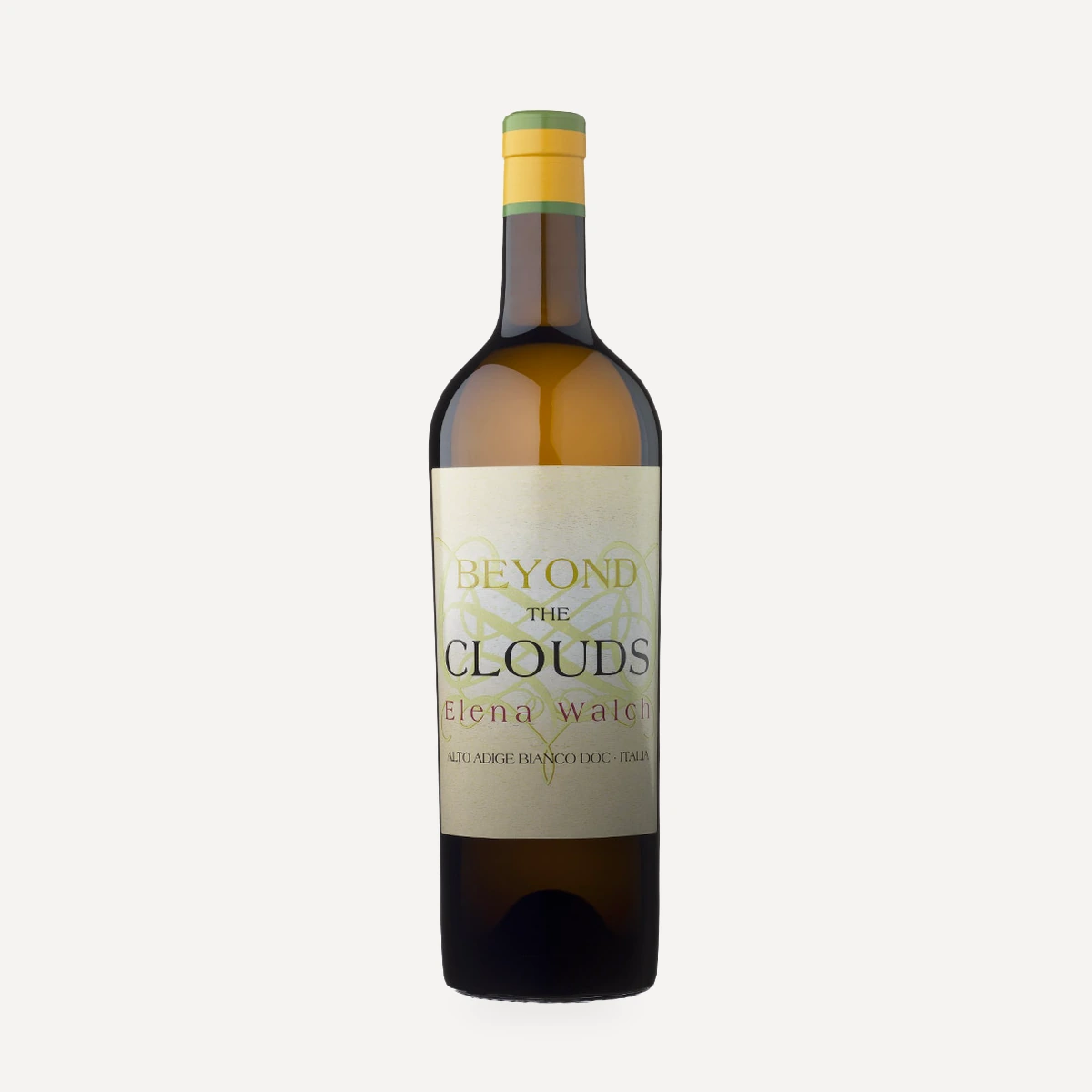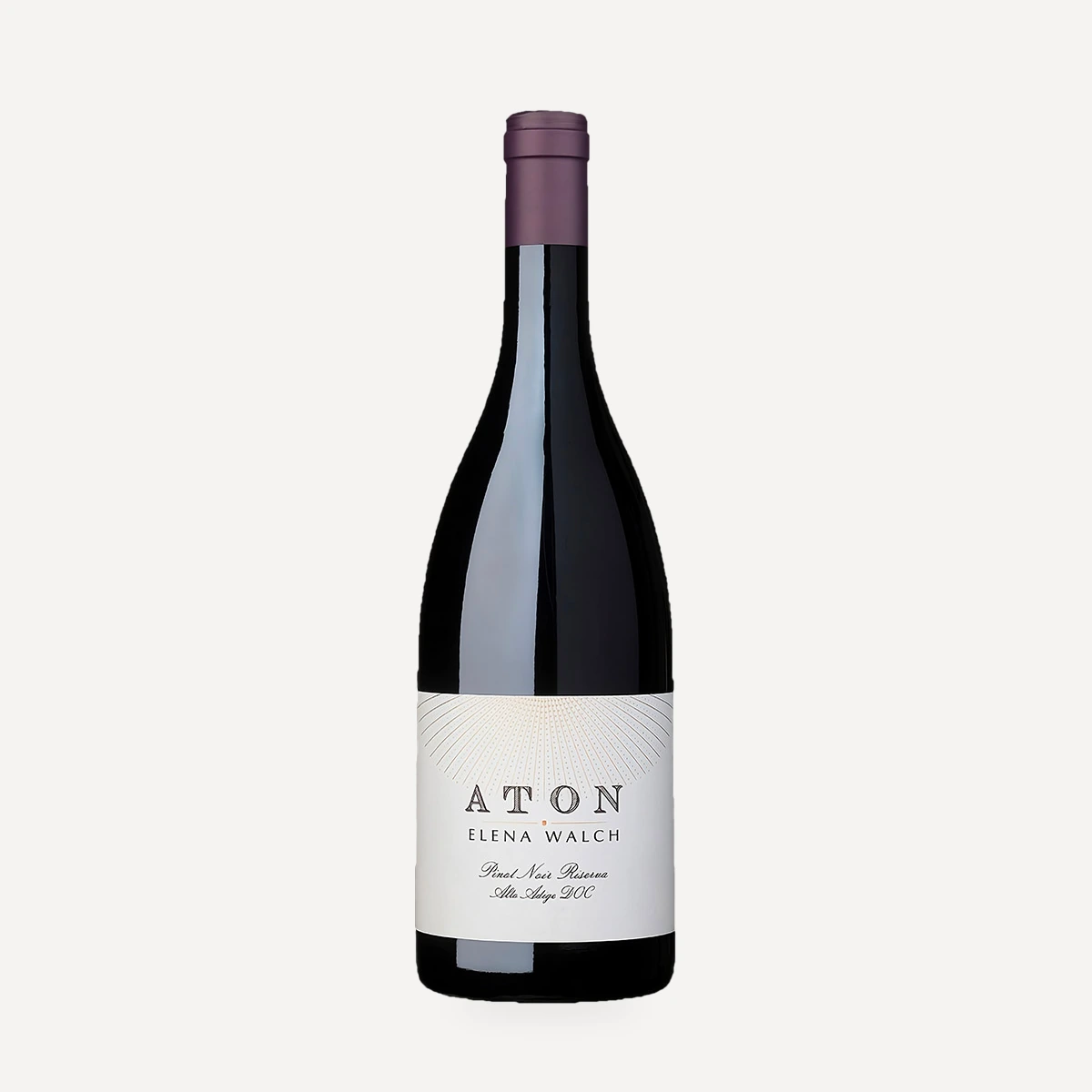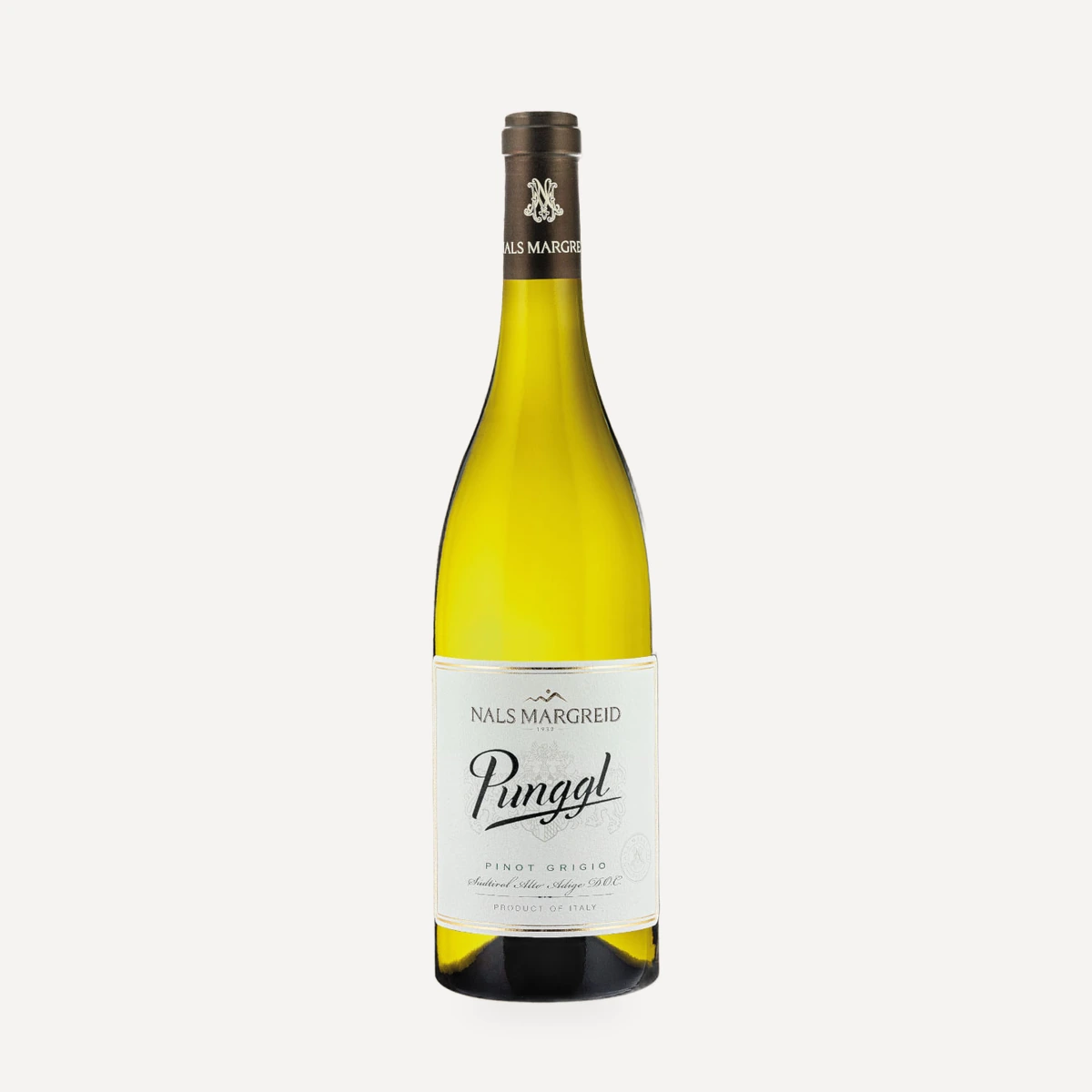
Questo vino
Vineyard and terroir
MCM is sourced from the old Punggl vineyard at the southern foot of the Magrè talus cone. The site, whose dialect name is associated locally with sought-after winegrowing land, was planted to Merlot by the owners of the Hirschprunn Estate in 1957. It remains the cornerstone of the wine. Only the highest-quality grapes are selected each year from vines now approaching 70 years of age.
Grapes
100% Merlot.
Ageing
RARUM assembles mature vintages to reveal differences in style, development and ageing potential. The limited selection is presented in a wooden case with a bottle opener.
Vintage notes
The RARUM 2022 selection contains the 2003, 2004, 2008, 2009, 2011 and 2013 vintages. The wine has been shaped by changing climatic conditions over several decades, with each vintage recording a distinct growing season and the winemaking response to it.
Label / history
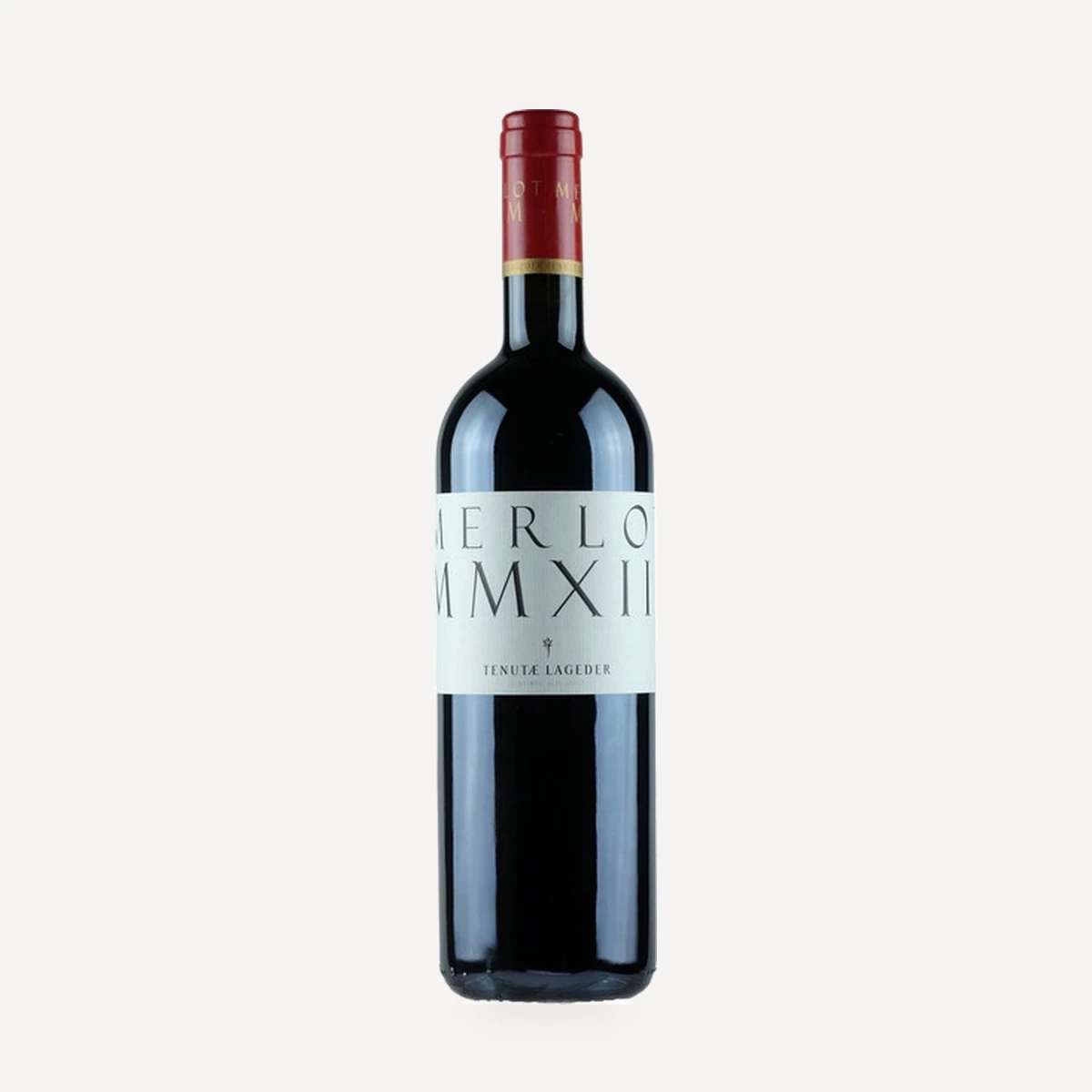
In 1995, the Punggl vineyard produced Merlot of exceptional quality. Although initially destined for the CASÒN Rosso blend, the fruit prompted then-head winemaker Luis von Dellemann to bottle it as a varietal wine, creating MCM. It has always been made exclusively from Merlot grown in the estate’s oldest vineyard.
The wine was rebranded in 2020 with the suffix “LVII”, commemorating the vineyard’s planting year of 1957. “VECCHIE VITI” was added to emphasize the age of the vines.