Storia
The historic family residence
The winery occupies the old family residence in the centre of Kurtatsch. Its oldest surviving fabric dates from the Gothic period, and the building was enlarged substantially during the Renaissance. A south-facing wing was added in 1708.
Acquisition and enlargement of the estate
In 1783, the family's ancestor Johann Mathias von Kager zu Mayregg und Entiklar acquired the Kurtatsch property. The south wing gained two additional storeys in 1860. The last historically significant alteration to the residence took place in 1904.
The family moves to Kurtatsch
The family's branch remained based in Margreid until 1905, when it moved into the Kurtatsch property. Agriculture continued alongside winegrowing, which became the family's principal agricultural pursuit over successive generations.
Acquisition of Auhof
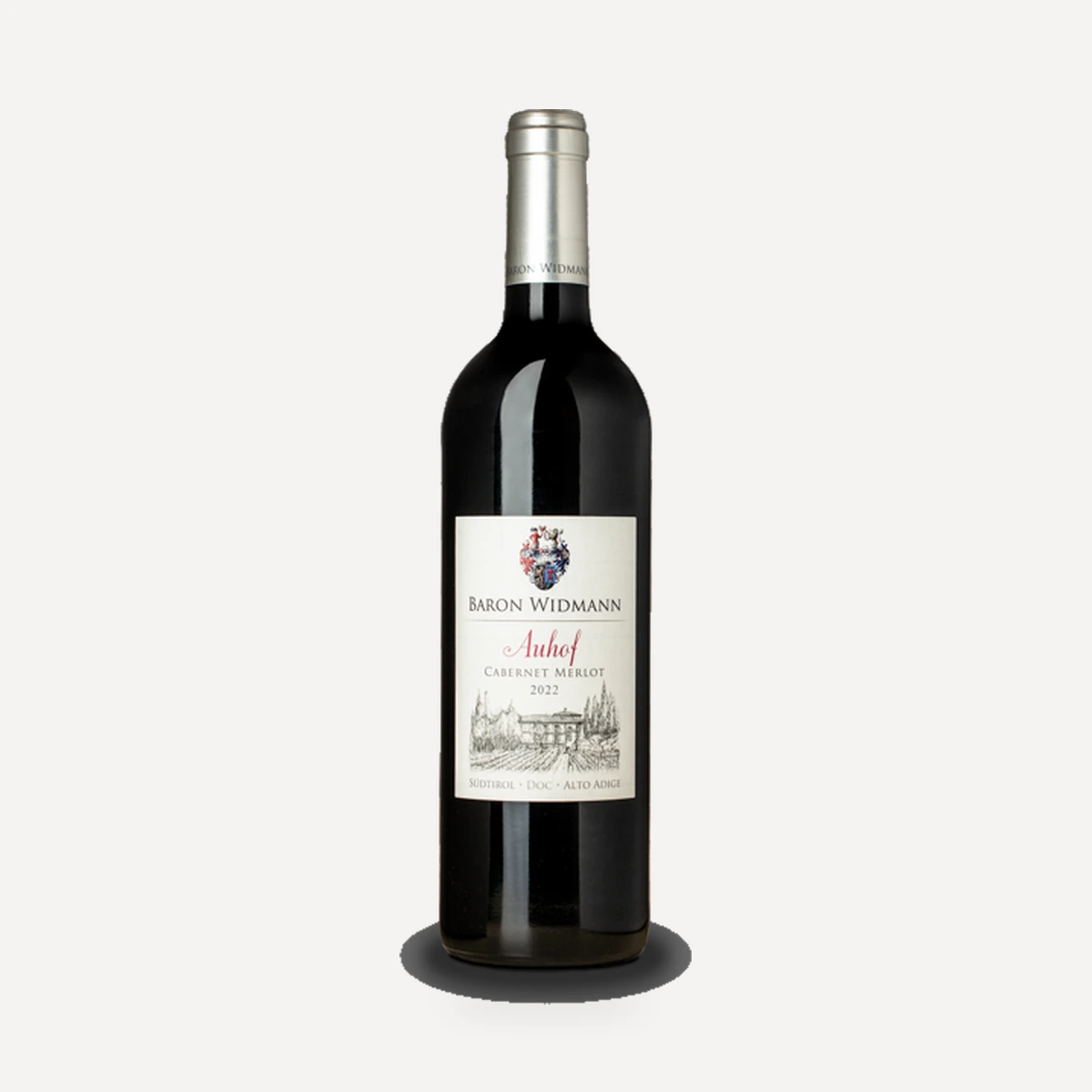
In 1954, the family purchased Auhof in Entiklar from Baronin Salvadori. Vineyards around this farm became an important centre for Schiava and the Bordeaux varieties Merlot, Cabernet Franc and Cabernet Sauvignon, as well as the production of wine and fruit vinegars.
Changes in vine training
During the 1960s, the family began replacing the traditional pergola system with Guyot training. The simple pergola was retained for Schiava, while Guyot became the principal system for the other varieties. Some Auhof plantings are also trained to spur-pruned cordon.
The Nockerisch archaeological discovery
Clearing work in the family-owned Nockerisch vineyard uncovered Roman-period objects in 1977. Extensive archaeological excavations followed. Among the finds were wooden remains from a grapevine; associated coins allowed the material to be dated to approximately AD 300.
Terroir
The vineyards occupy a broad vertical range on the slopes around Kurtatsch, extending from approximately 220 m near the valley floor to 610 m at the highest farmstead. The terrain is varied, and the slopes are predominantly steep, with differences in altitude, aspect and soil from site to site.
The warmer positions are used chiefly for Schiava and the Bordeaux varieties Merlot, Cabernet Franc and Cabernet Sauvignon. Sulzhof in Penon is the highest farmstead and is planted exclusively with white-wine varieties.
Several distinct soil formations are represented. Sulzhof has calcareous gravel with a clay component. Drummen has clay-rich soil formed through the decomposition and erosion of calcareous marl strata. Nockerisch and Oberes Feld have a high proportion of limestone gravel with inclusions of loamy sand. Auhof lies on moraine deposits and late-glacial slope debris, dominated by dolomite and accompanied by varied minerals carried from the catchment of the Adige glacier.
Vinificazione
The family began converting its traditional pergola-trained vineyards to Guyot during the 1960s. The simple pergola remains specifically associated with Schiava, including the older vines at Nockerisch and Oberes Feld. Guyot is used for the white varieties and Petit Manseng, while both Guyot and spur-pruned cordon occur in the Cabernet Sauvignon, Cabernet Franc and Merlot plantings at Auhof.
Varieties are matched to differences in soil, elevation and aspect. The warmer sites are used principally for Schiava and the Bordeaux varieties; the highest farmstead, Sulzhof, is reserved for white varieties. Stated yields in the current parcel descriptions range from 42 hl/ha for Gewürztraminer and the Auhof Bordeaux varieties to 80 hl/ha for the old pergola-trained vines used for rosé.
The cellar is housed in the historic family residence in the centre of Kurtatsch and processes the estate's own fruit into quality wines.
The current range demonstrates a varied, site- and variety-dependent cellar regime. Alcoholic fermentation takes place in stainless-steel tanks, large oak or acacia casks, wooden vats and, for some lots, barriques. White wines may remain on their full lees for eight to twelve months, with weekly bâtonnage used for selected lots. Red-wine production includes fermentation in stainless steel or wooden vats, followed by malolactic fermentation and maturation in large oak casks or barriques; the barrique-aged Cabernet–Merlot selections mature for twelve months. Skin fermentation is used for the Petit Manseng orange wine, which subsequently matures in clay amphora. Rosé production includes a two-hour period of skin contact, pressing of the entire grape mass, and fermentation and maturation in stainless steel.
Filosofia
The estate presents the diversity of soils, elevations and exposures across its predominantly steep vineyards as the foundation of its work. Its central principle is to place each grape variety in the site considered most suitable, drawing on long family experience rather than treating the vineyards as interchangeable.
This approach reserves the warmer positions principally for Schiava and the Bordeaux varieties, while the highest farmstead is devoted exclusively to white grapes. The estate also links its understanding of quality to continuity: the move toward Guyot began in the 1960s, but the traditional pergola was deliberately retained for Schiava. All estate grapes are intended for quality-wine production.
Vini
Auhof
Baronesse
Cuvée STAFFELFELD
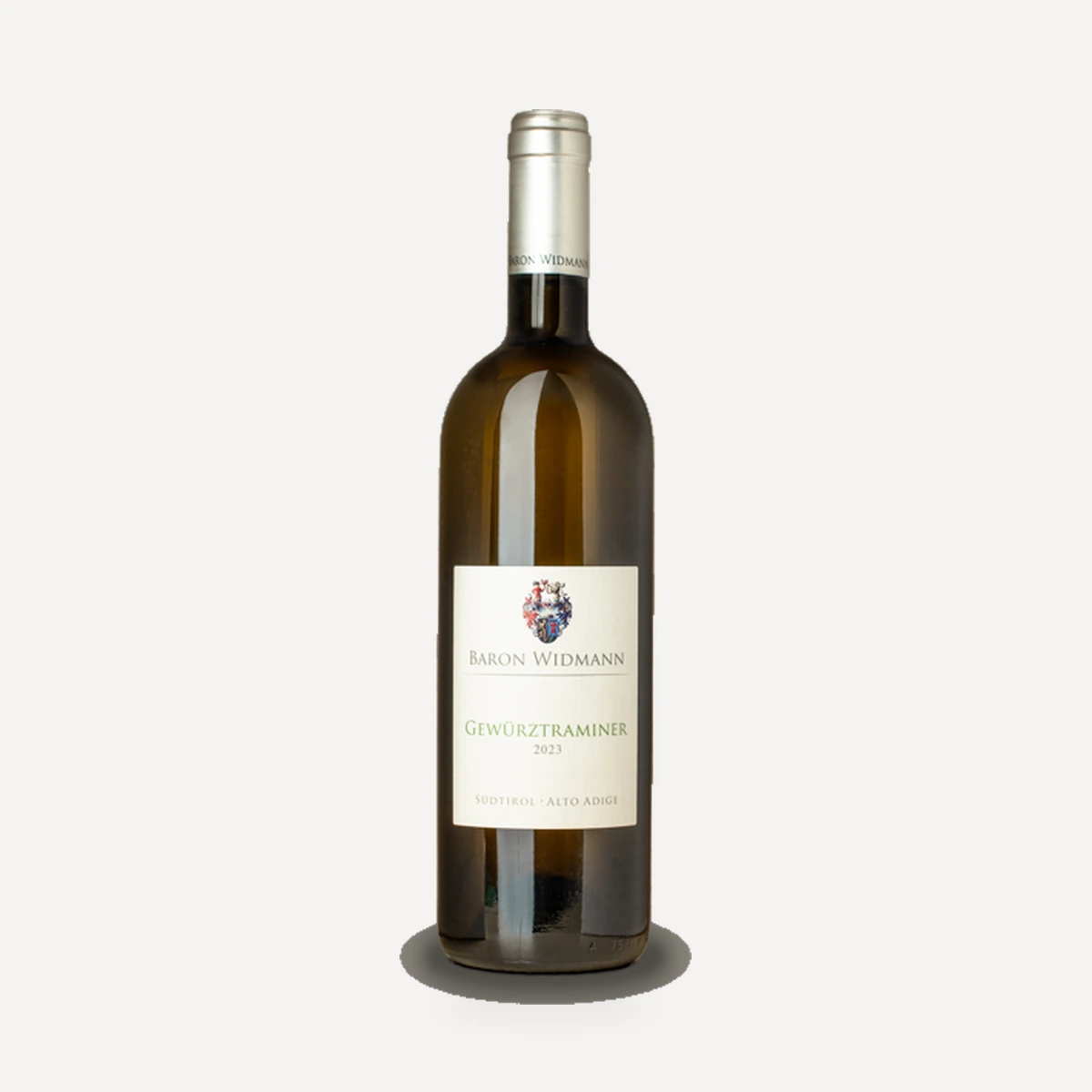
Gewürztraminer
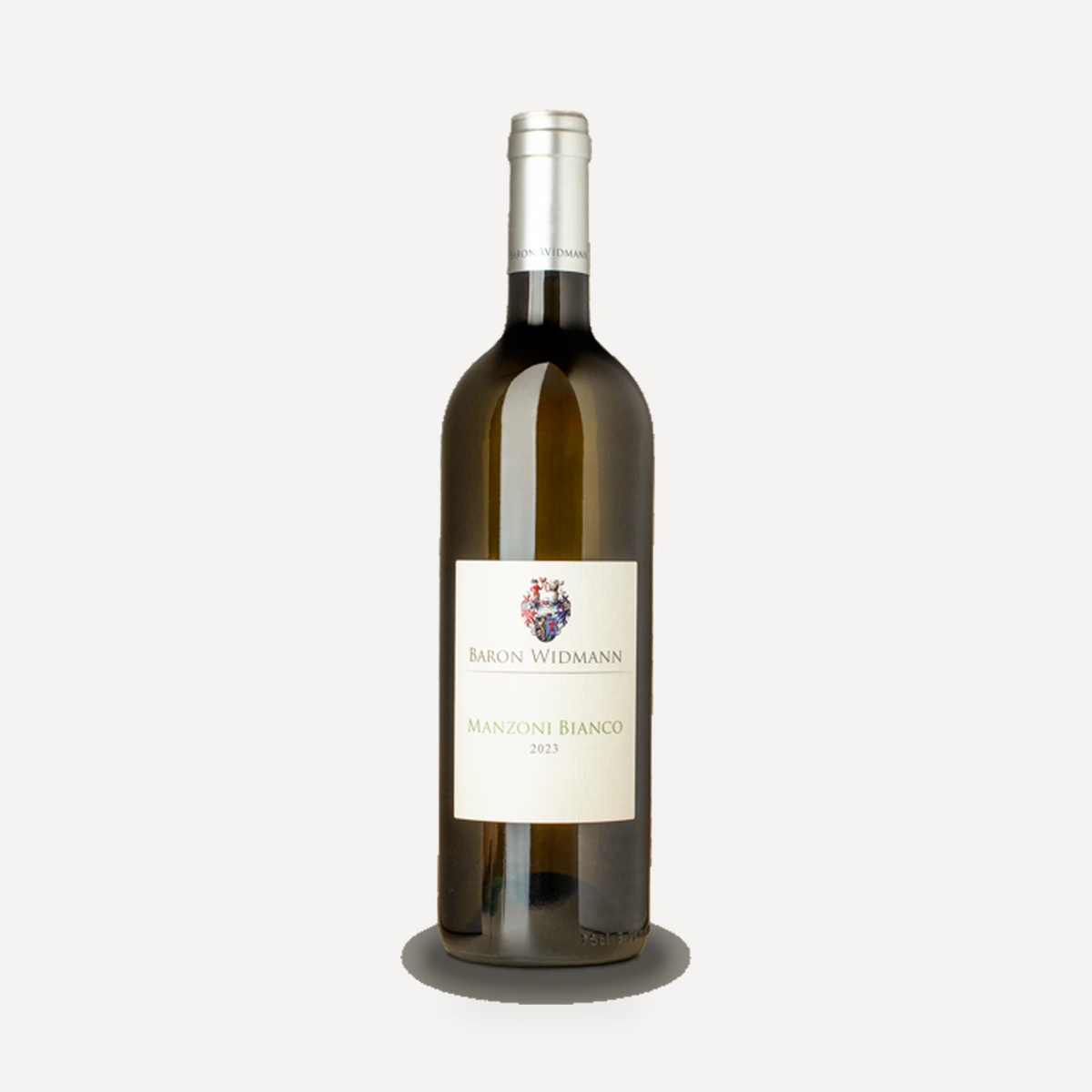
Manzoni Bianco
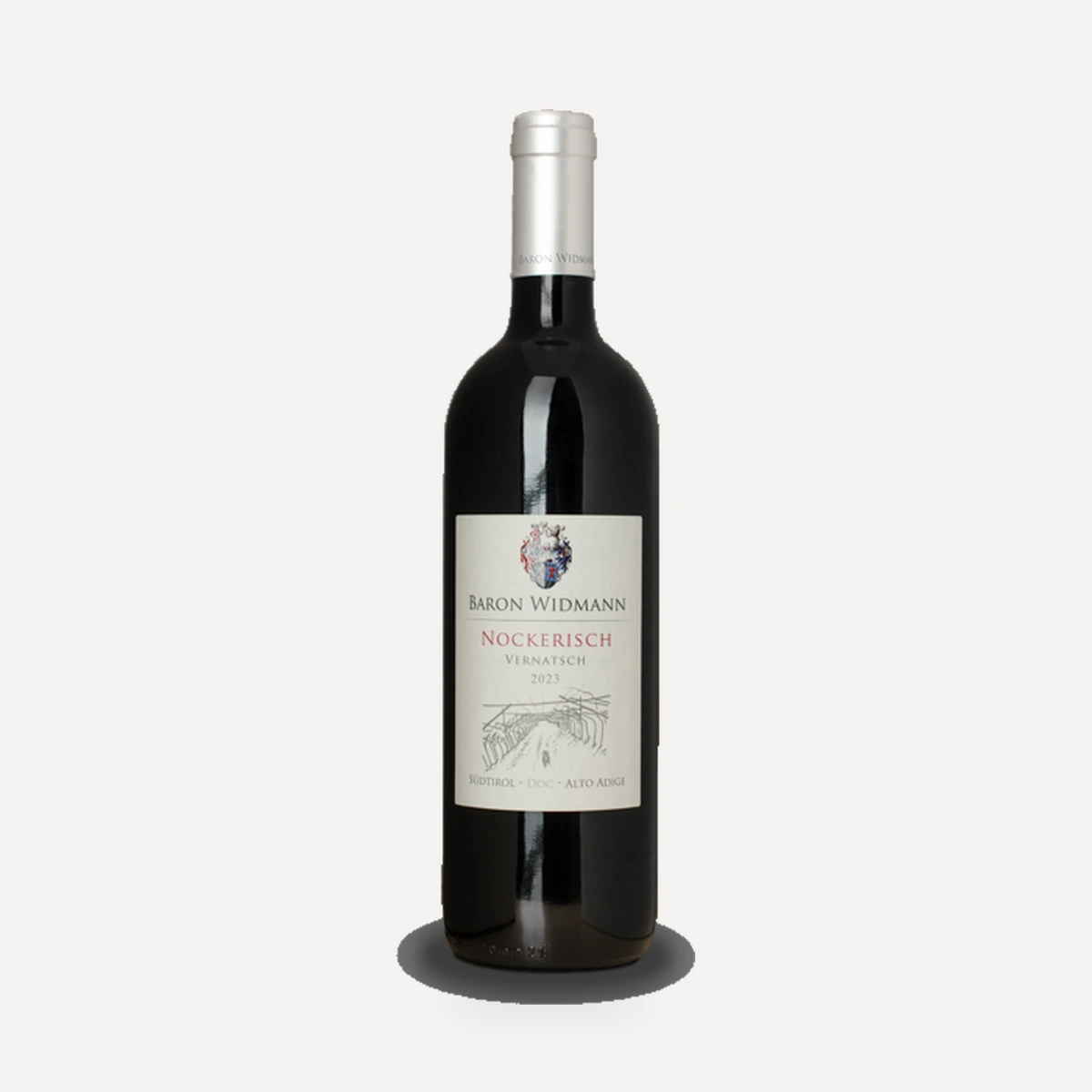
Nockerisch
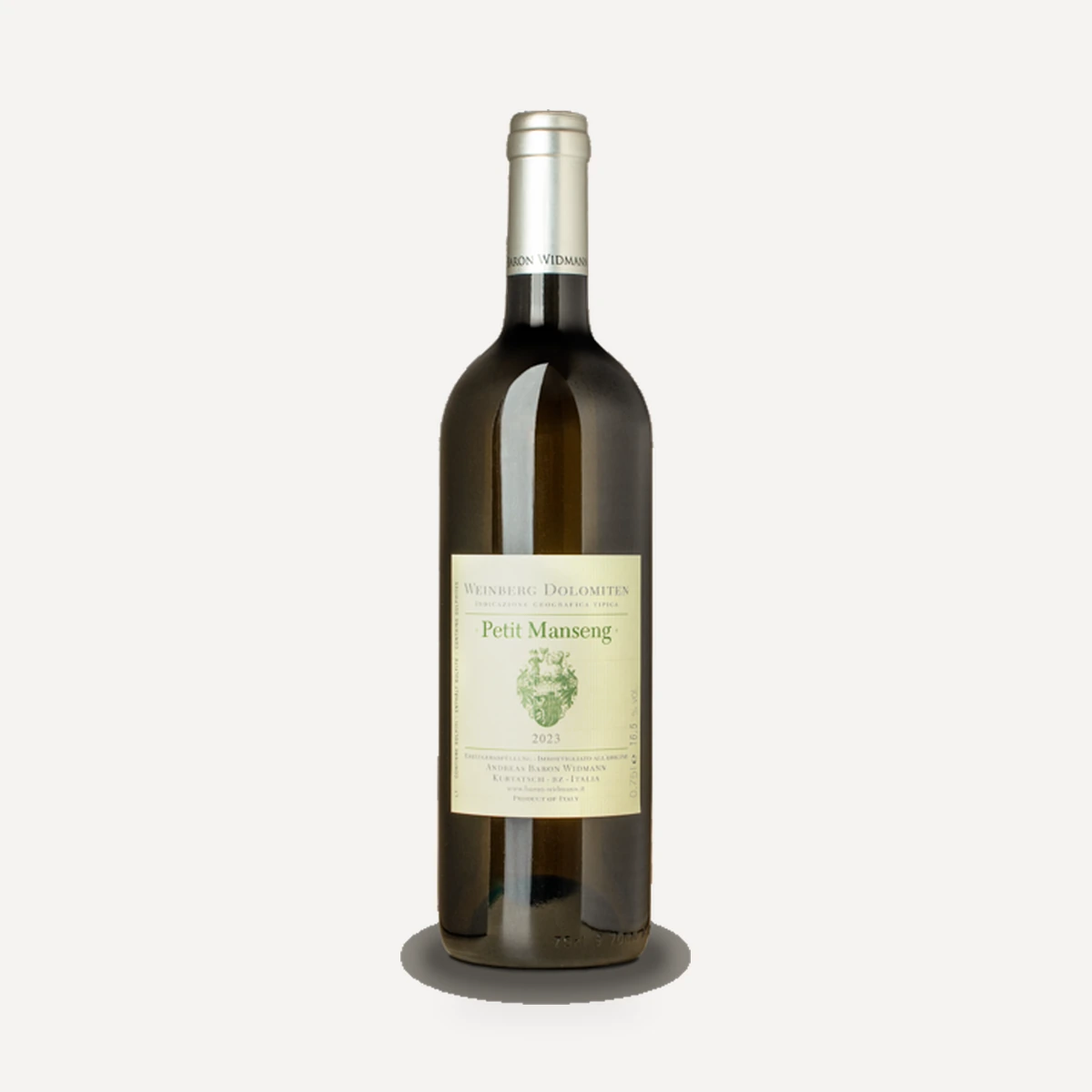
Petit Manseng
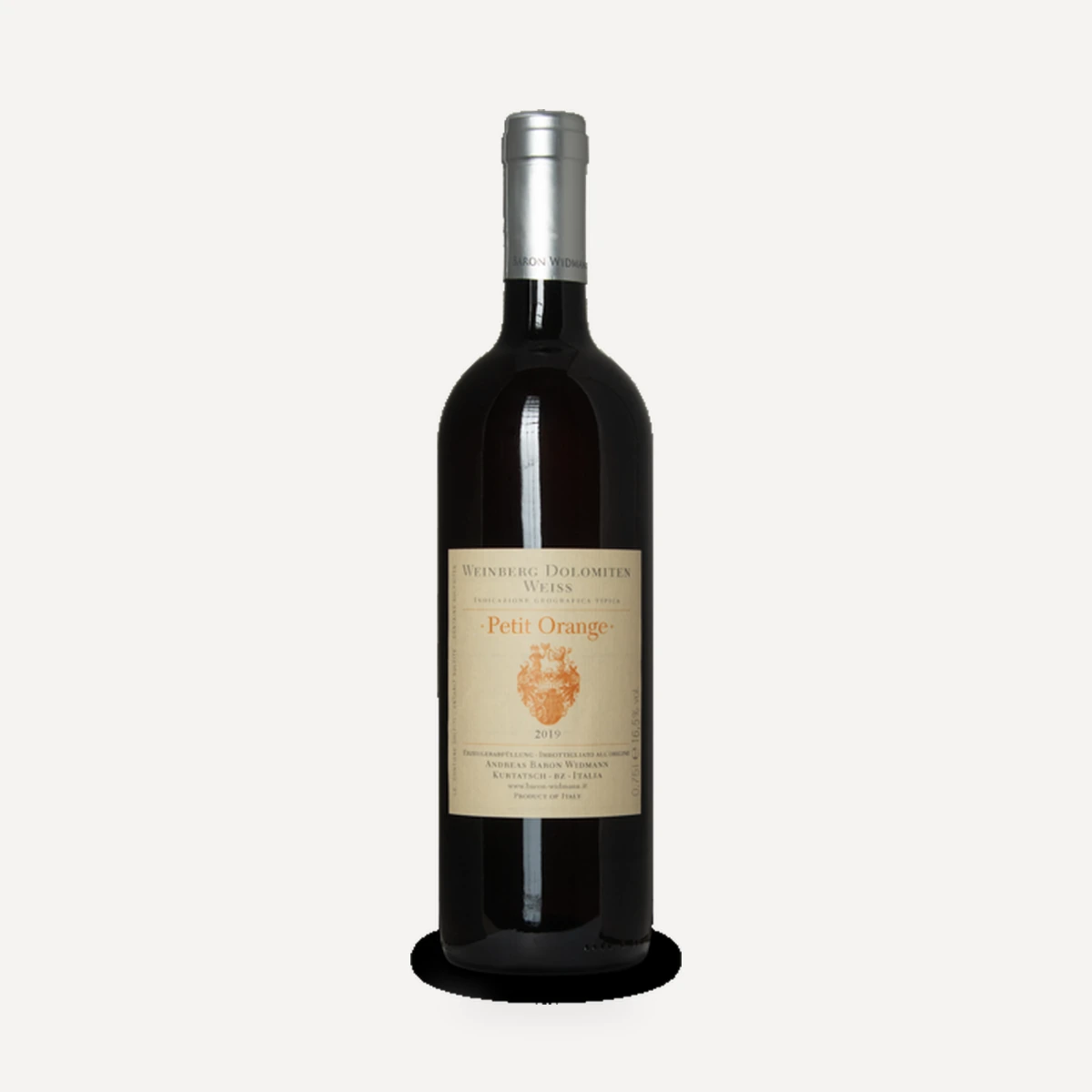
Petit Orange
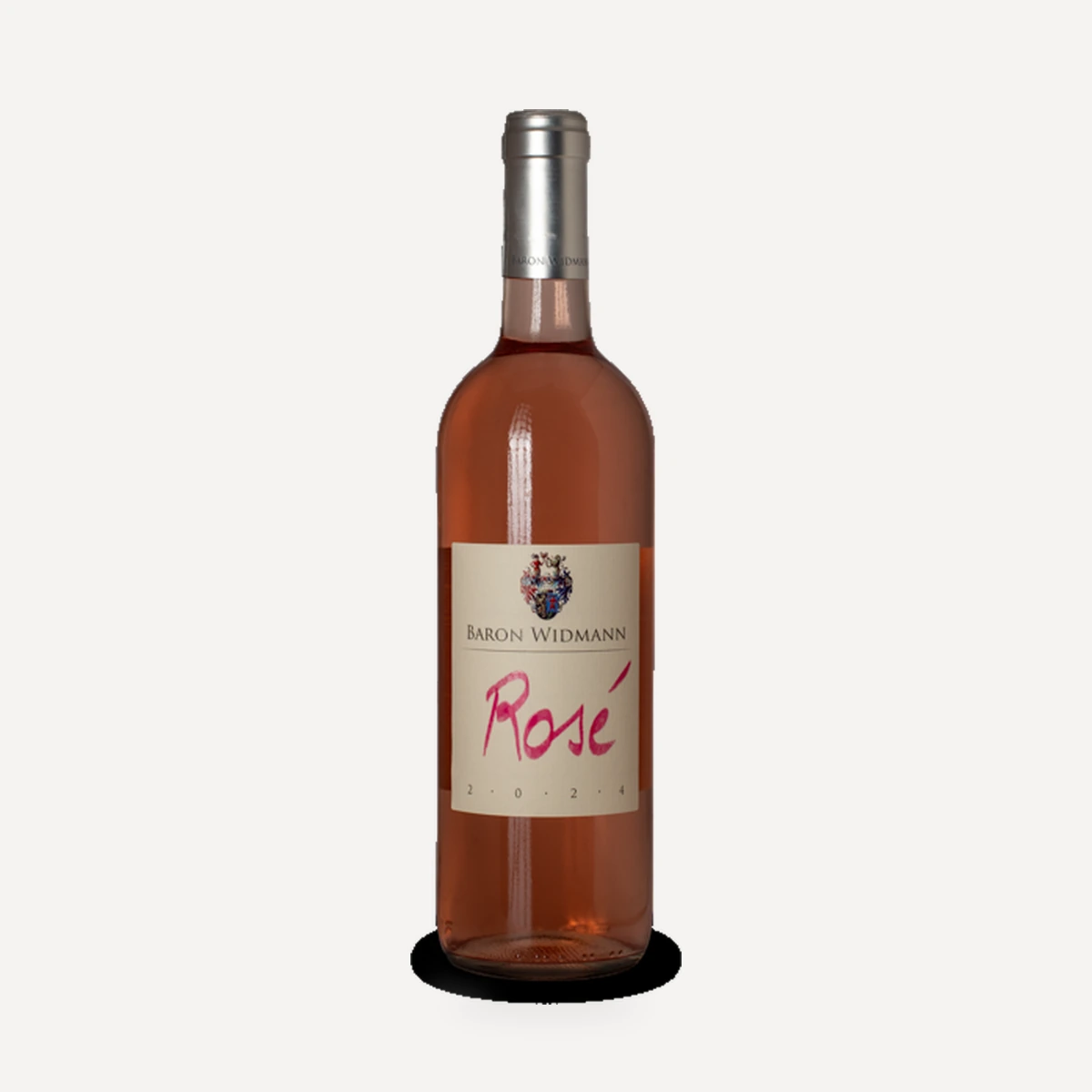
Rosé
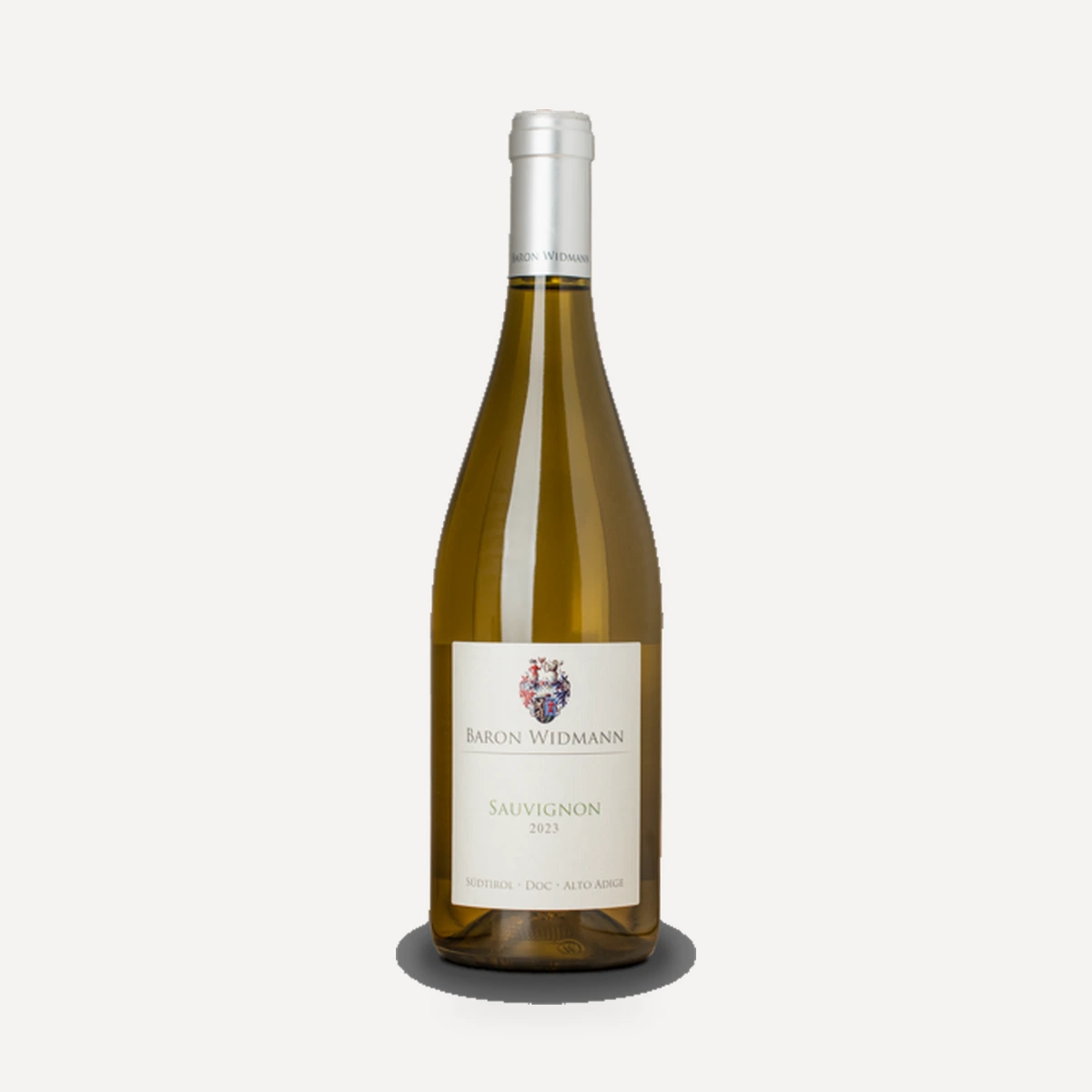
Sauvignon
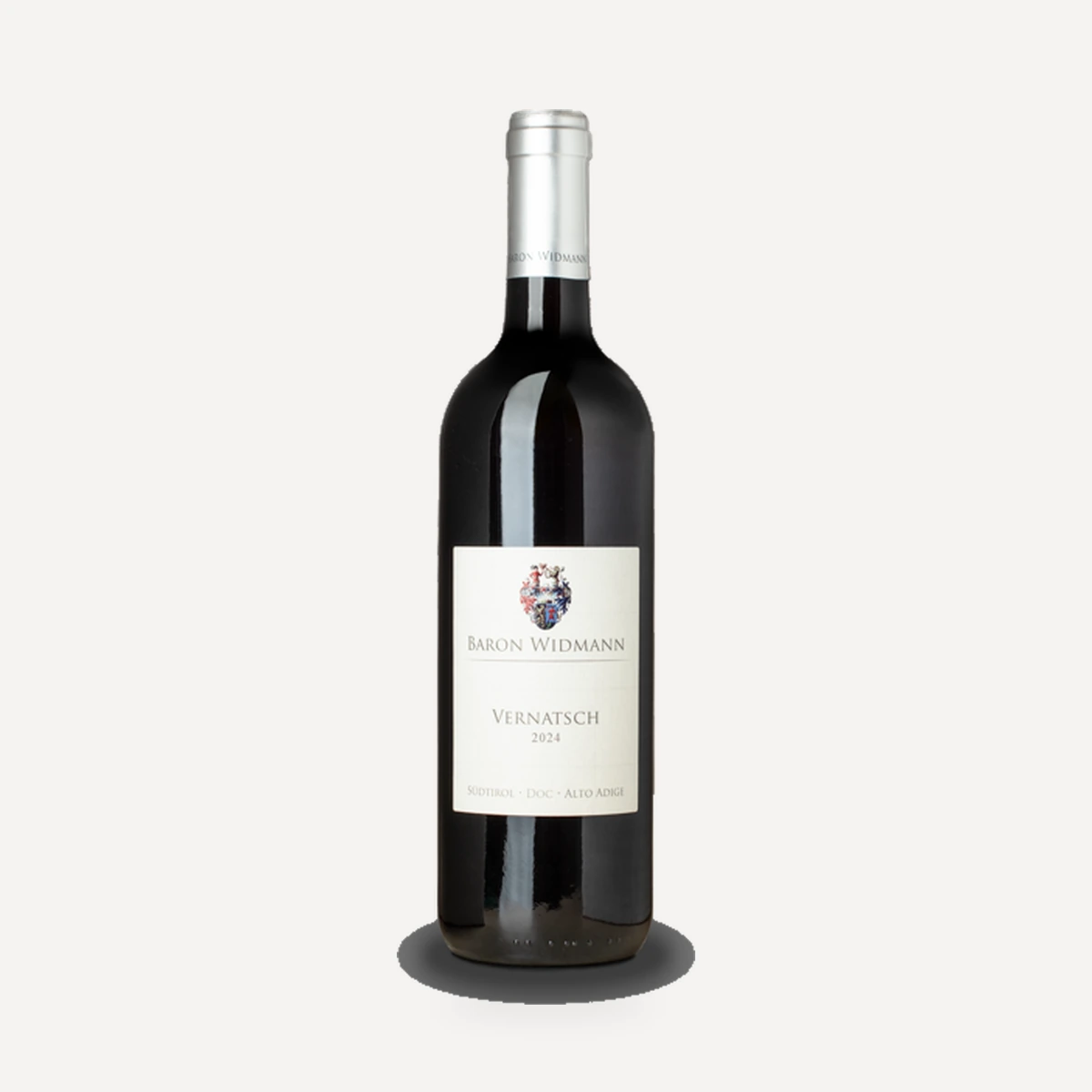
Vernatsch