Storia
Medieval origins
Ansitz Waldgries traces its documented history to 1242. Roblinus de’ Waldgries was its first recorded owner, although nothing beyond his name is known. Winegrowing has been practised at the estate for approximately 700 years. Fourteen owners followed Roblinus over the ensuing centuries, and the property belonged for a long period to the Tyrolean convent of St. Klara in Hall.
Heinrich Plattner and the modern family estate
Christian Plattner’s grandfather Heinrich Plattner acquired Waldgries in 1929, beginning the modern Plattner era. The property already had Rosenmuskateller vines when he arrived, and Heinrich planted more despite the variety’s demanding behaviour in the vineyard. He was also among the early growers in St. Magdalena to recognize Lagrein’s potential at a time when neither planting an entire vineyard to the variety nor bottling it on its own was customary.
The grandfather’s first vineyard was in Gries, west of Bolzano. He also acquired a 0.7-hectare parcel at Eppan Berg / Appiano Mountain, distinguished by a vein of limestone. Heinrich taught that old vines, especially on soils with a greater proportion of clay, could give St. Magdalener notable depth, longevity and character, and that serious wines required time and patience.
Ownership subsequently passed to Heinrich’s son, also named Heinrich. In 1968 the younger Heinrich bottled and sold the family’s St. Magdalener himself for the first time. A bottle cost 500 lire. This release marked the beginning of Waldgries as a modern, forward-looking winery. In 1985 he took a further step with Lagrein, producing a Riserva from old vines and allowing it the extended maturation required of that designation. He later purchased the family’s Lagrein vineyard at Auer / Ora, south of Bolzano.
Christian Plattner’s first vintage and training
Christian Plattner trained as a winemaker in Bad Kreuznach, Germany. When his father was temporarily incapacitated by an accident shortly before harvest, Christian returned home. At only 18, he was left to manage the harvest and vinified his first vintage on his own.
Feeling that his training was not yet sufficient, he sought experience away from the estate. He spent time working with Josko Gravner in Friuli. Gravner’s determination to follow his convictions rather than trends or mass taste had a lasting influence on him.
Return to indigenous varieties
After returning to South Tyrol, Christian questioned the place of Cabernet Sauvignon and Merlot at Waldgries because the varieties were grown internationally and did not, in his view, describe the estate’s home as clearly as local grapes. He removed them and increased plantings of Schiava / Vernatsch, Lagrein and Rosenmuskateller / Moscato Rosa. In the case of Schiava, the work included recovering and propagating old material.
The project that became St. Magdalener Classico Antheos began with a recollection from Christian’s grandfather: older vineyards had contained several forms of Vernatsch, giving the wine more facets and expression. Christian searched for surviving old vines, propagated them and planted Edelvernatsch, Grauvernatsch, Tschaggelevernatsch, Mittervernatsch and several unnamed types, together with small quantities of Geschlafener, Edelschwarzer and Lagrein. The name Antheos refers to an earlier state—“as it was before”—while the clock at five minutes to twelve on its label represents the urgency of saving this plant material before it disappeared.
New site-based wines
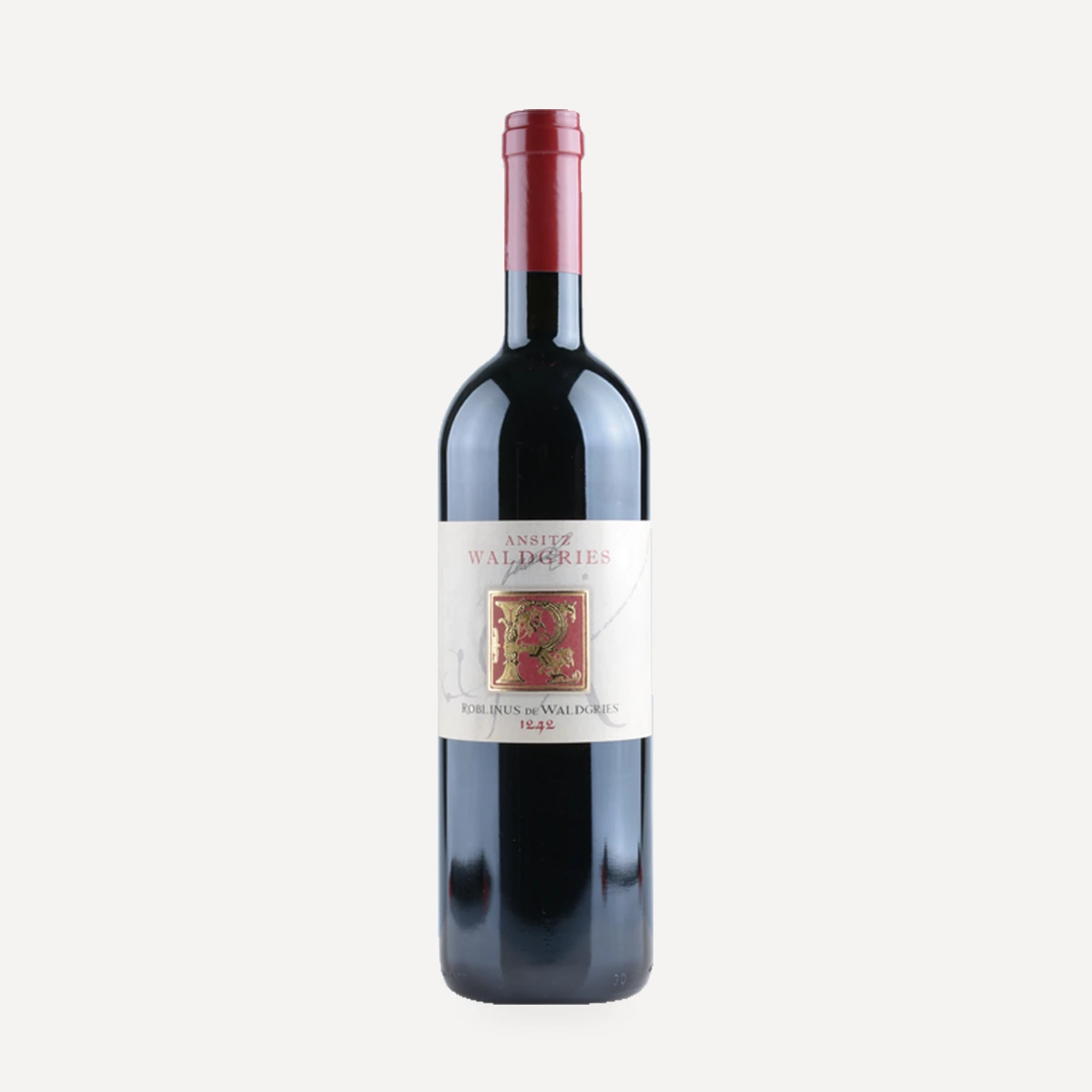
Lagrein Roblinus de’ Waldgries, named for Waldgries’s first recorded owner, was first marketed from the 2011 vintage. It is made only in exceptional years from the estate’s oldest, lowest-yielding Lagrein vines in Kirschleiten.
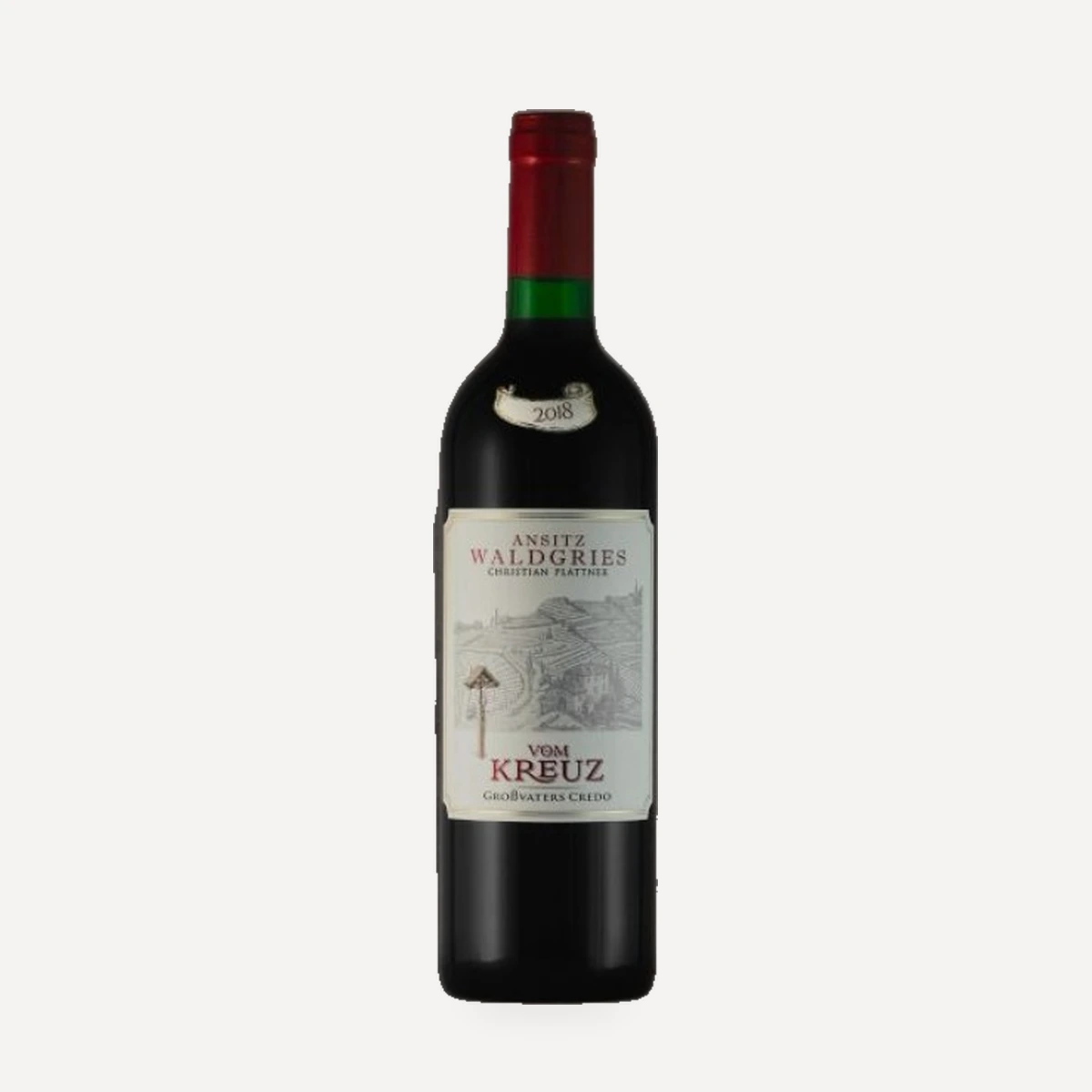
In 2018 Christian separately vinified fruit from a particularly old-vine St. Magdalener parcel for the first time, following his grandfather’s belief in patience and the ageing capacity of old vines. The resulting St. Magdalener Classico “Vom Kreuz” spent eight years developing before bottling and release.
The selected grapes from the family’s 0.7-hectare limestone parcel at Eppan Berg / Appiano Mountain were vinified for Sàcalis for the first time in 2019. Only suitable vintages are released.
Christian now leads Ansitz Waldgries as the third Plattner generation. His work continues the family emphasis on local red varieties while retaining Pinot Blanc and Sauvignon Blanc for the estate’s white wines.
Terroir
Setting
Ansitz Waldgries stands in Santa Maddalena / St. Magdalena above Bolzano, within the traditional territory of St. Magdalener. The estate looks south over the city toward the Catinaccio / Rosengarten in the Dolomites. Most of its vines grow immediately around the manor on the hills and steep slopes north of Bolzano.
The St. Magdalena hillsides retain their long-established geomorphological form. Mountain-shaped slopes and steep terrain make extensive manual work necessary. The area around the estate experiences a particularly mild, Mediterranean-influenced climate. The vineyard adjoining the manor is described as probably the warmest of the three sites used for the estate’s principal Lagrein.
Soils
Around Waldgries, fine glacial and morainic deposits incorporate porphyry and dolomite. Kirschleiten combines glacial till with weathered or eroded porphyry soils. The old-vine “Vom Kreuz” slope has sandy glacial gravel and weathered porphyry; family experience also links clay-rich soils and old vines with St. Magdalener capable of long ageing.
The separate Eppan Berg / Appiano Mountain parcel contains calcareous loam with a fine mineral structure and is crossed by a marked limestone vein.
Elevation and exposure
“Vom Kreuz” occupies a southwest-facing St. Maddalena Classico slope at 270 metres. Its Mediterranean-influenced microclimate places it among Alto Adige’s earlier-ripening sites. The Eppan Berg / Appiano Mountain parcel is southeast-facing at 550 metres. Kirschleiten is identified as a leading St. Maddalena cru site.
Vinificazione
The steep vineyards are cultivated with extensive manual labour. Christian Plattner works directly among the vines surrounding the manor and regards responsible treatment of soil and nature as a prerequisite for wine to realize its potential.
Old vines have a central role. The oldest, lowest-yielding Lagrein vines are reserved for the estate’s most selective bottling in suitable years; Riserva fruit comes from vines at least 20 years old, while the Mirell source vines are more than 40 years old. “Vom Kreuz” is based on an especially old-vine St. Magdalener parcel.
Christian’s preservation work with Schiava began by locating surviving old vines, propagating them and replanting their different forms. Edelvernatsch, Grauvernatsch, Tschaggelevernatsch, Mittervernatsch and unnamed types grow together with small quantities of Geschlafener, Edelschwarzer and Lagrein and are harvested together at differing levels of ripeness.
Rosenmuskateller is retained despite its difficulty in the vineyard. Vines can show markedly uneven vigour; cold weather can disrupt flowering, and the thin-skinned berries are susceptible to rot. Most of the selected fruit is allowed to dry for an extended period on the vine to concentrate its aromatic material.
For the Eppan Berg / Appiano Mountain selection, grapes are harvested and sorted meticulously by hand. The estate vineyards also form a biodiverse landscape containing spontaneous flowers, rosemary, figs, olives, oleander, roses and cypresses.
Cellar
The historic heart of Waldgries lies seven metres below the manor, reached by old stairs. Its stable, favourable cellar climate supports gradual maturation, while artworks are integrated into the centuries-old rooms.
Christian describes his role as accompanying wines gently as they evolve rather than imposing a predetermined form. Time and quiet are treated as essential cellar tools. The methods vary by site and cuvée, with stainless steel used to retain freshness, large oak casks and barriques used for different expressions of Lagrein, and tonneaux or other oak vessels used where greater structure and complexity are sought.
Fermentation and extraction
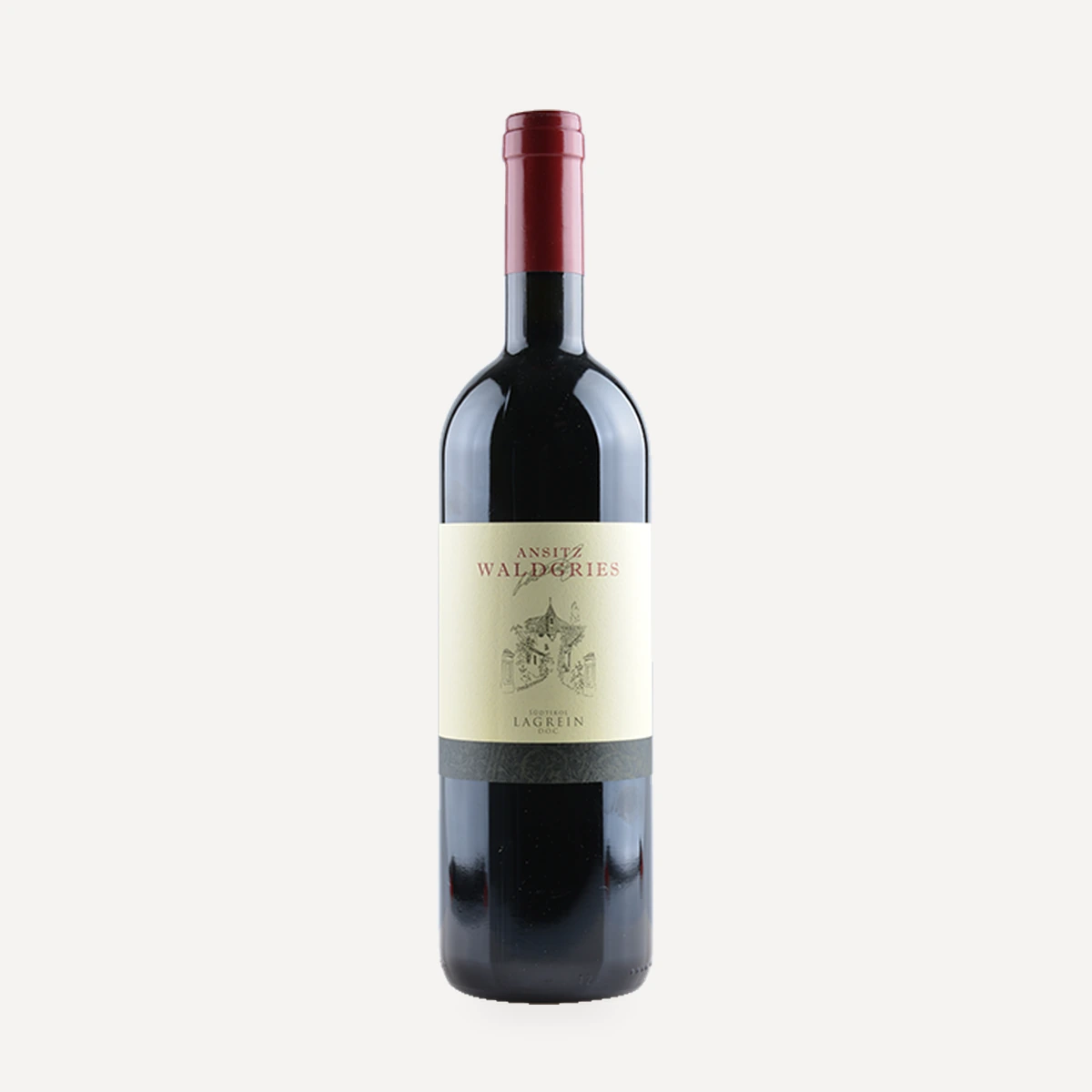
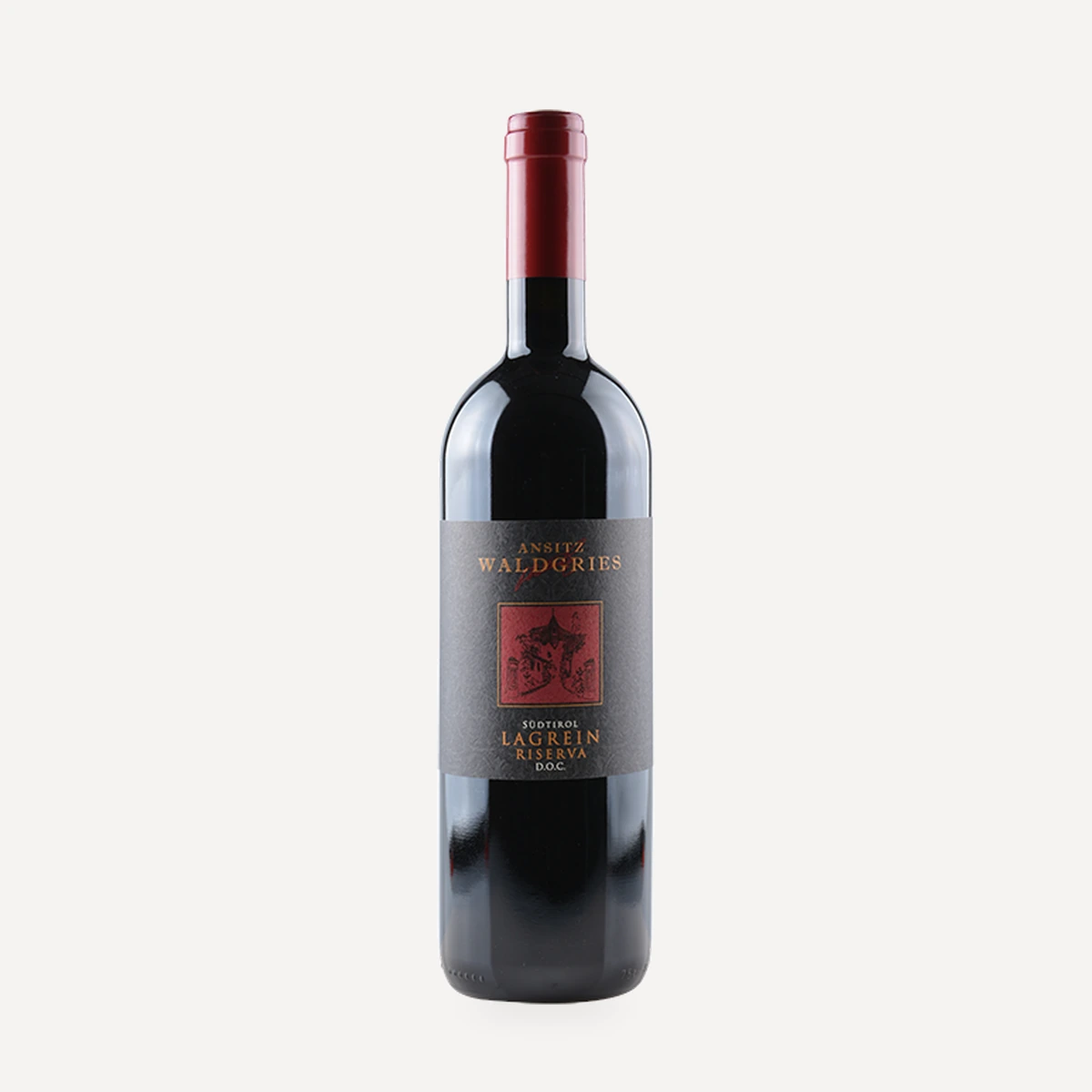
For the estate’s Lagrein assembled from Gries, Auer / Ora and the vineyard beside the manor, 20–30% of the grapes ferment with stems before eight months in large oak casks. Lagrein Riserva macerates for at least two to three weeks, then matures mainly in barriques with approximately one-third in large oak casks. Mirell macerates for up to four weeks, with part of the fruit left uncrushed, followed by one year in barriques and another 18 months in bottle.
Roblinus de’ Waldgries macerates for as long as five weeks, sometimes with a proportion of stems. It then matures in barriques and is held for a total of three years before release. Only exceptional vintages are produced.
The old Schiava forms used for Antheos are picked together at varying degrees of ripeness and co-fermented. The wine is divided between stainless steel, which preserves freshness, and wood, which contributes complexity. The estate’s regular St. Magdalener Classico is aged exclusively in stainless steel to retain fruit and a fresh, appetizing acid profile.
White-wine work
The Eppan Berg / Appiano Mountain Sauvignon Blanc selection is harvested and sorted by hand. It receives an overnight cold maceration of approximately 12 hours, gentle pressing, and fermentation and maturation in 500-litre tonneaux. The estate’s other Sauvignon Blanc uses fully ripe grapes and is partly matured in oak. Pinot Blanc is produced only at Riserva level, with extended lees contact and oak maturation.
Extended maturation
The old-vine “Vom Kreuz” project began with the 2018 harvest. Its élevage includes 12 months in oak, subsequent maturation in stainless steel and two years in bottle, with eight years allowed before final release. This programme applies the family belief that old-vine St. Magdalener can reward patience.
Filosofia
Christian Plattner’s central aim is to make wines that express both Waldgries as a place and his own personal signature. He treats tradition as a commitment to continuity and reliability across generations, but not as resistance to change. His recovery of old Schiava material, removal of international varieties and use of modern, site-specific élevage all reflect an attempt to reinterpret inherited knowledge rather than reproduce it mechanically.
Indigenous varieties are fundamental to this outlook. Christian considers Schiava, Lagrein and Rosenmuskateller better able to describe South Tyrol than varieties grown interchangeably around the world. His encounter with Josko Gravner reinforced the importance of following a considered personal direction instead of trends or mass taste.
He compares making wine with creating art: both begin with an idea, require a plan and come into being through sufficient time. In the cellar, this becomes a low-pressure form of guidance—wines are allowed to evolve, while the winemaker supports their development. The desired result is not only technical quality but pleasurable moments for the people who drink them.
Responsible treatment of soil and nature is presented as essential to realizing a vineyard’s full potential. Patience is equally important: the family’s old-vine work, selective production in appropriate vintages and extended maturation programmes all proceed from the belief that serious wines require time.
Vini
Lagrein Roblinus de’ Waldgries
St. Magdalener Classico Vom Kreuz
Lagrein Riserva
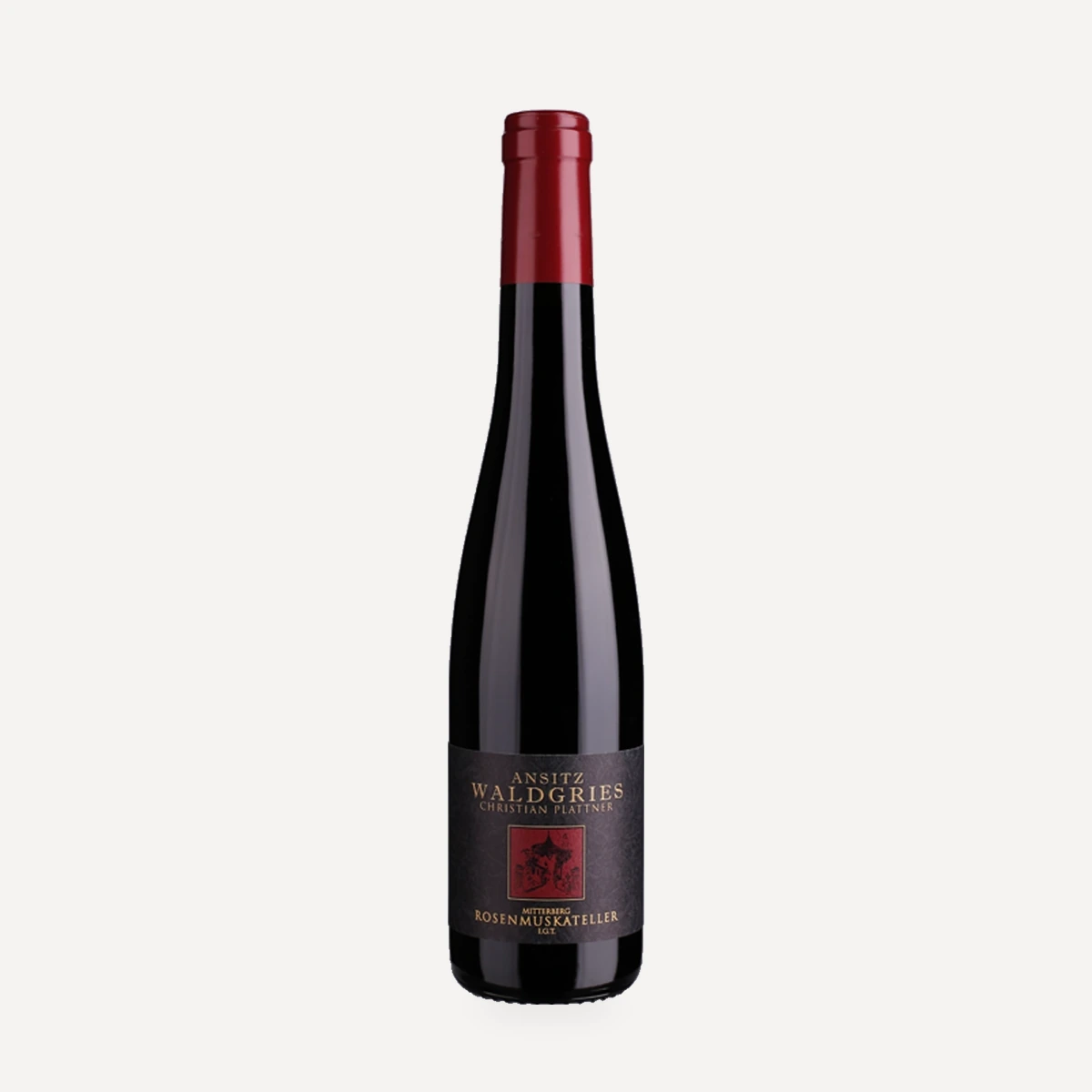
Rosenmuskateller Moscato Rosa
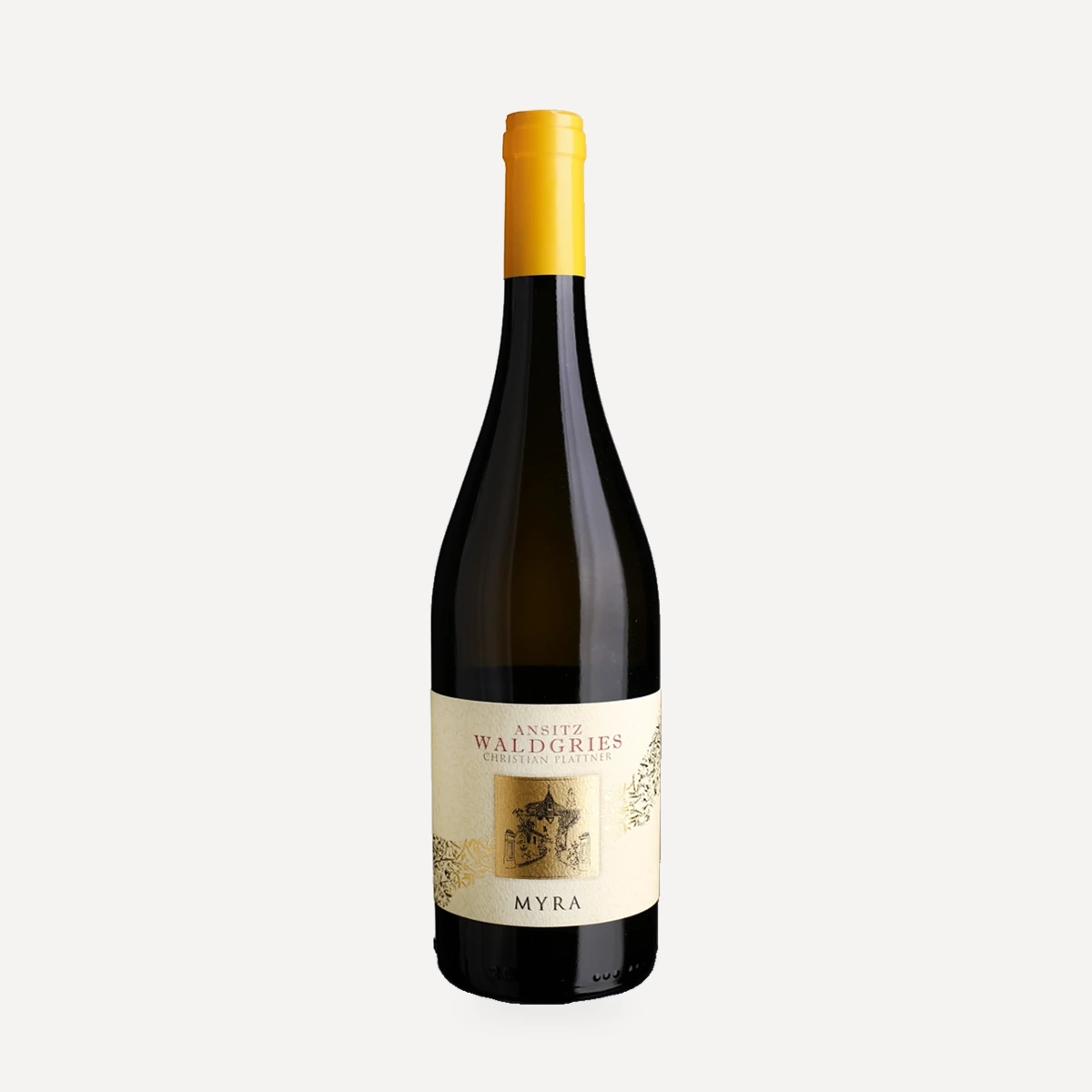
Sauvignon Blanc Myra
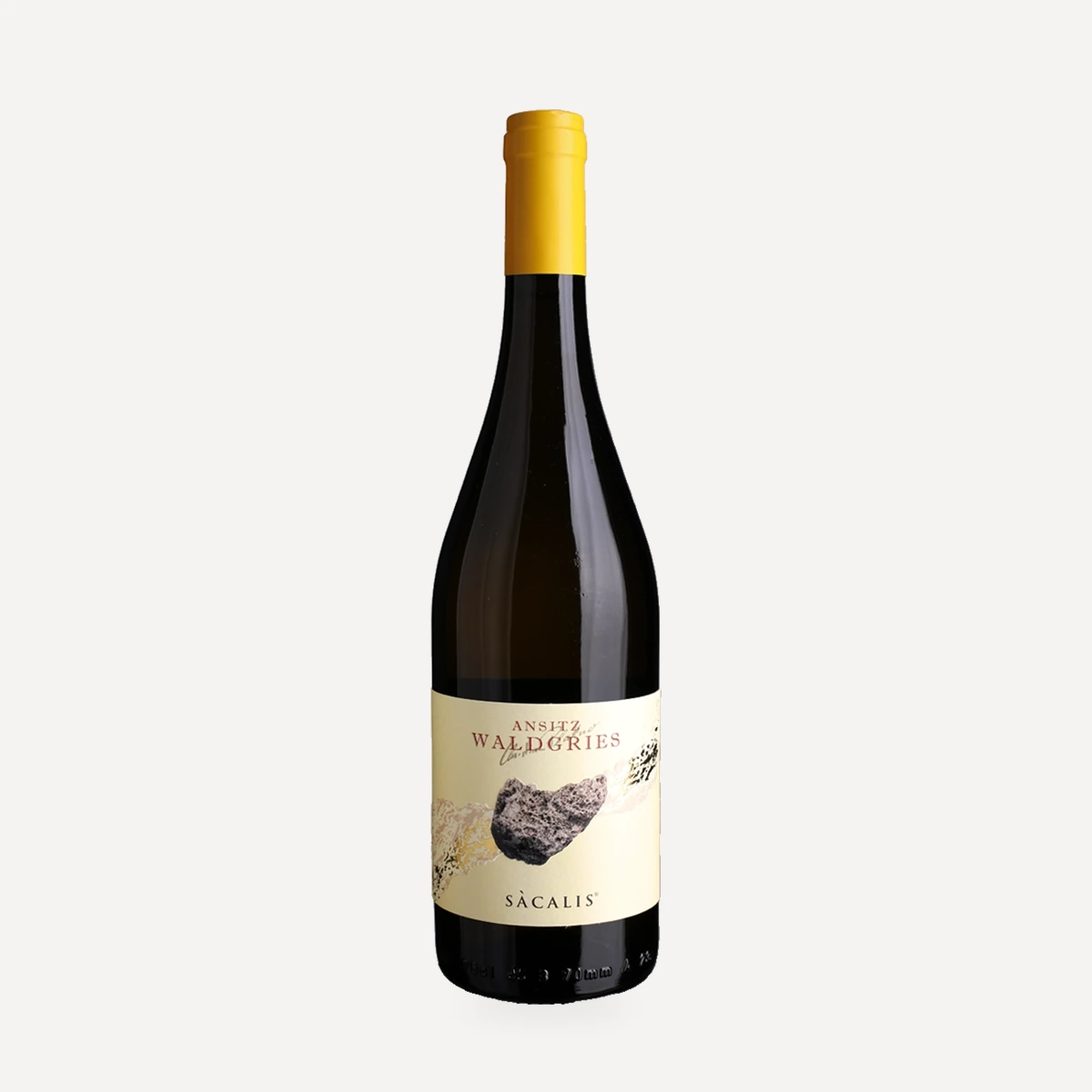
Sauvignon Blanc Riserva Sácalis
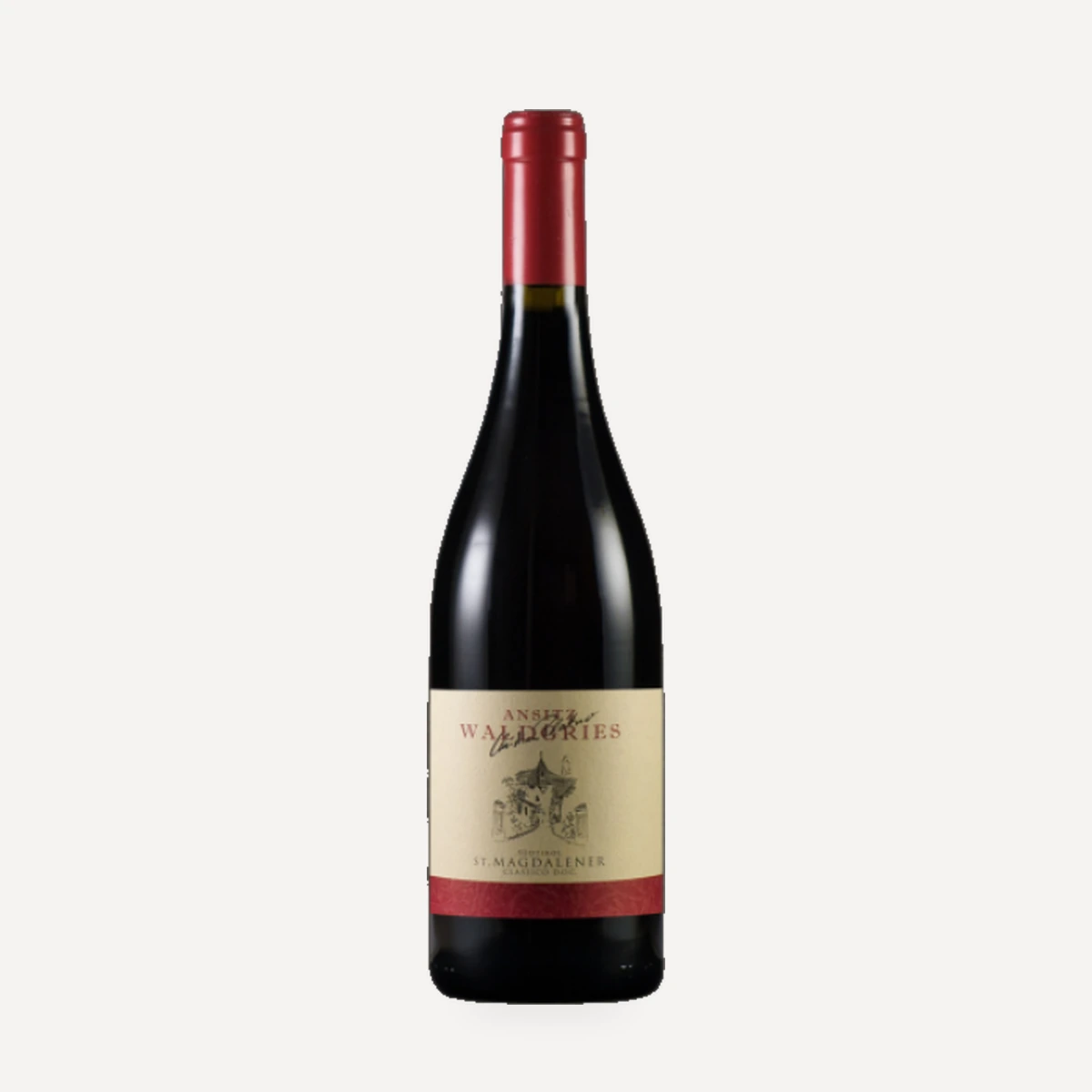
St. Magdalener Classico
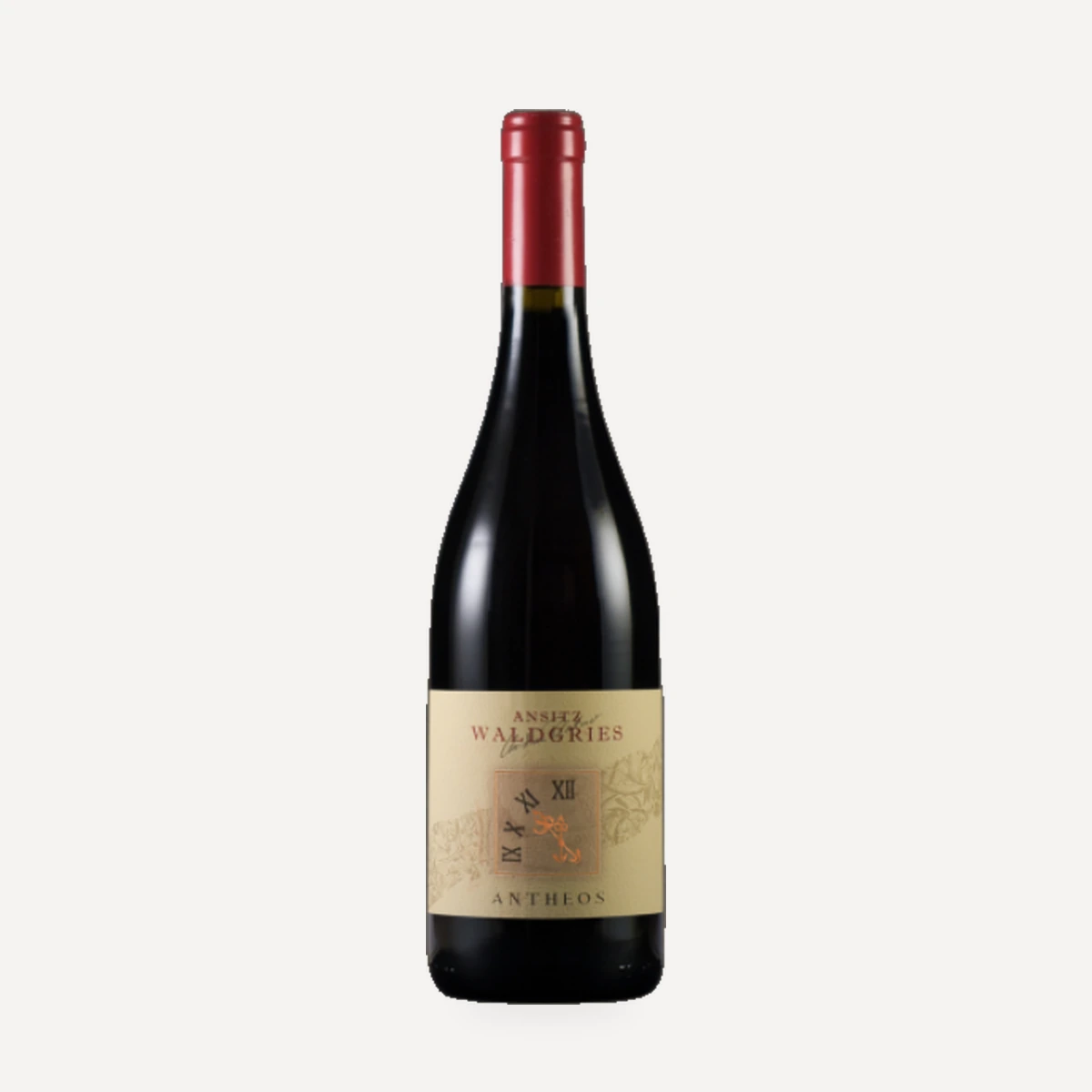
St. Magdalener Classico Antheos
Wunder
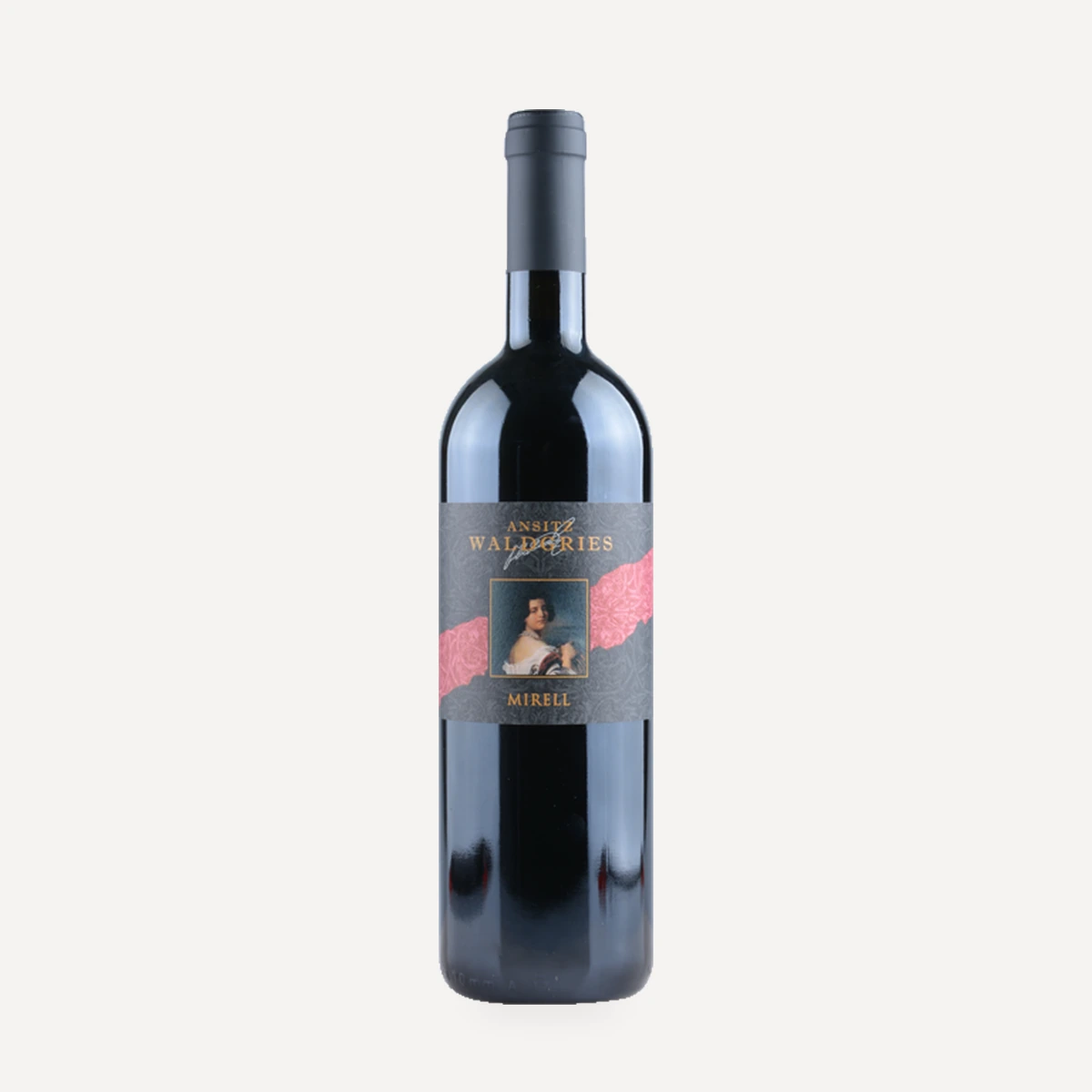
Lagrein Mirell