Questo vino
Vineyard and terroir
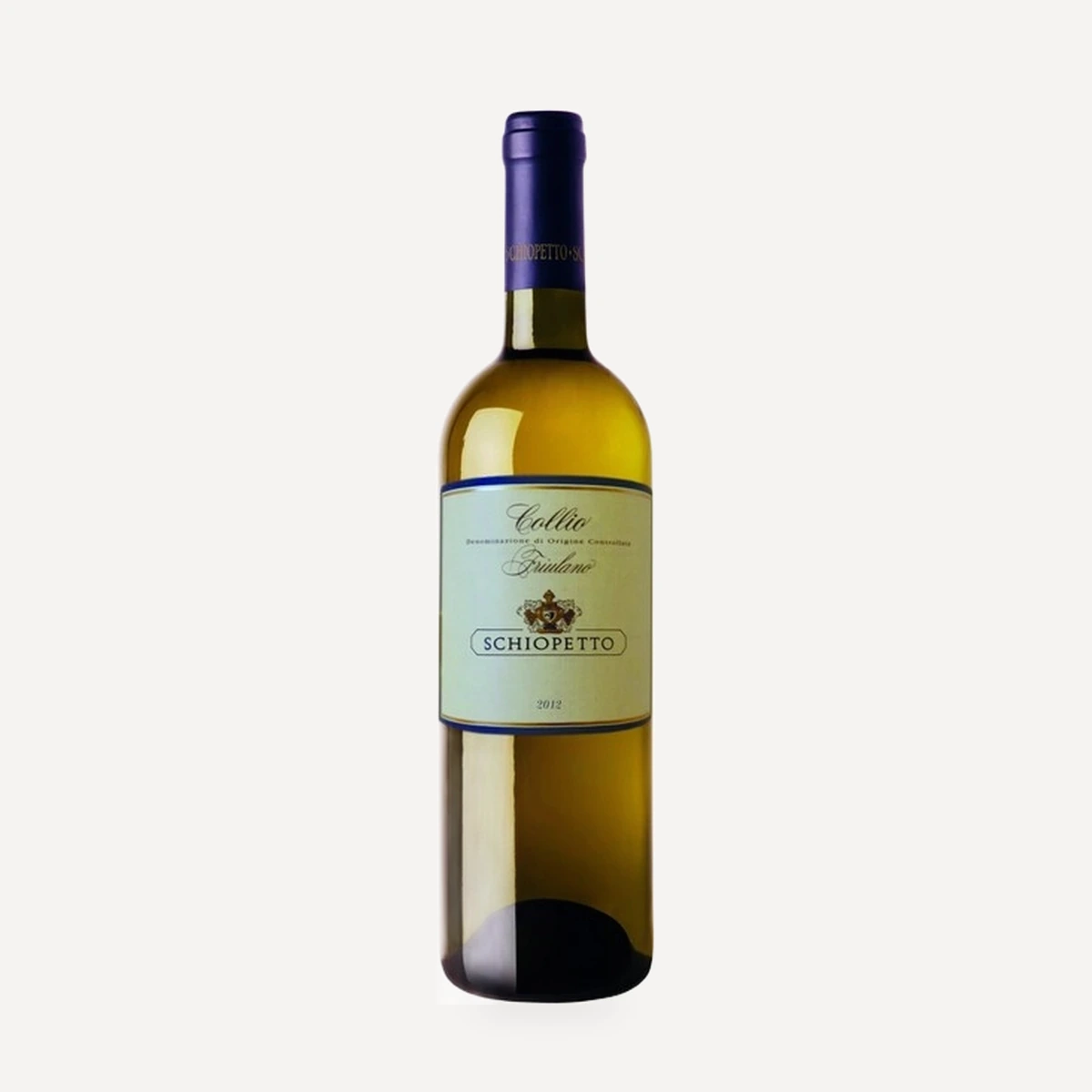
The grapes come from vineyards in Collio Goriziano at 130 metres above sea level, with southern and southeastern exposures. The soils consist of Eocene marl and sandstone formed by the uplift of ancient seabeds. The vines were planted in 2004, trained to Guyot and set at a density of 4,500–5,500 plants per hectare. Yield for the 2007 vintage was 60 quintals per hectare.
Grapes
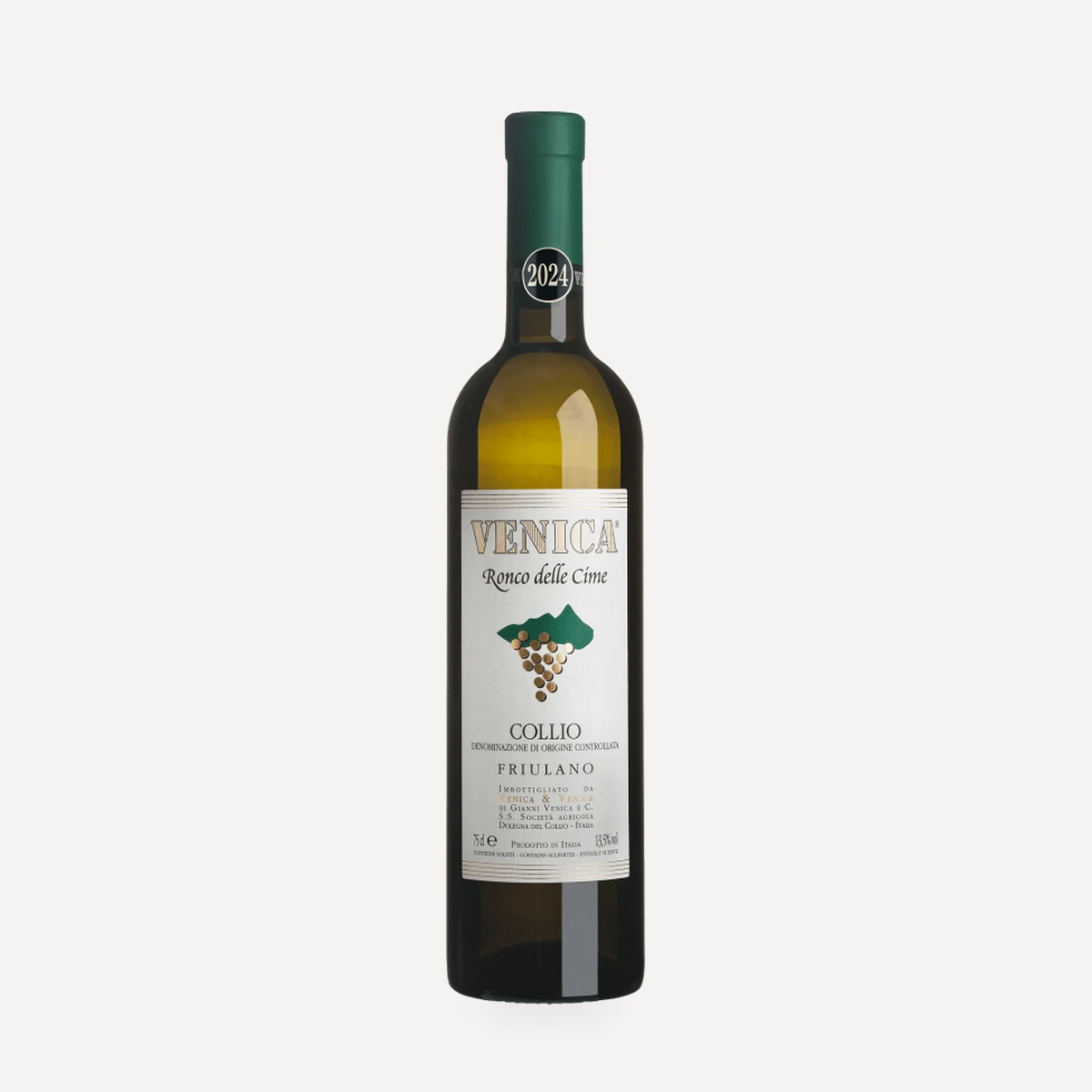
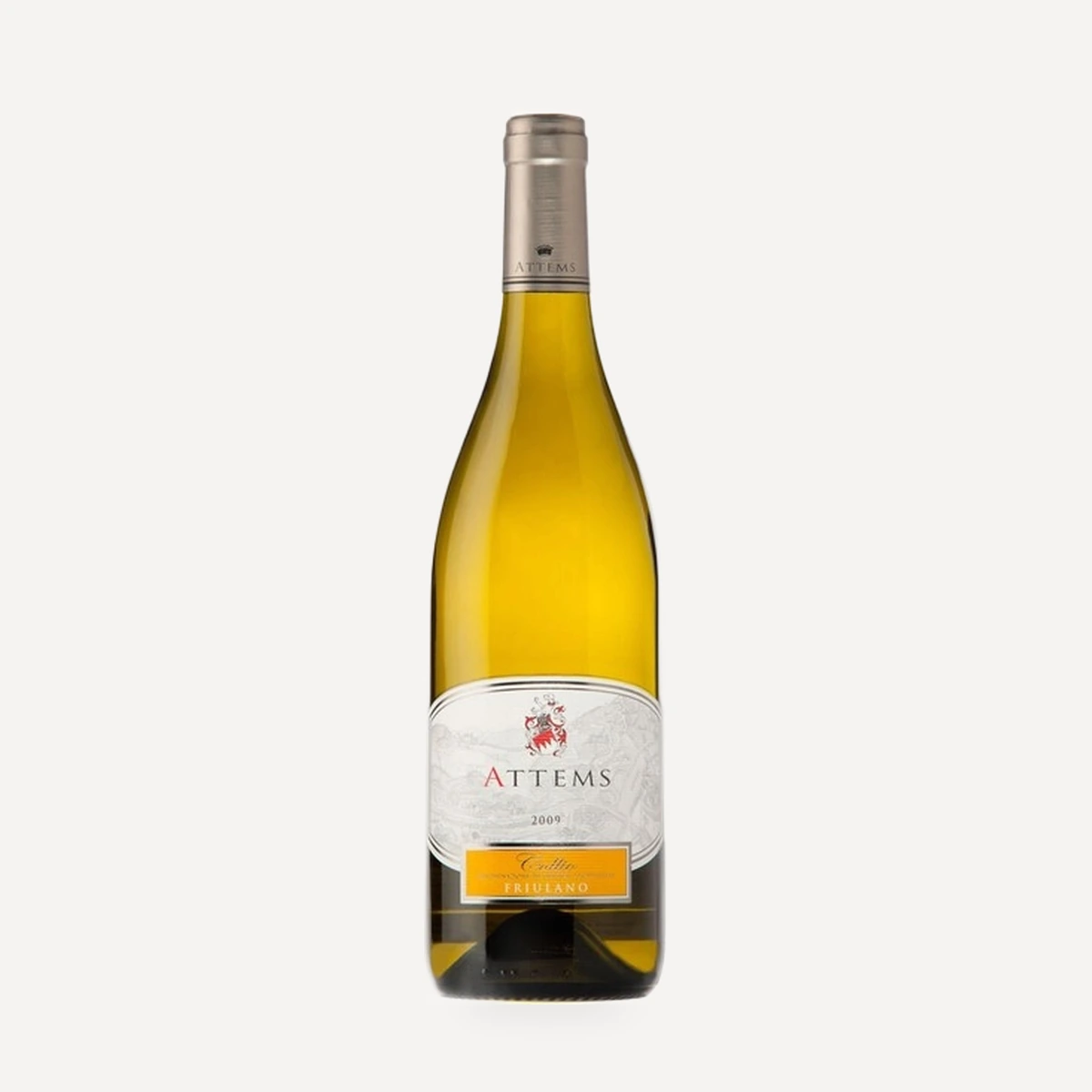
100% Friulano. The variety was formerly known locally as Tocai before adopting the name Friulano.
Vinification
The grapes were harvested manually during the third ten-day period of September. Fermentation took place in stainless-steel tanks for 15–20 days at 18–25°C, without skin maceration or malolactic fermentation.
Ageing
Six months in stainless-steel tanks.
Tasting profile
Bright, deep straw yellow. The bouquet opens gradually, beginning with delicate floral scents before developing fruit-led aromas dominated by white fruit. The palate is solid and creamy, with sufficient acidity to support its breadth. Salinity defines the finish, giving the wine a juicy, highly drinkable character. In its youth, the broader style shows white-flower aromas that become spicier with time, alongside a full, mineral palate and an almond finish.
Serving and pairing
Pair with chicken, rabbit or turkey cooked in a pan, sautéed with vegetables or roasted. It can also accompany fish, serve as an aperitif or be enjoyed with Prosciutto di San Daniele.
Vintage notes
The 2007 season brought a warm winter, elevated spring temperatures and limited rainfall, resulting in early budbreak and even vegetative growth. Rain at the end of spring and beginning of August, combined with marked day-to-night temperature differences, supported ripening and aromatic development. The vintage was particularly rich in aroma and structure, with pronounced savouriness.