Storia
Origins and foundation, 1941
Before establishing the winery, Melchiorre Balbiano managed farms around Andezeno, working with maize, wheat, meliga, cattle and farmyard animals. Grapes were his principal interest, and he had long worked as a grape broker. Buyers and sellers met at the Chieri market and settled transactions by choosing a prevailing local average price—usually the media ’d Chér, sometimes blended with the Asti average.
Balbiano was officially founded on 14 September 1941, when the Podestà of Andezeno granted Melchiorre permission to sell wine and grapes wholesale. The business began during wartime rationing, when both food and wine were scarce and cities and rural communities were suffering the effects of the conflict.
The Villa and Balbiano families
During the post-war recovery, Melchiorre met Giuseppina Villa, a young Turin woman with maternal roots in Naples. They married and had two children, Carla and Francesco, the latter born in 1948. The Villa family had long been based in Turin but owned rural property near Andezeno. Its farmhouse would eventually become Balbiano’s present headquarters.
Francesco, universally known as Franco, grew up in the simplicity of rural life during the 1950s. He attended boarding school in Chieri, completed a classical secondary education and studied chemistry, inspired in part by an uncle who was also a chemist. At the same time, he learned cellar work directly from his father.
Francesco’s decision and the transition to bottled wine
After graduating in chemistry in 1973, Francesco chose the family enterprise over a separate career as a chemist. He also became the youngest mayor of Andezeno and ultimately served three terms.
Working and living alongside Melchiorre was not always easy: generational differences produced frequent debate, but the resulting exchange helped improve a product they believed still needed recognition—Freisa di Chieri. Luigi Veronelli encouraged father and son to continue their commitment to Freisa. The business progressed from bulk wine and demijohn sales to bottled production, while both equipment and winemaking became more sophisticated.
The farmhouse transformation and modern cellar
Francesco decided to move production from the historic premises to the nineteenth-century farmhouse in which the family had long lived. The conversion was prolonged and technically demanding, but it preserved the old structure. The barn became the production cellar, the stable became the wine shop, the carriage shelter later housed the museum, the chicken coop became a warehouse, and the sharecroppers’ house and family apartments were extensively adapted.
Francesco’s contacts with colleagues in the Langhe helped shape the technological transformation. Old wooden and concrete vats were replaced or supplemented by temperature-controlled stainless-steel tanks, filters, pumps, a bottling line, a crusher-destemmer and micro-oxygenation equipment. The wine shop opened in 1986, and the new cellars were completed in 1988.
Freisa presented a particular technical challenge because high acidity and marked tannins could become unbalanced. Research by the University of Turin’s Faculty of Agriculture, especially the work of Professor Vincenzo Gerbi, contributed to the evolution of cellar practice.
Export and the Freisa research programme
The investment in buildings and equipment was considerable. Francesco helped finance it by developing exports to the United States, establishing a presence in numerous states within a few years. This required lengthy absences while Melchiorre was growing older and Francesco was building his own family with Daniela and their children Luca, Chiara and Elena.
Malvasia di Castelnuovo Don Bosco found a particularly receptive American audience. Freisa di Chieri also gained attention, especially in its sweet amabile form; the dry style was initially less suited to a market whose wine culture was still developing.
The Consorzio di Tutela delle DOC Freisa di Chieri e Collina Torinese was subsequently established, with Francesco appointed its first president. The consortium strengthened its relationship with the University of Turin’s Faculty of Agriculture and financed multiple research projects on Freisa. By the 1990s, extensive work throughout the production zone had driven a substantial qualitative transformation in Freisa di Chieri.
Museums and preservation of rural culture
The farmhouse renovation displaced numerous agricultural and craft objects from the granary, stable and carriage shelter. Rather than discard tools used by earlier generations, Francesco cleaned and restored them. The former carriage shelter offered a suitable exhibition space, and the Balbiano Museum opened in 1990. Contributions from neighbours, friends and relatives expanded the original family collection, while Francesco’s visits to flea markets added further pieces.
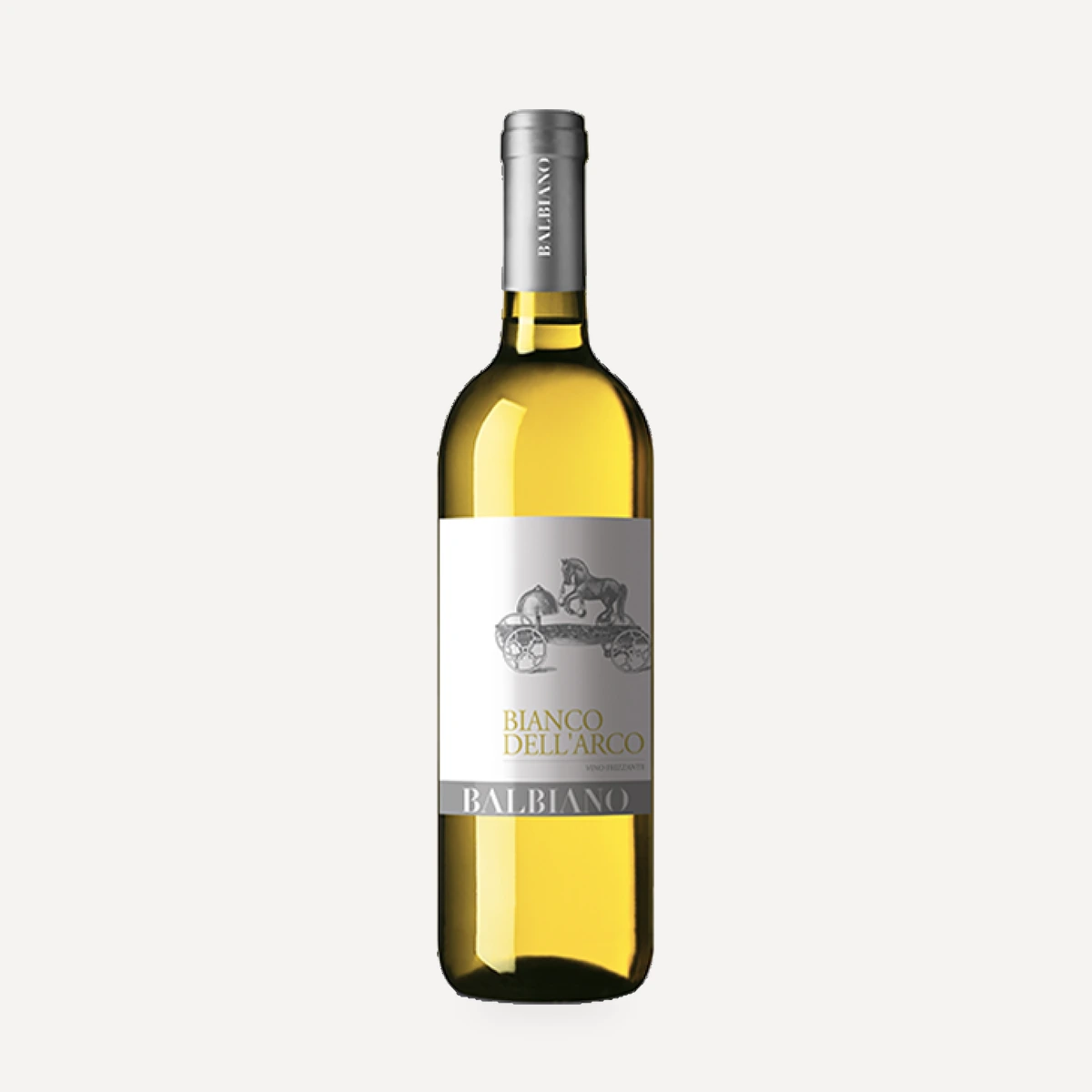
The discovery of old toys among the rural objects prompted a second collecting interest, partly connected to Francesco’s own childhood, when toys were scarce. This developed into the Ancient Toys Museum. In 2015, images from the toy collection were incorporated into redesigned wine labels.
Luca Balbiano and the third generation
Luca Balbiano completed the same classical secondary education as his father and graduated with highest honours in law from the University of Turin. He entered the family enterprise as its third generation, assuming responsibility for production, marketing and communication and extending the family’s work into digital communication. Like Francesco, he later became president of the Consorzio di Tutela delle DOC Freisa di Chieri e Collina Torinese.
Revival of Vigna della Regina
Francesco’s work as a producer and consortium president led the Regional Directorate for Piedmont’s Artistic and Ethnoanthropological Heritage to involve him in the proposed restoration of the Royal Vineyard at Villa della Regina in Turin. The family initially found an almost impassable overgrown slope, with only skeletal remains of old vines. During the roughly 25-minute return journey to Andezeno, Francesco and Luca reversed their initial decision to abandon the project, persuaded by the possibility of returning a living vineyard to Turin.
Balbiano replanted the historic vineyard in 2003 after archival, clonal and ampelographic research. Professor Vincenzo Gerbi of the University of Turin and Dr Anna Schneider of CNR Turin collaborated on the project. The restored planting comprised 2,700 cuttings—predominantly Freisa—over 0.73 hectares. Historical documents, photographs, paintings and the seventeenth-century layout helped guide the reconstruction. Three historical and two experimental clones were included, and another 600 cuttings were added in 2015.
The first experimental harvest took place in 2008. Its 10 quintals of grapes were entrusted to Gerbi for microvinification trials assessing the vineyard’s potential. Encouraging results led Balbiano toward a style designed for long ageing. The first official harvest followed in 2009, when 40 quintals of healthy, ripe grapes produced the first bottles bearing the Vigna della Regina name.
After a long administrative process, the vineyard was returned to the Freisa di Chieri DOC production zone in 2011. From that vintage it could produce Freisa di Chieri DOC Superiore “Vigna Villa della Regina.” The historical close planting and steep terrain require manual vineyard maintenance and harvesting.
Urban Vineyards Association
The Vigna della Regina experience prompted Luca Balbiano to seek out comparable urban vineyards. He founded the international Urban Vineyards Association to protect and revive their rural, historical and landscape heritage, develop their cultural and tourism value, and support environmentally respectful winegrowing, social integration and sustainability. Luca serves as the association’s honorary president.
Terroir
Balbiano is based in Andezeno, in the countryside of the Chieri area southeast of Turin. Its Freisa vineyards fall within the Freisa di Chieri DOC production territory on the hills south of Turin.
Vigna della Regina
Vigna della Regina occupies a sloping urban site on the hill north of Villa della Regina in Turin, overlooking the city and the Mole Antonelliana. The restored vineyard covers 0.73 hectares. Its historic layout is closely planted, while the incline makes mechanised work impractical.
Exposure, the urban microclimate and the site’s terrain are central to the vineyard’s performance. The city can keep temperatures approximately 3–4°C warmer, offering winter protection. During the exceptionally warm 2017 season, these conditions supported early, complete ripening and an August harvest. The elevated position was also described as having clean air, with heavy pollutants remaining lower in the urban basin.
Vinificazione
The historical density and incline of Vigna della Regina require vineyard maintenance and harvesting to be performed manually. Its reconstruction used archival layouts and clonal research: three historical and two experimental clones formed part of the original 2,700 cuttings, followed by 600 additional cuttings in 2015. Predominantly planted to Freisa, the vineyard also preserves a small component of rare local varieties.
Current product information identifies the farming regime as conventional. No organic or biodynamic certification is claimed.
Balbiano’s nineteenth-century farmhouse was comprehensively adapted into a modern winery while retaining its historic fabric. The former barn became the production cellar, the stable became the wine shop, the chicken coop became a warehouse and the carriage shelter became the museum.
During Francesco Balbiano’s modernisation, old wooden and concrete vessels gave way to temperature-controlled stainless-steel tanks and equipment including filters, pumps, a crusher-destemmer, bottling machinery and micro-oxygenators. The winery nevertheless continues to use concrete and wood selectively for particular ageing programmes.
Freisa’s pronounced acidity and tannins drove extensive technical work with the University of Turin’s Faculty of Agriculture. Research focused on achieving greater balance and developing modern protocols for both sparkling and ageworthy interpretations. For the restored Vigna della Regina, the first crop was divided into experimental microvinifications under Professor Vincenzo Gerbi. Their results encouraged vinification intended for extended maturation.
The broader cellar repertoire includes controlled-temperature stainless-steel fermentation, pressure-tank refermentation for sparkling Freisa, concrete ageing, brief wood maturation followed by concrete, bottle refinement, traditional-method secondary fermentation in bottle and carbonic maceration for Novello. These techniques serve different parts of the portfolio rather than a single standard process.
Filosofia
Balbiano’s family philosophy combines continuity with adaptation. Melchiorre, Francesco and Luca maintained a commitment to local tradition while successively changing sales formats, cellar technology, communication and hospitality to suit their respective periods.
Freisa is the central expression of that commitment. The family’s work encompasses research into the variety’s acidity and tannins, preservation of its historical sparkling form and development of dry, ageworthy interpretations. Collaboration with academic researchers and the appellation consortium reflects a belief that tradition can be strengthened through technical investigation.
The recovery of Vigna della Regina extends this approach beyond wine production. Its purpose was to return a living agricultural element to Turin rather than merely recreate a historical display. The Urban Vineyards Association applies the same principle internationally: urban vineyards should remain productive, culturally relevant landscapes that contribute to community life, tourism, social integration and environmental awareness.
The preservation of rural tools and toys follows a parallel philosophy. Objects displaced during modernisation were restored and exhibited so that technological progress would not erase the family’s agricultural memory.
Vini
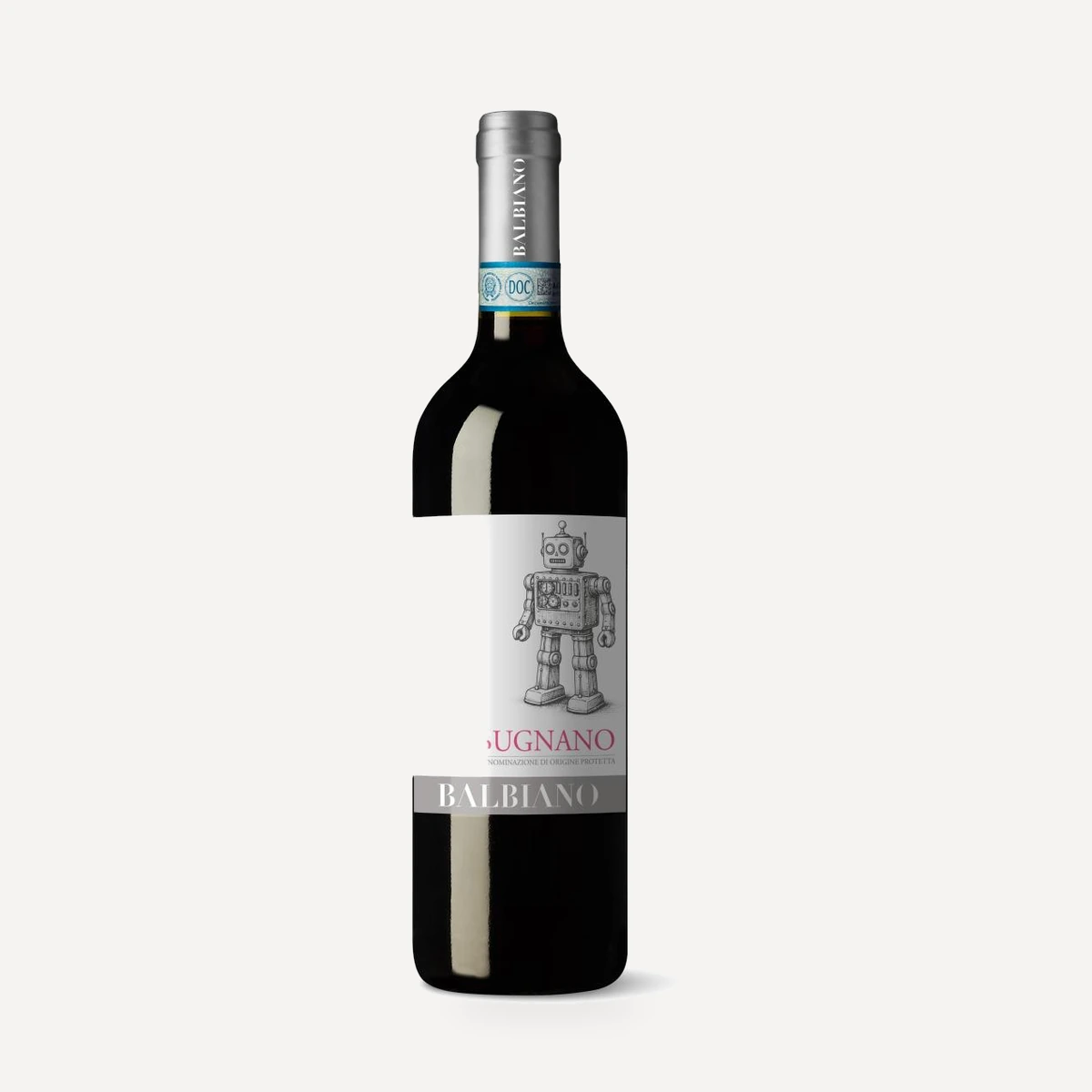
Albugnano DOC
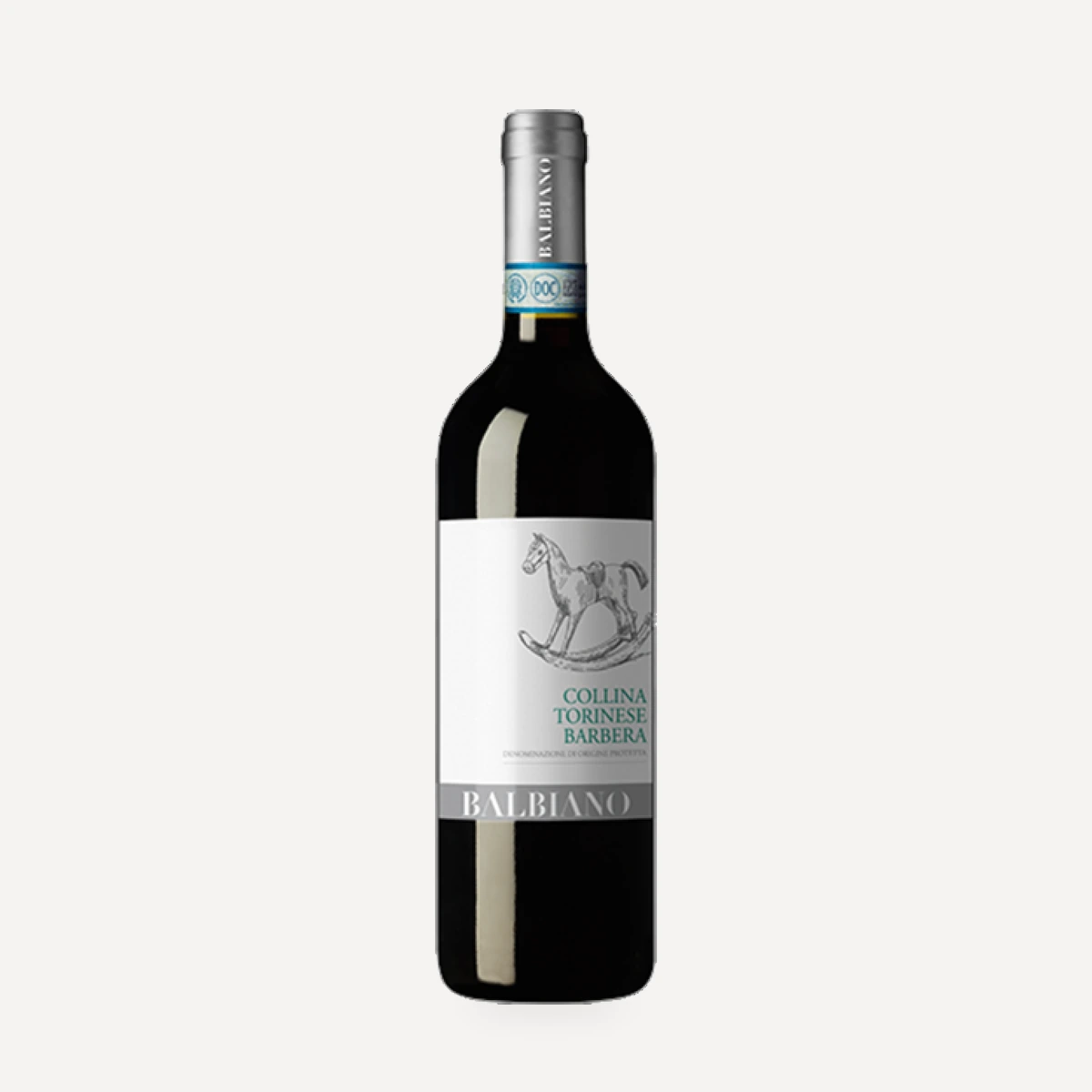
Collina Torinese DOC Barbera
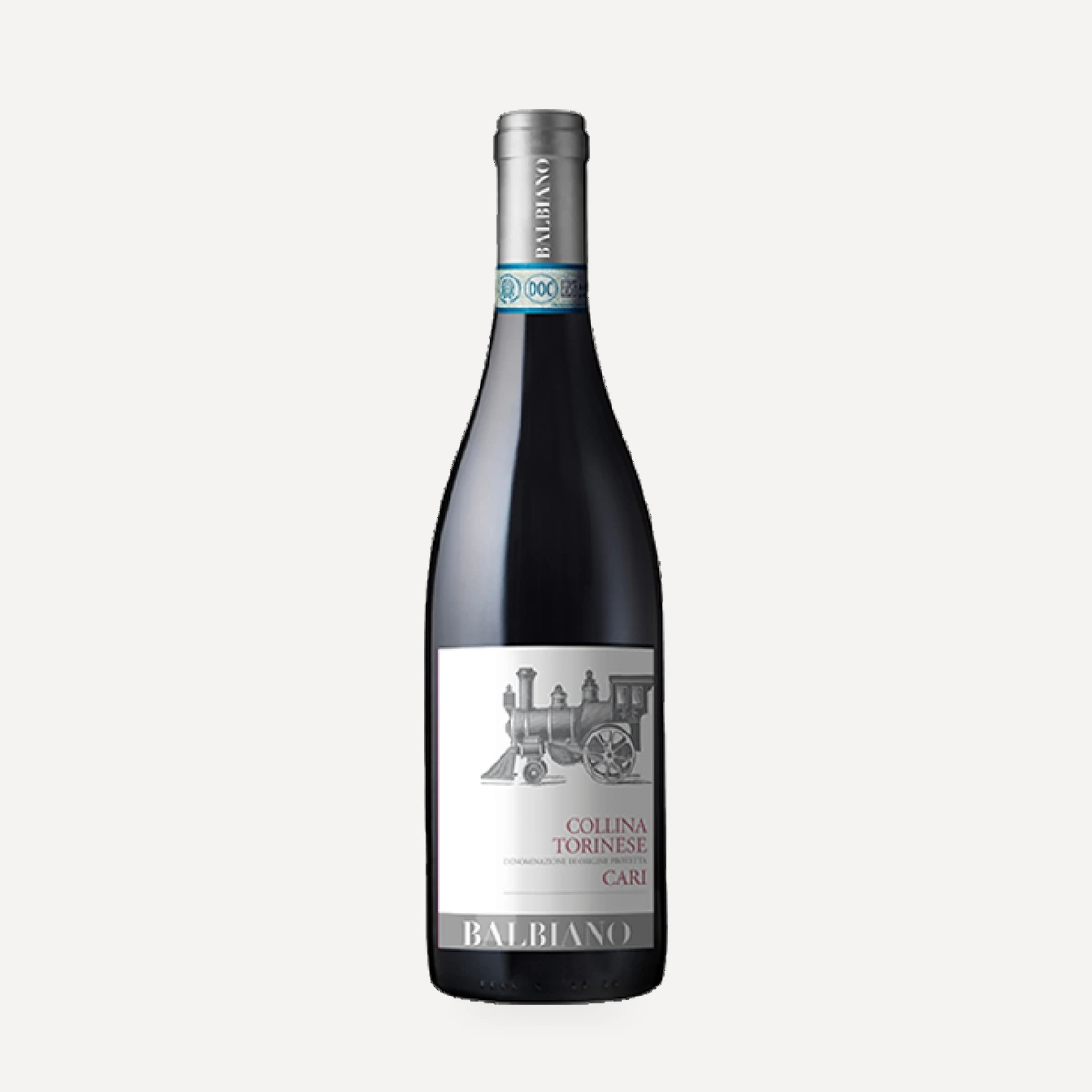
Collina Torinese DOC Cari
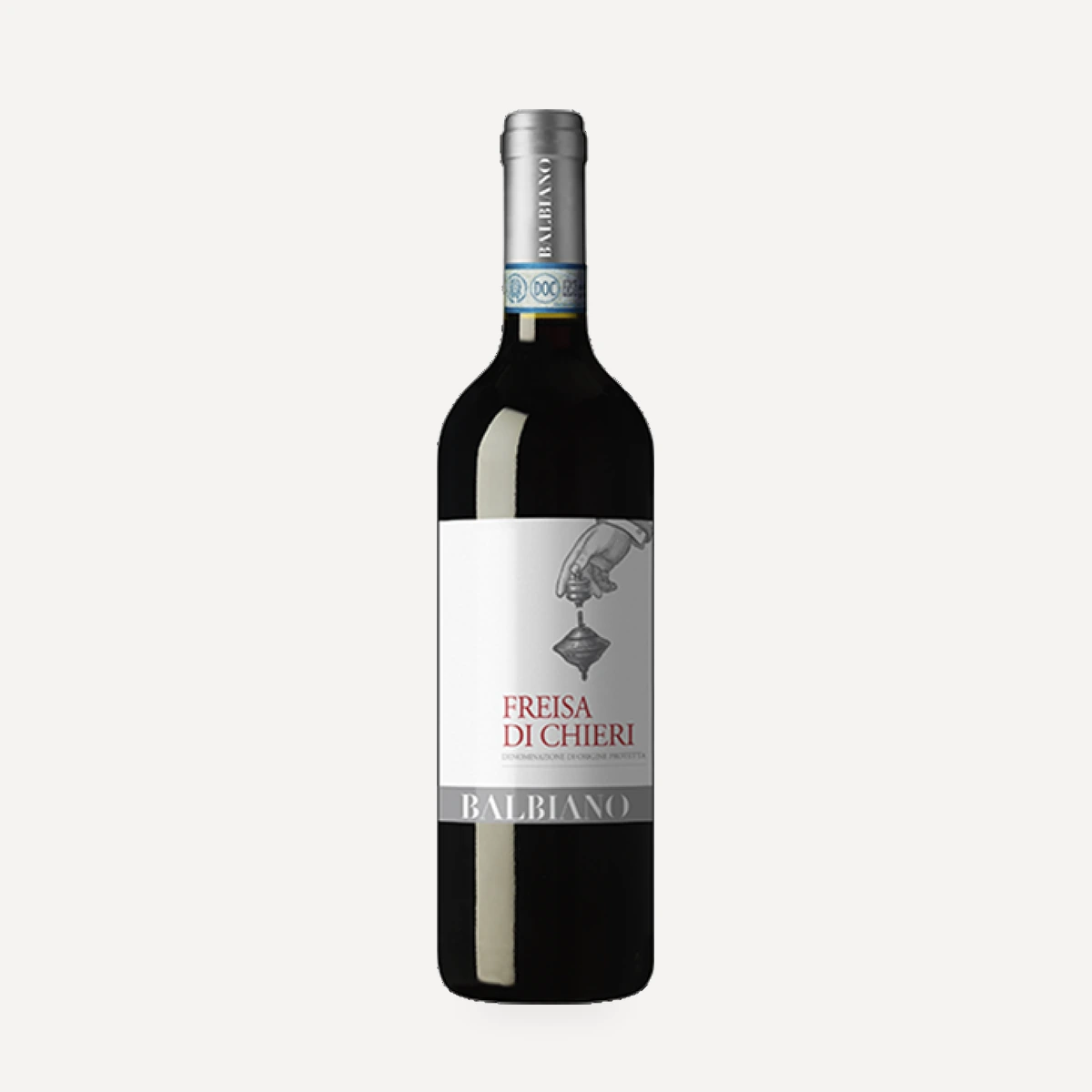
Freisa di Chieri DOC Frizzante
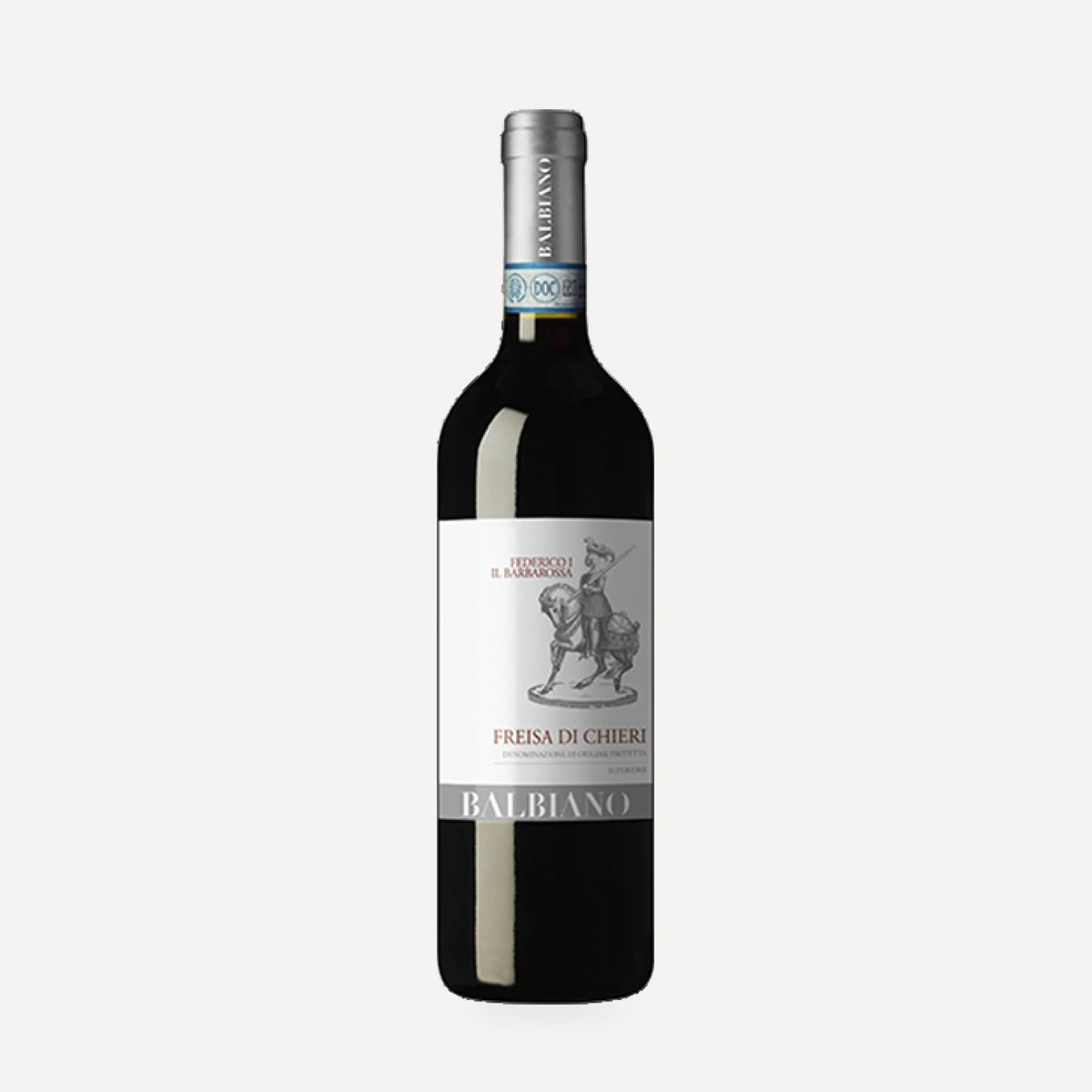
Freisa di Chieri DOC Superiore "Barbarossa"
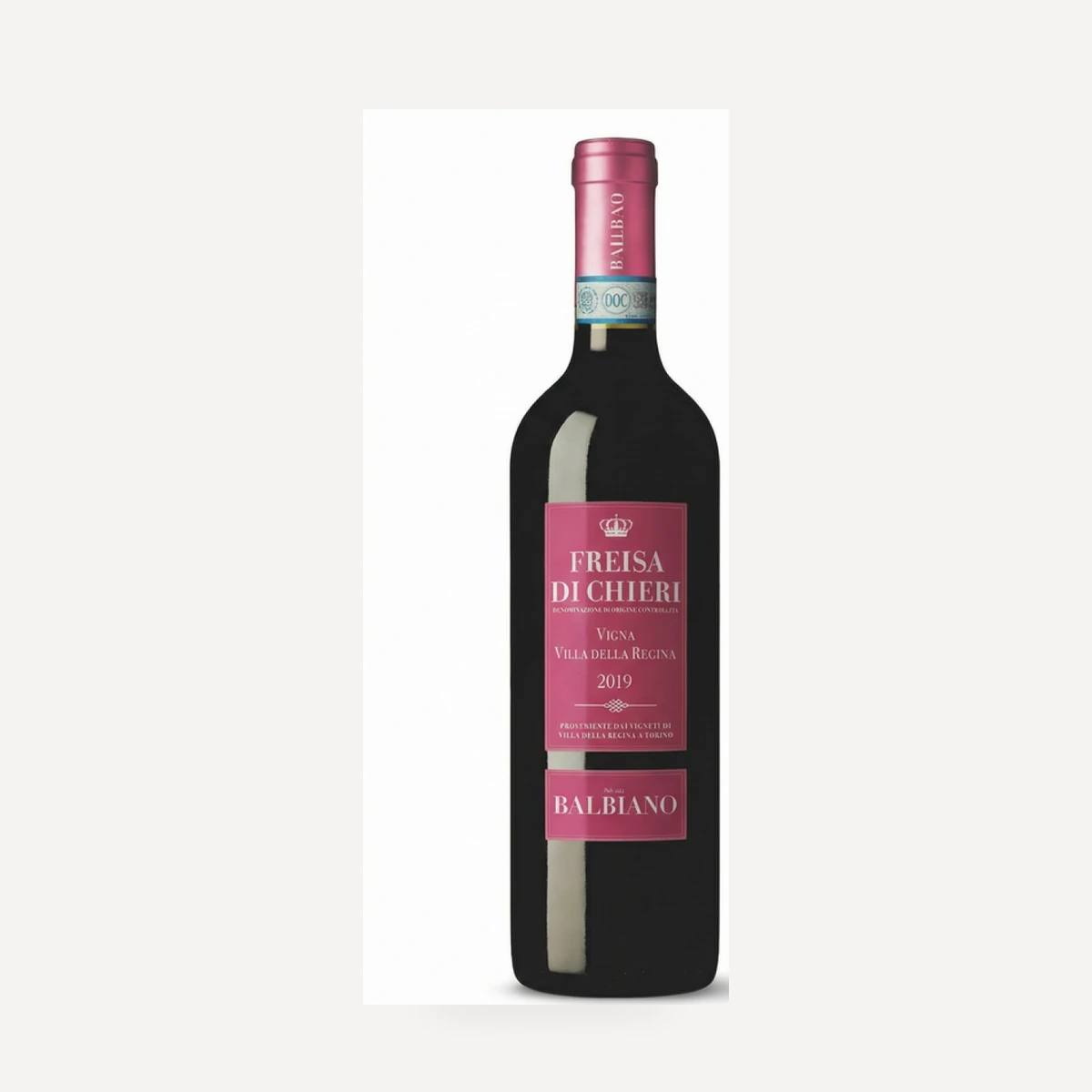
Freisa di Chieri DOC Superiore "Vigna Villa della Regina"
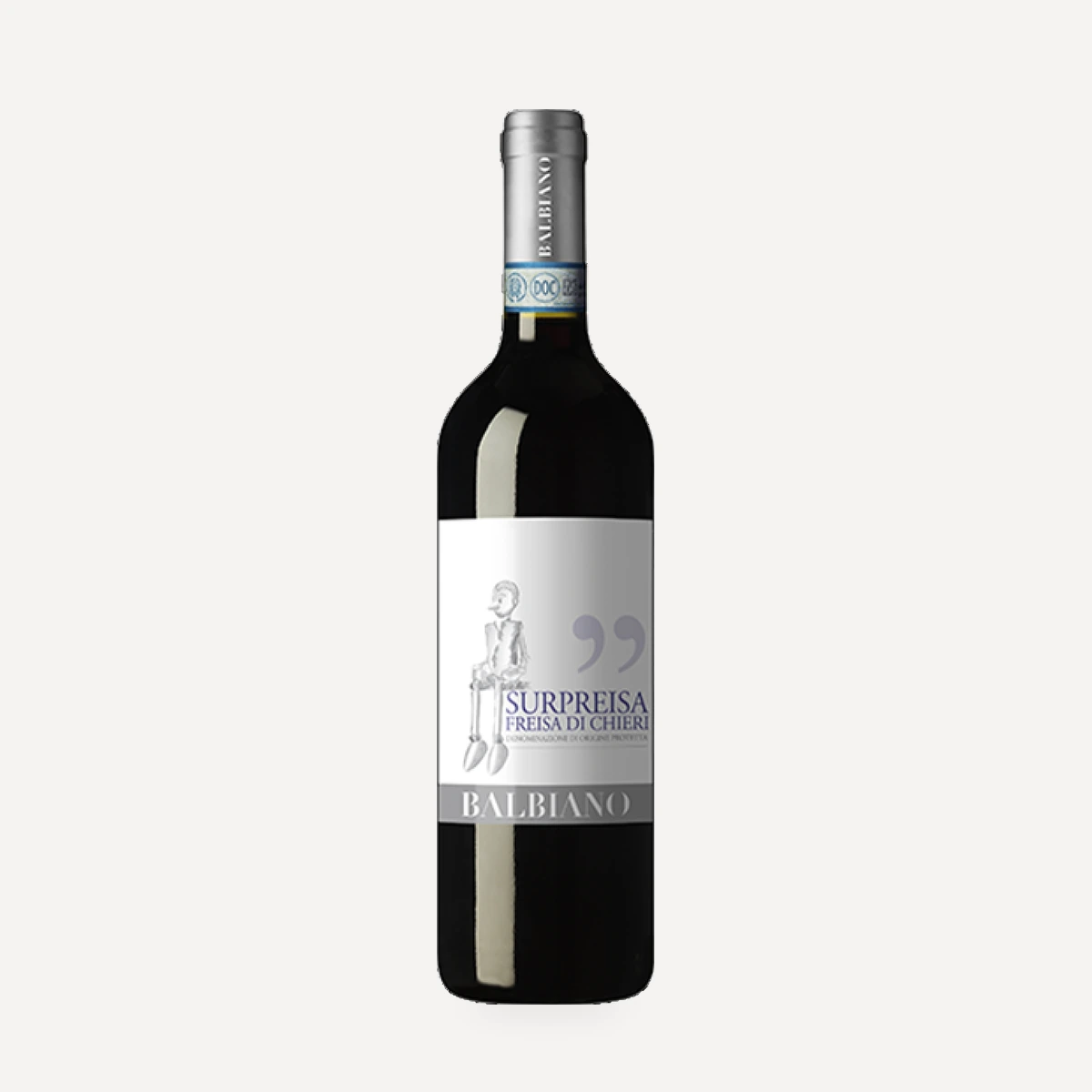
Freisa di Chieri DOC Surpreisa
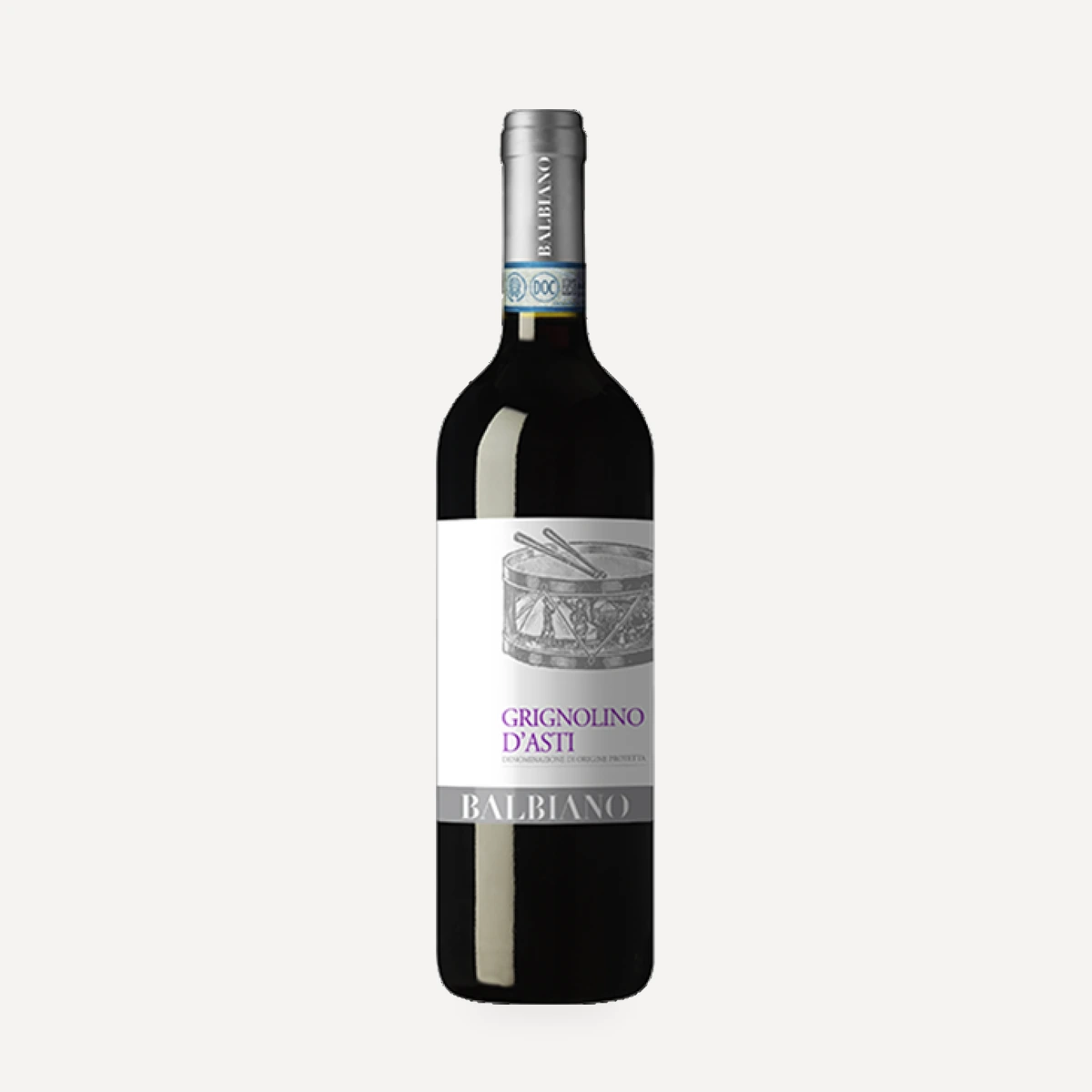
Grignolino d'Asti DOC
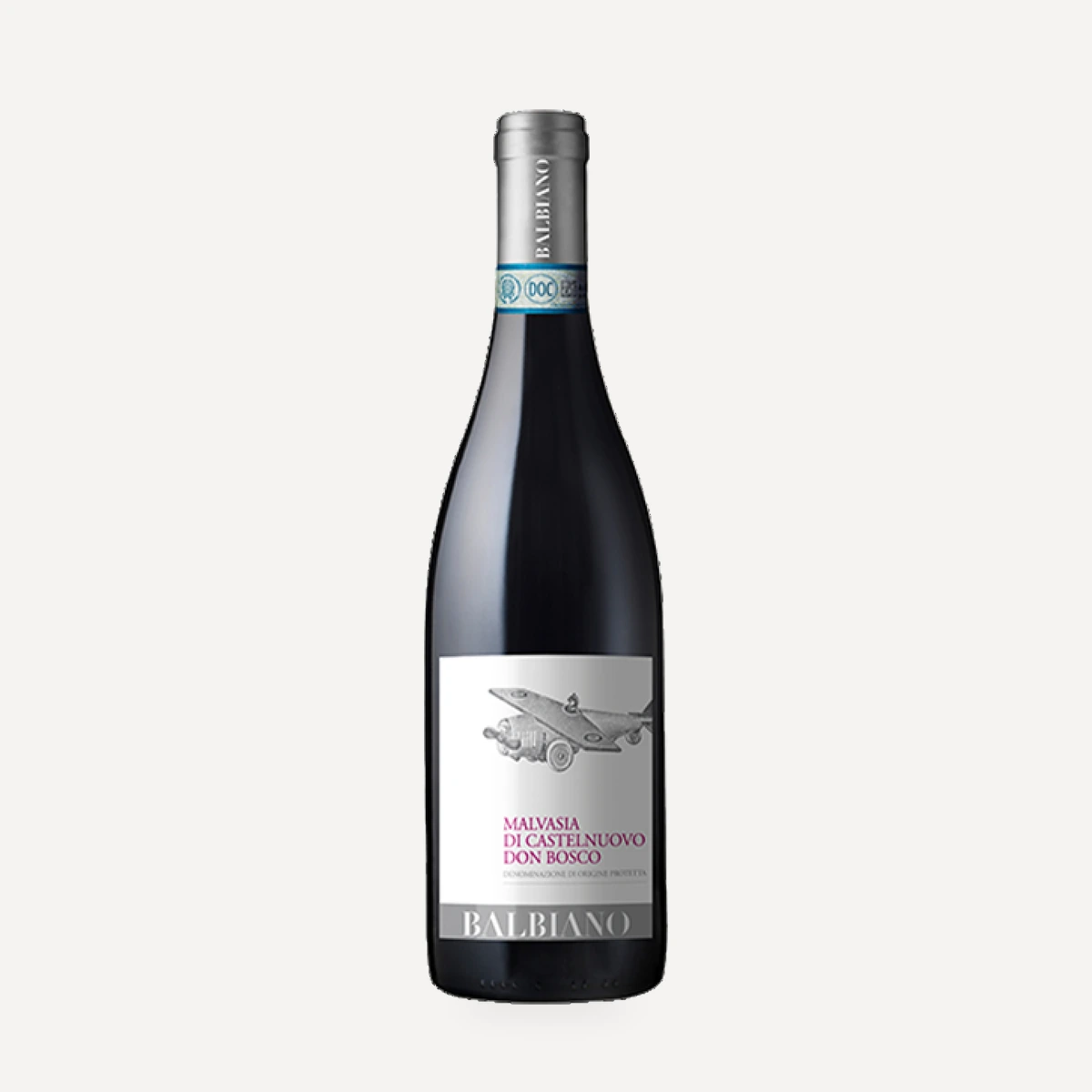
Malvasia di Castelnuovo Don Bosco DOC
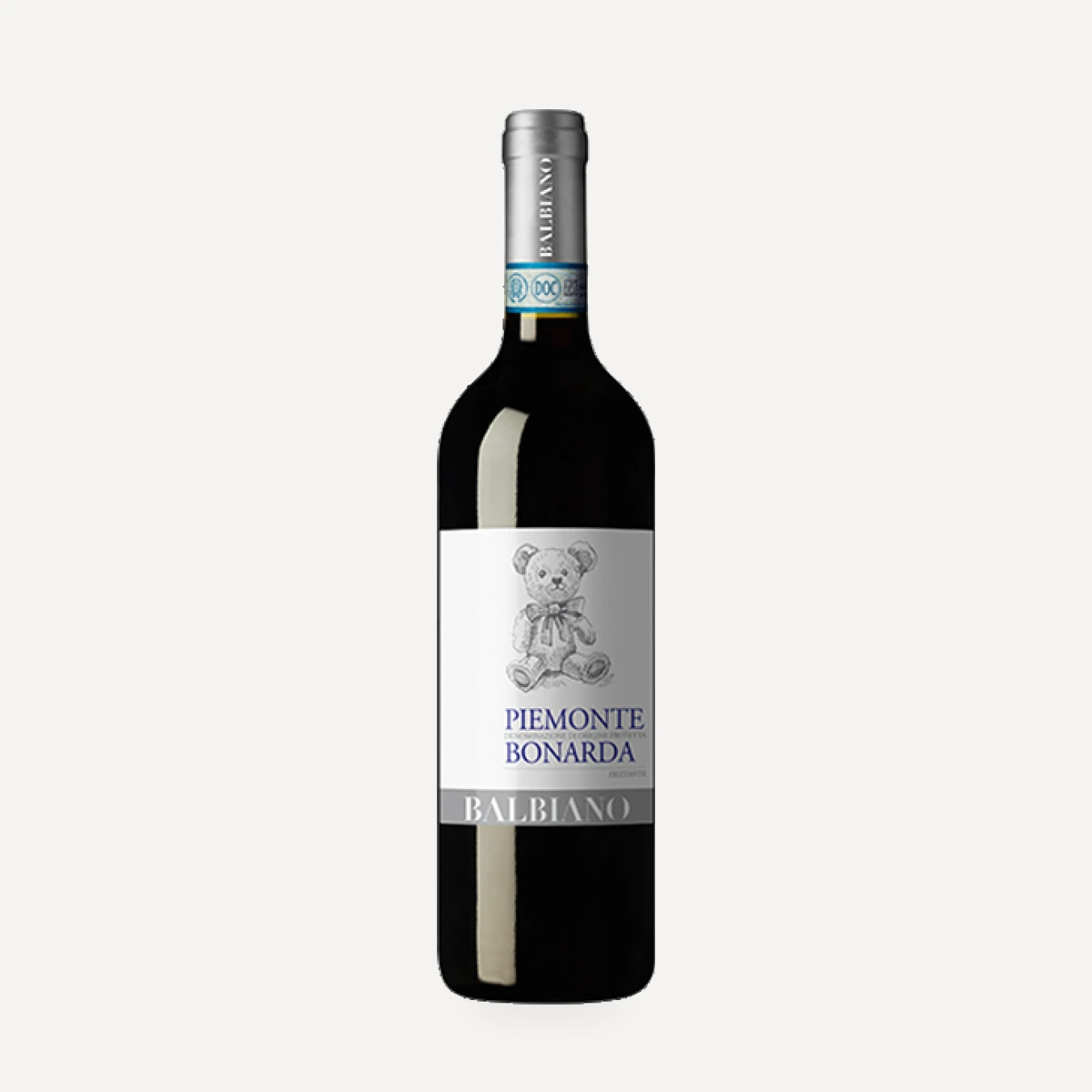
Piemonte DOC Bonarda Frizzante
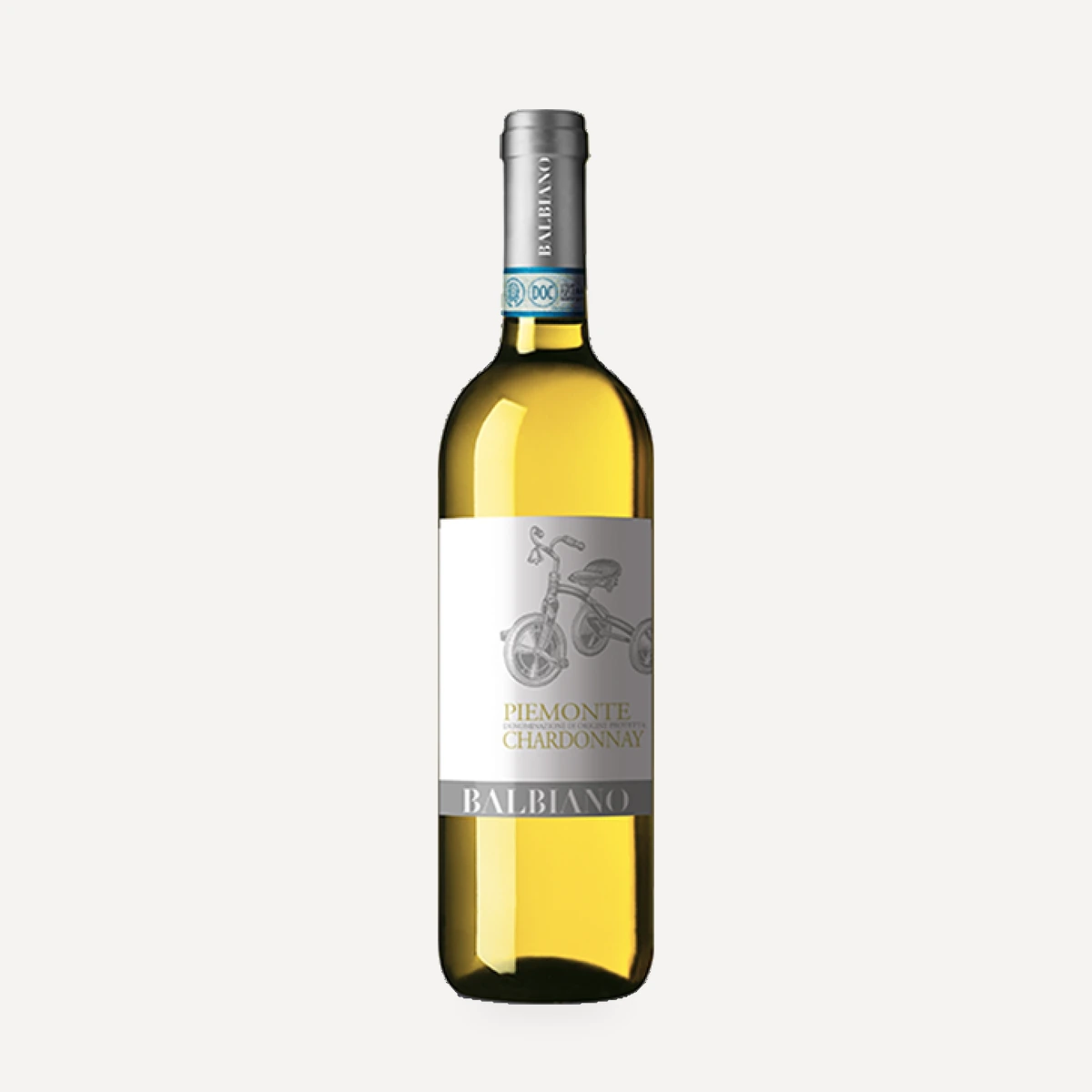
Piemonte DOC Chardonnay
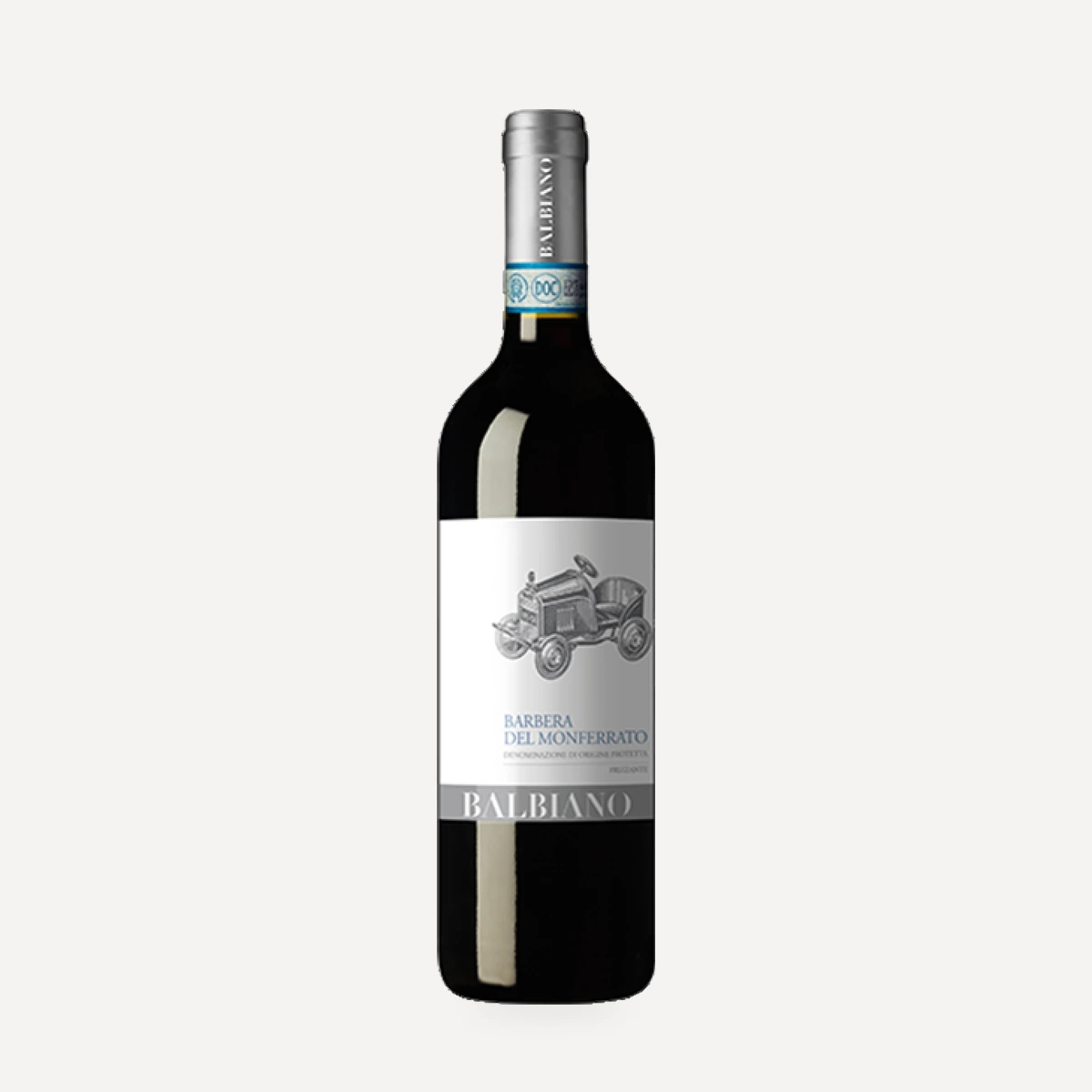
Barbera del Monferrato DOC Frizzante
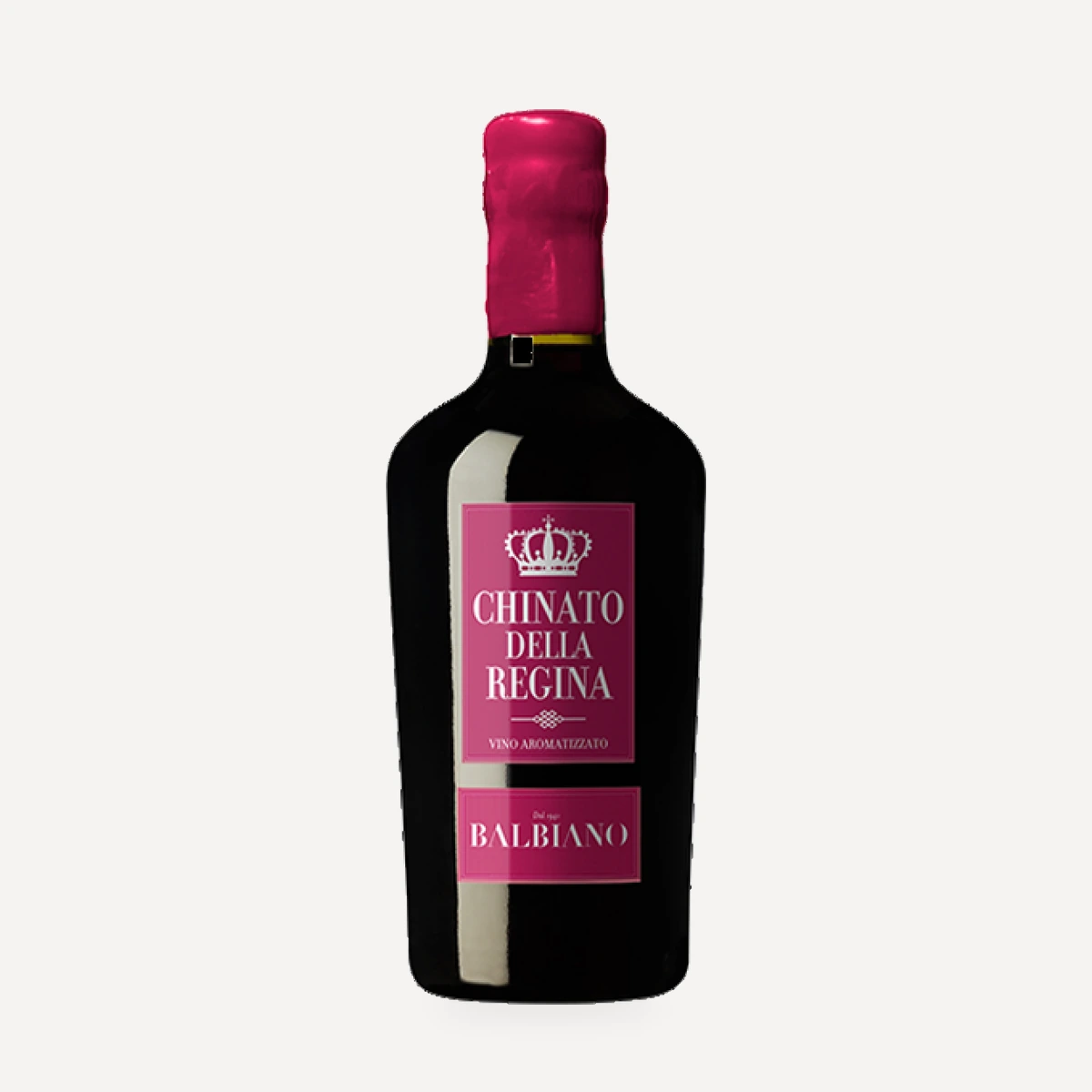
Chinato della Regina
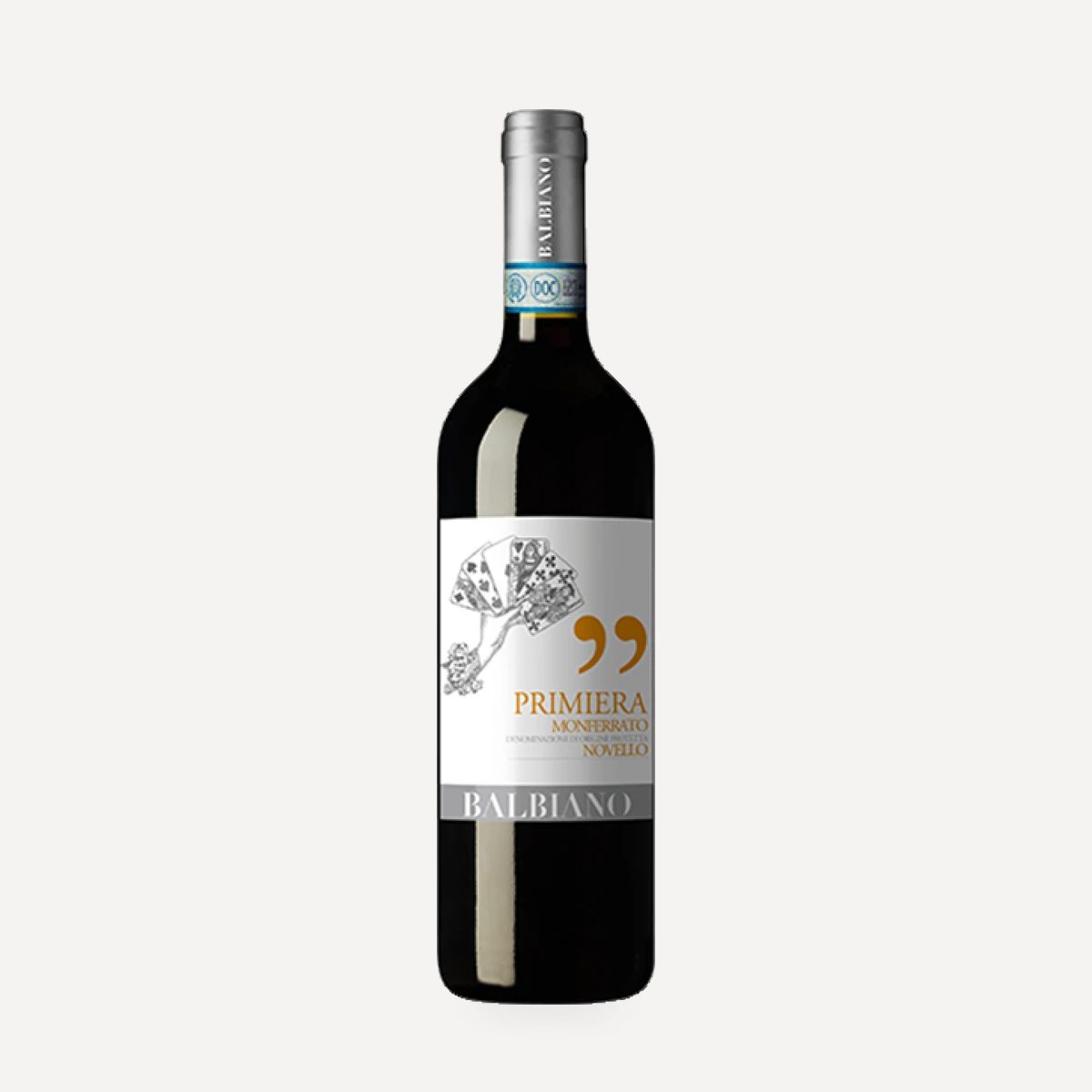
Monferrato DOC Novello "Primiera"
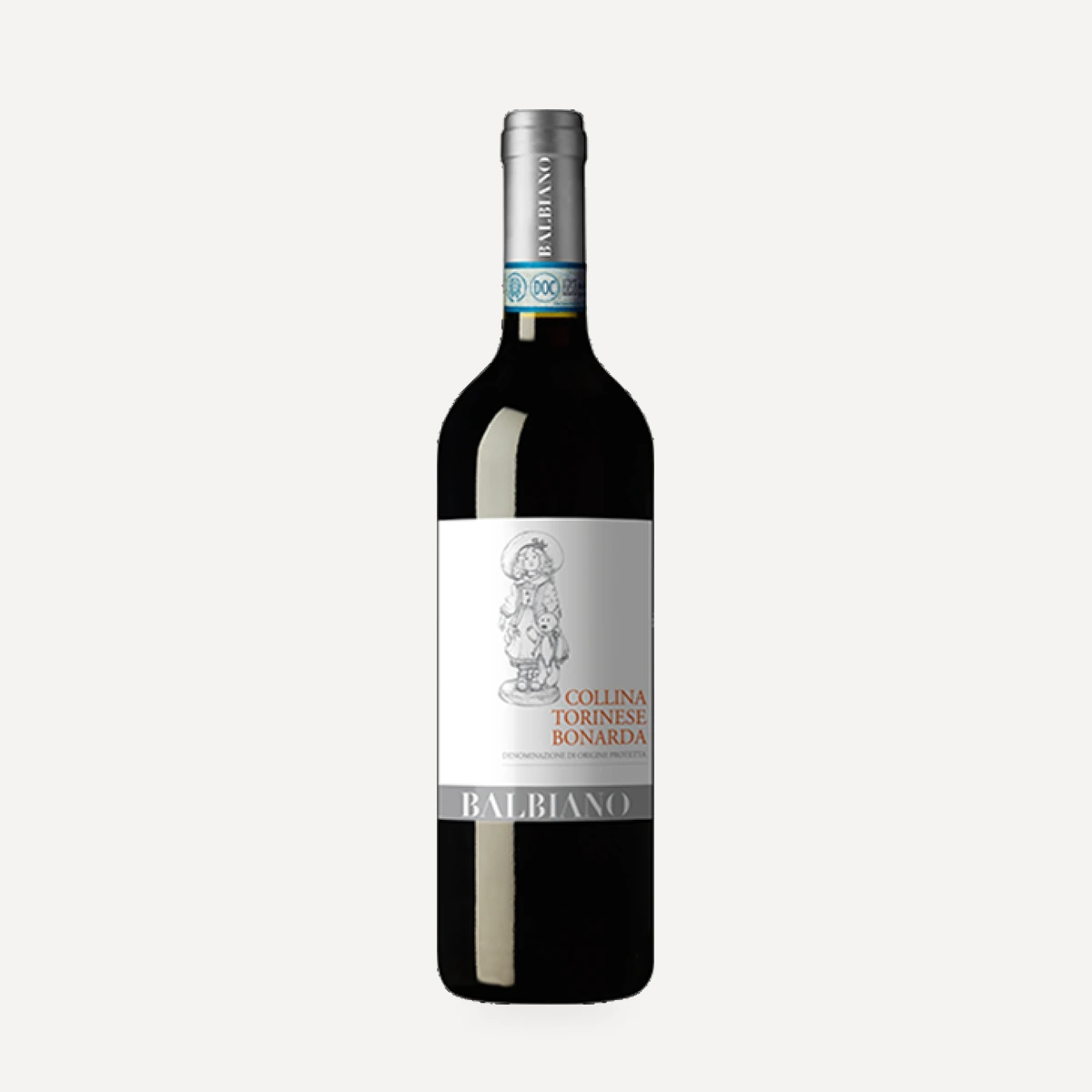
Collina Torinese DOC Bonarda
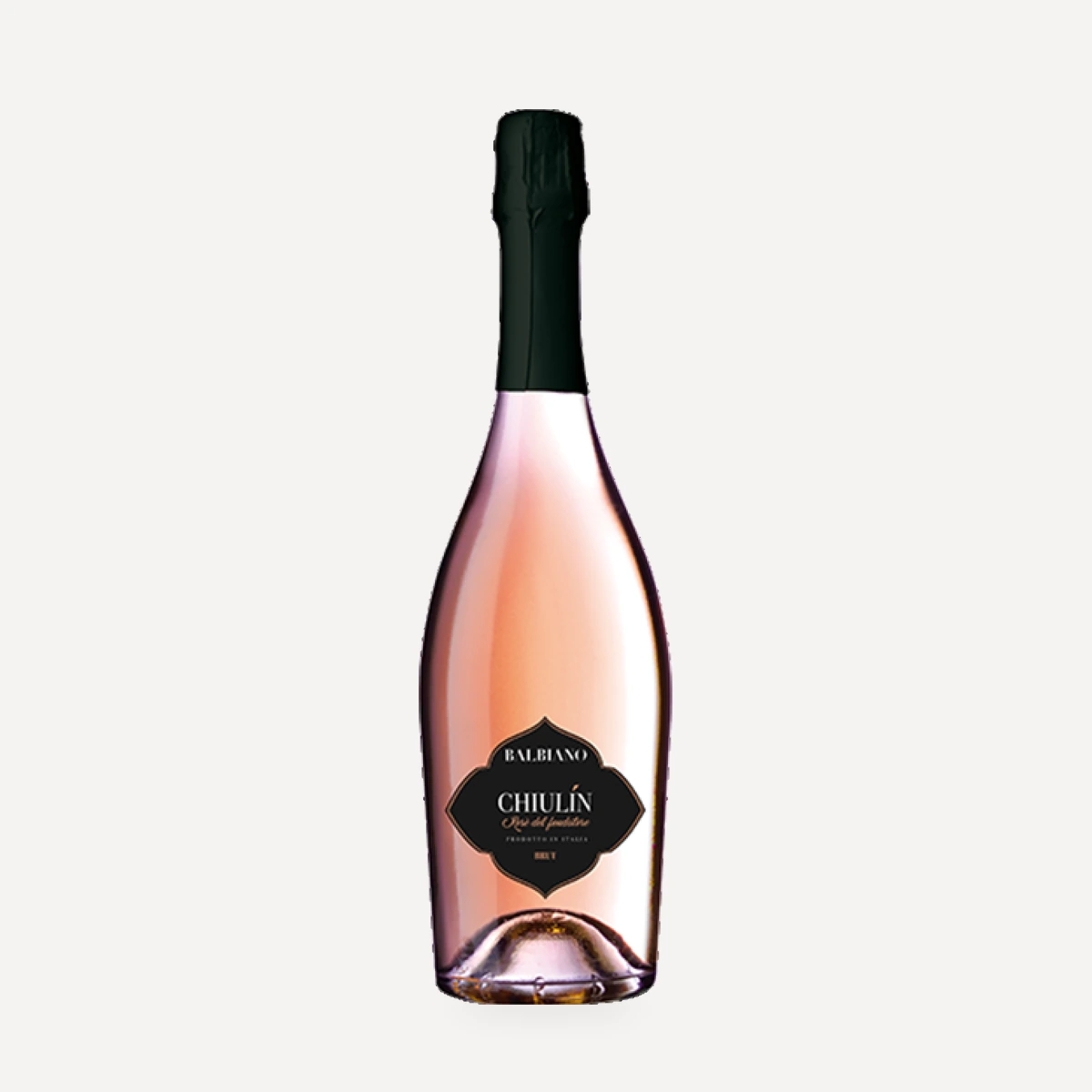
Spumante Brut Rosè "Chiulin"
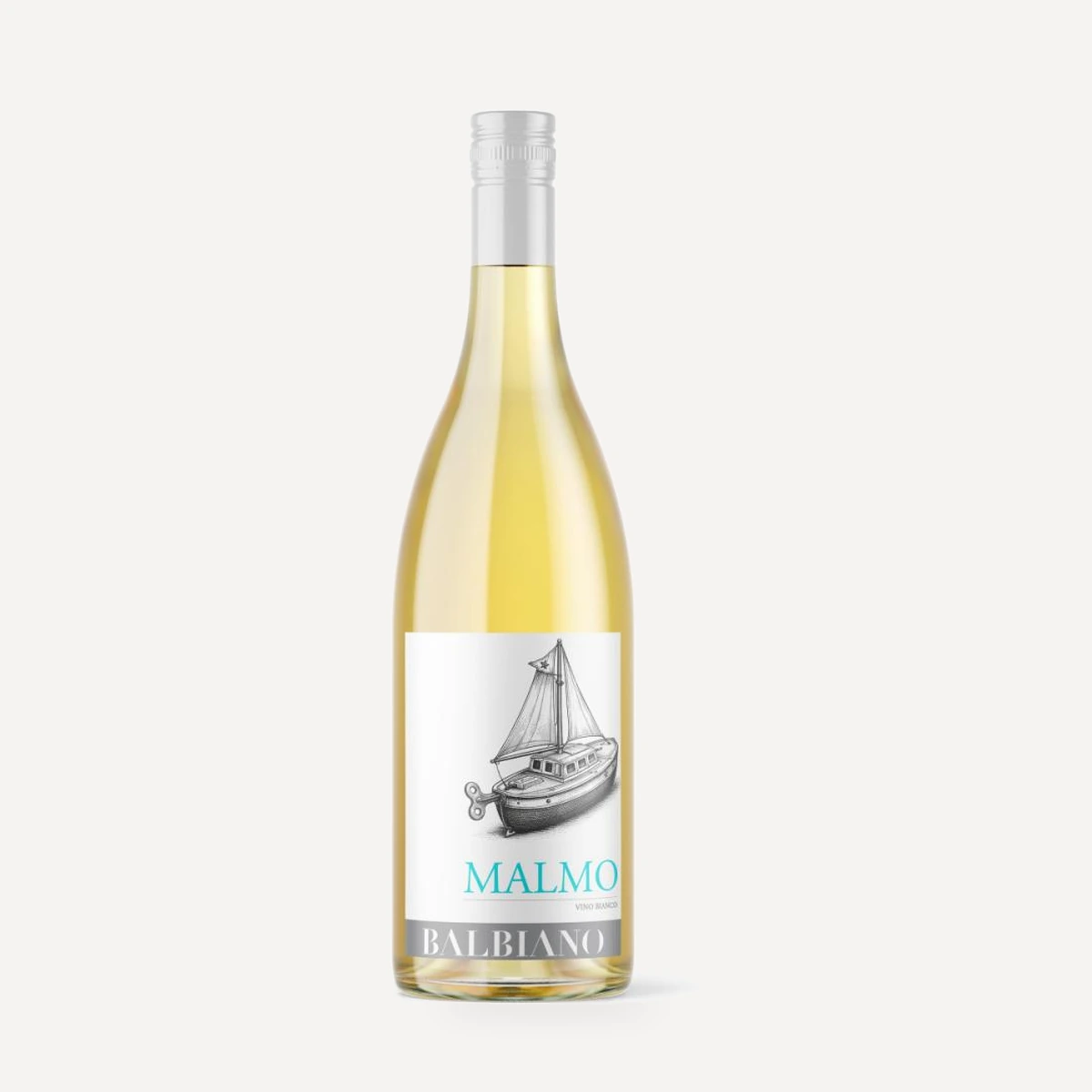
Malmo
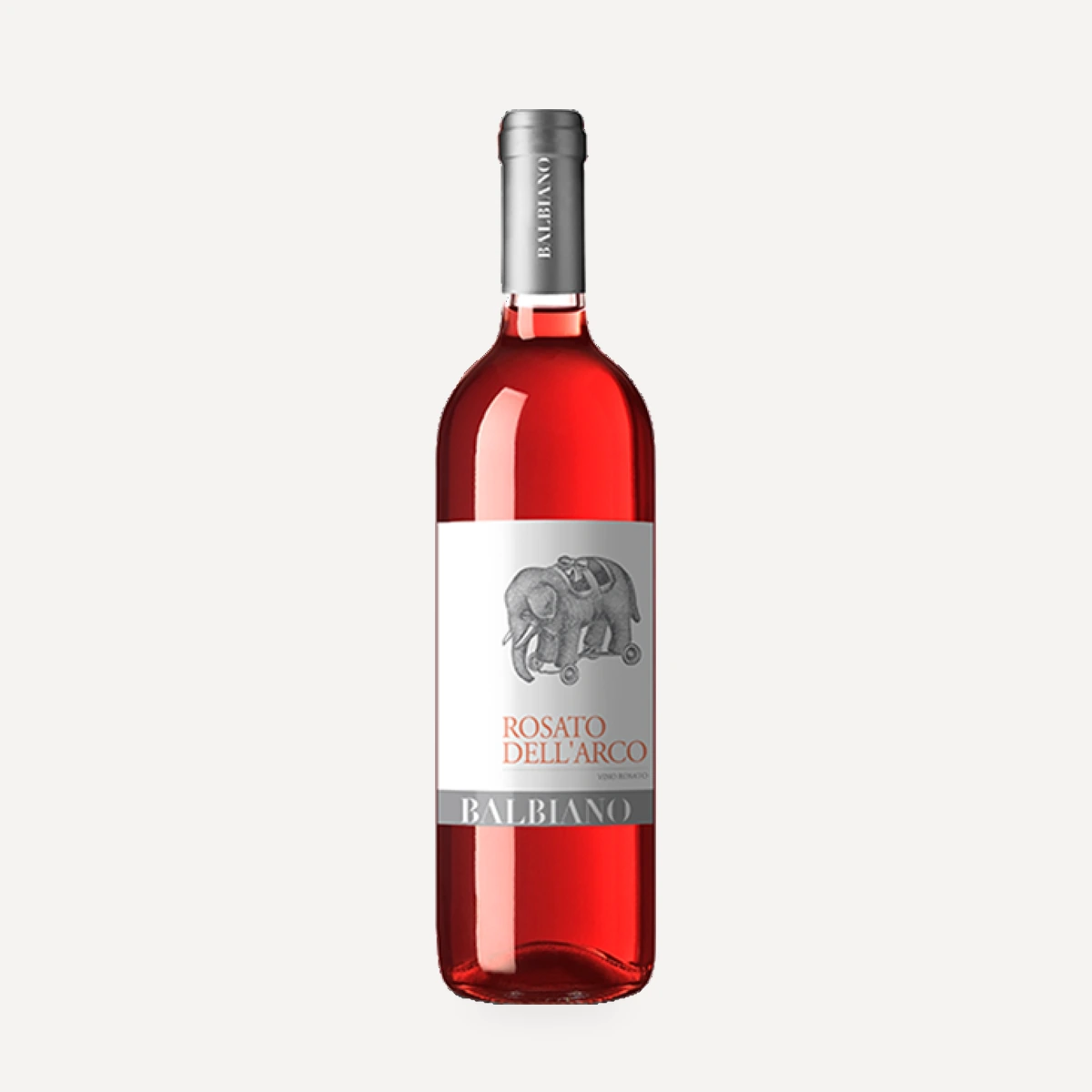
Rosato dell'Arco
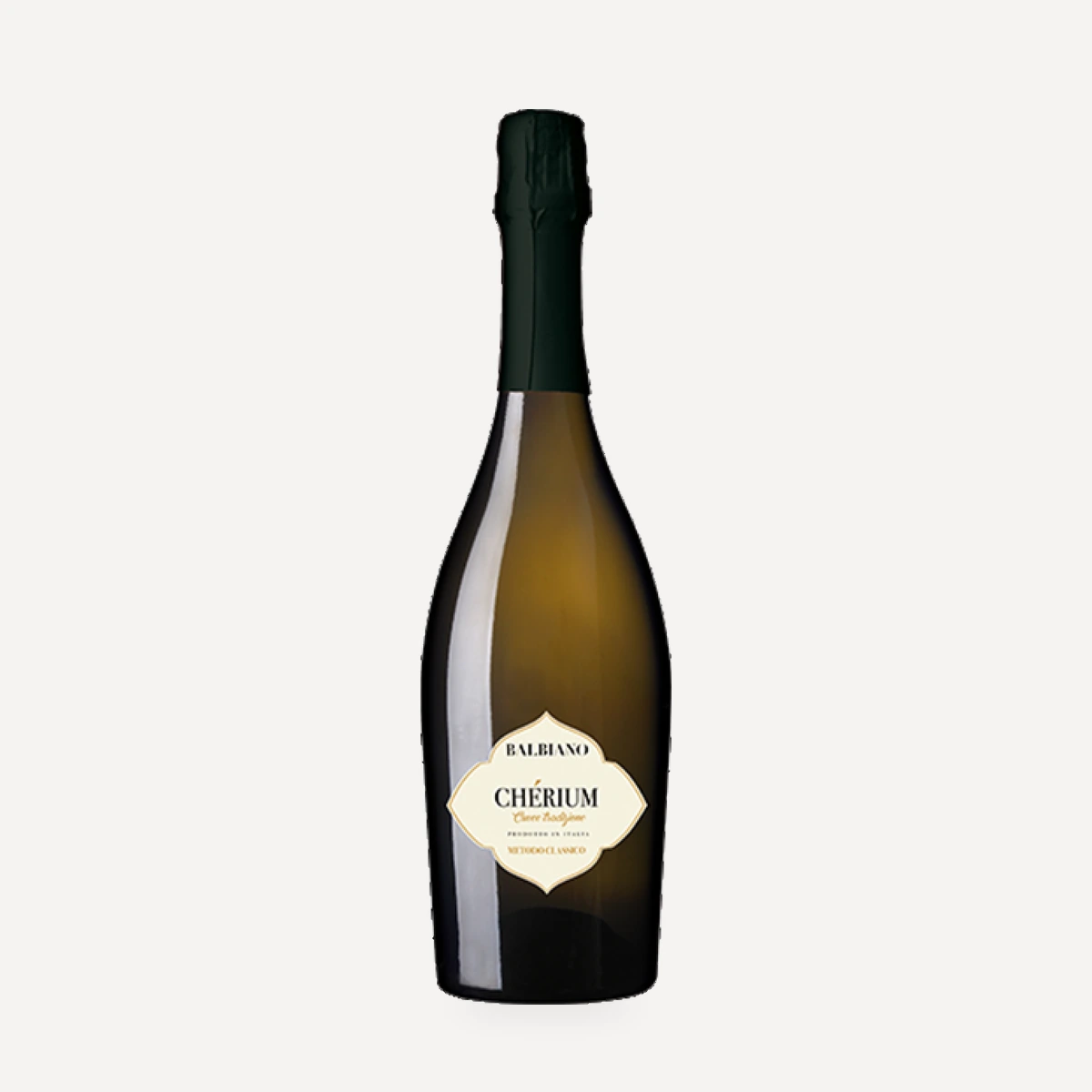
Spumante Brut Metodo Classico "Cherium"