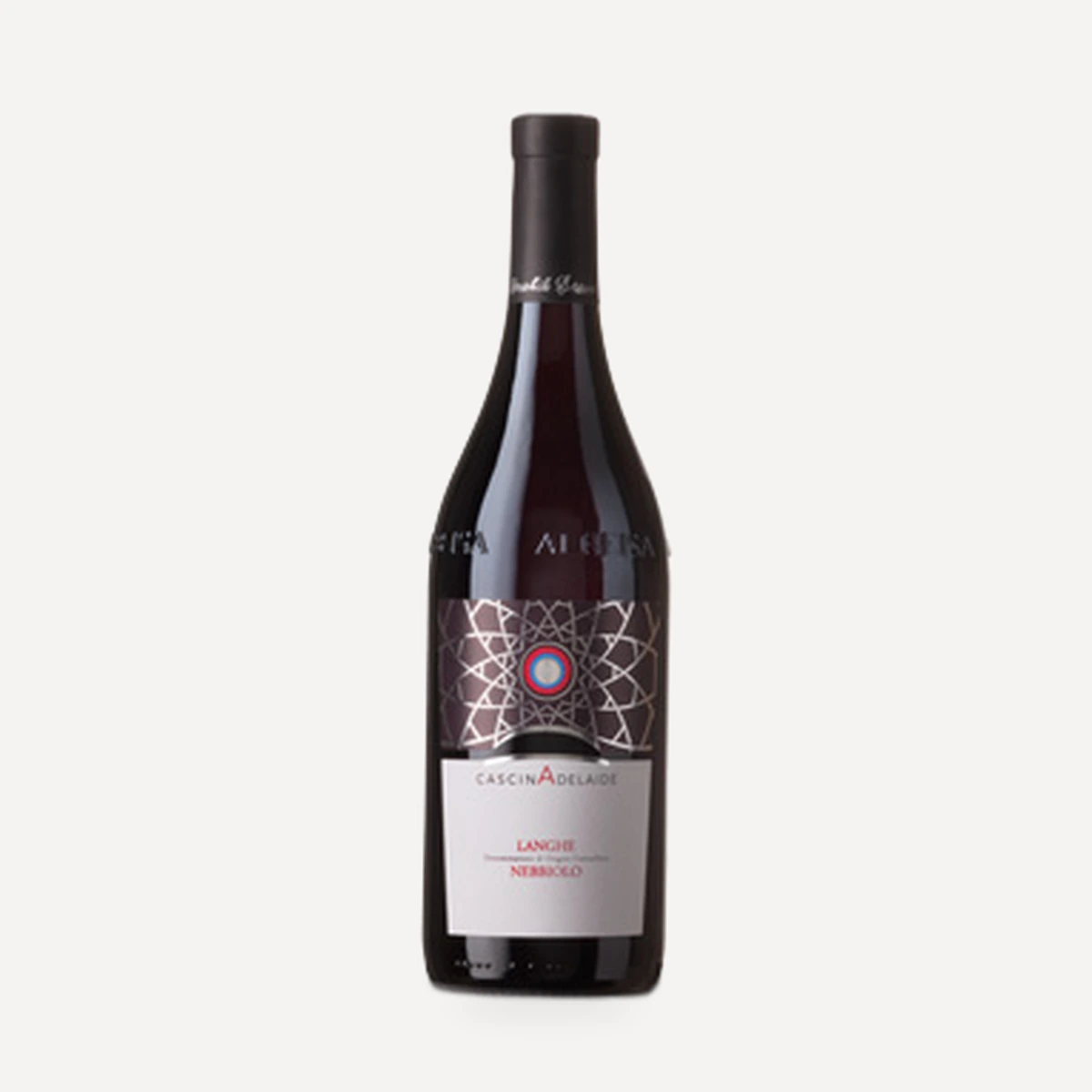
Storia
Family identity
The estate’s family narrative centres on Amabile Drocco, described as Cascina Adelaide’s producer and the person whose ambition drives the project. As a child at the Drocco family home, his mother called him Amabilin. That family nickname was later used for a Barbera d’Alba, linking the estate’s contemporary range to Amabile’s childhood and origins.
The family story also includes Elen, Amabile’s lifelong companion. The Barolo Riserva Per Elen was conceived as a dedication to the woman who helped make his dream possible, encouraged him and supported the building of the estate. The Riserva brings together two crus.
Development of the vineyard portfolio
Cascina Adelaide assembled a geographically broad collection of sites across the Barolo area and neighbouring Langhe communes. Its Nebbiolo holdings encompass Cannubi and Preda in Barolo; Fossati and Silio in La Morra; Pernanno in Castiglione Falletto; Baudana, Costabella and Sorano in Serralunga d’Alba; and Bussia in the historic Dardi–Mondoca area of Monforte d’Alba. The portfolio extends beyond Nebbiolo through Sori Costa Fiore and the old Montagrillo vineyard in Diano d’Alba, associated with Dolcetto, and Le Pernici in Novello, planted to Nascetta and Barbera.
Bussia is characterized as the last jewel added to this vineyard collection. Preda occupies a distinct place as the estate’s only monopole. Fossati is likewise presented as a later addition to the roster of separately expressed crus.
Preservation of old vines and local varieties
The estate maintains massal-selection Nebbiolo in several sites. Sorano and Costabella are presented together as two historic Serralunga crus with vines more than 80 years old. The Montagrillo vineyard on the Costa Fiore hill is also described as 80 years old.
Cascina Adelaide’s work with Nascetta represents another strand of continuity. The aromatic white grape is indigenous to Novello and is characterized as an ancient variety that came close to disappearing. The estate planted it at Le Pernici and made it the basis of its only white wine.
Terroir
A dispersed Langhe vineyard mosaic
Cascina Adelaide’s vineyards extend across seven communes: Barolo, La Morra, Castiglione Falletto, Serralunga d’Alba, Diano d’Alba, Novello and Monforte d’Alba. The named sites lie between 270 and 400 metres above sea level, with exposures ranging from west through south and southeast to east-southeast.
Barolo and La Morra
Cannubi lies at 270 metres in the heart of Barolo, with a south to southeast exposure and soils described through both Elveziano and Tortoniano formations. The hill’s vineyards were already renowned and valued before the history of Barolo wine began.
Preda, also in Barolo, occupies west-facing slopes at 270–300 metres. Its pale soils are described as having a tuffaceous matrix, with white clay and sand. The geological designation is Tortoniano.
Fossati and Silio belong to La Morra. Their soils are dominated by red and grey clay. Fossati reaches 400 metres, faces southwest and is classified as Tortoniano.
Castiglione Falletto and Serralunga d’Alba
Pernanno lies in Castiglione Falletto at 270 metres, facing south to southeast. Its soils are identified as Elveziano–Arenarie di Diano.
The Serralunga d’Alba holdings comprise Baudana, Costabella and Sorano. Baudana is at 300 metres with a southern exposure and Serravalliano–Formazione di Lequio soils. Costabella and Sorano are also at 300 metres on Elveziano soils: Costabella faces south to southwest, while Sorano faces south to southeast. Sorano and Costabella are historic Serralunga crus associated with very old massal-selection Nebbiolo.
Diano d’Alba, Novello and Monforte d’Alba
Sori Costa Fiore lies in Diano d’Alba at 350 metres, faces south and has Tortoniano soils. Within the Costa Fiore hill, the estate identifies the old Montagrillo vineyard as a particularly important Dolcetto site.
Le Pernici in Novello is at 350 metres, faces east to southeast and has Tortoniano soils. It supports Nascetta and Barbera; Nascetta is indigenous to Novello.
Bussia lies in the historic Dardi–Mondoca area of Monforte d’Alba at 350 metres. It faces east to southeast. Its geological description combines Elveziano and Arenarie di Diano, while the broader site description also identifies Diano sandstones and Sant’Agata marls.
Vinificazione
Cascina Adelaide uses both massal and clonal vine selections, with the approach recorded separately for most named vineyards.
Massal selection is identified at Cannubi, Pernanno, Baudana, Costabella, Sorano and Sori Costa Fiore. This approach is particularly significant in Sorano and Costabella, the two historic Serralunga crus presented as retaining Nebbiolo vines more than 80 years old. Montagrillo, within the Costa Fiore hill, is separately described as an 80-year-old Dolcetto vineyard.
Clonal selection is identified at Fossati, Preda, Le Pernici and Bussia. Preda is planted mainly to Nebbiolo with a smaller component of Barbera. Le Pernici carries both Nascetta and Barbera, while Fossati and Bussia are planted to Nebbiolo.
The vineyard programme encompasses Nebbiolo, Barbera, Dolcetto and Nascetta. The work with Nascetta is framed as the recovery and vinification of an ancient Novello variety that had nearly disappeared.
Cascina Adelaide describes careful grape selection and the pursuit of balance as central to its production approach. Preda is likewise associated with close attention extending from the vineyard into the cellar.
The cellar and other working spaces were shaped with longevity in mind, as an environment intended to serve future generations and sustain the family’s attachment to its vineyards. The range demonstrates both parcel-specific and blending approaches: individual Barolo crus are kept distinct, the traditional 4 Vigne expression combines four vineyards, and the Per Elen Riserva unites two crus.
The estate also undertook the vinification of Nascetta, an aromatic white grape indigenous to Novello and described as an ancient, nearly lost variety. It remains the basis of Cascina Adelaide’s only white wine.
Filosofia
Cascina Adelaide presents life in the Langa as both a privilege and an obligation to give its best. Its philosophy is rooted in affection for the hills and, above all, for the individuality of its vineyards.
The estate connects this attachment to continuity. Its working environment was designed to endure, with the intention that its colours, aromas and atmosphere should engage future generations and perpetuate the family’s passion for beautiful and precious things.
A second principle is fidelity to place through individual vineyards. The portfolio preserves the identities of sites spread across several communes and geological settings, while also retaining old massal-selection vines in historic Serralunga crus. The decision to work with Nascetta reflects a parallel commitment to an ancient local grape indigenous to Novello.
Careful selection and balance are the stated production priorities. The estate combines this attention with both cru-specific bottlings and traditional blends drawn from several vineyards.
Vini
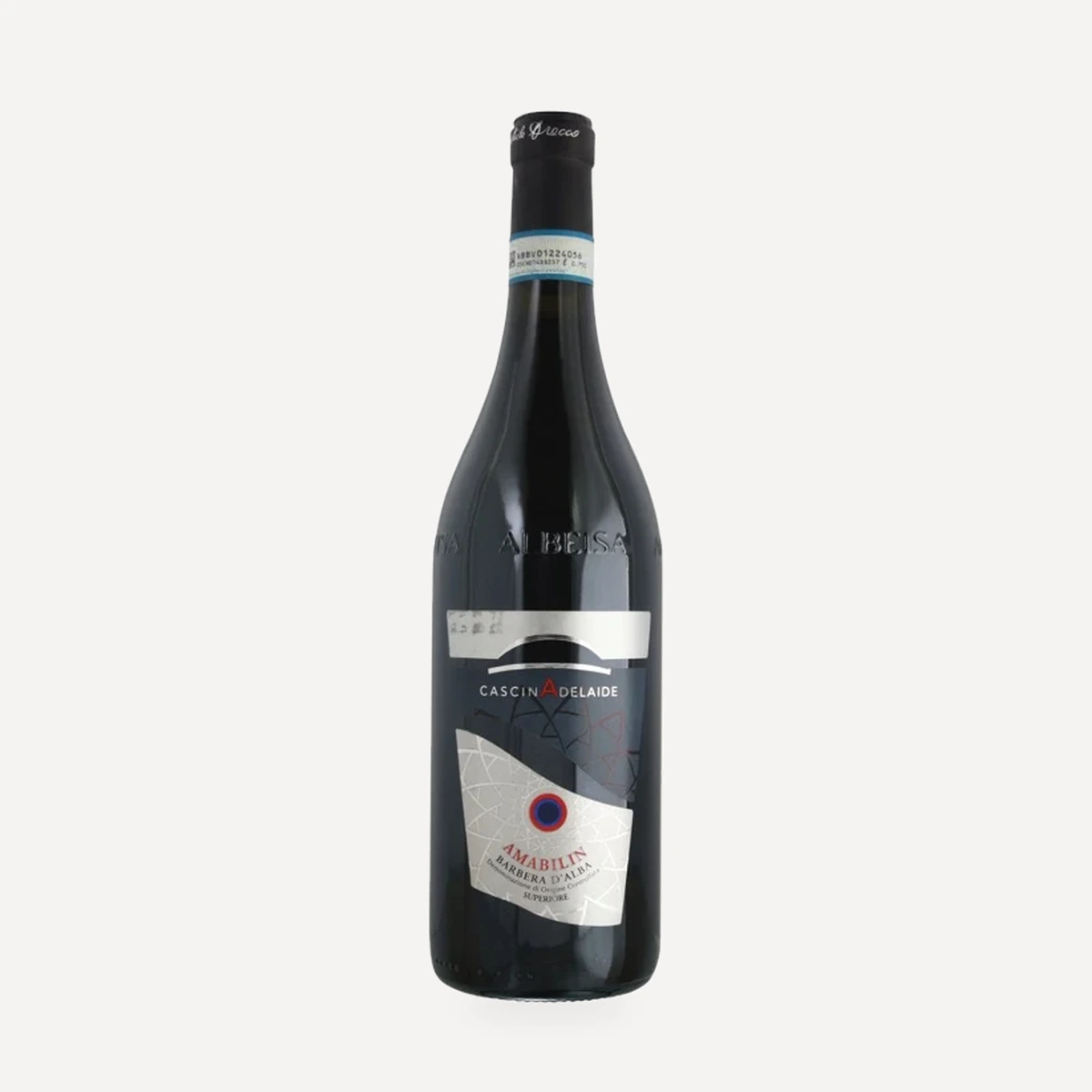
Barbera d’Alba Amabilin
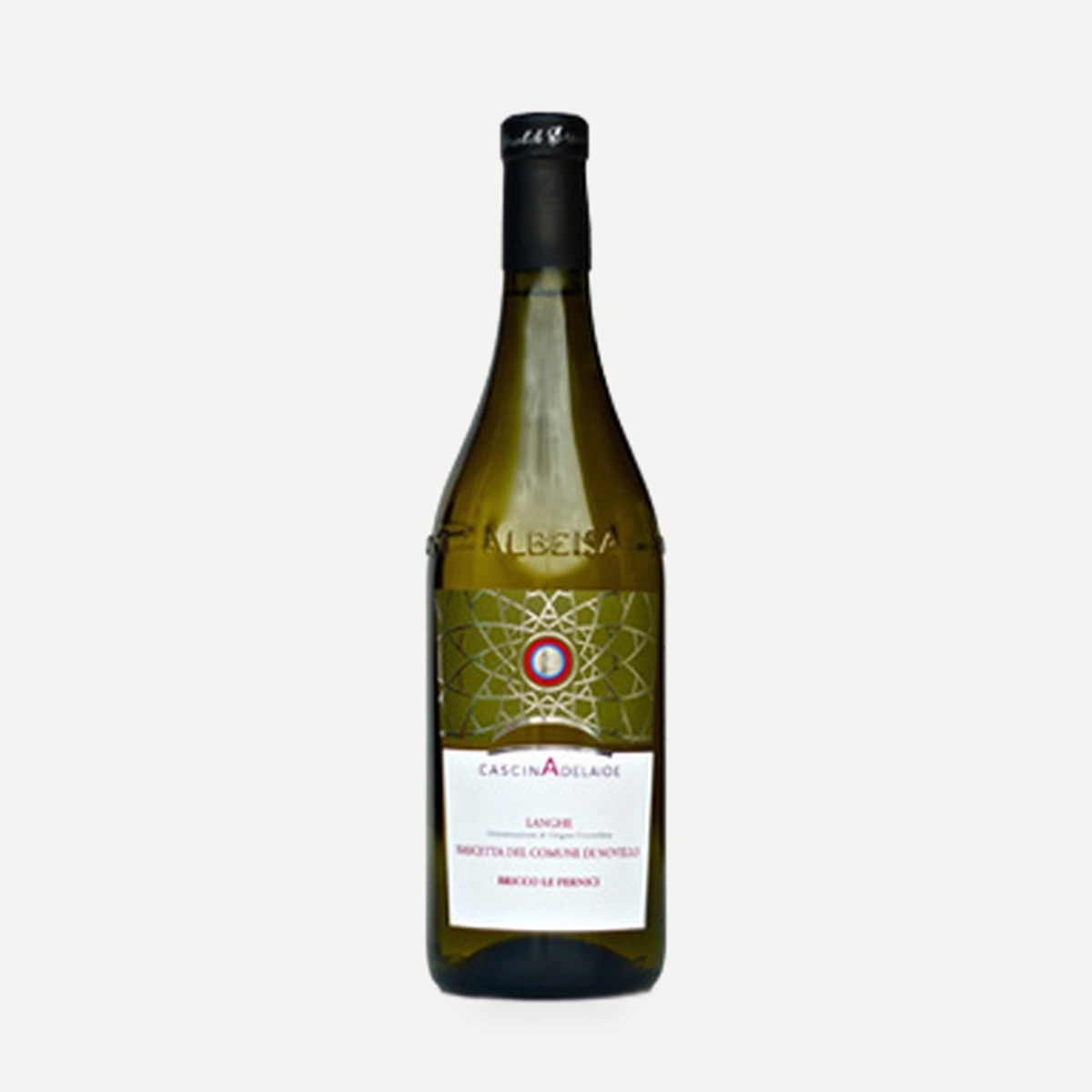
Langhe Nascetta di Novello
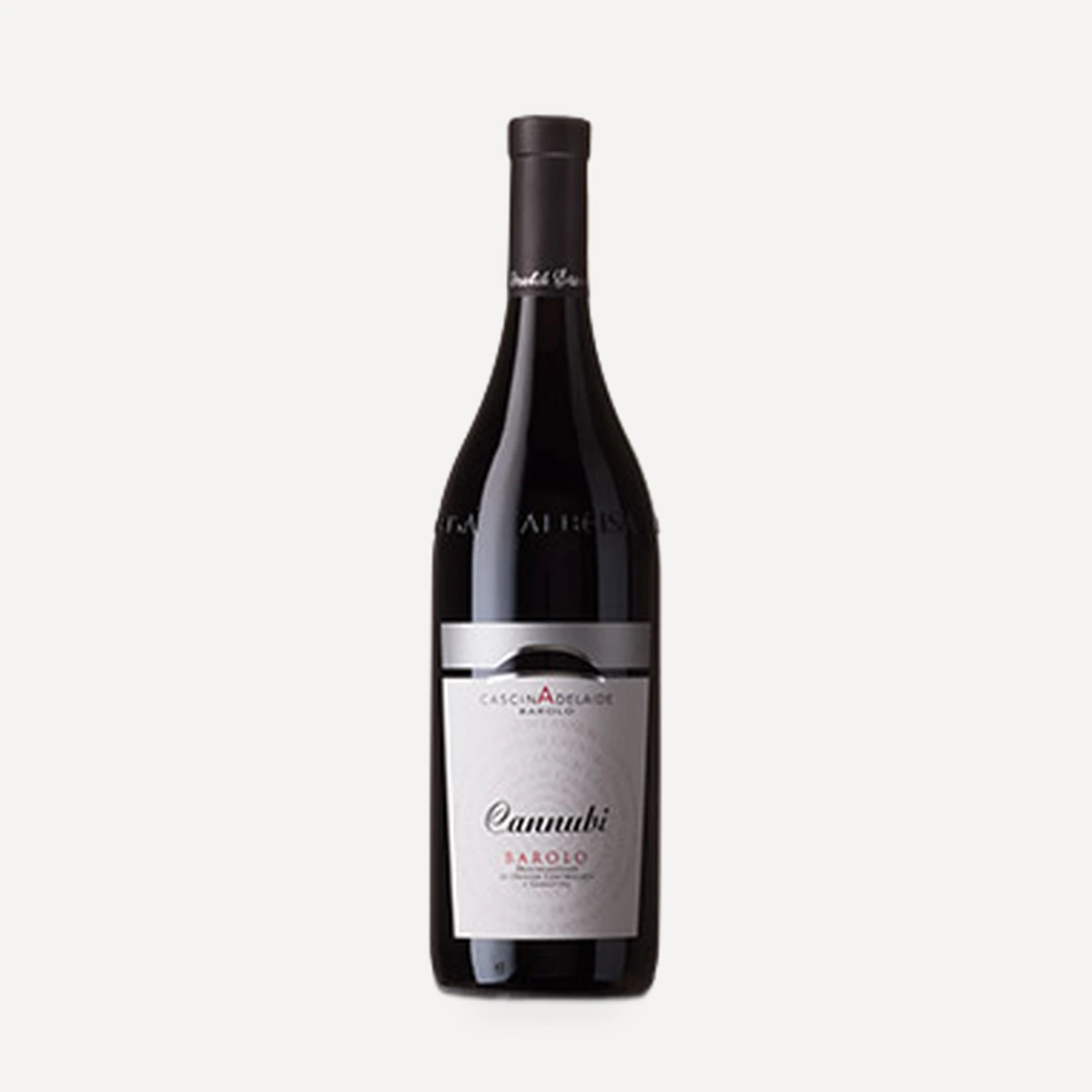
Barolo Cannubi
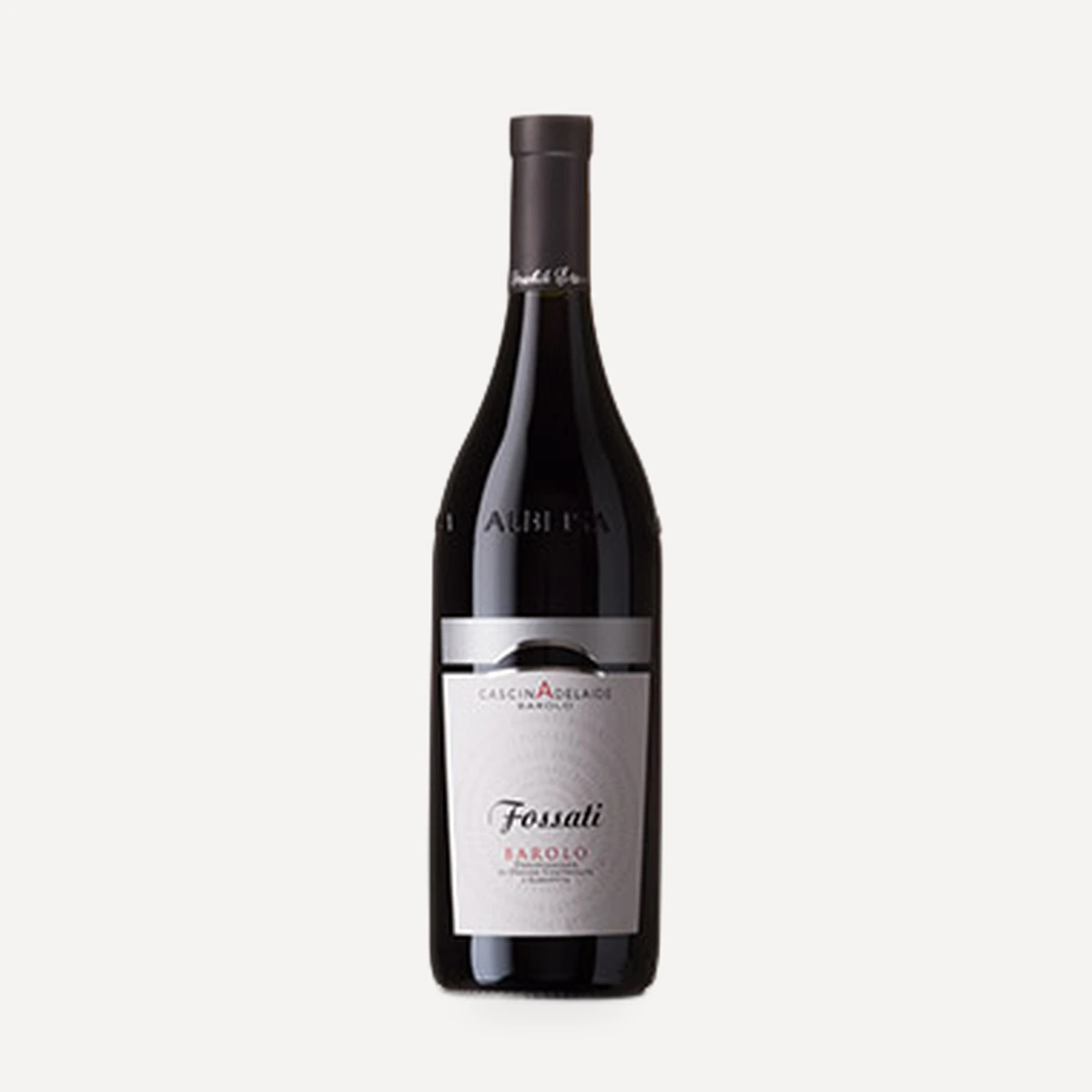
Barolo Fossati
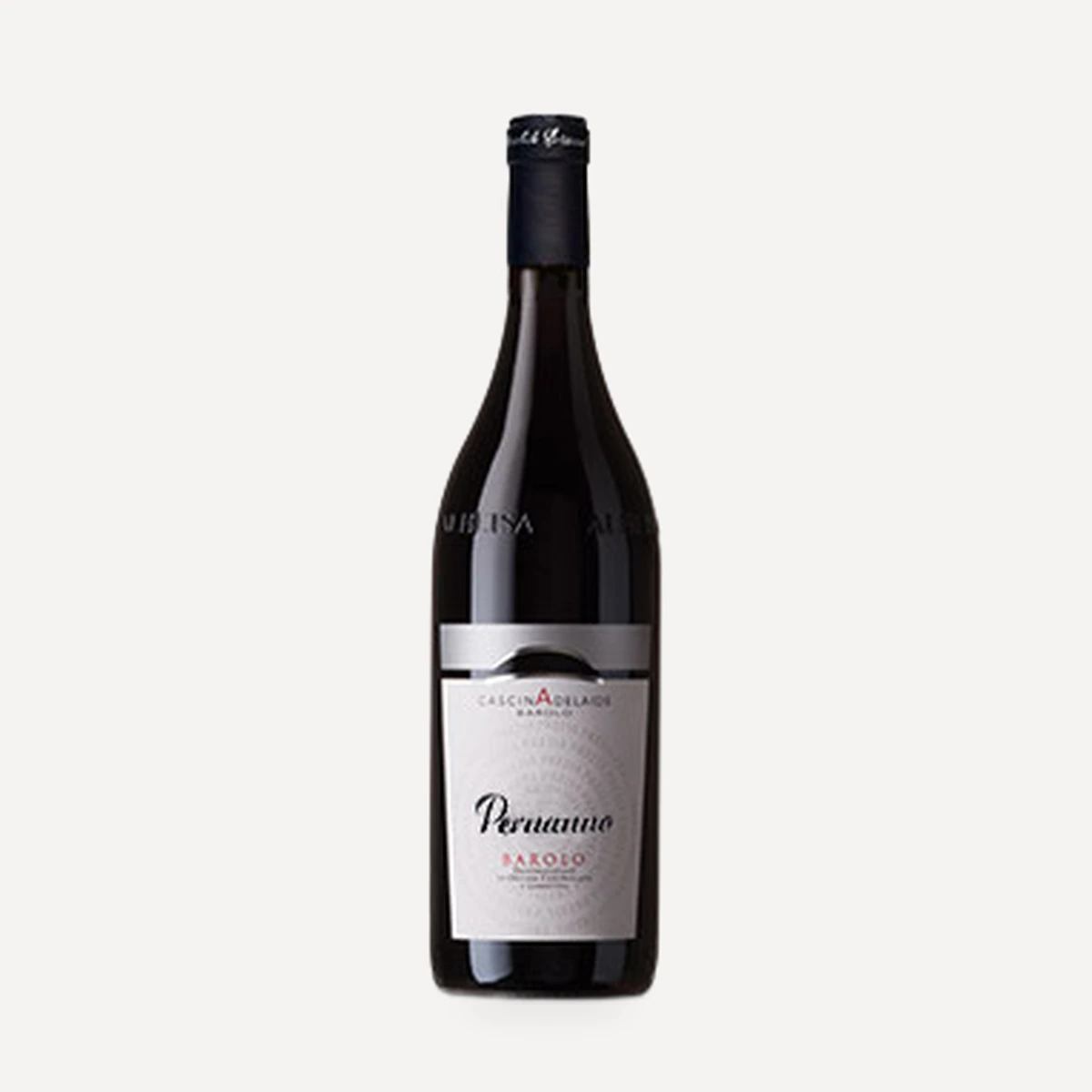
Barolo Pernanno
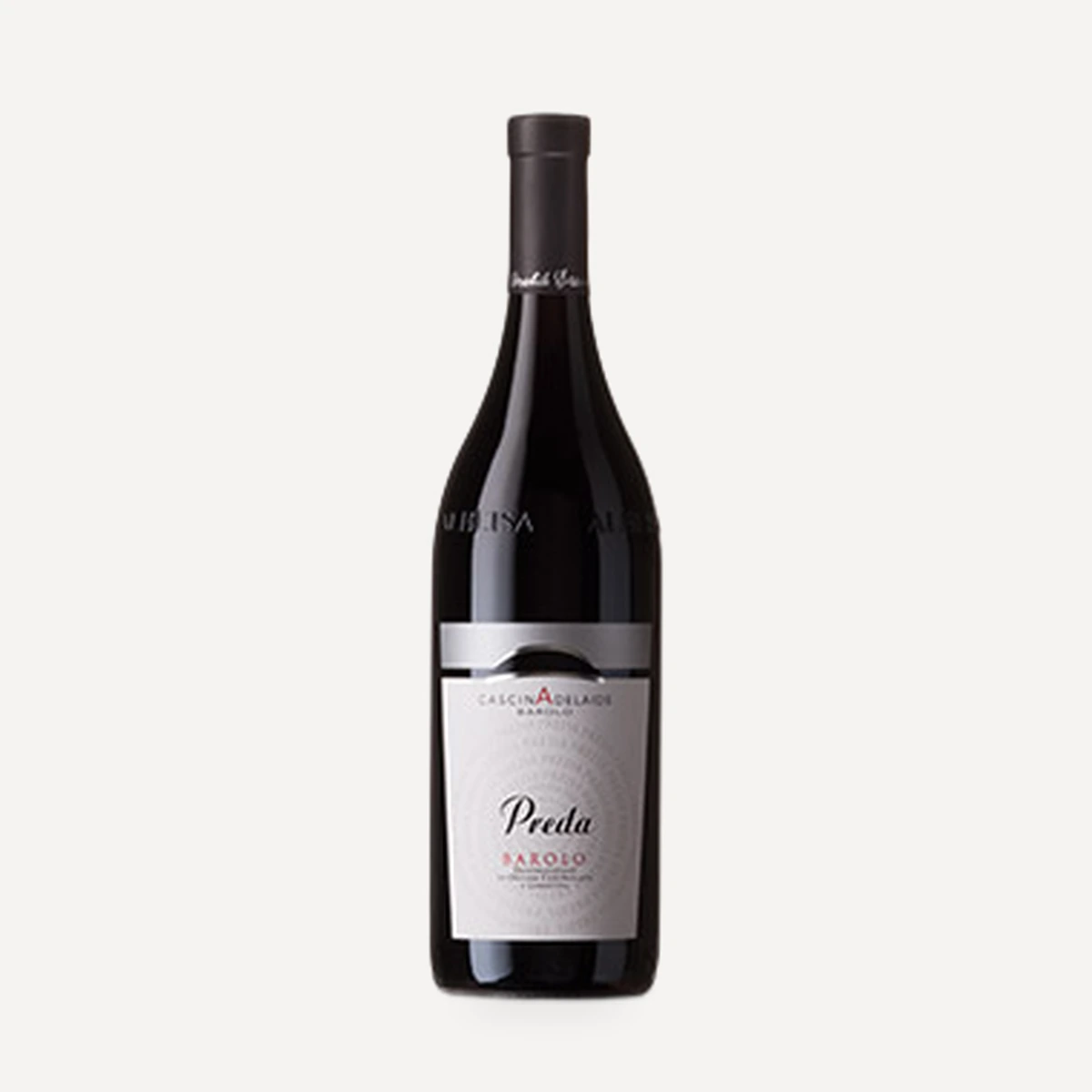
Barolo Preda
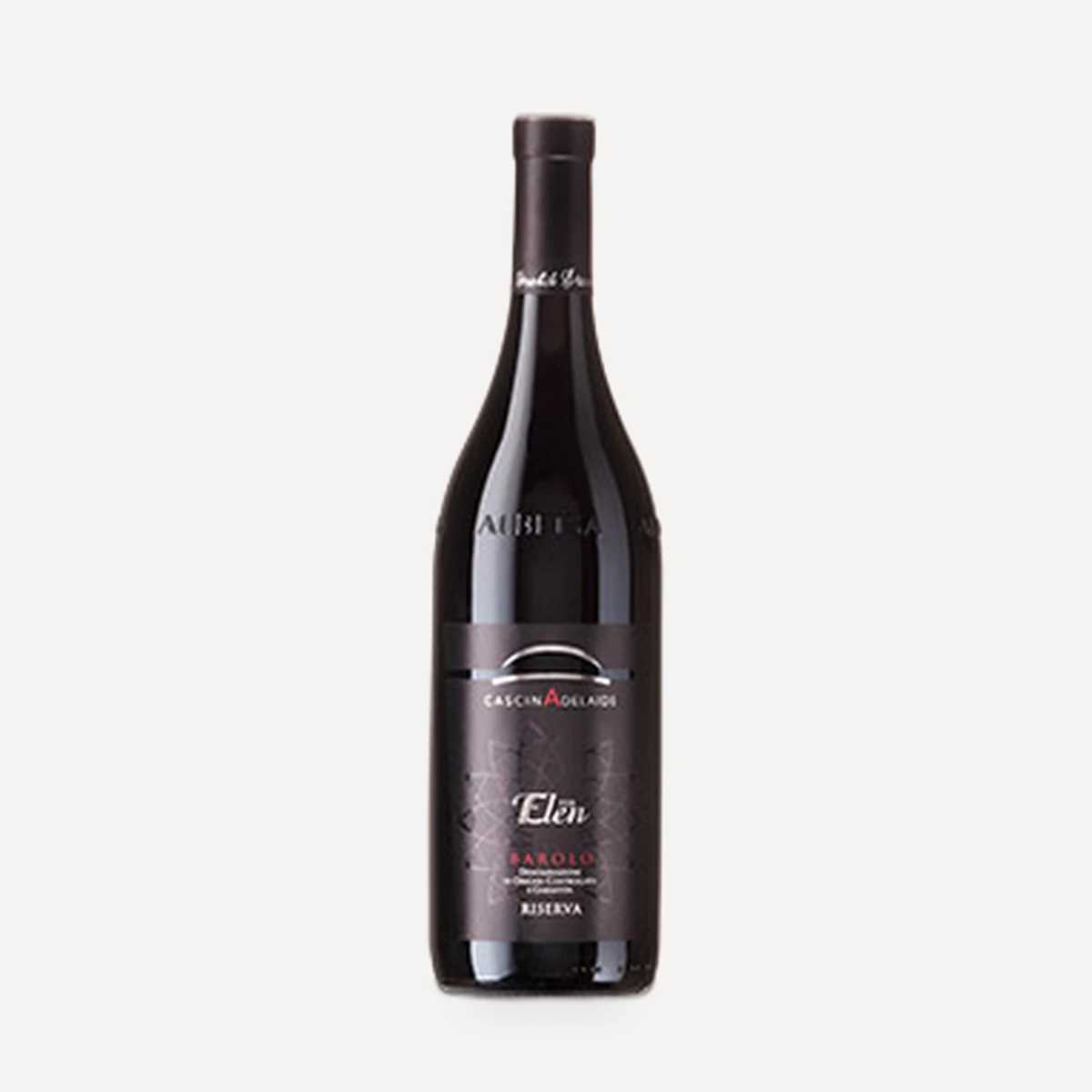
Barolo Riserva Per Elen
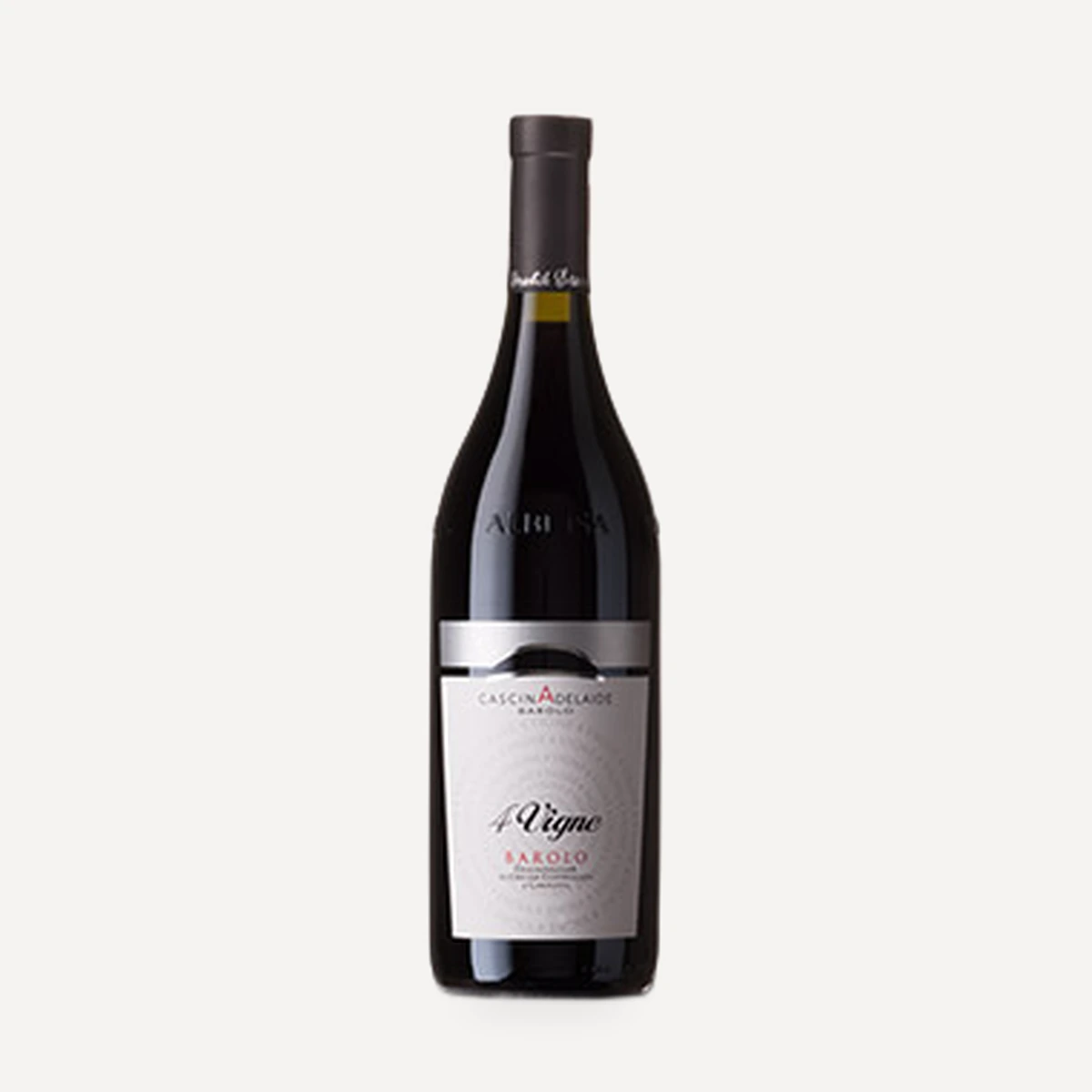
Barolo 4 Vigne
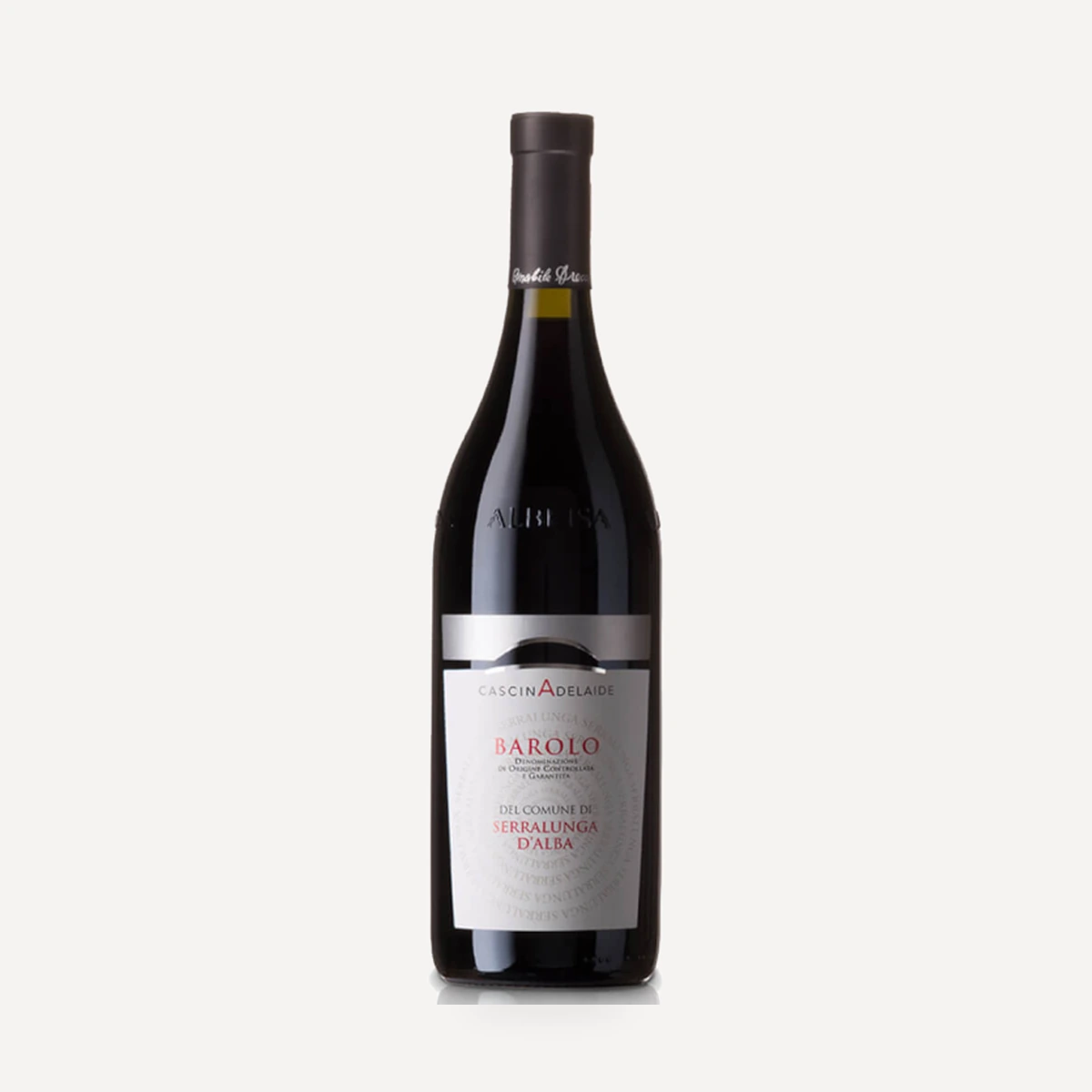
Barolo del Comune di Serralunga d’Alba
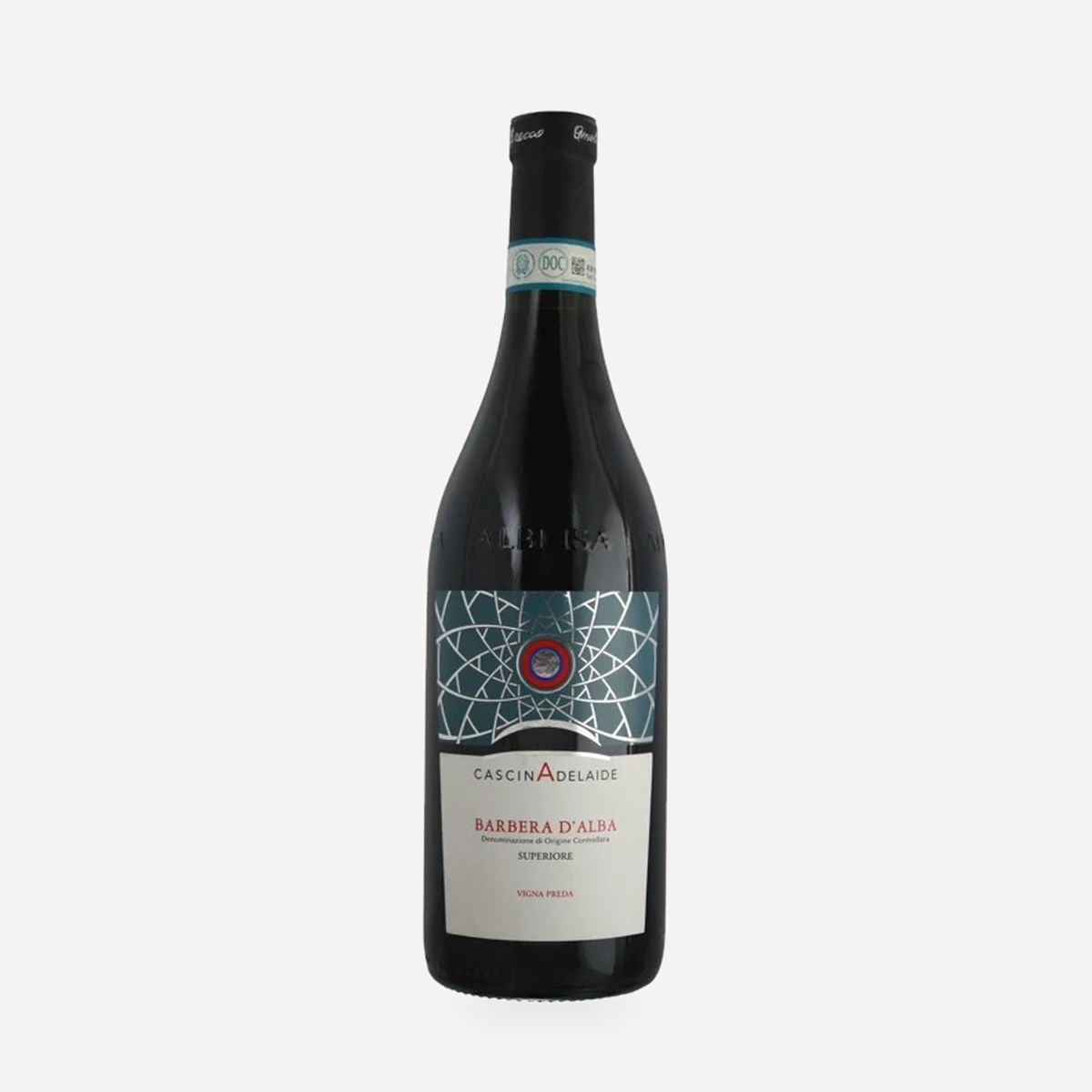
Barbera d’Alba Superiore Vigna Preda
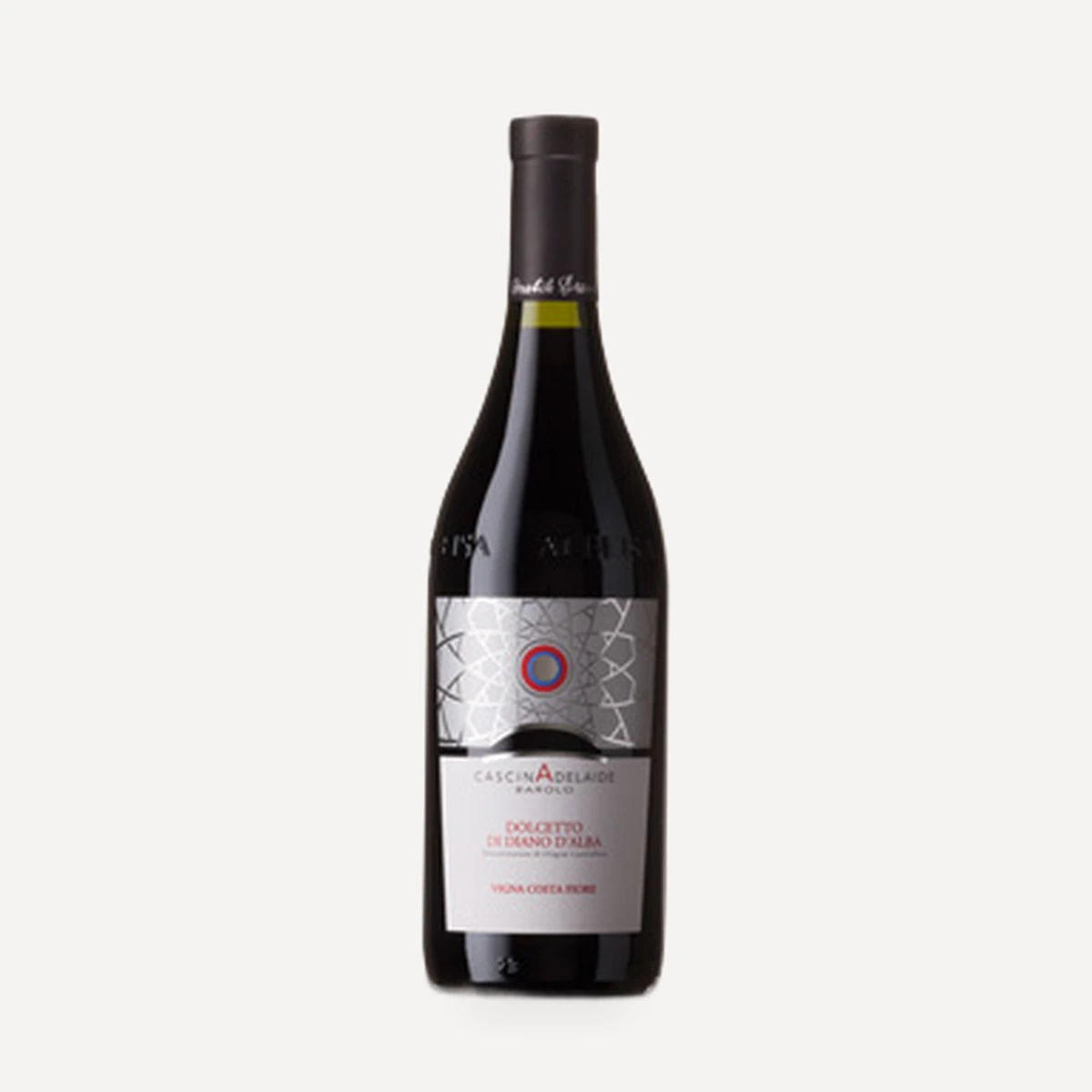
Dolcetto di Diano d’Alba Vigna Costa Fiore