Storia
Acqui Terme and the roots of the brand
Acquesi was conceived as Cuvage’s Piedmontese territory collection and as a tribute to Acqui Terme, the town associated with the winery’s roots. At the beginning of the 20th century, Acqui Terme was one of Piedmont’s best-known destinations, distinguished by the Art Nouveau architecture and period atmosphere of its historic neighbourhoods. The town’s natural sulphurous thermal spring, the Bollente di Acqui Terme, subsequently became the symbol of the Acquesi collection.
Cuvage from 2011
Cuvage was founded in Acqui Terme in 2011. From its beginnings, the winery concentrated on emblematic Piedmontese varieties, including Brachetto, Cortese and Moscato, and sought to interpret its territory in a modern style. Acquesi developed within that context as the company’s territory-focused sparkling and semi-sparkling collection. Its identity is built around Piedmontese varieties and the Martinotti Method.
Recognition of the territory in 2014
In 2014, the vineyard landscapes of Monferrato, Langhe and Roero were inscribed on the UNESCO World Heritage List. Monferrato is presented as Acquesi’s principal place of origin and territorial connection, while the vineyards supplying the wider collection extend from Monferrato towards the Langhe.
The Marengo geographical mention from 2019
From 2019, Marengo became a geographical mention within the production rules for sparkling and semi-sparkling Piemonte DOC Cortese. The mention was created to highlight the relationship between Cortese, the hills of southern Piedmont and the Martinotti Method. The name recalls the medieval village of Marengo, where the French army of Napoleon Bonaparte and the Austrian army led by Melas fought in 1800.
Terroir
Regional setting
Acquesi is rooted in Piedmont, with a particularly close connection to Monferrato. Its grapes come from vineyards distributed across Piedmontese hills extending from Monferrato towards the Langhe. Monferrato, Langhe and Roero form the vineyard landscape recognised as UNESCO World Heritage in 2014.
The collection draws on several distinct Piedmontese growing environments rather than a single contiguous estate. The available descriptions identify calcareous marl, fine sand, limestone, clay, red earth, grey-tuff silt and limestone derived from crumbled shells.
Moscato soils
The Moscato areas are characterised by layers of sand, silt identified as grey tuff, and limestone containing fragmented shells. These soils are associated with the aromatic expression of Moscato and Moscato d’Asti.
Brachetto soils
The Brachetto production area alternates between white soils rich in limestone, red soils and sandy ground. The sandy component is associated with greater lightness and fragrance.
Asti Rosé areas
The Asti Rosé wines draw on selected vineyards in multiple production areas. The soils are calcareous marls, with fine sandy deposits also identified for the Demi-Sec expression. These vineyards lie within the UNESCO-recognised Piedmontese landscape.
Rosato soils
The Barbera and Dolcetto used for Rosato come from limestone-and-clay soils, associated with softness, intensity and complex aromatic expression.
Marengo
The hilly Marengo area lies in southern Piedmont between the provinces of Asti and Alessandria. It supplies Cortese for the geographical mention established within Piemonte DOC in 2019.
Vinificazione
Harvest timing varies by variety and production area. Moscato, Brachetto and the components of Asti Rosé can be picked from mid-August. Cortese from the Marengo hills is harvested from mid-August to early September; Moscato for Moscato d’Asti and Brachetto for Brachetto d’Acqui are collected from late August to mid-September; and the Barbera–Dolcetto harvest for Rosato begins in early September.
No vineyard-management system, harvesting method, yield regime, disease-control programme, soil-working practice, biodiversity initiative, irrigation policy or agricultural certification is identified.
Martinotti Method
The Martinotti Method defines production across the Acquesi collection. It is used for both sparkling and semi-sparkling expressions, with the aim of retaining the aromatic identity of Piedmontese varieties and producing delicate, frothy bubbles.
Must preparation and cold storage
The recurring process begins with soft pressing. The must is filtered, cleared of suspended solid material and chilled to prevent unwanted fermentation. It is held at 0°C in refrigerated storage until the intended fermentation begins.
Fermentation and prise de mousse
Selected yeasts are added before fermentation in pressurised tanks. Depending on the expression, tank fermentation lasts approximately 20 days or about one month. For aromatic Moscato and Brachetto expressions, fermentation may be initiated slowly at 16°C and subsequently brought to a controlled range of 18–20°C. Other aromatic expressions undergo approximately 20 days of fermentation at 18–20°C.
Rosé handling
For the Asti Rosé expressions, Moscato is softly pressed while Brachetto receives a brief maceration on its skins to extract colour and aromatic compounds. The two lots are blended before fermentation and prise de mousse in pressurised tanks. For the Demi-Sec style, the musts undergo a maturation period before a slow prise de mousse; this approach is intended to preserve aromatic intensity and the naturally characteristic residual-sugar profile.
No information is given on malolactic fermentation, ageing vessels beyond pressurised tanks, lees contact, bâtonnage, oak, fining, final filtration, sulphur additions, bottling procedure or bottle ageing.
Filosofia
Acquesi presents itself as a contemporary expression of Piedmontese sparkling-wine culture and as a tribute to Acqui Terme. Its central objective is to celebrate the Piedmontese origins of the collection through local varieties and the Martinotti Method, while retaining the varieties’ characteristic aromatic profiles.
The brand’s stated stylistic vocabulary centres on balance, freshness, floral aromas, delicate mousse and an interpretation of regional tradition in a modern idiom. The Asti Rosé expressions extend this approach through a pursuit of precision, freshness, harmony and balance between softness and verticality.
Vini
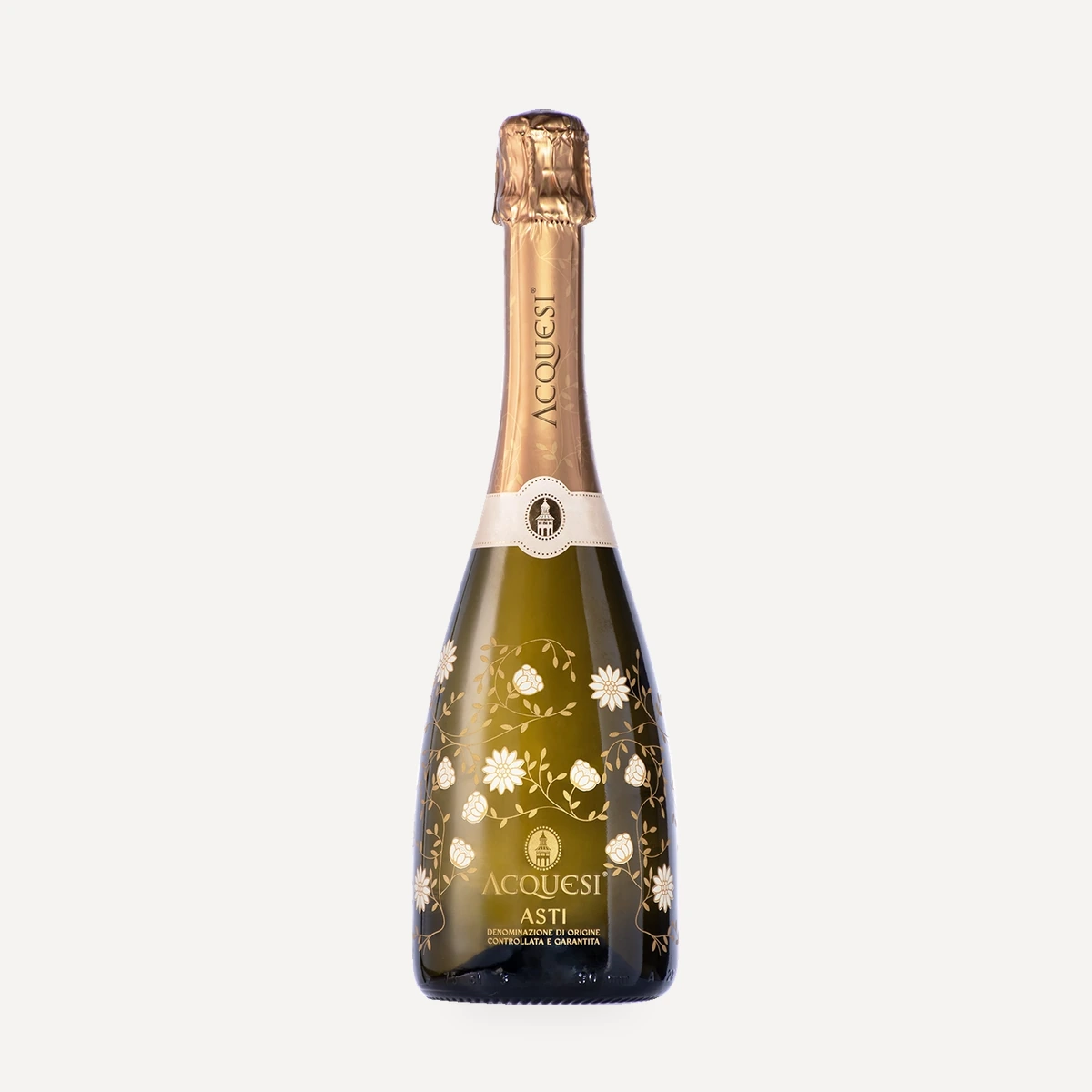
Asti DOCG
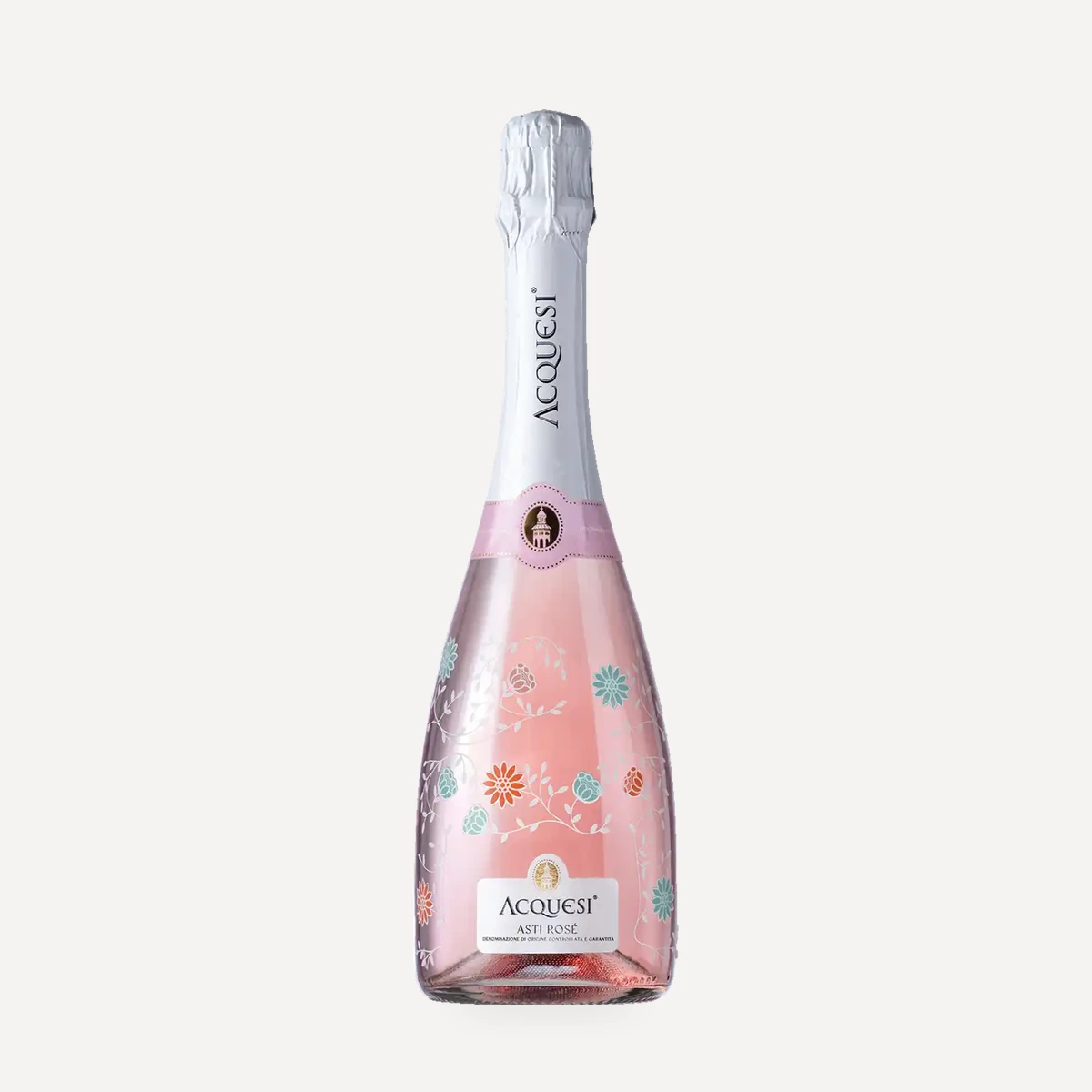
Asti Rosé DOCG
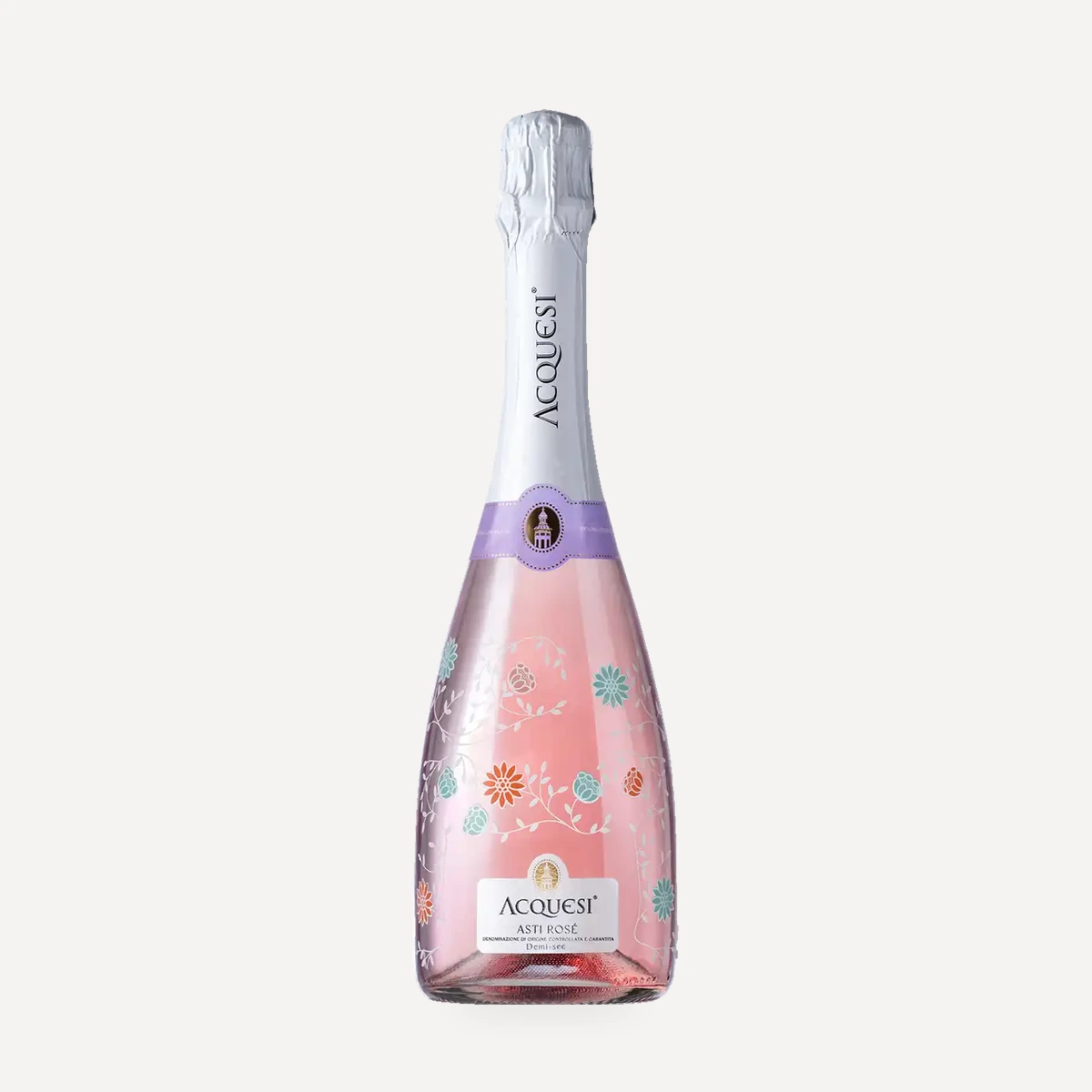
Asti Rosé Demi Sec DOCG
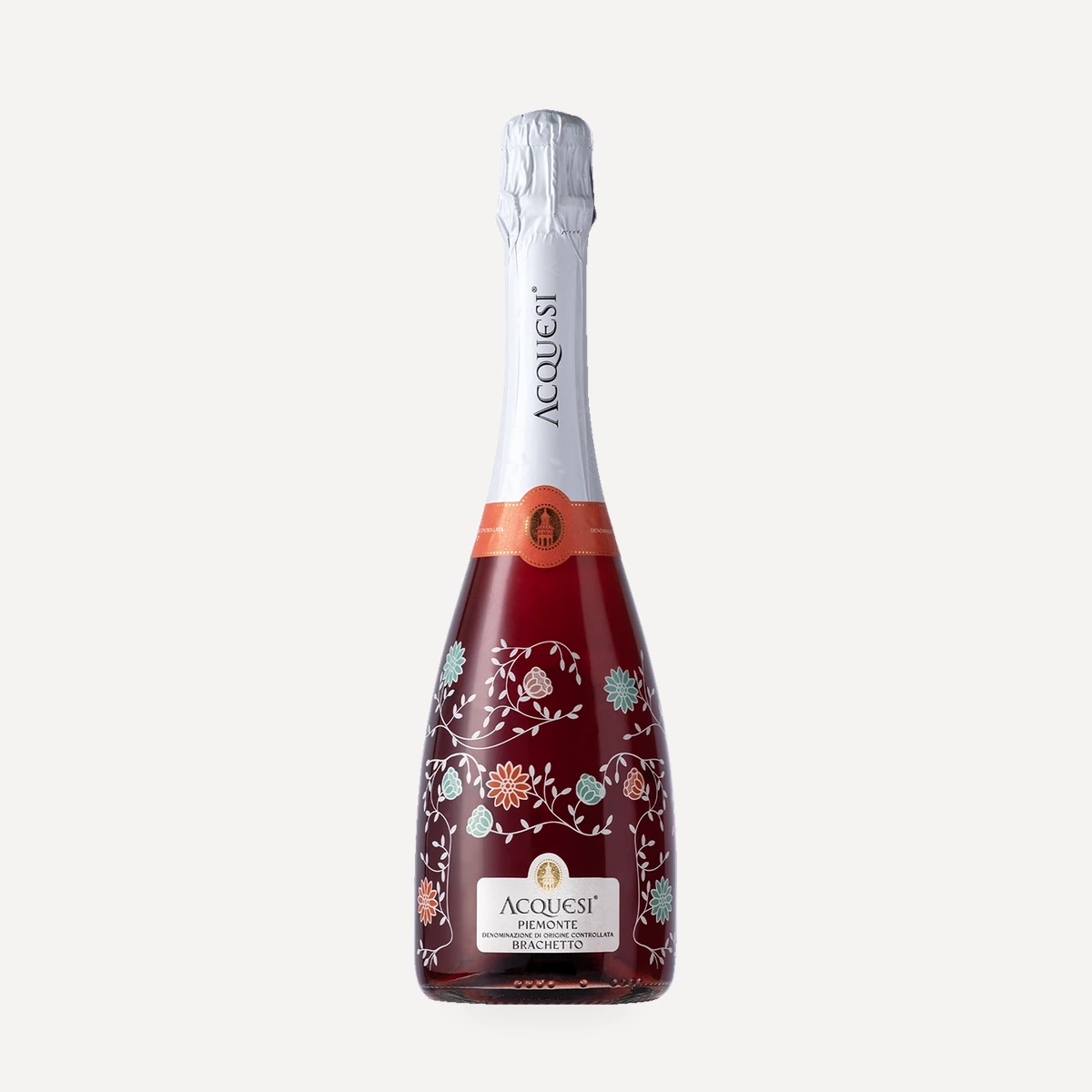
Brachetto Piemonte DOC
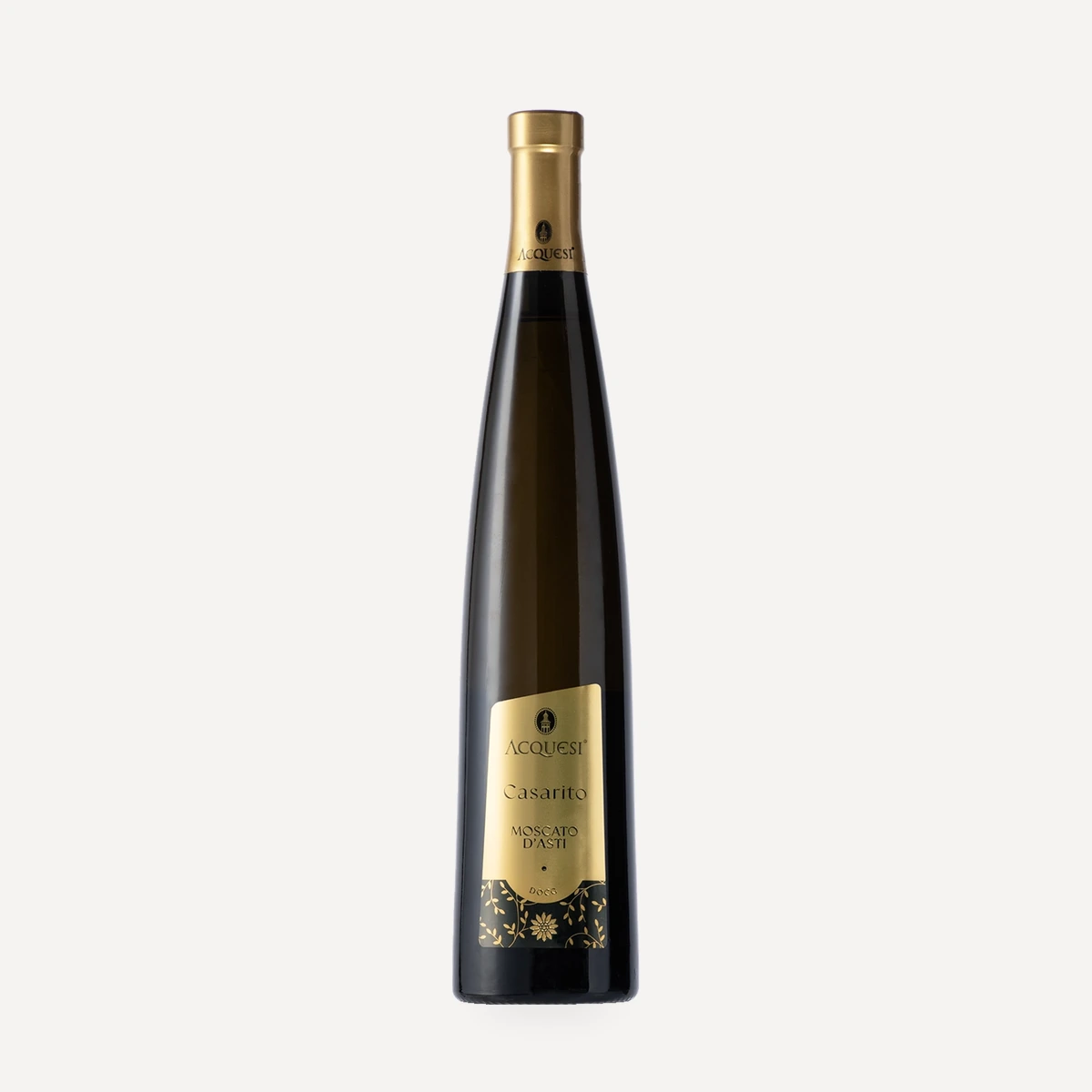
Casarito Moscato d’Asti DOCG
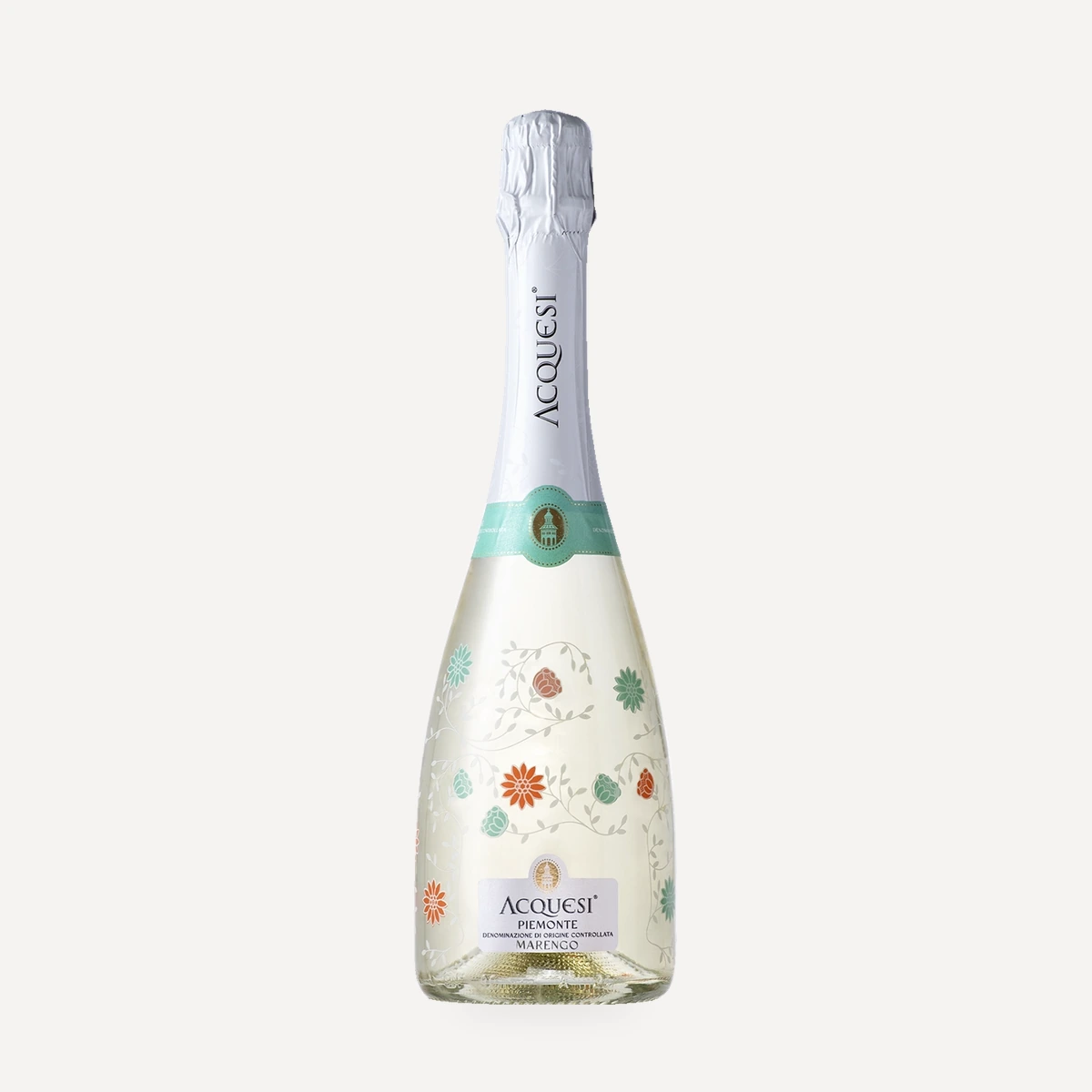
Marengo Piemonte DOC
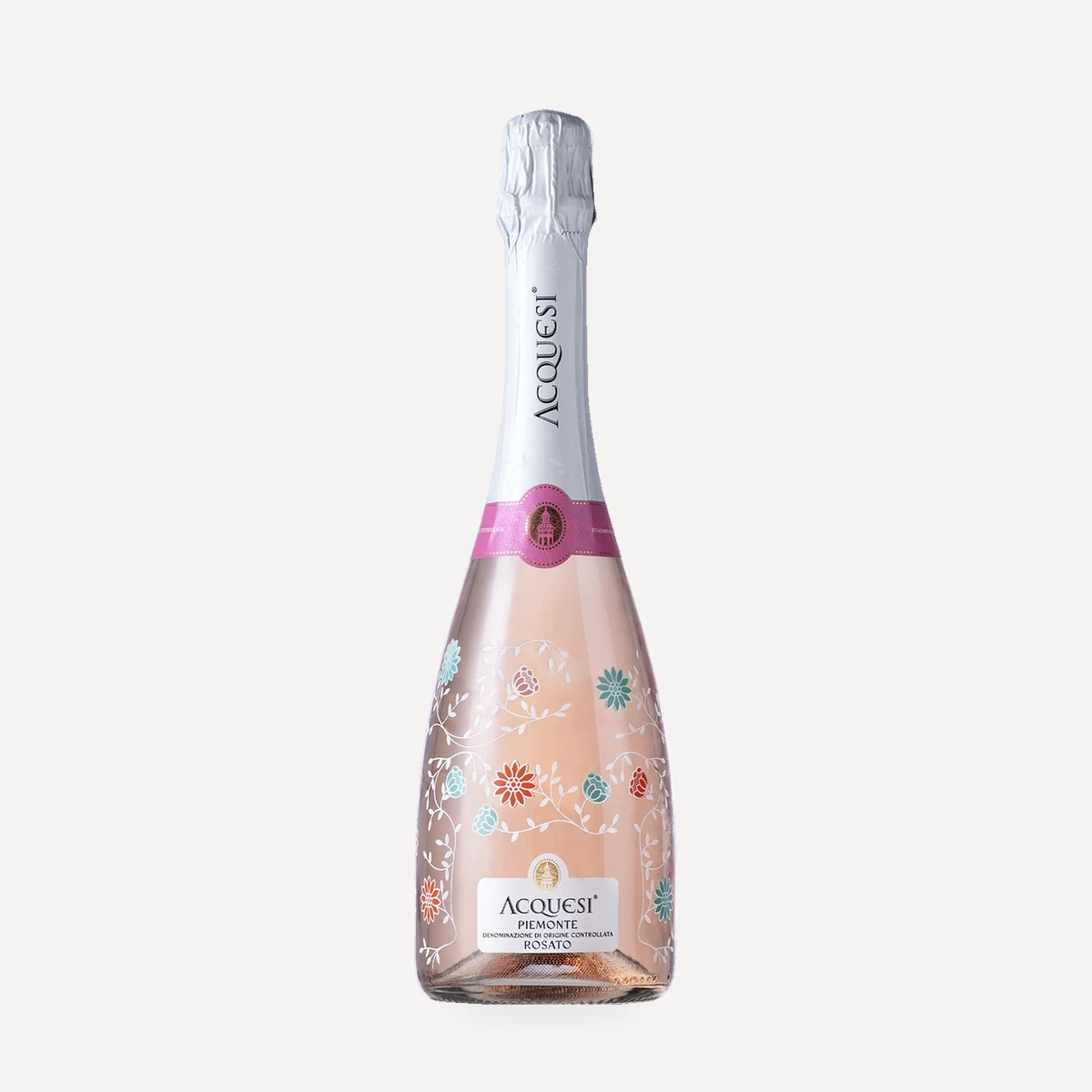
Rosato Piemonte DOC