Storia
From military outpost to farm
The estate developed around a fortified structure originally built for military purposes. It has two towers: a round tower dating from the sixteenth century and a square tower. Over time, the Castelliere ceased to serve solely as a defensive building and became a sharecropping farm, with a stable, barn and vegetable garden added to support agricultural life.
1872: the Balter family arrives
In 1872, the family's ancestor Francesco purchased the Castelliere. He subsequently managed the property together with his brother Attilio, beginning the Balter family's long association with the estate.
The two world wars
Agricultural activity at the Castelliere was interrupted during both world wars because the property occupied a strategically important position. During the Second World War, German troops used it as a Flak anti-aircraft base.
Postwar recovery and the 1950s
After the war, a family member named Francesco began reclaiming the land. The 1950s nevertheless remained difficult. The Balter family continued to care for the farm but shifted much of its attention to a commercial business selling carpets and flooring.
1965: technically planned replanting
By 1965, the postwar land reclamation had produced tangible results. The vineyards were replanted according to a more deliberate, technically planned scheme. From this point onward, the family maintained an uninterrupted involvement with winegrowing: it managed the vineyards and harvest, then delivered the grapes to local wineries.
Experience and technical knowledge accumulated over successive seasons eventually strengthened the family's ambition to vinify its own grapes. Barbanico was already being produced before the family had a dedicated winery.
1990: the underground winery
In 1990, Balter built an underground winery beneath the vineyard. The project opened a new phase centred on estate vinification while preserving the appearance of the surrounding landscape. The cellar became the setting for producing and ageing the family's wines, including Trentodoc made by the traditional method.
The present family operation
Balter remains a hands-on family enterprise. Family members work the land, oversee winemaking and manage the commercial and organisational sides of the business. Grape growing and wine production are handled internally, and the operation does not outsource even disgorgement. This control extends across the production cycle from the vineyard and harvest to the finished bottle.
Terroir
Balter's 10 ha of vineyards surround the sixteenth-century Castelliere at the top of a green hill in Rovereto. Their layout places the harvested grapes close to the cellar, allowing vinification to begin within minutes of picking.
The vineyard landscape combines traditional Trentino pergolas with rows trained to dense, French-influenced Guyot systems. The Sauvignon vineyard is associated with three particular environmental influences: its altitude, wind arriving from Lake Garda and sunlight over the countryside to the south. Together, these conditions are linked to the freshness, aromatic character and mineral expression sought in the estate's white wine.
Vinificazione
Balter presents itself first and foremost as a family of winegrowers. The family works the land directly, follows the progression of the seasons and avoids forcing natural development. Its stated objective is for bunches to mature naturally while the vineyard remains in balance with the land and seasonal cycle.
The estate combines traditional Trentino pergolas with modified pergola systems, espalier and very densely planted Guyot rows inspired by French practice. Grapes for the sparkling-wine reserve are drawn from an approximately 30-year-old Chardonnay pergola vineyard only in suitable years, while grapes for Nature undergo selection in the vineyard.
Harvesting follows a traditional approach that prioritises keeping the berries intact. The configuration of the 10 ha vineyard and its immediate proximity to the cellar allow the fruit to enter vinification within minutes of being picked. Vineyard and harvest work are conducted directly by the family rather than delegated outside the estate.
The working winery was constructed underground beneath the vineyard in 1990. Its subterranean position was chosen to avoid altering the appearance of the landscape, and a stone tunnel connects the historic Castelliere with the production cellar.
Balter manages the complete production cycle internally, maintaining direct control from grape growing through winemaking and the finished bottle. Even disgorgement is performed in-house. The proximity and layout of the 10 ha vineyard allow intact, traditionally harvested grapes to begin vinification within minutes of picking.
Trentodoc sparkling wines are produced by the traditional method. Tirage and prolonged ageing on the lees form central parts of this work, followed by estate disgorgement. White wines are vinified in stainless steel. Red wines are matured in barriques, with the range-level description giving a span of 4–20 months. Production is guided by precision, patience, close observation and adaptation to the raw material rather than by outsourcing individual stages.
Filosofia
Balter's philosophy begins with the land and the passage of the seasons. The family aims to make wine that expresses the environment in which it originates without alteration, placing respect for the landscape, soil and natural timing at the centre of cultivation. The underground cellar embodies this principle by enabling production beneath the vineyard without changing the visible character of the hill.
The family describes itself as winegrowers before anything else. Direct participation is fundamental: family members work in the vineyard, oversee every production phase and handle commercial and organisational responsibilities. The goal of retaining every stage in-house is to maintain close control over quality and carry the family's personality from the vineyard into the bottle.
Balance, waiting and attentiveness are recurring principles. In the vineyard, this means following the seasons and allowing grapes to mature without force. In the cellar, it means applying rigour, precision, intuition and patience while respecting the characteristics of the harvested fruit. The approach combines regional traditions—particularly the Trentino pergola and Trentodoc traditional method—with dense Guyot plantings influenced by French viticulture and a purpose-built underground production space.
Vini
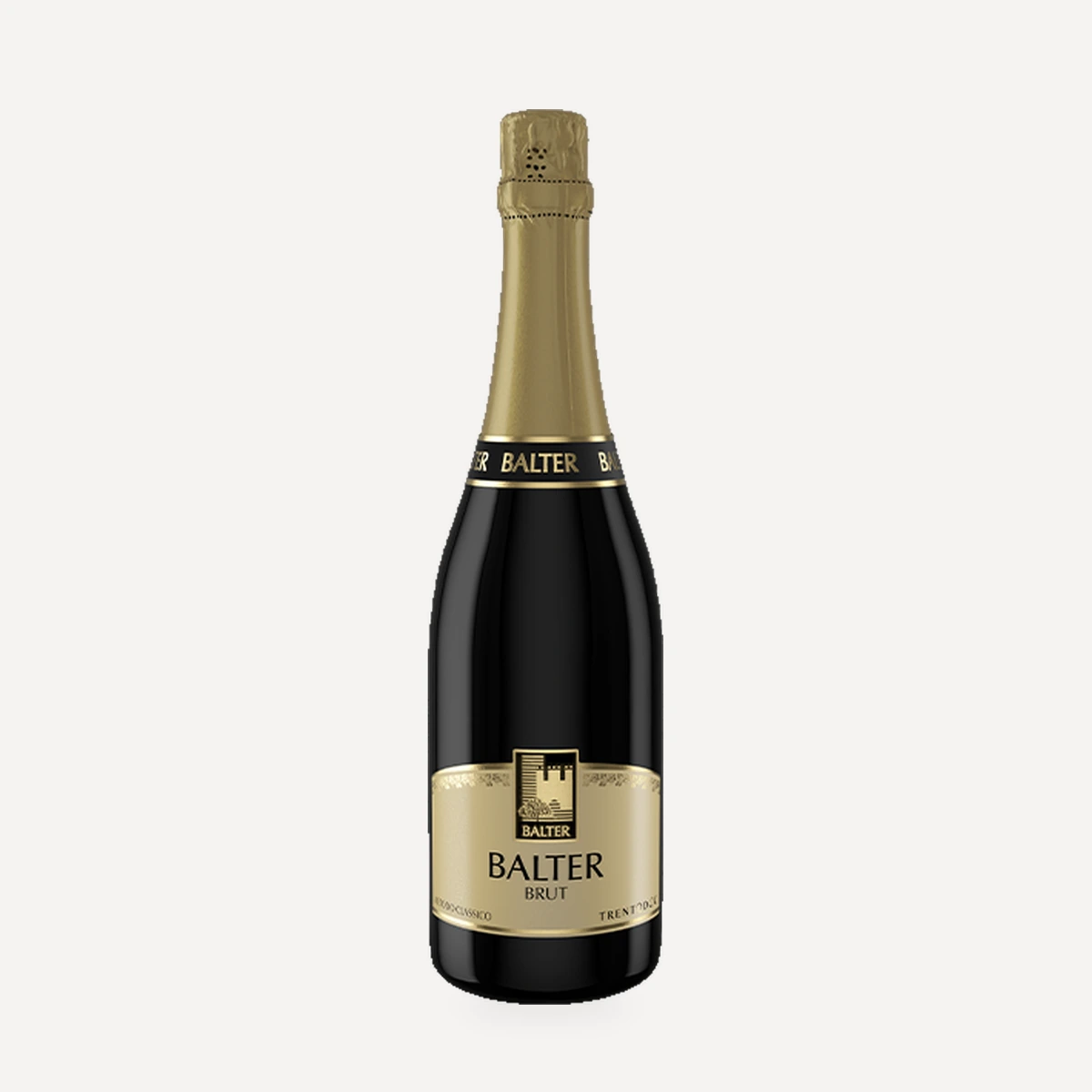
Balter Brut s.a.
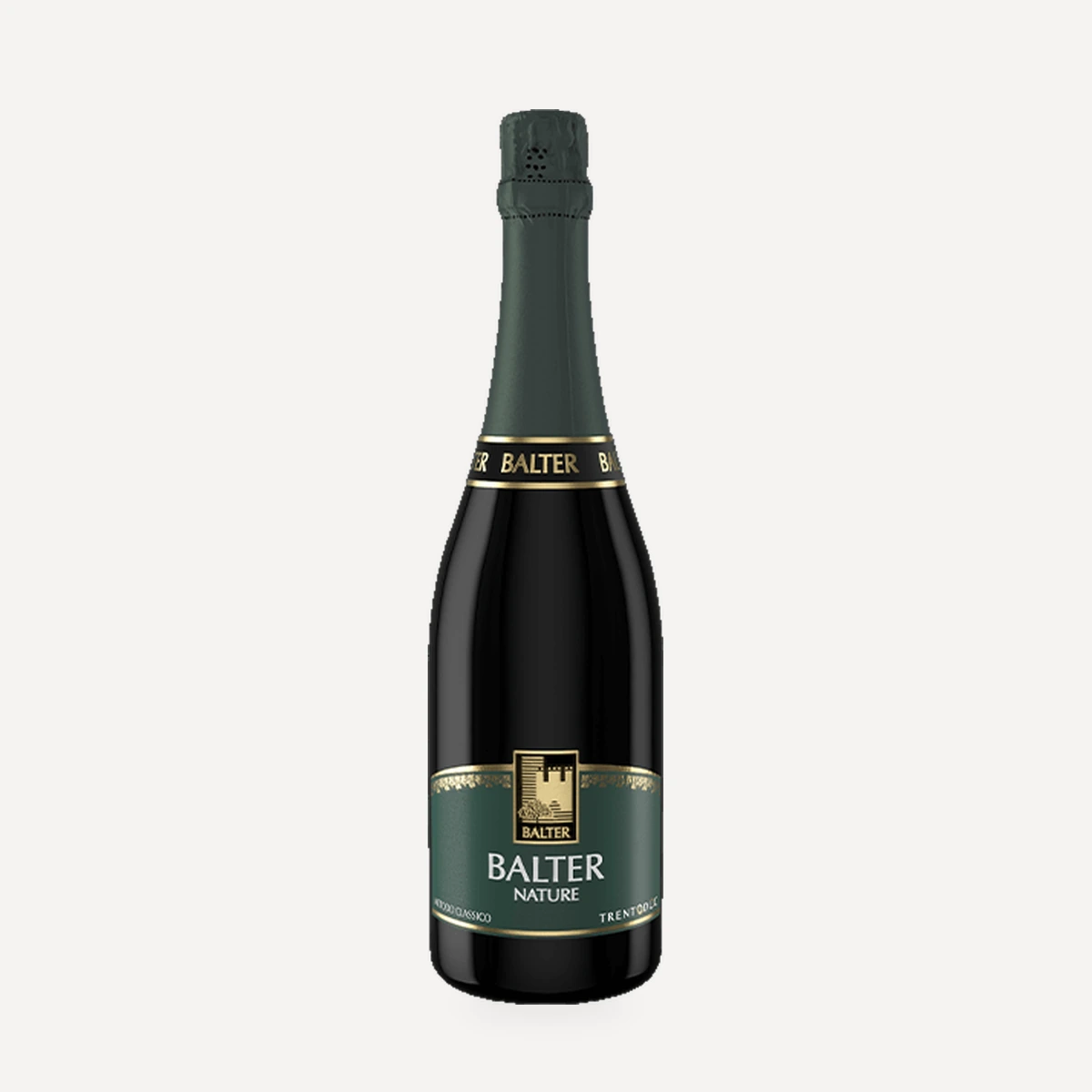
Balter Nature S.A.
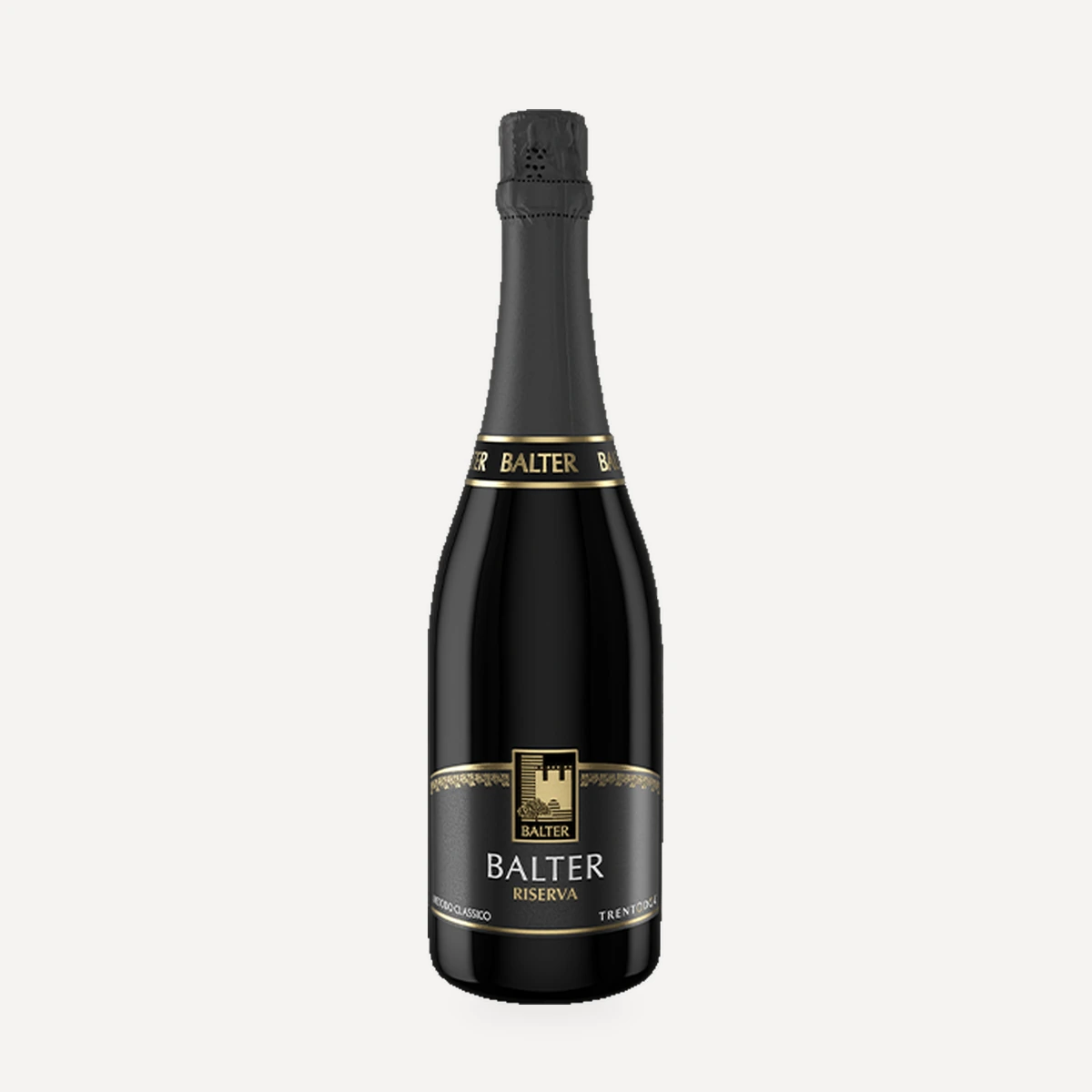
Balter Riserva millesimato