Storia
The family and the fief of Valforte
The Sorricchio di Valforte family originated in the ancient town of Atri, in the hills of Teramo, and has owned the baronial fief of Valforte since the 14th century. The family’s historical prominence extended across politics, the arts and winemaking. Its relationship with agriculture is also reflected in the family name: Sorricchio denotes a traditional sickle used to cut grain, an implement represented in the ancient family coat of arms.
The family continues to cultivate the same land worked by its ancestors. This continuity—land, agriculture and family stewardship passing from one generation to the next—forms the central thread of the estate’s history.
Nicola and Luigi Sorricchio
Family historians Nicola Sorricchio and Luigi Sorricchio produced important manuscripts containing documents, historical information and archaeological research concerning Atri. Their work preserved a substantial body of knowledge about the family’s home town and its ancient origins.
The late-18th-century cellar
The estate’s barrel room occupies a setting dating from the end of the 18th century. It is now used for French-oak barriques and tonneaux, linking the historic cellar environment with contemporary élevage.
The present estate
Barone di Valforte now comprises 300 ha, including 52 ha of vineyards in Abruzzo. Over time, the family has concentrated its viticultural work on varieties associated with the region, particularly Montepulciano d’Abruzzo and Trebbiano d’Abruzzo, while the present range also includes Pecorino and Passerina.
The current family representatives are the brothers Francesco and Guido Sorricchio di Valforte and Guido’s daughter Annamaria. Their role is to preserve the inherited estate and its traditions and pass them to future generations. Under their stewardship, historic continuity is combined with temperature-controlled cellar equipment, French oak, photovoltaic energy and sustainable-agriculture protocols.
Terroir
The estate lies in Abruzzo, with its operational address in Contrada Piomba at Silvi. Its vineyards occupy countryside between the Adriatic Sea and the Gran Sasso massif; Colle Sale is another named production area within this setting.
The documented vineyard elevations extend from 100 to 350 m above sea level. Lower sites around C.da Piomba and Silvi are recorded at 100–150 m, while sites associated with C.da Piomba and Colle Sale extend from 150 to 350 m. The highest specifically identified Colle Sale vineyards reach 350 m.
Two principal soil descriptions occur across the estate’s vineyard holdings. Trebbiano, Passerina and several Montepulciano sites are associated with medium-textured, sandy-clayey soils. The sites used for Pecorino are described as calcareous and medium-textured.
Vinificazione
The vineyards are managed under sustainable-agriculture protocols intended to protect soil biodiversity. The current proprietors cultivate without herbicides or pesticides, continuing a long family tradition of working the same land.
Guyot is the most frequently documented training system, with a planting density of 4,000 vines/ha. One Montepulciano vineyard is trained to spur-pruned cordon at 4,200 vines/ha. Stated yield limits are generally no more than 100 q/ha, falling to 90 q/ha in the 350 m vineyards used for the principal Montepulciano selections; the cordon-trained vineyard has a stated range of 100–120 q/ha.
Harvest dates vary by variety and site. Pecorino for sparkling production is picked at the end of August; other Pecorino and Montepulciano harvests begin in September, while the latest Montepulciano fruit is collected from late September through the first ten days of October.
A photovoltaic installation supplies energy, while high-technology vineyard machinery enables computerised oversight of the production chain. Sustainable guidelines extend from vineyard cultivation into cellar operations.
The cellar combines historic architecture with contemporary equipment. Temperature-controlled steel tanks allow temperature to be managed throughout production, and soft pressing is employed. Wines undergo continuous analytical monitoring by qualified laboratory technicians.
French-oak barriques and tonneaux are housed in a barrel room dating from the end of the 18th century. These vessels are used alongside temperature-controlled steel, allowing the estate to combine traditional maturation spaces with modern control of the winemaking process.
Filosofia
Barone di Valforte’s stated philosophy centres on continuity between family, land and wine. The present generation regards itself as the custodian of an inheritance that must be protected and transmitted to those who follow.
The family places particular emphasis on varieties associated with Abruzzo and on preserving their territorial identity. Tradition is not treated as an alternative to technology: historic vineyard stewardship and an 18th-century cellar coexist with temperature control, laboratory analysis, modern vineyard machinery and photovoltaic energy.
Environmental responsibility is expressed through sustainable protocols in both vineyard and cellar, protection of soil biodiversity and the avoidance of herbicides and pesticides. The intended result is wine connected to its territory, family history and the care invested in its production.
Vini
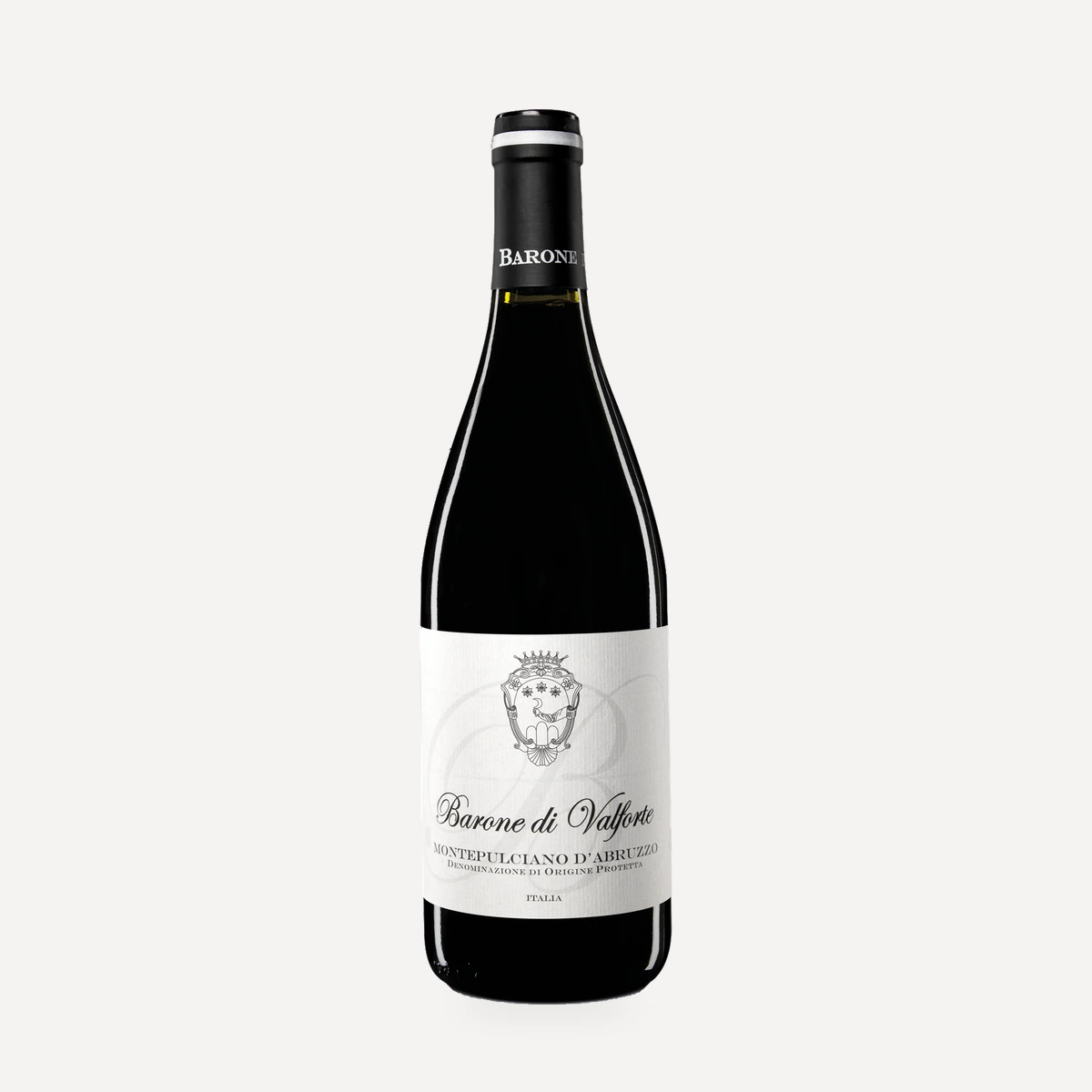
Montepulciano d’Abruzzo D.O.C.
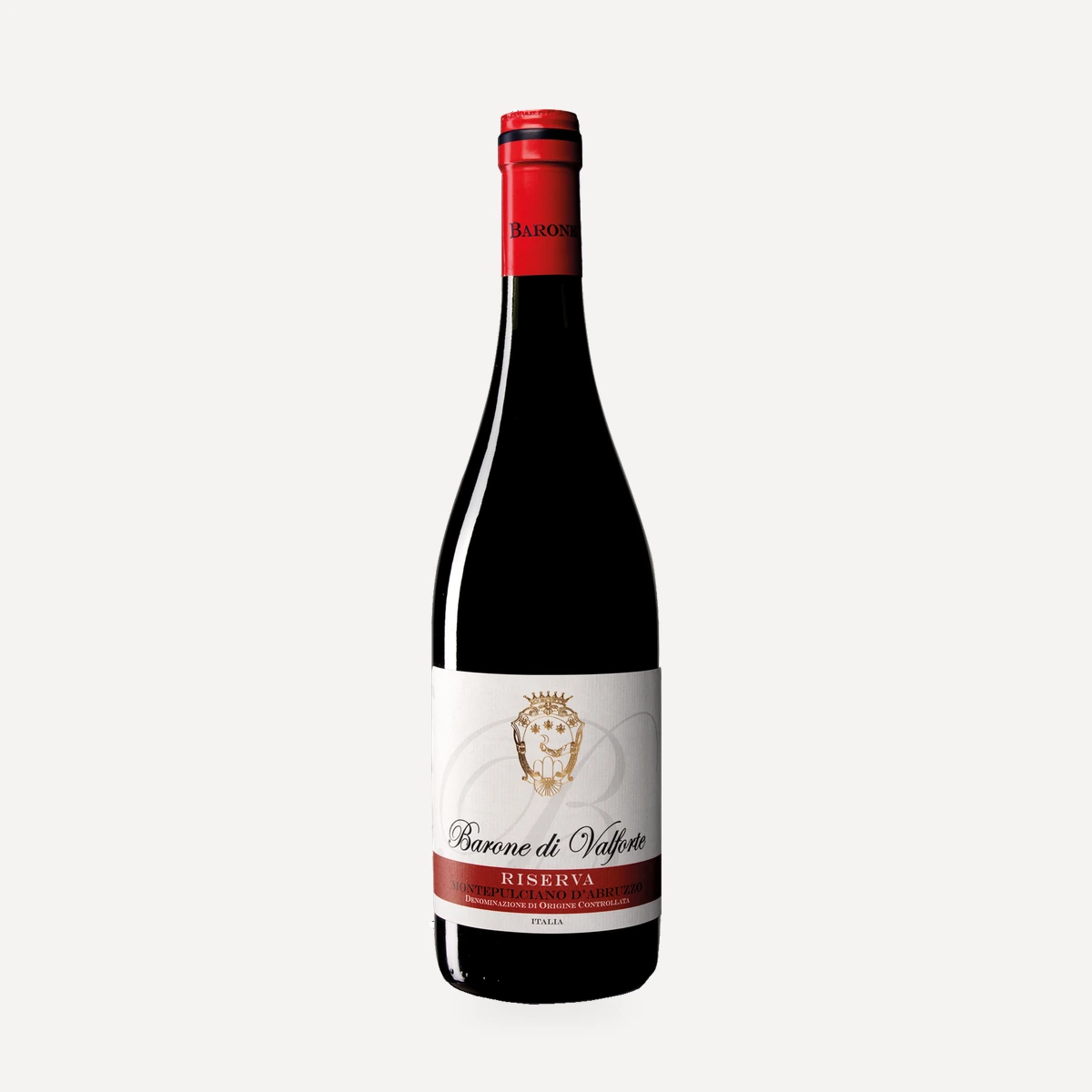
Montepulciano d’Abruzzo D.O.C. Riserva
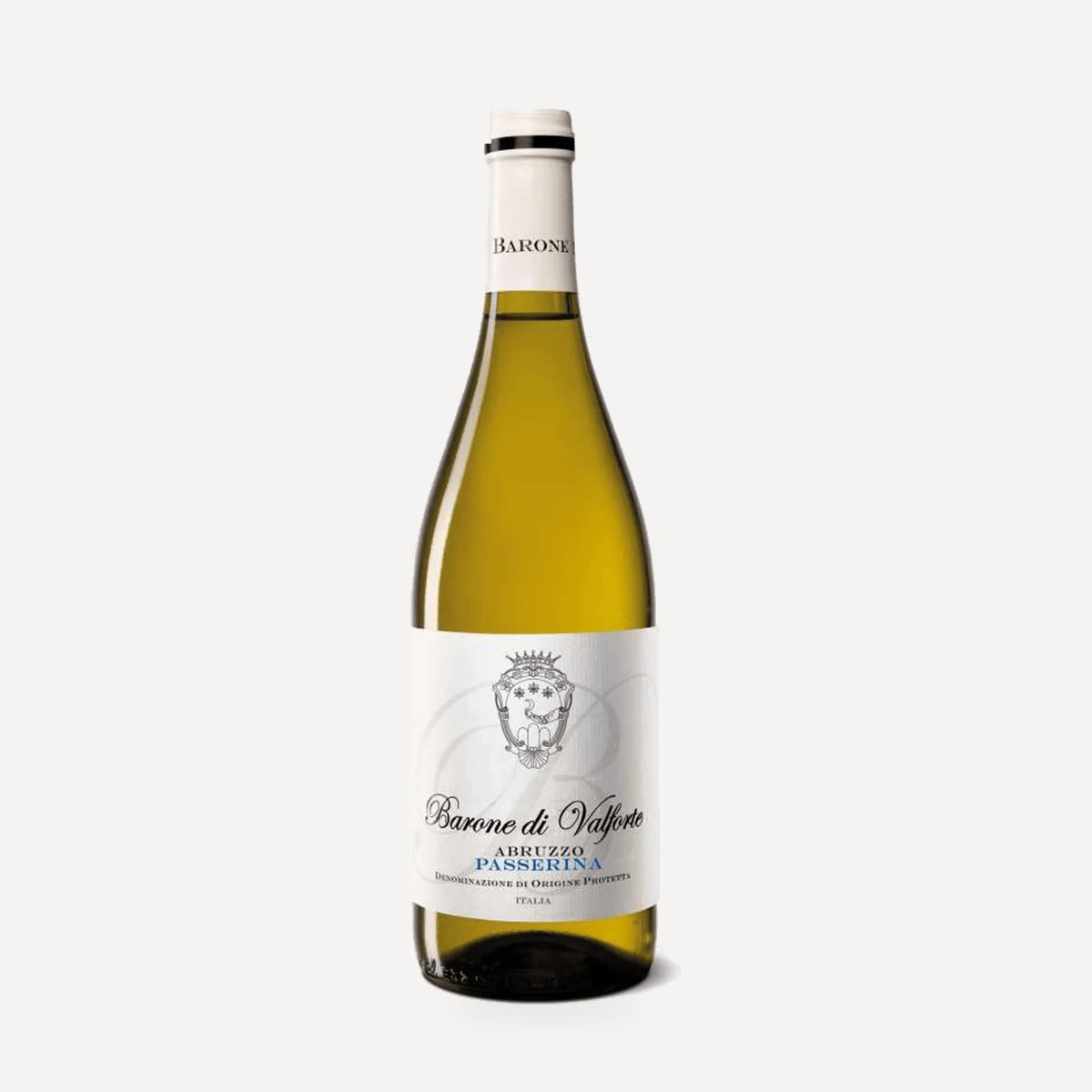
Abruzzo Passerina D.O.C.
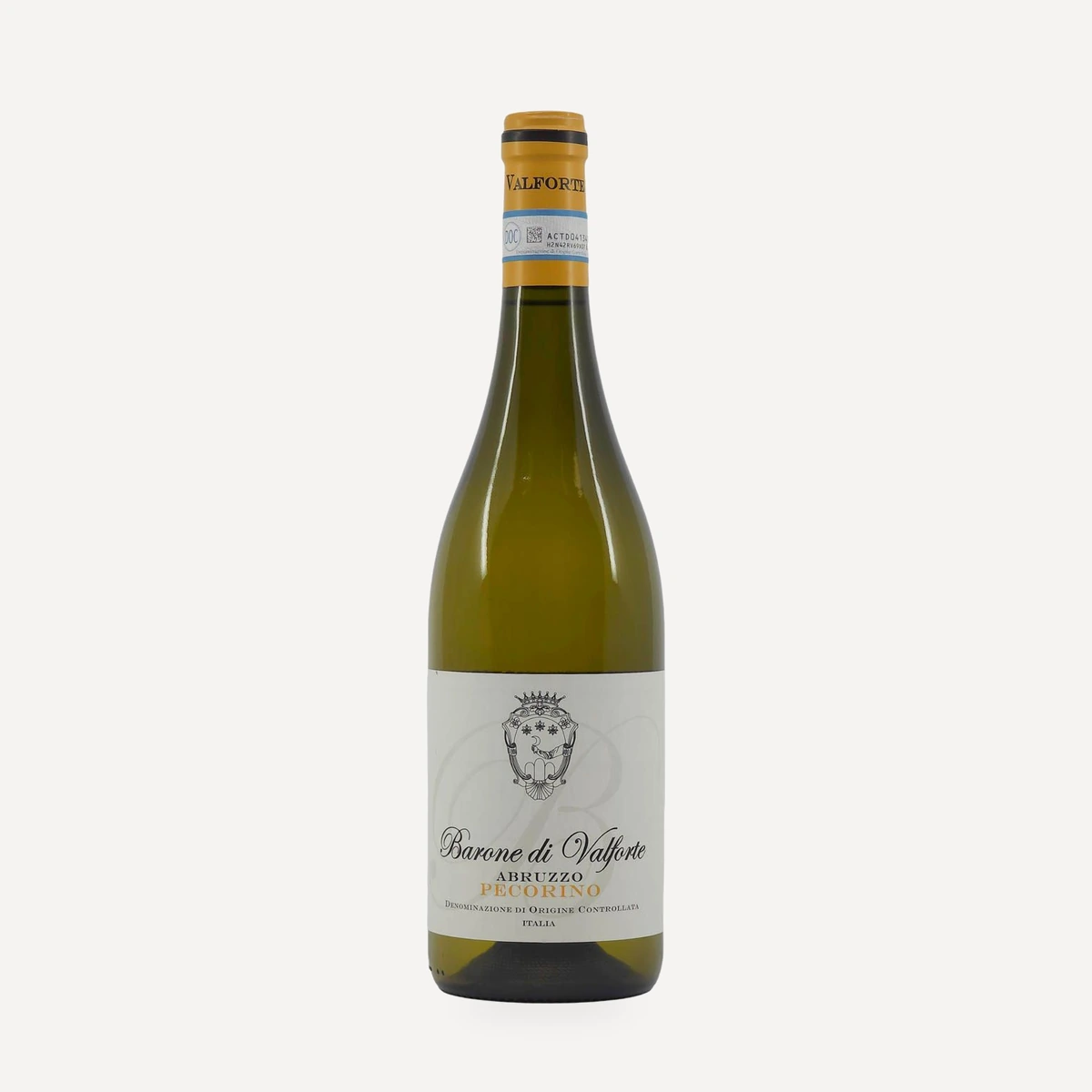
Abruzzo Pecorino D.O.C.
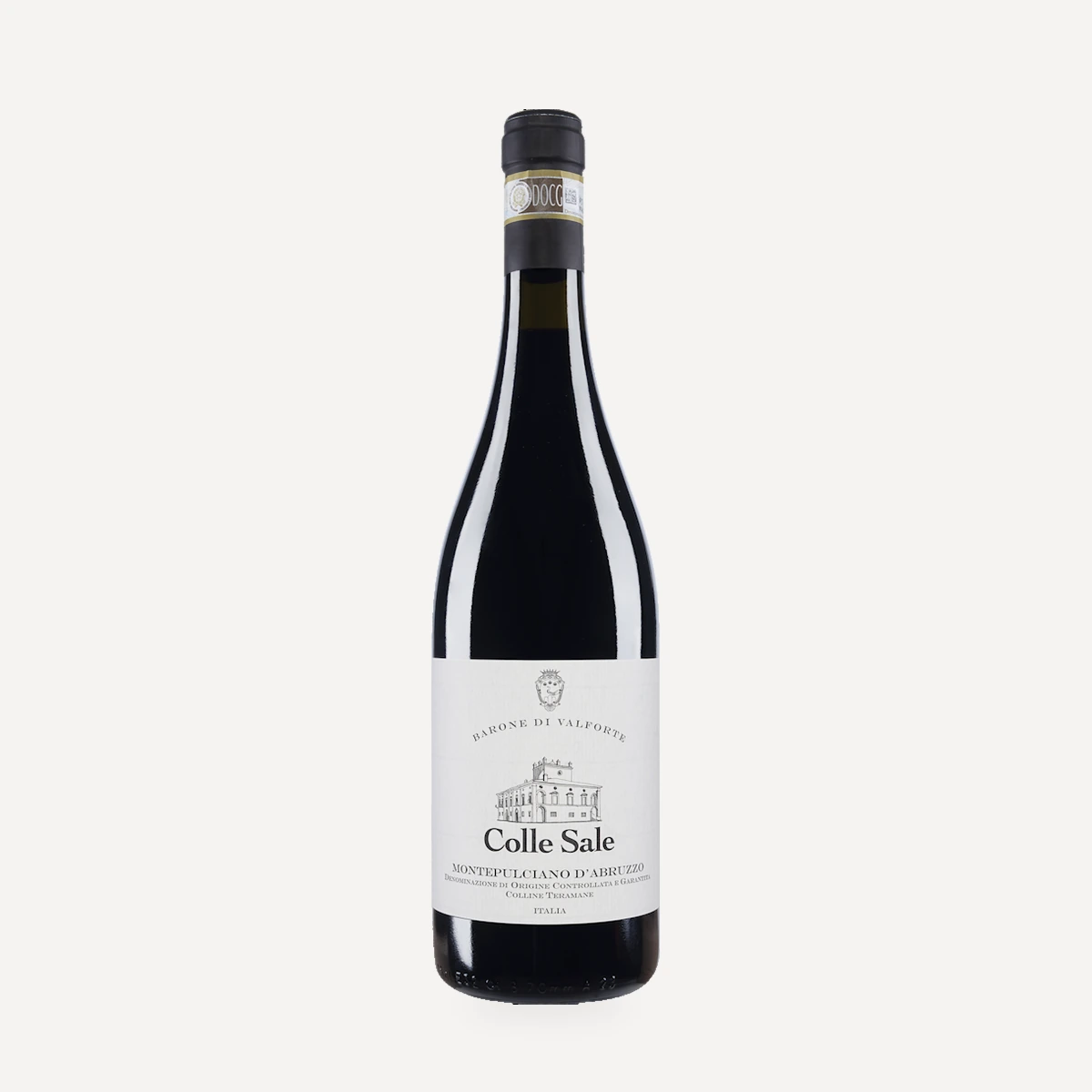
Colle Sale – Colline Teramane Montepulciano d’Abruzzo D.O.C.G.
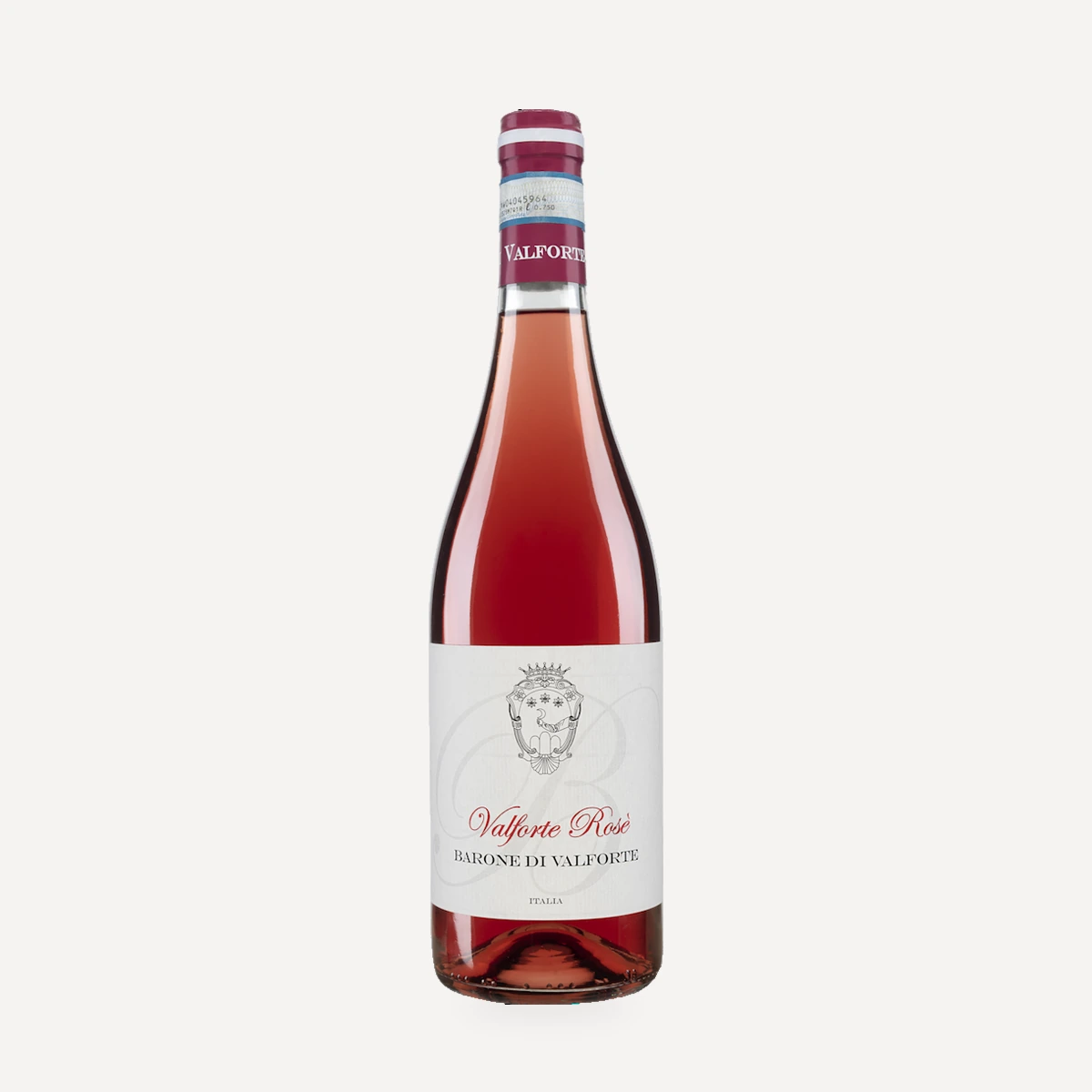
Valforte Rosè Cerasuolo d’Abruzzo D.O.C.