Storia
Ecclesiastical origins
The estate’s recorded origins reach back to 1492, when the Friars of Santa Maria della Scala cultivated these lands between Custoza and Staffalo. They produced wine, oil and other agricultural goods needed for a self-sufficient religious community. Evidence of this activity survives in a document held by the Verona Chapter Library.
The broader ecclesiastical history began earlier. In 1324, Cangrande della Scala gave the Church of Santa Maria della Scala in Verona to the Servites of Mary after recovering from a serious illness. Subsequent gifts allowed the order to expand from Verona into the morainic countryside. By the 15th century, its members moved regularly between the city and the hills near Lake Garda.
The name preserves that past: in Veronese dialect, “frà” means “brother” and refers to the brothers of Santa Maria della Scala. A coat of arms inspired by their history appears above the wine-shop entrance, accompanied by the inscription “Nunc est bibendum”—“Now is the time to drink.” During the Napoleonic period, management of the land was removed from the Church and entrusted to secular farmers and winegrowers.
Massimo Bonomo and the modern estate
The modern family history began in 1958. After years of moving among rented farms, Massimo Bonomo leased two rooms in the estate courtyard and the surrounding land during the period of Italian agrarian reform. The family opened a traditional Venetian frasca selling bulk wine. Wine was only one part of a diversified farm that also grew wheat, peaches and strawberries, providing the family with economic stability.
Specialisation under Eligio and Claudio
On 8 August 1988, Massimo’s sons Eligio and Claudio committed the family business exclusively to winegrowing. The land was progressively converted to vineyards, and Monte del Frà was formally established as the family’s principal activity. In 1989, the family selected and began cultivating the Cà del Magro site; the first estate-bottled wine carrying that name followed the transfer of the business to the two brothers.
Growth subsequently extended the family’s presence beyond its historic Custoza base into Bardolino, Valpolicella, Lugana and Soave. In 2006, Monte del Frà acquired Tenuta Lena di Mezzo in Fumane, adding an 18-hectare Valpolicella Classica property and opening a new phase devoted to the area’s red wines, appassimento and wood maturation.
Hospitality, new facilities and the third generation
The estate began structured wine-tourism activities in 2008, with Silvia Bonomo developing and leading visits. The programme grew into year-round tastings, vineyard walks, horseback and cycling experiences, food pairings and activities linking wine with contemporary art.
For the Bonomo family’s 60th anniversary in 2018, Monte del Frà introduced Sexaginta as an annual limited edition of 6,000 bottles. In 2019, the family acquired a facility in San Pietro in Cariano for the vinification, appassimento and storage of its expanding Valpolicella, Ripasso and Amarone production. Its temperature-controlled drying rooms can accommodate as much as 300 tonnes of grapes. Most other wines, bottling, logistics and much of the wood maturation remain at the historic Sommacampagna headquarters.
Marica, Massimo and Silvia Bonomo subsequently assumed the strategic leadership of the third generation. Marica became president and took responsibility for administration, finance, strategy, export and communications; Massimo took charge of viticulture and workplace safety; Silvia became responsible for hospitality and the estate’s image. Eligio and Claudio represent the preceding generation.
International growth and sustainability
In 2021, the 2019 Cà del Magro became the first Custoza wine to enter a major international Top 100 selection. The Art-Winery project began in 2022 with the Milan-based 6499 Art Gallery, bringing permanent and rotating exhibitions into the barrel cellar. The hospitality programme received a Best Wine Tourism award for 2023.
By the 2026 reporting year, Monte del Frà managed approximately 177 hectares of vineyards, including 115 hectares in family ownership. The business had adopted the Equalitas Organizzazione Sostenibile system alongside SQNPI-certified integrated farming, formalising environmental, social and economic monitoring across the vineyards, cellars, bottling operations and supply chain. Production increased from 1,406,610 bottles in 2024 to 1,653,022 bottles in 2025, while exports accounted for approximately 60% of turnover.
Terroir
Custoza and Sommacampagna
Monte del Frà’s historic centre lies between Custoza and Staffalo, within the gently rolling morainic amphitheatre south of Lake Garda. Ancient glaciers associated with the formation of the lake deposited a complex mixture of mountain material. The resulting soils are mineral- and carbonate-rich and naturally well drained.
Lake Garda moderates temperatures in a generally temperate climate. Summers are warm, while the slopes heat during daylight and receive cooler air after sunset. Constant ventilation and the day–night temperature variation help white grapes retain acidity and aromatic definition. Monte del Frà associates these conditions with the balance of freshness, structure and savoury mineral character found in Custoza.
Custoza’s identity is multi-varietal. Garganega contributes structure and fruit; Trebbianello contributes softness and balance; Bianca Fernanda, the local name for Cortese, brings finesse and aromatic expression; and Incrocio Manzoni contributes acidity, aromatic precision and capacity to evolve. Monte del Frà helped secure Incrocio Manzoni’s inclusion in the Custoza DOC after recognising its contribution to longevity.
Lugana
The Lugana vineyards lie in the triangle between Desenzano, Sirmione and Peschiera. Turbiana grows in clay- and silt-rich soils, with cool nights influenced by Lake Garda. Some Lugana production is integrated through long-standing external growers and purchases of bulk wine.
Bardolino and Sommacampagna
Bardolino production draws on Veronese varieties also associated with Valpolicella. South of the classic Bardolino area, an old vineyard in the Sommacampagna subzone grows on morainic soil and forms the basis of a distinct estate interpretation.
Valpolicella Classica
Tenuta Lena di Mezzo occupies 18 hectares in Fumane below the Santuario della Salette and is surrounded by woodland. Its limestone-rich soils provide drainage and reflect light toward Corvina, Corvinone and Rondinella. These native grapes require warmth and abundant light for complete ripening. Winter fog is characteristic, while winds descending from Lessinia assist the natural dehydration of grapes during appassimento.
Vinificazione
Monte del Frà follows SQNPI-certified integrated production under the agronomic direction of Massimo Bonomo. Vineyard decisions are supported by field monitoring and technical evaluation intended to limit unnecessary plant-protection treatments and their environmental effects.
Natural ground cover stabilises the soil, reduces surface erosion and helps maintain biodiversity. Native vegetation and melliferous plants are retained or managed between rows to support pollinating insects and biological balance. Green manure, sexual confusion against grapevine moth, micro-drip irrigation and mechanical weed control form part of the estate’s established approach. Micro-drip systems have been credited with water savings exceeding 70% compared with conventional irrigation. Automatic weed-control equipment and mechanical inter-row cultivation are progressively replacing chemical herbicides.
The estate preserves approximately 17 hectares of woodland and natural land as wildlife habitat and an ecological counterweight to vineyard cultivation. An olive grove occupies the summit of a hill at Sommacampagna, maintaining a mixed agricultural landscape. Replanting is prioritised on historically cultivated vineyard land; the estate avoids establishing vineyards on areas without a historical or viticultural vocation.
Grapes selected for Amarone are picked by hand around mid-September, sorted by an experienced team and placed in boxes before transfer to the San Pietro in Cariano drying facility. Across the business, traceability, food safety and quality-control procedures cover the agricultural and cellar chain.
Production sites
The Sommacampagna headquarters is the historical and operational centre. It accommodates company management, administration, most vinification, bottling, storage, logistics and hospitality. Most labels are produced there, and a substantial share of the Valpolicella wines also matures in wood at this site.
The San Pietro in Cariano facility is dedicated primarily to the Valpolicella fruit cellar, appassimento and vinification. Its temperature-controlled drying rooms can manage as much as 300 tonnes of grapes. The two facilities share traceability, quality, food-safety and sustainability procedures.
Custoza and general cellar methods
Custoza parcels identified through zonation are vinified separately before blending. The proportions of the component grapes are adjusted to the vintage, the vineyard and the intended expression. Cryomaceration and sterilisation techniques are used within production, supporting aromatic precision and wines with relatively low sulphite levels. Oenological inputs are managed under the technical team’s supervision, with analytical controls intended to maintain quality while limiting unnecessary use.
Amarone process
Corvina, Corvinone and Rondinella are hand-picked around mid-September, selected and placed in boxes. At San Pietro in Cariano, the grapes dry for approximately 90 days at controlled temperature. Cold winter conditions and winds from Lessinia assist natural dehydration, reducing berry weight and concentrating sugars and aromas.
Appassimento normally finishes around January. The dried grapes are crushed and undergo a combined pre- and post-fermentation process of approximately 25 days. Alcoholic fermentation produces a dry, full-bodied wine. Malolactic fermentation follows, after which the wine matures for at least 24 months in French oak and then for at least six months in bottle.
Bottling and cellar management
The bottling line uses the Logilook automatic inspection system to verify fill levels, closures, labels, lot codes and the visual conformity of packaged bottles. Cleaning and sanitation employ CIP systems. Water and detergent use are monitored by production area, and compatibility with stainless-steel equipment is evaluated.
Production reached 1,406,610 bottles in 2024 and 1,653,022 in 2025. Water use per bottle fell from 5.28 litres to 4.59 litres over the same period. A new wastewater-treatment plant handles cellar, washing and production effluent, with future reuse for compatible secondary purposes under evaluation.
Filosofia
Monte del Frà defines its identity through loyalty to the land, caution, awareness and accumulated knowledge. Its central principle is that respectful farming and winemaking allow the individual territories of Verona to remain recognisable rather than imposing a uniform cellar style.
Custoza is treated as a place expressed through the harmony of several grapes rather than the voice of a single variety. Each growing season requires a new balance because varieties, sites and exposures respond differently. Vineyard selection, the contribution of Incrocio Manzoni and the capacity for bottle ageing are intended to demonstrate that Custoza can offer depth and longevity as well as immediate freshness.
The family presents sustainability as a practical responsibility to the land, employees, suppliers, customers and local community rather than a marketing theme. Environmental, social and economic measures are evaluated together under Equalitas. The long-term objective is to pass a financially sound agricultural business, a protected landscape and a sustainable production model to future generations.
Tradition is paired with technical development: separate parcel vinification, controlled appassimento, efficient refrigeration, automated inspection and resource monitoring are treated as tools for expressing rather than replacing territorial differences. Investment decisions also consider architectural quality, landscape integration, direct family control and continuity with the estate’s agricultural origins.
Vini
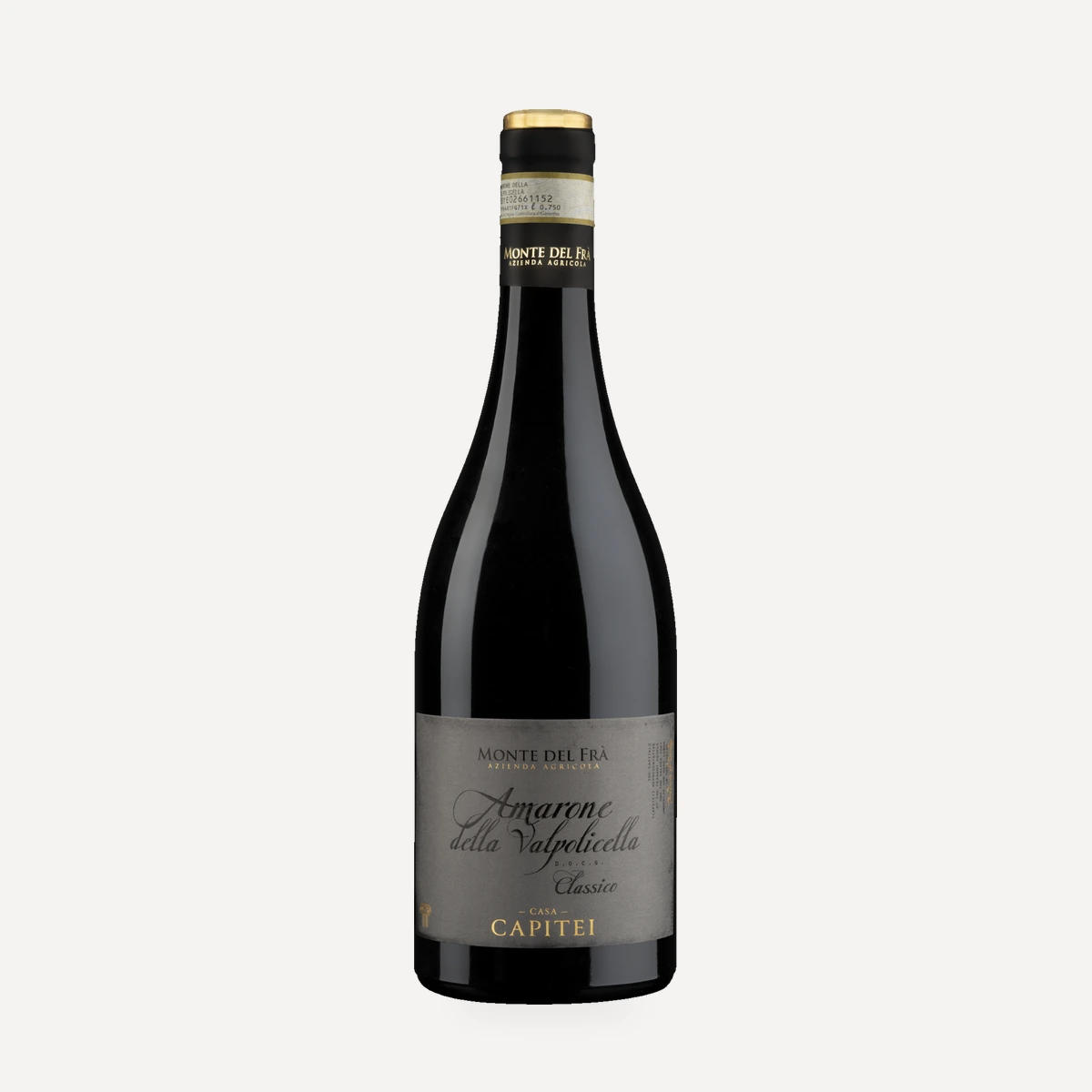
Amarone della Valpolicella Classico DOCG Casa Capitei
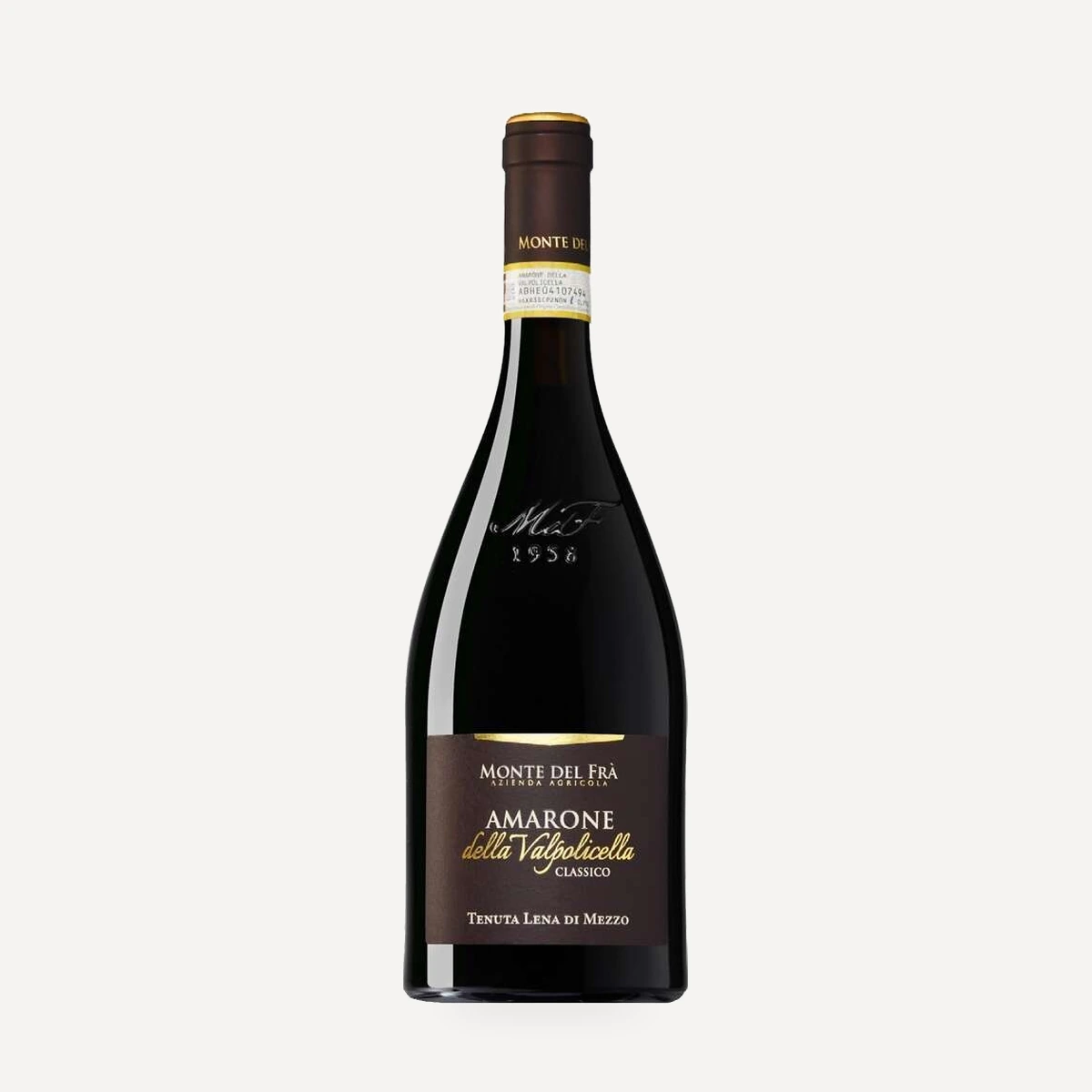
Amarone della Valpolicella Classico DOCG Tenuta Lena di Mezzo
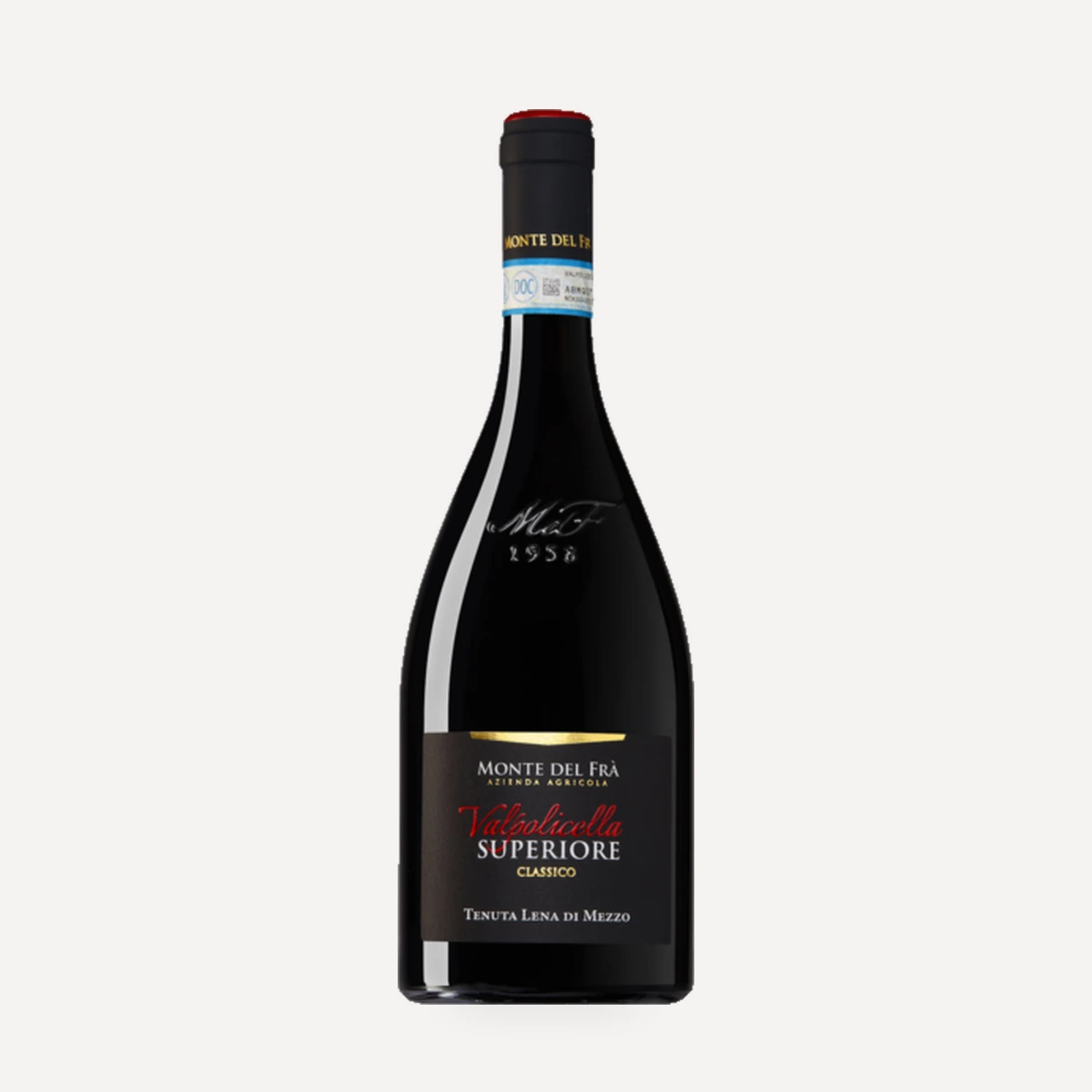
Valpolicella Classico Superiore DOC Tenuta Lena di Mezzo
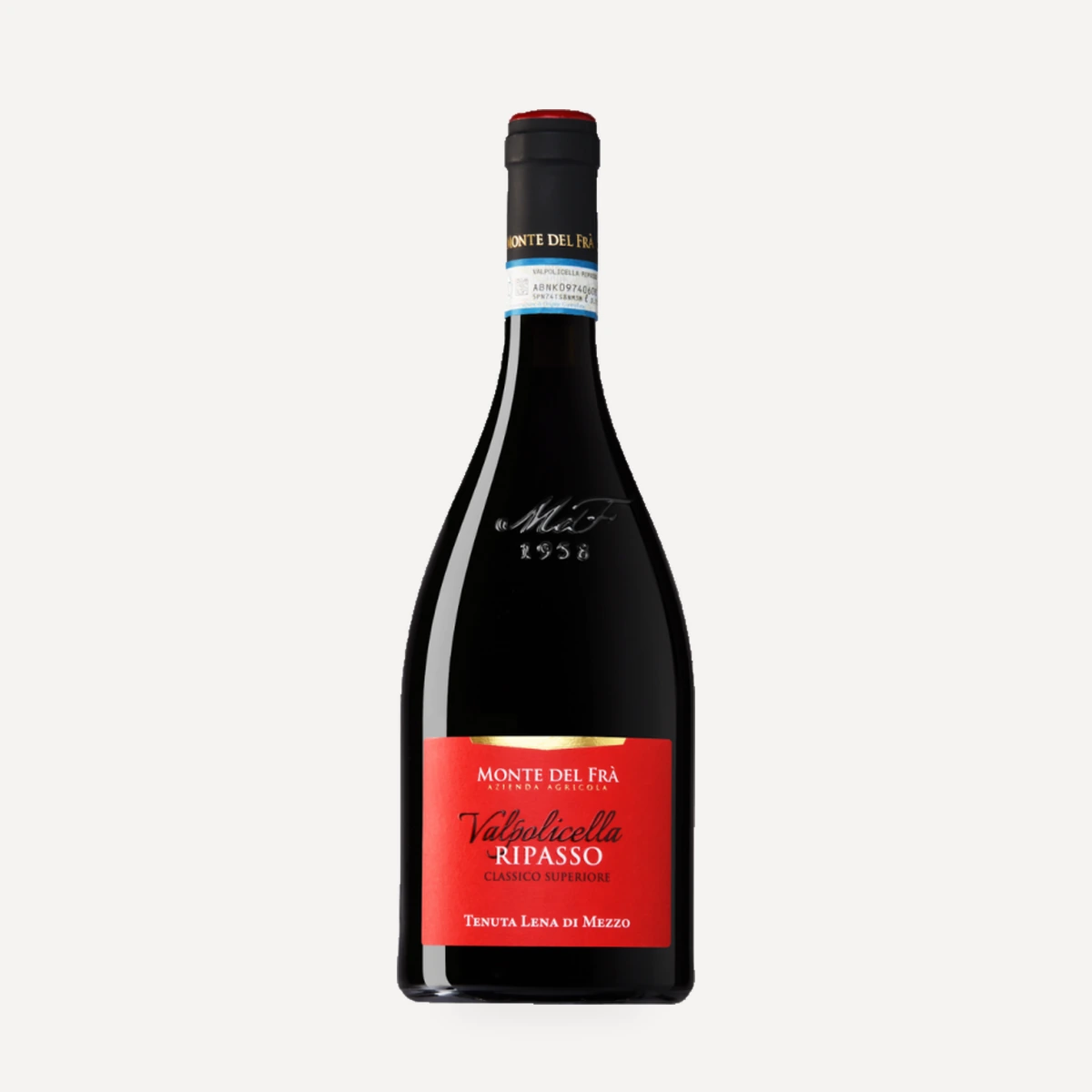
Valpolicella Ripasso Classico Superiore DOC Tenuta Lena di Mezzo
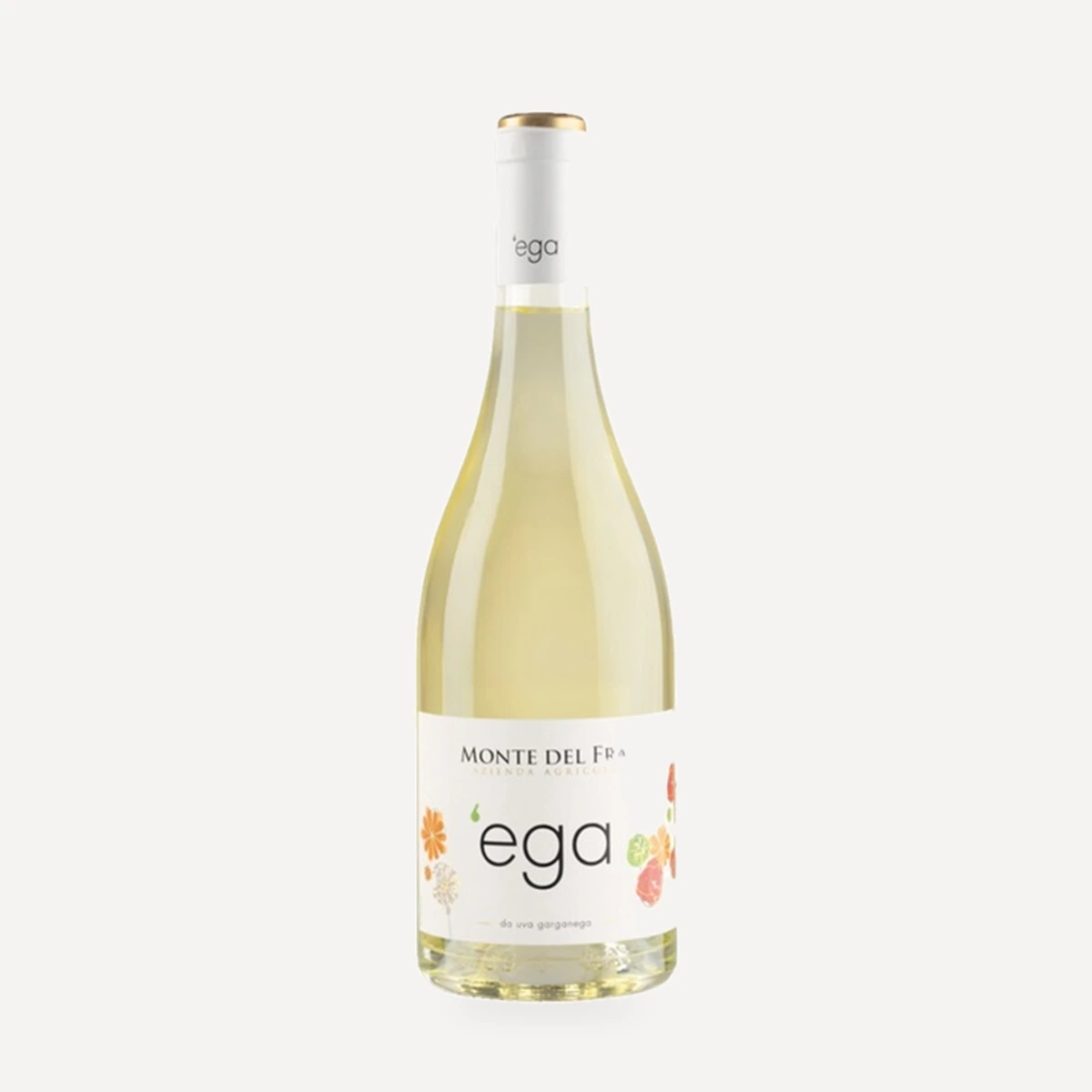
'Ega Garganega Veronese IGT
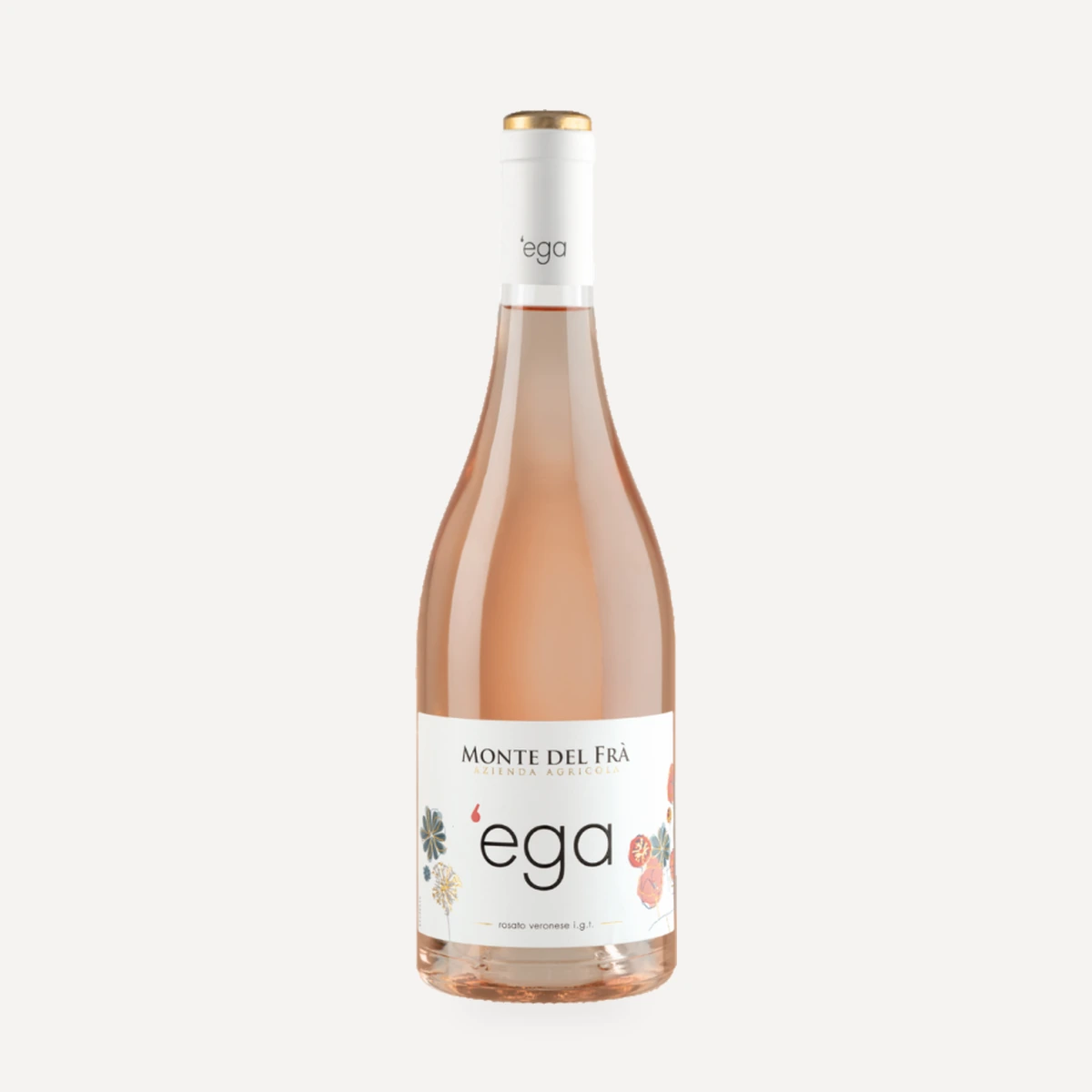
'Ega Rosato Veronese IGT
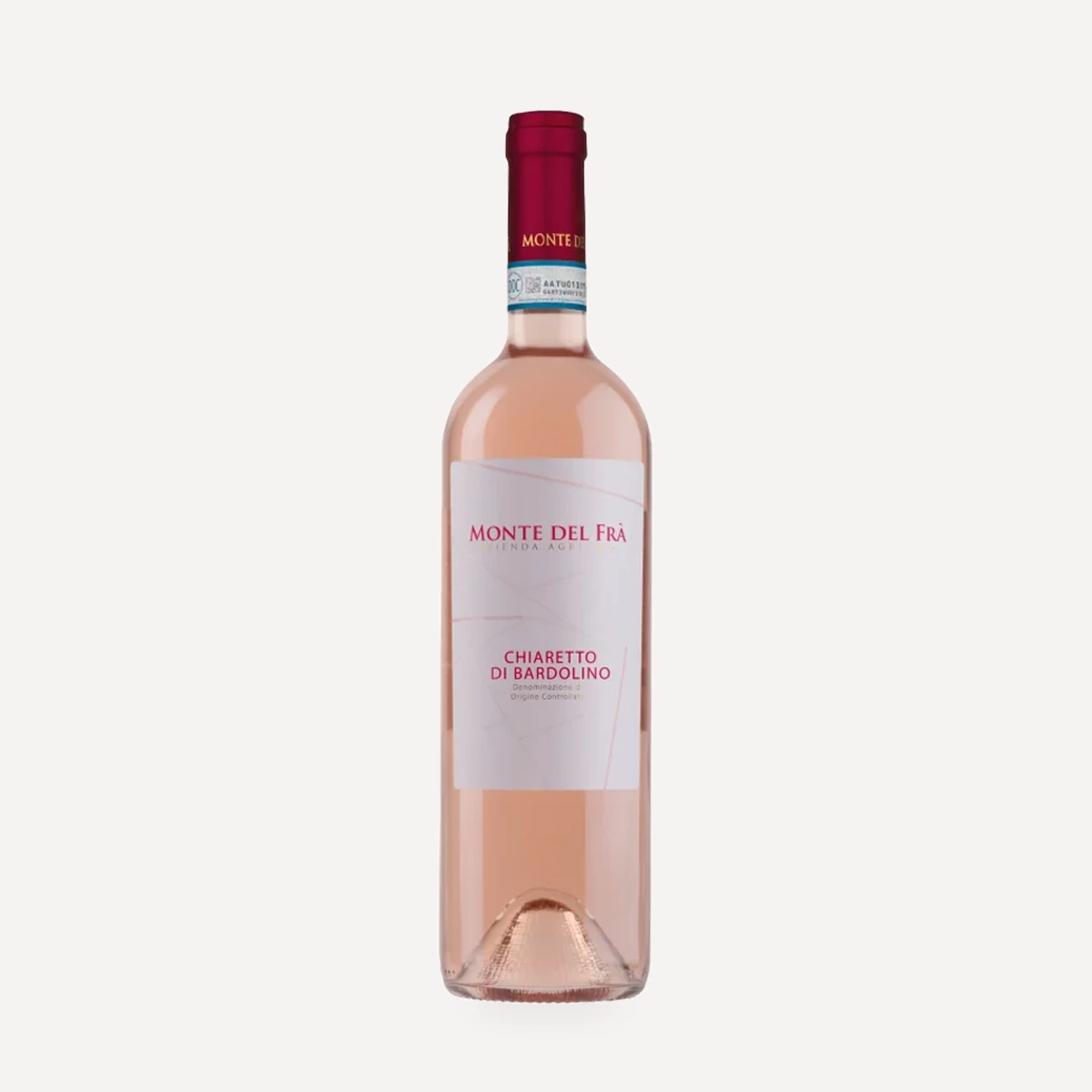
Chiaretto di Bardolino DOC
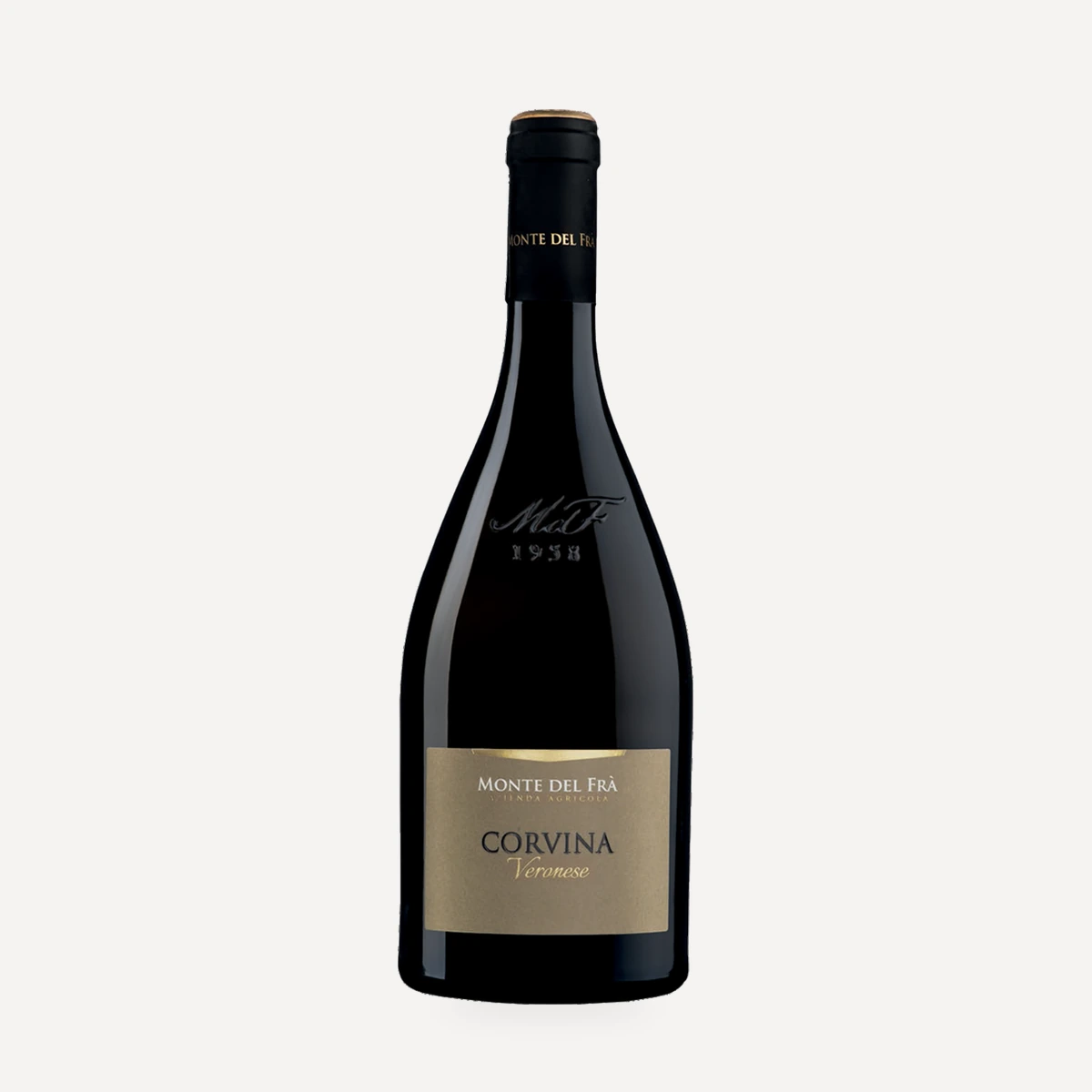
Corvina Veronese IGT
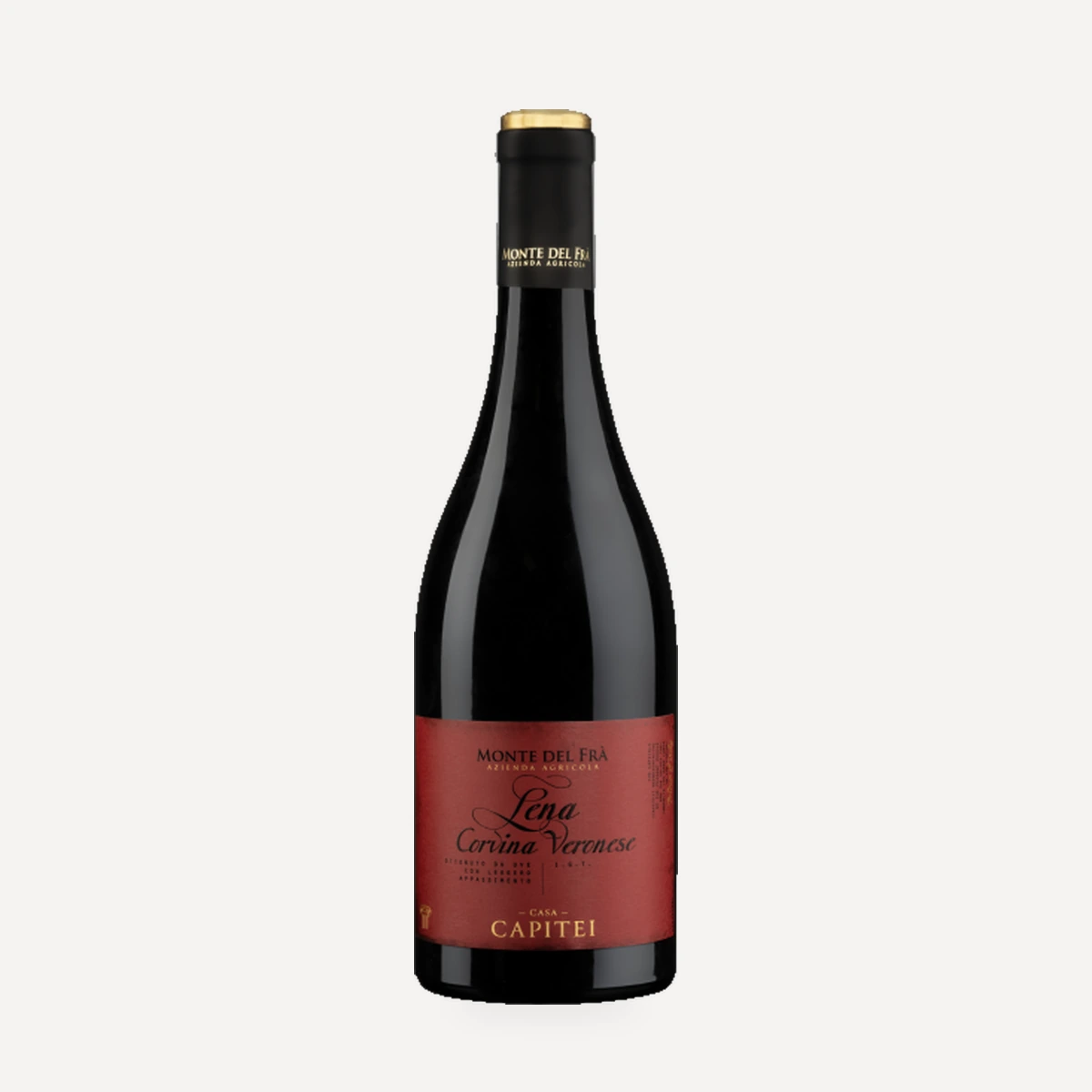
Lena Corvina IGT Casa Capitei
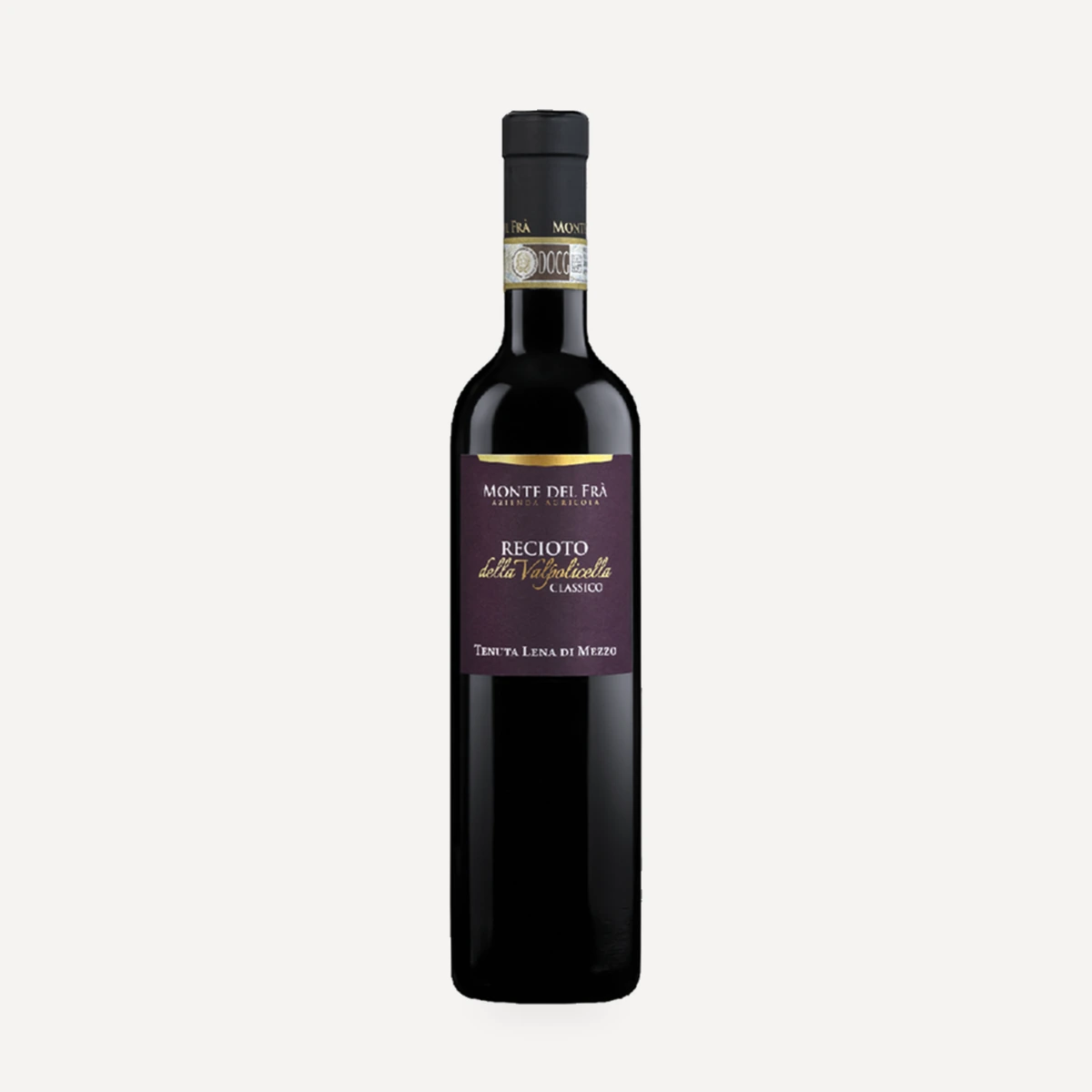
Recioto della Valpolicella Classico DOCG Tenuta Lena di Mezzo
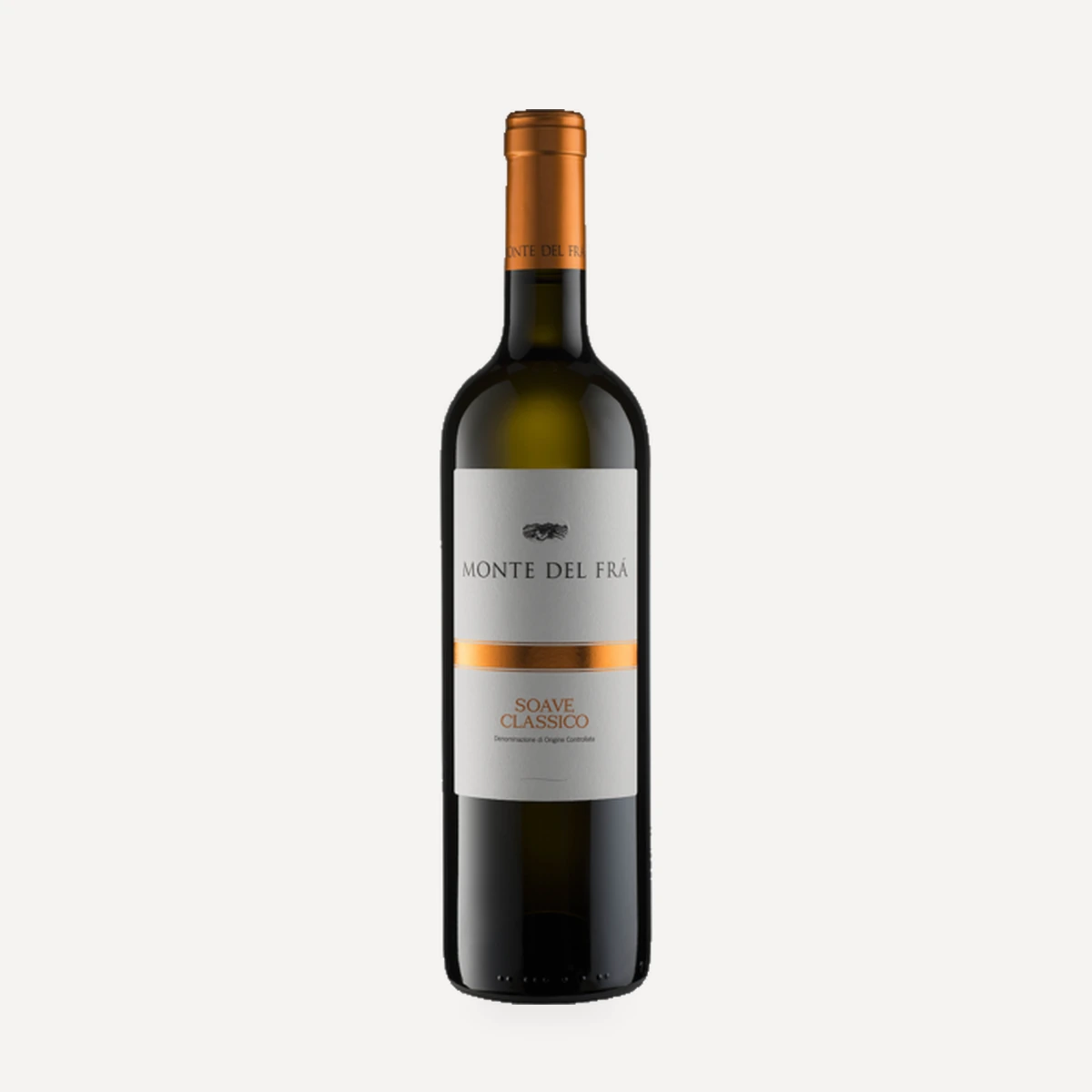
Soave DOC
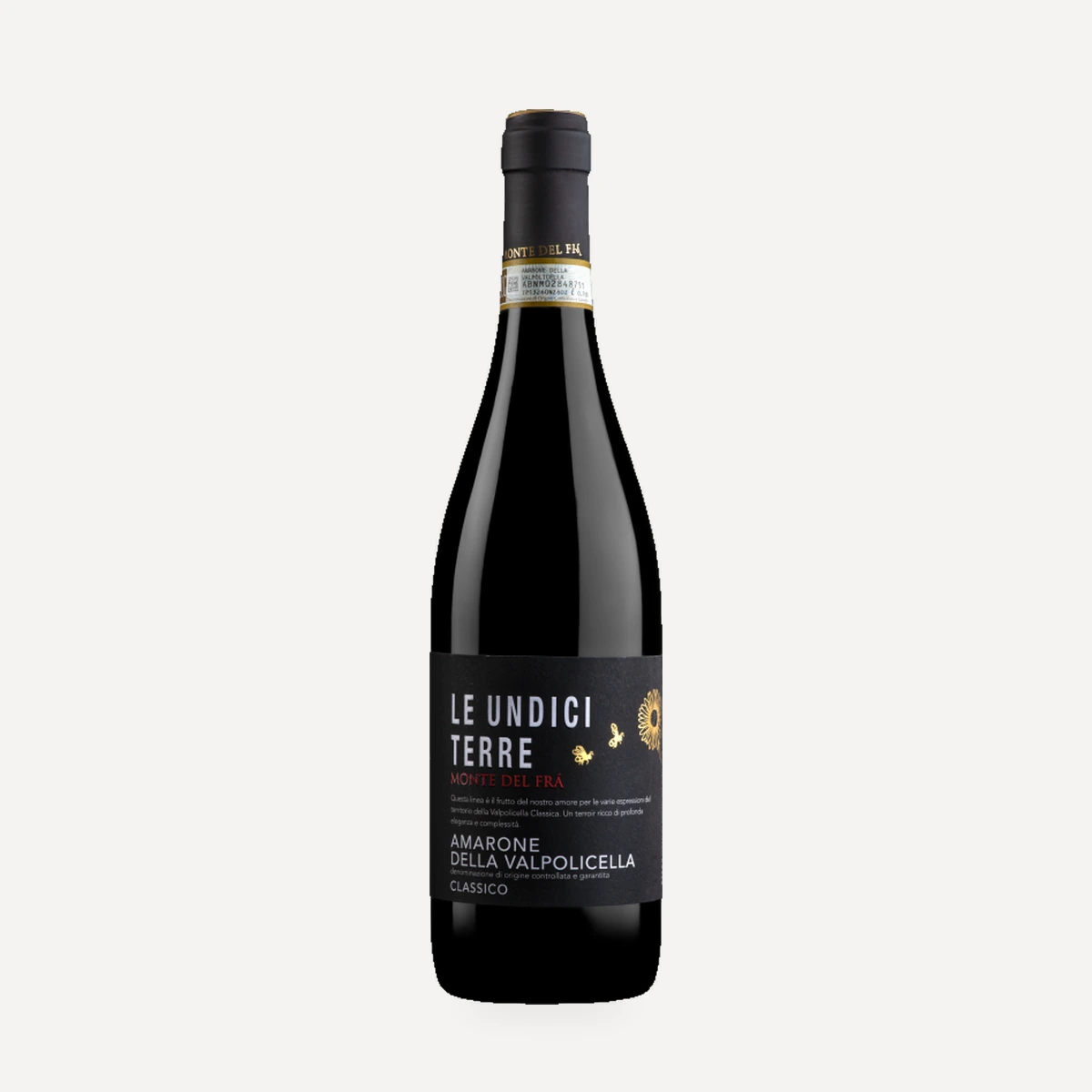
Amarone della Valpolicella Classico DOCG Le Undici Terre
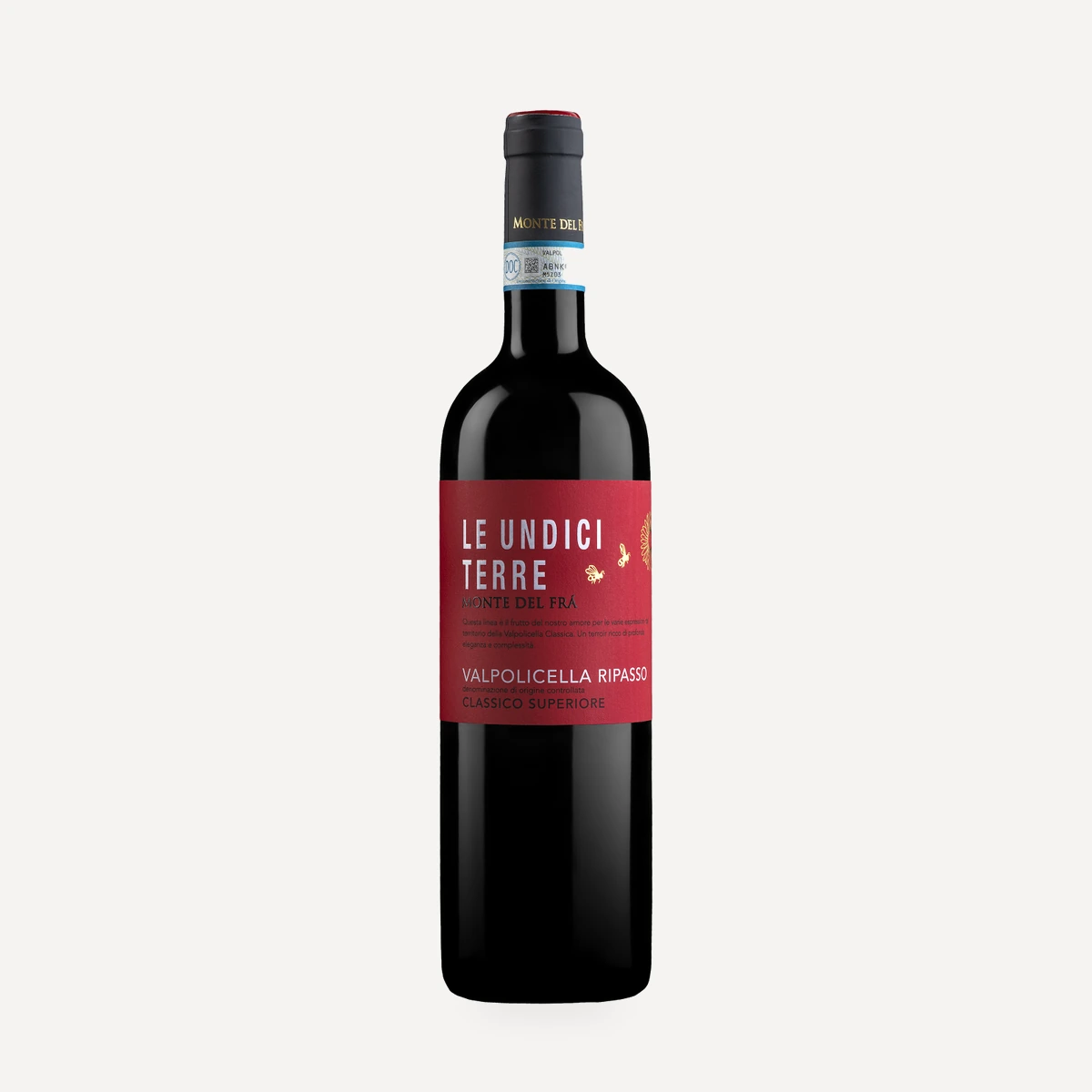
Valpolicella Ripasso Classico Superiore DOC Le Undici Terre
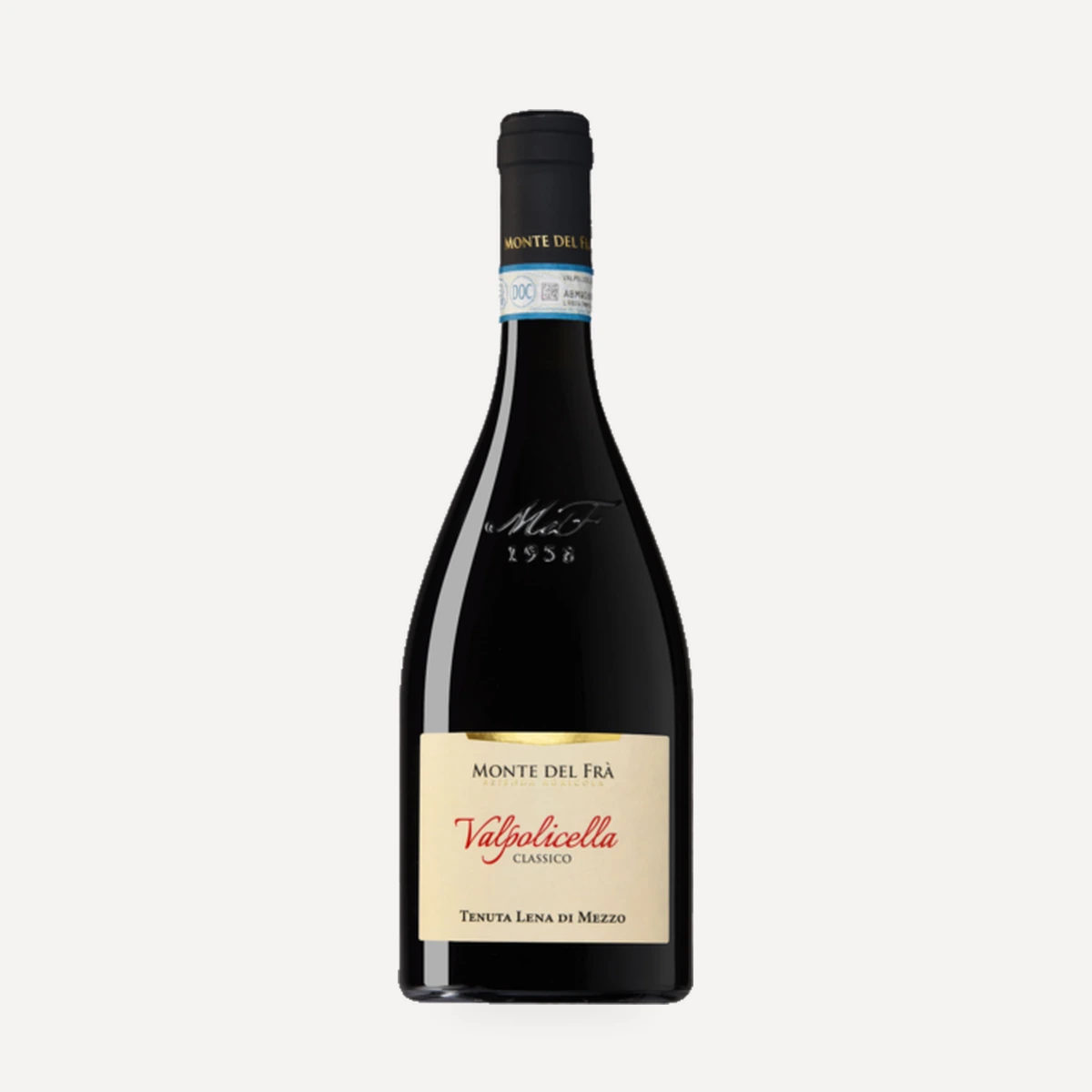
Valpolicella Classico DOC Tenuta Lena di Mezzo
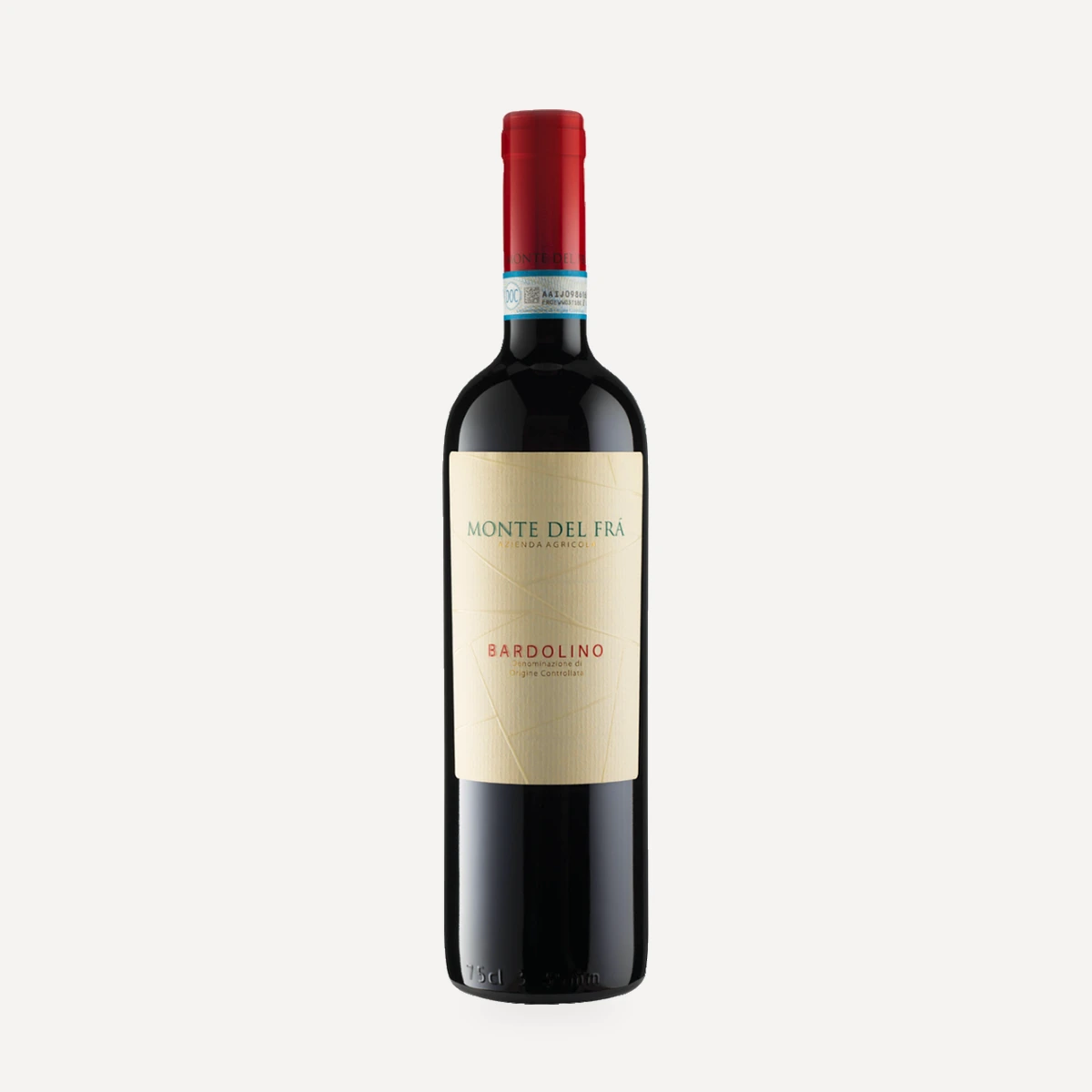
Bardolino DOC
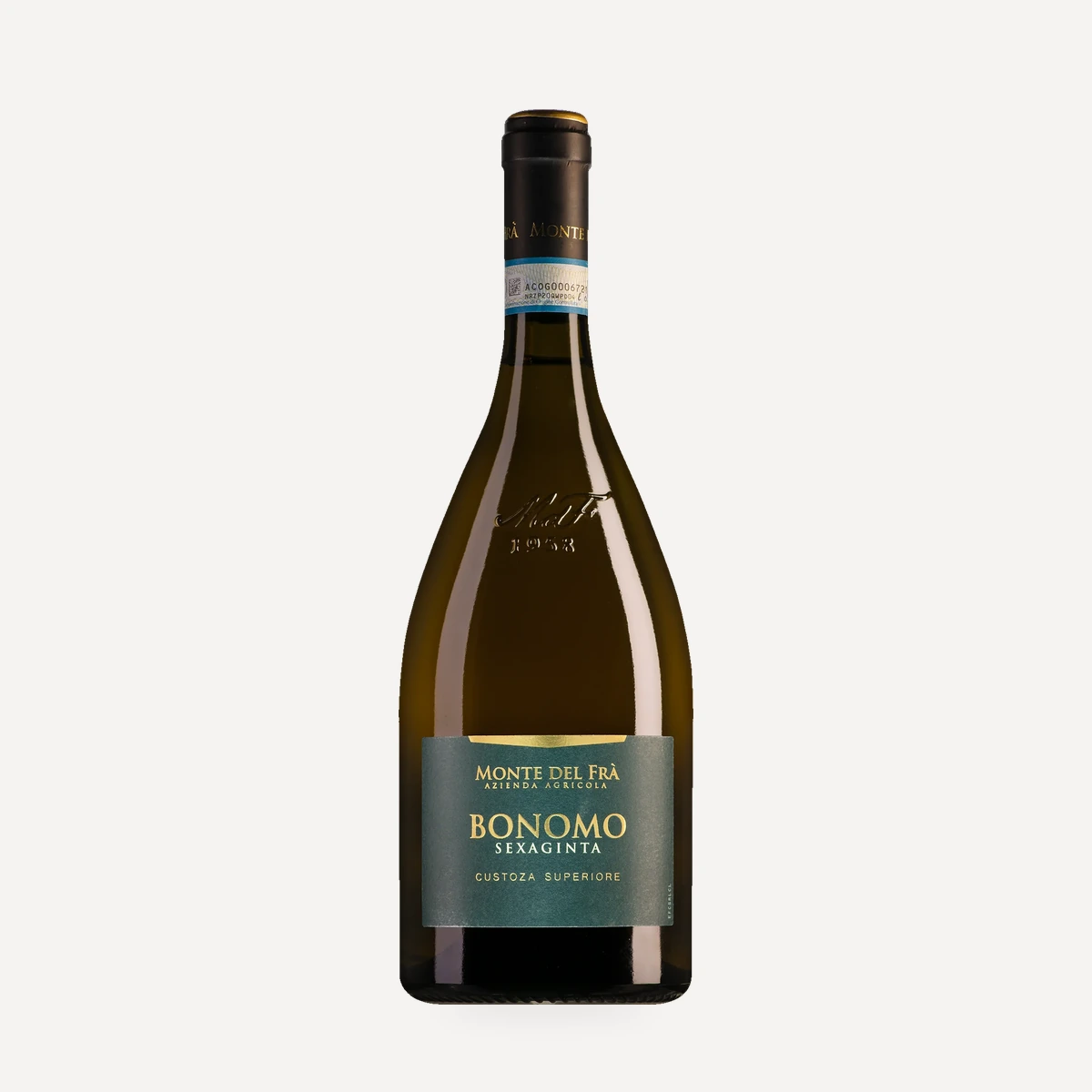
Bonomo Sexaginta Custoza Superiore DOC
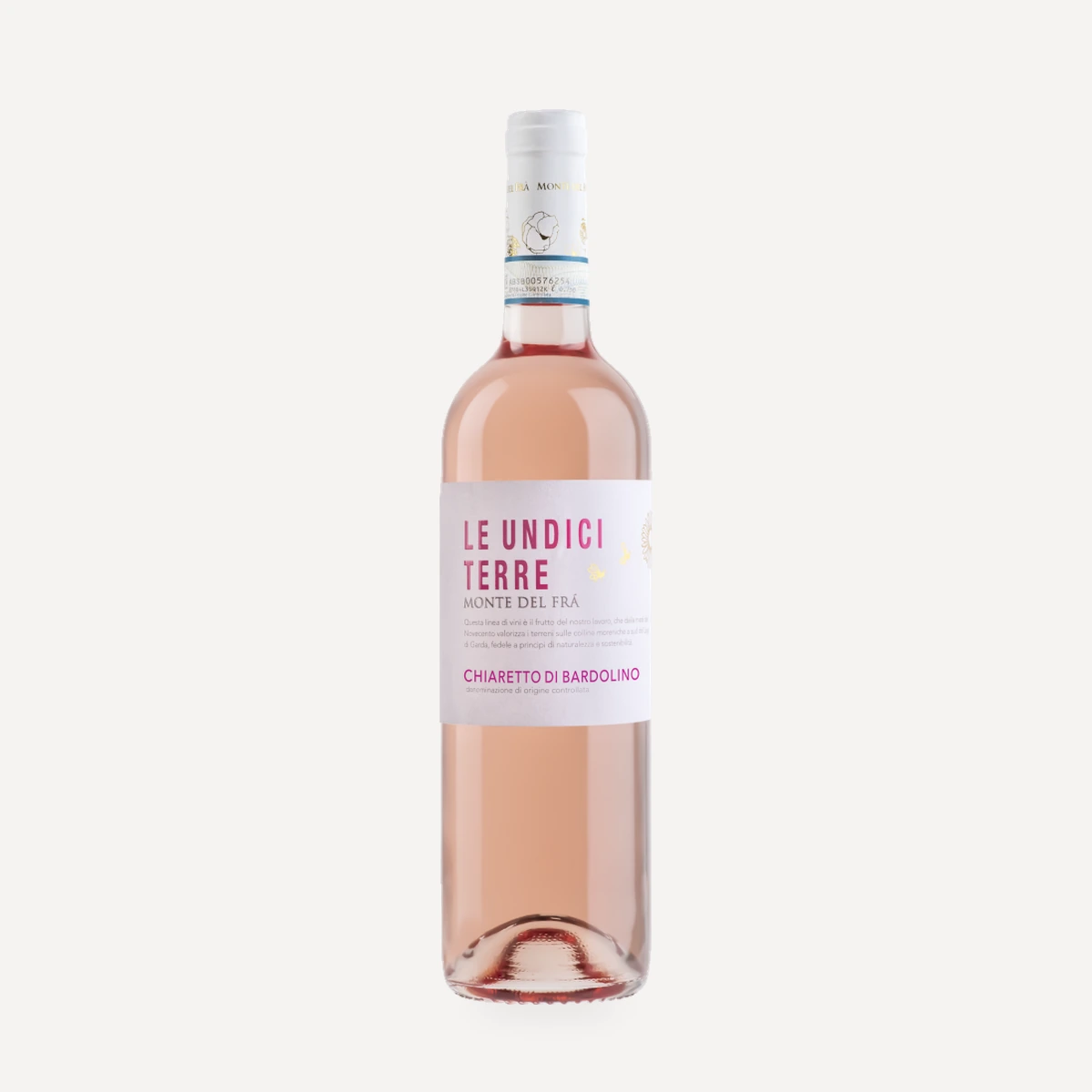
Chiaretto di Bardolino DOC Le Undici Terre
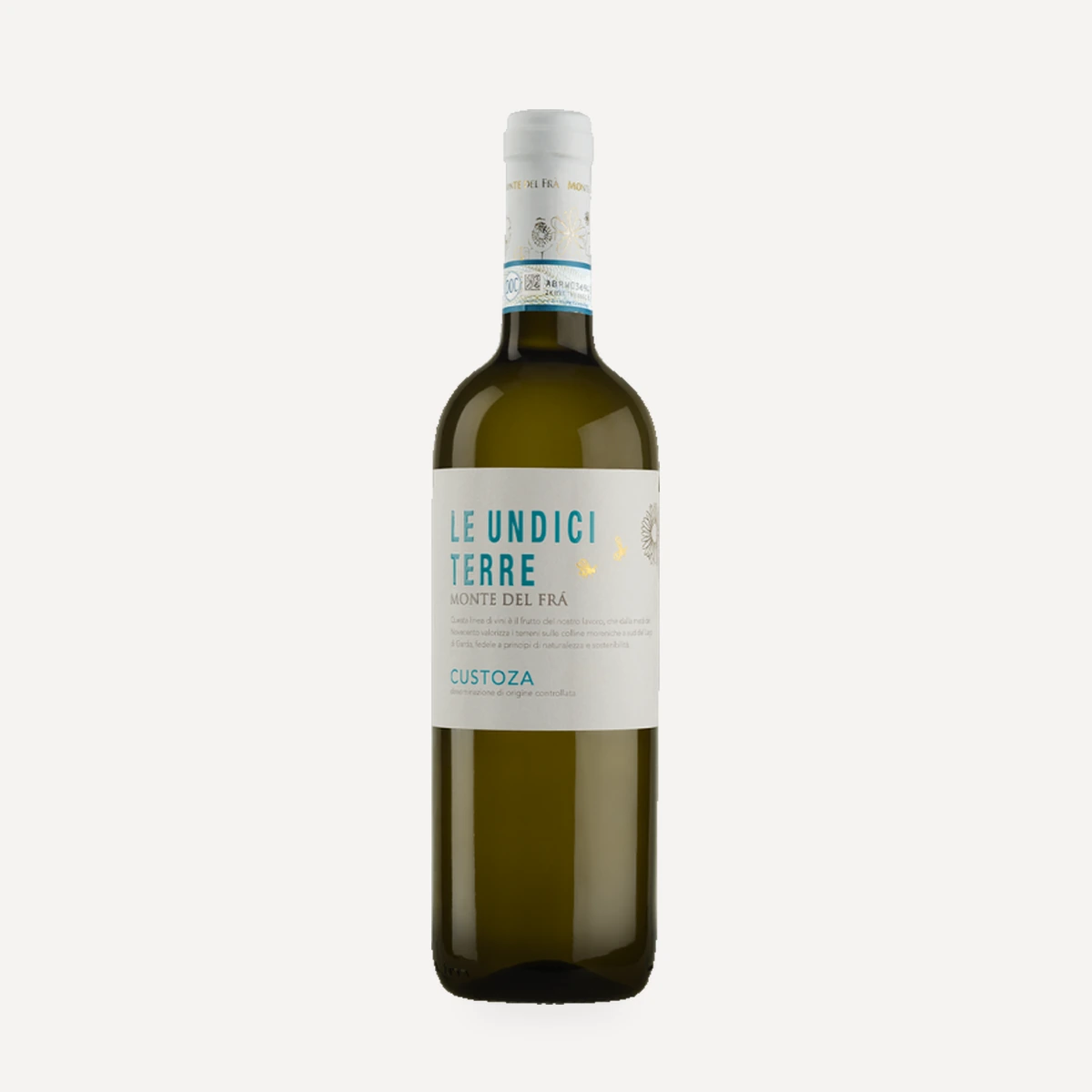
CUSTOZA DOC Le Undici Terre
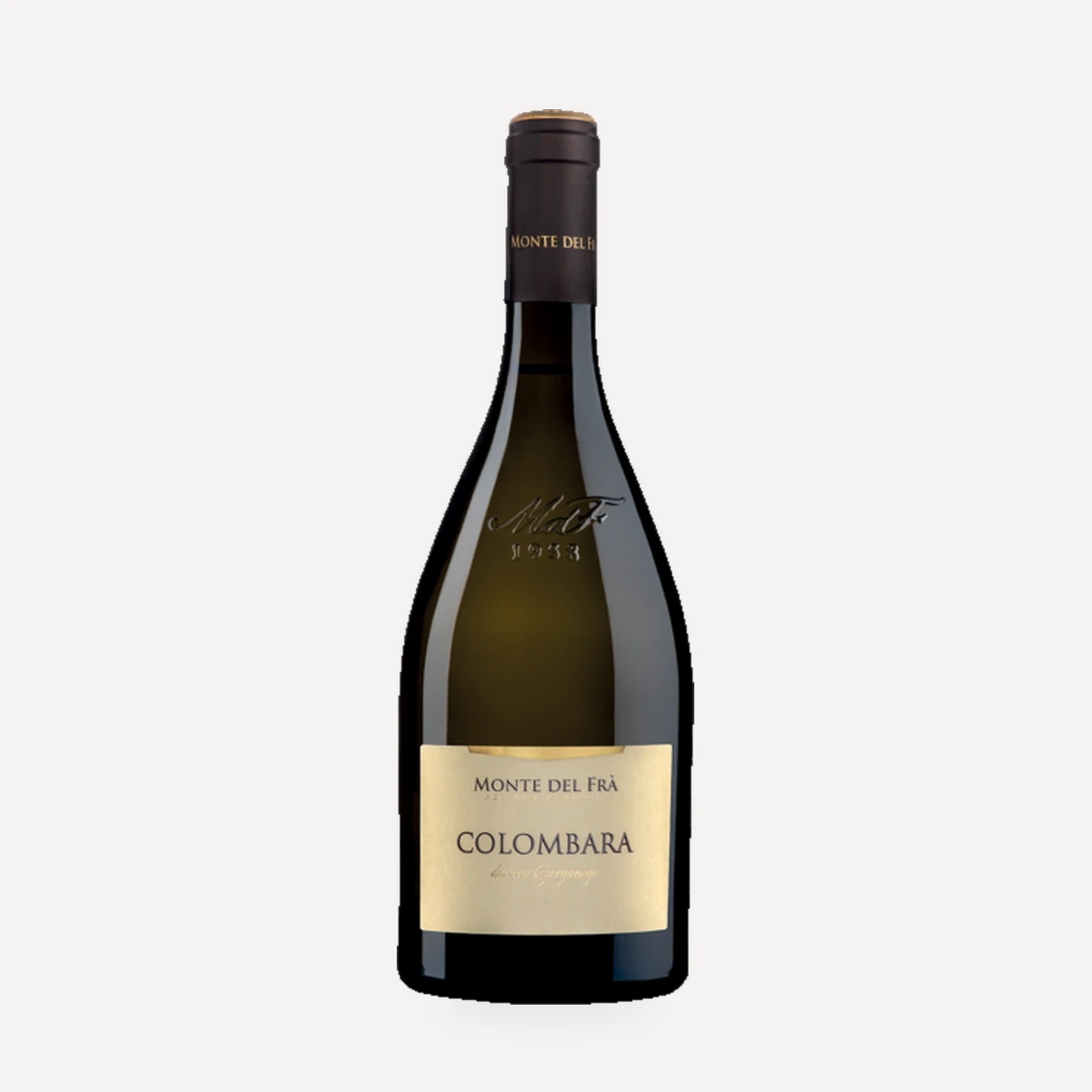
Colombara Garganega Veronese IGT
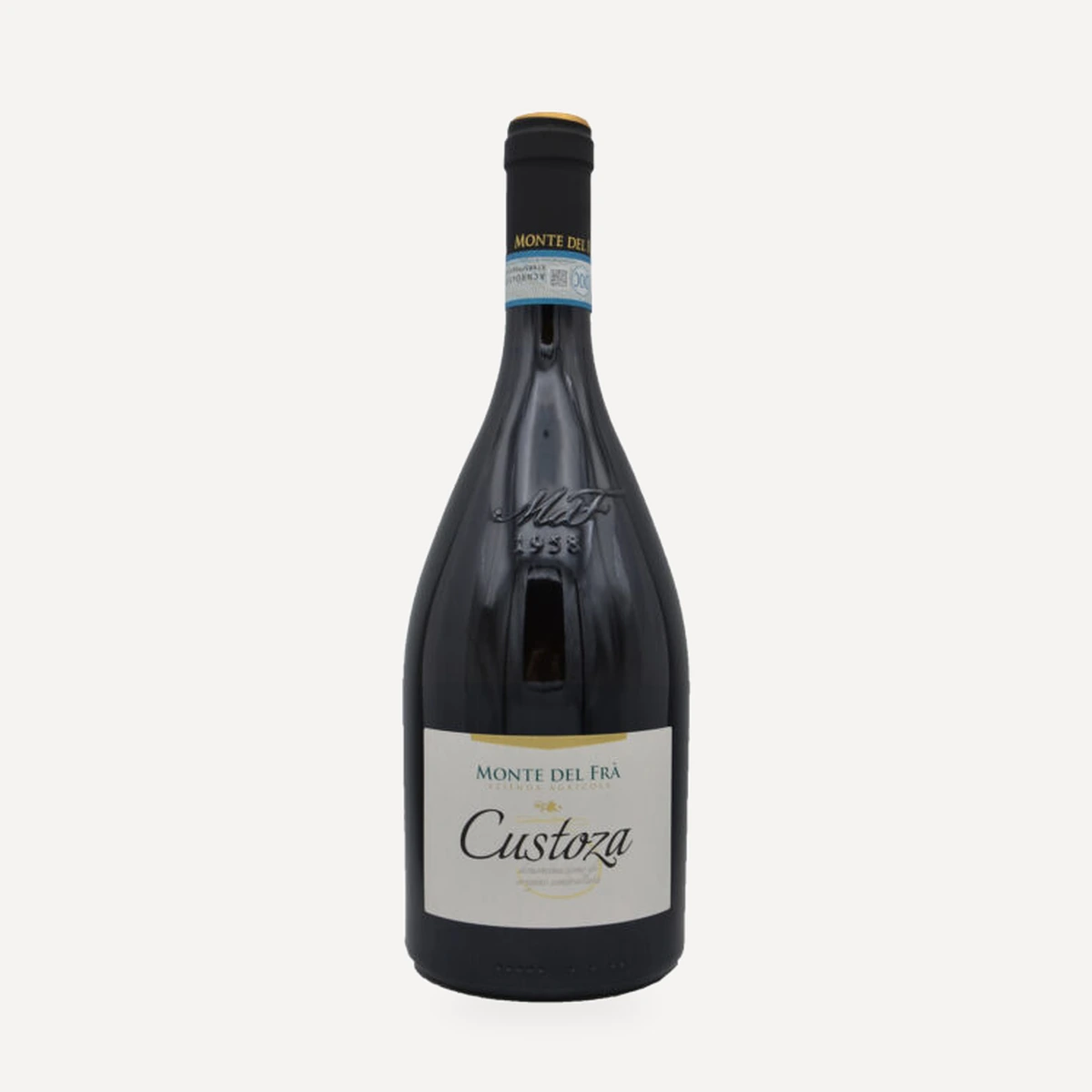
Custoza DOC
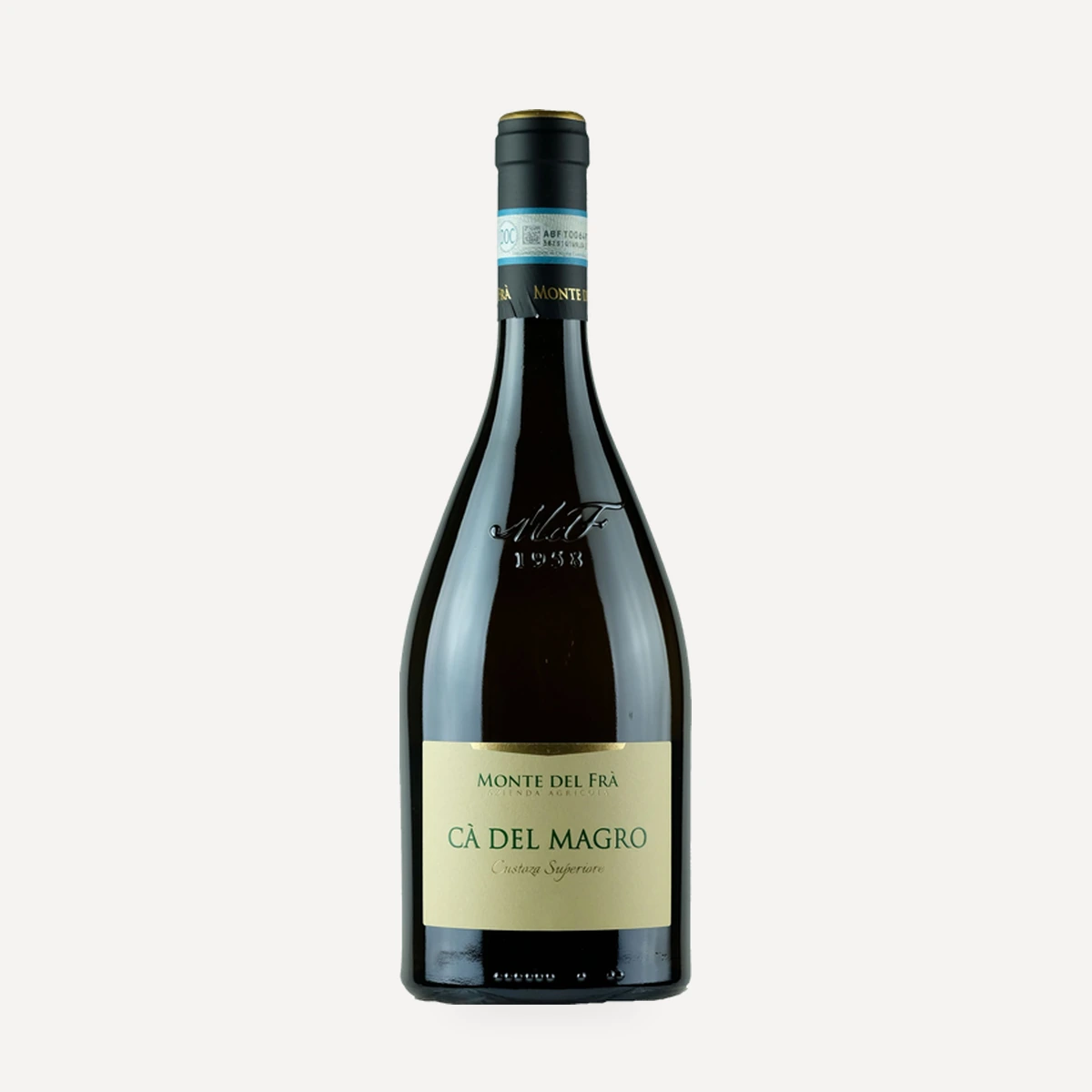
Cà del Magro Custoza Superiore DOC
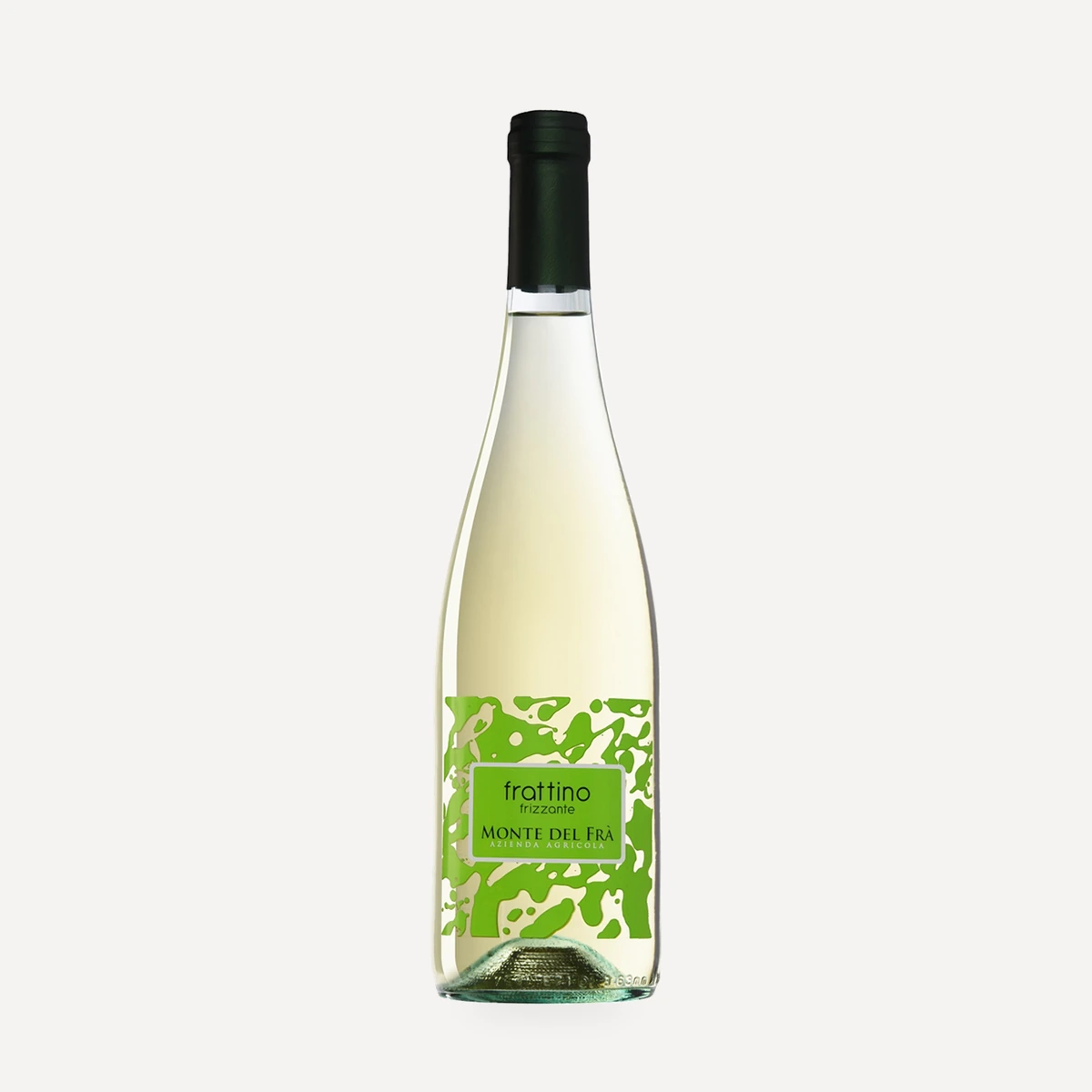
Frattino Chardonnay Veronese Frizzante IGT
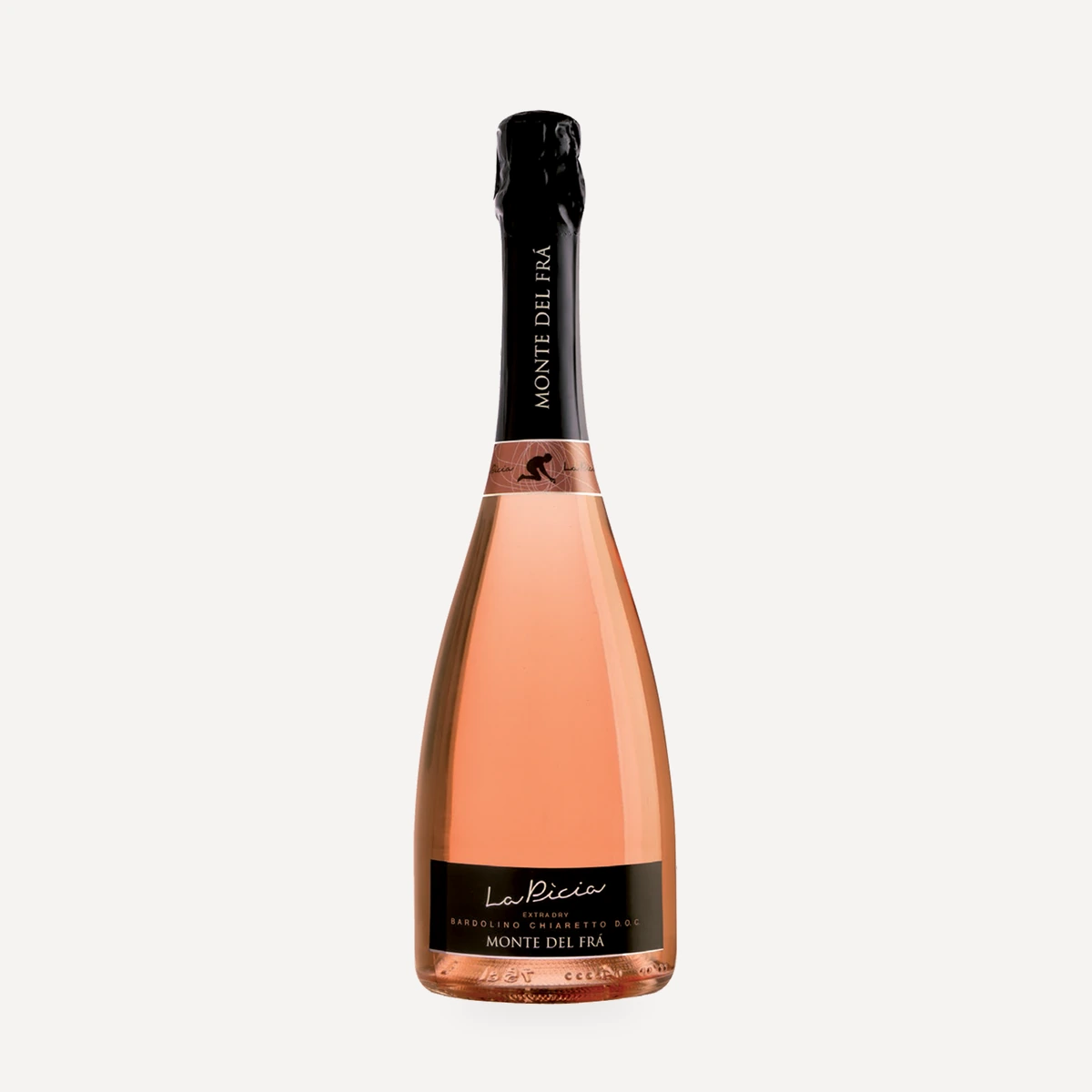
La Pìcia Spumante Rosè Extra Dry Chiaretto di Bardolino DOC
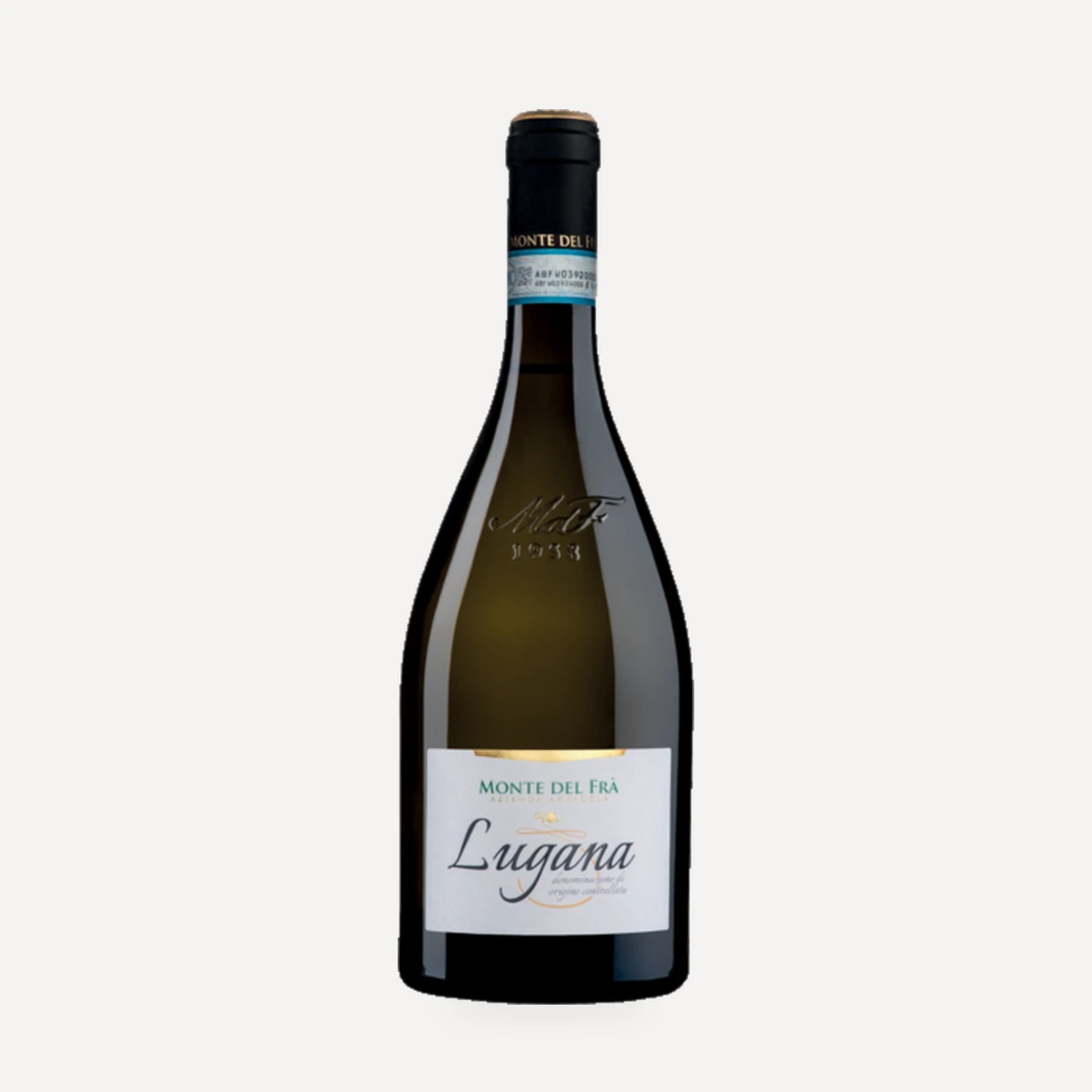
Lugana DOC
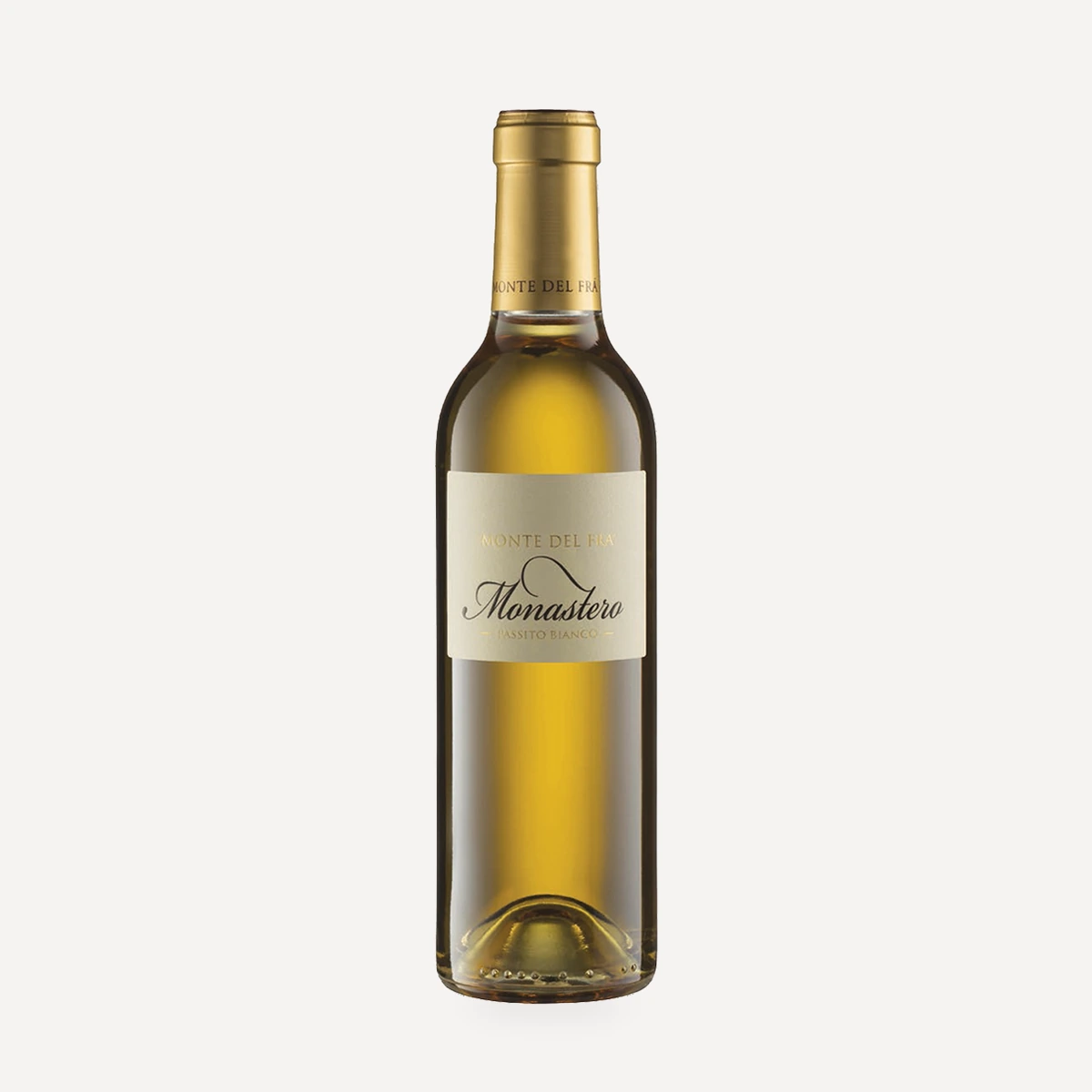
Monastero Passito Bianco Veneto IGT
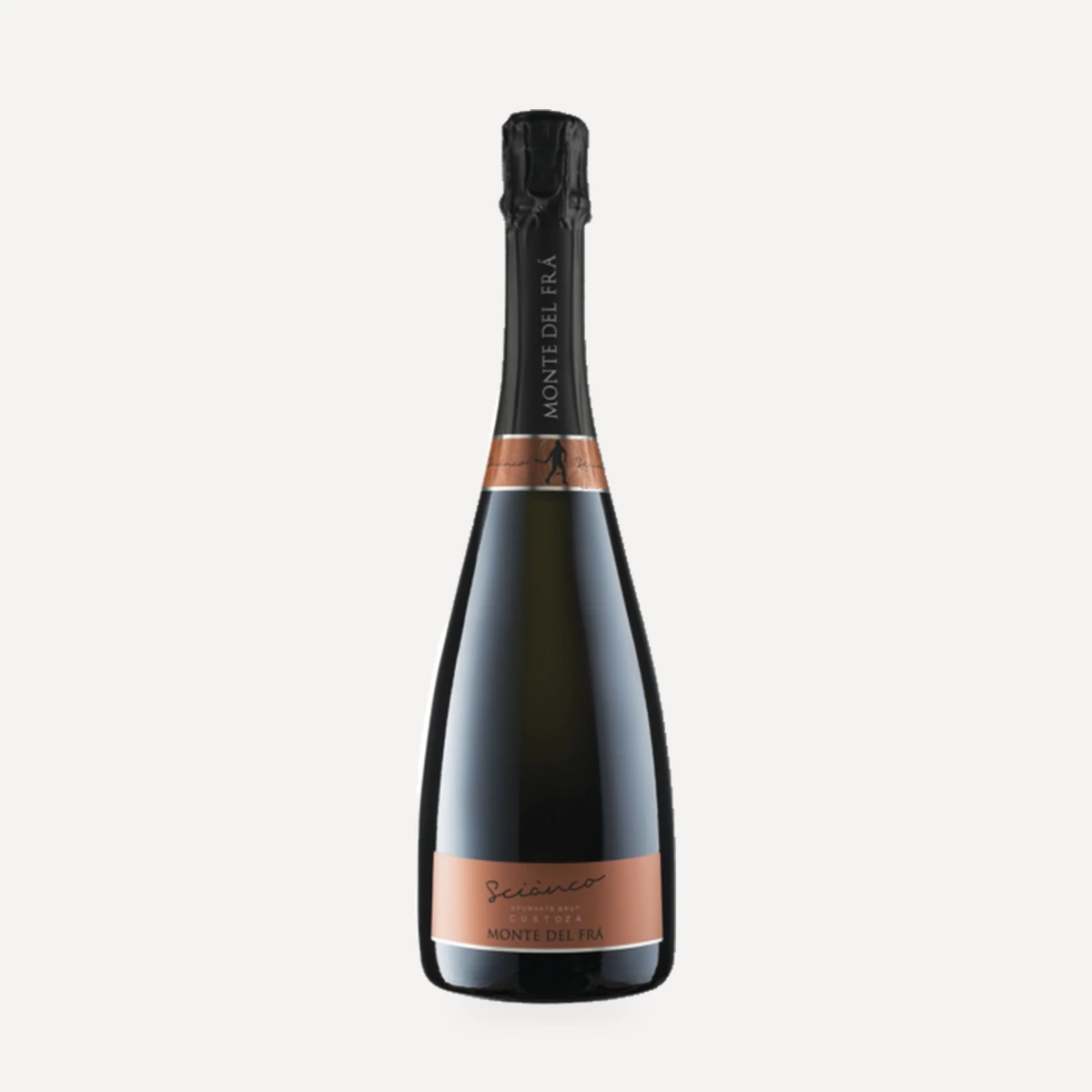
Scìanco Spumante Brut Custoza DOC
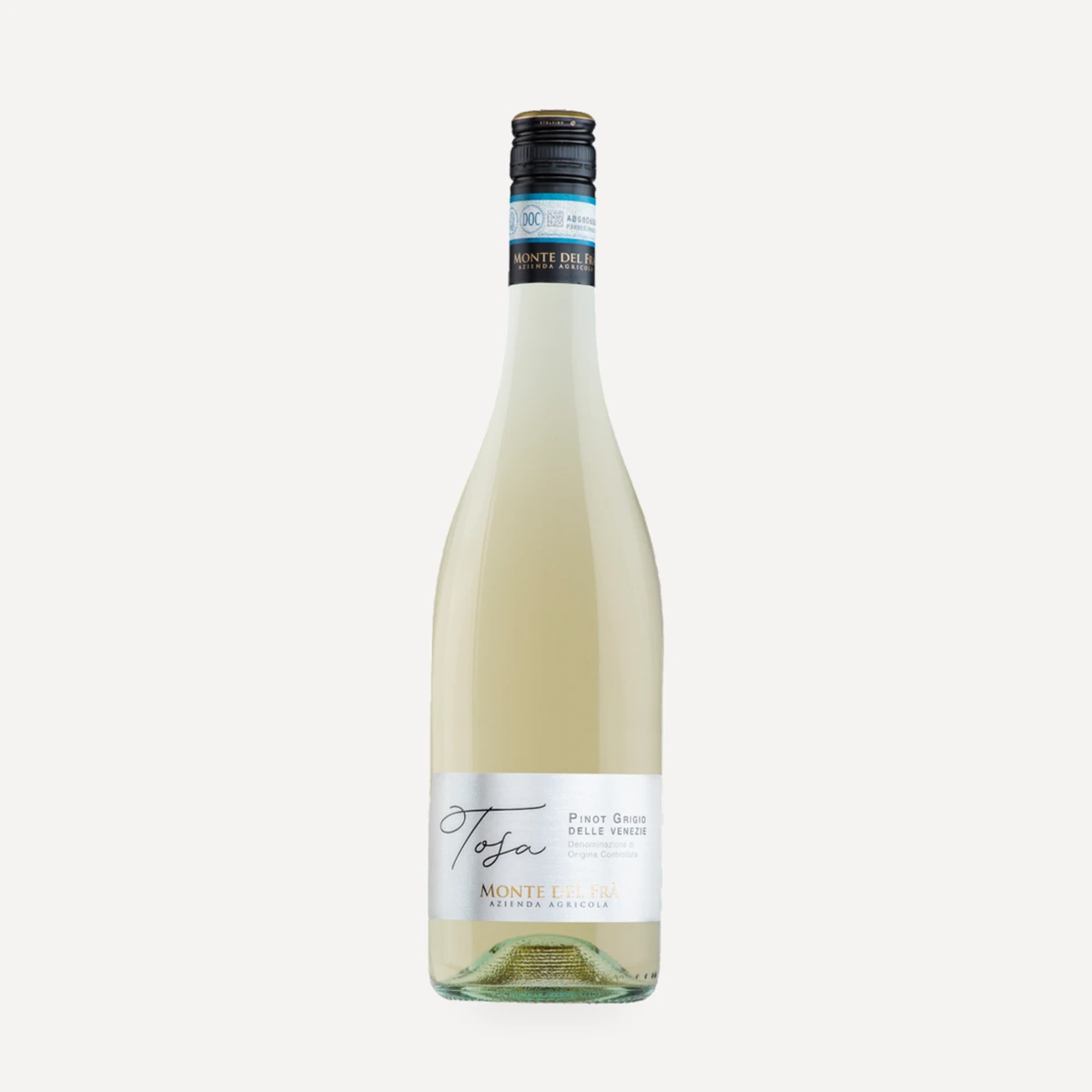
Tosa Pinot Grigio delle Venezie DOC
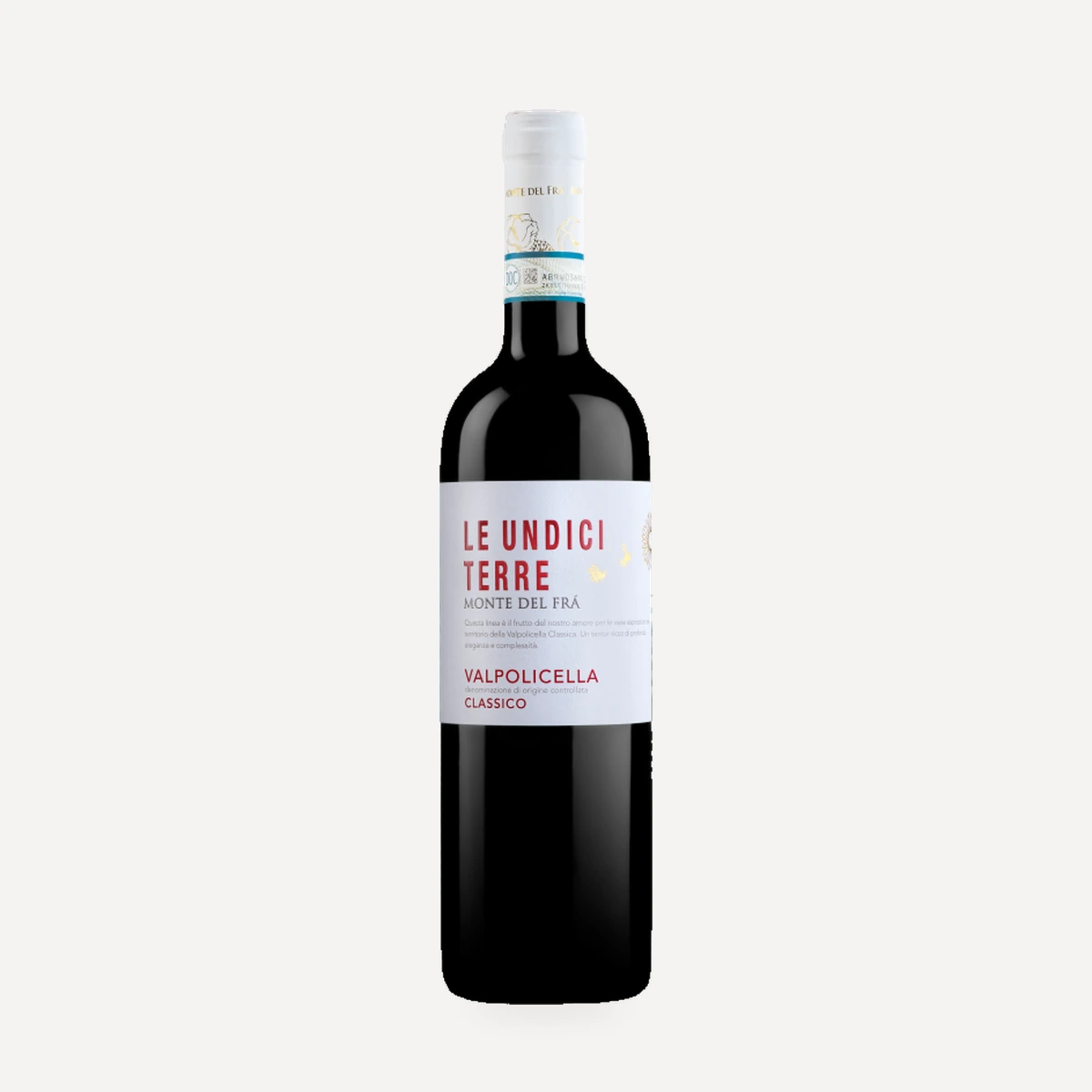
Valpolicella Classico DOC Le Undici Terre