Storia
The Taddei estate and the early history of Pozzo
Pozzo Basso, now home to Borgo dei Posseri, was a farmstead and residence belonging to the noble Taddei family. A late-16th-century family account records that the Casa Thadei left Florence for Verona in 1303. The family had been expelled after supporting the Ghibelline faction and subsequently moved between different lordships in search of protection. In 1391, Tade Taddei settled in Ala and married there with the support of the Castelbarco lords.
Over the following centuries, the Taddei family expanded and became increasingly integrated into Ala. Wealth generated through the silk trade eventually placed it among the town’s most influential families. When the family first settled there, Ala remained a small settlement under Venetian rule, divided into four districts and inhabited by 112 local and 50 non-local families, for a total population of approximately 700–800. Its economy was mainly agricultural, forestry-based and pastoral, supplemented by trade in timber and grain with the Verona area. Venetian influence introduced silkworm rearing and the cultivation of maize and tobacco.
In the opening years of the 16th century, Ala returned to the authority of the Prince-Bishop of Trento. Until 1650, the settlement endured a troubled period marked by brigandage, theft, extortion, vendettas and murder, linked both to conflict among leading families and to armed groups operating in the Lessini mountains. Bubonic plague reached Ala in 1630 and caused numerous deaths. During the first decades of the 17th century, the parish priest Don Bonacquisto encouraged velvet production and silk processing, beginning what became Ala’s most prosperous historical period.
Woodland, hunting and rural life
The three Pozzo localities historically served as hunting grounds, including throughout the 19th century. Hunting employed the roccolo method, while bears were hunted with multi-charge firearms. The last bear recorded on the mountains of Ala was killed in Val Cipriana, above Santa Margherita, toward the end of the 19th century.
Pozzo Basso appeared in Peter Anich’s 1774 Atlas Tyrolensis, the first map covering the entire region. In 1855, Father Antonio Bresciani described Pozzo as divided into several agricultural holdings. He also recorded dense forests of beech, oak, pine, fir, yew and larch, harvested on a nine-year cycle. Felled trunks were sent down ravines and along the Ala torrent to the Adige, from which they travelled by raft to Verona.
Until the beginning of the 20th century, approximately fifteen tenant-farming families lived on the estate. Pozzo Basso remained sufficiently populated to maintain a small school.
The Pozzo Basso school
The earliest surviving documentation of the school dates to 1899 and was written by teacher Pietro Lorenzoni. The school was established that year for children from Pozzo Basso, Pozzo di Mezzo and Pozzo Alto. Its inauguration took place on 28 October 1899 in the presence of Father Candido, who addressed parental responsibilities, pupils’ duties toward teachers and school, and the importance of education. Afterward, a servant of the Taddei family invited those present to breakfast in the manor house.
At the beginning of the 1901–1902 school year, Lorenzoni rewarded the most distinguished pupils with devotional books and words of encouragement. A mixed class of nine pupils was operating in 1910–1911. The school chronicle for 1926–1927 recorded 51 inhabitants at Pozzo and eight children of compulsory school age.
Their teacher, Maria Lazzari, described a demanding daily life. Children rose early to take livestock to pasture and often reached school already tired. Some arrived late after searching for missing animals, while others stayed home because of fatigue, poor nutrition or illness. After lessons, they returned to tending the animals. As the population declined, the subsidised Pozzo school closed in 1950.
Abandonment and agricultural renewal
The subsequent departure of workers and domestic staff was followed by the progressive deterioration of the buildings and episodes of looting. Fields that had formerly served as alpine pasture were overtaken by woodland and scrub, while the estate buildings fell into ruin.
A chance rediscovery eventually inspired an ambitious restoration project. Maria Marangoni and Massimo De Alessandri undertook the revival of the historic high-altitude farming settlement, seeking to recover its past while giving it a productive future. Their project combined restoration of the place with the aim of producing wines capable of reflecting its mountain setting.
Beginning in 2000, former alpine-pasture land was converted to vineyards using modern viticultural techniques. Young vines were selected from leading European nurseries. The estate developed 21 hectares of vineyards within a total holding of approximately 230 hectares, preserving the surrounding pattern of woods, meadows and pastures.
Marangoni and De Alessandri reshaped the agricultural operation while seeking to retain the identity of the land. They encouraged specialist collaborations and invested in the estate’s staff. External oenological support—and, in the English presentation, Martin’s sensitivity—was credited with helping production improve from year to year. Maria also restored the settlement’s historic role as a place of welcome, developing hospitality through partnerships in catering, decoration and event planning.
Recent development
On 31 July 2021, Borgo dei Posseri introduced a redesigned digital platform with online wine sales, Enotour booking, expanded wine information and dedicated presentation of its hospitality and event activities.
Terroir
Borgo dei Posseri occupies a sunny mountain plateau above Ala, between the historic town and the Piccole Dolomiti. The wider setting lies between Lessinia and the Piccole Dolomiti, overlooking Vallagarina and the Adige valley at a point described as a hinge between Trentino and Veneto.
The three Pozzo localities stand on a spur between the Ronchi and San Valentino valleys, on the left orographic side of the Adige. Their farmsteads are dispersed among meadows and woodland between 551 metres at Pozzo Basso and 884 metres at Pozzo Alto. The estate’s vineyards lie between approximately 550 and 720 metres, with many occupying relatively level ground and facing predominantly west and northwest. Another estate description gives approximately 600 metres as the general altitude of its hospitality structures and vineyard landscape.
The terrain alternates between steeper wooded sections and flatter surfaces. Some of the latter are terraced and supported on the downhill side by dry-stone walls. The 230-hectare holding forms a mosaic of vineyards, centuries-old woodland, meadows and pastures, with wildlife remaining part of the environment.
Beneath the vegetated topsoil lies compact morainic material composed of silty-clayey sand with abundant gravel and scattered stones. Individual areas differ in morphology, slope position, exposure, soil origin and microclimate. The estate’s approach is therefore based on matching varieties to these environmental differences.
Winds arrive consistently from both north and south. This ventilation supports vineyard health and contributes to a non-intensive growing environment. Clean air and light, together with pronounced day-to-night temperature variation, are associated with aromatic development in the grapes. The combination of mountain climate, differing exposures and multiple microclimates is particularly favourable to the finesse and persistence sought in white varieties.
Vinificazione
The estate describes its mountain vineyards as a non-intensive growing environment. Former alpine pastures have been planted progressively since 2000 with young vines sourced from leading European nurseries and established using modern viticultural techniques.
Vines are espalier trained and Guyot pruned. Variety placement is guided by differences in morphology, exposure, slope position, microclimate, soil origin and soil character. This site-by-site matching is intended to express the environmental variability of the estate rather than impose a uniform vineyard model.
Plant protection combines phytosanitary products with biological treatments. Under-vine vegetation and soil are managed mechanically, without herbicides. Constant north and south winds help maintain vine health, while the surrounding woods, meadows, pastures and wildlife preserve a broader agricultural and natural mosaic.
Vineyard work also includes selection and regulation of crop load appropriate to each variety. The estate associates careful selection in the vineyard with the structure of its red wines and regards extended ripening as important for later-harvested Gewürztraminer, despite pressure from birds attracted to the grapes.
Production is organised around matching grape varieties to the estate’s differing mountain environments—its morphology, exposure, slope position, microclimate and soil characteristics—so that environmental variation becomes a defining element of the wines. Trentino traditions provide the starting point, but they are reinterpreted through the particular conditions of Borgo dei Posseri.
External oenological support has contributed to year-by-year improvements in production. The current range includes traditional-method Trentodoc sparkling wines as well as still white and red wines. The sparkling-wine category includes Brut, Rosé and zero-dosage expressions; the still-wine categories are organised as white and red wines.
Filosofia
Borgo dei Posseri’s guiding idea is to recover the past and make it part of the future. The restoration of the historic rural settlement, the conversion of former alpine pasture to vineyards and the renewal of its tradition of hospitality are treated as parts of the same project.
The estate presents winegrowing as a chosen way of life founded on respect for the land and attentive care of the vine. Its wines are intended to convey the history of the place, the mountain territory and the work invested in it. Trentino traditions are retained as a foundation but reinterpreted so that the growing environment—not a predetermined style—becomes the principal source of character.
Environmental variability is central to this approach. Differences in morphology, exposure, position, soil origin and microclimate are used to guide variety–site combinations. The objective is to preserve personality and originality while improving production through modern viticulture, external expertise and collaboration.
The same recovery principle extends to hospitality. Borgo dei Posseri seeks to retain authenticity, simplicity and a friendly atmosphere while adapting the old farmstead for contemporary visits, tastings and events.
Vini
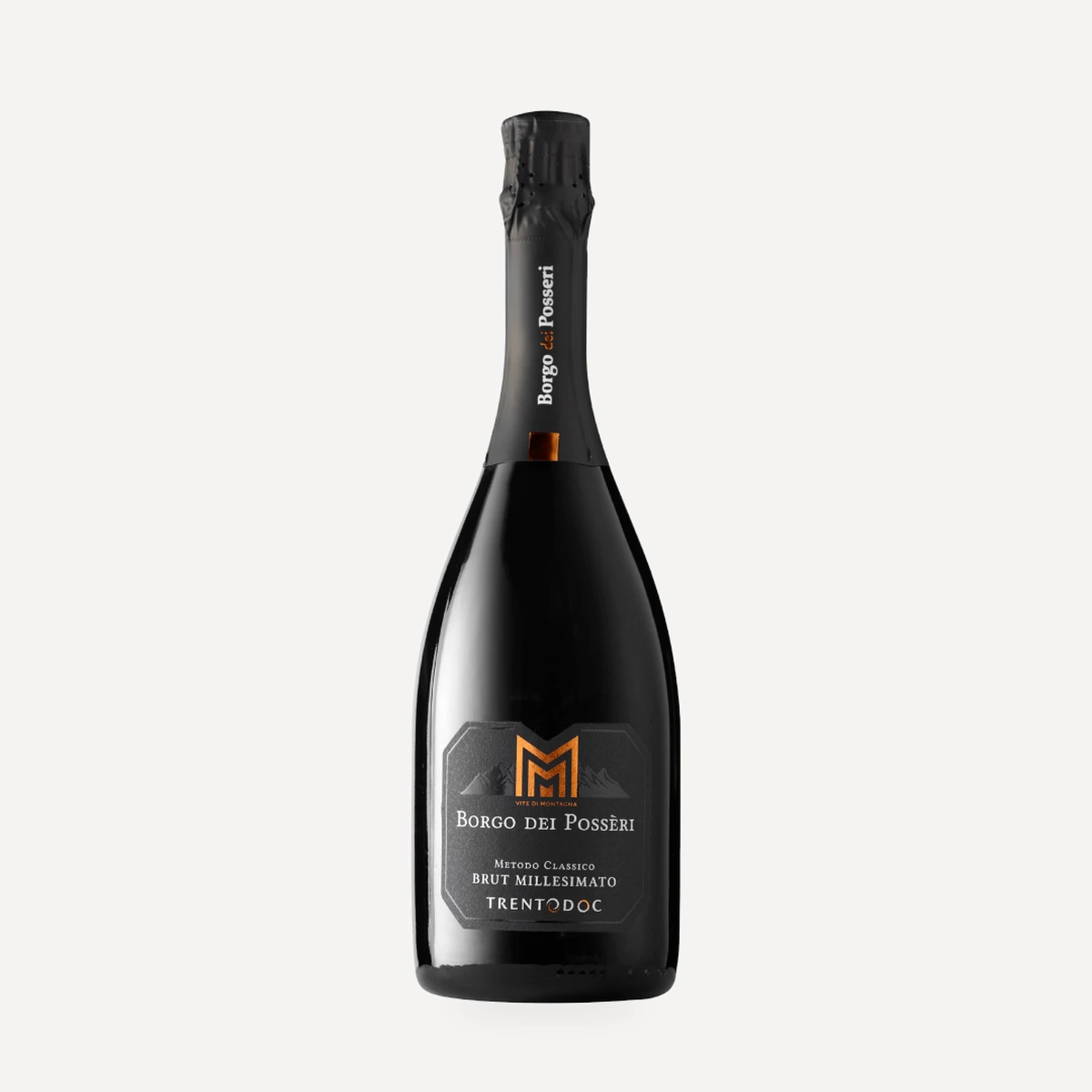
Brut Millesimato
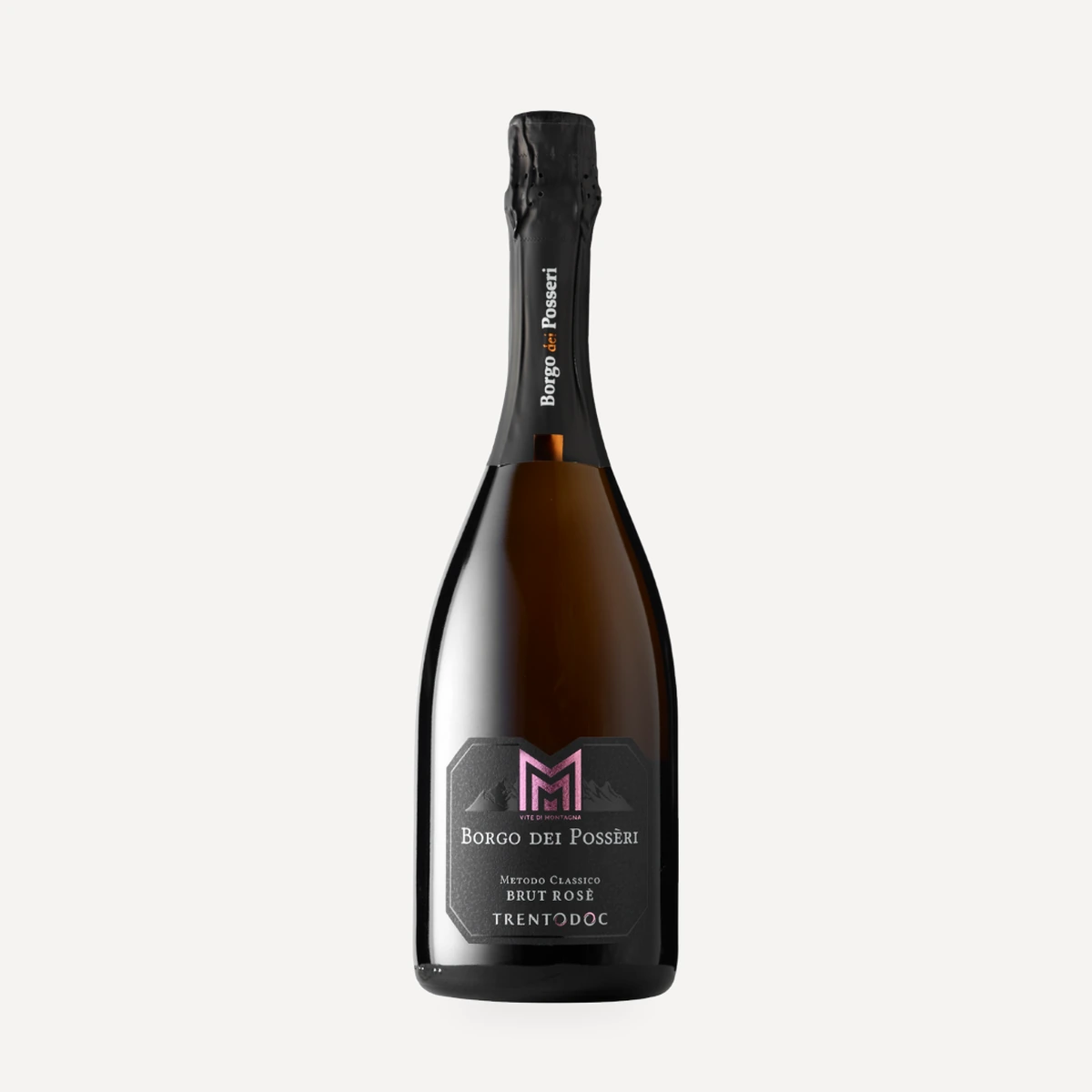
Brut Rosè
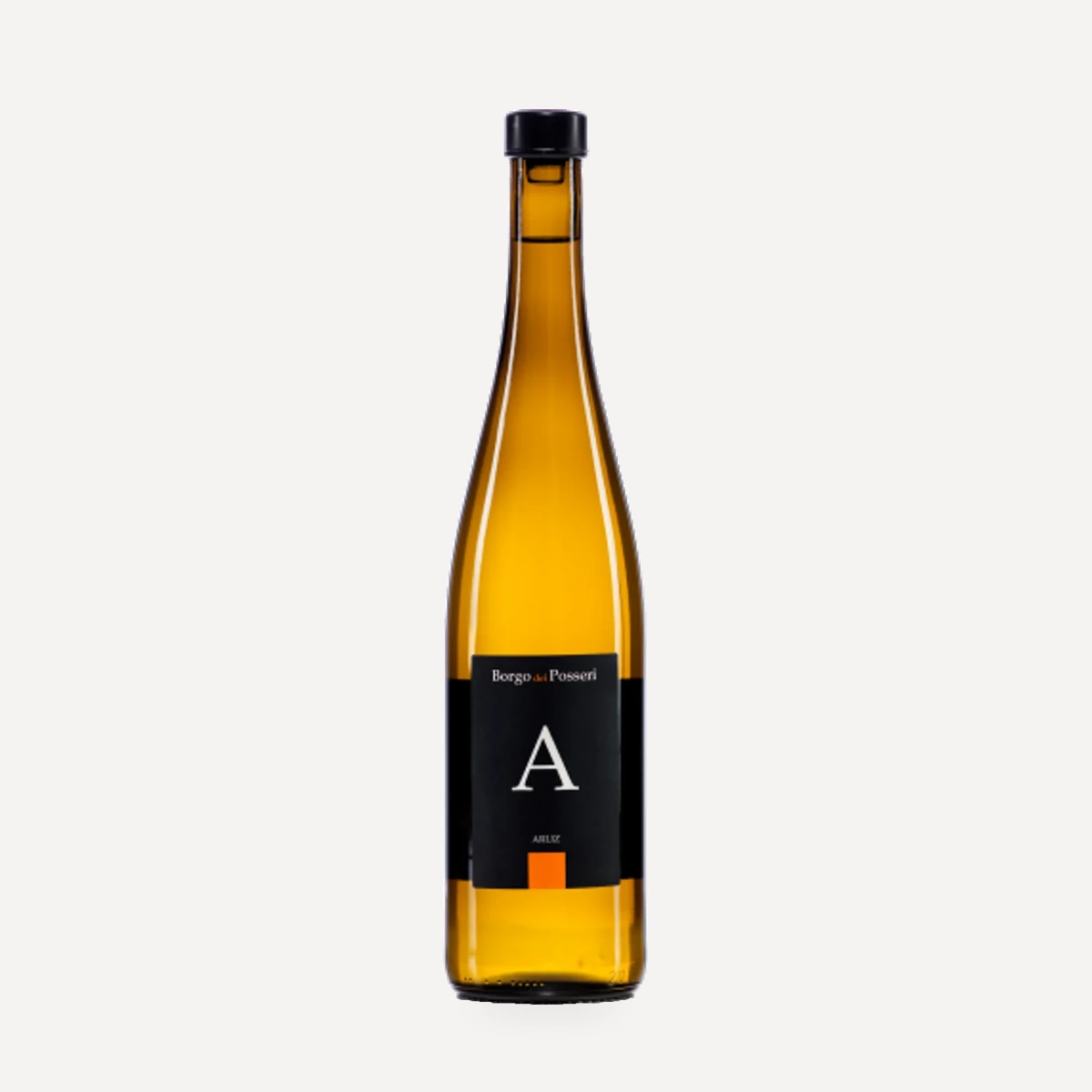
Gewürztraminer
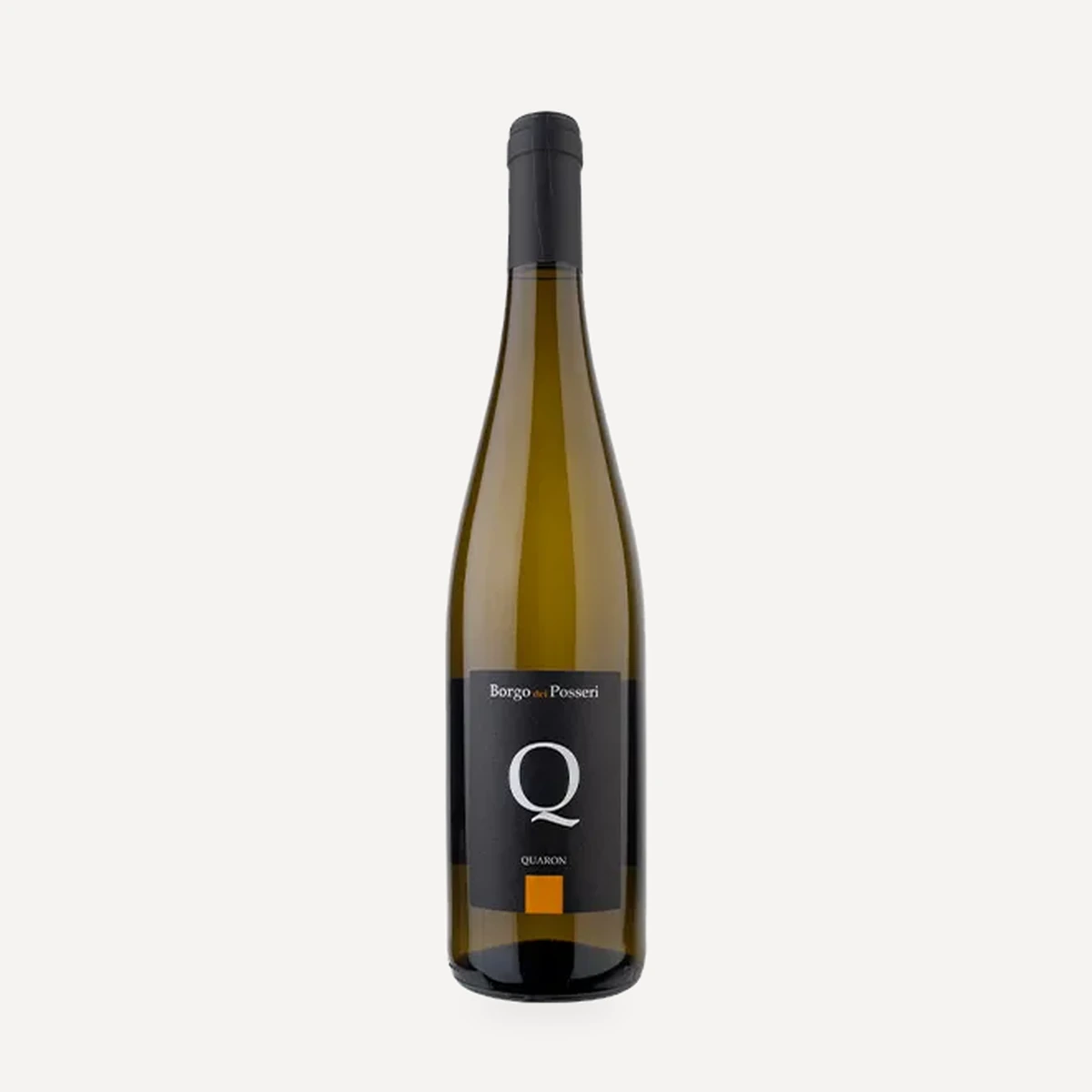
Quaron
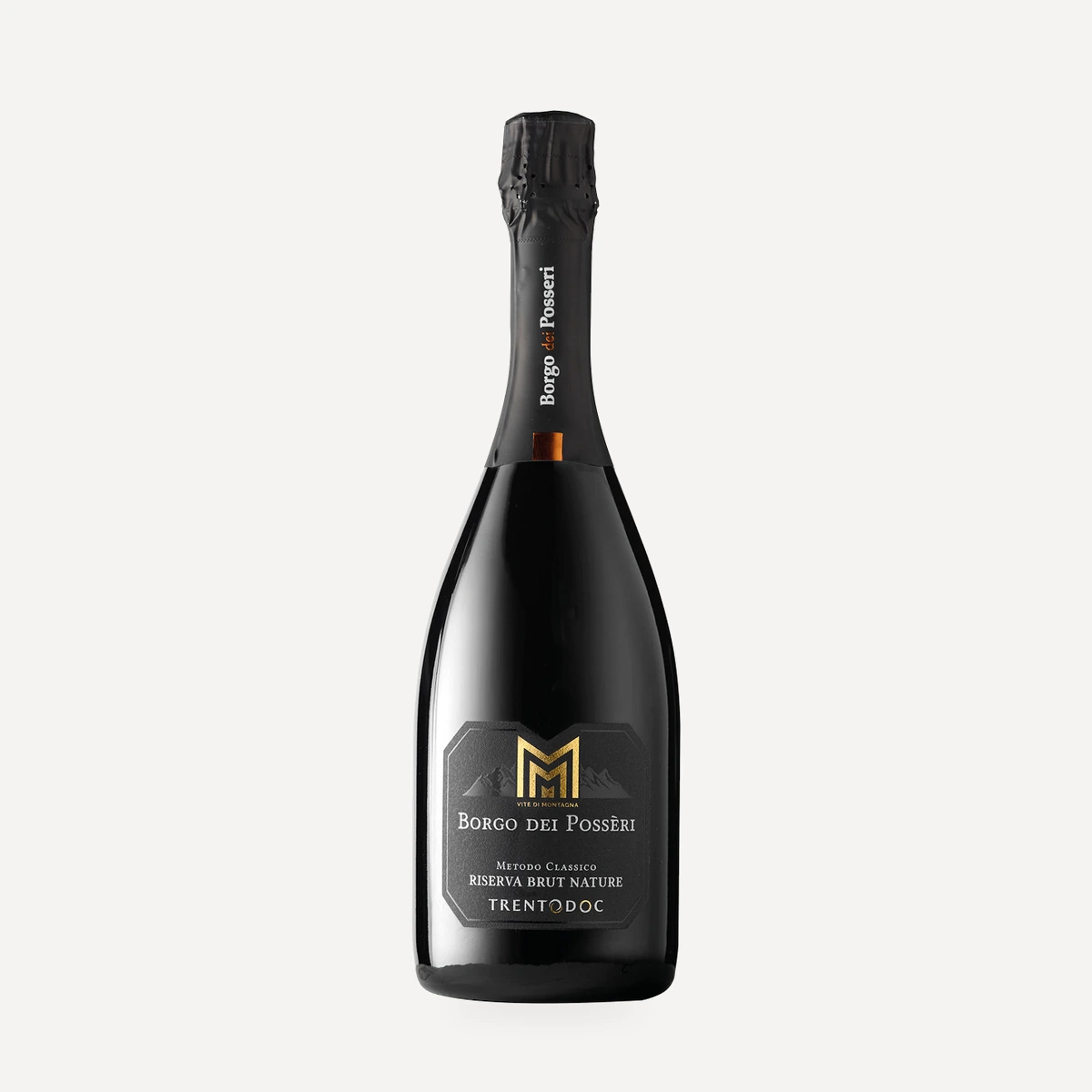
Riserva Brut Nature
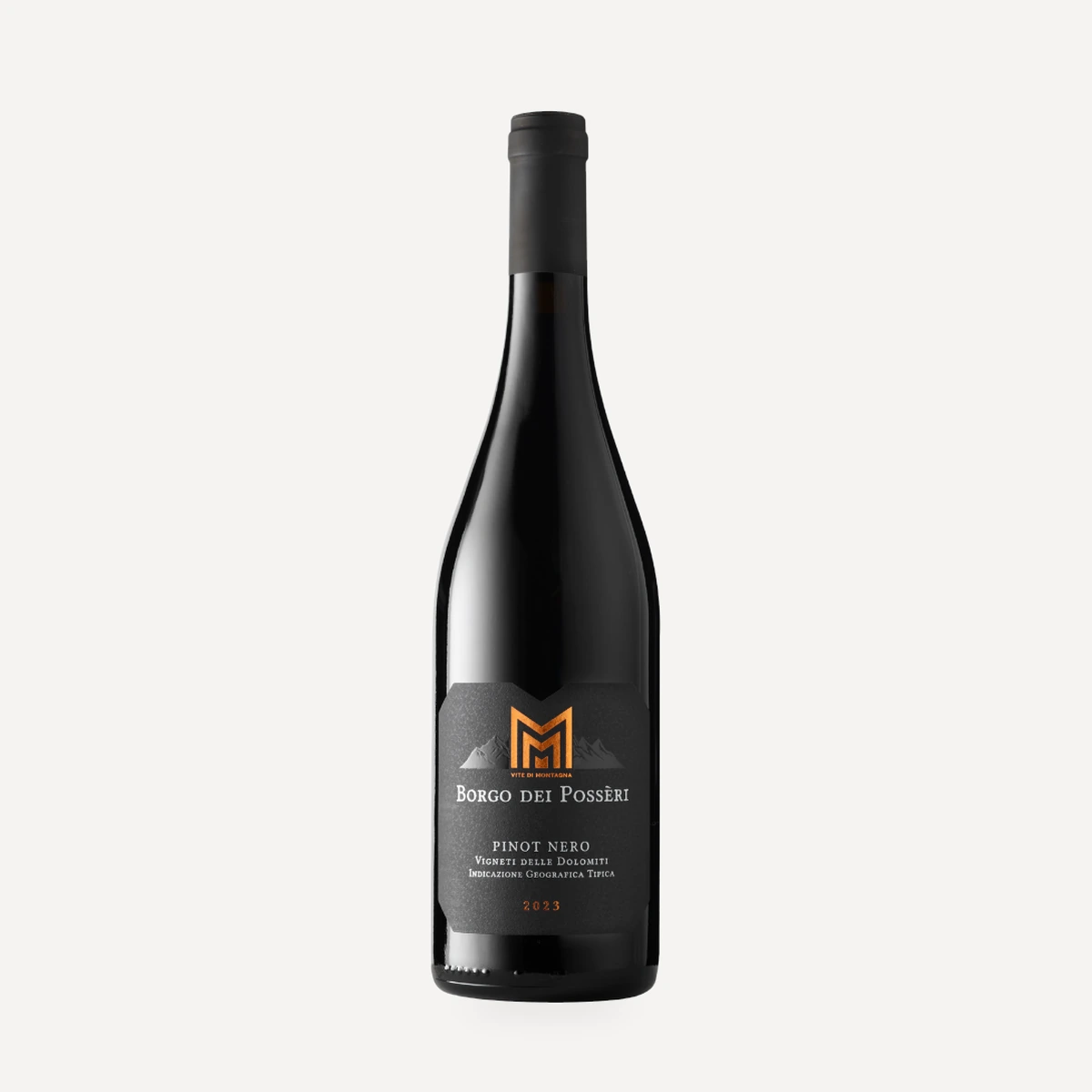
Pinot Nero