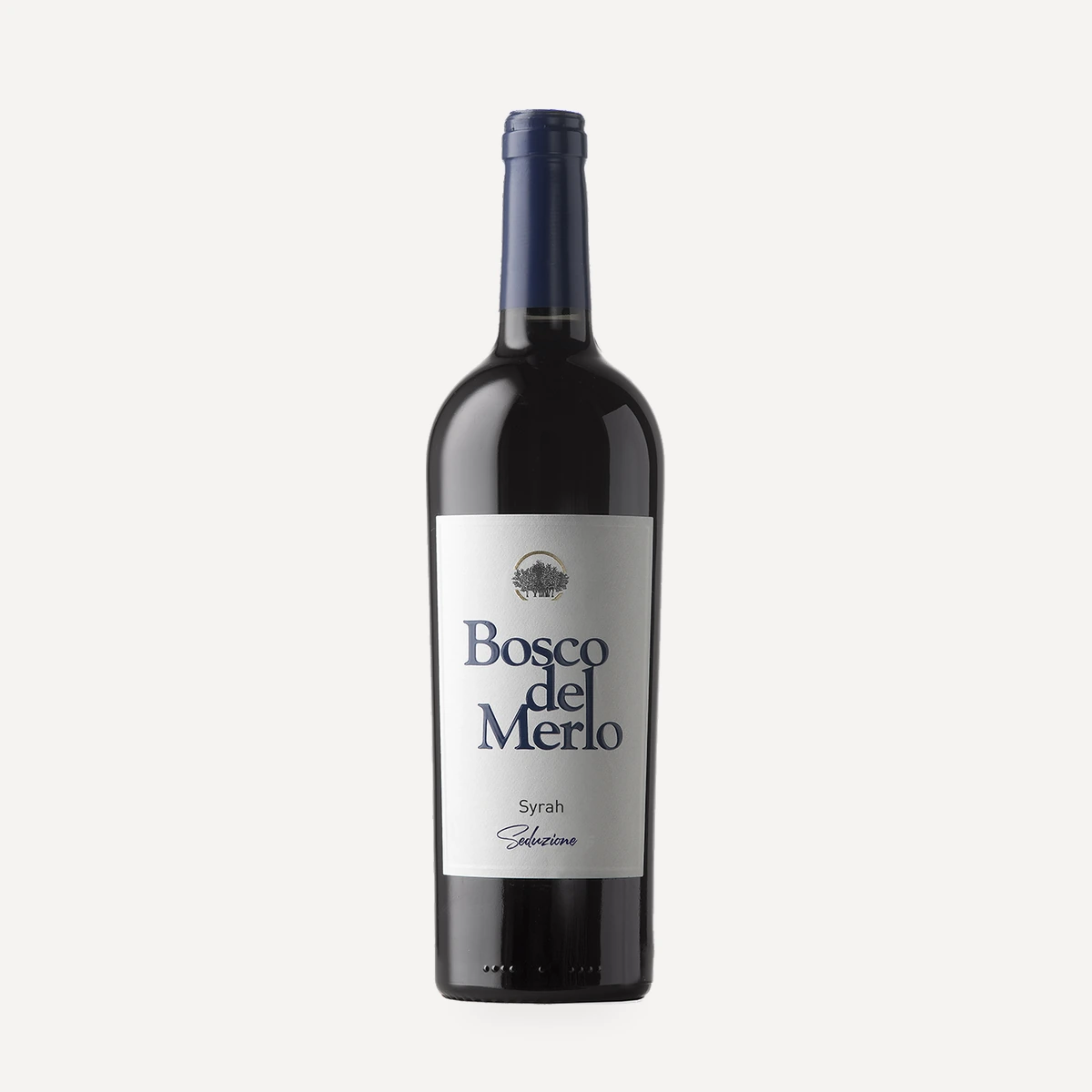
Storia
Foundation in Annone Veneto
Bosco del Merlo was founded in Annone Veneto in 1977 by Valentino Paladin. His objective was to make wines capable of preserving and expressing the identity and potential of their territory through sustainable practices. This combination of environmental responsibility, technical experimentation and territorial expression became the basis of the project.
The name Bosco del Merlo derives from local topographical maps. The maps evoke the oak forests that once covered the area; later historical research traced this wooded landscape to approximately 1000 AD, when local fauna included the blackbirds referenced by the name.
Technical development and territorial expansion
Successive generations continued Valentino Paladin’s innovative approach. Over the years, Bosco del Merlo worked with oenological consultants Franco Bernabei and Leonardo Valenti and with specialists from the oenology and agriculture faculties of the Universities of Padua and Milan. Their work focused on advanced ways to improve wine quality while reducing environmental impact.
The production territory developed across two adjoining but contrasting zones: Eastern Veneto and Western Friuli. In Eastern Veneto, vineyard zoning, massal selection and successive replanting were used to match grape varieties to sites and propagate the best-performing vines. In Western Friuli, the project established 70 hectares of vineyards at Sequals, at the foot of the Carnic Alps.
Bosco del Merlo also undertook detailed Sauvignon research with the Rauscedo cooperatives, identifying clones considered best suited to its soils. It was among the first European producers to install an instrument measuring carbon-dioxide absorption by vineyards.
Sustainability and social commitments
The Life in Rosé initiative began in March 2018 with specially presented Prosecco Rosé and Pinot Grigio Rosé bottles. In September of that year, Bosco del Merlo began its partnership with LILT Treviso, supporting breast-cancer prevention and research through a share of the proceeds from the two rosé wines. The initiative subsequently expanded to LILT Milano Monza Brianza and evolved into a broader programme for women’s health, empowerment, mentorship and leadership.
Bosco del Merlo formalised its environmental and social approach in the 4V Project: Vite, respect for the vine; Verde, protection of the environment; Vino, sustainable wine production; and Vita, protection of life. In 2021 it obtained EQUALITAS certification, covering the environmental, social and economic dimensions of the business. Vineyard production is also certified under SQNPI, while the wines and their packaging follow VeganOk requirements.
The third generation
The third generation is represented by Francesca, Martina and Valentino Paladin. Francesca manages exports to North America and Germany; Martina oversees Asia, Oceania and South America; and Valentino works directly at Sequals with responsibility for vineyards and production. Together they have taken responsibility for safeguarding the family’s traditions while strengthening Bosco del Merlo’s Friulian identity and presence.
Renewed visual identity
In 2025 Bosco del Merlo introduced a renewed visual identity centred on an illustrated blackbird inspired by the nineteenth-century work of Grandville. The character links the contemporary brand to the former oak forests, the historical landscape and the origin of the Bosco del Merlo name. On the labels for Turranio Sauvignon, Primont Pinot Nero and Pietris Friulano, the blackbird also represents the ideas of birth, roots and a nest. Books carried by the character symbolise curiosity, study, commitment and the courage to experiment.
Terroir
Between Eastern Veneto and Western Friuli
Bosco del Merlo’s vineyards extend across the adjoining territories of Eastern Veneto and Western Friuli. The two zones differ substantially in geological origin and soil structure, giving the project two distinct environmental contexts.
Sequals and the Grave del Friuli
The Friulian vineyards lie at Sequals, at the foot of the Carnic Alps, within the Grave del Friuli. This broad alluvial area was formed by the Meduna, Cellina and Tagliamento rivers. Water carried calcareous-dolomitic material down from the mountains, depositing sediments that gradually change from coarse stones to finer material.
The rounded pebbles known locally as claps were shaped by millennia of river erosion. These skeletal, stone-rich soils reflect heat and light during the day and release accumulated warmth after sunset, assisting grape ripening. The Carnic Alps shelter the vines from cold winds. Pronounced day-to-night temperature differences support aromatic concentration and contribute to the mineral, aromatic and elegant profile associated with the Sequals vineyards.
Eastern Veneto and Caranto
The Eastern Veneto vineyards grow on Caranto, a stratified clay-and-limestone soil of fluvio-glacial origin. Detailed zoning was used to identify the vineyards most appropriate for particular grape varieties. Continued massal selection, grafting, propagation and replanting retained vines considered best adapted to their sites and most capable of conveying local character.
Vinificazione
Bosco del Merlo describes its approach as viticoltura ragionata, or reasoned viticulture: a research-led system that treats the vineyard as an ecosystem and seeks to combine qualitative productivity, biodiversity, consumer health and environmental protection.
Fertilisation uses organic materials such as compost, or green manure planted in alternating rows. Integrated pest management minimises phytosanitary treatments. Sexual-confusion techniques are used against insect pests including grape berry moth.
The estate participates in the Life Vitisom project, which develops and tests technologies for sustainable vineyard-soil management. Variable-rate technology controls the distribution of compost, manure or separated solid digestate. A GPS-equipped tractor follows coordinates and vegetation levels derived from vigour maps, automatically adjusting application rates. The objective is to improve soil structure, organic-matter content and biodiversity.
Eastern Veneto vineyards have undergone zoning to identify the most suitable variety-site combinations. Massal selection, grafting, propagation and replanting are used to preserve well-adapted vines. Sauvignon has also been the subject of clonal research with the Rauscedo cooperatives. Bosco del Merlo was among the first European producers to install equipment measuring carbon-dioxide absorption by vineyards.
Harvesting is divided by parcel, guided by vigour maps and direct field observation. Each bunch is intended to reach the desired maturity before picking. Harvest takes place during the coolest hours of the day to preserve fruit quality and primary aromas while reducing the energy needed to cool the must.
Vineyard production is certified under the Sistema Qualità Nazionale di Produzione Integrata (SQNPI). The broader environmental, social and economic system has held EQUALITAS certification since 2021.
The winery uses controlled, low-oxygen processing from grape reception through the conversion of must into wine. Keeping the system inert protects primary aromas and enables sulphite use to remain below legal limits, including during cellar ageing.
Fermentation temperature is adjusted according to fruit type. White-grape musts ferment at low temperature to preserve their aromatic profile. Red-grape musts are managed at temperatures close to 25 °C to maximise colour extraction.
Carbon dioxide generated during fermentation is channelled and recovered for use in inerting other processes. This reduces waste and contributes to a lower requirement for refrigeration. Temperature control is supported by renewable energy from the estate’s photovoltaic installation.
The complete cellar process is IFS certified, covering production quality and safety. The ageing facilities include a bottaia for large casks and a separate barrique cellar.
Bosco del Merlo wines are vegan. Production avoids animal-derived materials, including animal-based fining agents or glues. The same principle extends to bottle and carton packaging.
Filosofia
Bosco del Merlo’s declared philosophy joins family continuity, territorial identity, technical research and environmental responsibility. Tradition and innovation are treated as complementary: agronomic knowledge and the character of Eastern Veneto and Western Friuli are interpreted using vineyard zoning, university collaboration, precision technology and controlled cellar practices.
The 4V Project summarises the approach:
- Vite — Vine: respect the plant and manage the vineyard ecosystem rationally.
- Verde — Green: protect the environment, biodiversity, soil, water and energy resources.
- Vino — Wine: produce wine sustainably while safeguarding quality, safety and territorial character.
- Vita — Life: extend responsibility to workers, consumers and the wider community.
Sustainability is understood in environmental, economic and social terms. The estate links wine quality to production efficiency, reduced environmental impact, energy conservation and responsible relationships with employees, universities and local organisations. It also seeks to create a positive workplace through employer-branding initiatives and collaborations that support research and innovation.
The Paladin family presents wine as a means of communicating respect for people and place. Its stated quality objective is to express the nuances of the territory without compromising ethics or environmental responsibility. The visual dialogue between art and wine follows the same principle: in Fabrizio Plessi’s work for Vineargenti, a television signifies innovation and a vine signifies tradition.
Vini
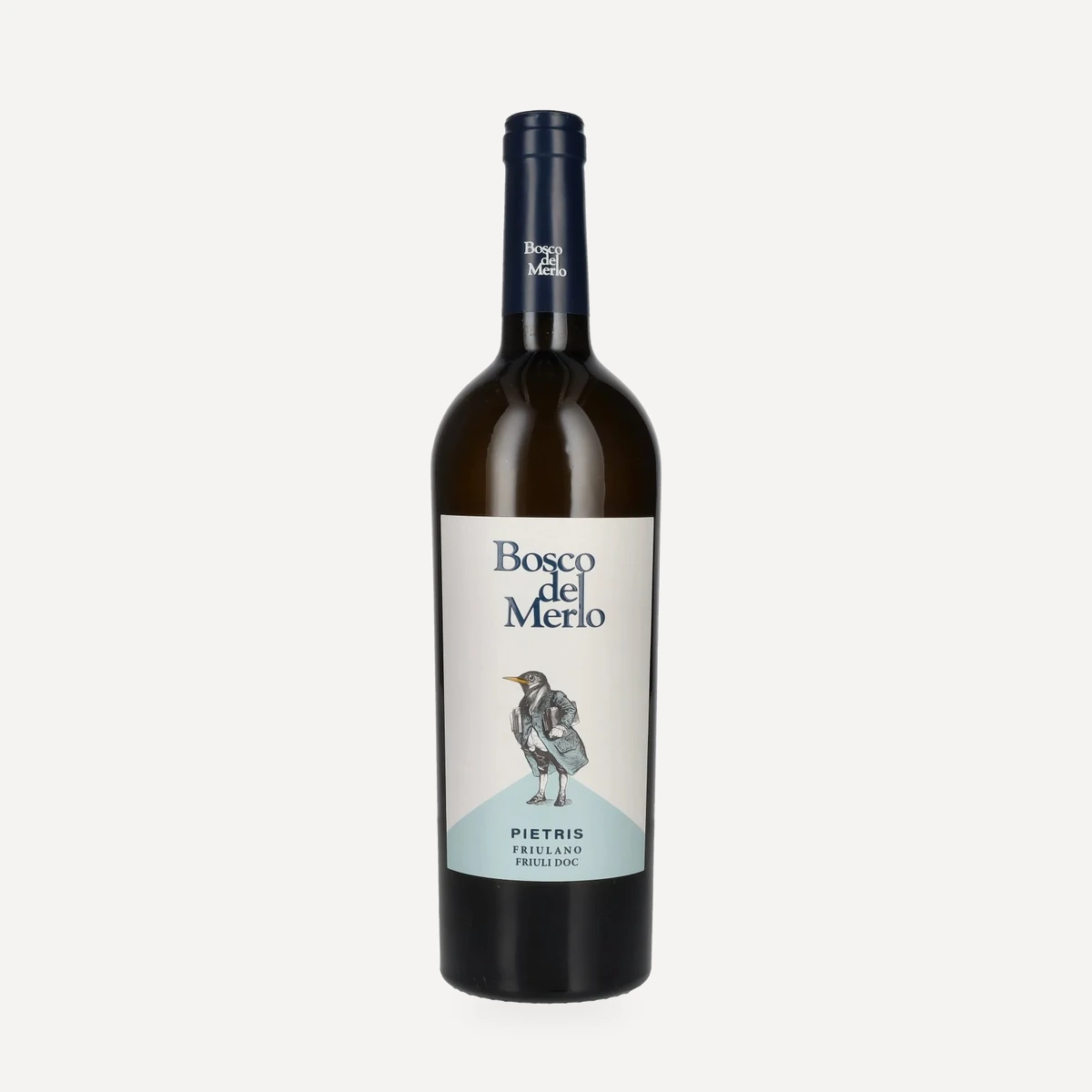
Pietris Friulano DOC Friuli
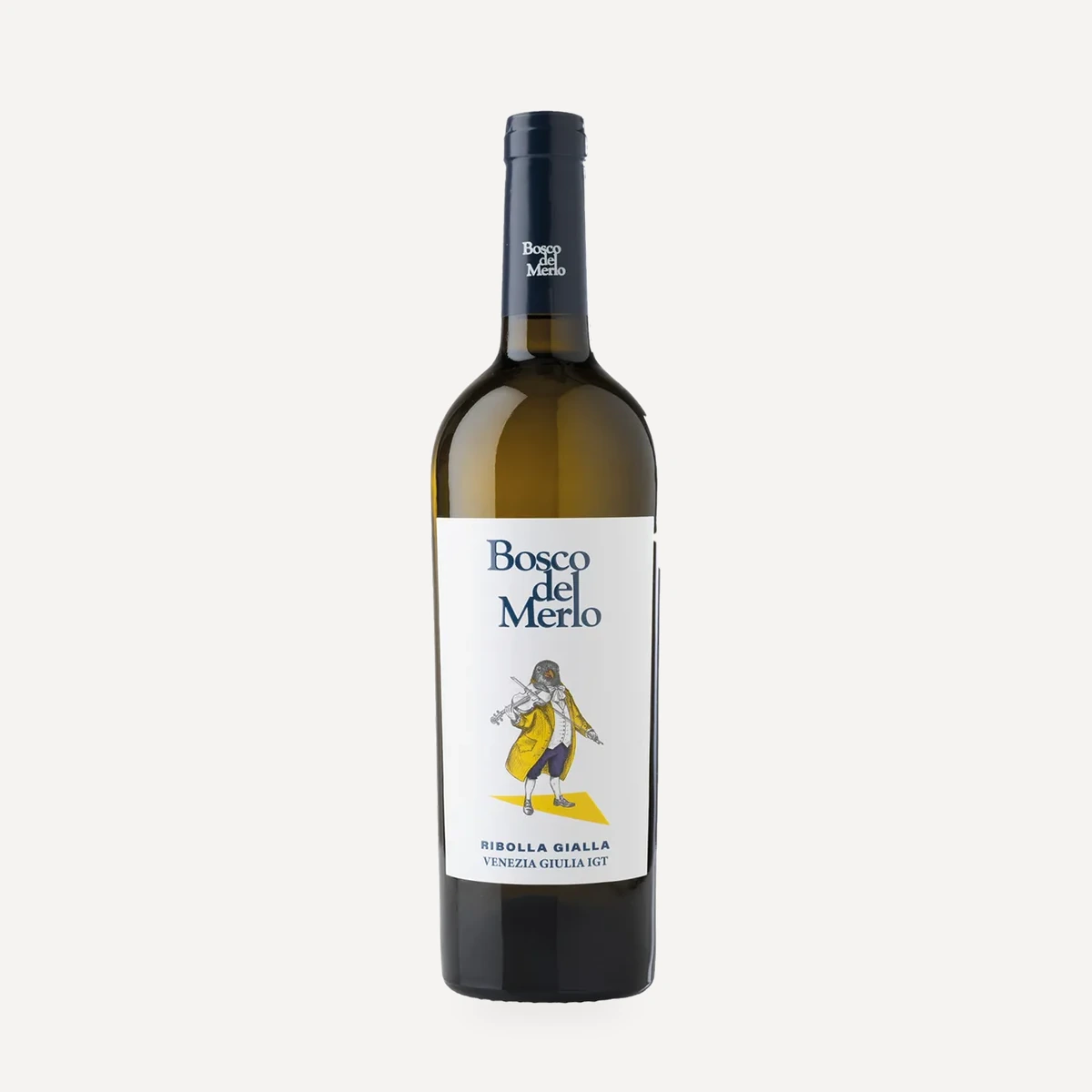
Ribolla Gialla Igp Venezia Giulia
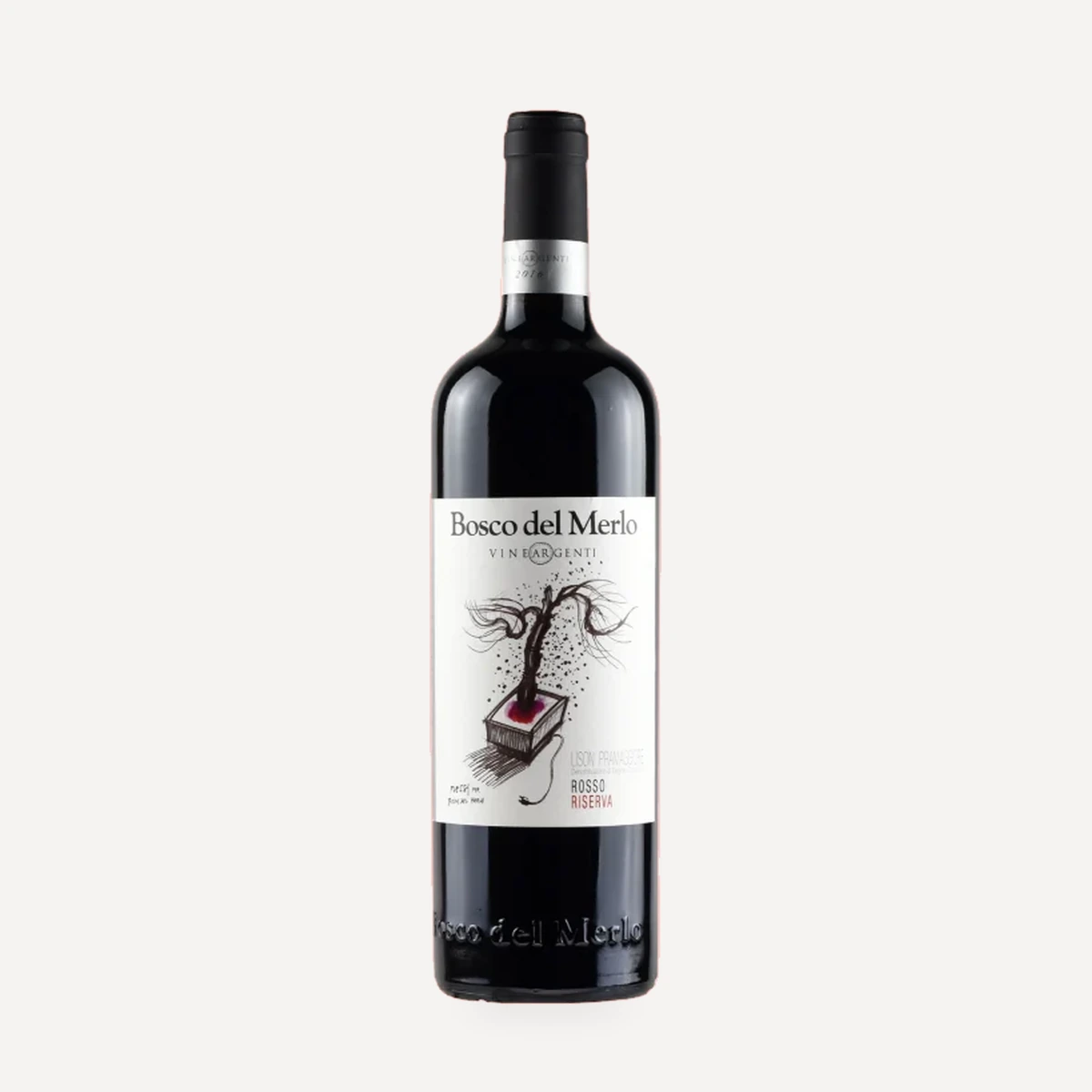
Rosso Riserva Vineargenti Doc Venezia
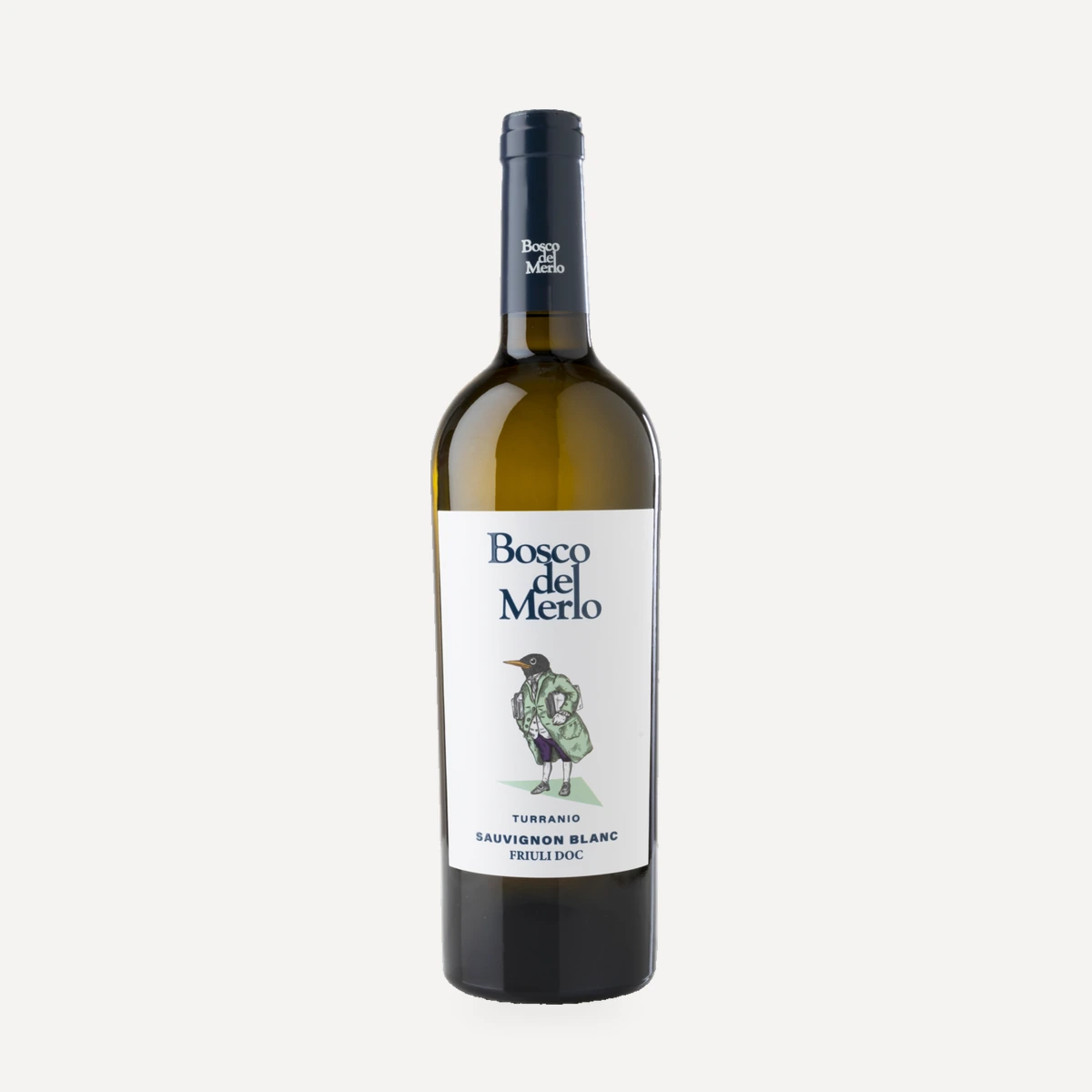
Turranio Sauvignon Doc Friuli
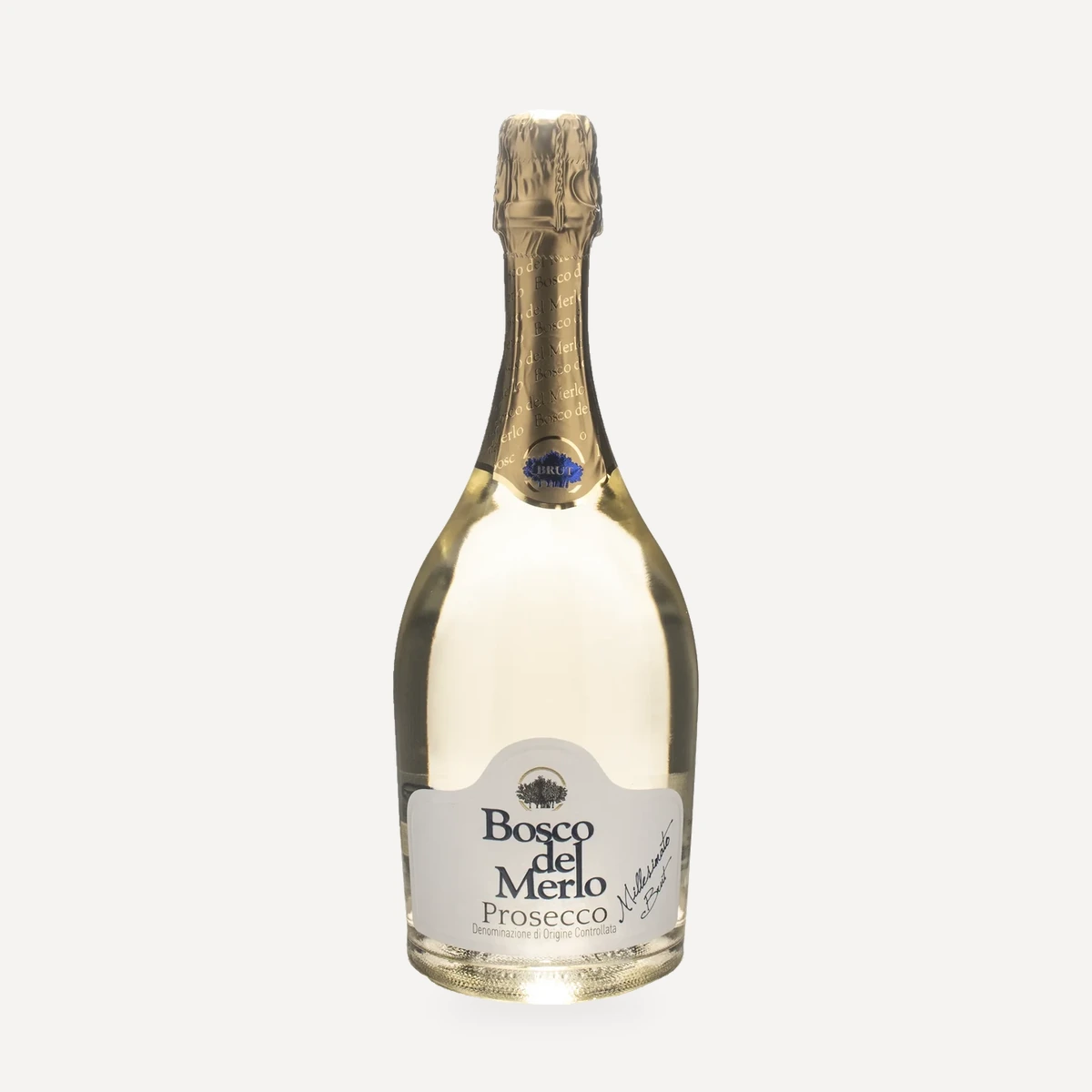
Prosecco Millesimato Doc Brut
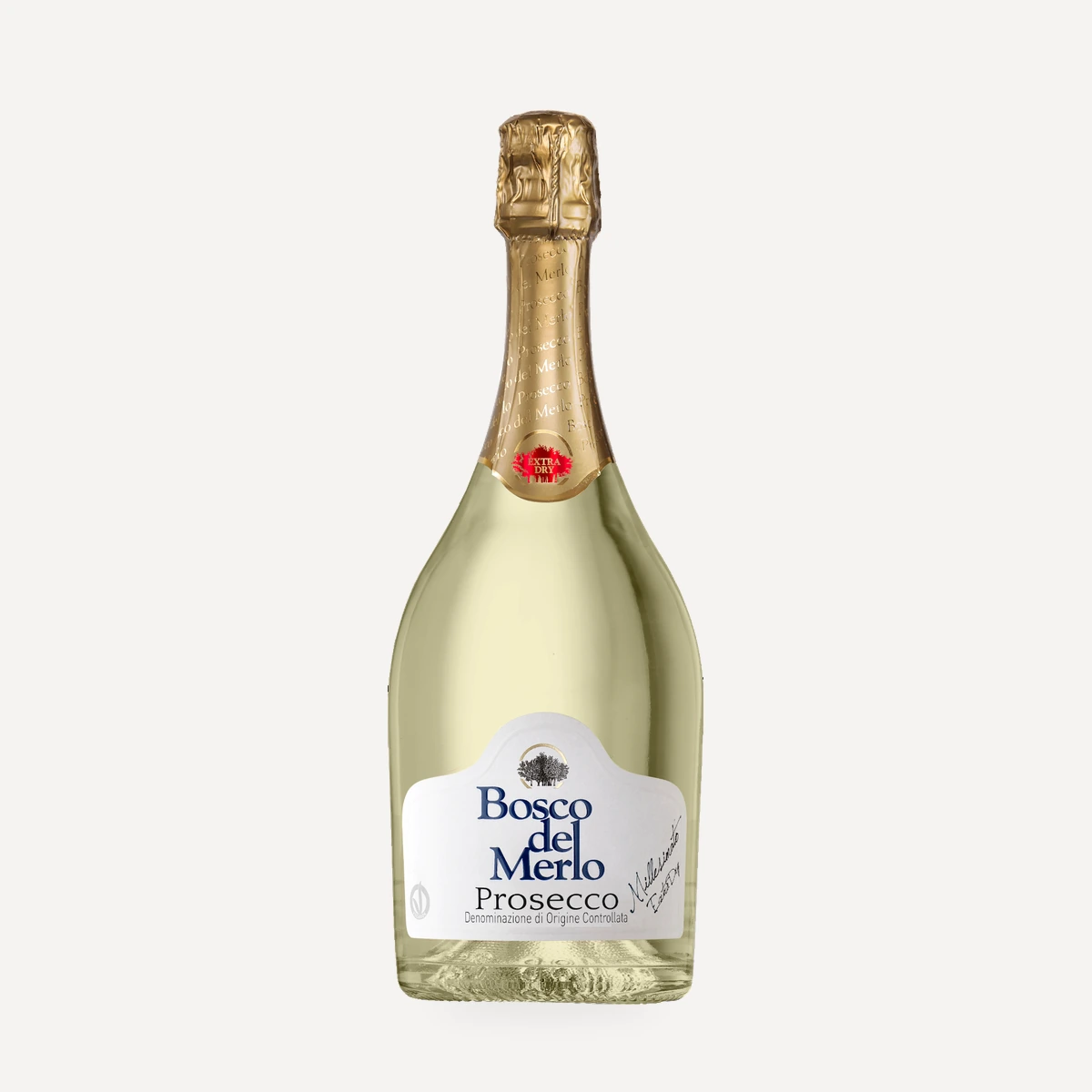
Prosecco Millesimato Doc Extra Dry
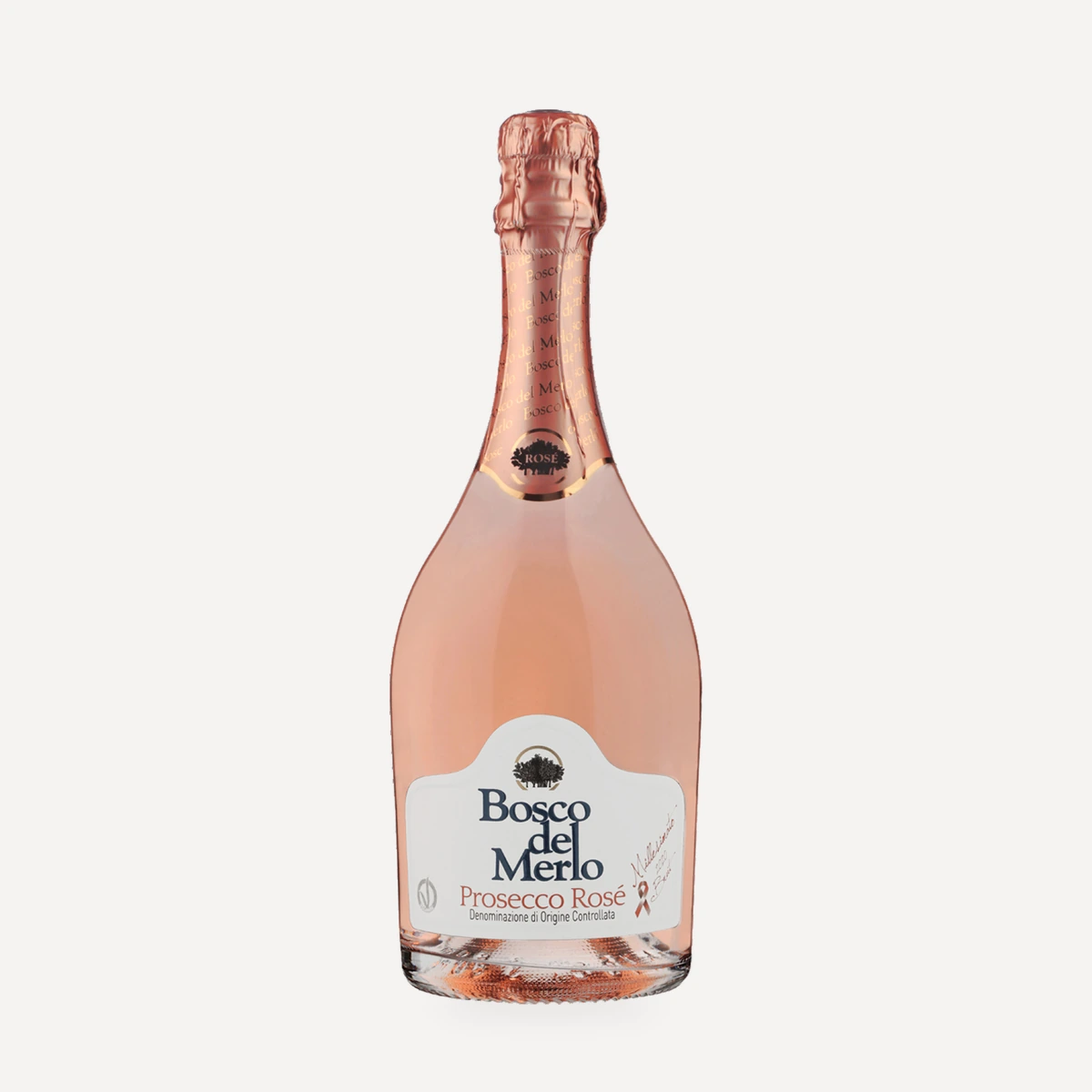
Prosecco Rosé Doc Millesimato
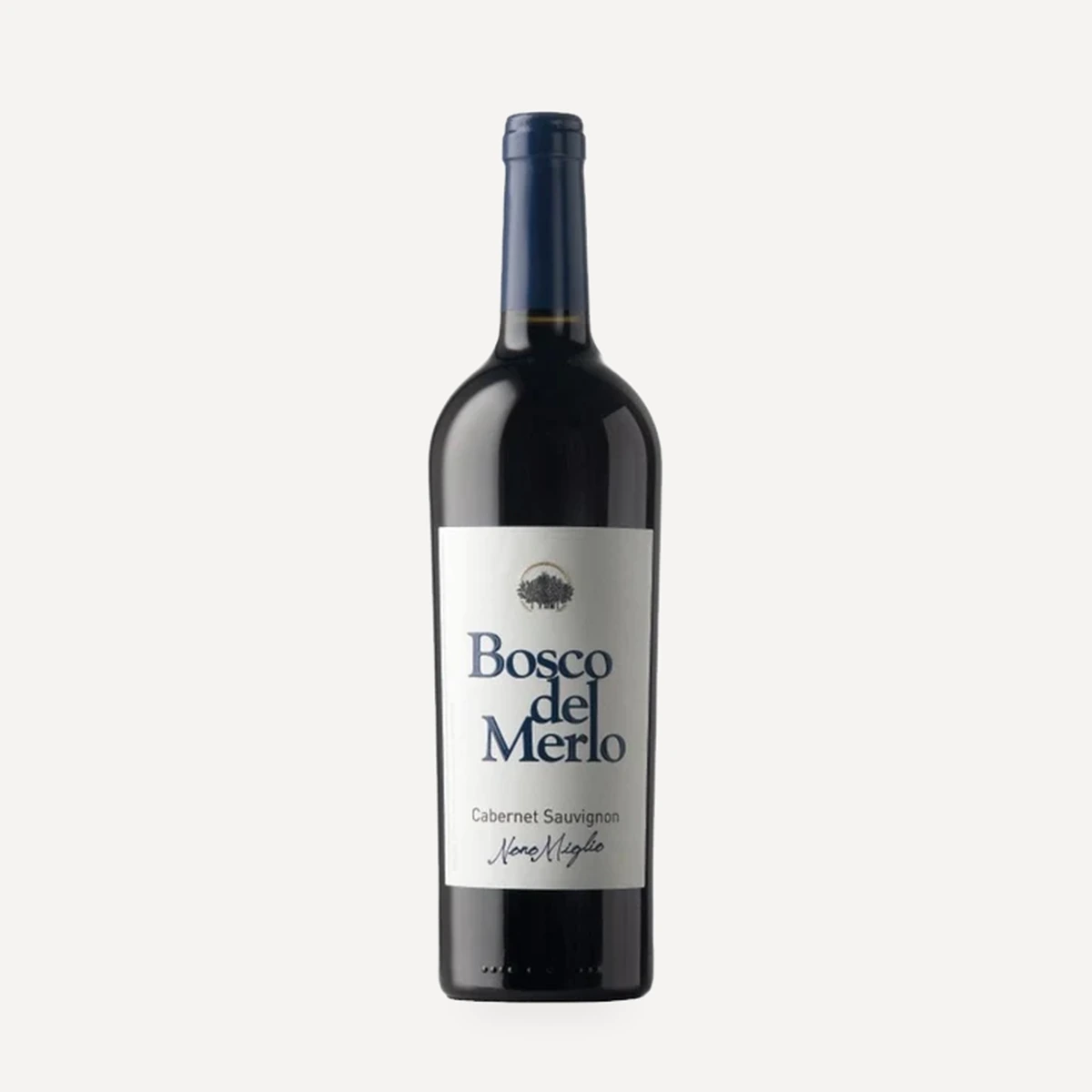
Cabernet Sauvignon Nono Miglio DOC Friuli
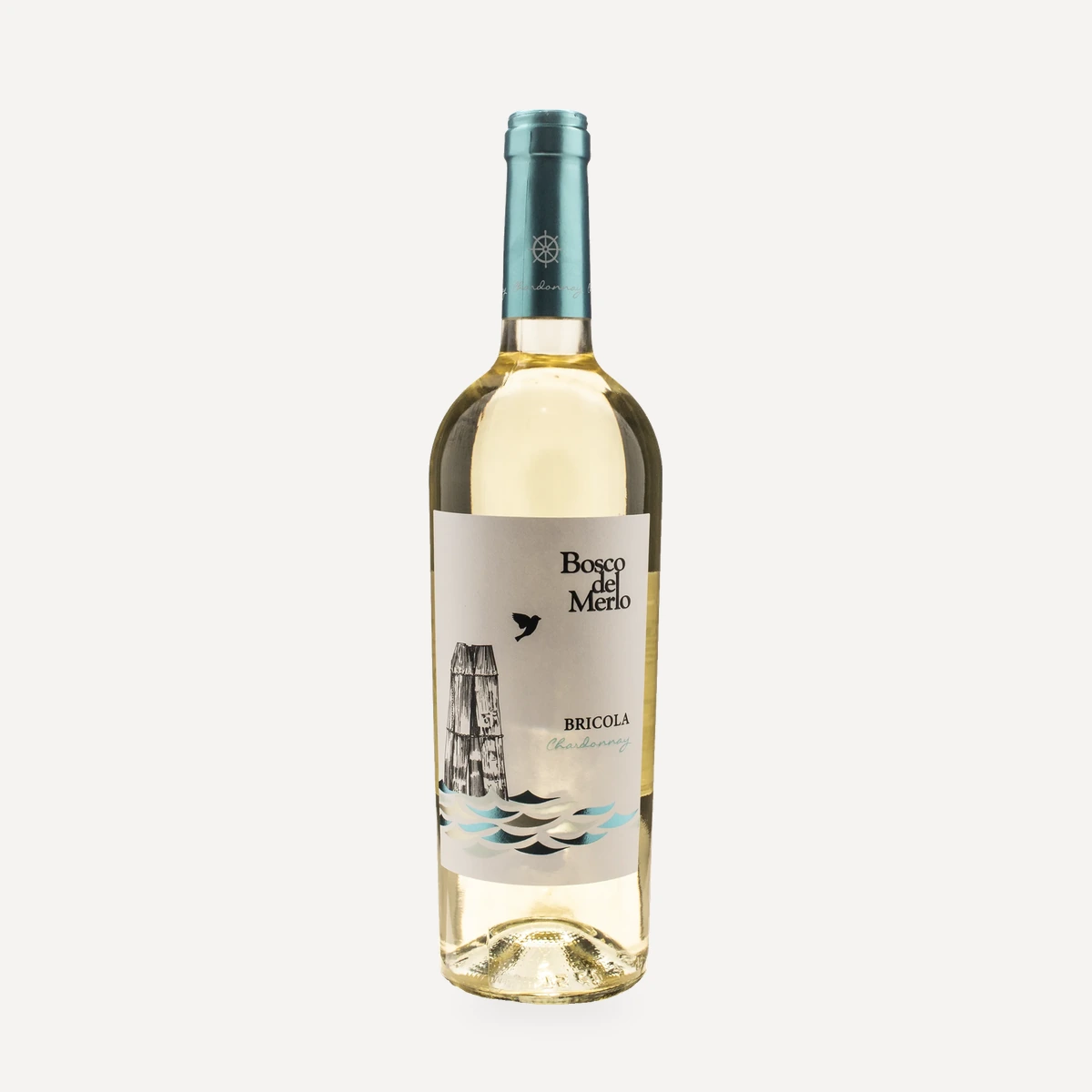
Chardonnay DOC Friuli
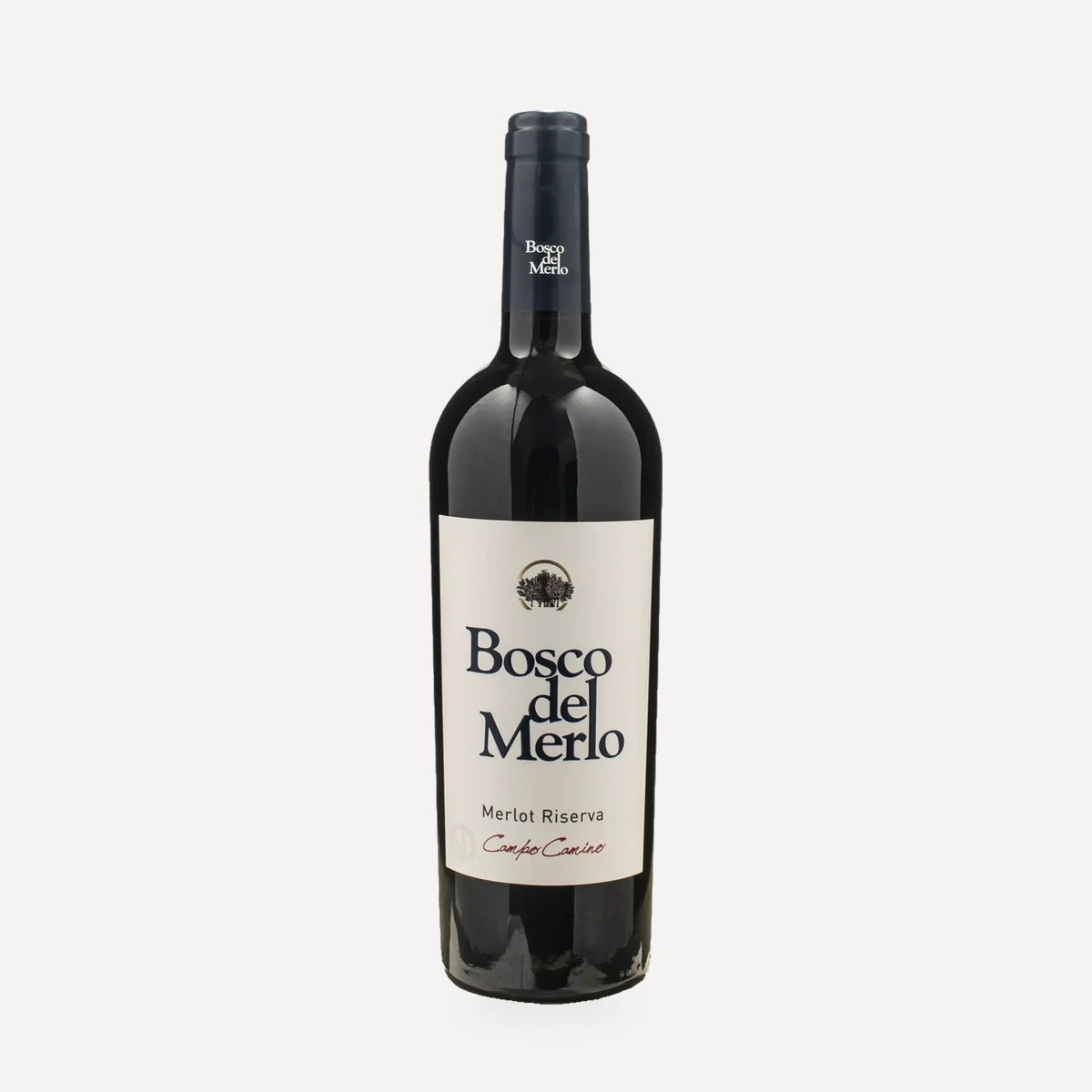
Merlot Riserva Campo Camino Doc Venezia
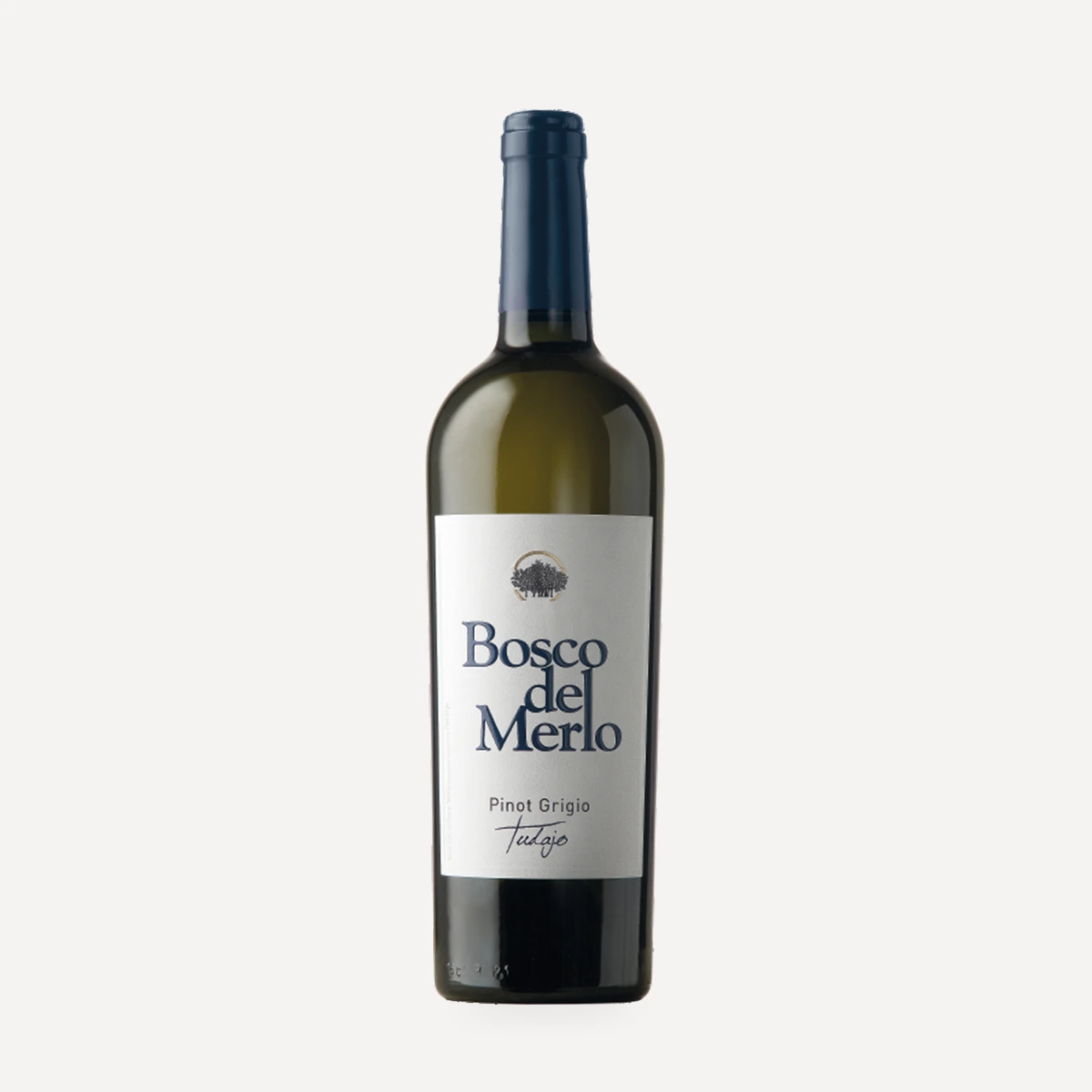
Pinot Grigio DOC Friuli
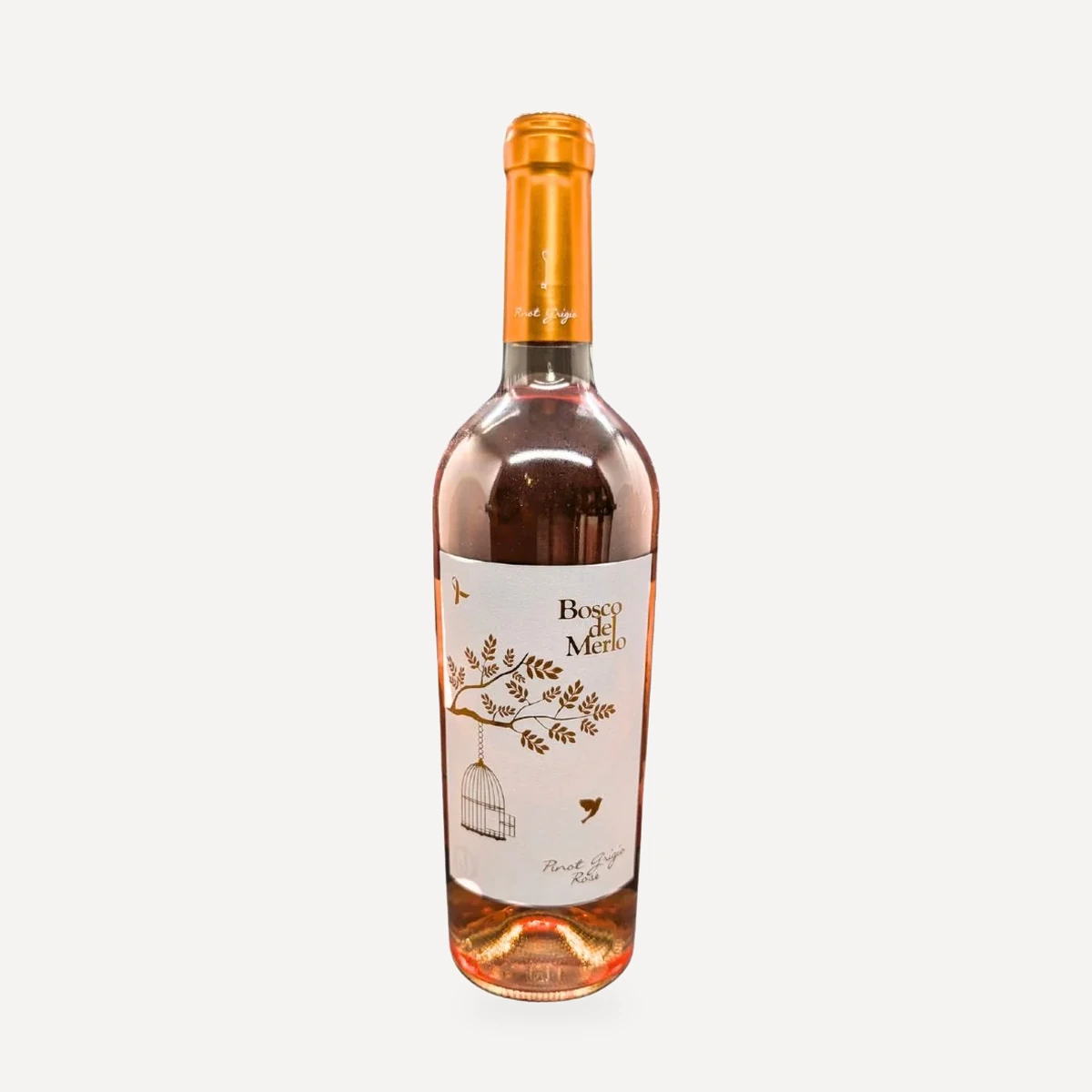
Pinot Grigio Rosé Doc delle Venezie
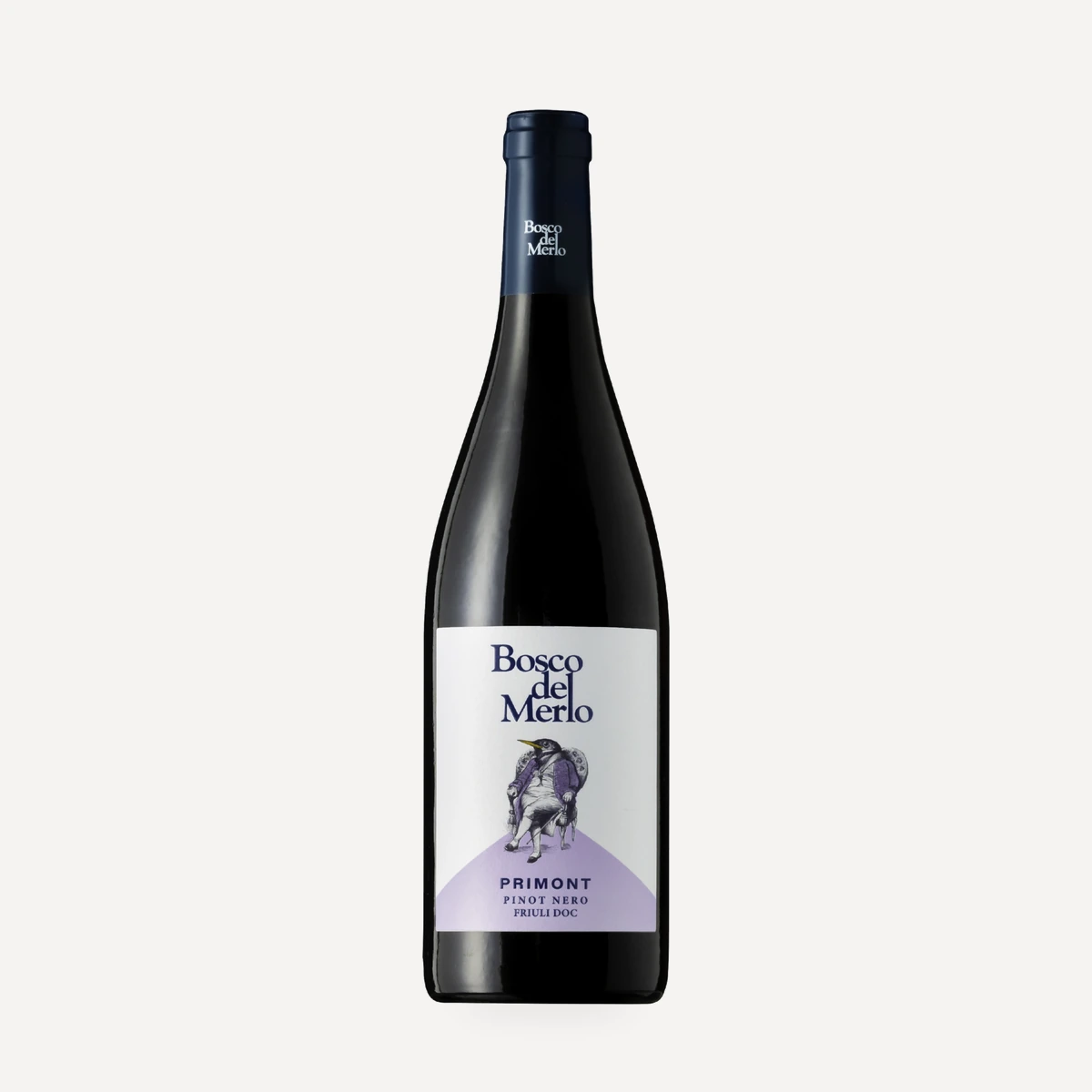
Primont Pinot Nero DOC Friuli
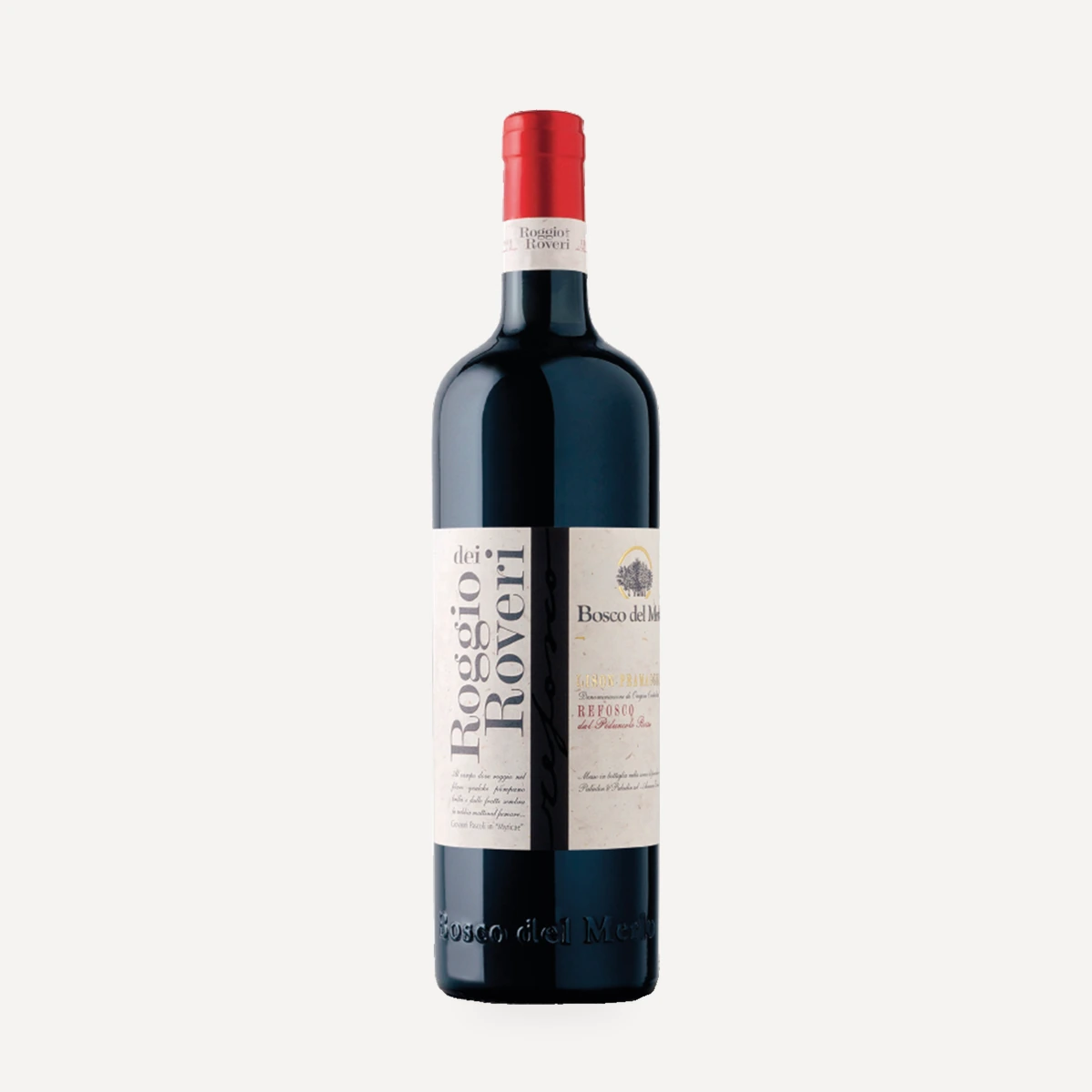
Refosco Riserva Roggio dei Roveri Doc Venezia
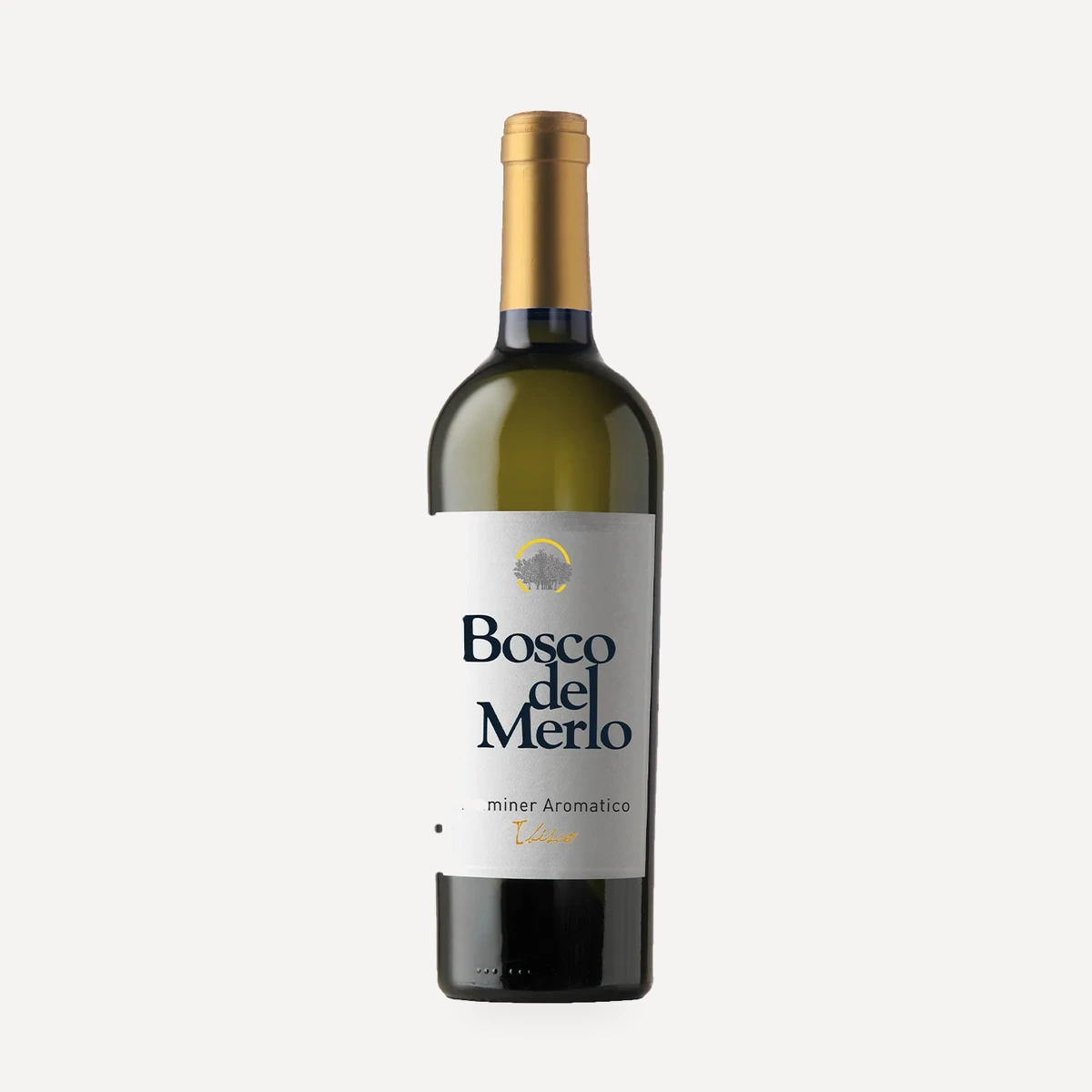
Traminer Aromatico Ibisco DOC Friuli
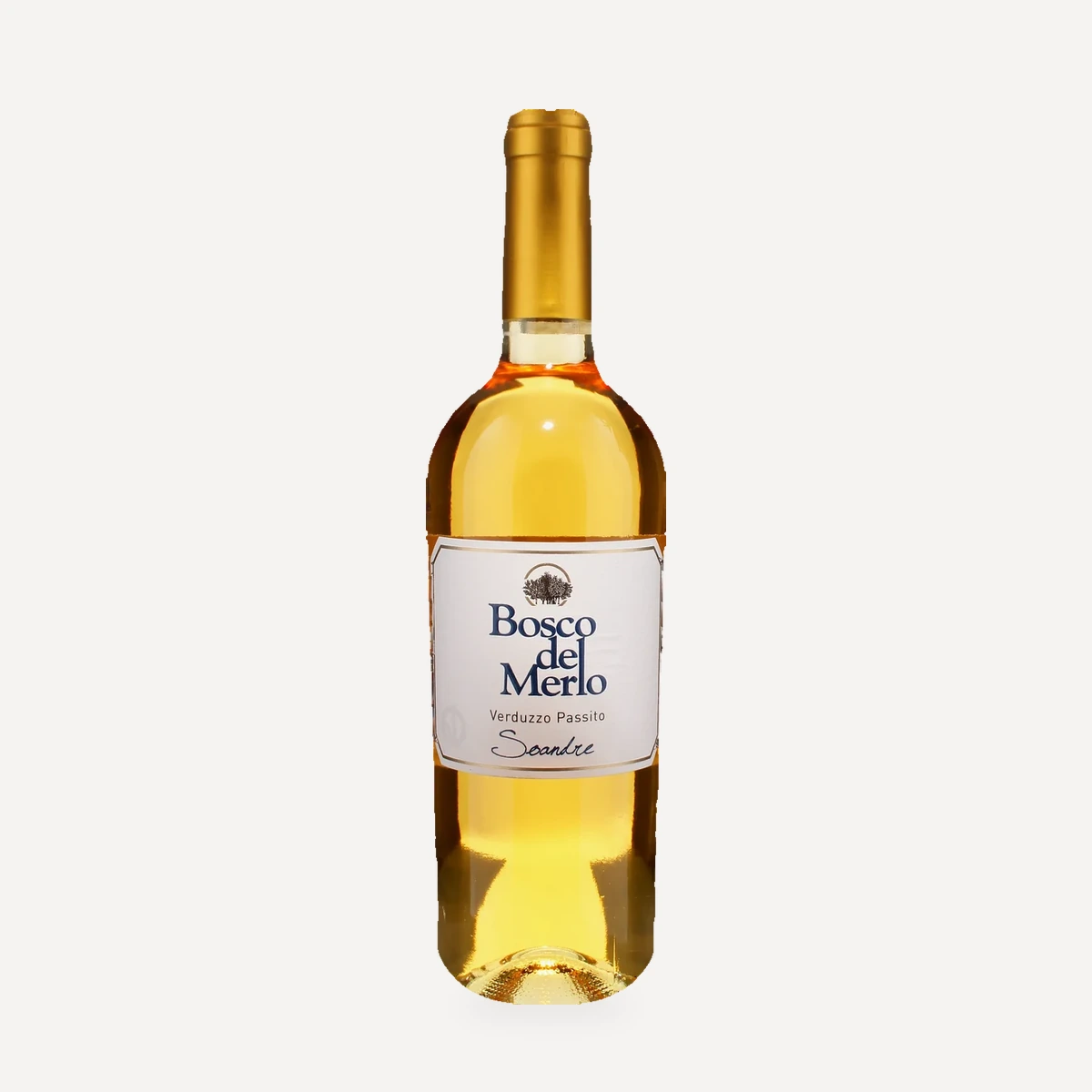
Verduzzo Passito Soandre Doc Lison Pramaggiore