Storia
The convergence of three paths
Braccia Rese emerged from three different paths that converged in a vineyard and a winemaking cellar. Its name expresses the idea of giving—or returning—one’s arms to agriculture and dedicating physical work to something simultaneously ancient and modern, demanding and rewarding.
The first wine
Martino marked the beginning of the project and was the first wine produced by Braccia Rese.
Development of the range
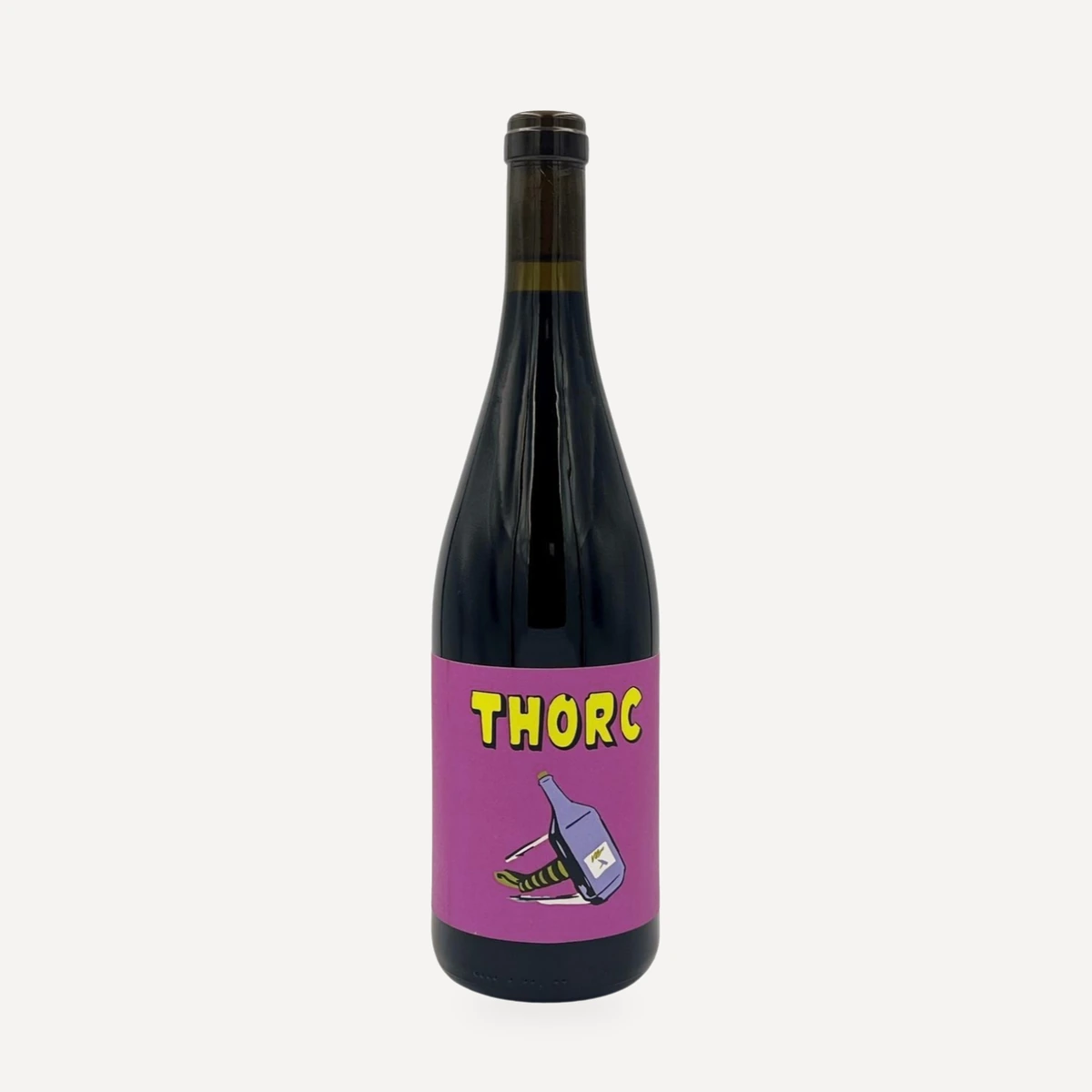
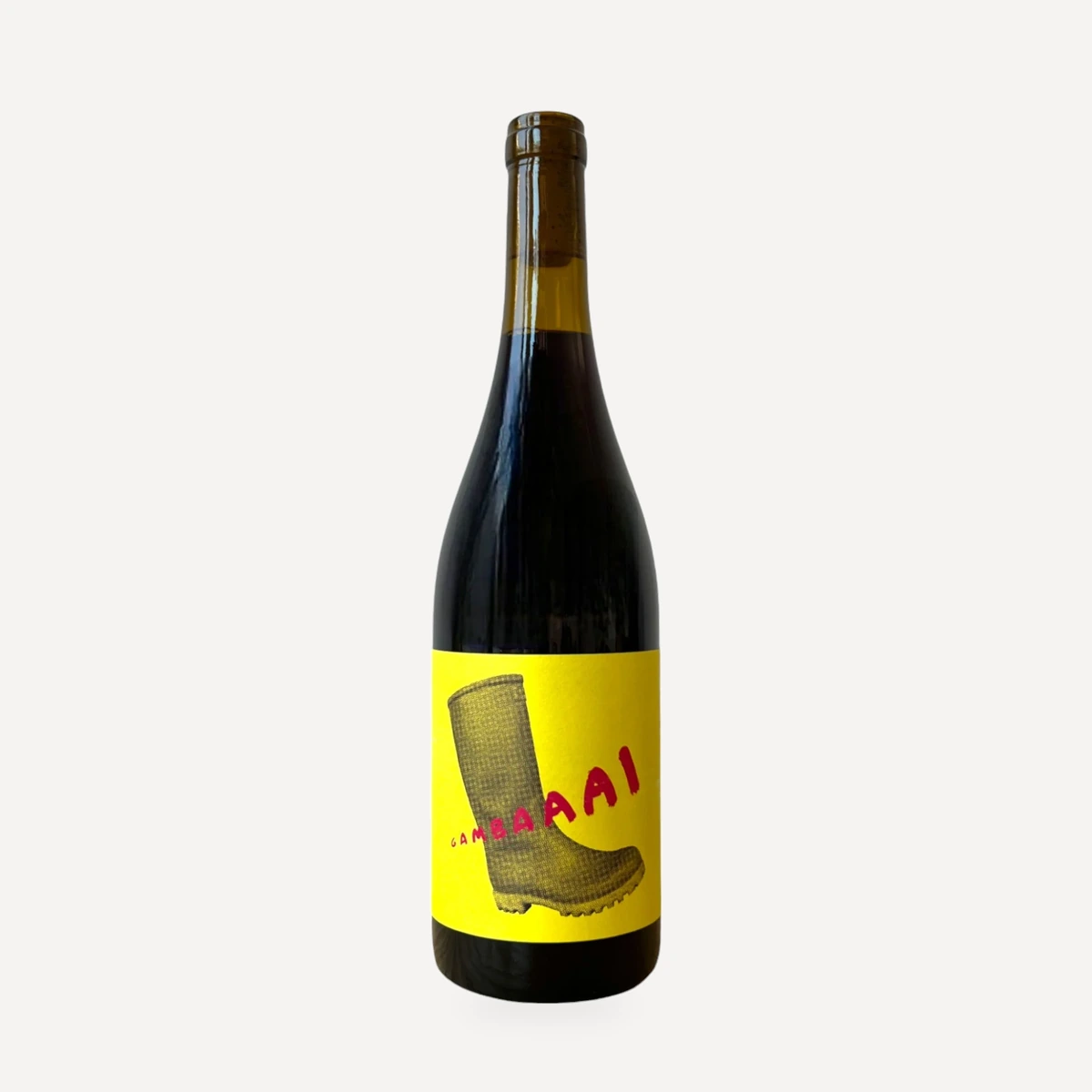
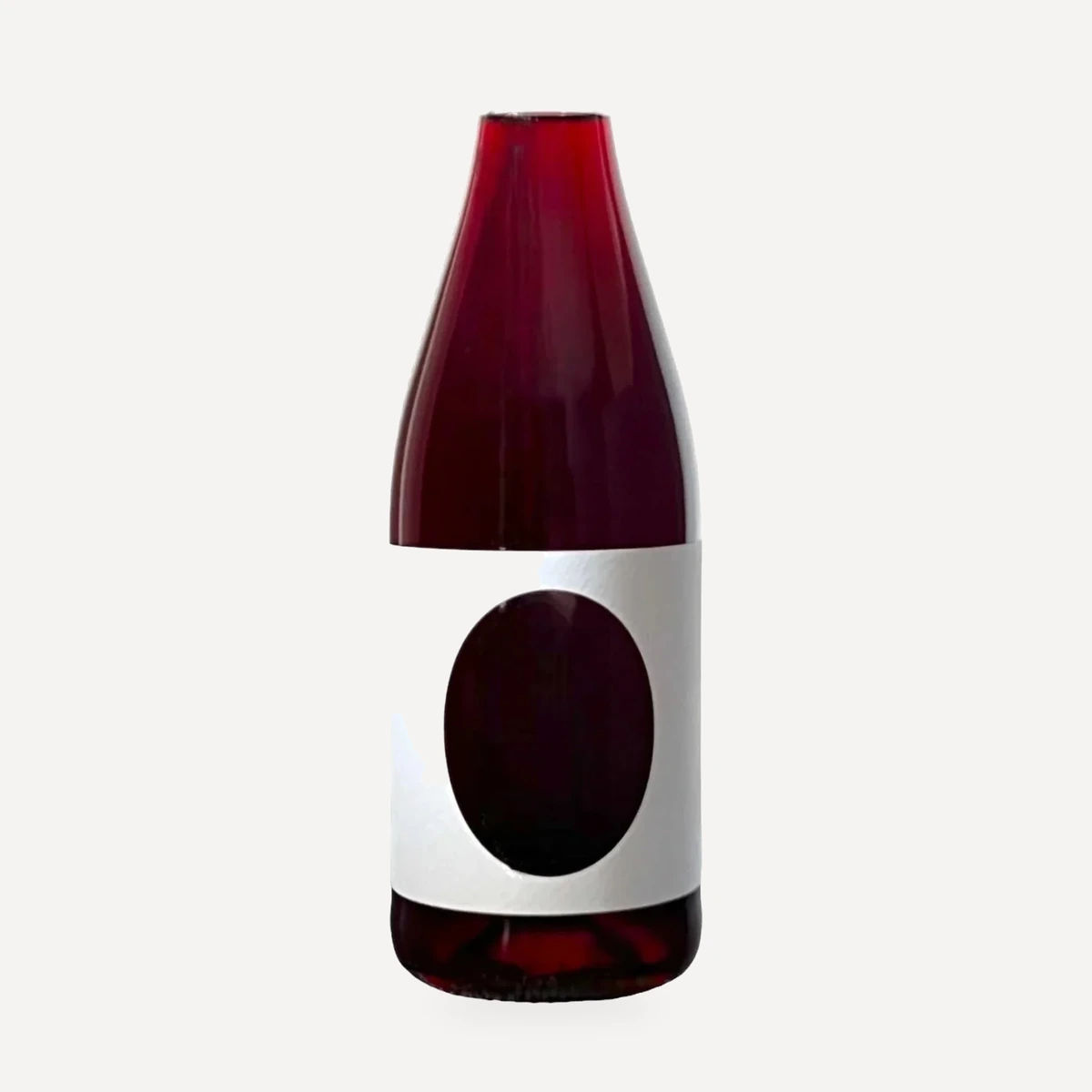
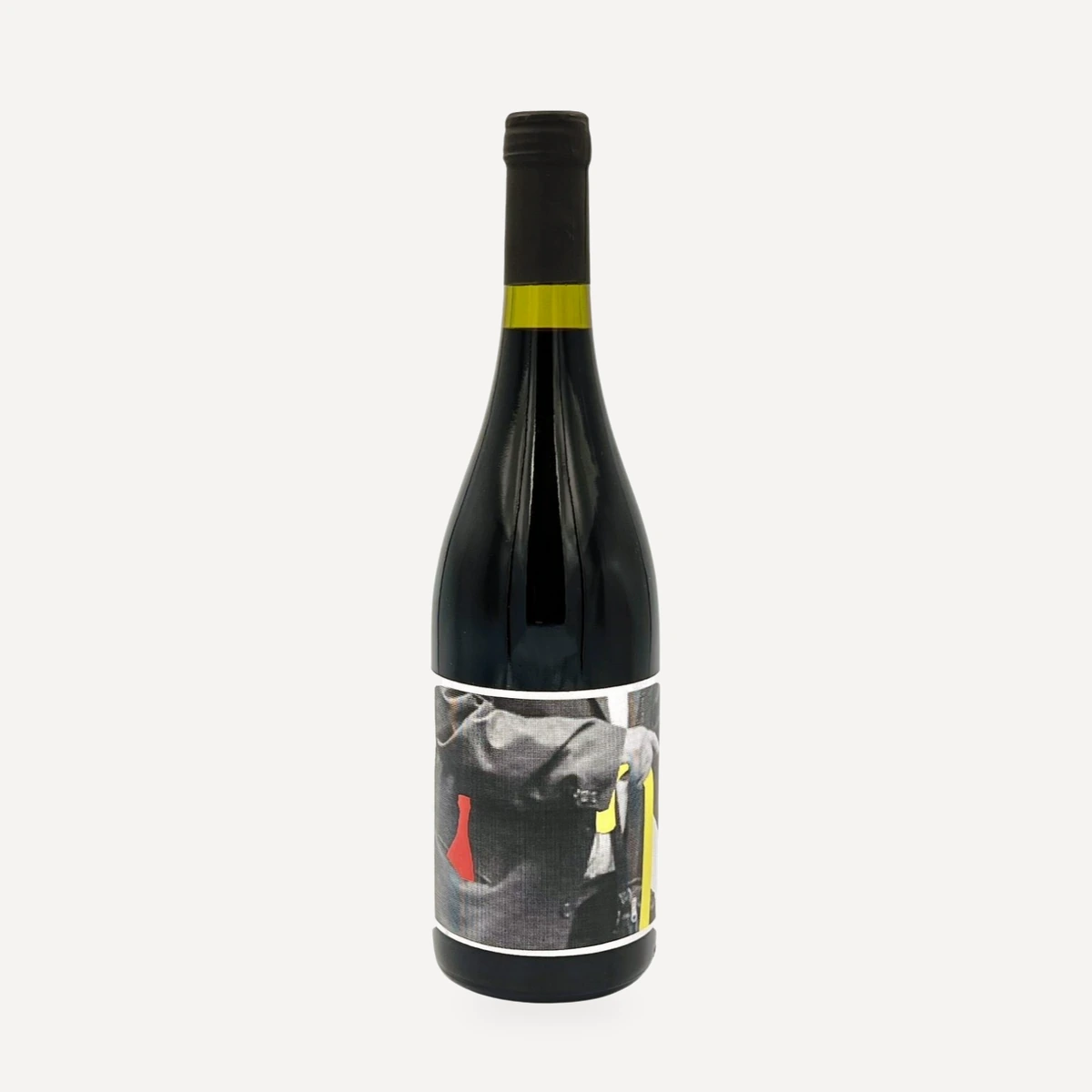
The range subsequently grew through interpretations connected to particular vineyard settings, traditional practices and local concerns. Barba originated from old vines and takes its name from the figure of the wise uncle. Pinq! reinterpreted an ancient local grape variety as a pét-nat. Thorc revisited the peasant custom of making wine from the press in a contemporary form. Gambai expressed the estate’s only international grape variety, grown beside woodland. Errante added a social dimension through a project supporting migrant agricultural labourers in the Saluzzo area.
Terroir
Braccia Rese works in Busca, Piedmont, in the Colline Saluzzesi. The limited vineyard descriptions identify two contrasting settings: old vines associated with Barba and vines growing beside woodland, associated with Gambai and the estate’s only international grape variety.
Vinificazione
Braccia Rese identifies natural wine, spontaneous fermentation and zero sulfites as defining elements of its production. The project brings vineyard work together with vinification in its own cellar. Its range also preserves and reinterprets an old peasant practice of making wine from the press, represented by Thorc.
Filosofia
The name Braccia Rese expresses a return of human effort to agriculture: arms devoted to work portrayed as beautiful and substantial, ancient yet modern, physically demanding yet satisfying. The project places natural wine, spontaneous fermentation, zero sulfites and a local identity at the centre of its approach.
Tradition is treated as material for contemporary reinterpretation rather than simple reproduction. This is reflected in the pét-nat interpretation of an ancient local grape and in the revival of an old peasant press-wine custom. The project also connects wine with its local social context through Errante, created to support migrant agricultural workers in the Saluzzo area.
Vini
gambai
pinq!
barba
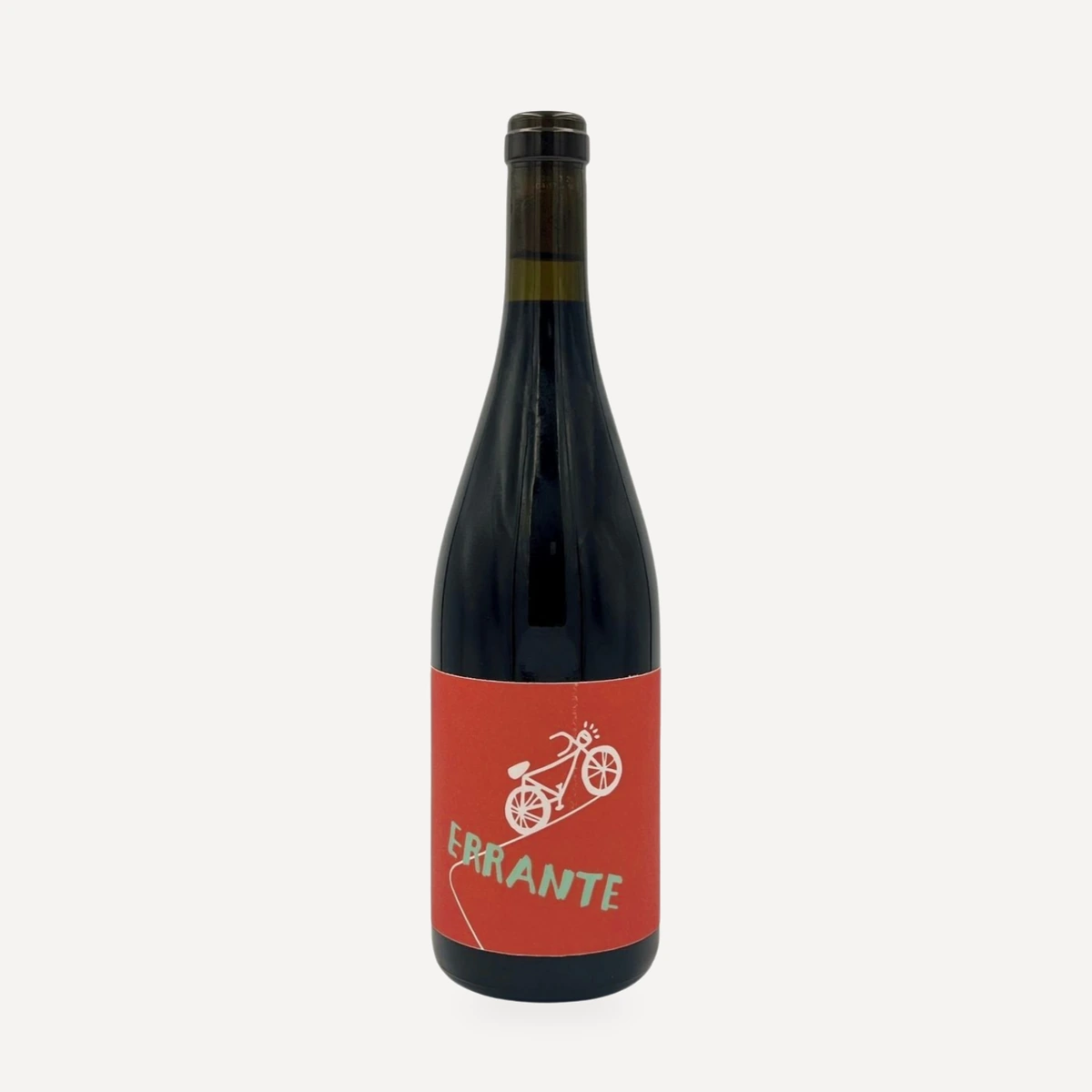
errante
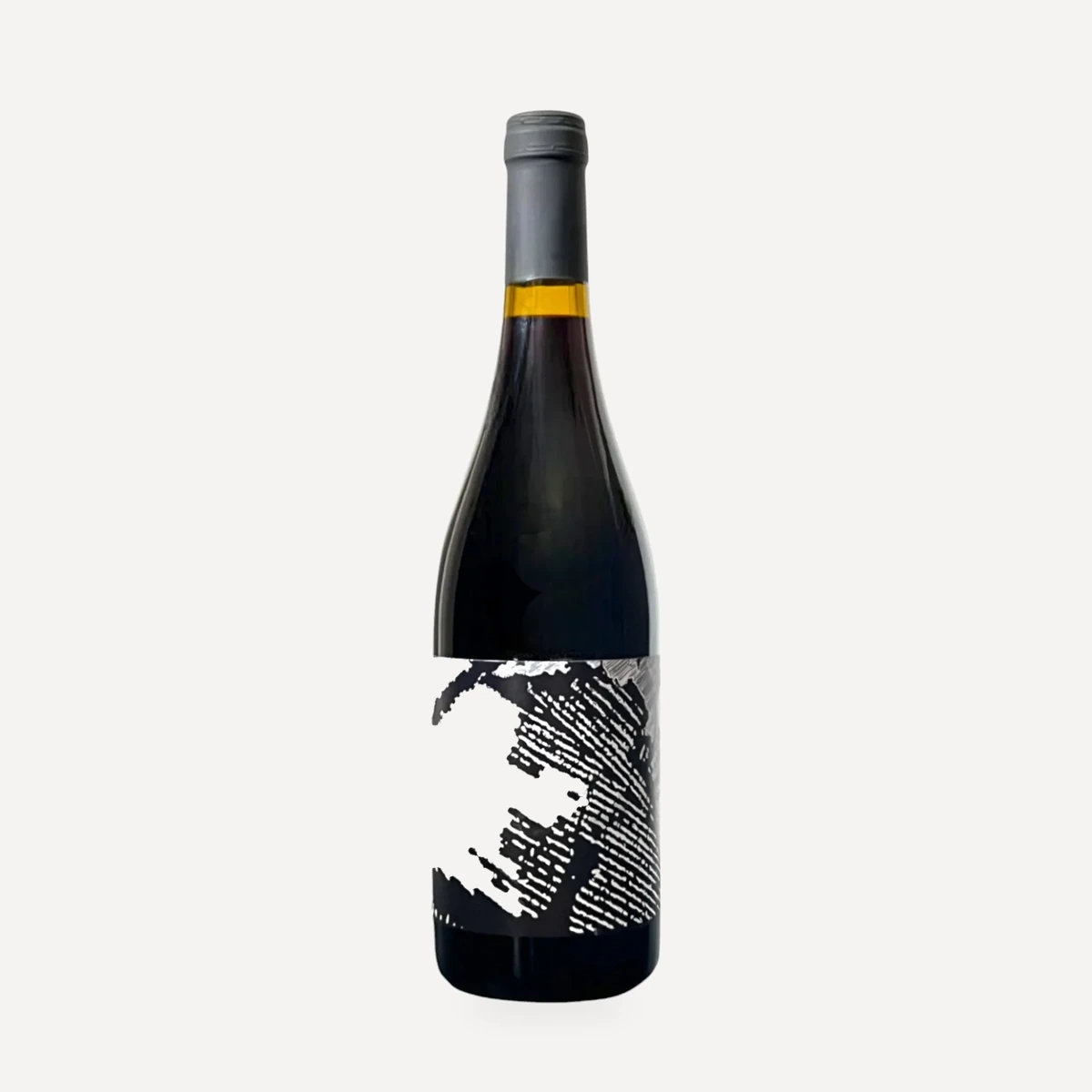
martino