Storia
Ancient viticultural setting
Ca Bolani stands in the countryside of Aquileia, a borderland at the northeastern edge of the Italian peninsula whose history reflects successive periods of encounter and exchange. Viticulture in Friuli is thought to have been introduced by the Eneti, who settled in the region between the 13th and 12th centuries BC, although the principal surviving evidence for winegrowing around Aquileia dates from the Roman period.
Pliny the Elder celebrated Aquileia for the quality of its wines and the luxuriance of its vineyards. In the first century AD he ranked the local wine called Pucinum among the finest of its time and associated it with the longevity of Livia, wife of Emperor Augustus, who lived to the age of 86. The Greek historian Herodian described the countryside around Aquileia as adorned with leafy crowns: vines planted at regular intervals beside trees formed what was known as the “joyful picture.”
A chronicle from AD 237 relates that the inhabitants of Aquileia destroyed the bridge over the Isonzo. Emperor Maximinus nevertheless crossed the river by tying together empty local wine containers known as arnasi and covering them with bundles to form a makeshift passage.
The Bolani family and the Venetian period
Ca Bolani rose to prominence in 1500, during the period of the Serenissima Republic of Venice, when the property belonged to the noble Bolani family. Its best-known member was Bishop Domenico Bolani (1514–1579), Procurator of the Republic of Venice in Friuli and ambassador to Edward VI of England. He participated in the Council of Trent and commissioned Andrea Palladio to design the Arco Bolani, erected in Udine in 1556.
Acquisition and renewal
In 1970 Ca Bolani became the first wine estate acquired by the Zonin family outside Veneto. The new ownership began a broad renewal intended to preserve and develop the local wine culture and its accumulated knowledge, skills and practices. The estate was subsequently organized around three operating areas: Cervignano, Ca’ Vescovo and Molin di Ponte.
The renewal included a comprehensive agronomic reorganization, denser vineyard plantings reaching as many as 5,500 vines per hectare and the adoption of bilateral Guyot as a principal training system. The old cellars were renovated and restored, while a larger, technologically modern winemaking facility was constructed. These interventions marked the transition between the former management and the new ownership.
Cervignano and the compulsory purchase
The original property at Ca’ Bolani in Cervignano, now the location of the winemaking cellars, formed the initial core of the renewed estate. In the early 1980s, a compulsory purchase had a major impact on this holding: more than 170 hectares of vines were uprooted to permit construction of a railway station and the reorganization of Cervignano’s road network.
Ca’ Vescovo
In the years immediately following the compulsory purchase, the Zonin family pursued its objective of making quality wines from estate-owned vineyards by acquiring Ca’ Vescovo in Terzo d’Aquileia. This old estate of noble Austrian origin now contains more than 200 hectares of vineyards.
Molin di Ponte
Toward the end of the 1990s, continued business growth and the need for additional vineyard land led to the acquisition of Molin di Ponte at Strassoldo di Cervignano. Its vineyards now extend across 350 hectares in one continuous block.
Vineyard research and Sauvignon
In 2001, Friulian oenologist Roberto Marcolini joined Ca Bolani. He progressed through positions of increasing responsibility before becoming Estate Manager.
A long-term Sauvignon research project began in 2009 in collaboration with the late Professor Denis Dubourdieu. The estate’s agronomists and oenologists worked with him to establish a protocol covering both vineyard and cellar, with the aim of realizing the variety’s and the territory’s full potential. The work ultimately led to the creation of the Aquilis cru.
During the project, a distinctive Sauvignon selection was identified among old estate vines through massal selection. Working with a local nursery, Ca Bolani propagated and multiplied this material. New Sauvignon vineyards were then planted with descendants of those old vines, preserving their aromatic characteristics within the estate’s modern vineyard base.
Recent sustainability milestone
In 2022 Ca Bolani hosted Enovitis in Campo, a travelling viticultural-technology fair based on trials and demonstrations conducted under working vineyard conditions. The event presented equipment and techniques for vineyard establishment, plant protection and nutrition, soil and canopy management, harvesting, irrigation, biomass recovery and precision-viticulture monitoring.
Terroir
Location and landscape
Ca Bolani lies in the heart of the Aquileia DOC area in the province of Udine, northeastern Italy. The appellation extends from the Grado Lagoon northward through Aquileia and Cervignano del Friuli to the historic fortress of Palmanova. The estate sits between the Alpine arc and the Adriatic Sea and is protected by the Alps.
The vineyards occupy a park-like landscape of mature trees and are crossed by 999 cypresses. Molin di Ponte also contains a lake filled with fresh spring water. Across the broader estate, clay-and-gravel soils become increasingly sandy as the land descends toward the sea.
Soils and water
The principal soil is medium-textured clay interspersed with freely draining pebbly and gravelly bands. Clear spring water passes through these strata, and its mineral content supports soil fertility throughout the seasonal cycle. The combination of clay, gravel, pebbles and sand creates meaningful variation among the estate’s 90 sub-plots.
The Alture vineyard has medium-textured soil threaded with pebble bands that also appear at the surface. These bands retain natural resources and subsequently make them available to the vines.
Climate
Temperate breezes from the nearby Adriatic moderate hot summers, while strong daytime sunshine supports grape ripening. Temperatures fall markedly at night, helping preserve and intensify primary grape aromas. Cool evening sea breezes combine with the area’s lively winds to prevent stagnant humidity and help maintain healthier vines.
The estate falls within the climatic zone described as “Alpha,” whose Growing Degree Day accumulation corresponds to that of other established European winegrowing areas. The resulting combination of sunlight, marine influence, Alpine protection, ventilation and diurnal temperature variation is associated with fragrance, aromatic fullness and finesse in the estate’s wines.
Vinificazione
Ca Bolani manages approximately 570 hectares of vineyards through an ongoing programme of renewal based on growing systems intended to respect the vine’s physiological balance and produce healthy, fully ripened grapes. Half of the vineyard area is planted at 5,000 vines per hectare and trained to spurred cordon, unilateral Guyot or bilateral Guyot. The wider agronomic reorganization has introduced densities of up to 5,500 vines per hectare, with bilateral Guyot serving as a principal system.
The estate follows sustainable precision agriculture under a dedicated team of technicians, agronomists and oenologists engaged in continuing study and research. The entire chain, from vineyard to distribution, is monitored, with decisions framed around environmental protection and the health of workers and consumers.
Integrated pest management combines available techniques to keep harmful organisms below the threshold at which they cause economically significant damage. Plant-protection products are selected for low environmental impact and to avoid harm to beneficial insects. Phyto Bach equipment is used to prevent point-source agricultural pollution.
Permanent or managed grass is maintained between the rows. Green manure is used on more than 50 hectares to restore nutrients and improve soil structure without chemical inputs or invasive processes. Uncultivated green areas are retained to encourage the return of wildlife, while participation in the Carta del Mulino protocol supports pollinating insects and agricultural biodiversity. These vineyard and biodiversity measures have been developed by the agronomic team over almost twenty years.
The estate’s 90 sub-plots are harvested separately. Their individual treatment protects parcel-level differences and supplies the basis for detailed grape selection. In the Sauvignon programme begun in 2009, old vines were evaluated through massal selection; chosen material was reproduced with a local nursery and used to establish new vineyards.
The original winemaking cellars remain at Cervignano. During the post-1970 renewal, the old cellars were restored and renovated, and a larger, modern, technologically equipped winemaking facility was constructed.
The estate’s 90 sub-plots are harvested and vinified individually. This parcel-by-parcel organization preserves differences among the sites and allows fruit and resulting lots to be selected with precision rather than homogenized across the 570-hectare vineyard area.
A dedicated team of technicians, agronomists and oenologists controls the production chain from vineyard through distribution. Modern oenological techniques are integrated with the estate’s local winemaking traditions and are assessed within its broader environmental principles.
The Sauvignon research programme initiated with Professor Denis Dubourdieu in 2009 developed a coordinated protocol for work in both vineyard and cellar. It joined massal selection from old estate vines, propagation through a local nursery and production trials, eventually resulting in the Aquilis cru.
Resource management is incorporated into winery operations. Solar panels provide almost 50% of the winery’s energy requirement, groundwater is used for cooling, and wastewater is monitored and purified.
Filosofia
Ca Bolani’s approach joins local wine culture with modern technical practice. Its five stated values are respect for local viticultural culture, protection of nature, appreciation of the territory’s history, technical expertise expressed through innovation for sustainable development, and attachment to the landscape between the Alps and the Adriatic.
The estate treats its land as something held in trust rather than possessed outright. Roberto Marcolini frames this responsibility as returning resources to the environment and safeguarding the territory for future generations. Close attention throughout the vine’s annual cycle and every stage from vineyard to bottle is considered essential to wine quality.
Tradition and innovation are presented as complementary: inherited knowledge and local practices coexist with precision agriculture, dense plantings, modern vineyard systems, research and updated cellar technology. Innovation is adopted selectively rather than treated as inherently sustainable; its value depends on whether it improves quality, reduces the burden of vineyard and production work, and contributes to sustainable development.
The estate regards wine as the expression of a particular terroir that should be preserved for future generations. It also promotes responsible drinking based on moderation, awareness and consideration for oneself and others.
Vini
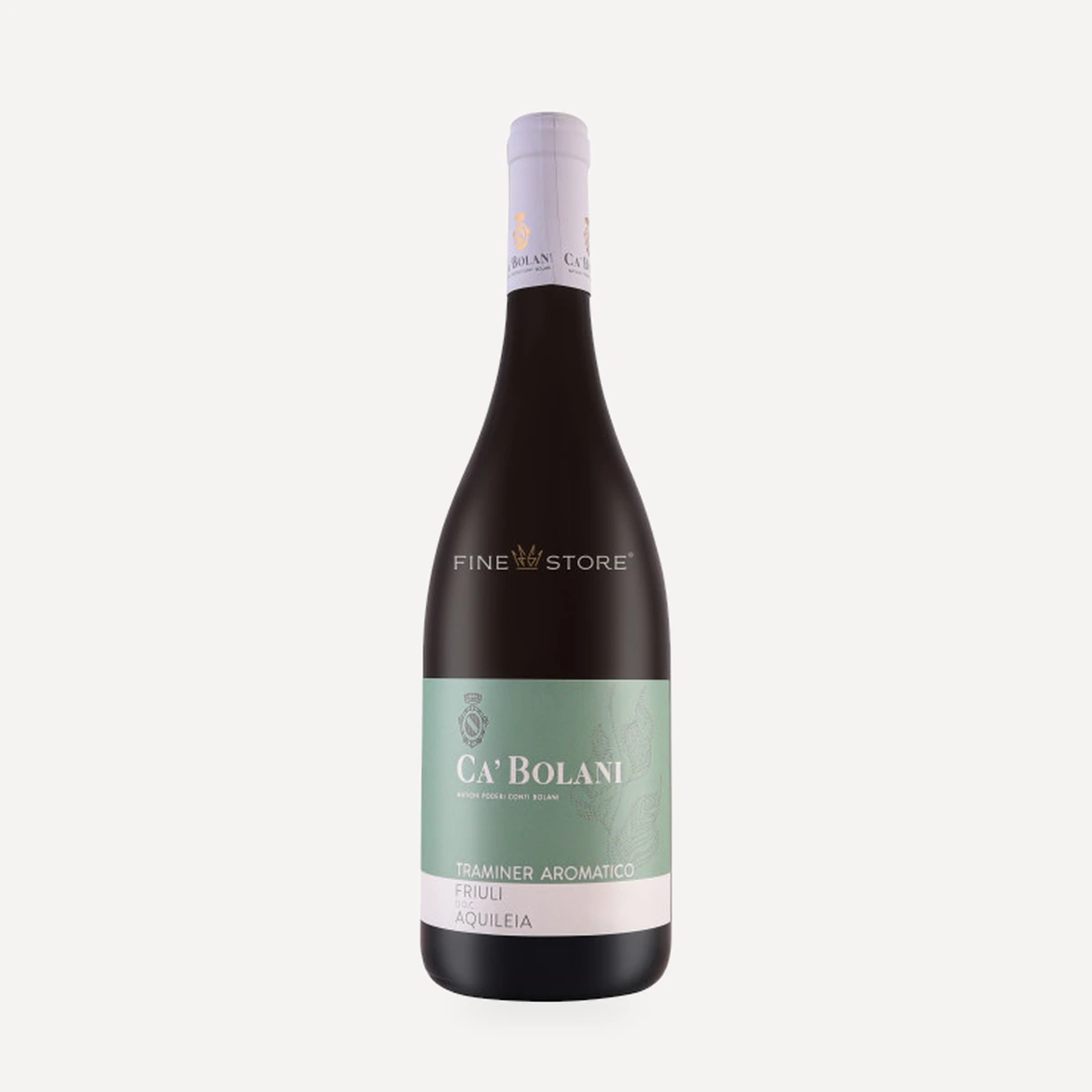
Traminer Aromatico
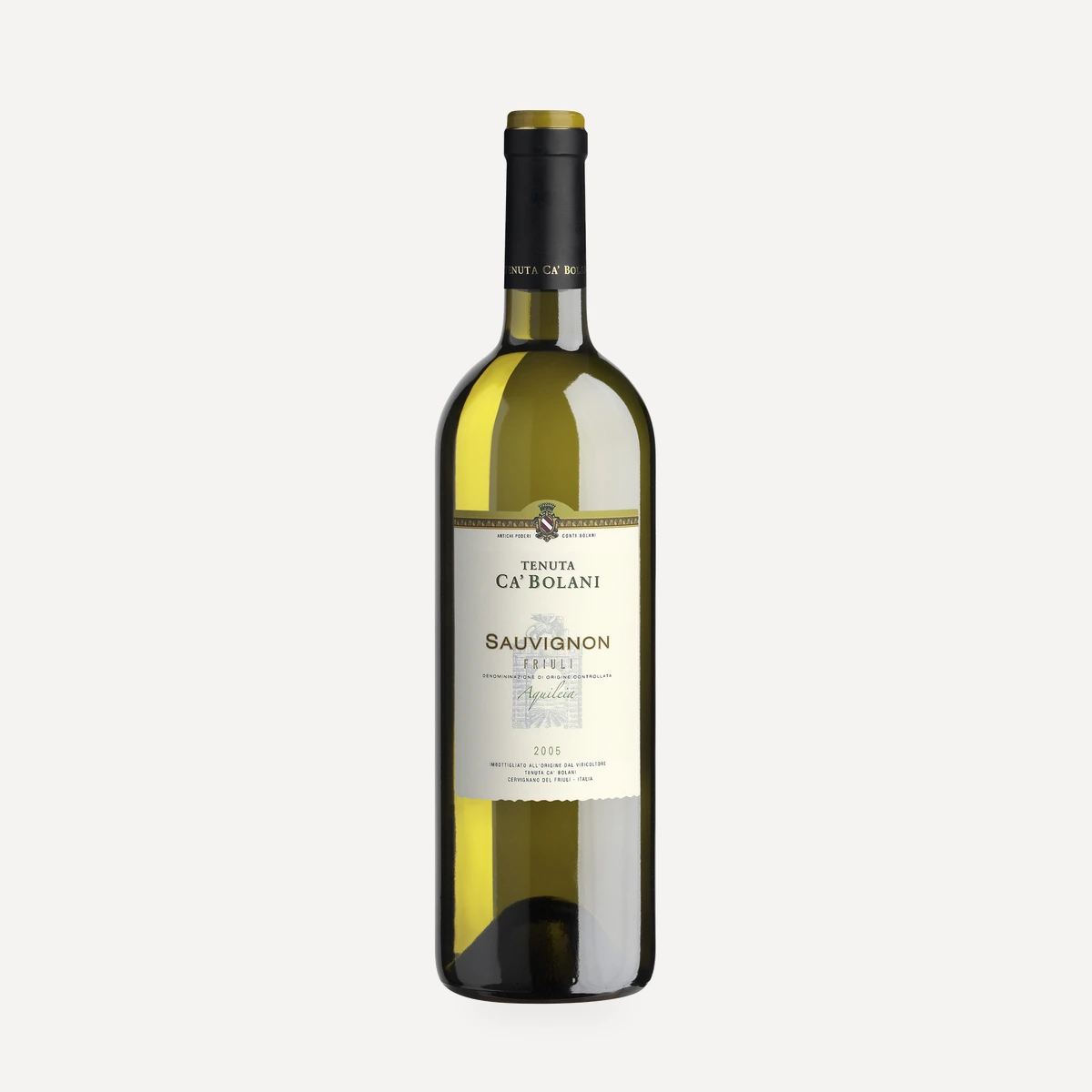
Sauvignon Blanc
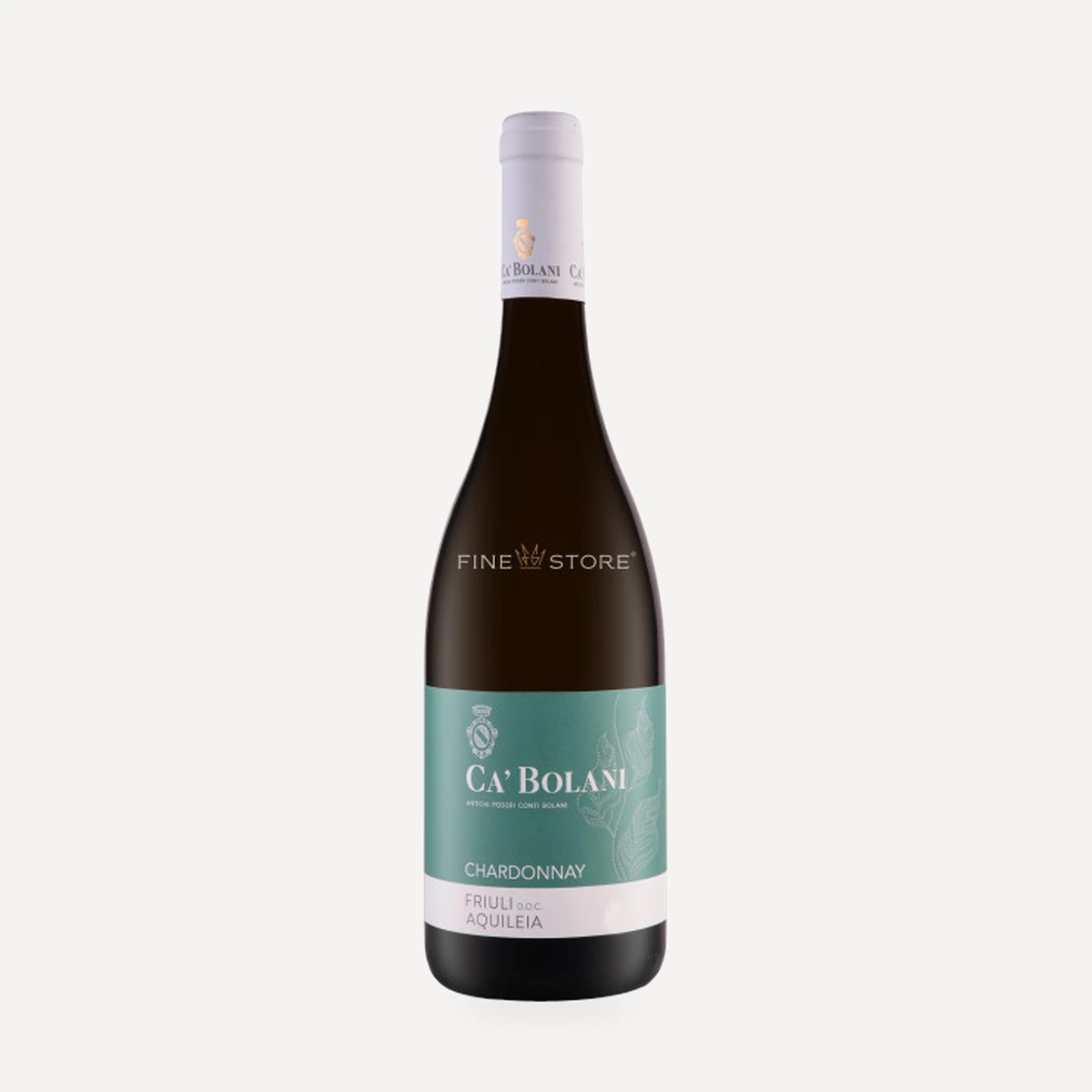
Chardonnay
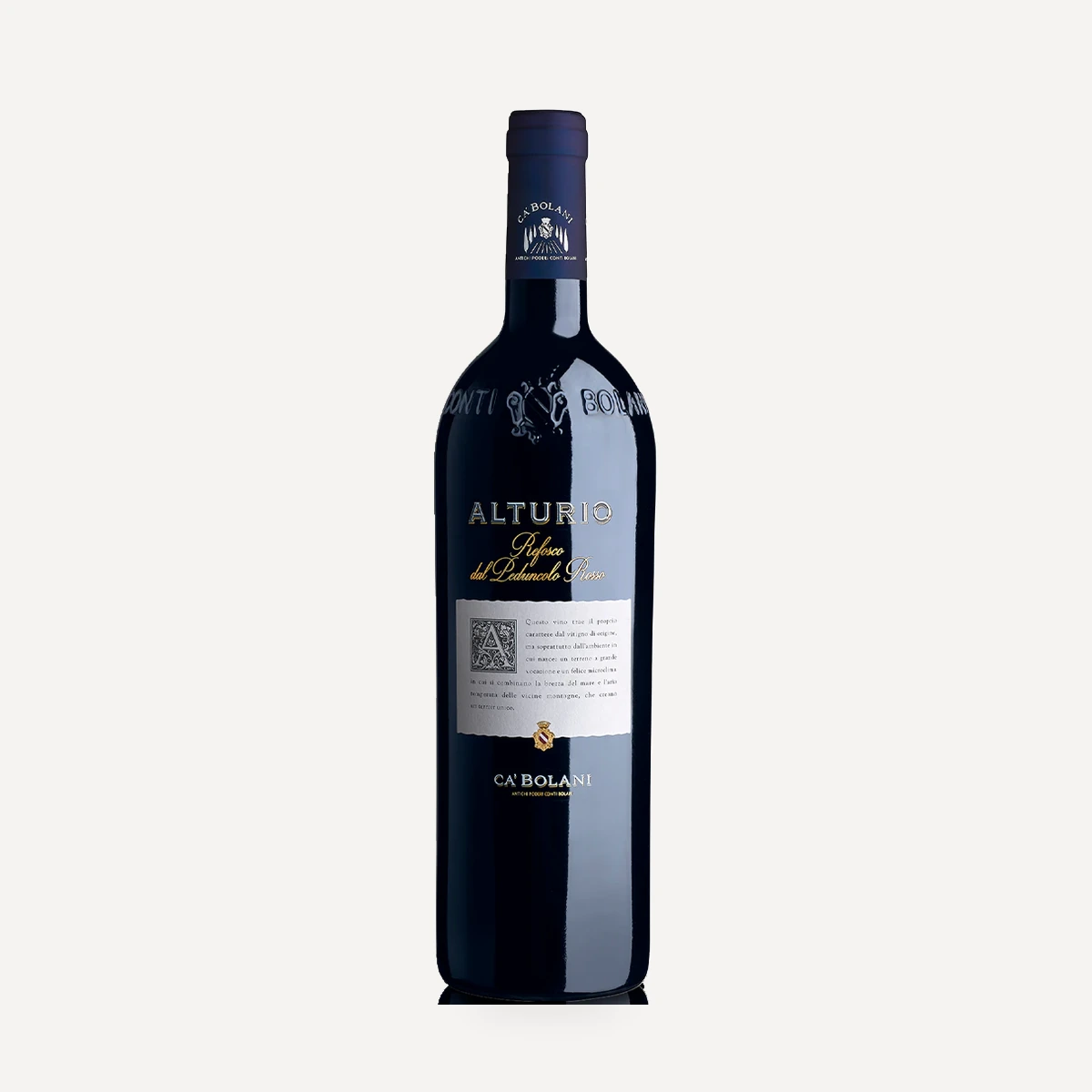
Alturio
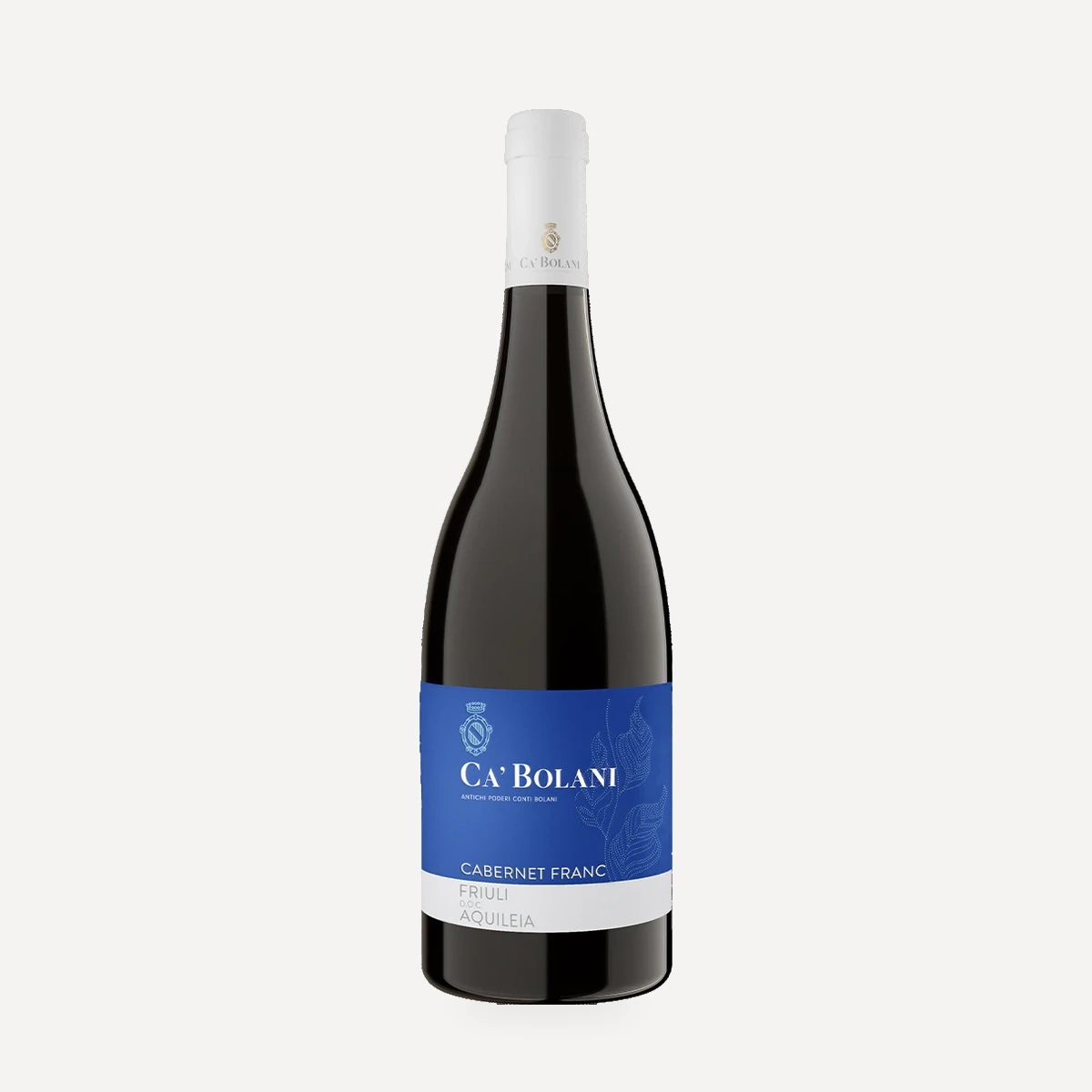
Cabernet Franc
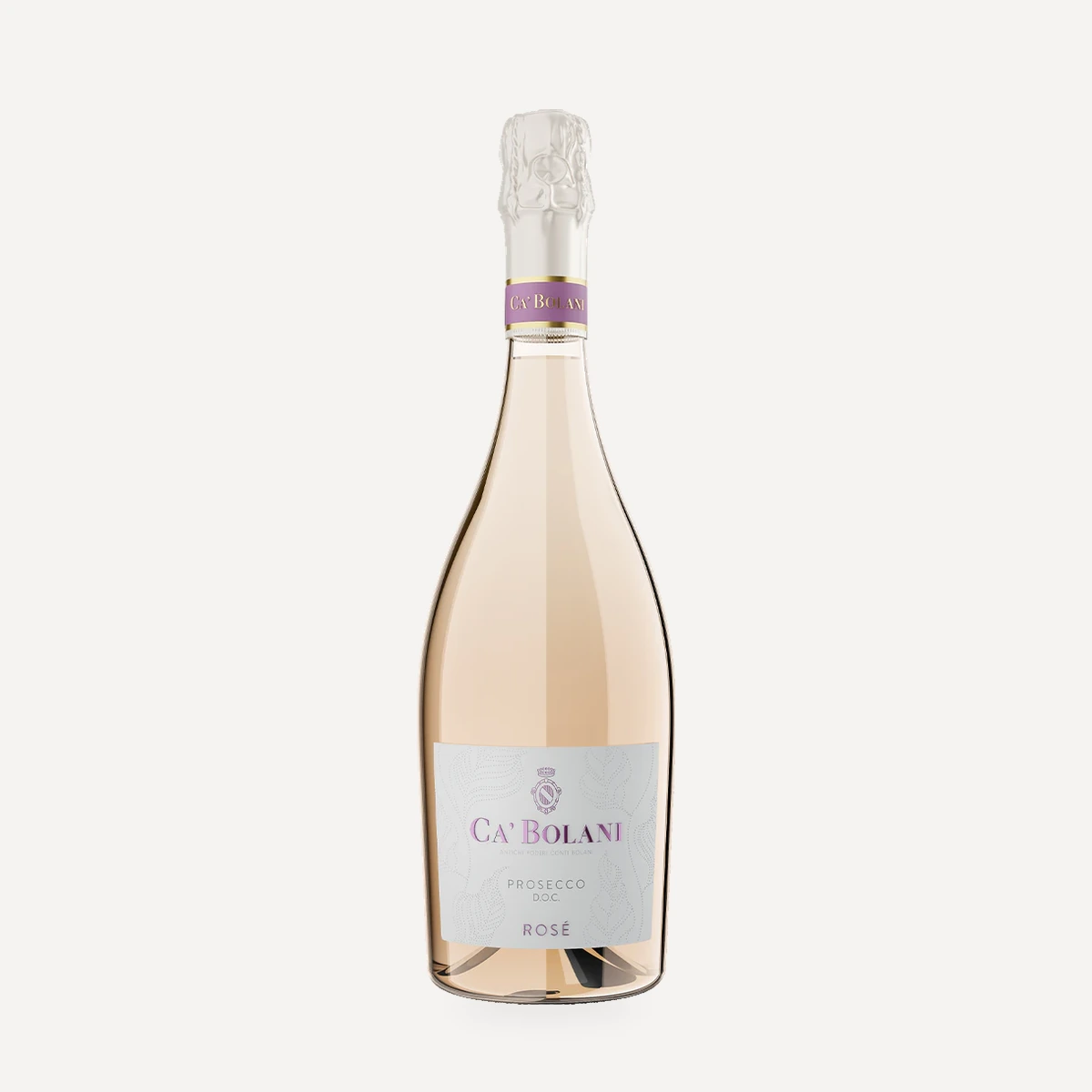
Prosecco Rosé
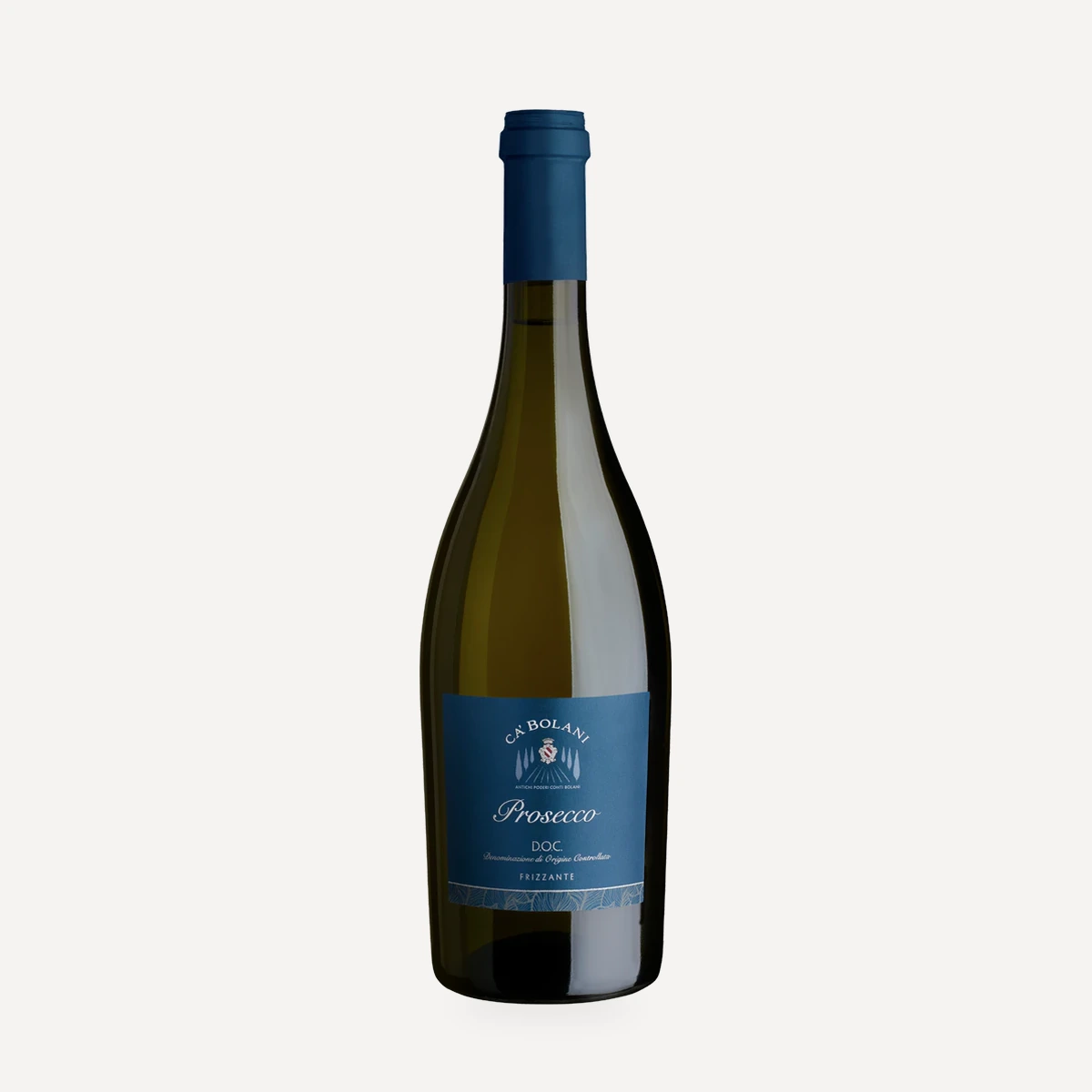
Prosecco Frizzante
Pinot Bianco
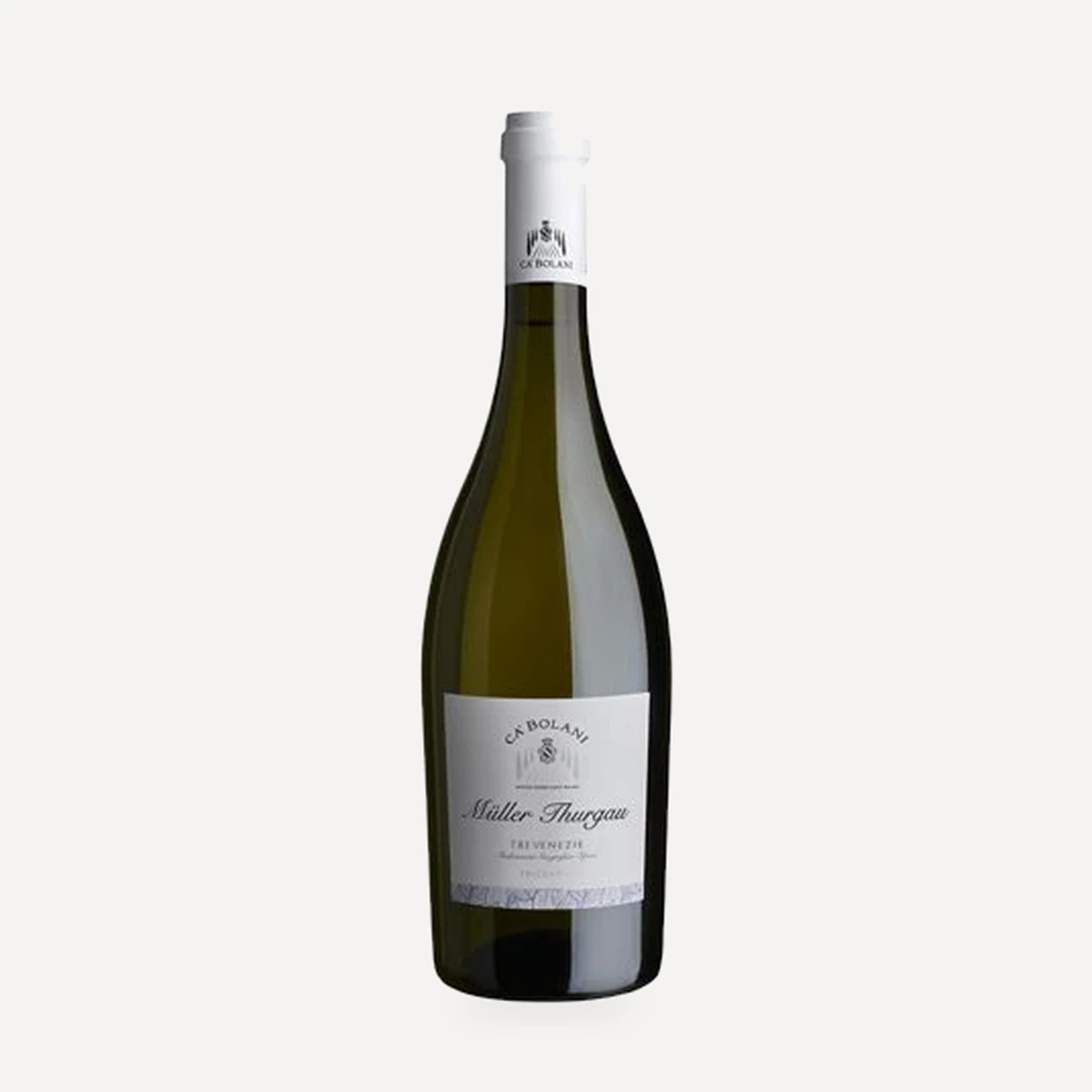
Müller Thurgau Frizzante