Storia
Family roots: 1700–1800
The family home that became Cà dei Maghi dates to 1700. Its hearth stood in a house on the hill of Fumane, the same walls in which the family continues to live. During the nineteenth century, the landscape drew the Fasoli Fedrigo family toward winegrowing and the preservation of local farming traditions.
The first vineyard: 1846
By 1846, the family had accumulated sufficient experience to purchase its first vineyard and begin a commercial agricultural venture. The estate uses this year as the beginning of its winegrowing history.
Fernando and Luigina: 1965–1980
In 1965, Fernando and Luigina founded the agricultural business Sanzenel. Their work was characterized by ambitious experimentation as well as the continuation of established farming practices. Fernando is remembered as bold and decisive, while Luigina is portrayed as resourceful and spirited.
In 1980, the family opened Da Fernando, bringing together its cooking, wine and accumulated experience. The venture established hospitality and local cuisine alongside agriculture as enduring parts of the family enterprise.
A new chapter in hospitality: 1991–2014
Marilisa and Giovanna took responsibility for a new phase of the trattoria in 1991, developing it into a recognized destination within Valpolicella.
In 2008, Fernando’s grandson Paolo Creazzi became the leading figure in the estate’s wine production. Under his direction, the range developed through close attention to fermentation and through both traditional labels and experimental projects.
Ivana joined the culinary side of the family enterprise in 2014, following ideas inherited from her mother and concentrating on elaborate dishes and desserts.
The new winery: 2017
A purpose-built winery was completed in 2017. It grew from Paolo’s vision, years of creative work and the technical contribution of architect Mauro Felice. The project encompassed both functional production areas and furnished tasting rooms. From this point, the estate’s wines were housed in the new facility, while Paolo continued to direct and develop production exclusively from vineyards owned by the family.
Today
Cà dei Maghi continues as a family agricultural estate combining vineyards, winemaking, a trattoria and accommodation. Its current direction links new ideas and modern production technology with inherited agricultural knowledge, respect for the land and the family tradition of sharing food and wine.
Terroir
Cà dei Maghi lies among the hills and vineyards immediately outside the center of Fumane, in the heart of Valpolicella. Its three named vineyards occupy distinct positions and soil environments within the commune.
Vigna Cà dei Maghi covers 1.5 ha on Monte Santoccio at 240–280 m above sea level, where the slope closes the Fumane valley. Its south-facing terraces are retained by dry-stone walls known as marogne. The soils are limestone and marl with sedimentary stratification. The vines have rooted into these materials for approximately 60 years.
Canova covers 2 ha at the middle elevation of Monte Sant’Urbano. The pergolas face the setting sun over the Fumane valley. The site receives abundant water, while its soils combine limestone with tuff intrusions and clay veins. Additional geological detail links Monte Sant’Urbano, between Marano and Fumane, to an Eocene lava flow and identifies basaltic components mixed with calcareous schist. The oldest vines exceed 80 years, and some vines are own-rooted.
Camparsi is a flat, 1 ha site at the southern edge of Fumane. Its softer, grass-covered ground consists of alluvial clay over alluvial and calcareous material. The vineyard lies at approximately 160 m above sea level. These differences in elevation, topography, water availability and soil composition distinguish the three parcels within the estate.
Vinificazione
All grapes used in production come from the estate’s own vineyards on the hills of Fumane. Vineyard work is directed by Paolo Creazzi and follows the seasonal cycle: pruning is performed at its proper moment, while harvest timing is neither delayed nor brought forward indiscriminately. Bunches are cut only after the fruit has reached full maturity and the desired balance.
The estate combines inherited manual knowledge with deliberate methods and detailed rules. The winegrower monitors soil composition, moisture and sunlight exposure throughout the year, using these observations to guide the development of each selected variety. Harvesting is manual; at least some lots are collected in small crates. Training systems include south-facing single and double pergolas at Vigna Cà dei Maghi, pergolas at Canova, and simple or double Veronese pergolas at Camparsi.
No organic, biodynamic or other farming certification is identified.
The purpose-built winery was completed in 2017 and contains functional production areas as well as dedicated tasting rooms. Its capacity is up to 300 hL, accommodating both younger wines and longer-maturing lots.
Vinification decisions are made separately for each batch. These include the form of maceration, filtration, the route by which the new wine reaches maturity, the vessel used and the length of rest. The cellar employs stainless-steel tanks, wooden casks and bottles of different shapes and capacities.
Automated systems continuously monitor temperature, humidity and chemical processes. A natural water spring beneath the winery assists in maintaining a cool, balanced environment. Modern equipment, materials and protocols are updated to permit experimentation, technical refinement and more efficient use of resources. The technological installations are also designed to minimize energy expenditure and dependence on outside supplies.
The production approach places particular emphasis on cleanliness, the working environment and the people employed in the cellar. Technology is intended to free the winegrower to concentrate on the refinement of aroma and flavor while maintaining control over the production process.
Filosofia
Cà dei Maghi presents wine as the result of patience, attention and care beginning in the soil. Technical understanding is expected to guide craft: the winegrower must know the composition, moisture and seasonal exposure of each site before directing the development of a chosen variety.
The estate’s philosophy gives equal weight to inherited farming knowledge and intentional, disciplined methods. Nature establishes the seasonal rhythm, but human judgment determines the exact timing of pruning and harvest and the route followed by every batch in the cellar. Each vintage is treated as singular rather than reproducible.
Tradition and innovation are complementary rather than opposing principles. Classical Valpolicella labels coexist with experimental and research-driven wines; modern machinery, automated monitoring and resource-efficient installations are used to refine production while retaining the artisan values associated with the family’s history. The family also connects wine with hospitality, local cooking and the convivial act of sharing a glass.
Vini
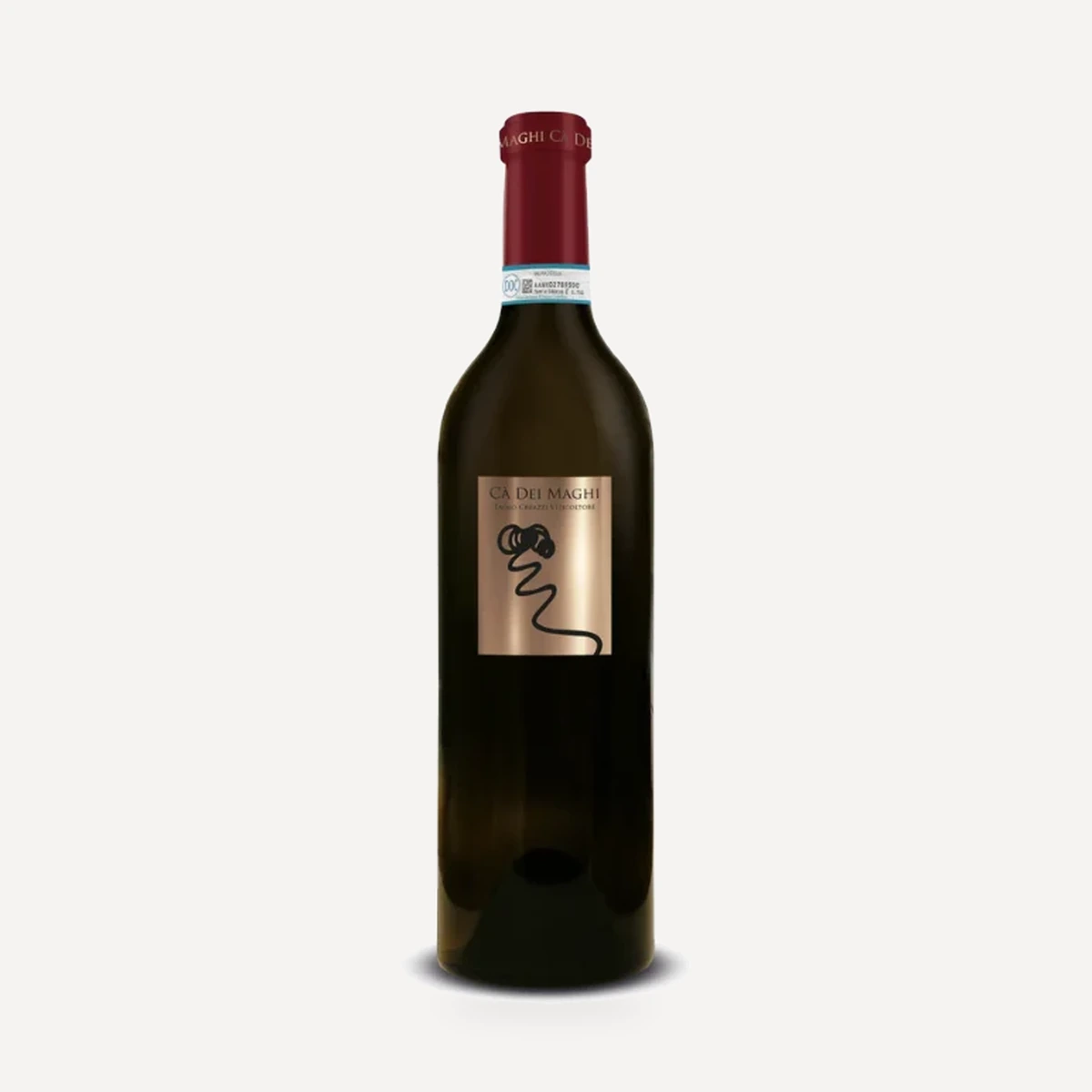
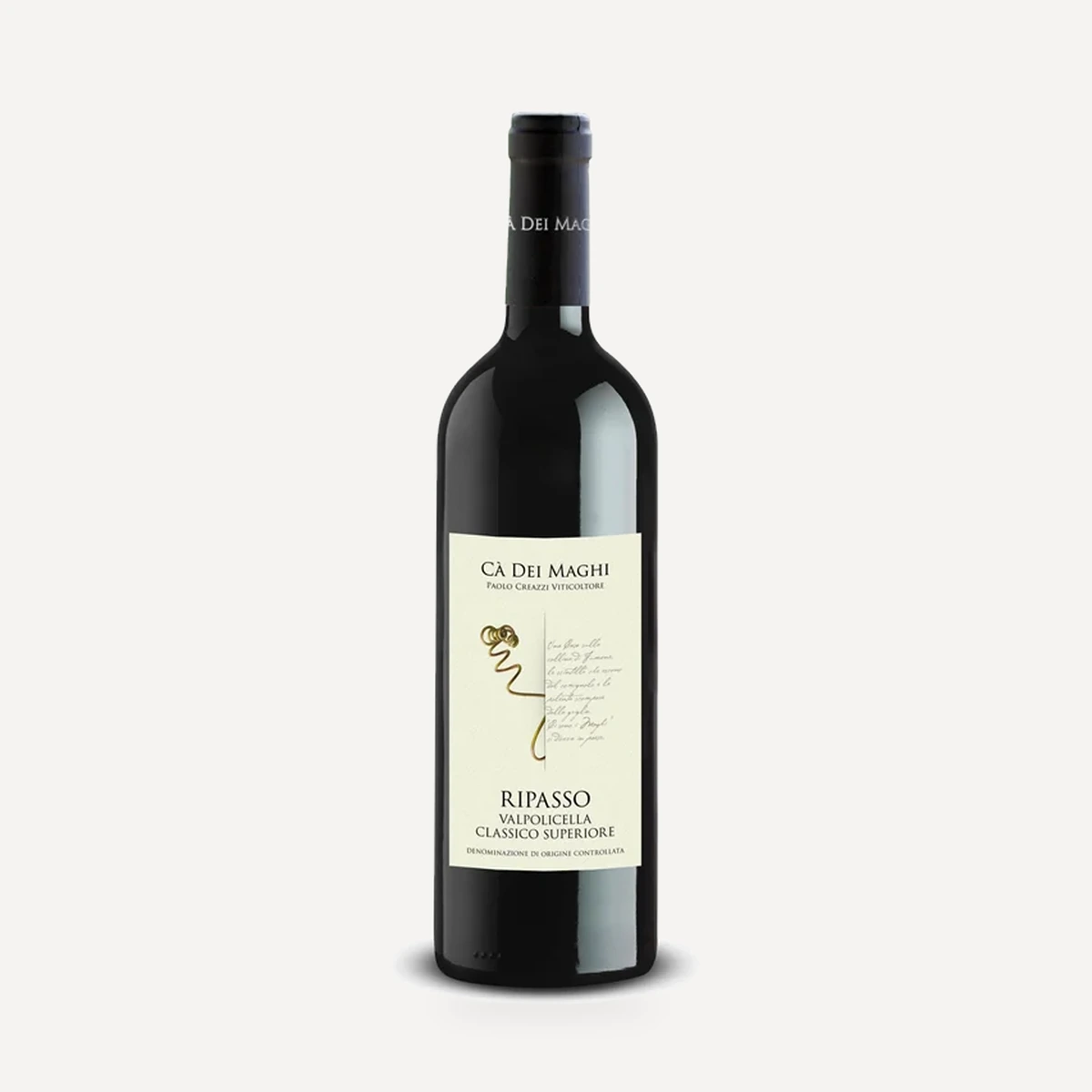
Valpolicella Classico Superiore Ripasso “Canova”
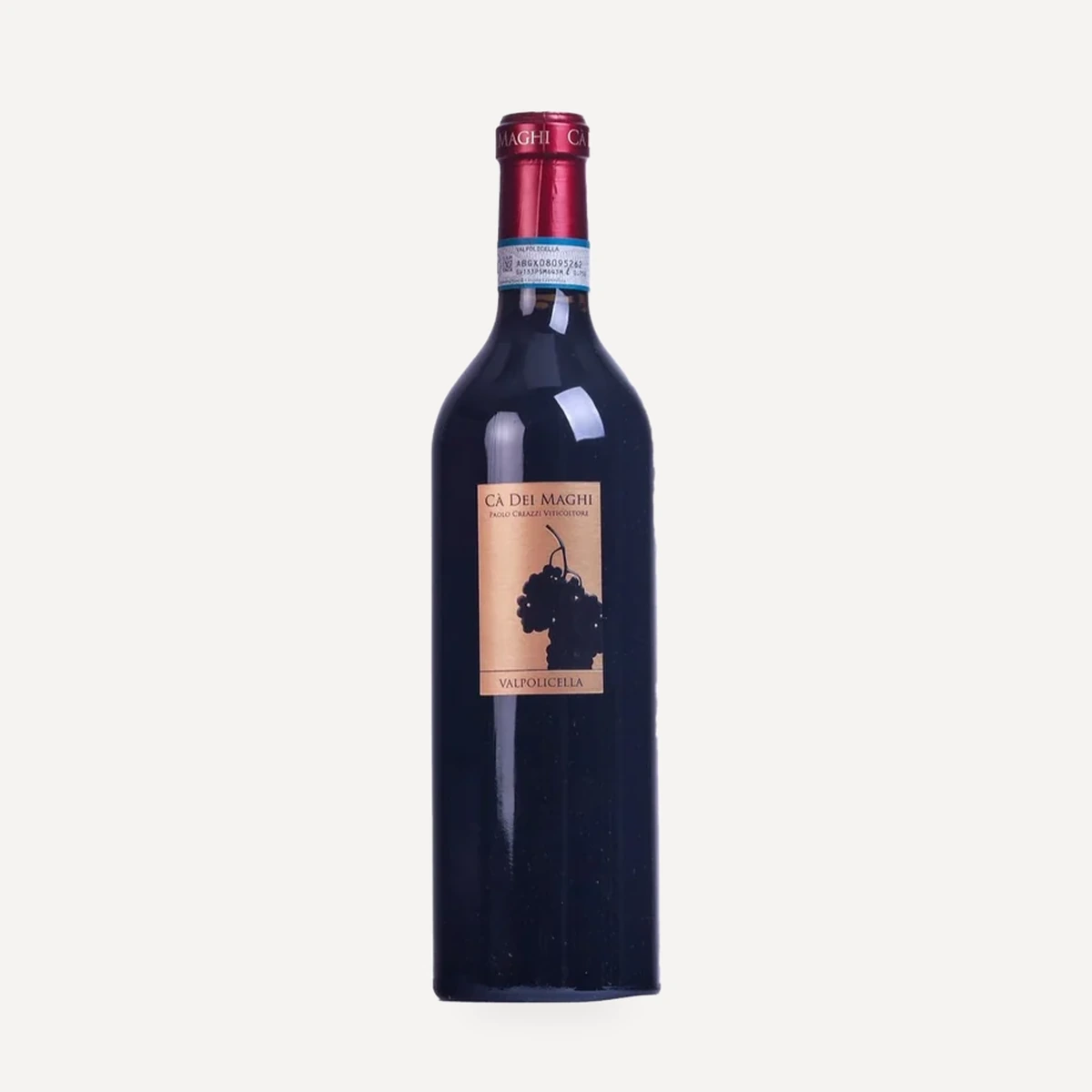
Valpolicella Classico Superiore “Maghi”