Storia
1971: the Massaccese vineyard
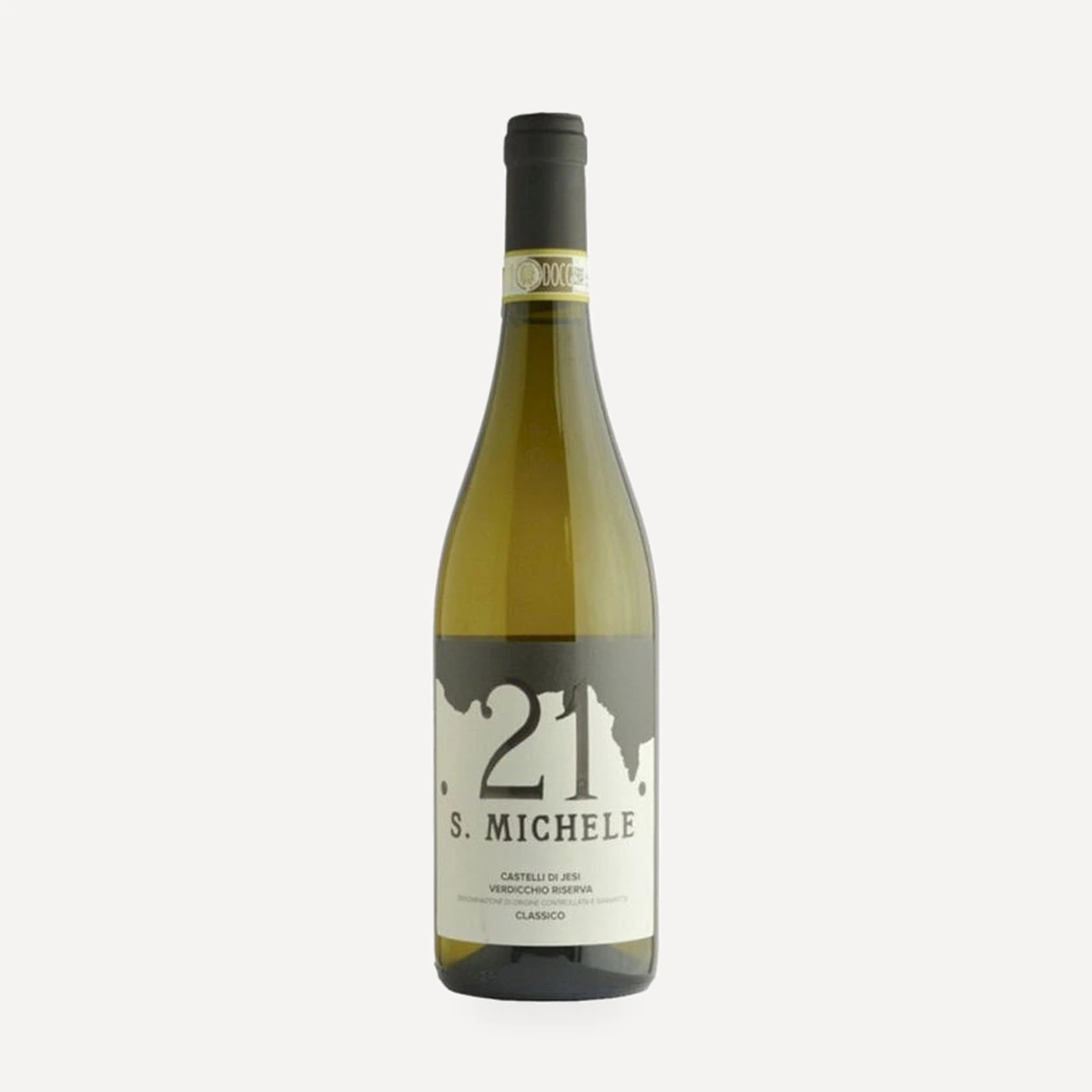
A vineyard later associated with the family nickname “massaccese” was planted in 1971. Its rows face east, and its loose soil is dominated by gypsum. The nickname derives from Massaccio, the medieval name of Cupramontana.
1976: the Torcolaccio vineyard
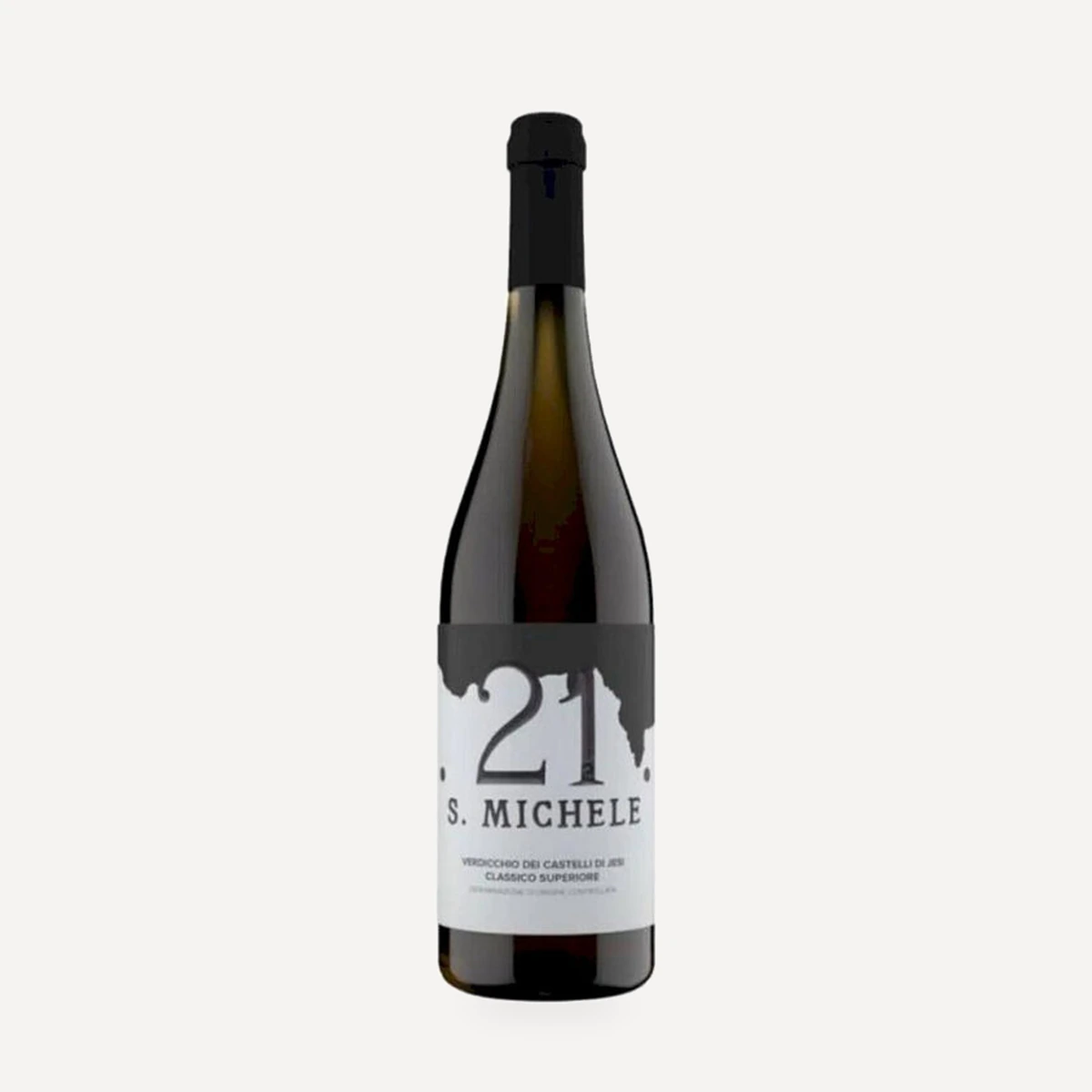
A second documented old vineyard was planted in 1976 by a grower known as “torcolaccio.” Its rows face south-east, on predominantly clay-limestone soil. The nickname derives from torchio, or wine press, and identified a family traditionally engaged in wine production.
Recovery and renewal of the vineyards
Ca' Liptra subsequently recovered old vineyards and renewed part of them. The holding now comprises nine parcels covering 8.5 hectares, with an average vine age of approximately 40 years. Ninety percent of the managed vineyards are more than 40 years old. Their historical mixed plantings preserve Verdicchio alongside other white grapes locally grouped under the name “biancame.”
From 2010: a continuing multi-vintage record
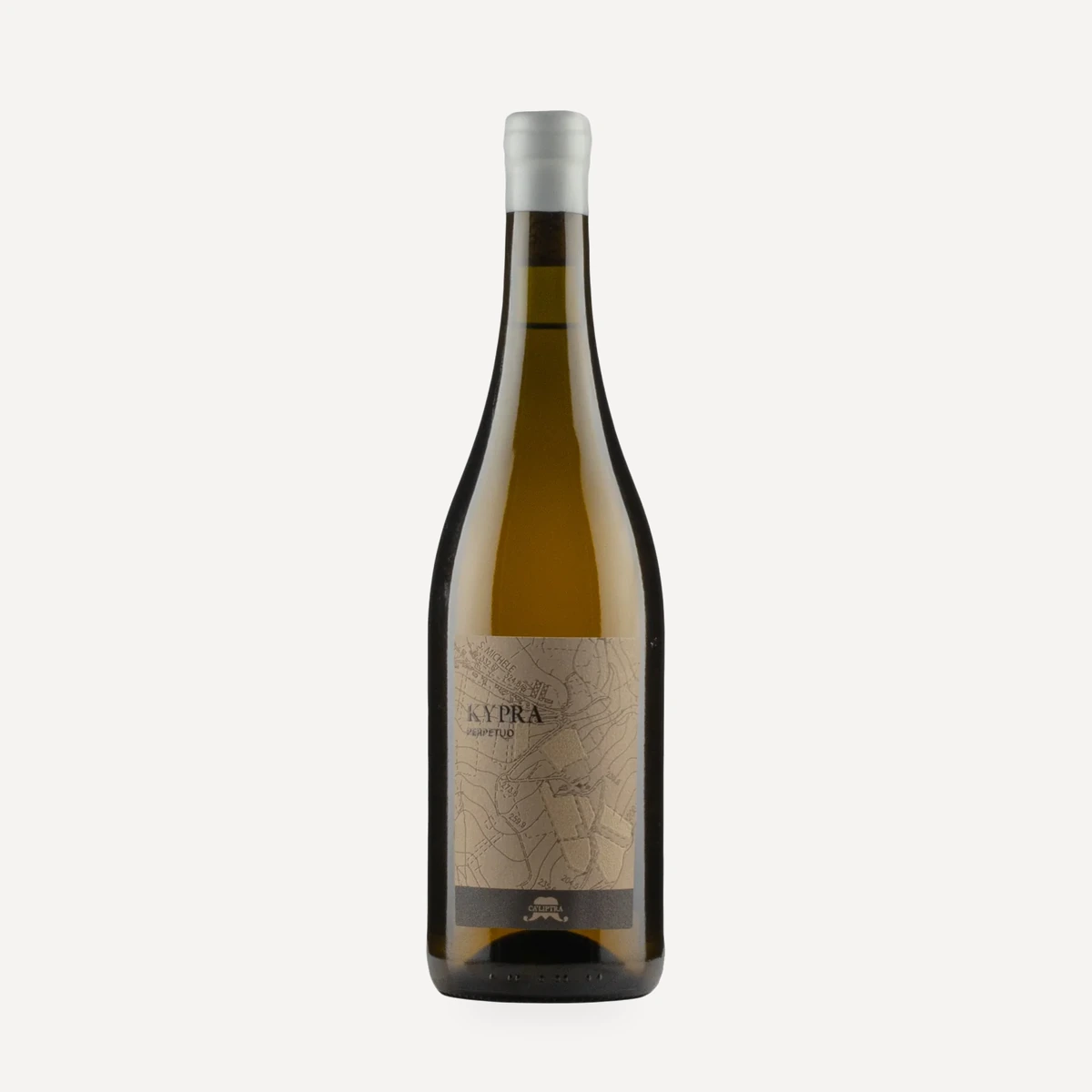
Every Kypra vintage from 2010 onward contributes to Kypra Perpetuo. Only a small quantity is bottled each year, after which the reserve is replenished with the latest Kypra vintage. The project was conceived to express Verdicchio’s capacity for long development independently of a single vintage.
Terroir
Ca' Liptra’s vineyards occupy a natural amphitheatre in San Michele, the warmest area of Cupramontana. Its steep hills receive full sun, with exposures ranging from south to south-east, while a gentle breeze from the Adriatic Sea provides a cooling influence.
The nine parcels lie between 200 and 400 metres above sea level and differ in altitude, exposure and soil. The terrain is calcareous, with high concentrations of clay, marl and gypsum. Sandstone is less abundant and is concentrated principally in the upper part of the cru.
Two old sites illustrate the internal variation. The 1976 Torcolaccio vineyard faces south-east and has predominantly clay-limestone soil. The 1971 Massaccese vineyard faces east and has looser soil dominated by gypsum. A small Montepulciano vineyard lies at 200 metres and faces west.
Vinificazione
The nine parcels are farmed organically. Ca' Liptra has recovered old vineyards over the years while renewing part of the planted area; the vines average approximately 40 years of age, and 90% of the managed vineyards are more than 40 years old.
Permanent or seasonal grass cover is maintained between the vines. Crop protection is limited to copper and sulphur, with synthetic products excluded. The vineyards receive no fertilizer, while green manure is used to support the soil.
Vineyard work follows the seasonal cycle and is carried out manually. At harvest, the grapes are hand-picked into small crates.
Ca' Liptra vinifies every vineyard parcel separately, using the resulting wines to investigate and preserve the distinctions among individual terroirs. Fermentations begin spontaneously. No processing aids or additives are introduced, and invasive cellar techniques are avoided.
Sulphur dioxide additions are determined each year from the characteristics of the finished wine. Total additions reach no more than approximately 50 mg/L for white wines and 30 mg/L for red and skin-macerated wines.
After fermentation, the wines remain on their fermentation lees until fully mature. Depending on the lot, maturation takes place in concrete or stainless-steel tanks, or in small wooden vessels such as barriques and tonneaux. The cellar also experiments with different approaches to must fermentation and wine maturation while maintaining separate handling of the nine parcels.
Filosofia
Ca' Liptra places the enhancement and respectful treatment of its territory at the centre of its work. The vineyard approach combines the recovery of old plantings, manual seasonal work and organic practices with the exclusion of synthetic treatments and fertilizers.
In the cellar, the objective is to understand the character of each terroir more deeply. Separate parcel vinification, spontaneous fermentation, extended contact with fermentation lees and experimentation with fermentation and maturation methods serve that objective, while processing aids, additives and invasive techniques are avoided.
The estate identifies savouriness, acidity and minerality as the common thread connecting its wines. It presents these qualities as expressions of their place of origin and as the basis of elegance and longevity. The continuing multi-vintage Kypra Perpetuo project further reflects a focus on Verdicchio’s capacity to evolve beyond the boundaries of an individual vintage.
Vini
Massaccese
Torcolaccio
Kypra Perpetuo
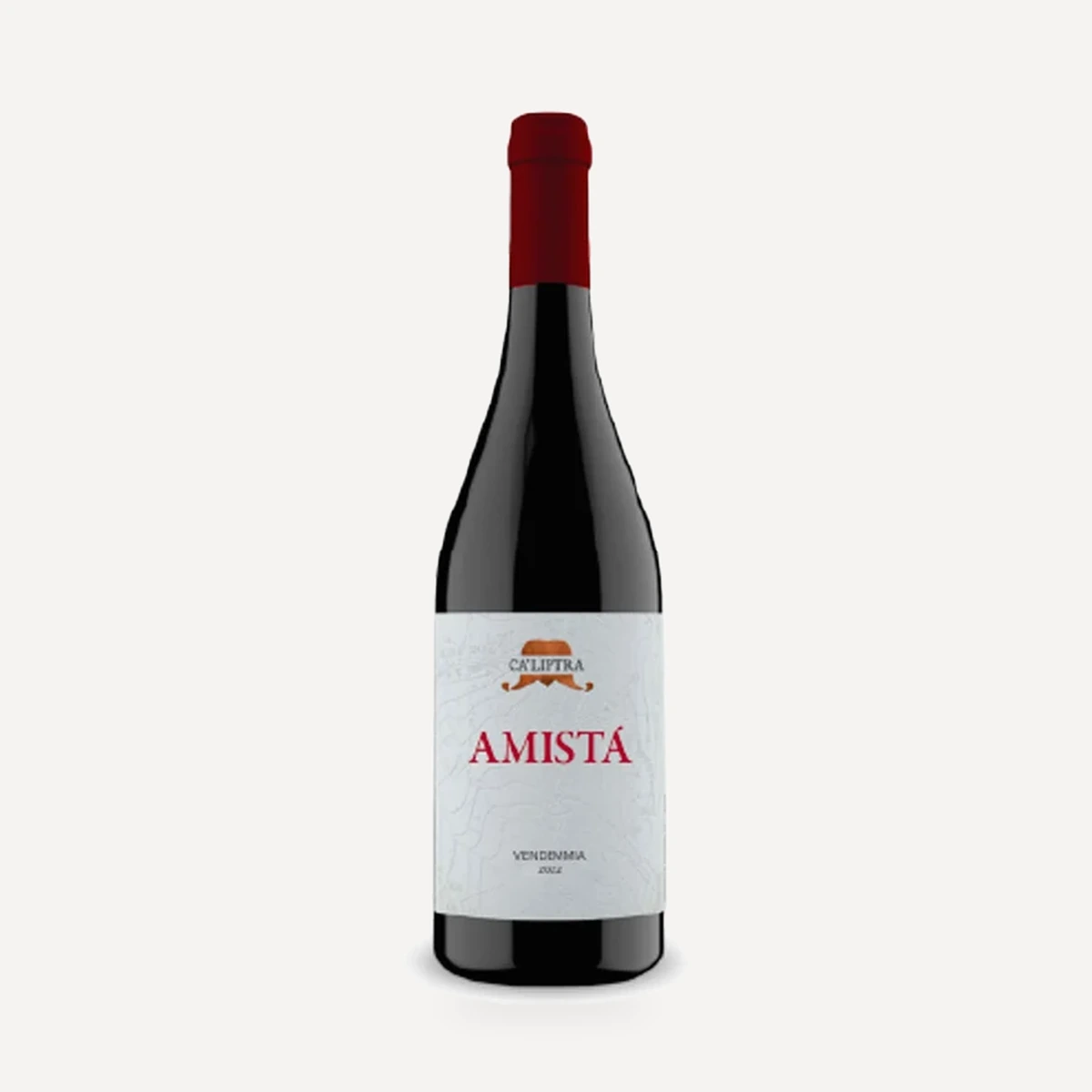
Amistà