Storia
1908 — Formation of the cooperative
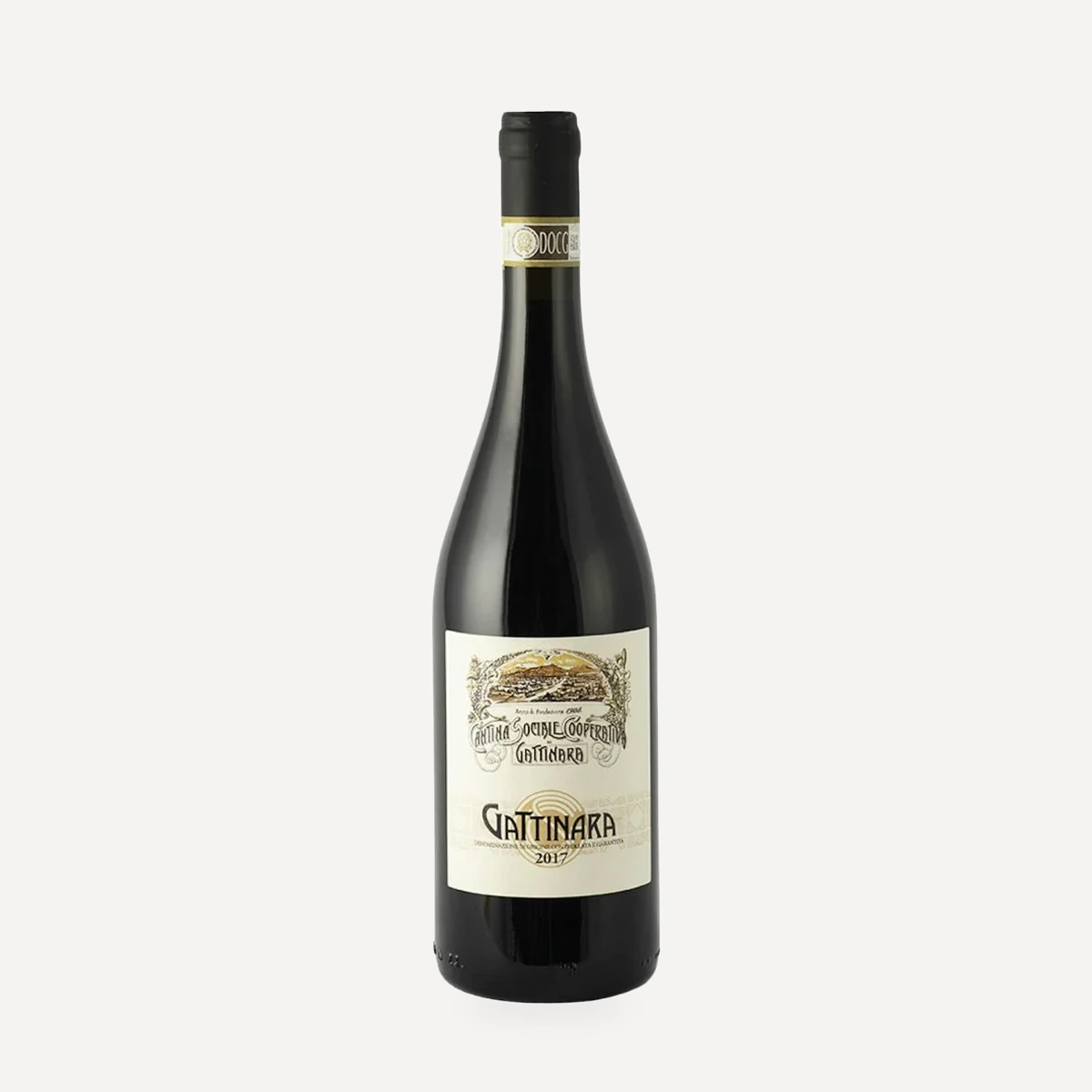
Cantina Sociale Cooperativa was constituted in 1908. The decision marked an important moment for local viticulture: it was only the third occasion in Italy on which a community had adopted this then-advanced cooperative model for the wine sector. By joining their efforts in a shared organization, the members established a structure capable of enduring for more than a century.
Survival through conflict and hardship
The cooperative survived the World Wars as well as successive periods of economic regression and severe difficulty. It also remained active when consequential decisions altered the direction of local viticulture. Its continuity rested on collective effort, everyday work, attachment to the land, and knowledge of the area's traditions.
Tradition and technical evolution
Inherited experience and newer techniques developed side by side. The cooperative describes this as a search for balance: attentive production without becoming rigidly attached to the past or being driven by passing commercial trends.
The cooperative today
More than a century after its constitution, the organization brings together approximately 40 members and represents 15 hectares of vineyards. Its wines continue to be presented as expressions of the history, traditions and culture of their place of origin.
Terroir
The cooperative works in a compact hilly area of the province of Vercelli, characterized as the Terre del Nebbiolo.
Nebbiolo vineyards used for Gattinara lie northwest of the town of Gattinara at approximately 300–400 metres above sea level. These are rocky hills at the approach to Monte Rosa. The soils are described as rocky and rich in iron mineral salts, which give the earth its characteristic reddish colour.
Fruit for Coste della Sesia Rosso comes from the hills of Lozzolo and Roasio, at 200–300 metres above sea level. This area is described as lower hill country. The range also draws on fruit associated with medium-hill terrain.
Vinificazione
The cooperative's growers cultivate and harvest grapes across several hill zones. Nebbiolo for Gattinara comes from rocky vineyards northwest of the town at 300–400 metres, while the fruit associated with Coste della Sesia Rosso is grown and harvested on the lower hills of Lozzolo and Roasio at 200–300 metres.
For the favourable 2016 and 2017 Gattinara vintages, the harvest took place during the final weeks of September and the first days of October. Those seasons produced both good quantities and good-quality grapes.
Two cellar approaches are explicitly associated with the range.
Coste della Sesia Rosso undergoes a monitored spontaneous fermentation initiated by indigenous yeasts present on the grape skins. It is subsequently matured in stainless steel.
Gattinara Riserva follows a long maturation sequence: an initial period in stainless steel is followed by three years in large casks. The cooperative associates this maturation with softening Nebbiolo's abundant tannins and developing greater roundness and elegance.
Filosofia
The cooperative places collective effort, attachment to the land, knowledge of the territory and respect for tradition at the centre of its identity. Its history is framed through small, repeated acts of work rather than commercial prominence.
Its approach seeks equilibrium between inherited experience and newer techniques. Tradition is treated as a living foundation rather than a rigid formula: production should neither remain excessively anchored to the past nor follow the trends of the moment.
Wine is understood as a synthesis of the history, traditions and culture of its place. The commitment of growers sustains and renews wine culture, while quality territorial production helps preserve a broader historical, economic and social heritage.
Vini