Storia
Fifteenth-century origins and the Cembran family
The earliest chapter is associated with the original winery building, a structure dating from the fifteenth century. In 1850, the Cembran family began making wine in this building, establishing the roots from which the later cooperative developed.
Foundation of the modern cooperative
Cantina La-Vis was formally founded in 1948. Fourteen local grape growers joined forces around a shared conviction that their territory and its grapes could support wines of high quality. The cooperative structure subsequently expanded the relationship between the winery and successive generations of local growers.
Growth through cooperative mergers
In 1969, La-Vis merged with the South Tyrolean cooperative of Salorno. A second major union followed in 2003, when it merged with Cantina Valle di Cembra s.c.a.r.l. These integrations brought together growers, technical knowledge and production experience while reinforcing the cooperative’s regional base.
Zoning and the Quality Project
During the 1980s, La-Vis became an early advocate in Trentino and Italy of vineyard zoning. Its guiding principle was “the right vine in the right place”: varieties were matched to the pedoclimatic conditions of individual vineyards rather than treated uniformly across the territory. The project led to the creation of a Soil Map recording the area’s pedological and climatic characteristics.
The associated Quality Project combined rigorous grape selection, reduced yields, innovative cellar methods and an extensive study of the Avisian Hills. In 1988, this work culminated in the creation of the Ritratti collection.
Quality and environmental certification
In 2004, the cooperative adopted both BRC and IFS certification schemes to support food safety, documented process control, traceability and access to international markets. Annual audits have continued under both standards.
In 2010, conformity with Regulation (EC) No 834/2007 was obtained for designated viticultural production and the related production and commercial processes. In 2017, bottled wines also obtained SQNPI certification under Italy’s National Quality System for Integrated Production.
The cooperative began publishing a voluntary annual sustainability report in 2020. It introduced Scope 1 greenhouse-gas accounting in 2023 and implemented Scope 2 and Scope 3 accounting in 2024, with improvement areas scheduled for definition in 2025.
Renewal of Ritratti
In 2022, La-Vis began a reassessment of the memories and cultural references that had shaped the cellar. This work resulted in the renewal of Ritratti, using the collection to reconnect wine with the landscape, viticultural heritage and cultural identity of the Avisian Hills.
Terroir
Cantina La-Vis is based in Lavis, in Trentino, beside the Avisio stream. Its approximately 400 hectares of vineyards extend principally around the village and across the Colline Avisiane, forming a complex, three-dimensional landscape of hills, depressions, valleys and gentle slopes.
The vineyards range from 250 to 550 metres above sea level. The varied terrain creates distinct pedoclimatic conditions and naturally limits yields. Good solar exposure supports ripening, while the Ora del Garda—a breeze arriving from Lake Garda—moves through the rows, moderating the rigours of the subalpine climate and maintaining a dry vineyard environment. Marked day-to-night temperature variation helps preserve grape acidity and supports aromatic development.
Soils vary substantially across the area. Grey, calcareous ground is associated with finer, mineral expressions, while red clay soils give richer and more intense characters. The cooperative’s Soil Map records these pedoclimatic differences and supports its principle of matching each grape variety to the most appropriate site.
Vinificazione
Cantina La-Vis follows the Integrated Production System Protocol of the Autonomous Province of Trento and has carried SQNPI certification for bottled wines since 2017. The system combines government oversight, scientific support, periodic controls and third-party verification. Its objective is to reduce environmental impact while maintaining soil fertility, supporting correct grape maturation and safeguarding vineyard biodiversity.
Growers monitor vine health before deciding on treatments and give priority to biological, biotechnological, physical and agronomic forms of protection over chemical intervention. Synthetic phytosanitary products are minimized. Application practices are managed to reduce quantities, waste and losses through spray drift, while measures also address operator exposure, preparation of treatment mixtures, pollution risks and the correct disposal of product containers.
SQNPI agronomists provide technical assistance. Pest management includes sexual-confusion techniques and monitoring traps, while vineyard decisions seek to maintain the natural agroecosystem, biological soil fertility and biodiversity. Growers are expected to understand the characteristics of their soils so that varieties can be matched to appropriate sites; young, non-genetically-modified vine material is used.
Computerized field logs record vineyard operations and monitoring data, allowing conformity with the integrated-production rules approved by the Autonomous Province of Trento to be checked. The cooperative’s team of agronomists and oenologists works alongside the growers, while the historic zoning program and Soil Map guide site-specific decisions and adaptation to present climatic challenges.
Traditional Trentino pergola is the principal training system, supplemented by trellised forms suited to particular soils and cultivars. The mountainous terrain itself restricts yields and requires measured, low-impact vineyard management. Conformity with organic-production rules was also obtained in 2010 for designated viticultural production and its associated processing and commercial chain.
Production operates under BRC and IFS systems adopted in 2004. These frameworks require HACCP-based food-safety controls, a documented quality-management system, defined production procedures, process monitoring, management of human and technological resources, recurrent employee training, full traceability and labelling compliance, and adherence to European and national food-safety, hygiene and environmental requirements. Compliance is assessed through annual third-party audits.
Under SQNPI, each stage from grape processing through vinification is recorded in production registers. These records permit timely quality checks and allow non-conforming lots to be identified and separated. Bottled wines have carried SQNPI certification since 2017.
A planned upgrade at the Lavis production facility converts part of the steam-generation system to hot water. The work concerns the thermal plant serving wine-production operations, particularly washing, sanitation and cleaning, and is intended to improve energy efficiency while adapting utilities to the requirements of the production cycle.
Filosofia
Cantina La-Vis presents cooperation between growers, agronomists and oenologists as the basis of its work. Its central viticultural principle is “the right vine in the right place”: every vineyard is treated as a distinct combination of soil, altitude, exposure and microclimate, and varieties are assigned accordingly.
The cooperative links wine quality to the protection of the Colline Avisiane’s biodiversity and to continuity between generations. Its approach combines traditional mountain viticulture—notably the Trentino pergola—with zoning, soil mapping, technical monitoring and modern quality systems. Technology is used to interpret and safeguard differences among sites rather than to erase them.
Its sustainability program frames environmental protection, worker and consumer safety, soil fertility, traceability and the health of the local community as connected responsibilities. Climate-related changes are approached through site knowledge and adaptation, with the aim of converting new growing conditions into long-term opportunities while preserving the landscape.
Vini
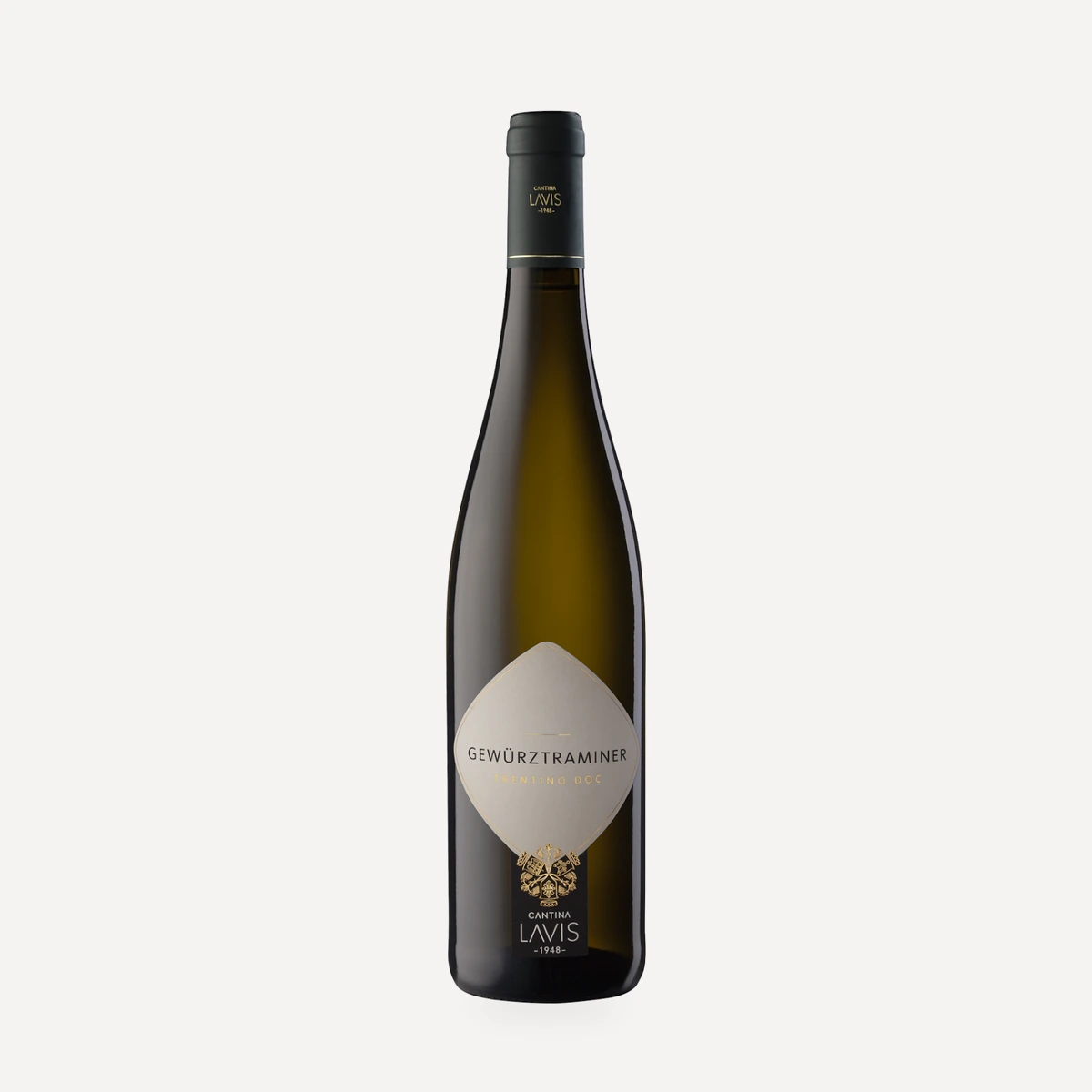
I Classici Gewürztraminer
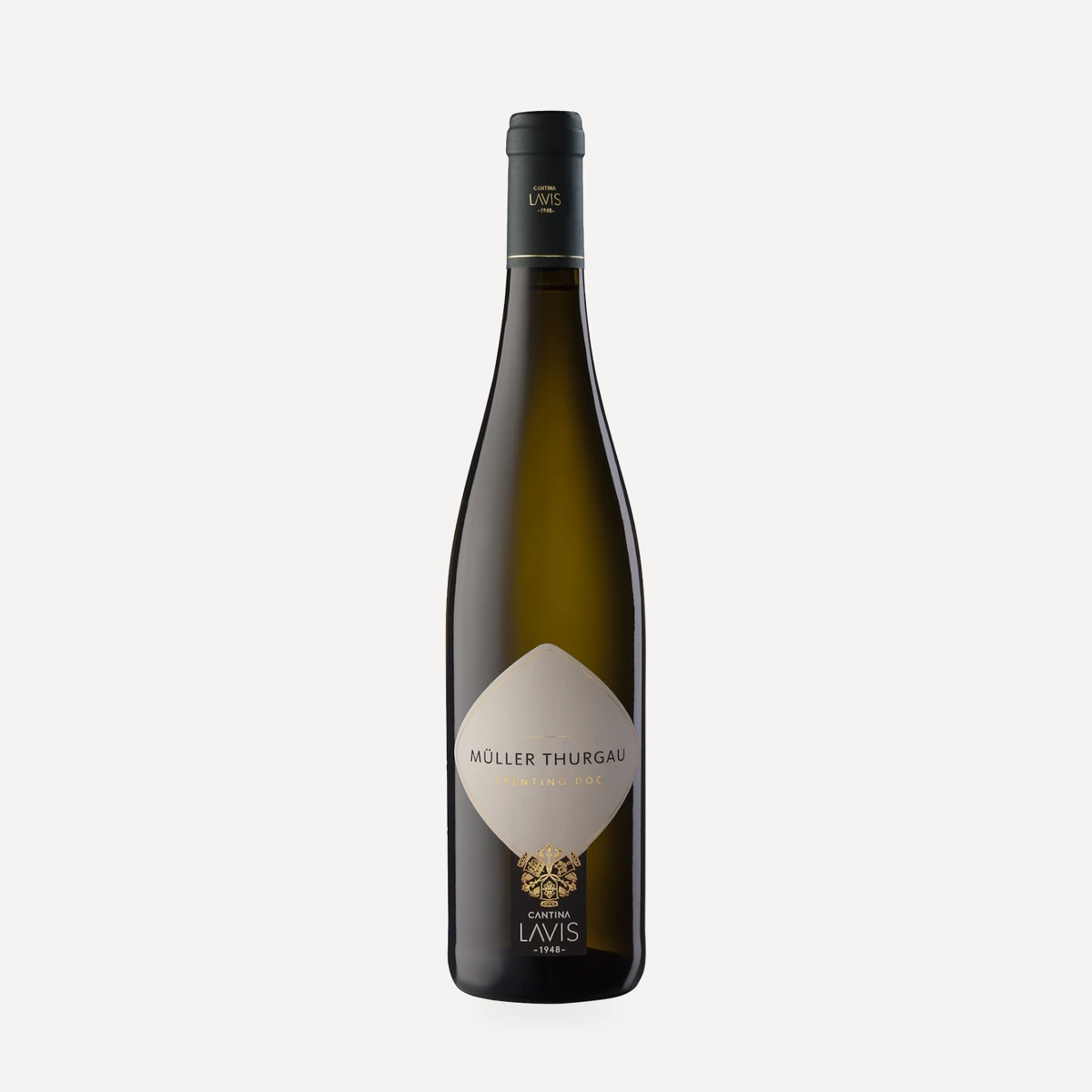
I Classici Müller Thurgau
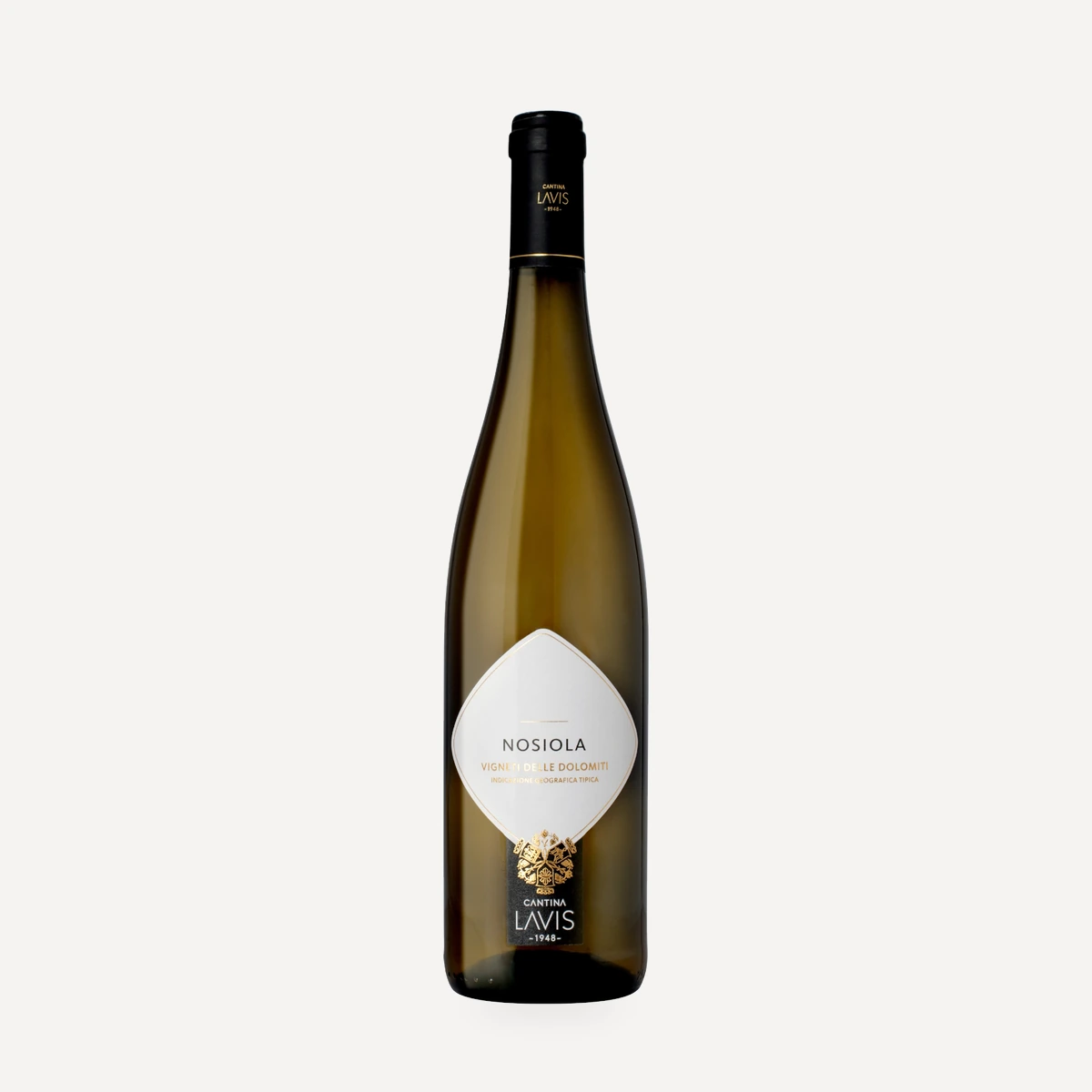
I Classici Nosiola
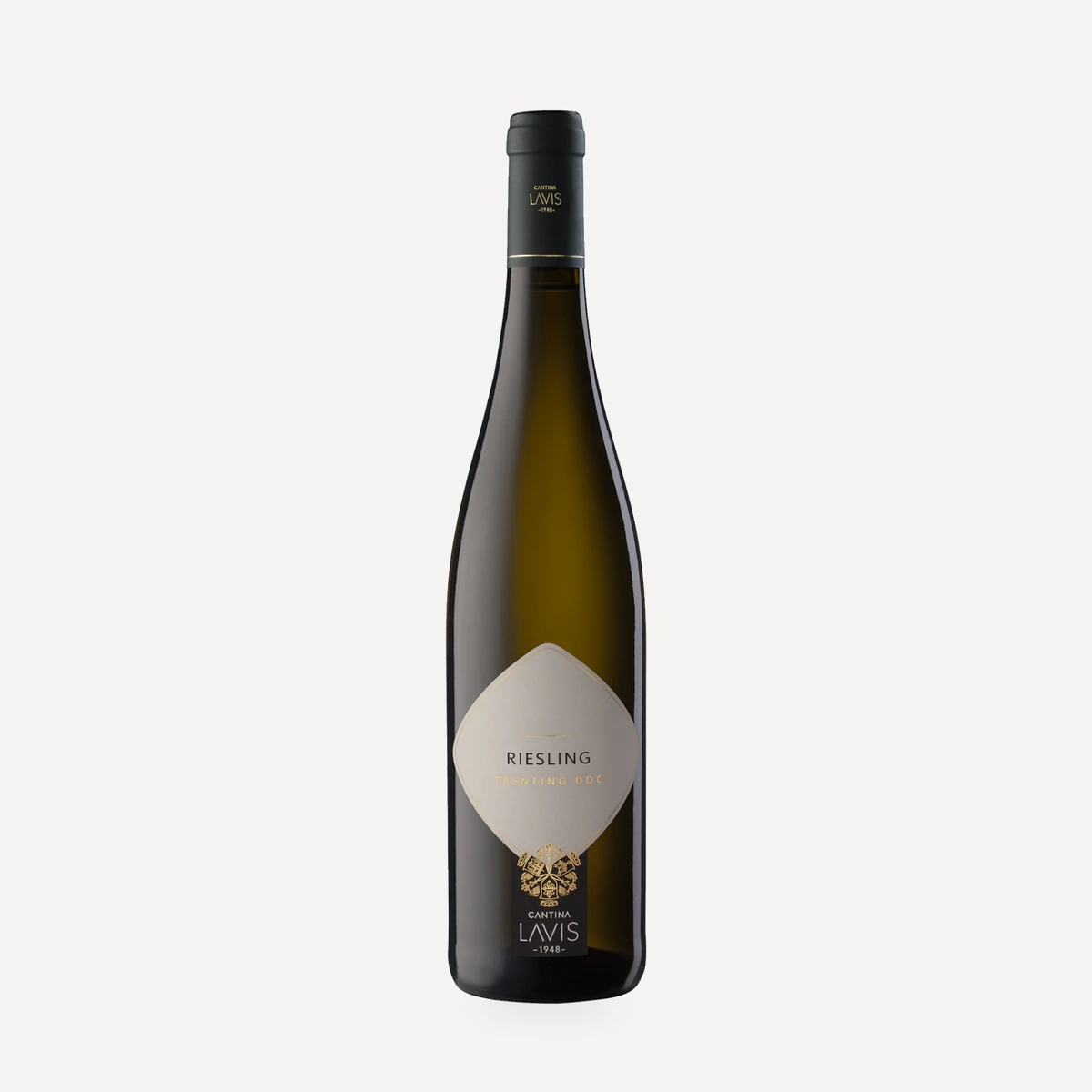
I Classici Riesling