Storia
The family farm and the move toward wine
In the early 1980s, Pierangelo Careglio was dissatisfied with factory work, which afforded him little individual initiative, and began helping his father, Matteo, manage the family’s agricultural land. The holding was then devoted almost entirely to fruit orchards; two small family-owned vineyards accounted for only a marginal part of its cultivated area.
Pierangelo concluded that the farm needed to specialize in a more stable and potentially more profitable crop. Seeing an expanding market for quality wine and believing in the potential of the local terrain, he began converting orchard land to vines.
From grape growing to estate bottling
Pierangelo did not want to limit the business to growing quality grapes. With the help of an enologist friend, he began making and bottling wine, converted a small part of an agricultural building into a cellar, and installed the necessary equipment. Production moved from a few brente of bulk table wine to bottled wine. The first releases were Roero DOC and an Arneis table wine carrying the name Careglio Matteo.
In 1986 Pierangelo formally took charge of the family business, carrying forward the work and ambitions of Matteo and earlier generations. This year is treated as the foundation of the present winery. His priorities included rigorous vineyard work, carefully judged harvest dates, close supervision of vinification, and the measured adoption of modern technology.
1989 and the expansion of the vineyards
Roero Arneis obtained DOC status in 1989 and became Careglio’s leading product as interest in Roero wines grew. Increasing demand for bottled wine accelerated the replacement of fruit growing with viticulture. The original family land was no longer sufficient, and Pierangelo turned to the Costabella and Valmezzana hills for expansion.
Acquisition was gradual because local farmers were reluctant to part with small inherited properties tied to the labor of their ancestors. Patient negotiations eventually brought numerous fragmented holdings together into a substantial, more coherent vineyard area. Modern, mechanizable vineyards were planted across the assembled land.
Andrea Careglio and a broader market
Andrea Careglio, born in 1986, contributed to the family business from a young age and joined it full-time in 2008. He qualified as an enotechnician at the Enological School of Alba. His involvement brought additional attention to presentation and promotion, helping Careglio move beyond its local market and establish distribution in several foreign countries. By 2017 he was serving as a councillor of the Consorzio vini del Roero. Andrea subsequently became the head of the winery, with Pierangelo continuing to support both vineyard and business operations.
Sustainability and new plantings
Chemical herbicides between the rows were abandoned in 2013. Careglio also worked with the Roero consortium toward the goal of a herbicide-free Roero. The Green Experience program was adopted in 2016, integrating environmentally oriented production with the care of the hill landscape, grass-cover management without chemical herbicides, and more tightly controlled use of plant-protection products.
A 2016 description recorded 8 ha of organically cultivated vineyards, including 4.6 ha of Arneis, and production of approximately 30,000 bottles. The estate subsequently expanded: by 2024 it comprised 10 ha, and its current Italian presentation describes slightly more than 10 ha.
In 2017 a small field was reclaimed from brambles and uncultivated land for Pinot Nero. The project later inspired the dialect-derived name of the estate’s Pinot Nero bottling, Arvagia or Arvangia, meaning “redemption.”
The new winery and the next generation
Construction of a new winery began in 2019. The facility increased production capacity and enabled more modern management of the entire process.
Careglio began following the SQNPI program in 2023. That year also brought the birth of Edoardo, Andrea’s son. Andrea has framed subsequent cellar investment as preparation for the next generation. By 2025, the winery had introduced new temperature-controlled tanks and a new press designed for particularly gentle pressing.
Recent drought caused particular damage to younger vines. Although the vineyards’ average age was about 15 years, more than 2,000 young vines had to be replaced. Additional machinery was introduced to increase mechanization, improve vineyard management, and reduce the number and impact of tractor passes between the rows.
Terroir
Location and landscape
Careglio’s vineyards are all in Aprato, a hamlet of Baldissero d’Alba in the Roero. The Roero lies on the left bank of the Tanaro and is bounded to the south and southeast by the river. The wider area is set between the provinces of Turin, Cuneo, and Asti.
Its landscape alternates steep yellow-ochre hills, vineyards, orchards, woodland, reed beds, centuries-old chestnut trees, and the Rocche. These erosion formations cut canyons more than 100 m deep through the hills. High vineyard sites are locally called Bric. Traditional ciabòt—small, rustic structures formerly used for tool storage, rest, and observation—are scattered among the steep vineyards.
Geological foundation and soils
The Roero’s geological profile is younger than that of the Langa. It developed through the dismantling and mixing of superimposed layers of different origins that had accumulated on the crystalline bottom of an ancient inland sea.
Careglio’s agricultural land is on the hills. Sand mixed with sandstone predominates; the sandstone is a sedimentary rock of marine origin associated with limestone and clay. The soils contain calcium, phosphorus, potassium, and other microelements. Across the Roero, two principal soil types alternate: marine-origin sand rich in fossils and relatively poor in limestone, and a grey-blue formation with greater limestone and clay content.
The estate itself spans both the typical sandy marine soils and sites with higher proportions of limestone and clay. Costabella and Valmezzana combine Roero sand with substantial clay and limestone.
Exposure, elevation, and climate
The estate’s vineyards face mainly south and southeast. Costabella and Valmezzana exceed 300 m in elevation, receive favorable sunlight, and are continually ventilated. Rainfall in the Roero is relatively low compared with the Italian average, while proximity to the Alps produces marked temperature variation. The combination of exposure, air movement, local rainfall, and the area’s microclimate is central to Careglio’s understanding of its vineyard identity.
Vinificazione
Careglio’s vineyard work is based on precision, rigorous timing, and the belief that wine quality begins in the vines. Harvest dates are selected through observation and experience, and the wines described in the range are harvested manually.
Chemical herbicides between the rows were abandoned in 2013. Careglio also supported, with the Roero consortium, the goal of a herbicide-free Roero. Since 2016, The Green Experience has linked ecological production practices with the environmental and visual care of the hill landscape. Its measures include managing the grass cover without chemical herbicides and rationalizing the use of plant-protection products. The estate began following SQNPI in 2023.
The vineyard area has been assembled from many small inherited holdings. Its consolidation allowed the planting of modern, mechanizable vineyards, and Careglio continues acquiring plantings to create a more unified vineyard body and improve protection against disease pressure.
Recent drought particularly damaged younger vines. With an average vineyard age of about 15 years, more than 2,000 vines nevertheless required replacement. New vineyard machinery is being introduced to optimize work and increase mechanization while reducing the number of passes between rows and the resulting impact of field operations.
Pierangelo began production in a small section of the family agricultural building, converted into a cellar with the equipment needed for vinification and bottling. This made it possible to replace the sale of small quantities of bulk table wine with estate-bottled Roero and Arneis.
Careglio’s general approach combines traditional vinification and classic fermentation with technical precision. Technology is used in a calibrated manner rather than as an end in itself, with the aim of retaining varietal and territorial identity. Andrea Careglio follows the cellar work and favors a classic house style without excessive technical intervention.
A new winery constructed from 2019 increased production capacity and modernized management of the complete production process. More recently, the cellar added temperature-controlled tanks and a new press capable of particularly gentle pressing. The principal equipment investments were presented as part of preparing the winery for its next family generation.
Filosofia
Careglio’s production philosophy is centered on the relationship between nature, vineyard microclimate, exposure, accumulated experience, ambition, and attachment to the family’s work. Andrea Careglio identifies this balance as the foundation of wine quality.
Andrea and Pierangelo aim to retain the indigenous character and identity of Roero while producing wines with clearly expressed aromas and flavors. Their approach joins inherited farming knowledge and traditional vinification to a restrained, purposeful use of modern technology. The objective is technical precision without allowing intervention to overwhelm grape variety, site, freshness, or vintage character.
The same outlook extends to environmental management. The family connects production with care for the hill landscape, permanent grass management without chemical herbicides, fewer and more carefully rationalized plant-protection measures, and reduced machinery passes. Andrea has also treated the winery as an intergenerational project: recent cellar investment is intended not only to refine production but to prepare a viable path for his son Edoardo.
Vini
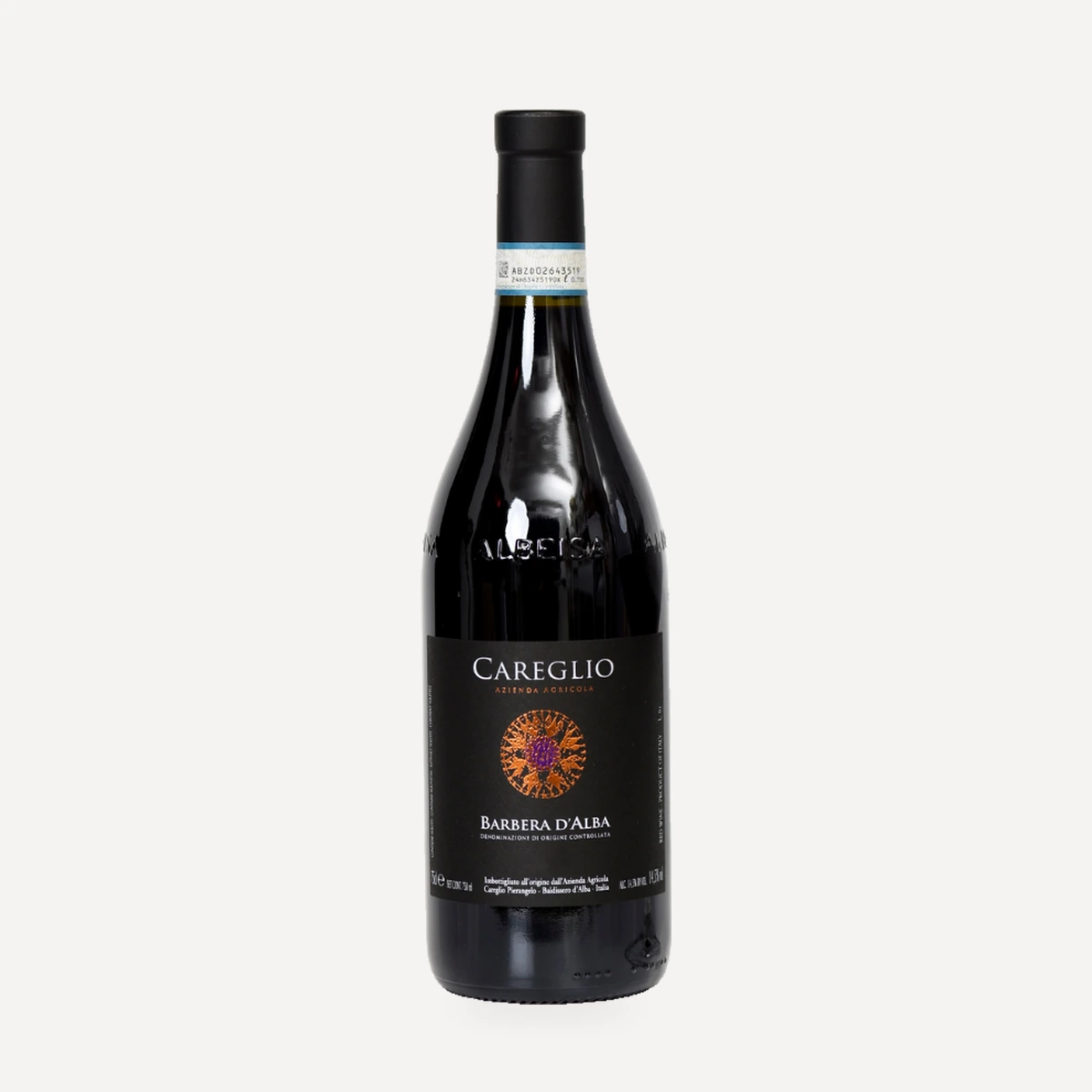
Barbera d’Alba DOC
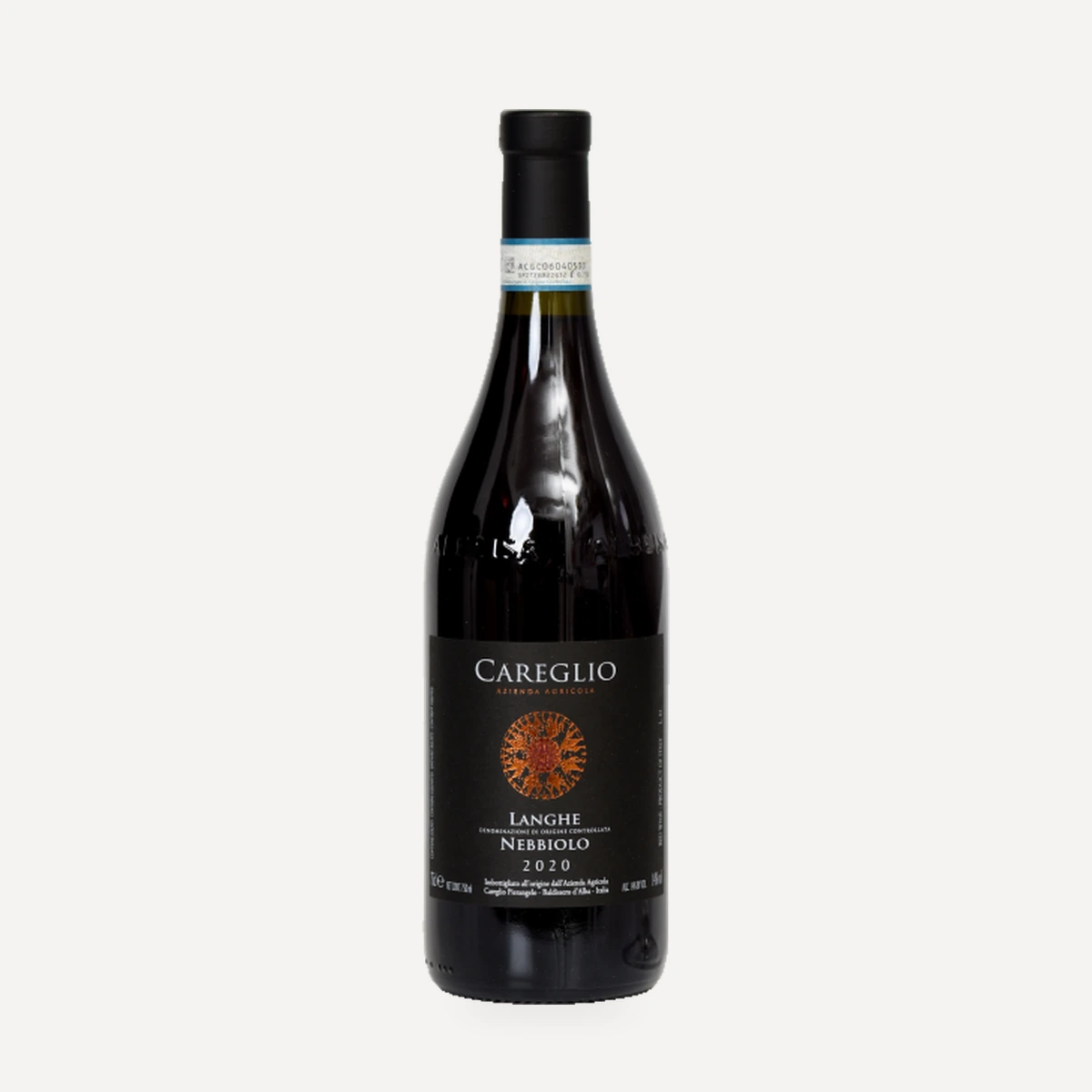
Langhe Nebbiolo DOC
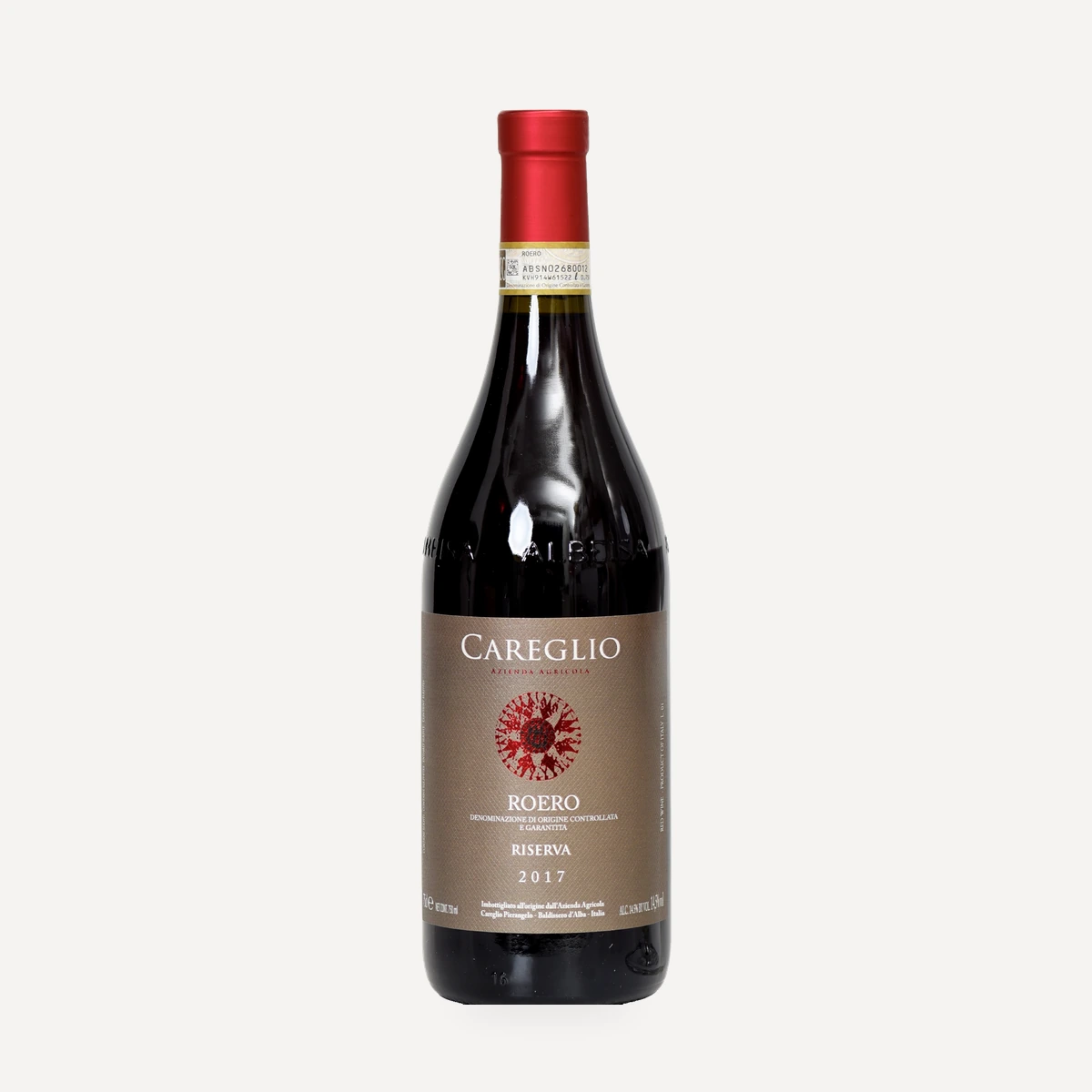
Roero Riserva DOCG
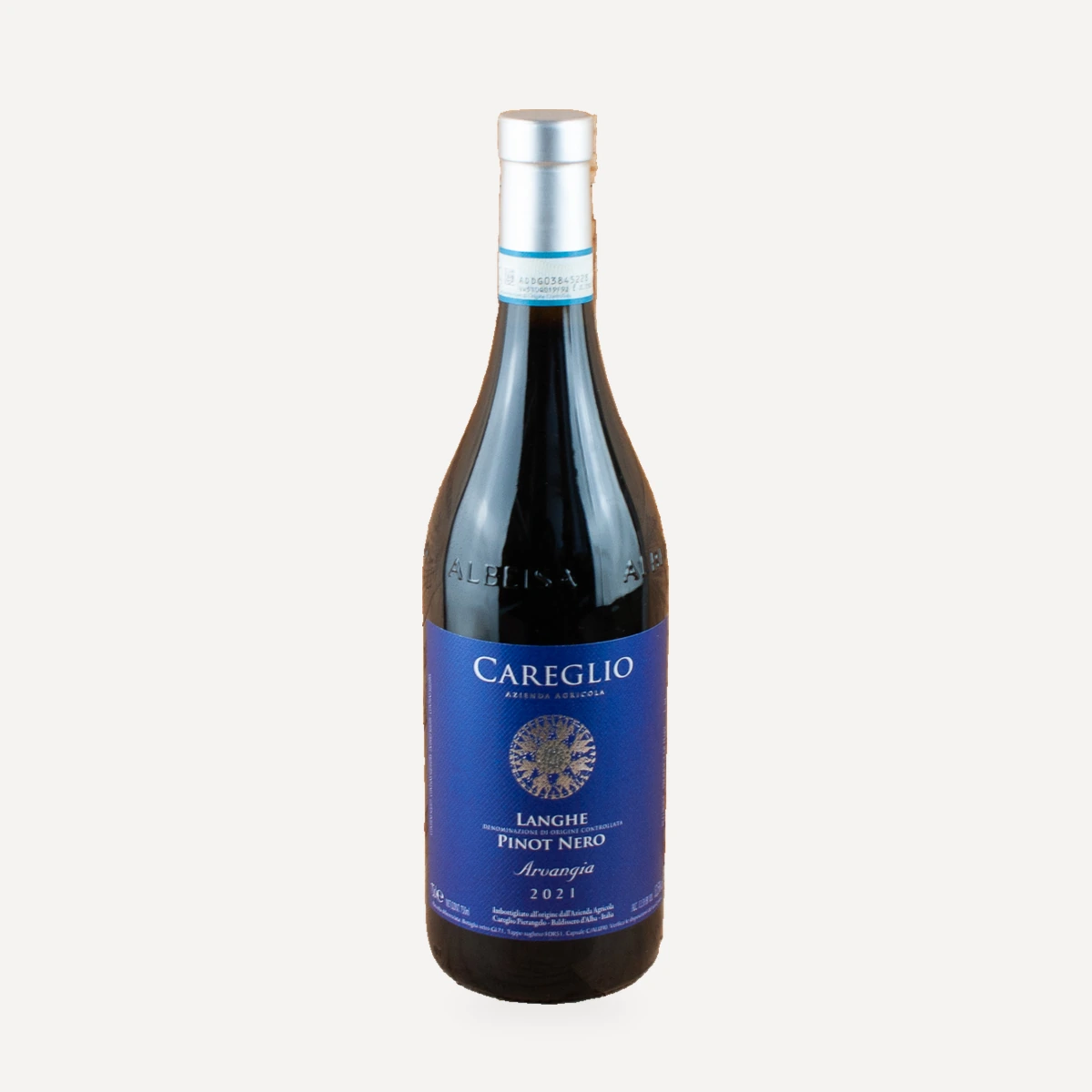
Langhe DOC Pinot Nero Arvangia