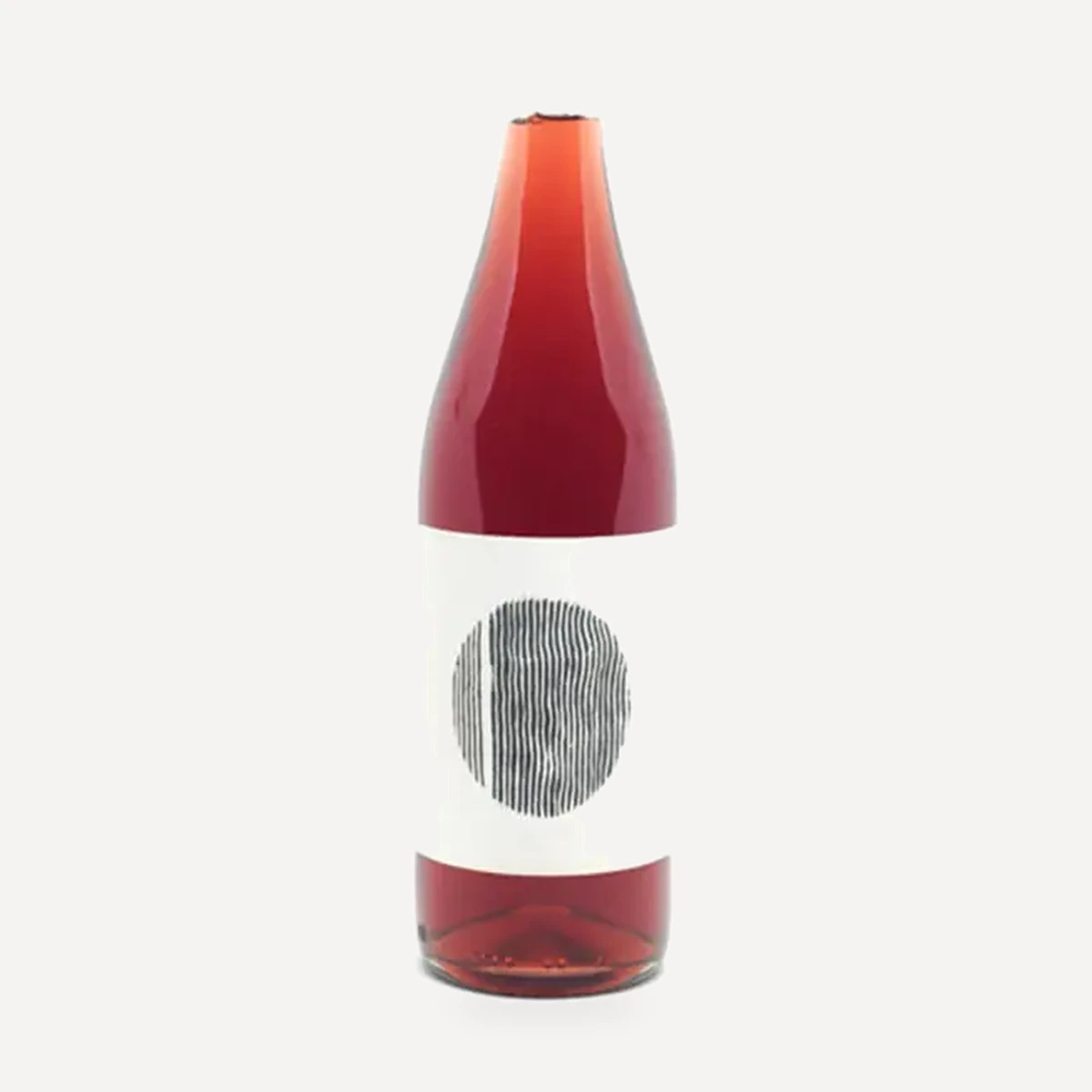
Storia
Maurizio Carucci’s agricultural formation
In 2000, at the age of twenty, Maurizio Carucci left his native Genova for the Ligurian-Piedmontese Apennines. He began studying anthropology at university, although he did not complete the degree, and simultaneously started an agricultural and naturalist education in the Genovese hinterland.
Foundation in Val Borbera
Maurizio and his partner Martina Panarese founded Cascina Barbàn in Val Borbera in 2012. Conceived as an agricultural and cultural collective rather than an industrial enterprise, the project combined the cultivation of local varieties of vegetables, cereals and pulses with natural wine production, cultural events and work intended to preserve the valley’s agricultural knowledge.
The collective recovered what it describes as the last historic vineyards around Figino. These old mixed vineyards, planted by local farmers by hand during snow-free periods in winter, were between 60 and 80 years old. Cascina Barbàn spoke with some of the people who had planted them, treating their experience as part of the recovery work. The vineyards contained both local and introduced varieties, conventionally growing and being harvested together.
The 2015 ampelographic survey
In 2015 Maurizio contacted Stefano Raimondi, an ampelographer and CNR collaborator, and asked him to help identify the grape varieties still present in Val Borbera. Their recognition work continued for more than two years. More than twenty varieties were identified in the old vineyards, including Muetto, Nibiò, Uva Rara, Timorasso, Moscato d’Amburgo, Barbera and Sangiovese.
Muetto proved especially significant. It was locally established but could not legally be planted because it had not been admitted to the regional register. The variety attracted attention for its ability to accumulate sugar, its relatively early ripening after mid-September and its late budbreak—almost two weeks later than the other varieties—which reduces exposure to the late frosts experienced in the Apennines.
Registration and propagation of Muetto
In 2018 the initial working group of Maurizio, Martina and Stefano was joined by Pietro Ravazzolo of Cascina Barbàn and Andrea Tacchella of Nebraie. Together they began the registration process for Muetto. The procedure was expected to cost more than €5,000 and potentially take three years.
After discussion with friends and contacts in the wine community, including Tommaso of Rolling Wine, the group launched a public crowdfunding campaign. The intention was to treat a grape variety as a shared resource and make its recovery a collective undertaking. Against a target of approximately €6,000, the campaign raised more than €13,000 through local and national participation.
Three years of microvinifications, analyses and observations followed. Muetto was ultimately admitted among the varieties that may be cultivated in Piemonte, allowing any grower to plant it and make wine from it. Cascina Barbàn planted approximately 1.5 ha of Muetto in two phases beginning in 2018; other growers inside and outside Val Borbera subsequently began preparing their own plantings.
New vineyards and a renewed Val Borbera wine identity
Recovery of the old vineyards was accompanied by new planting in places historically associated with viticulture: the piana delle Moiette, Pian del Tè and the cantine della Boffalora. Approximately 4 ha were planted, around 80% as mixed-variety vineyards. After years of work with CNR, two nearly forgotten Val Borbera varieties were identified and propagated with the assistance of nurseryman Pierpaolo Santamaria.
These plantings supported a group of wines centred on local material: Barbàn combines roughly twenty-five white- and red-skinned varieties in the older manner of co-harvesting and co-fermentation; Muetto brings together Muetto and Mostarino; and Albera combines Muetto, Mostarino and Nibiò. The project presents these wines as a contemporary continuation of Val Borbera’s mixed-vineyard tradition rather than an attempt to standardize it.
Terroir
Cascina Barbàn is based at Cantine di Figino, in the municipality of Albera Ligure in Val Borbera, Provincia di Alessandria, Piemonte. Its vineyards, vegetable gardens and cellar are at Cantine di Figino; a second agricultural and hospitality base is at Torre di Figino.
Val Borbera was formed by the Borbera torrent, a tributary of the Scrivia. It lies between four provincial territories—Alessandria, Pavia, Piacenza and Genova—and retains strong historical and cultural ties with Liguria. Val Boreca lies to the east; Val Vobbia, Val Brevenna, Alta Val Trebbia and Valle Spinti to the south; Val Curone, Val Grue and Valle Ossona to the north; and the Scrivia bounds the valley to the west.
High mountains isolate the valley from its neighbours. Limited industrial development has helped preserve its natural environment, and it is the only valley in Piemonte bordering Emilia-Romagna. Lower-valley vegetation includes alder, elm, hazel, oak, chestnut and non-native acacia. Mulberry, once cultivated, has largely given way to cereals and fodder. Beech, oak and chestnut characterize the upper valley, with occasional larch and other conifers. The area supports foxes, hares, squirrels, wild boar and traces of Italian wolves; approximately 70% of Apennine birdlife is represented in the valley.
Late spring frosts are a recurring viticultural hazard in this Apennine environment. Muetto is well adapted to that pressure: it buds almost two weeks later than other varieties while ripening relatively early, after the first half of September. Its adaptation, together with the diversity of the old mixed vineyards, forms an important part of Cascina Barbàn’s understanding of the valley’s viticultural identity.
Vinificazione
Viticulture is centred on the recovery of abandoned old vineyards and the establishment of new mixed plantings. The historic vineyards around Figino preserve both local and introduced varieties rather than a single-grape monoculture. Cascina Barbàn and CNR collaborator Stefano Raimondi catalogued this material, while nurseryman Pierpaolo Santamaria propagated nearly forgotten local vines for replanting.
Approximately 4 ha of new vineyards were planted at the piana delle Moiette, Pian del Tè and the cantine della Boffalora. Around 80% of the new area consists of mixed plantings. Muetto accounts for approximately 1.5 ha planted in two phases from 2018 onward.
The farming philosophy rejects synthetic agricultural chemicals and treats biodiversity as an agronomic as well as ethical and cultural resource. Mixed populations provide a range of aromatic, phenotypic and agronomic characteristics and are considered more capable of responding to drought, frost and fungal pressure. This diversity is not forced into a fixed annual profile: differences in climate, the condition of individual plants, fertilization and fungal pressure are allowed to shape each harvest.
In the historic field blend, white and red grapes ripen within the same vineyard, are harvested together and are co-fermented. This continues the method practised by earlier generations in Val Borbera.
Cascina Barbàn defines its cellar work through low technology, spontaneous fermentation, extended contact with skins and lees, and the exclusion of additions other than grapes. Red-wine methods are applied to both red- and white-skinned fruit.
Mixed grapes from the historic vineyards are harvested and vinified together rather than separated by variety. Fermentations are spontaneous. Skin contact commonly lasts approximately 60 days or two months, while the most extended field-blend maceration reaches six months. Fibreglass tanks are used for fermentation and maturation. Other ageing vessels include stainless-steel tanks, a double oak tonneau and a used oak barrique. Documented maturation periods include eight months in double tonneau, one year in stainless steel and a further six months in used oak.
No sulphites or other substances are added to the documented wines. The intended result is a wine that varies with each year’s vineyard population and conditions rather than reproducing a standardized profile.
Filosofia
Cascina Barbàn describes itself as an agricultural and cultural collective of women, men and animals, and as an experiment rather than an industrial enterprise. Its work is deliberately shaped more by natural cycles and people than by machines and automation. The farm is conceived as both a real place and an open-air laboratory where fruit, vegetables, listening, tolerance and peace can be cultivated alongside one another.
Nature is placed above all other considerations. Agriculture, food, cultural events and seminars belong to the same project, with farming treated as a way of examining relationships between people, other living beings, landscape and community.
Biodiversity is fundamental to the wine work. Its value is ethical and social, but also aromatic, agronomic, phenotypic and cultural. Mixed vineyards are regarded as better equipped to remain healthy under drought, frost and fungal pressure. The estate accepts that their proportions, colours, acidity and aromas shift from year to year. Attempting to reproduce one vintage precisely would conflict with the changing climate, plant health, fertilization and disease pressure that determine each season.
The recovery of inherited vineyards is paired with forward-looking planting. Knowledge from the farmers who established the old vineyards is preserved, while new sites and nearly forgotten local grapes are used to imagine a future for Val Borbera wine.
The same anti-industrial position governs the cellar. Synthetic agricultural chemicals are rejected, and wine is made without substances other than grapes. Cascina Barbàn links methods used in the field and cellar with a broader rejection of domination and exploitation, presenting mixed plant populations as both agricultural biodiversity and a model of coexistence.
Vini
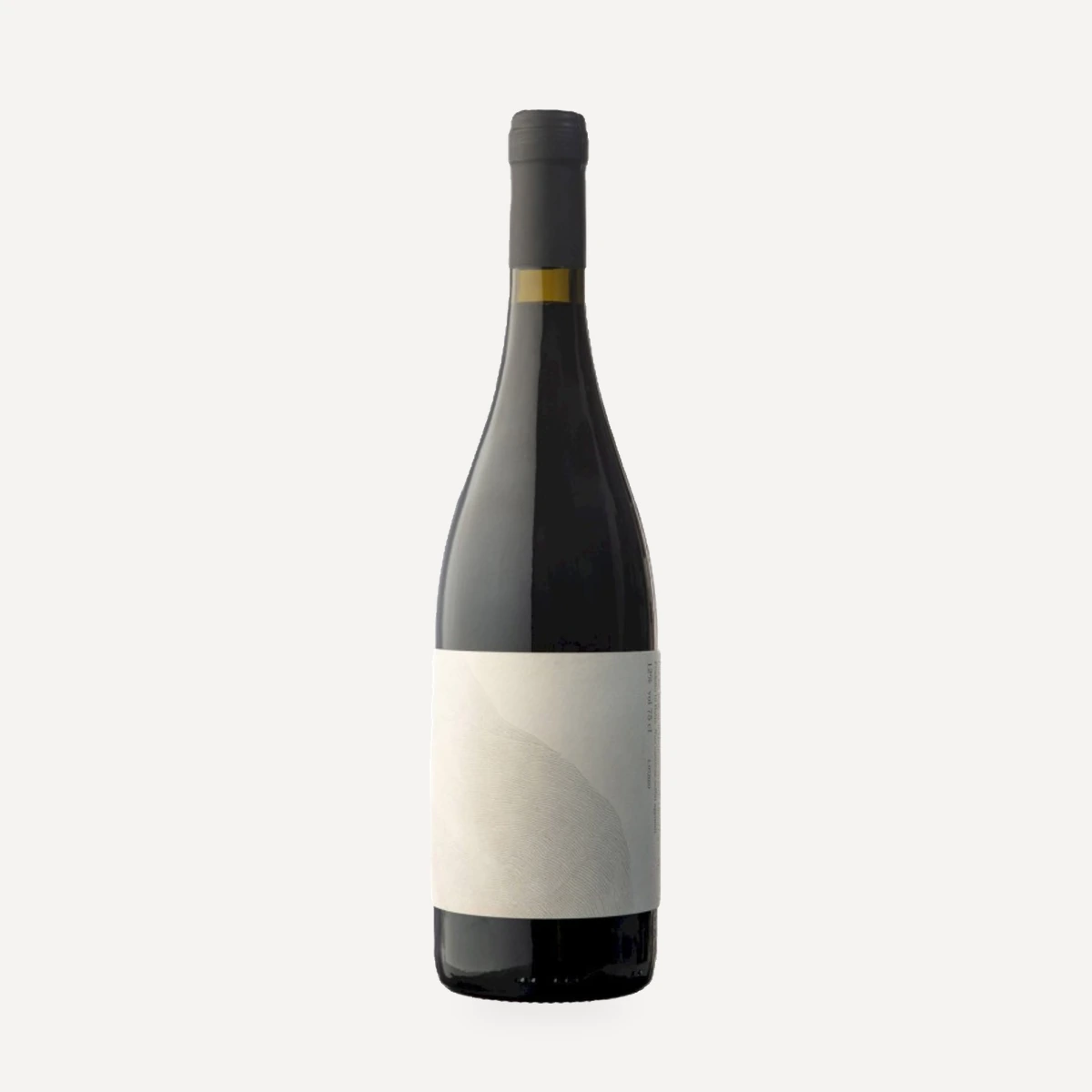
Barbàn
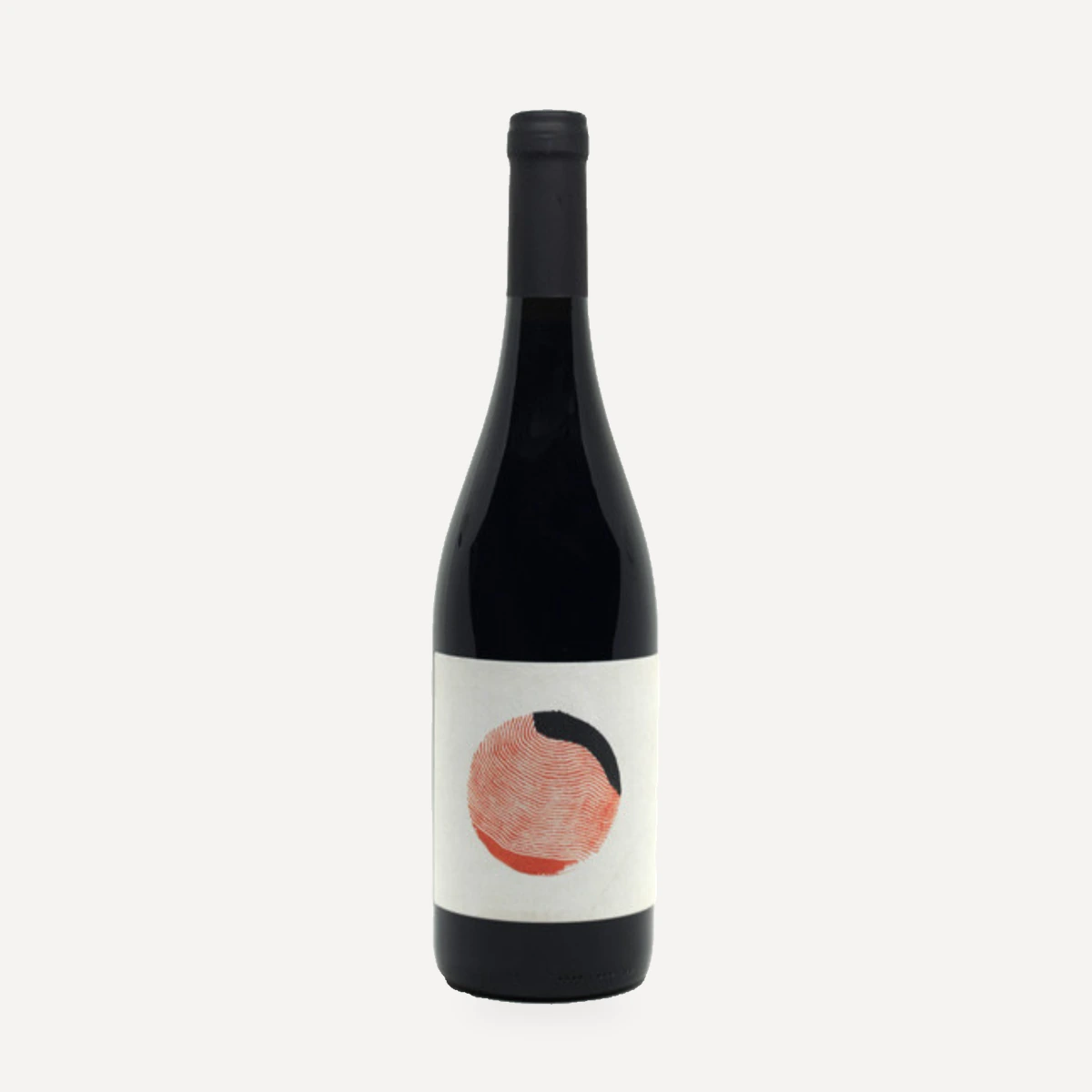
Albera
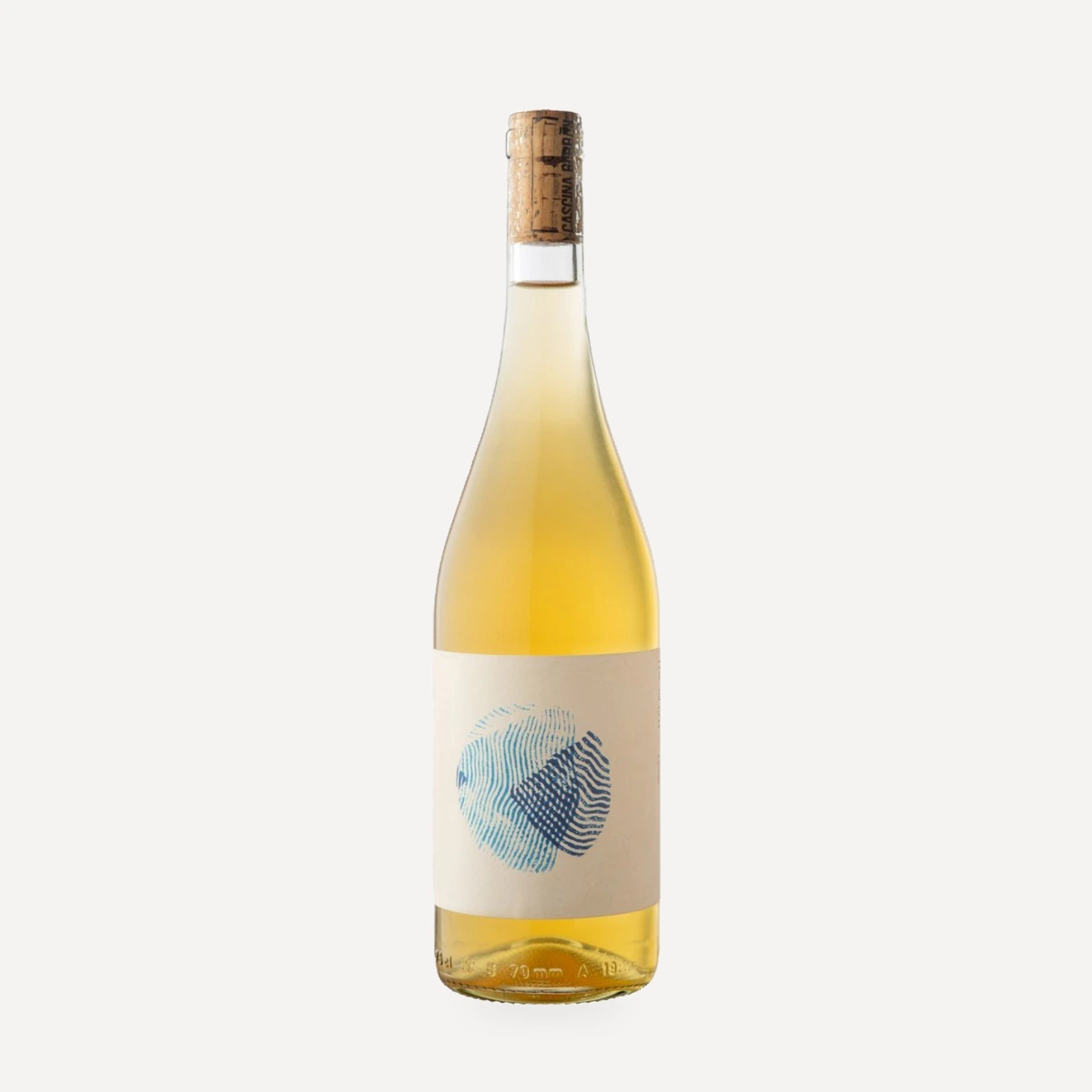
Boffalora