Storia
Eight generations in Barbaresco
The Minuto family describes eight generations of winegrowing in Barbaresco. The family’s connection to the place therefore predates the formal creation of Cascina Luisin, although no dates or names are given for those earlier generations.
1913 — Foundation
Luigi Minuto founded Cascina Luisin in 1913. He was the great-grandfather of present owner Roberto Minuto, establishing the direct family succession identified for the estate.
Continuous family management
Cascina Luisin has remained under family ownership and management since its foundation. The family retains control across the production chain: pruning and other vineyard work, harvest, cellar operations, sales, marketing and public relations.
The present estate
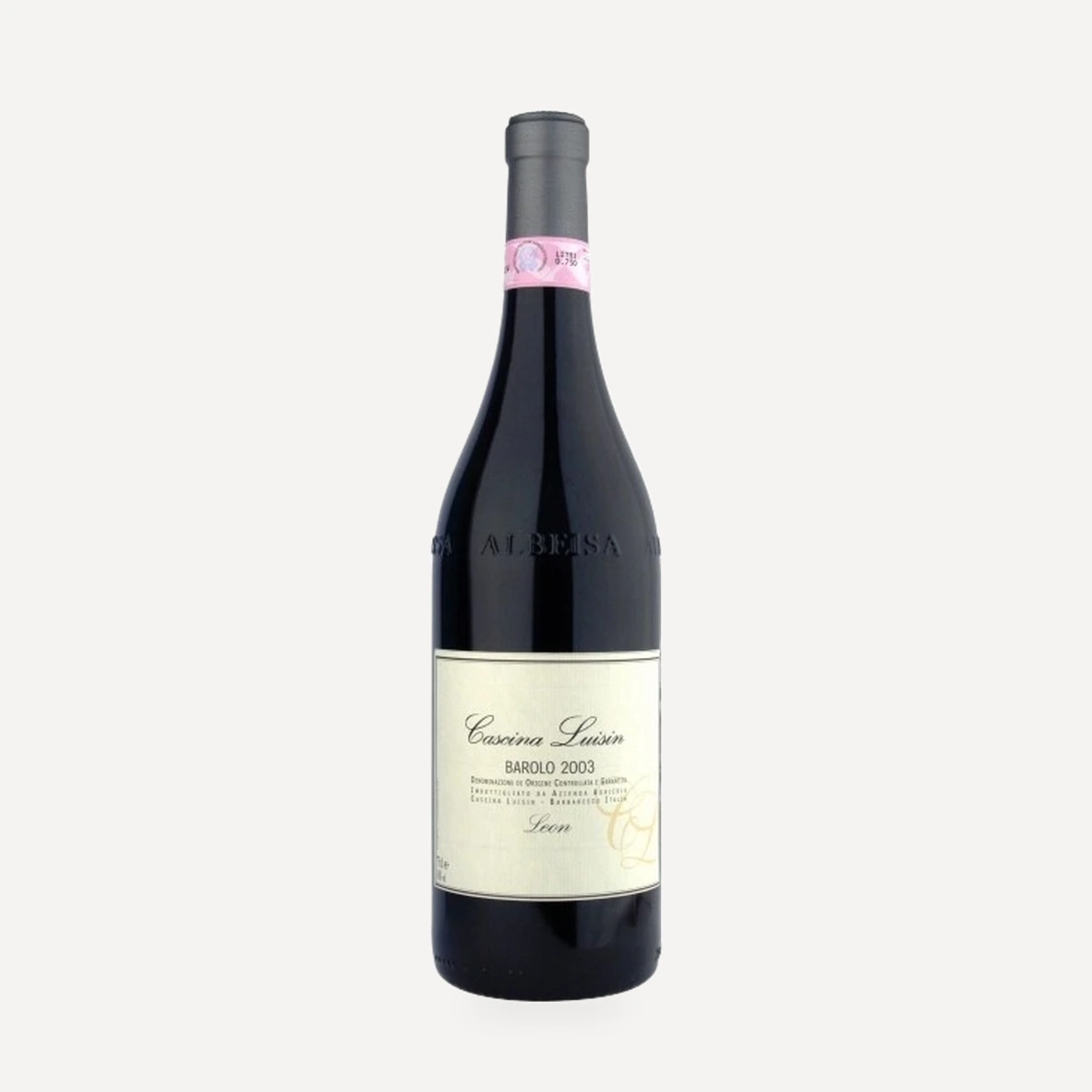
Under Roberto Minuto’s ownership, Cascina Luisin is based in the Rabajà area of Barbaresco. It cultivates 8 hectares of vineyards and produces an average of 40,000 bottles annually from Nebbiolo, Barbera, Dolcetto and Arneis. Its range encompasses the Langhe and Roero denominations Roero Arneis, Dolcetto d’Alba, Barbera d’Alba, Langhe Nebbiolo, Barbaresco and Barolo.
Terroir
Cascina Luisin is based in the Rabajà area within the territory of Barbaresco. Its vineyard holdings extend beyond the home commune to Neive, Alba’s San Rocco Seno d’Elvio locality, Rodello, Vezza d’Alba and Serralunga d’Alba.
The documented sites range from 270 to 600 metres above sea level and occupy east-, southeast-, south- and southwest-facing slopes. The highest documented vineyard lies at 600 metres in Rodello, while the Barbaresco and Neive sites are generally recorded between 270 and 320 metres. The Arneis vineyard in Vezza d’Alba, at 300 metres with southeast exposure, has sandy, calcareous soil.
The individually identified Barbaresco locations include Rabajà and Asili. Rabajà lies at 310 metres with southwest exposure. The documented Asili sites occupy southwest- and east-facing positions at 300–320 metres. Sorì Paolin in Neive faces south at 270 metres. A further Barbaresco vineyard associated with the Riserva is recorded at 270 metres with southern exposure.
Vinificazione
The family directly supervises vineyard work from pruning through harvest as part of its control over the complete production chain. Viticulture is presented as a central element of the estate’s philosophy and as the basis for preserving the identity of individual sites.
All documented vineyards use Guyot training. Recorded yields vary by variety and site: approximately 80 quintals per hectare for the Arneis vineyard; 50 quintals per hectare for the Dolcetto and Langhe Nebbiolo sites; 45–50 quintals per hectare for Barbera; and 40 quintals per hectare for the Barolo and Barbaresco vineyards.
The documented harvest calendar begins around mid-September for Arneis and Dolcetto. Barbera is normally harvested at the beginning of October, while Nebbiolo is generally harvested in mid-October.
The family maintains direct control over cellar operations. Traditional vinification is adapted to the grape variety and vineyard, with stainless steel, cement and large Slavonian oak all represented in the cellar program.
White-wine work
Arneis is crushed and left with the must for several days before gentle pressing and separation from the skins. Cold settling takes place at approximately 10°C, followed by a controlled-temperature alcoholic fermentation lasting 20 days. The wine remains on its lees in stainless-steel tanks for three months and then refines for another three months in bottle.
Shorter red fermentations
Dolcetto undergoes a fermentation of approximately ten days at a constant 28°C. Malolactic fermentation follows in 30-hectolitre Slavonian oak for approximately two months, after which the wine moves to stainless steel to retain freshness and fruit character. Bottle maturation lasts 12 months.
Barbera protocols use fermentations of approximately 10–12 days at 28°C. Stainless steel is used for the Maggiur expression, followed by maturation in 40-hectolitre Slavonian oak and 12 months in bottle. The Asili Barbera undergoes malolactic fermentation and 20 months of maturation in 20-hectolitre Slavonian oak, followed by 12 months in bottle.
Nebbiolo and extended maceration
Nebbiolo fermentations take place principally in cement. The Langhe Nebbiolo remains in cement for about 20 days: punch-downs are vigorous during the first five days for extraction, then become gentler to manage tannin. Malolactic fermentation and 12 months of maturation follow in 20-hectolitre Slavonian oak, with another 12 months in bottle.
The Barolo protocol begins with eight days of vigorous punch-downs in cement for colour extraction, followed by a further extended phase of gentler extraction. Malolactic fermentation and maturation take place in 30-hectolitre Slavonian oak; the stated maturation period is 36 months.
The documented Barbaresco protocols generally involve approximately 40 days in cement, with energetic punch-downs during the first eight days and gentler extraction thereafter. Malolactic fermentation and maturation then take place in large oak vessels. Asili uses 30-hectolitre oak, while the Italian technical material specifies 40-hectolitre vessels for Rabajà and Sorì Paolin. Bottle maturation is 30 months.
The Riserva undergoes malolactic fermentation and maturation in 40-hectolitre Slavonian oak. Its combined maturation and refining period is 36–48 months.
Filosofia
Cascina Luisin’s philosophy joins careful viticulture with respect for traditional vinification. The objective is to allow the character of each vineyard to remain perceptible rather than imposing a uniform cellar identity.
Family management is integral to this approach. Control is retained from pruning and harvest to cellar work and commercialization, allowing the same family to oversee the complete sequence. The technical material reflects this site-conscious philosophy: vineyards are documented separately by commune, exposure, elevation, vine age and yield, while related Barbaresco sites are vinified with closely comparable methods to preserve their natural differences.
Vini
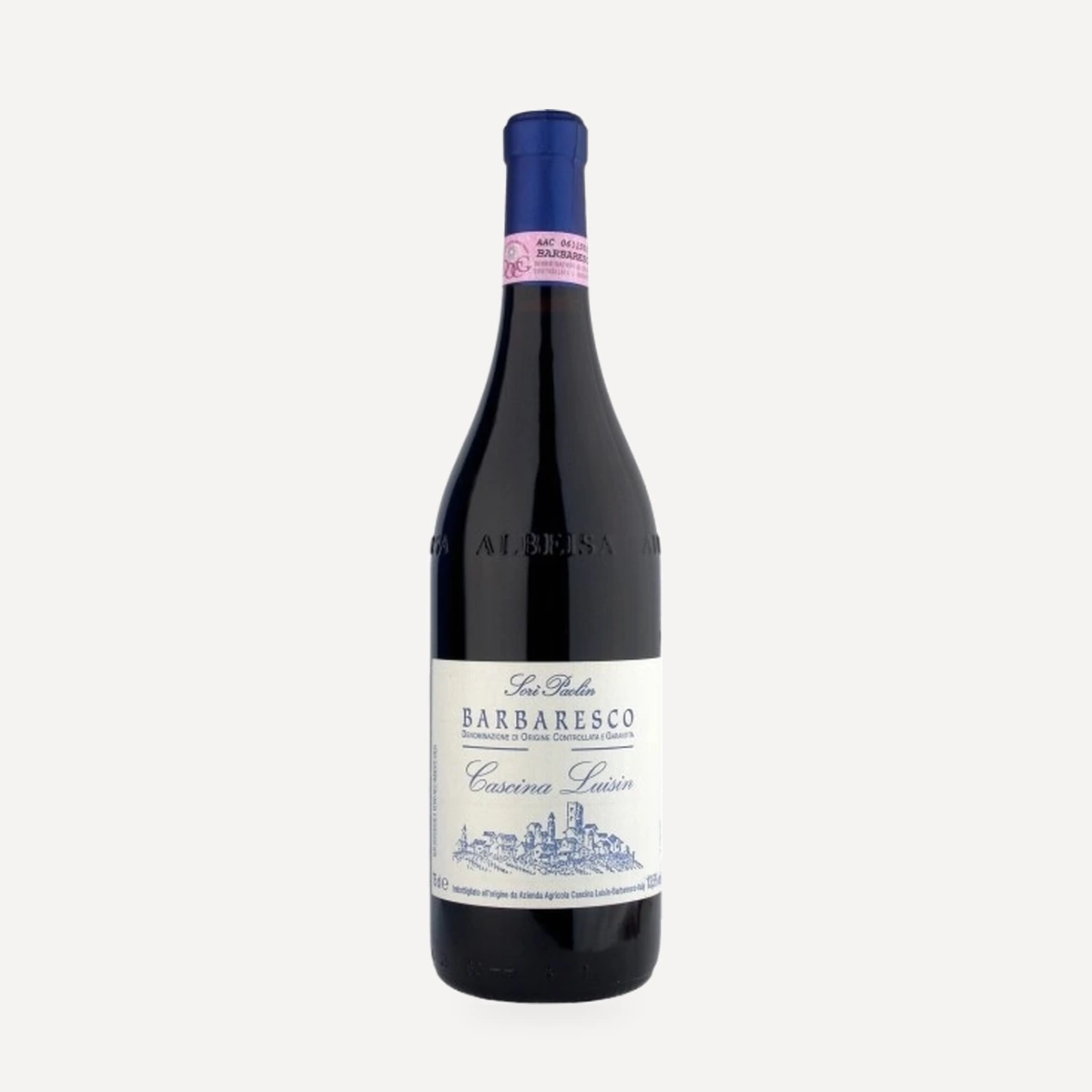
Paolin
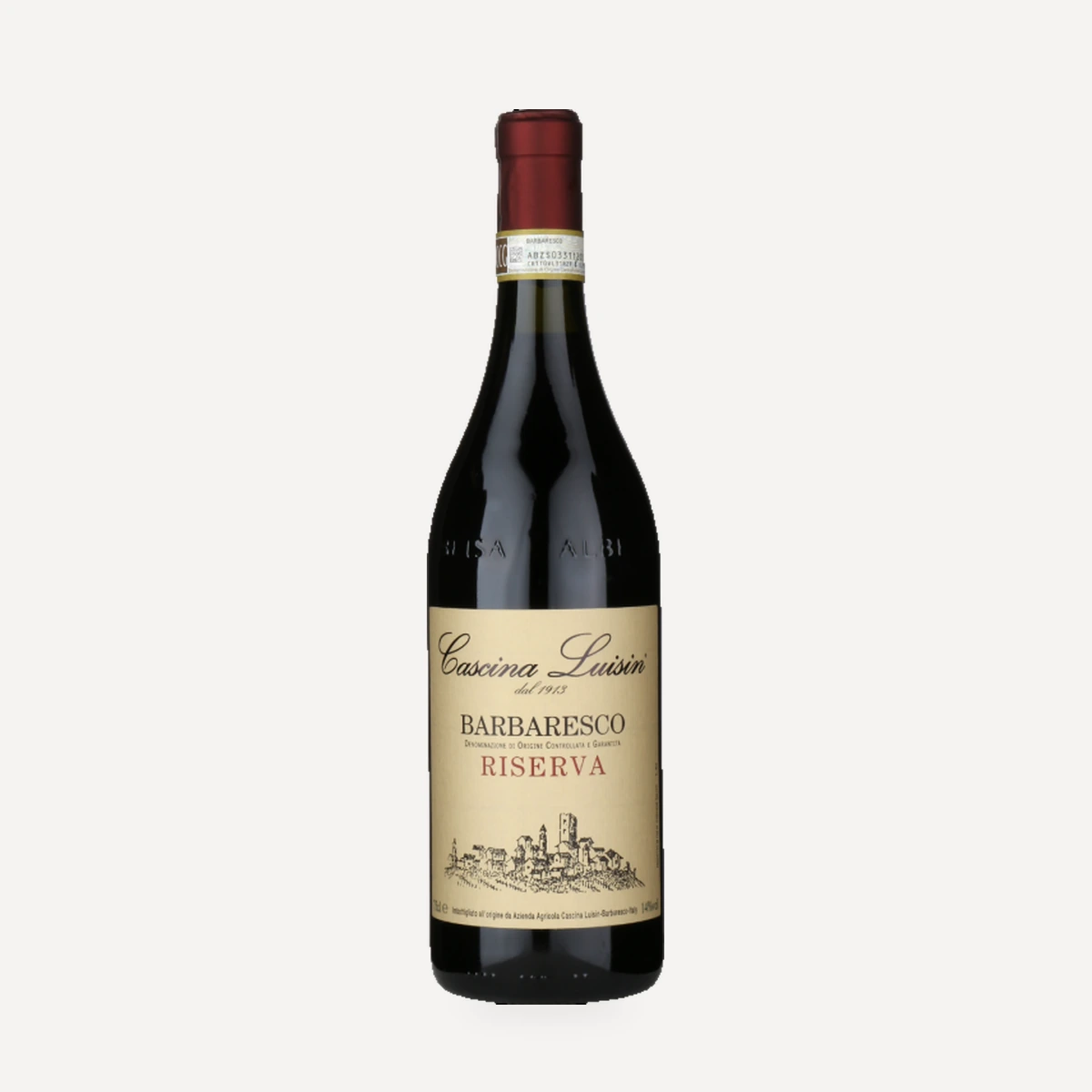
Barbaresco Riserva
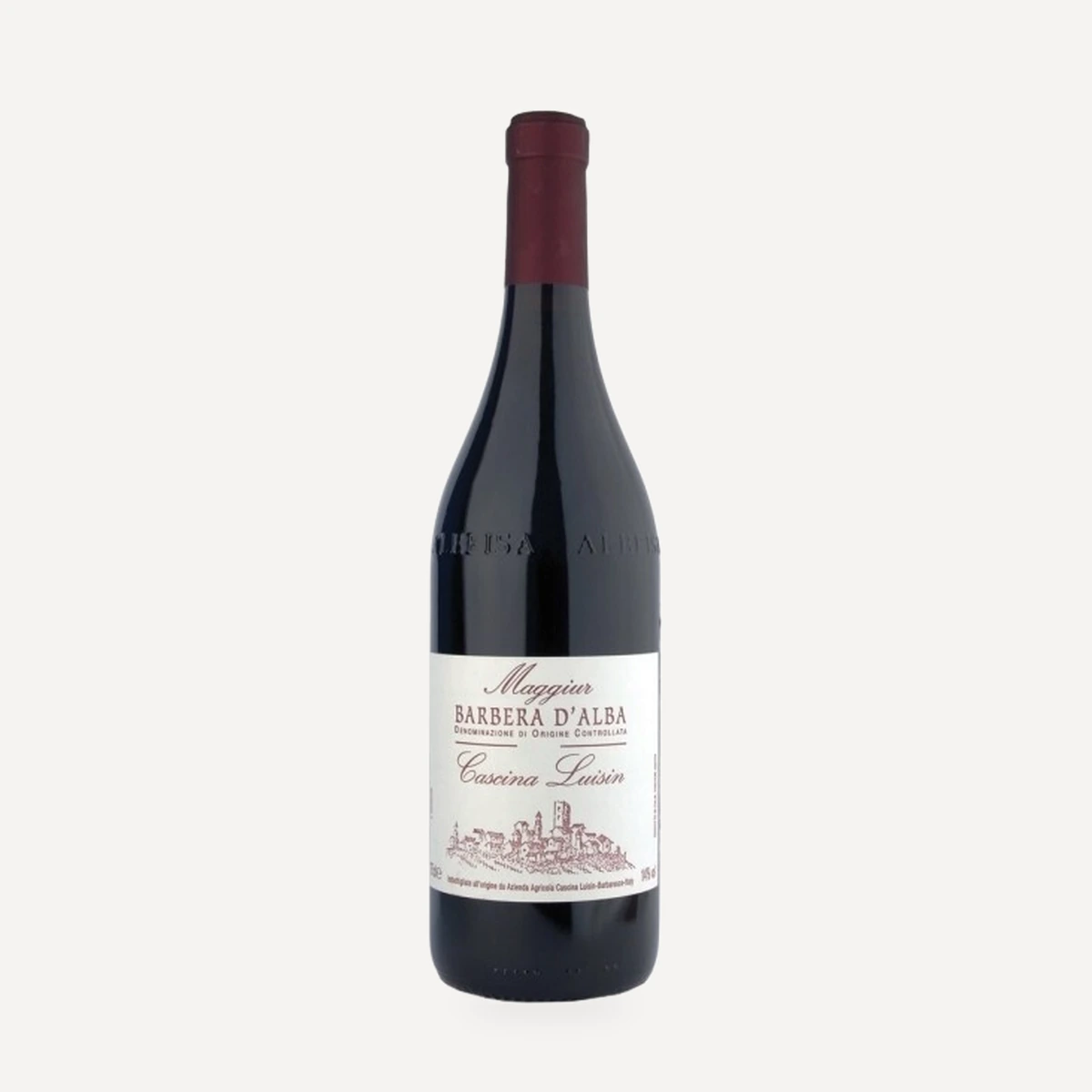
Maggiur Barbera