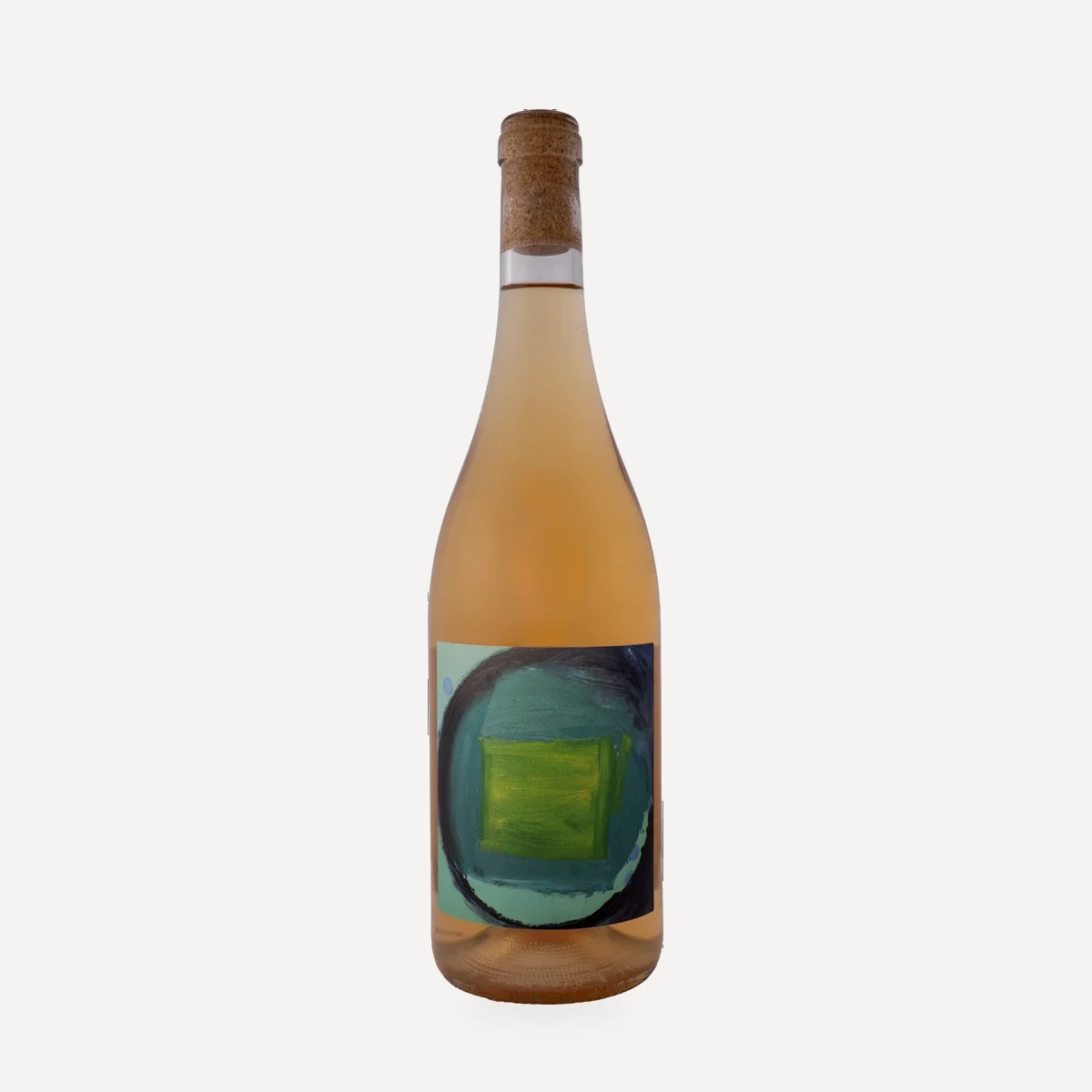
Storia
Abandonment and rediscovery
The estate lies in a part of Monferrato whose hills had largely been abandoned after the Second World War, allowing woodland to become the dominant feature of the landscape.
Deirdre O'Brien and Maurizio Caffer discovered the area in 2005, while they were both living in Ireland. Drawn to its wild, wooded hills, they subsequently restored the old farmhouse and began reclaiming the abandoned land. Vineyards were replanted on ground where vines had grown decades earlier.
Establishment of Cascina Val Liberata
Cascina Val Liberata was founded by Deirdre and Maurizio in 2013. Biodynamic cultivation was adopted during the farm's early development, forming the basis of their relationship with the land and their work as farmers.
That same year, they tasted an experimental monovarietal Slarina made by the researchers who had helped recover the variety. Its personality, finesse, aromas and tannic structure convinced them of the potential of this nearly forgotten Piemonte grape.
The recovery of Slarina
Slarina had traditionally been cultivated in Piemonte, particularly in the Alessandria sector of Monferrato. Its naturally low yields contributed to its near disappearance during the first half of the twentieth century, when growers increasingly preferred more productive varieties such as Barbera and Bonarda.
Research by Anna Schneider and Stefano Raimondi led to Slarina's admission to Italy's Registro Nazionale delle Varietà di Vite in 2007. Cascina Val Liberata planted its first Slarina vineyard in 2014; the variety now occupies 1.5 hectares of the estate.
Restoration of the cellar
The farm also recovered old pozzolanic-cement tanks dating from the beginning of the twentieth century. After restoration, these became the principal vessels for fermentation and ageing.
Terroir
Cascina Val Liberata occupies approximately 10 hectares in the hills of Monferrato at Villamiroglio. Four hectares are planted to vines, while most of the remaining land is woodland. The landscape had been largely abandoned after the Second World War and was progressively reclaimed after Deirdre O'Brien and Maurizio Caffer arrived.
The vineyard elevations represented across the estate's wines range from approximately 250 to 350 metres above sea level. The vines occupy hillside terrain with calcareous-clay soils. Slarina and Nebbiolo each cover 1.5 hectares; Baratuciàt and Grignolino each cover 0.5 hectares.
Vinificazione
Cascina Val Liberata follows a biodynamic approach throughout the agricultural year.
Pruning is carried out from January through March during the descending moon, after which the cut shoots are removed from the vineyard. In March, the Guyot fruiting canes are tied with willow shoots grown on the farm, positioning the cane before budbreak.
Vine growth is at its strongest in May, June and July. Work during this period concentrates on canopy management and preventive protection against downy mildew and powdery mildew. Treatments consist of biodynamic preparations, contact copper and powdered sulphur.
Harvesting is manual. Baratuciàt opens the picking season in early September, while Nebbiolo completes it in October. After harvest, winter preparation includes aerating the soil and either sowing a green-manure cover crop or spreading compost.
The cellar primarily uses restored historic cement tanks for both fermentation and ageing. Constructed in the early twentieth century, the vessels are made from pozzolanic cement. Pozzolana—the aggregate from which the material takes its name—originates around Pozzuoli near the foot of Vesuvio and belongs to the same family of cementitious materials used by the ancient Romans.
Fermentations begin spontaneously through the action of indigenous yeasts and proceed without temperature control. The wines are neither clarified nor filtered. This restrained cellar work is intended to allow vital fruit from the vineyards to evolve with minimal intervention and retain the imprint of the farming.
Filosofia
Cascina Val Liberata's work is founded on biodynamic farming and close observation of natural cycles. Deirdre O'Brien and Maurizio Caffer regard the farmer as an active participant in the vineyard ecosystem: the objective is to work with natural processes through observation and well-timed action rather than oppose them.
Their stated mission is to grow vital fruit capable of evolving in the cellar with minimal intervention and becoming wine that reflects the work performed in the vineyard. Biodynamics is also presented as a means of developing a deeper connection with the land and giving purpose to their work as farmers.
Vini
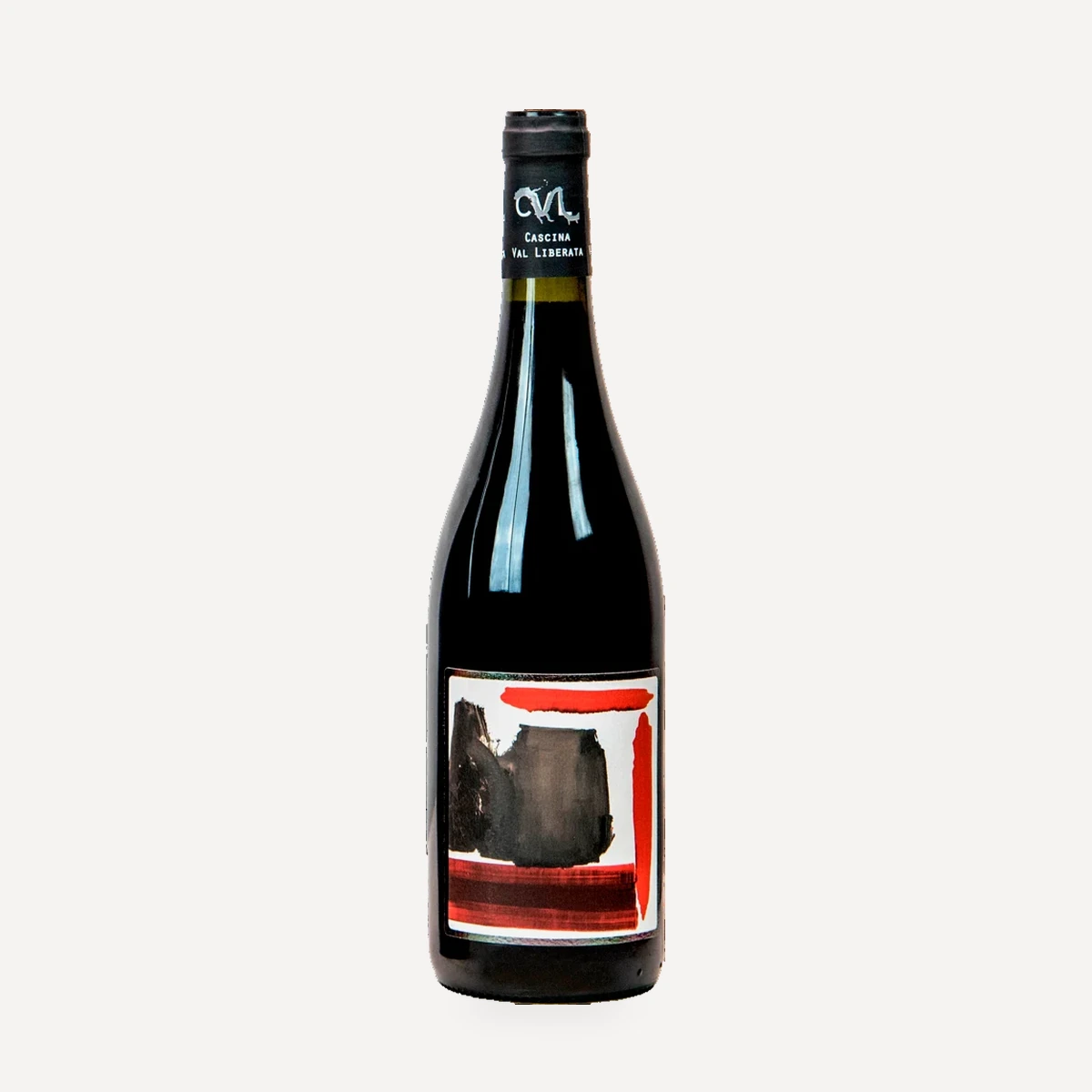
Cenerina
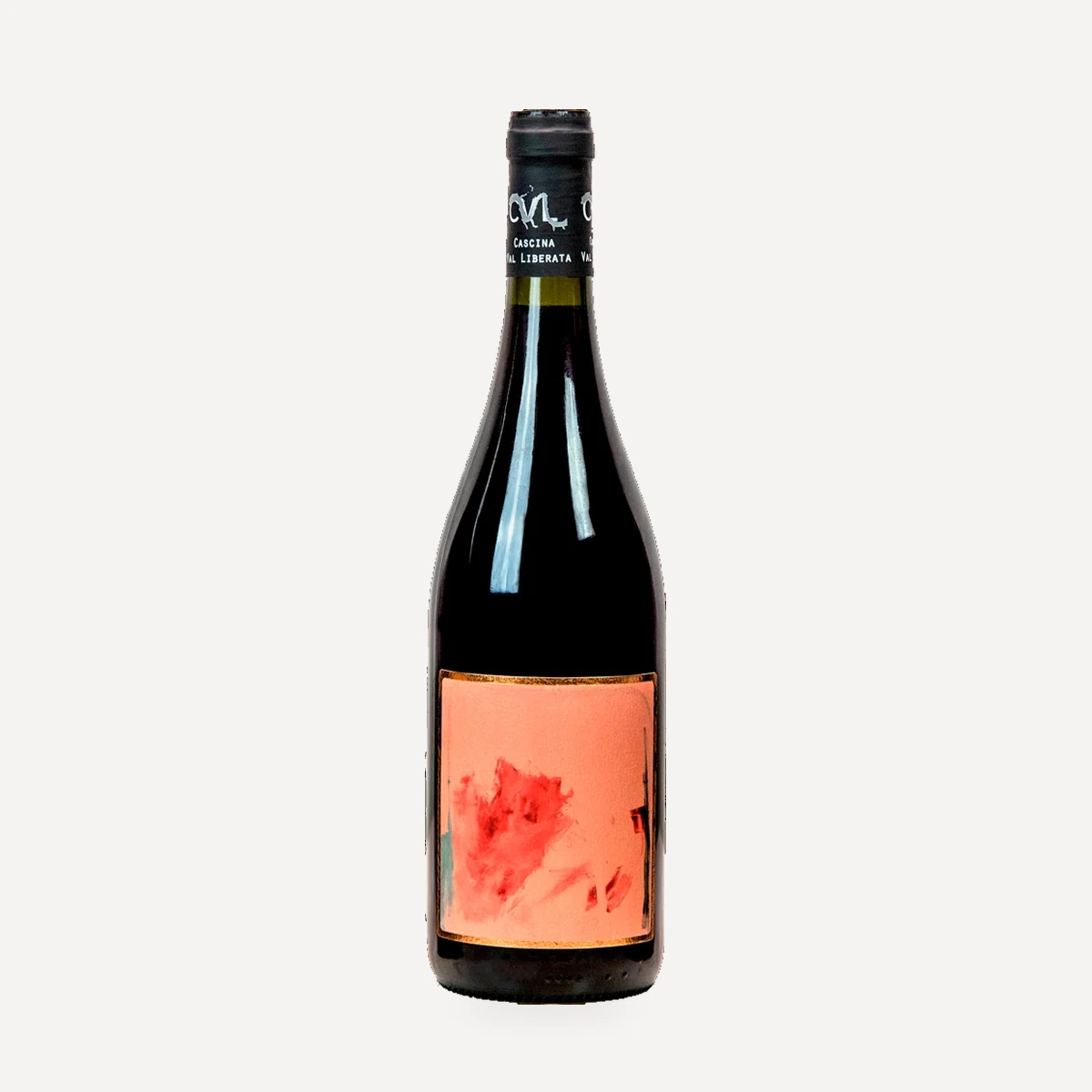
Anarkoide
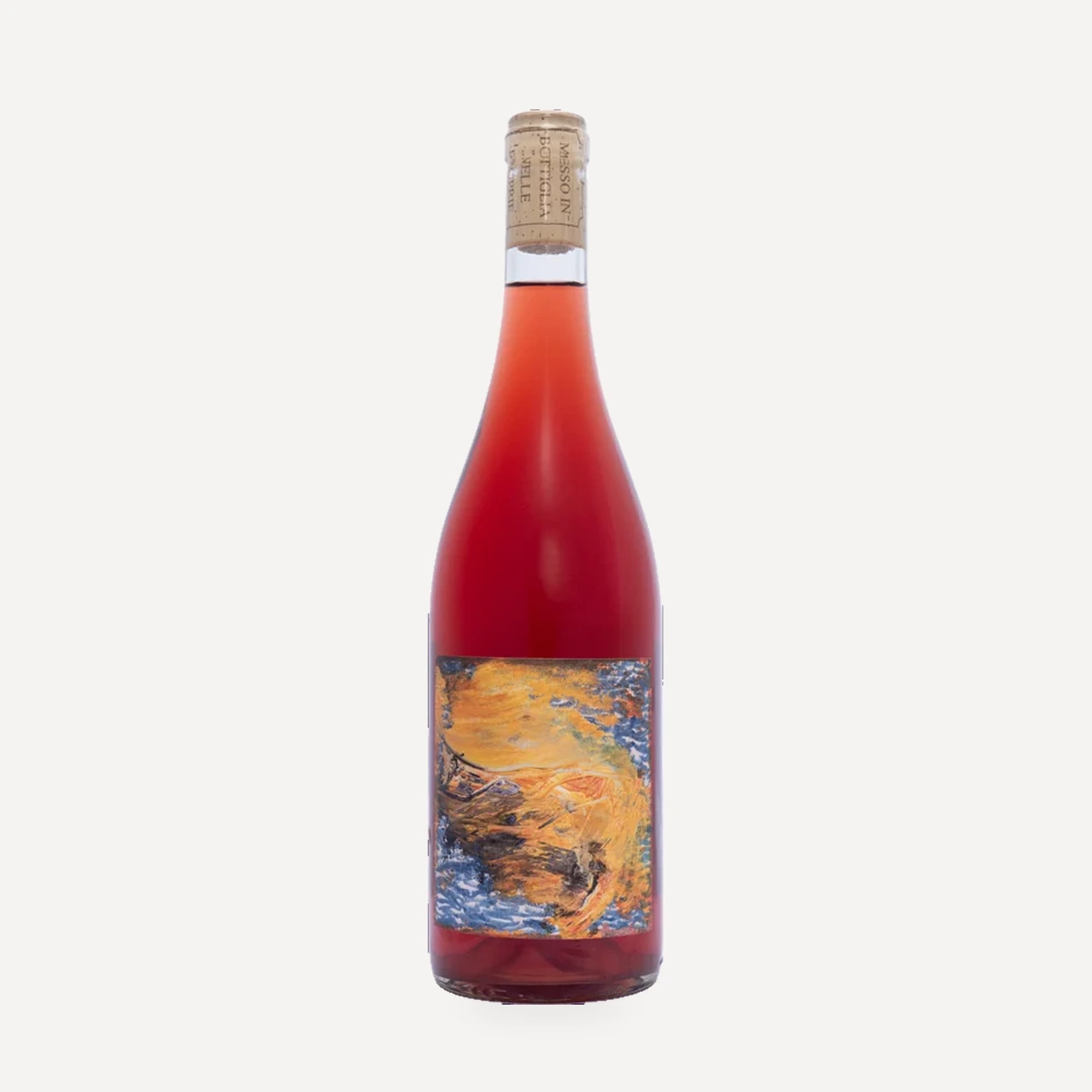
Chiaro
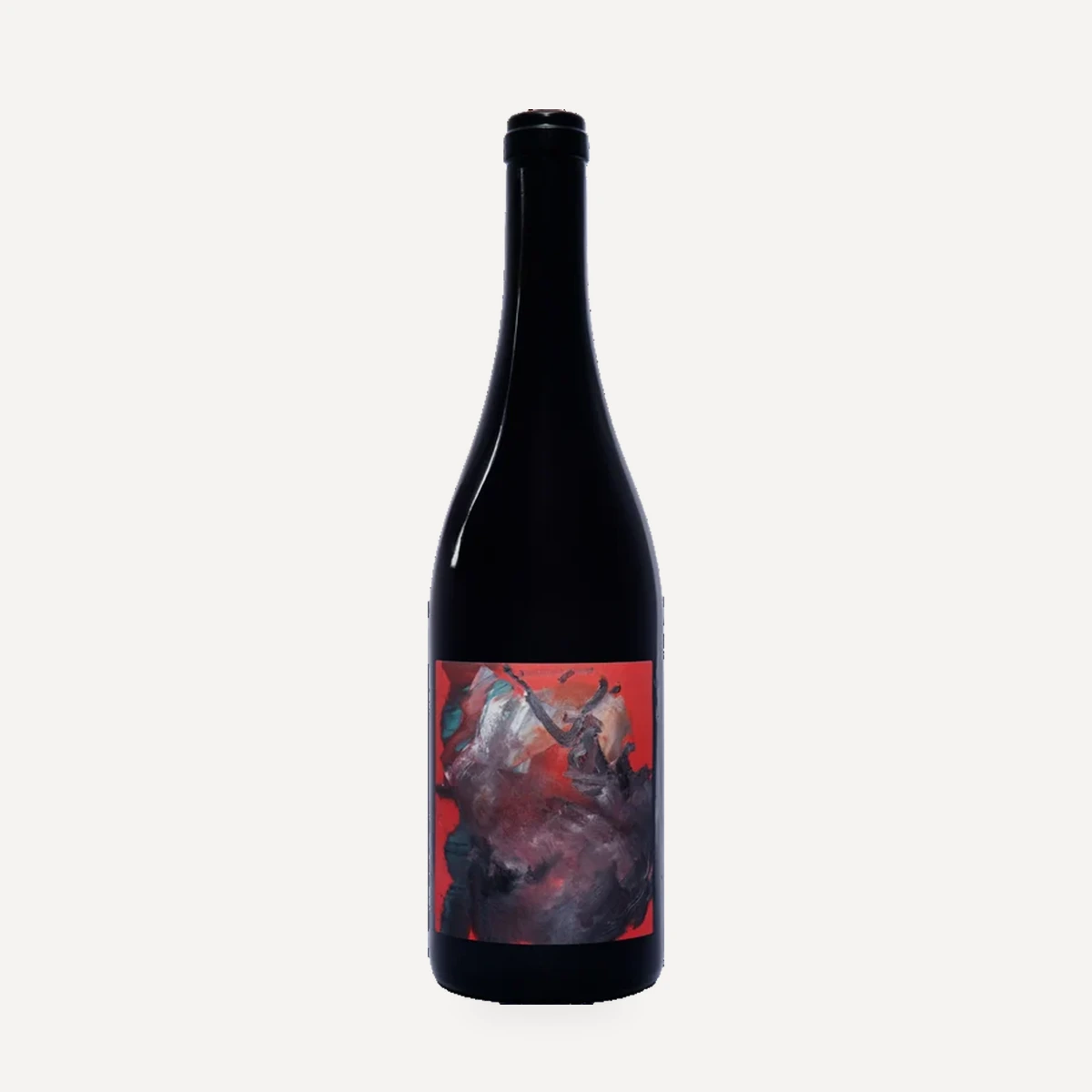
Groove
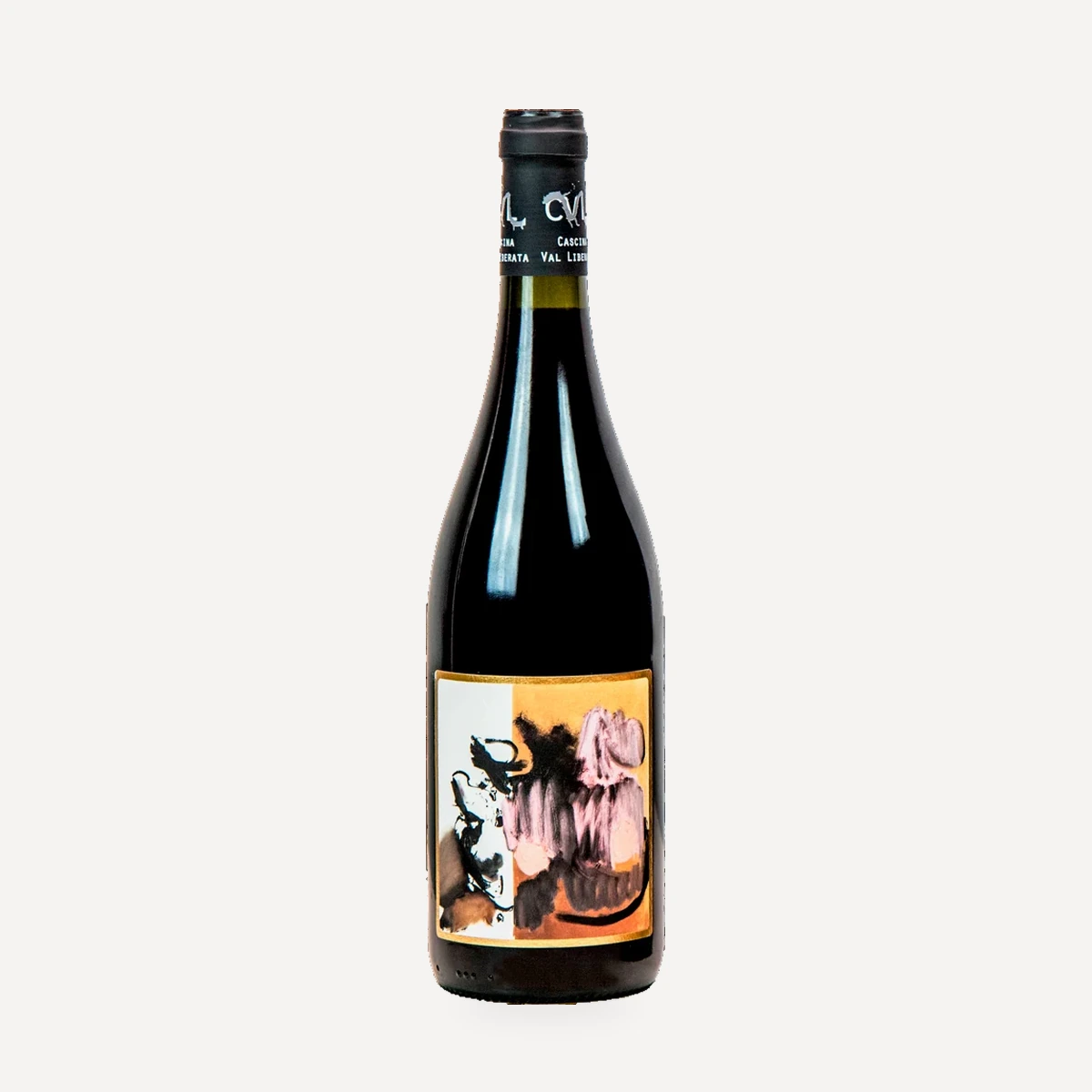
La Musa