Storia
Early 1800s: the documented origins
The Corino family’s documented presence in Costigliole d’Asti begins in the early nineteenth century with Biagio Corino, who came from Montegrosso d’Asti. Biagio worked as both a carpenter and a farmer. His son Battista continued those activities and also worked as a nurseryman in the locality identified on historical maps as Case Corini.
The original houses were constructed largely from unfired bricks and timber beams. After passing into other ownership, they disappeared or were demolished during the 1950s.
1898: the San Martino votive pillar
In 1898, before the present family residence had been built, Battista erected a votive pillar at the road junction in front of the property. It survives as part of the entrance fence to the courtyard. The pillar commemorated his nephew’s escape from serious harm after an accident involving a horse-drawn cart.
Battista dedicated it to San Martino, the patron associated with wine. This dedication records wine as one of the family’s sources of livelihood by the end of the nineteenth century.
Luigi Corino and the new family house
Battista’s son Luigi combined work on the farm with the craft of watchmaking. He trained in specialist workshops in Milan and Geneva and used a pedal-powered lathe to fashion watch cases from ivory blanks, often made from damaged billiard balls that could be purchased cheaply. He then installed the mechanism, generally producing pocket watches. His business expanded to shops in Costigliole d’Asti and Nizza Monferrato.
Luigi’s commercial success helped finance the new house on Strada San Martino. His son Vincenzo completed its rural section in 1901.
1901–mid-1950s: Vincenzo “Centin” Corino
In 1901, Vincenzo Corino enlarged the residence by adding its agricultural section and continued the farming activity with particular care. Known as Centin, he later gave his nickname to one of the estate’s wines. He was remembered for his skill and dedication in tending fields, vineyards and animals, as well as for making high-quality wine. During the market conditions of the mid-1950s, however, that quality did not receive corresponding commercial recognition.
1944–late 1960s: Pietro and Leonilda
Pietro, one of Vincenzo’s sons, returned to his father’s farm in 1944 after approximately two decades in construction. He settled there with his wife, Leonilda Zari, restoring continuity and renewed energy to the agricultural enterprise.
Under Pietro, also known as Pierino, grapes and wine remained part of a diversified farm that also grew hemp, wheat, beets, fodder, maize and vegetables and raised cattle and farmyard animals. This centuries-old form of polyculture came to an end in the late 1960s. Pietro’s son Luigi took employment with FIAT and moved to Turin.
1947–1972: Lorenzo Corino’s formation
Lorenzo Corino was born two months after the memorable 1947 harvest, a vintage he associated with outstanding Barbera flavours. He grew up within the family’s agricultural tradition and later described his work on the estate as an expression of gratitude to his ancestors.
He graduated in Agricultural Sciences in 1972. His professional career began immediately at the Experimental Institute for Cereal Growing in Rome. A CNR scholarship subsequently took him to the Plant Breeding Institute in Cambridge, United Kingdom, where he worked on the genetic resistance of cereals.
1972–1989: research and continued family farming
After returning to Italy, Lorenzo worked first as a researcher at the Experimental Institute for Cereals and later at the Asti branch of the Experimental Institute for Viticulture of Conegliano Veneto. Alongside his scientific career, he continued collaborating with his parents on the family farm.
His research addressed vineyard soil and plant management, vegetative and productive balance, climatic trends, the behaviour of grape varieties and rootstocks in different environments, and the vineyard as an integrated biological system. In 1989, he became director of the Asti branch of the Experimental Institute for Viticulture.
Late 1980s: renewal of Case Corini
At the end of the 1980s, Lorenzo chose to renew and consolidate the farm. He purchased land that had formerly belonged to the Case Corini holding, enlarged the vineyard area, adapted the cellar and brought collaborators into the management of the business.
Early 1990s: the first export markets
From the early 1990s, Lorenzo’s work as a vigneron, researcher and communicator enabled Case Corini to establish its first foreign markets for high-quality wine in Massachusetts and Japan. This early commitment to international markets for Italian artisan wine became a foundation for the estate’s subsequent development. Distribution later expanded to the principal wine-consuming countries.
Early 2000s: Luisa and Guido join
Guido began working alongside Lorenzo in the early 2000s, followed later by Luisa. Their gradual involvement allowed both children to study their father’s scientific, agricultural and cultural approach in depth. The estate continued as a family-run, polycultural artisan farm centered on respect for its territory and the value of its produce.
2008–2013: Lorenzo’s later research career
From May 2008 to October 2009, Lorenzo directed the Research Unit for Table Grapes and Viticulture in Mediterranean Environments in Bari. From December 2009 through the end of 2012, he served as a manager at the Oenology Research Centre in Asti. In January 2013, he also assumed responsibility for the winegrowing project at Fattoria La Maliosa.
Across his career, he managed several research projects, coordinated the Labter sustainable-viticulture project in Cinque Terre National Park, belonged to O.I.L.B. and S.I.G.A., and was a member of the Accademia Italiana della Vite e del Vino. He authored or co-authored more than 90 technical and scientific publications concerning winegrowing and collaborated with institutions, regional administrations, consortia, producer associations and private enterprises in Italy and abroad.
2021–present: Luisa and Guido continue the estate
Lorenzo died on 4 November 2021 following a long illness. Luisa and Guido continue Case Corini, drawing on his teaching and preserving the family’s agricultural tradition, environmental priorities and long-term approach to vineyard stewardship.
Terroir
Case Corini is based in the hills of the municipality of Costigliole d’Asti in Piemonte, between Monferrato and the Langhe. Its vineyards are distributed across Costigliole d’Asti, Mongardino d’Asti and Santo Stefano Belbo at elevations of 230–250 metres.
The estate covers 18 hectares, approximately 6 hectares of which are vineyards. Woodland, arable fields and uncultivated land form the remainder, maintaining a polycultural landscape around the vines.
The named vineyards occupy long-established winegrowing locations. Barla and Ciabot del Moreto face southeast, while Achille e Colletto and Bricco face southwest. Barla, Achille e Colletto and Bricco have soils of marl and Asti sands; Ciabot del Moreto combines marl, sand and silt.
The historical context of Costigliole d’Asti includes the experiments of the Napoleonic-era diplomat and winegrower Marquis Filippo Asinari di San Marzano. After testing varieties originating in France and Spain as well as locally cultivated grapes, he identified Barbera as the area’s principal native variety. Contemporary records also described Barbera wine as sufficiently stable for extended journeys, including export to South America in wooden barrels.
Vinificazione
Vineyard work is predominantly manual and artisanal. Light machinery is used where necessary to limit soil compaction. Maintaining soil quality and extending the life of the existing vineyards are central priorities, particularly because some vines exceed 90 years of age and require dedicated, non-invasive and highly skilled cultivation.
Copper and sulfur are used for crop protection only when an actual need arises. When exceptionally adverse weather makes an acceptable result unattainable, Case Corini is prepared to forgo part of the crop; the 2014 harvest is given as an example.
Deciding the harvest date is treated as one of the most demanding operations because the choice must preserve the fruit’s maximum potential for the future wine. Grapes are selected before processing.
The broader estate alternates vineyards with woodland, arable fields and uncultivated ground. This reflects its identity as a polycultural artisan farm rather than a vineyard monoculture.
Selected grapes are processed for a long spontaneous fermentation lasting between one and two months. The fermenting must receives appropriate punch-downs during this period.
After fermentation, the wine is monitored through periodic rackings and matures for approximately three years in wooden barrels before bottling. No additives are used, including sulfur dioxide.
Filosofia
Case Corini defines itself as a polycultural artisan farm whose winegrowing begins with respect for the territory and the enhancement of its products. The working approach developed through Lorenzo Corino’s experimentation became known as the Corino Method.
Lorenzo regarded the vineyard as a complex biological system—an architectural structure inhabited by continuously changing balances and relationships. His scientific work and farming practice joined soil management, vine physiology, climatic behaviour, varieties, rootstocks and the surrounding environment rather than treating any element in isolation.
He advocated a fundamental reconsideration of Italian viticulture and oenology, with greater attention to environmental and ethical values and responsible use of renewable energy. He placed particular importance on the long-term value of the soil and surrounding environment, their careful use and the health value of their produce.
This approach appears practically in the preservation of very old vines, predominantly manual cultivation, light mechanization, restrained crop protection, spontaneous fermentation, long barrel maturation and the exclusion of additives. The willingness to sacrifice part of a crop during exceptionally difficult seasons places the integrity of the result ahead of maximizing volume.
Guido extends these principles into the relationship between agriculture, architecture and working spaces. His objective is a more balanced use of natural resources in both building and agricultural production while protecting the lasting quality and beauty of the territory. Luisa emphasizes continuity through knowledge of local traditions and history and their transmission to the next generation.
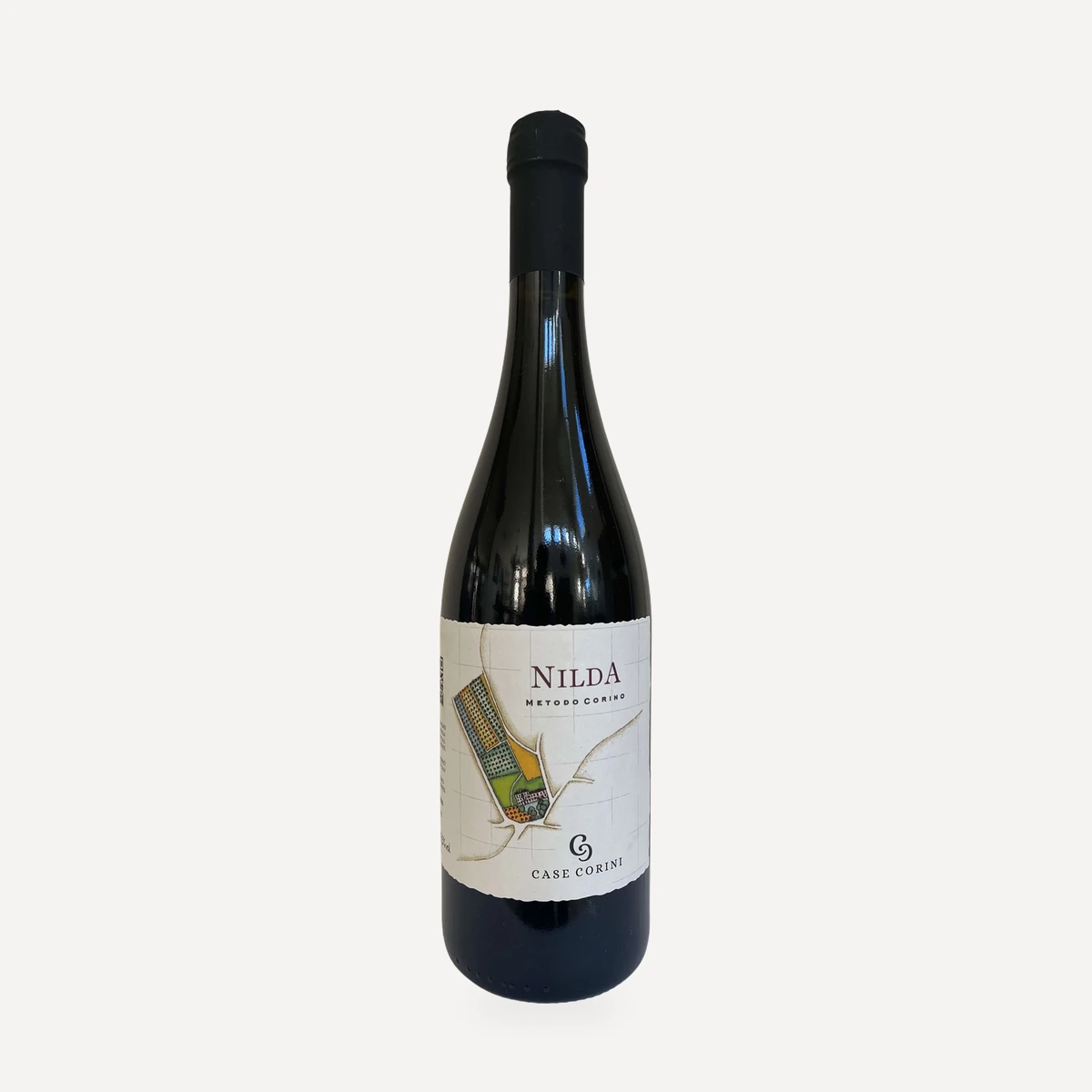
Vini
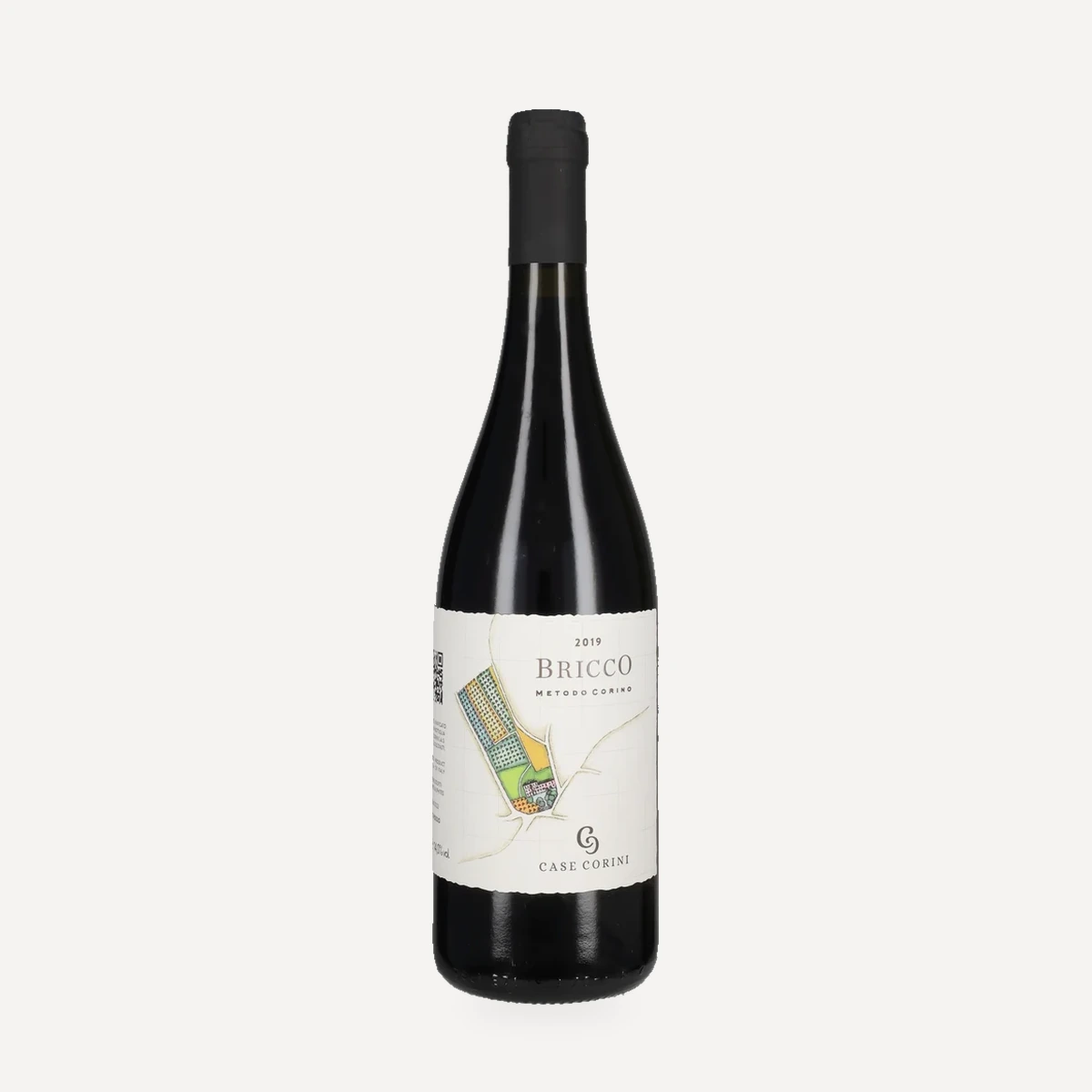
Bricco
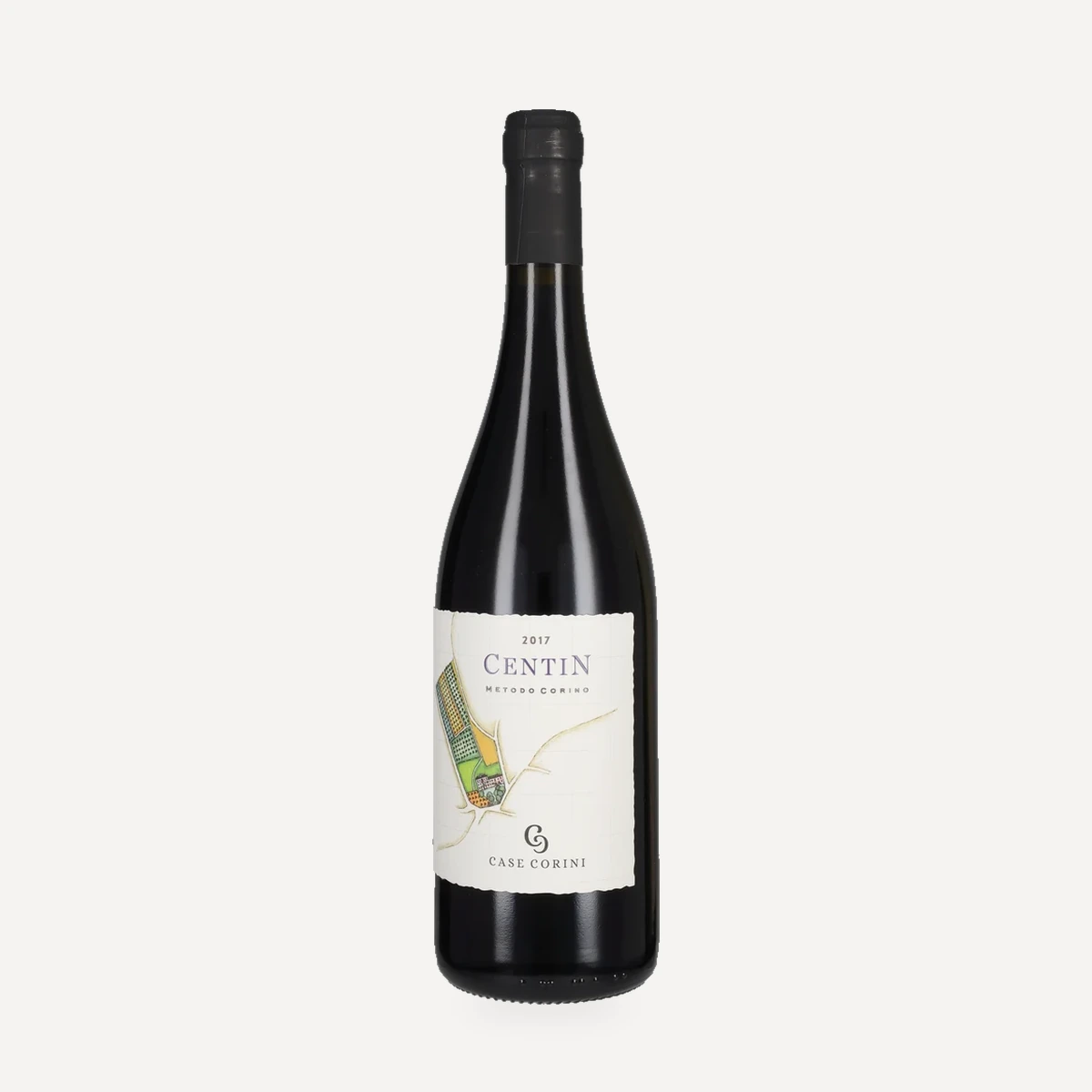
Centin
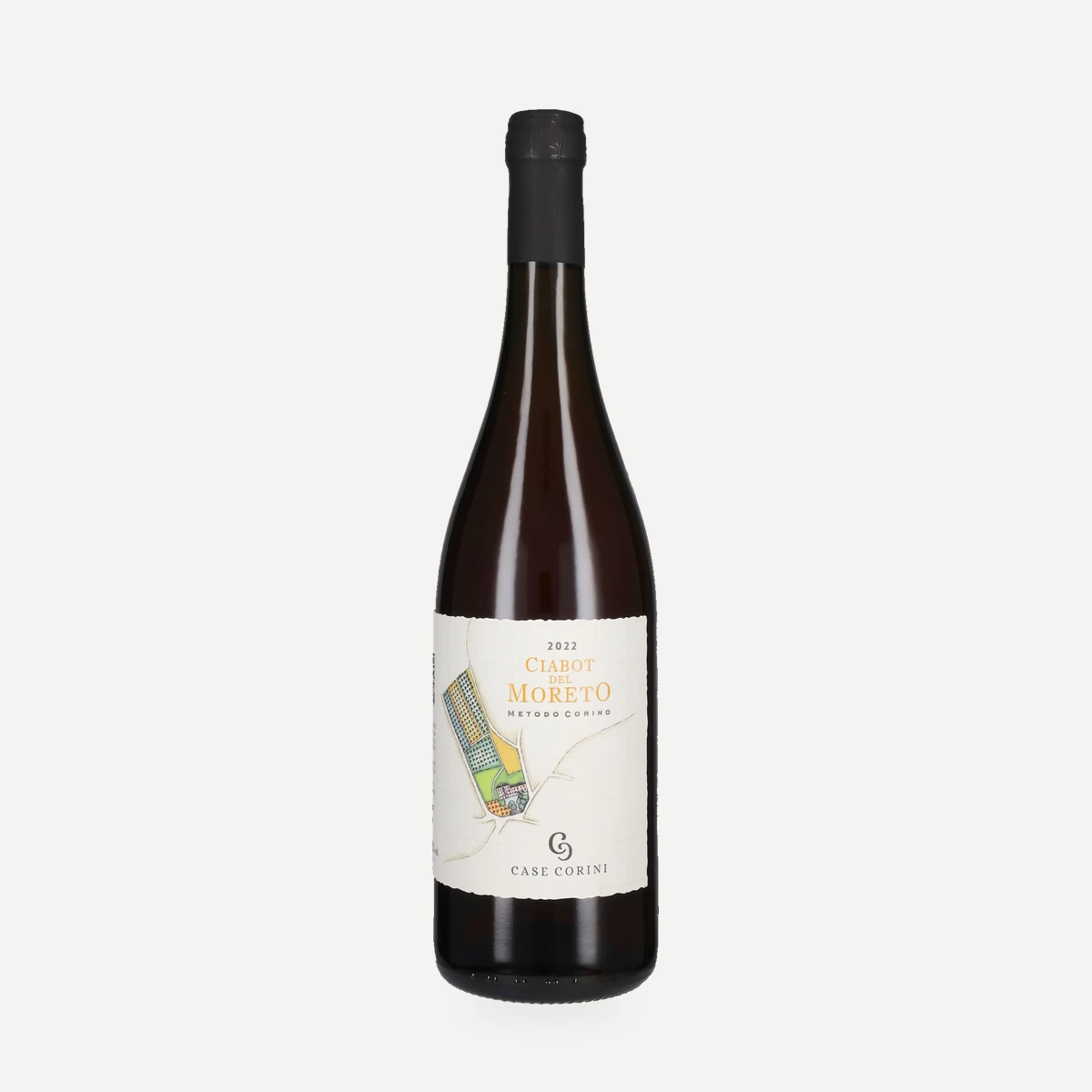
Ciabot del Moreto