Questo vino
Vineyard and terroir
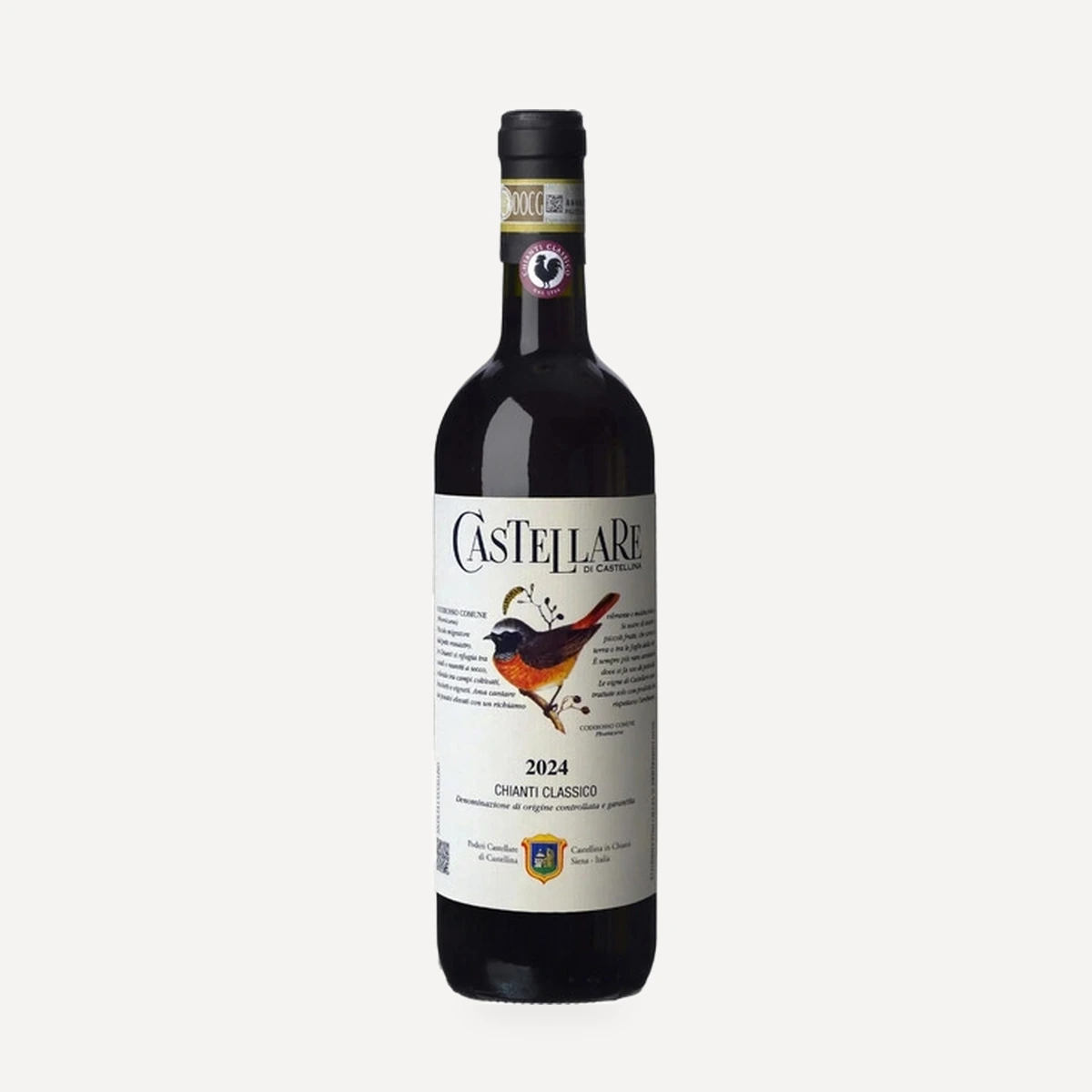
The vineyards are at Castellina in Chianti on limestone soils. The 2023 technical sheet places them at 350–400 m above sea level and gives a density of 3,500 plants per hectare. The vines are trained to single-arched-cane Guyot.
Grapes
Blend proportions vary by vintage. Latest published vintage (2023): 90% Sangioveto and 10% Canaiolo. The wine is based exclusively on native varieties.
Vinification
Vinification takes place in temperature-controlled stainless-steel tanks. Malolactic fermentation is completed.
Ageing
The wine spends seven months in used French oak barrels of 2.25 and 5 hl before bottling, then matures for a further seven months in bottle.
Technical data
The 2023 technical sheet gives a yield of 60 q/ha. Available formats are 0.375 L, 0.75 L, 1.5 L and 3 L.
Tasting profile
The 2023 wine is ruby red. Its fragrant, fresh nose presents red fruit, liquorice and blackcurrant with a touch of vanilla. The palate is round, soft and fruity, with gentle sweetness; acidity and persistence shape an elegant finish. The broader profile emphasizes harmonious tannins, delicate aromatic complexity and balance.
Serving and pairing
A versatile partner for structured main courses, stews and other dishes with sauces, and medium-aged cheeses.
Vintage notes
Spring 2023 brought heavier rainfall than recent years, especially in May and early June, requiring careful canopy management to limit fungal pressure. Warm conditions in July and August prevented pest attacks. Strong day-to-night temperature variation from late August into early September helped the grapes reach optimal ripeness.
Label / history
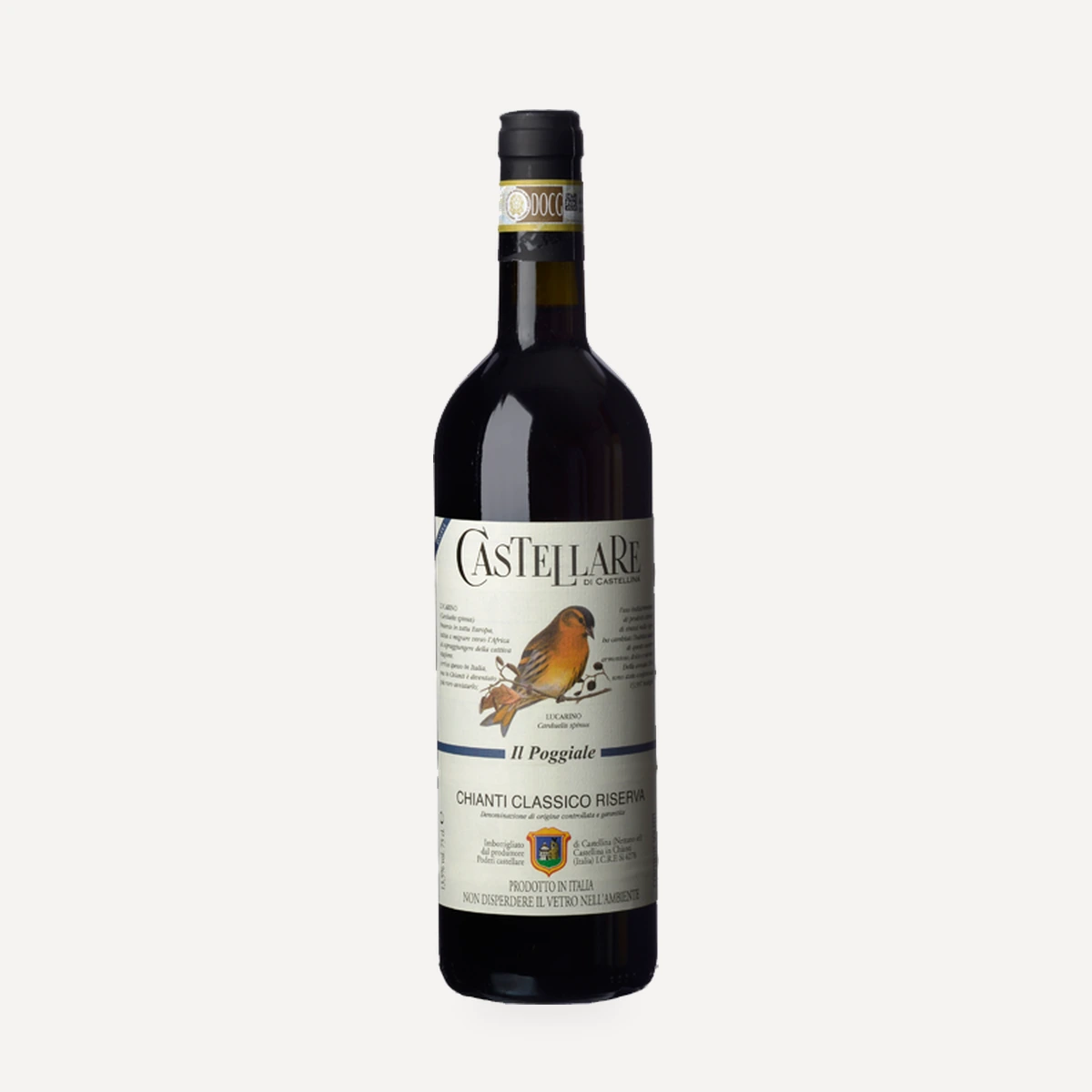
First produced in 1979, the wine is conceived as a traditional expression of Chianti Classico built solely from native grapes and centred on the ruby-red character of Sangioveto.