Storia
Origins in the 1970s
Castellare di Castellina was created in the 1970s through Paolo Panerai’s union of four poderi: Castellare, Caselle, San Niccolò and Le Case. The project emerged during the period described as the Renaissance of Italian wine and was conceived around the pursuit of the highest possible quality through a combination of Tuscan tradition and technical innovation.
Tradition meant preserving the distinction made by local farmers between campi, the more easily worked fields, and sodi, the harder and stonier ground considered more suitable for vines. It also meant retaining the Tuscan governo method and producing Chianti Classico from native Tuscan grapes rather than blending indigenous varieties with international cultivars.
Innovation included the creation of the first experimental vineyard in Chianti in collaboration with the University of Milan, under Professor Attilio Scienza, and the University of Florence. The work initiated the first scientific selection of Sangiovese clones—called Sangioveto at Castellare—and was supported by two doctoral research scholarships established for assistants of Professor Scienza. Emile Peynaud contributed advice both to the development of Sangioveto and to the introduction of barriques.
1976–1979: I Sodi di S. Niccolò and clonal research
In late August 1976, Paolo Panerai and Luigi Veronelli walked from the cellar toward the estate’s two oldest vineyards. One was known to the former sharecroppers as vigna de’ sodi because of its hard, particularly stony soil; the other lay beside the 14th-century Church of San Niccolò and bore the saint’s name. Panerai and the estate’s winemaker at the time, Maurizio Castelli, were planning a Super Tuscan. Veronelli urged them to rely on Sangioveto and Malvasia Nera rather than French varieties and proposed the name I Sodi di S. Niccolò, insisting on the definite article “I.”
The first vintage was produced and bottled in 1977, becoming the fourth Historical Super Tuscan of Chianti Classico. It also inaugurated the estate’s bird-label tradition with a goldfinch. The 1978 vintage was not bottled.
A census of the estate’s vines was completed in 1979. Its results were assessed alongside the experimental vineyard and comparative micro-vinifications, enabling Castellare to regraft Sangioveto and Malvasia Nera with scientifically selected clones judged best suited to the estate. The two researchers responsible were assistants of Attilio Scienza supported through Castellare’s doctoral scholarships. Peynaud encouraged the estate’s focus on Sangioveto, considered particularly sensitive to the combined effects of soil, climate and the other components of terroir.
Development of the cellar
The original cellar relied on concrete tanks and had capacity for approximately 200,000 bottles annually. As production expanded, a new winery equipped for temperature-controlled steel-tank vinification was built without changing the character of the centuries-old buildings. The existing concrete tanks were retained on the advice of Giacomo Tachis, glazed and repurposed to hold wines for several months before bottling. Tachis regarded concrete as a means of helping a wine’s different components become more cohesive.
Castellare was also among the first Italian estates to use small French oak barrels. Paolo Panerai and Baron Edmond de Rothschild founded the Compagnie Vinicole Conseille to circulate advanced winemaking knowledge. It published 100 Questions and 100 Answers about Barriques, structured as an interview with Emile Peynaud. Luigi Veronelli called the small barrels carati, recalling the Italian saying that the best wine is found in small barrels.
The new Castellare winery was inaugurated one year after Alessandro Cellai joined the estate. Cellai shared the owners’ decision to keep traditional native-grape wines separate from wines based on international varieties. This principle was maintained even after Chianti Classico regulations permitted up to 20% French varieties in the blend. Production subsequently reached approximately 400,000 bottles per year.
Continuing tradition and new releases
The traditional Governo di Castellare began with the 1986 vintage, preserving the Tuscan practice of adding a small quantity of dried grapes after the initial fermentation. Spartito followed with its first vintage in 1987.
The 1985 I Sodi di S. Niccolò was placed sixth in Wine Spectator’s inaugural global Top 100, published in 1988, making it the first Italian wine to enter that ranking. The achievement was repeated in 1989 with the 1986 vintage. The wine later returned to the ranking several times and became part of the Historical Supertuscans Association.
Torre Alta debuted with the 2023 vintage. It came from Sangioveto vines more than 30 years old at 450–510 metres and took its name from the tower that dominates the estate. In 2026, the 2022 I Sodi di S. Niccolò marked 45 harvested and bottled vintages with a black anniversary label.
Terroir
Castellare lies in the heart of Chianti Classico at Castellina in Chianti. Its vineyards occupy 33 hectares on the slopes of a natural amphitheatre facing south-east, with an average elevation of 370 metres above sea level. The configuration provides strong solar exposure and effective drainage.
The estate’s soils combine limestone marl, galestro and a limited clay component. Local farming vocabulary distinguishes the more easily worked campi from the harder sodi. The latter are particularly stony, require more manual work and were historically regarded as the best ground for vines.
Individual vineyard elevations extend beyond the estate average. The two oldest flagship sites, vigna de’ sodi and San Niccolò, share hard, stony ground; the latter surrounds the 14th-century Church of San Niccolò. The Torre Alta vineyards stand at 450–510 metres on marl- and limestone-rich soils, with favourable exposure and constant ventilation. The estate associates its combination of exposure, drainage and mixed calcareous soils with structured red and white wines capable of extended bottle ageing.
Vinificazione
Castellare has excluded herbicides, pesticides and other systemic synthetic chemicals from its vineyards since the beginning of the estate. The objective is to protect local fauna and human health while enabling organic-wine production. No certification body or certification date is identified.
The estate combines empirical vineyard observation with formal research. Its first experimental vineyard was established with the University of Milan and University of Florence for the scientific selection of Sangiovese clones. A 1979 vine census, experimental results and comparative micro-vinifications led to the regrafting of Sangioveto and Malvasia Nera with selected clones suited to the estate. Two doctoral scholarships supported assistants of Professor Attilio Scienza in this work.
Vine age ranges from 7 to more than 45 years, while some named vineyards contain vines over 30 years old. Yields are kept low in pursuit of fruit quality. Harvest practices described for selected estate parcels include manual picking, transport in small open crates to avoid crushing, immediate sorting on a selection table and destemming.
Biodiversity is represented by the bird illustrations used on the labels. A different threatened or declining bird is selected for each vintage, drawing attention to species affected by indiscriminate synthetic-chemical use. The sequence began with a goldfinch in 1977. Later subjects include the Yellowhammer, European stonechat, Great Tit, Common Redstart and Emberiza bruniceps. From the 2024 Chianti Classico vintage, a QR code links the label to the featured bird’s song.
The original Castellare cellar consisted of concrete tanks and had capacity for approximately 200,000 bottles annually. Expansion raised production to approximately 400,000 bottles. A new winery fitted with temperature-controlled steel vinification tanks was added without changing the architectural character of the centuries-old estate buildings.
On Giacomo Tachis’s advice, the original concrete tanks were preserved rather than removed. They were glazed and are used to hold wine for several months before bottling. This stage is intended to help the different components become more cohesive.
Castellare was among the first Italian estates to adopt small French oak barrels. Their early arrival followed research and advice from Emile Peynaud and knowledge disseminated through the Compagnie Vinicole Conseille, founded by Paolo Panerai and Baron Edmond de Rothschild. Luigi Veronelli referred to these barrels as carati.
Steel is the principal fermentation material identified across the range, with temperature control and malolactic fermentation used where specified. The estate also retains the traditional Tuscan governo technique: a small quantity of dried grapes is added after the first fermentation. Its expression is subsequently held in concrete and bottle. Selected red and white wines are fermented or matured in French oak, while Vin Santo is produced from dried Malvasia Bianca and Trebbiano and matured according to tradition in the old Vin Santo barrel-storage area.
For the Torre Alta parcel, grapes are harvested manually in small crates, sorted immediately and destemmed. Alcoholic fermentation takes place in steel, followed by seven months in 225- and 500-litre French oak barrels and seven months in bottle. These details relate specifically to that named parcel and are not presented as a universal protocol for every Castellare wine.
Filosofia
Castellare’s philosophy joins Tuscan continuity with research-led innovation. Tradition is expressed through native grapes in Chianti Classico, preservation of the governo alla Toscana method, respect for the distinction between campi and sodi, and continued use of historic cellar structures and concrete tanks. Innovation is represented by experimental vineyards, university collaboration, clonal research, temperature-controlled steel and the early adoption of French barriques.
The estate deliberately separates two approaches. Traditional wines retain indigenous Tuscan varieties and avoid international grapes even where appellation rules permit them. Merlot, Cabernet Sauvignon, Chardonnay and Sauvignon Blanc are explored in distinct wines rather than used to modify the native-grape identity of Chianti Classico.
Environmental responsibility has been part of the production philosophy since the first 1977 vintage. Avoiding herbicides, pesticides and systemic chemicals is intended to preserve birdlife, vineyard ecology and human health. The changing bird labels make that commitment visible and commemorate species becoming rarer in the Chianti countryside.
The mezzadri occupy an important place in the estate’s historical outlook. Their difficult lives and work as sharecroppers—neither owners nor ordinary labourers—are treated as fundamental to the formation of the Chianti landscape. A sculpture by Matteo Spender in the centre of Castellina and photographs by Giuseppe Pino commemorate their contribution.
Vini
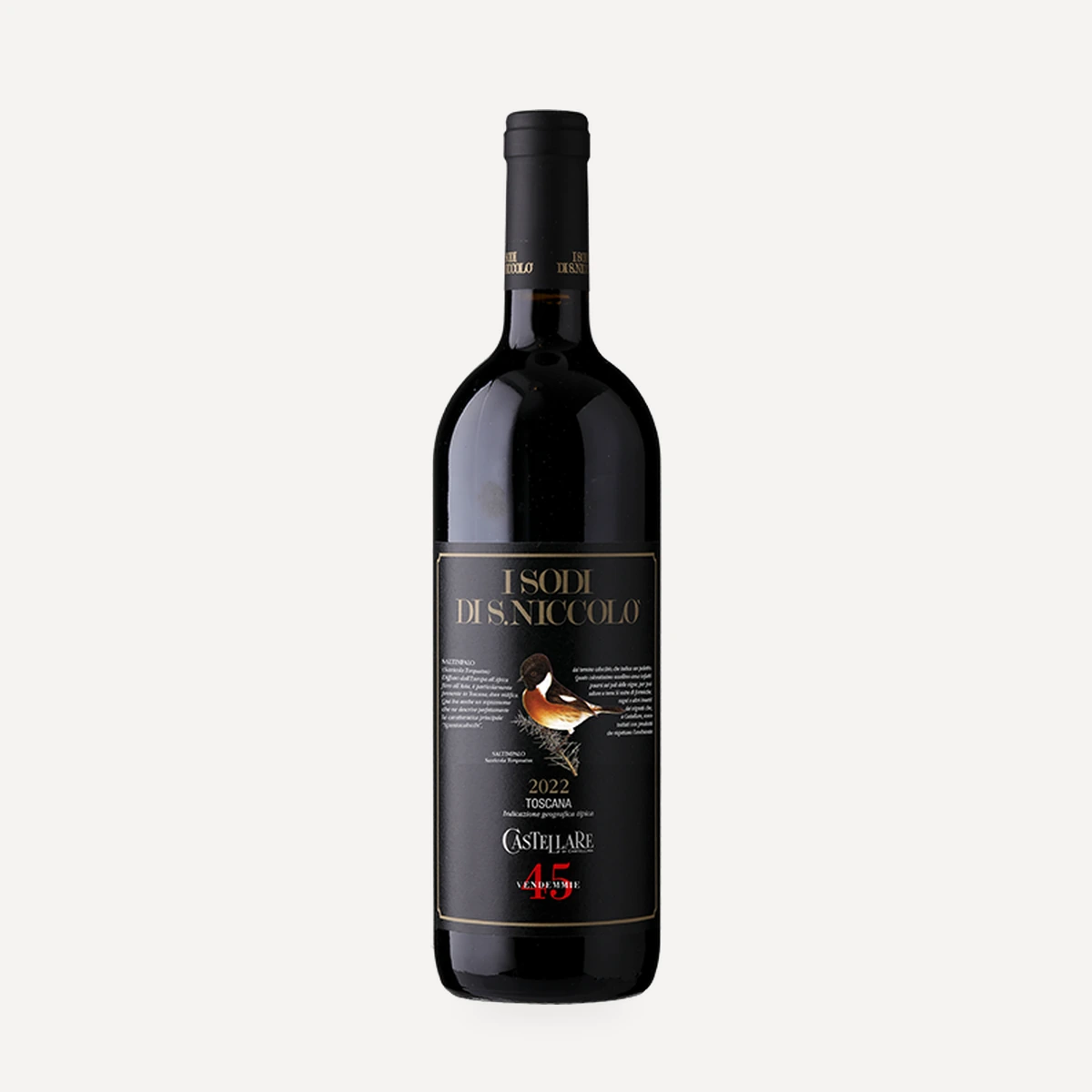
I Sodi di S. Niccolò
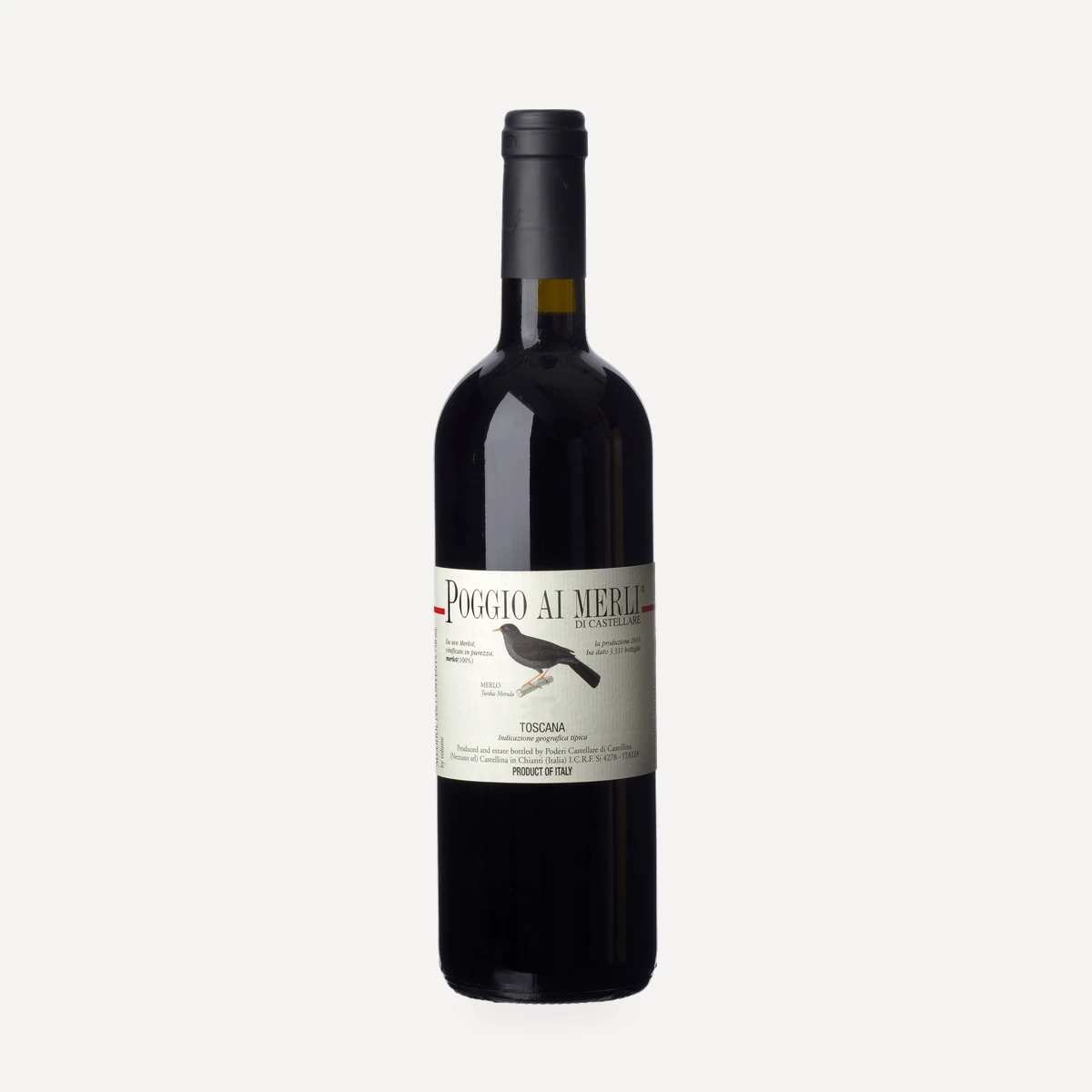
Poggio ai Merli
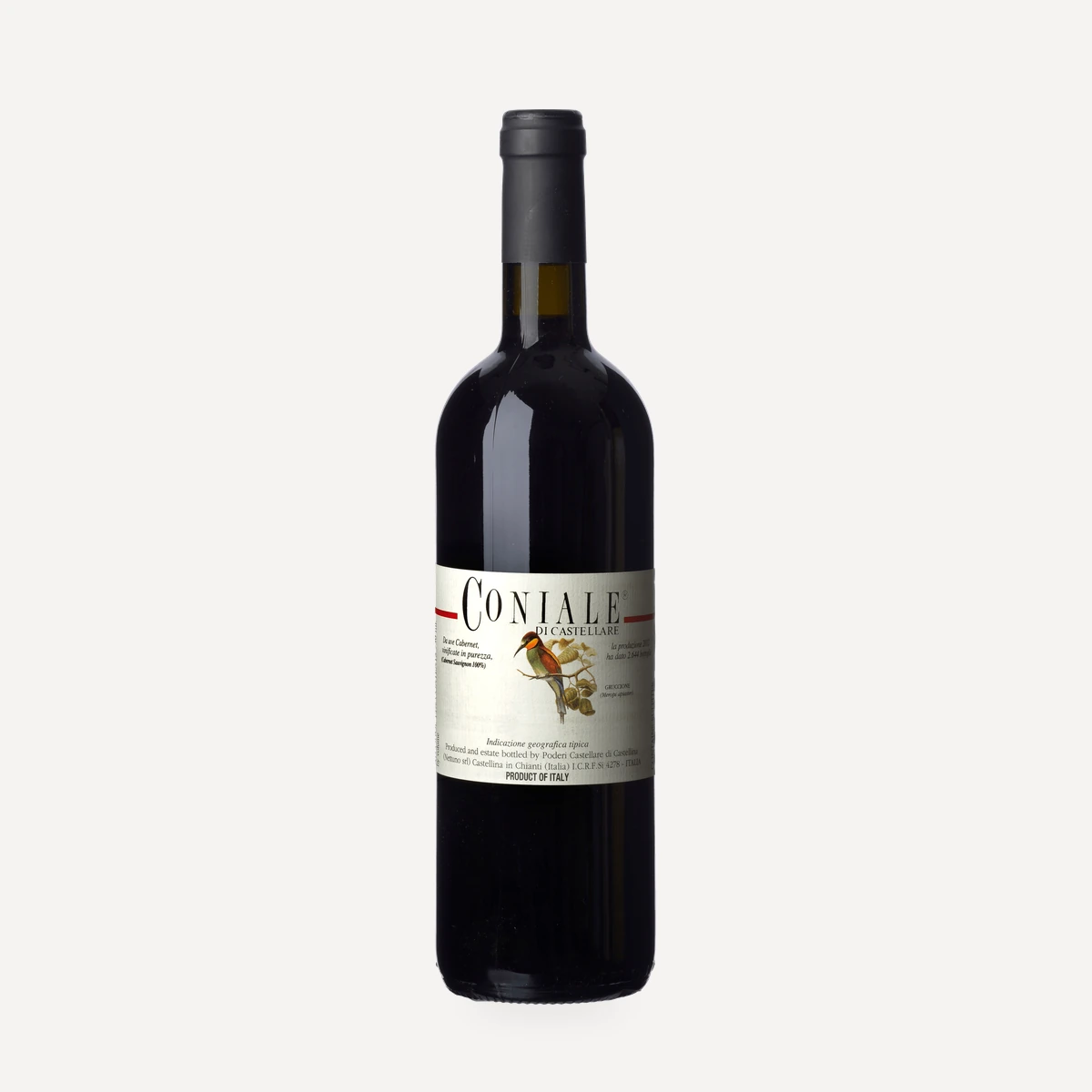
Coniale
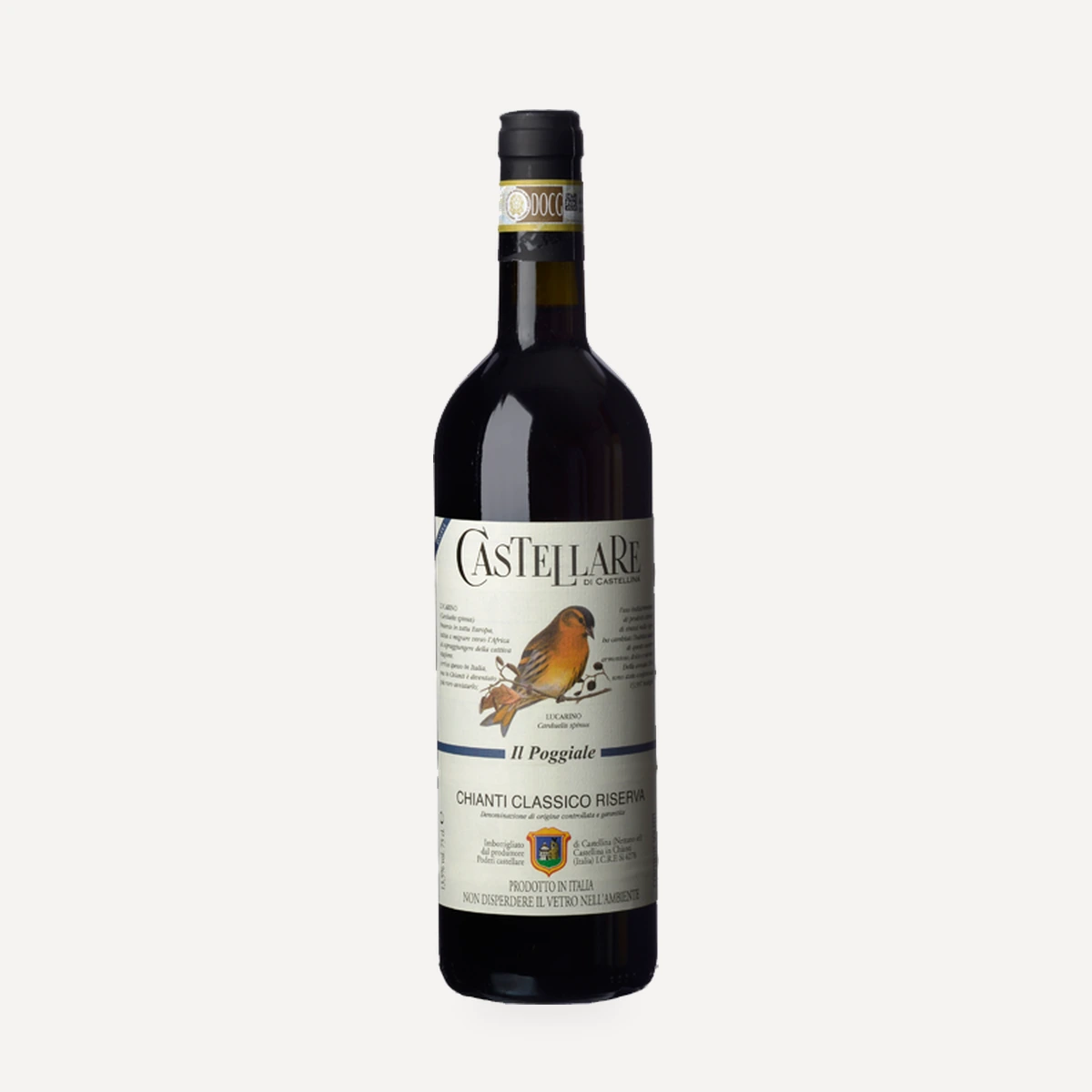
Chianti Classico Riserva Il Poggiale
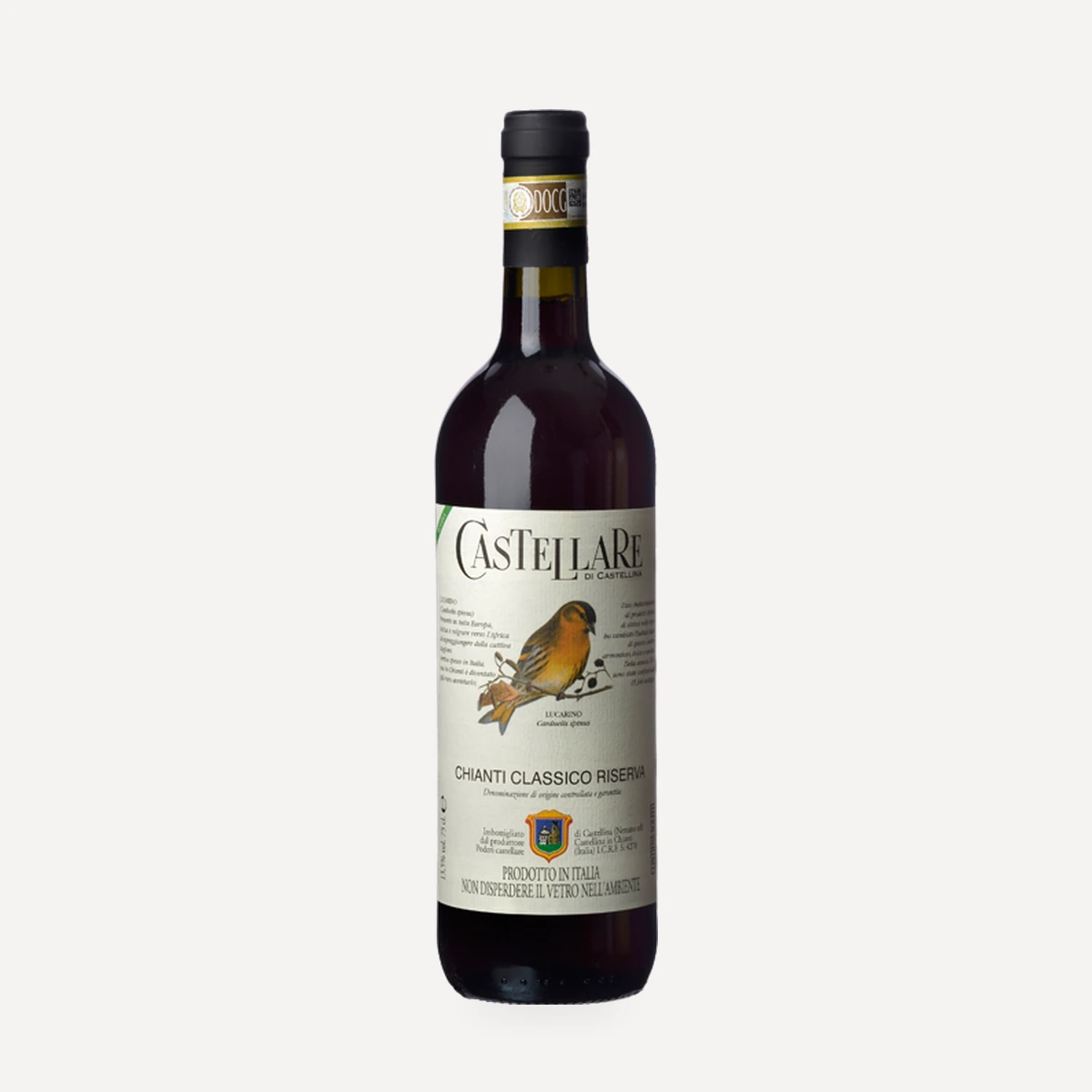
Chianti Classico Riserva
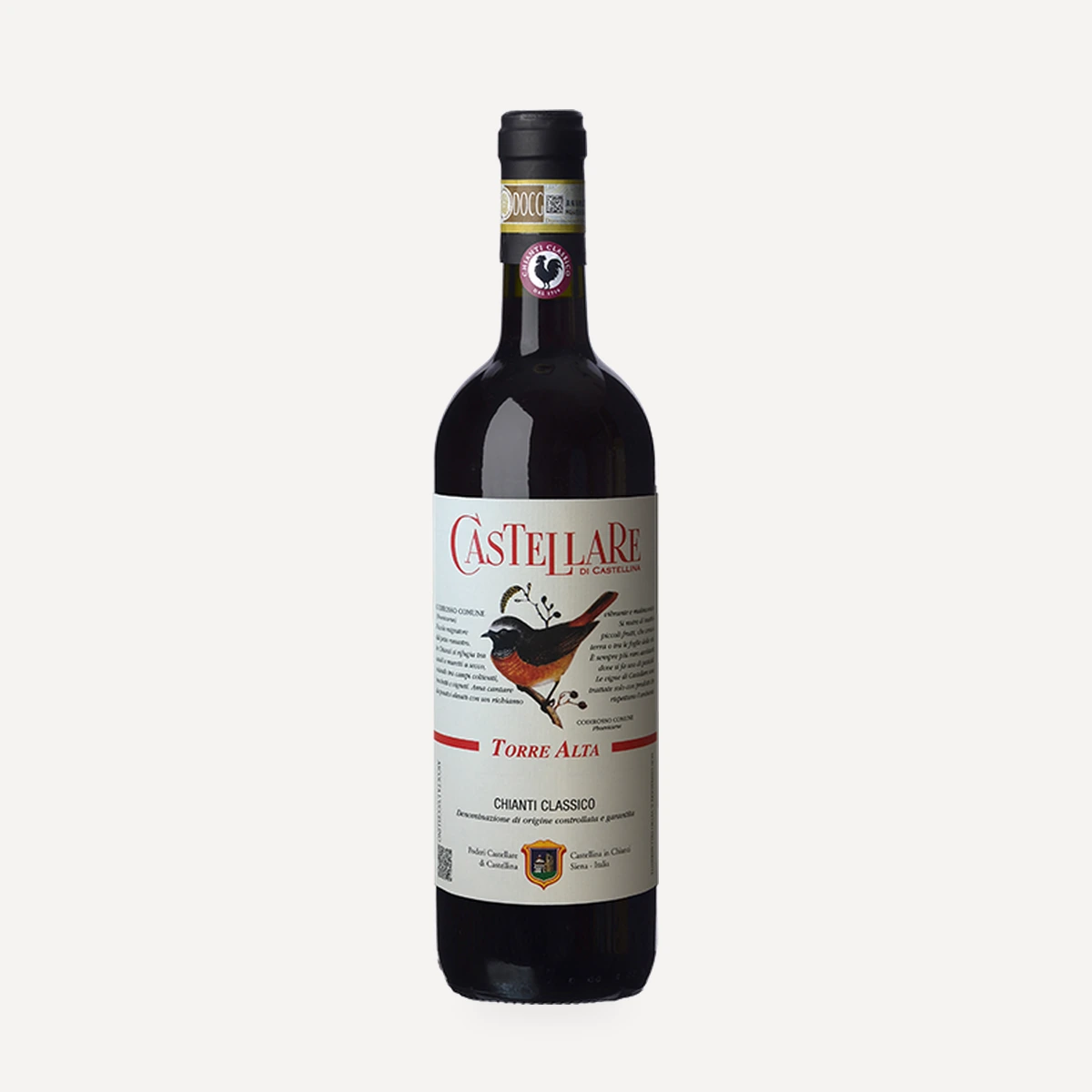
Chianti Classico Torre Alta
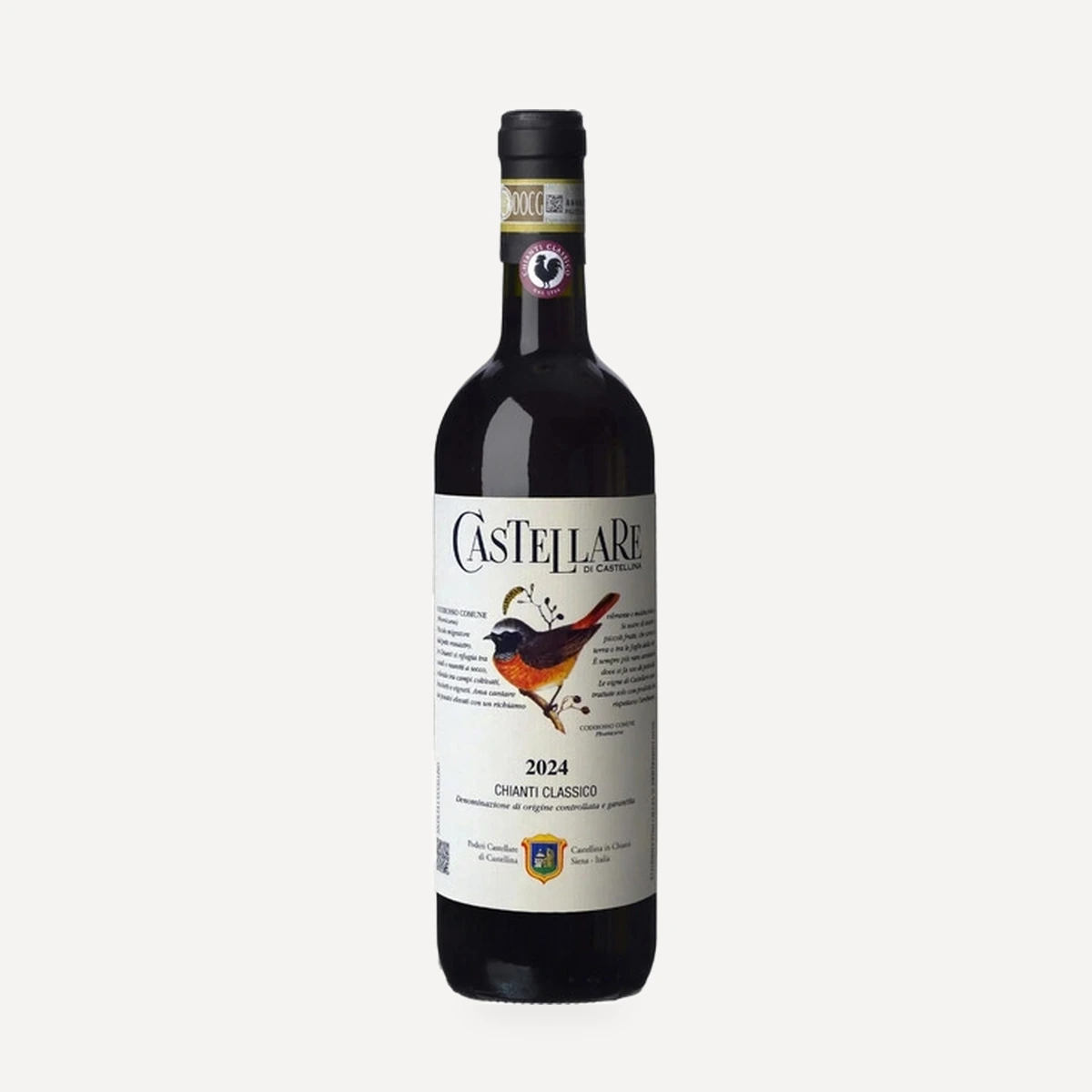
Chianti Classico
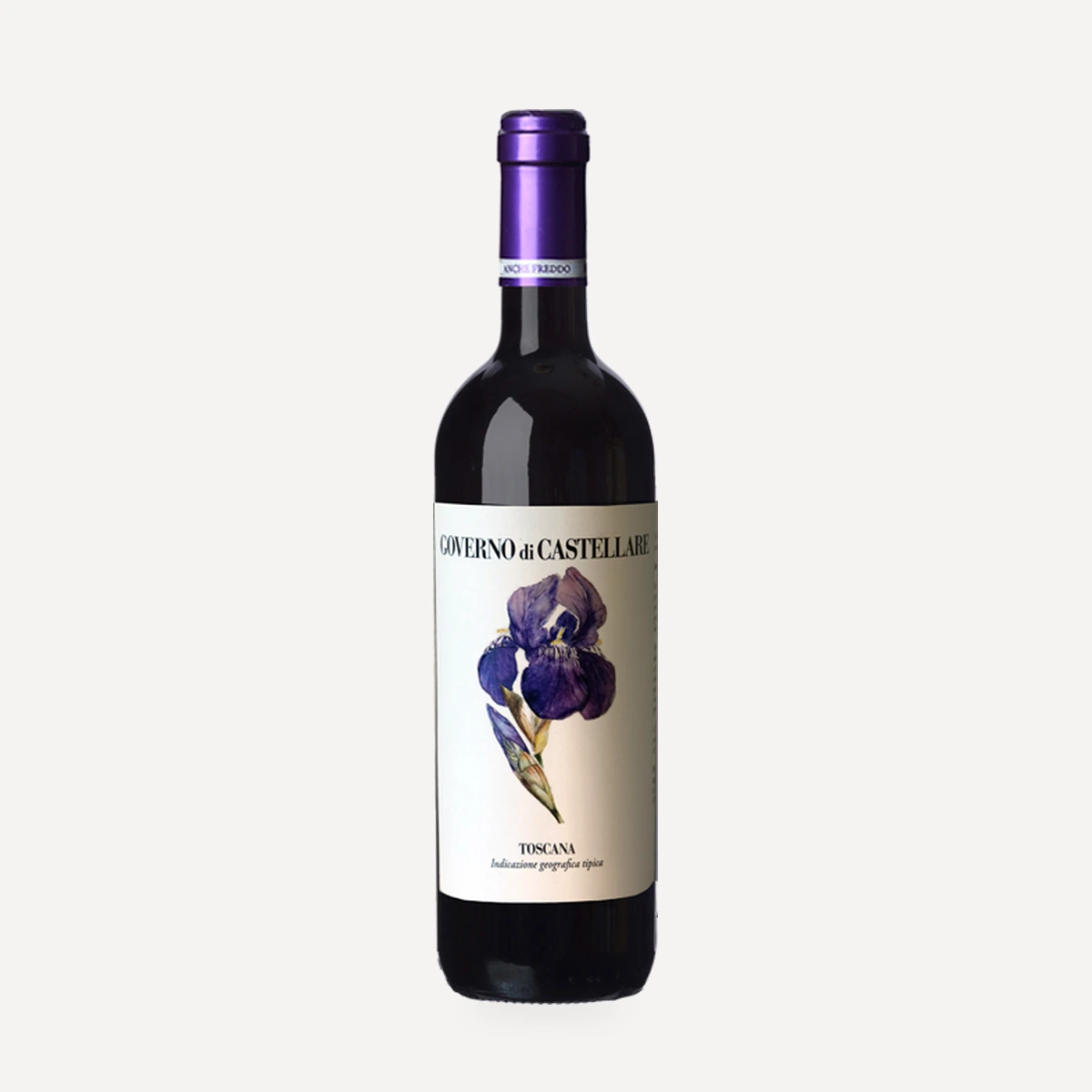
Governo di Castellare
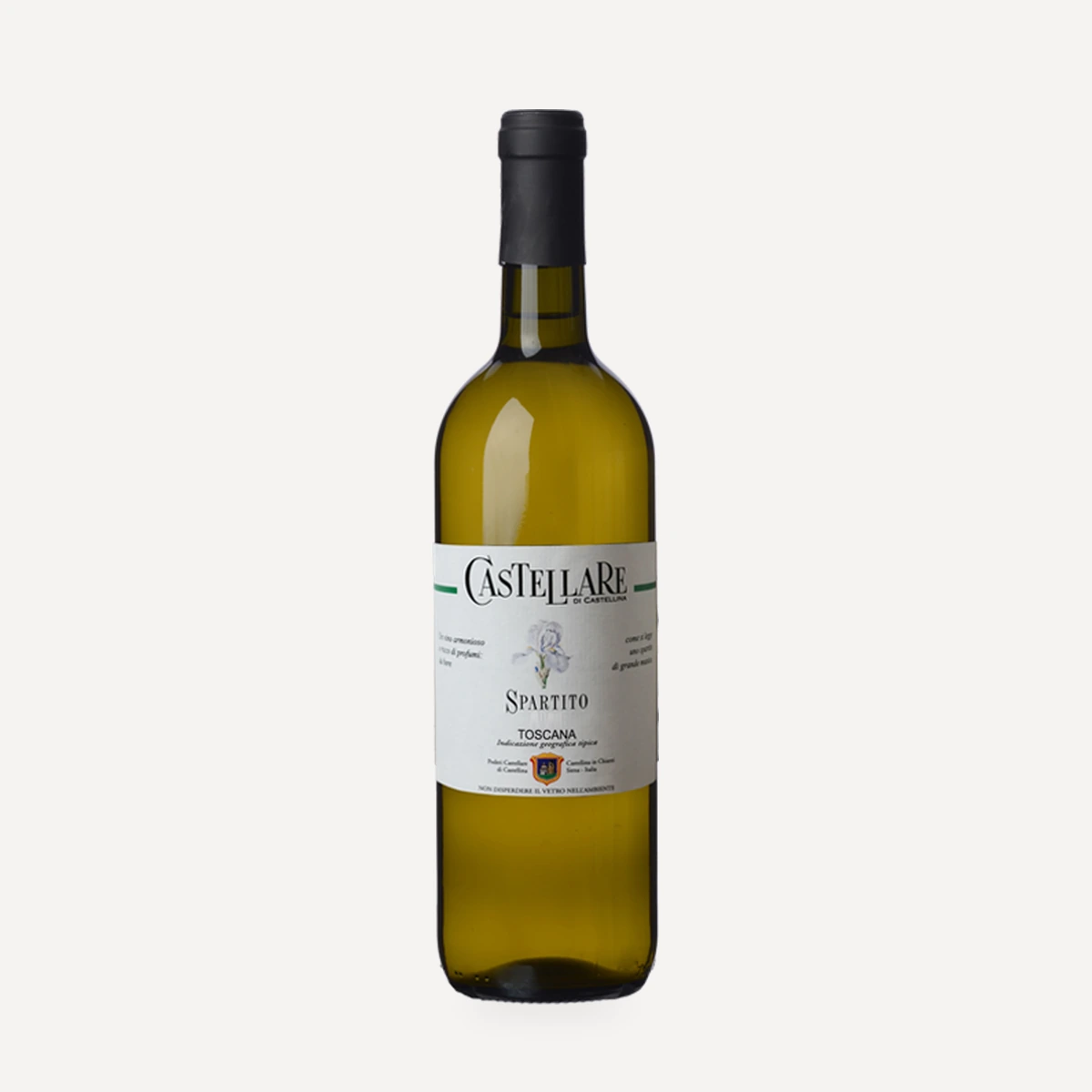
Spartito
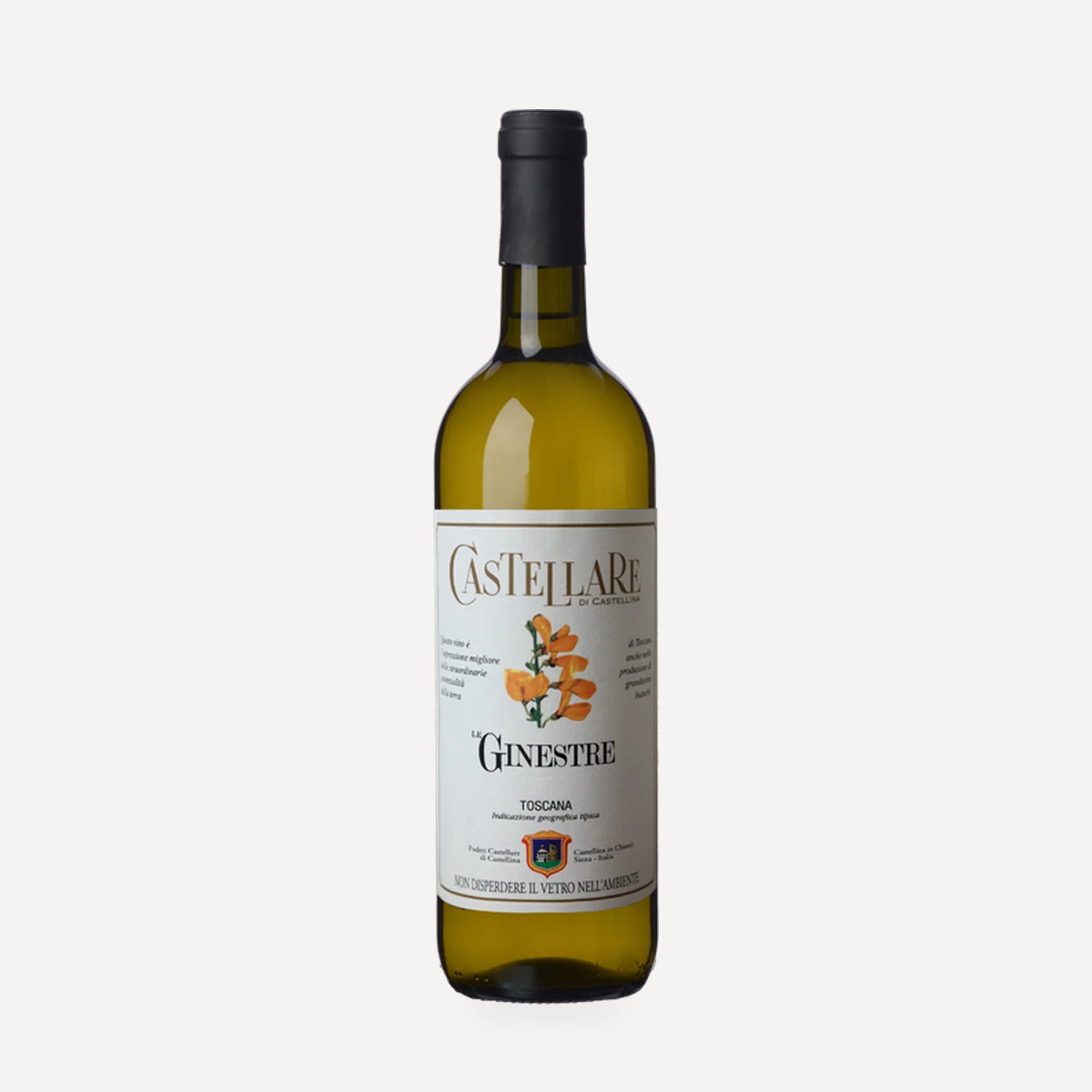
Le Ginestre
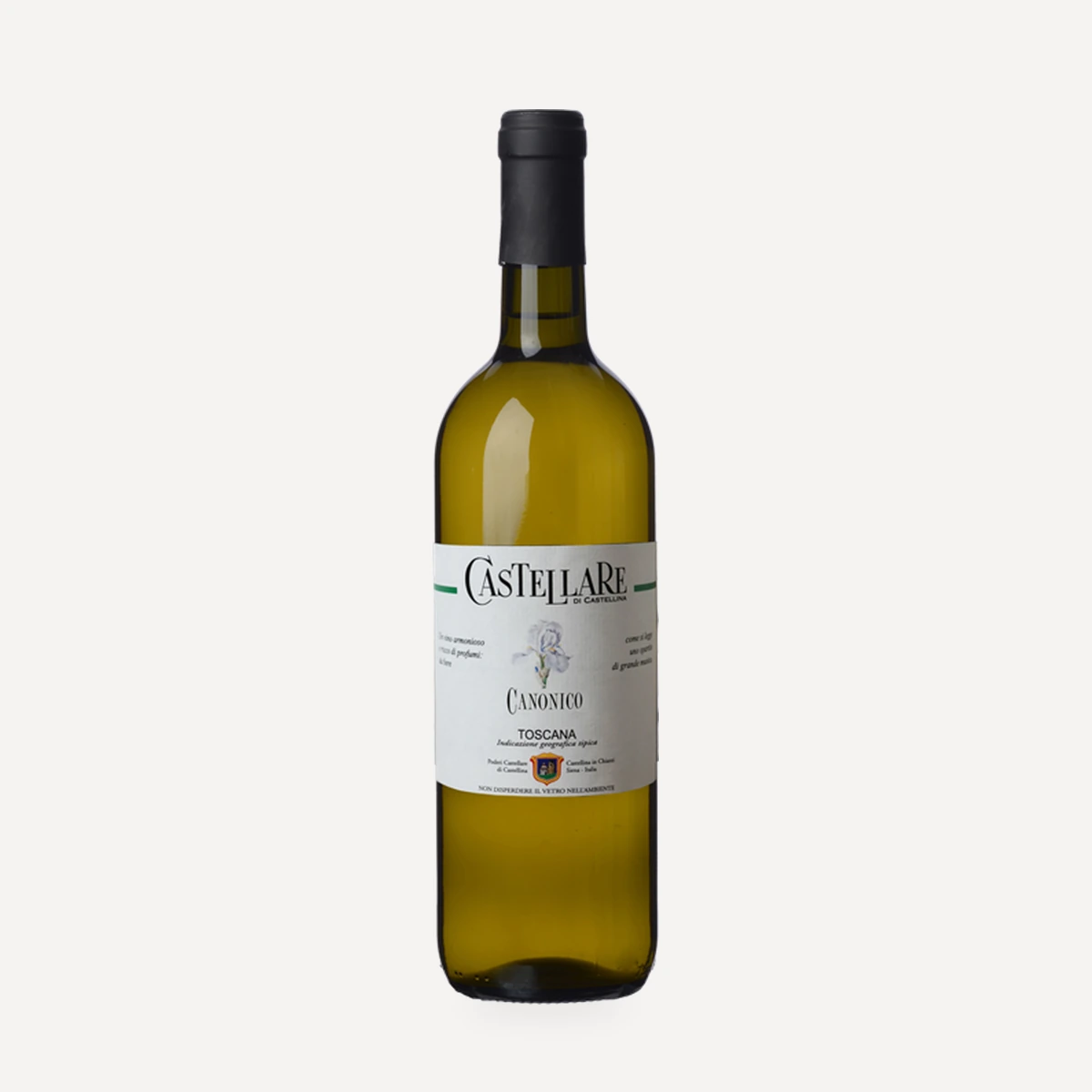
Canonico
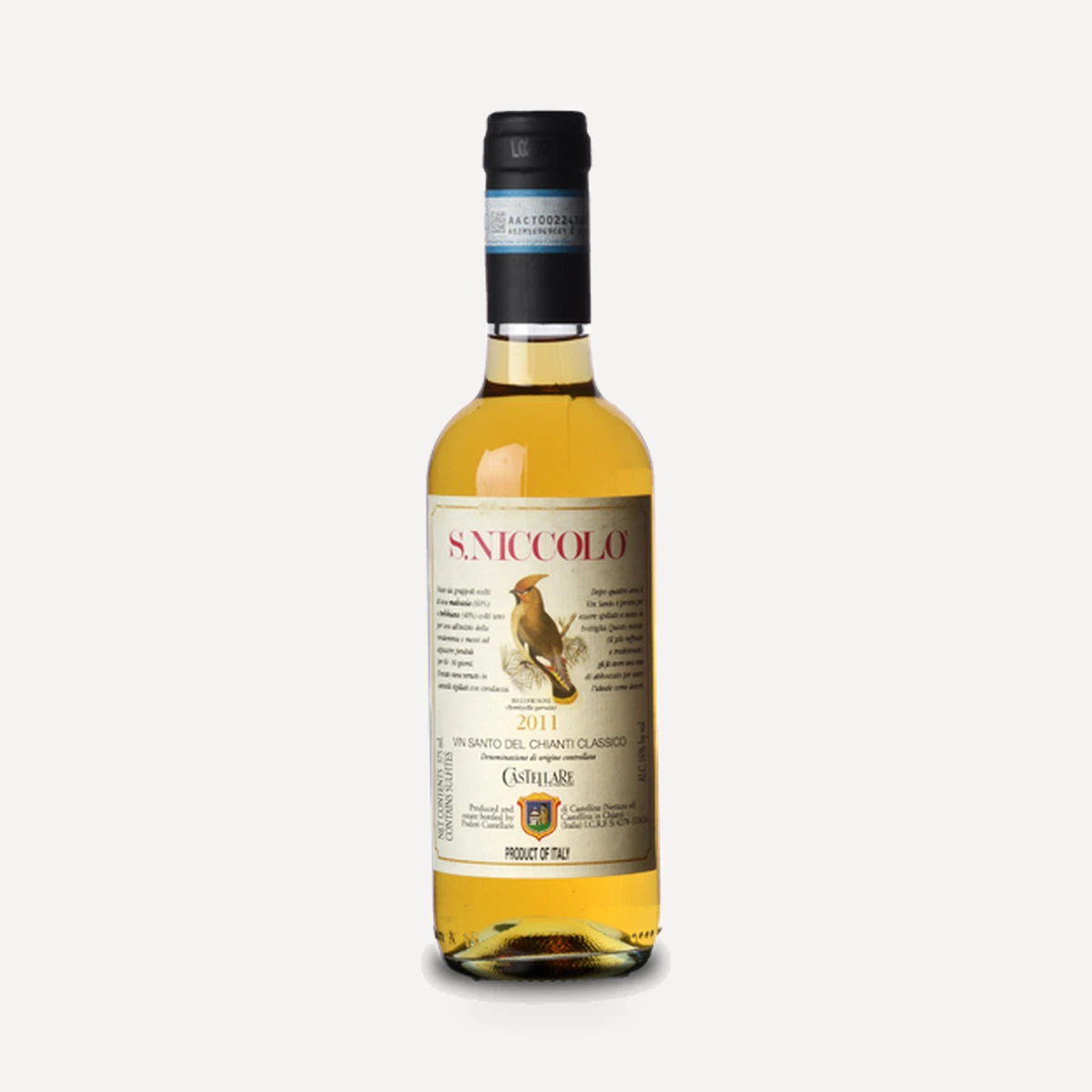
Vinsanto S.Niccolò
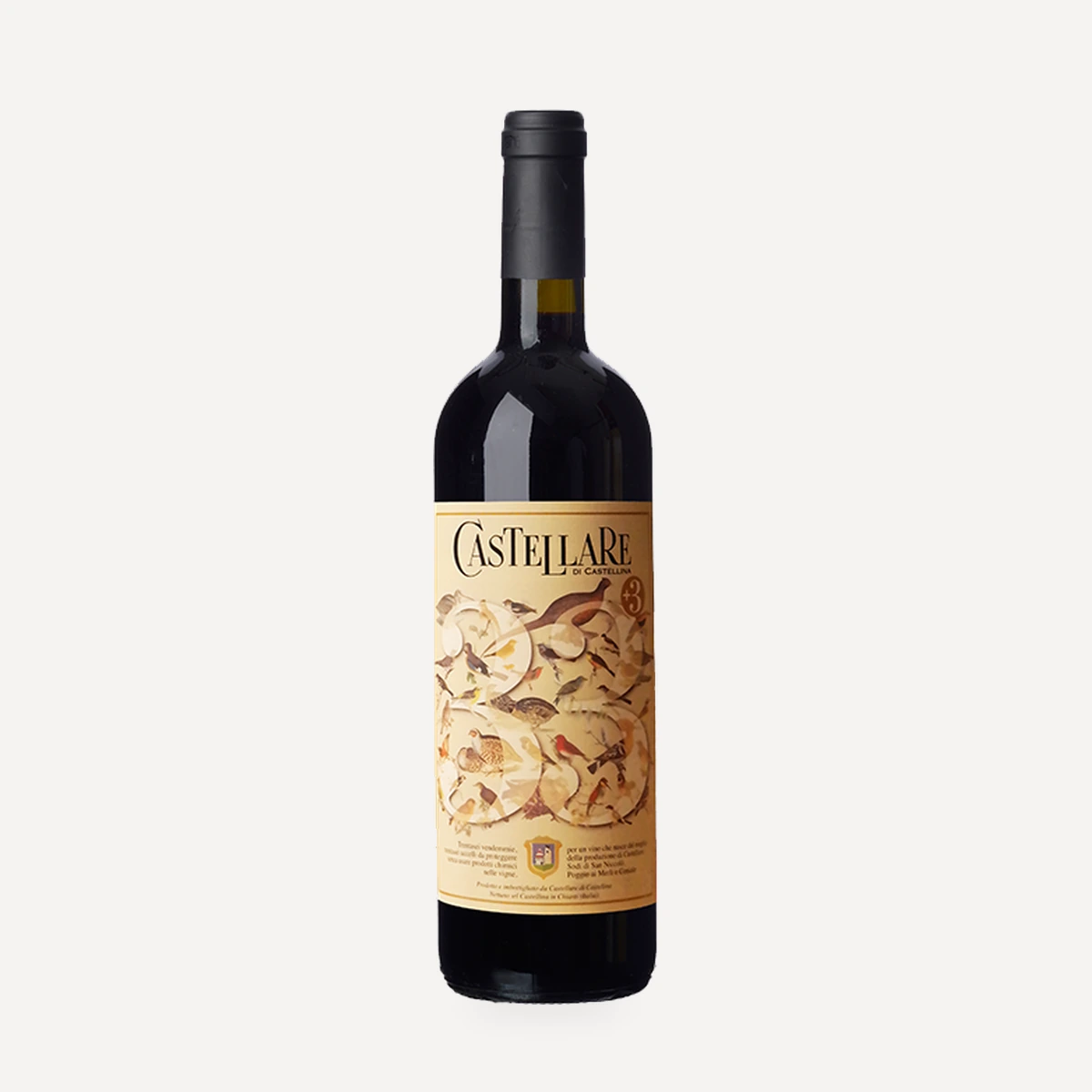
Le 33+3 Vendemmie di Castellare
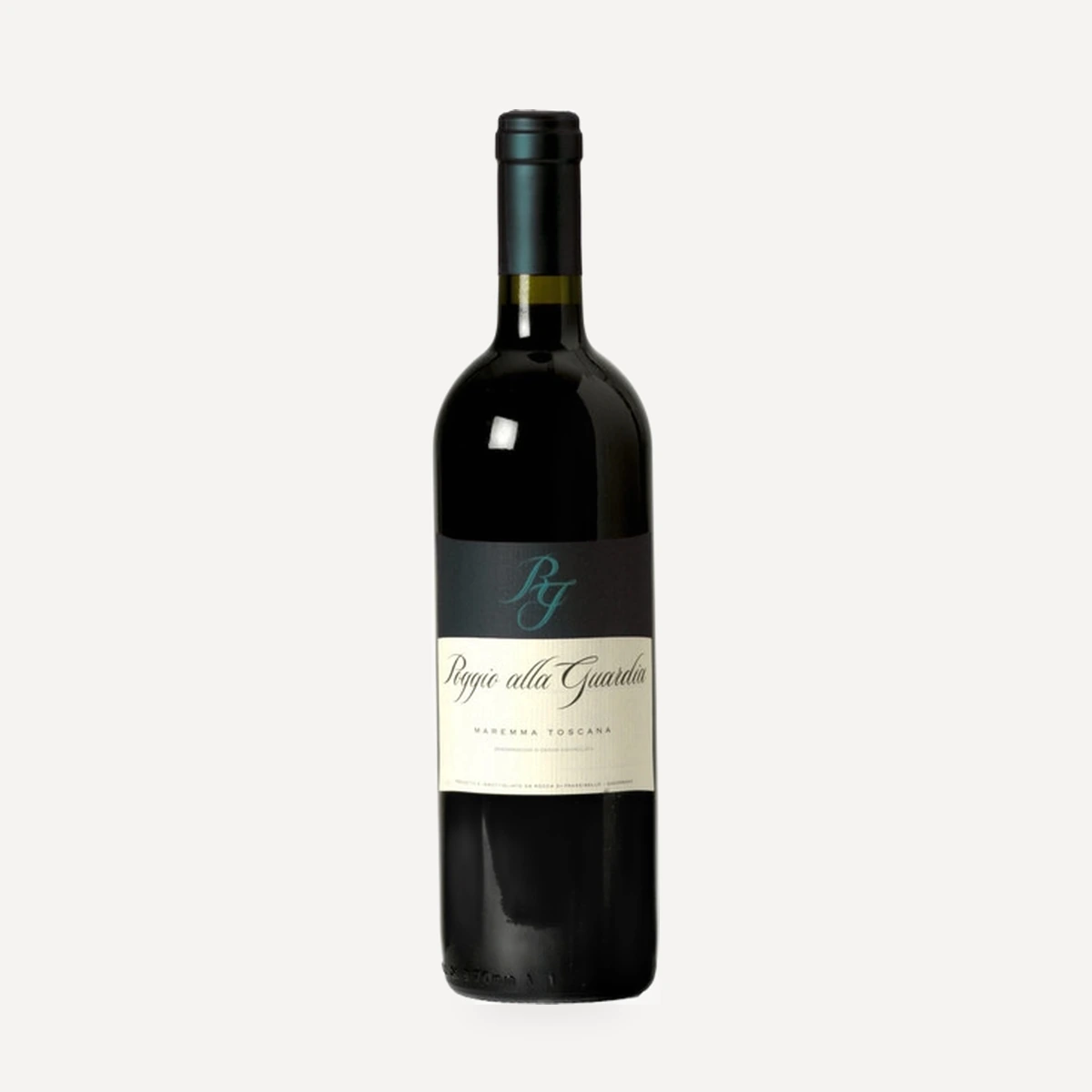
Poggio alla Guardia Maremma Toscana IGT
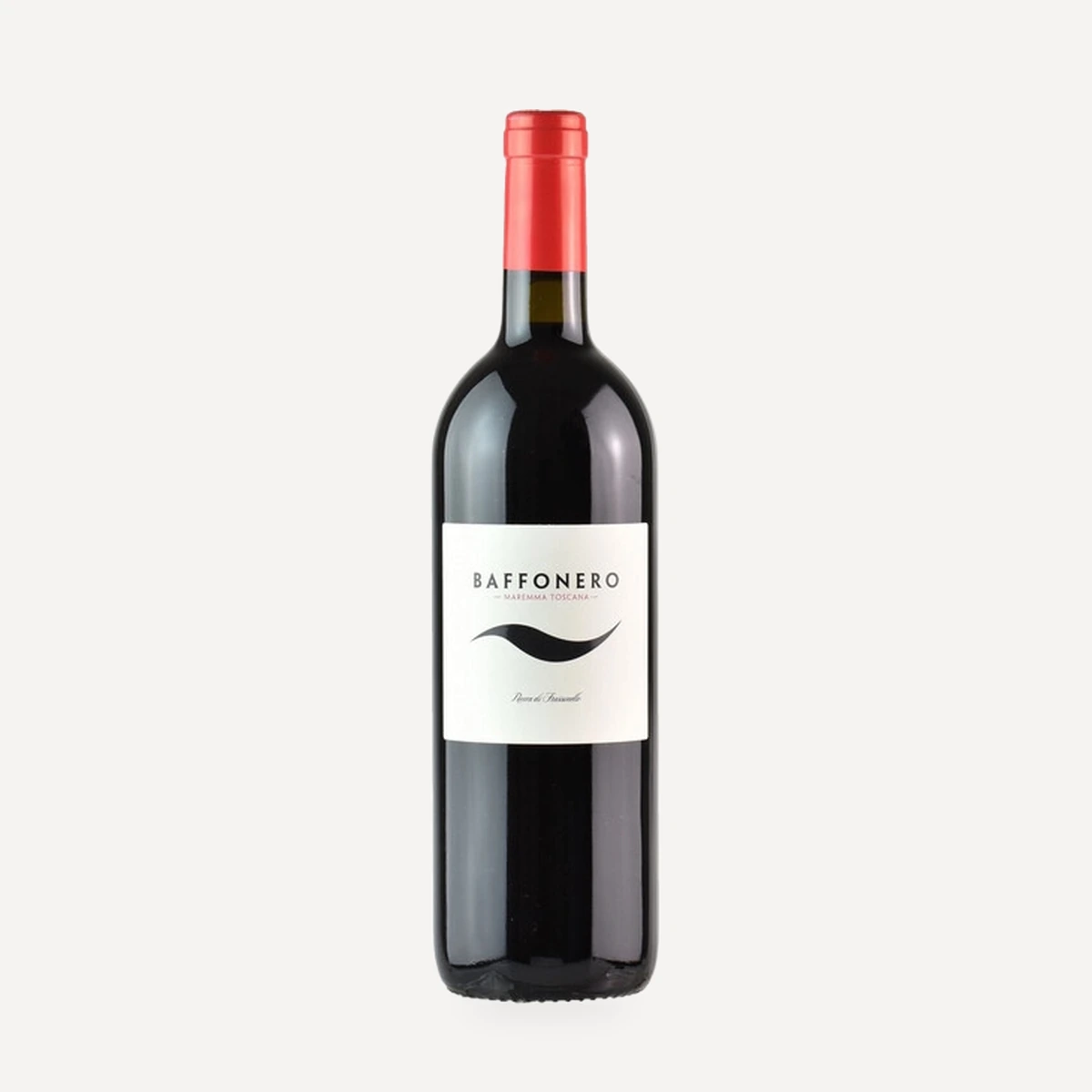
Baffonero Maremma Toscana IGT
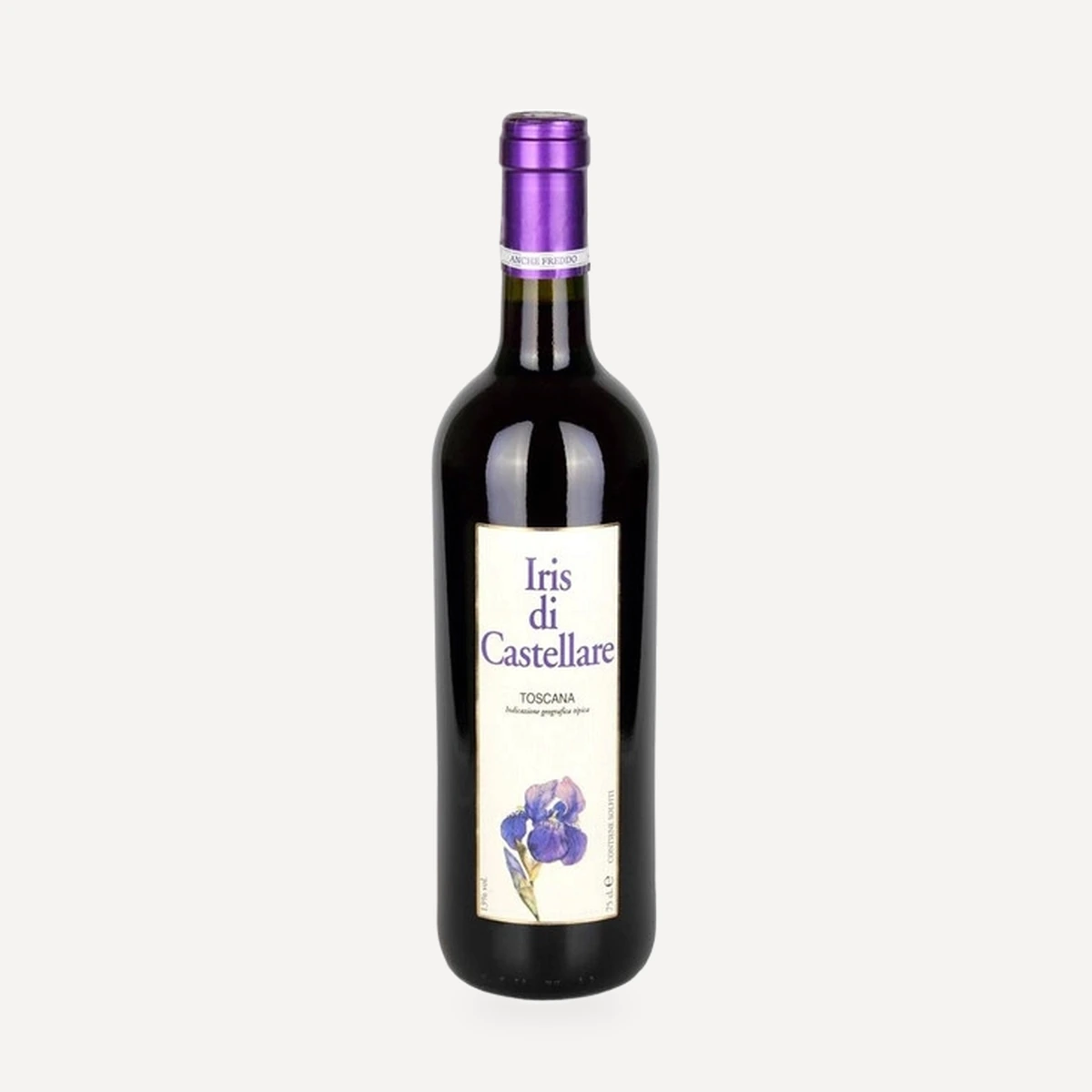
Iris di Castellare Toscana IGT
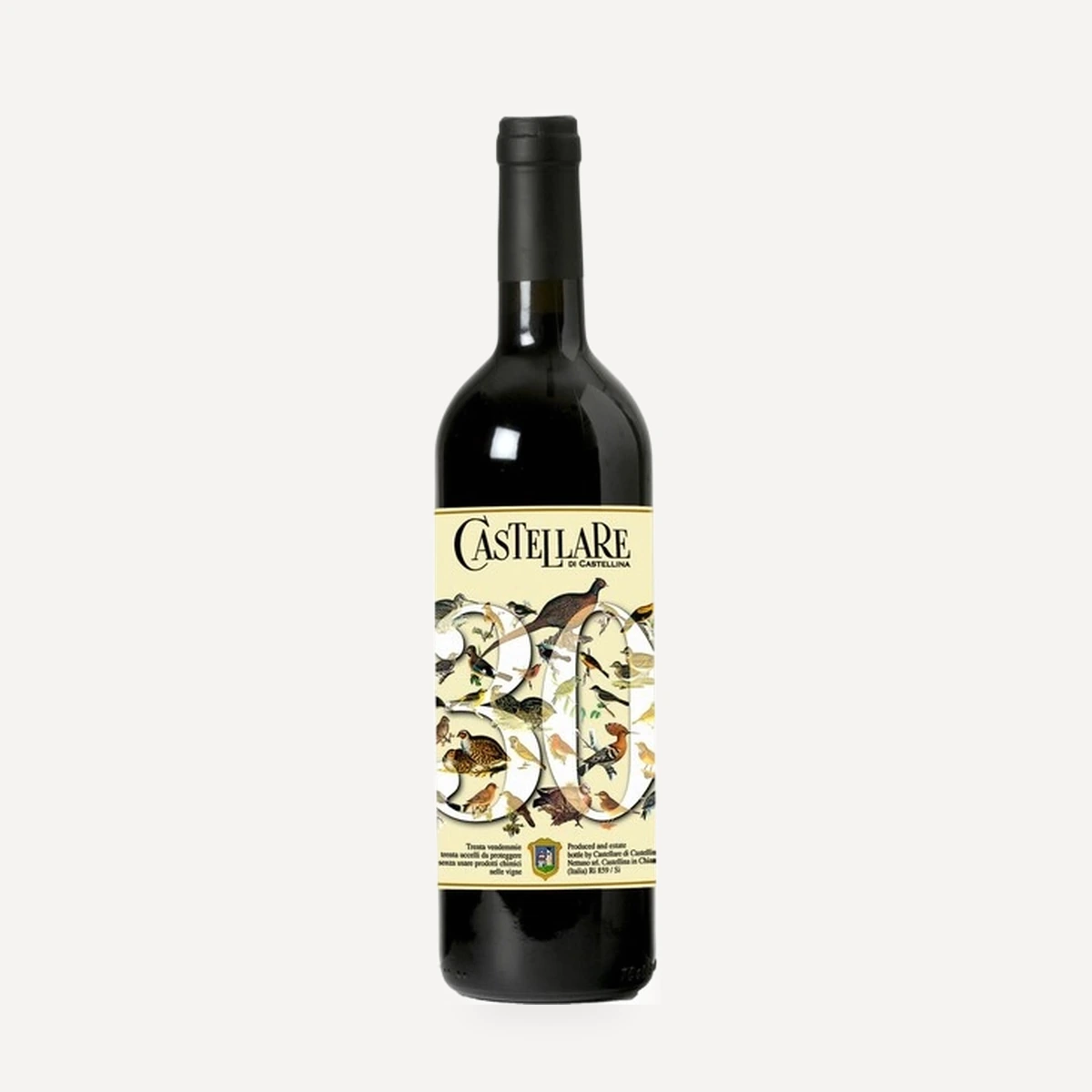
Trenta Vendemmie Toscana IGT
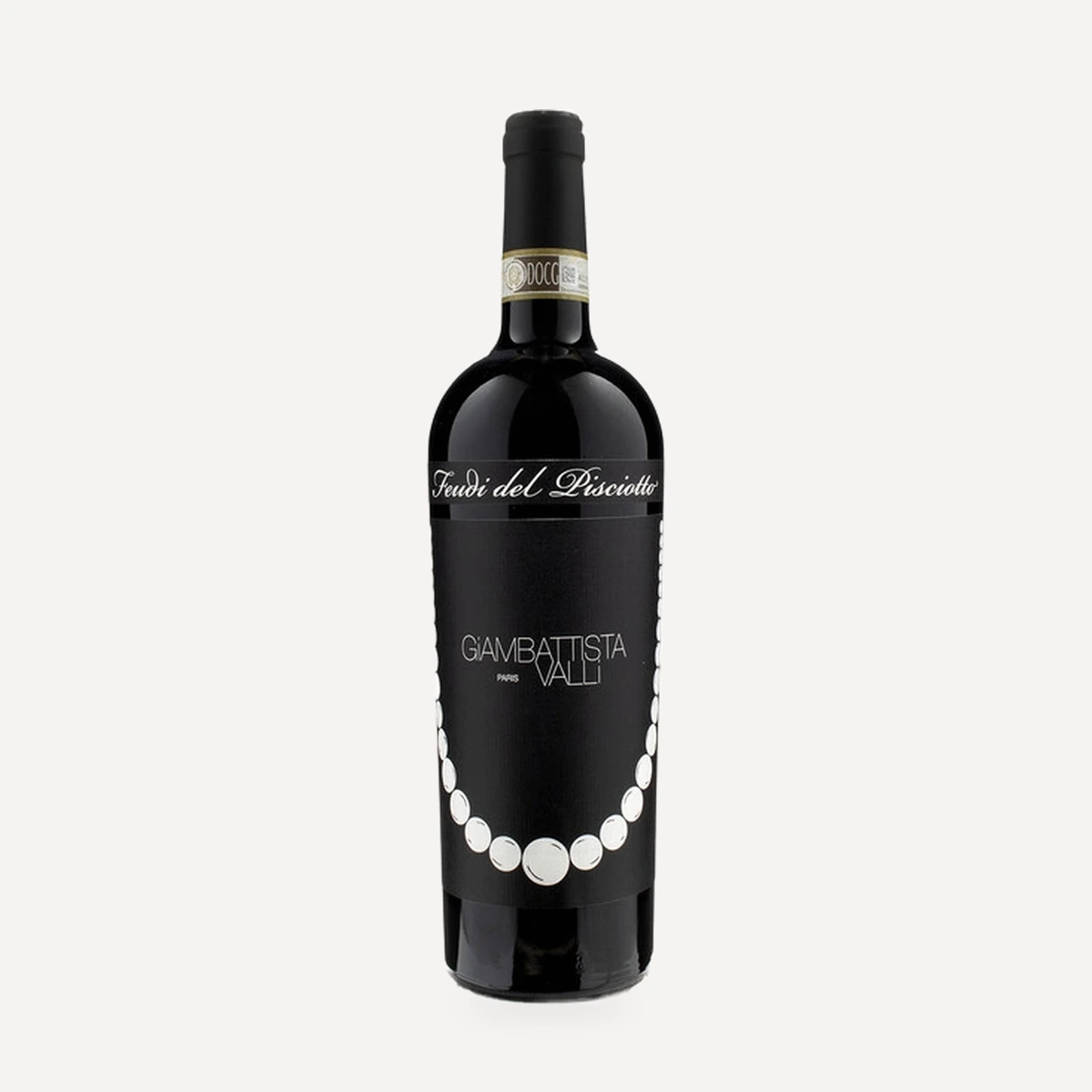
Giambattista Valli Cerasuolo di Vittoria DOCG
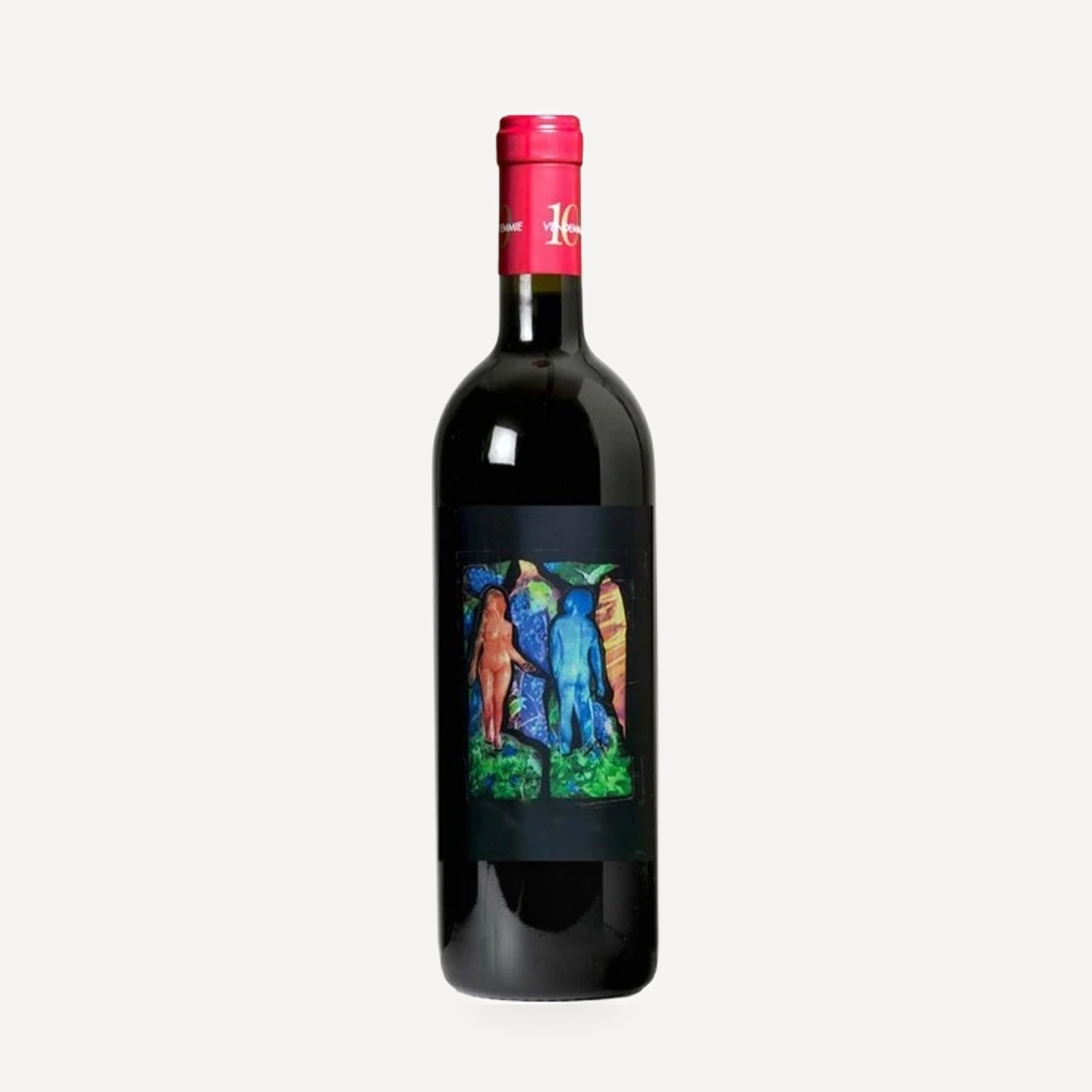
Rocca di Frassinello Etichetta di David LaChapelle Maremma Toscana IGT
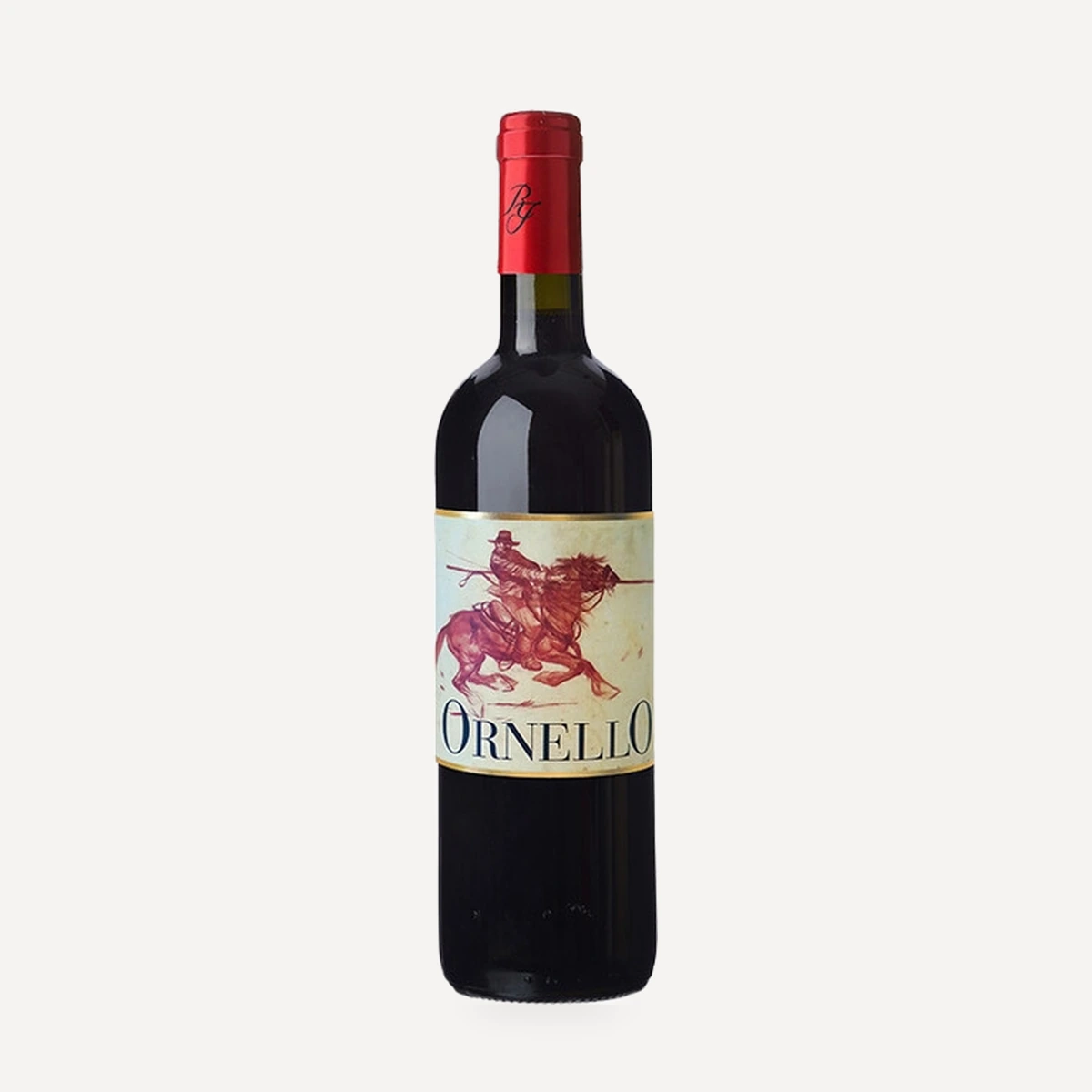
Ornello Maremma Toscana DOC
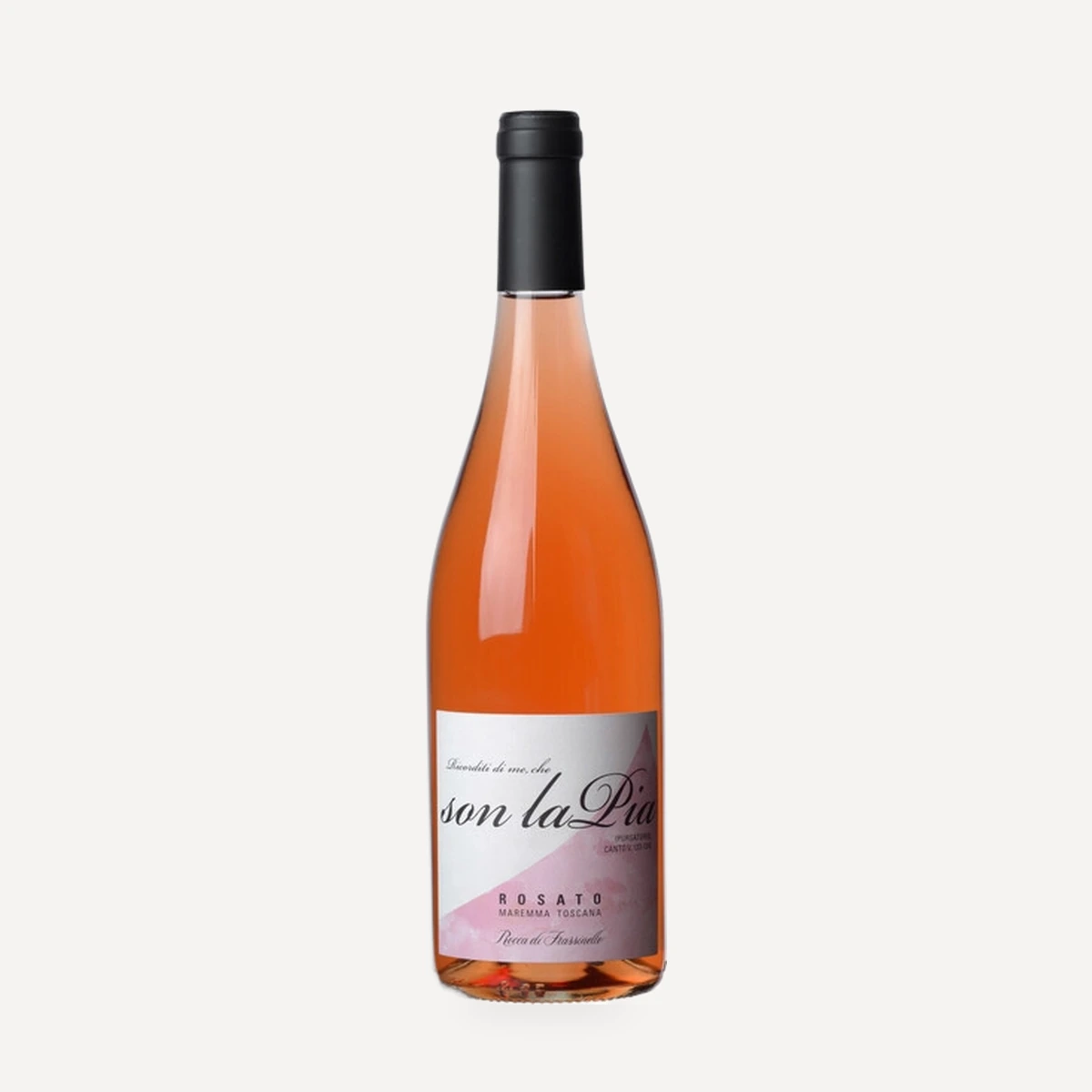
Son la Pia Rosato Maremma Toscana DOC
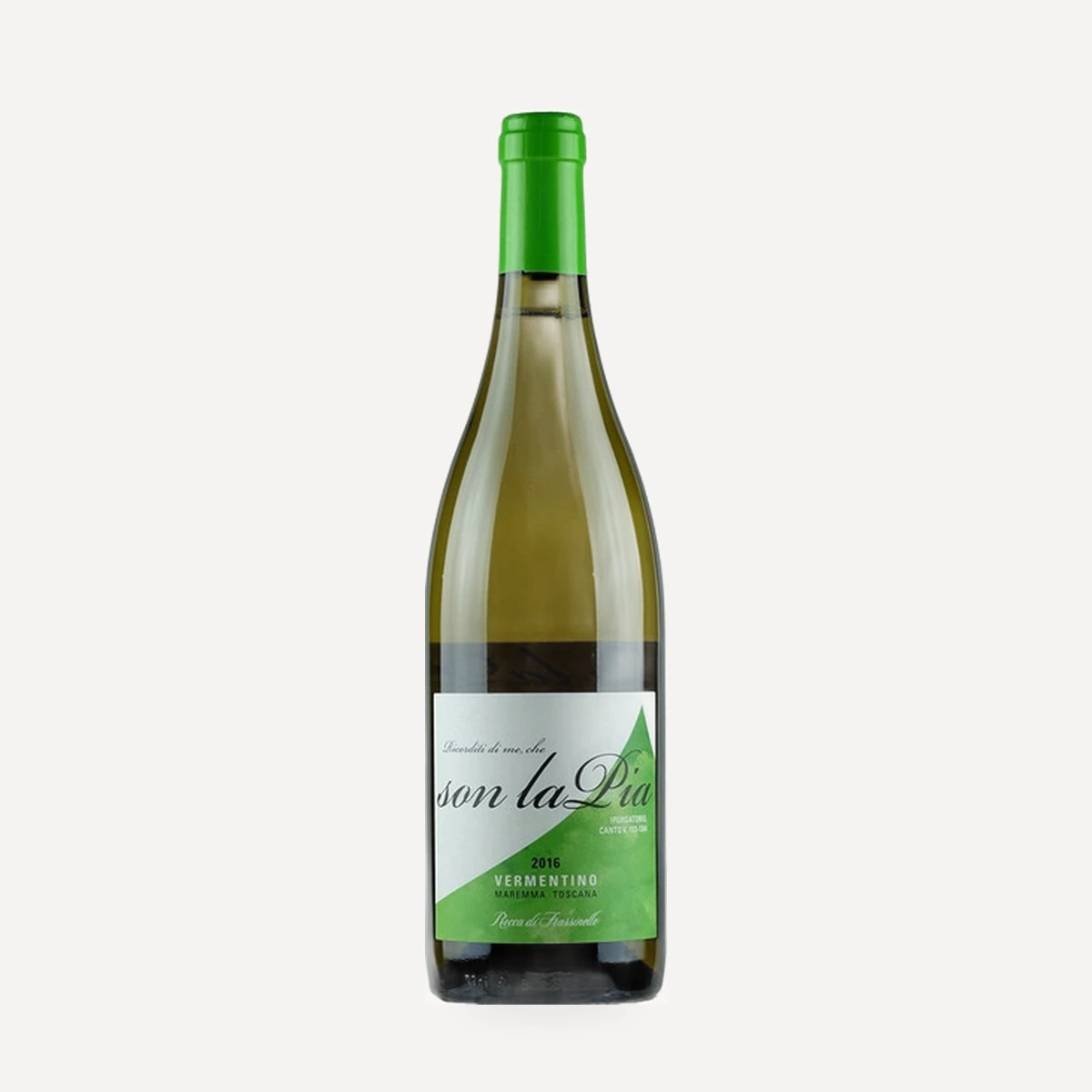
Son la Pia Vermentino Maremma Toscana IGT
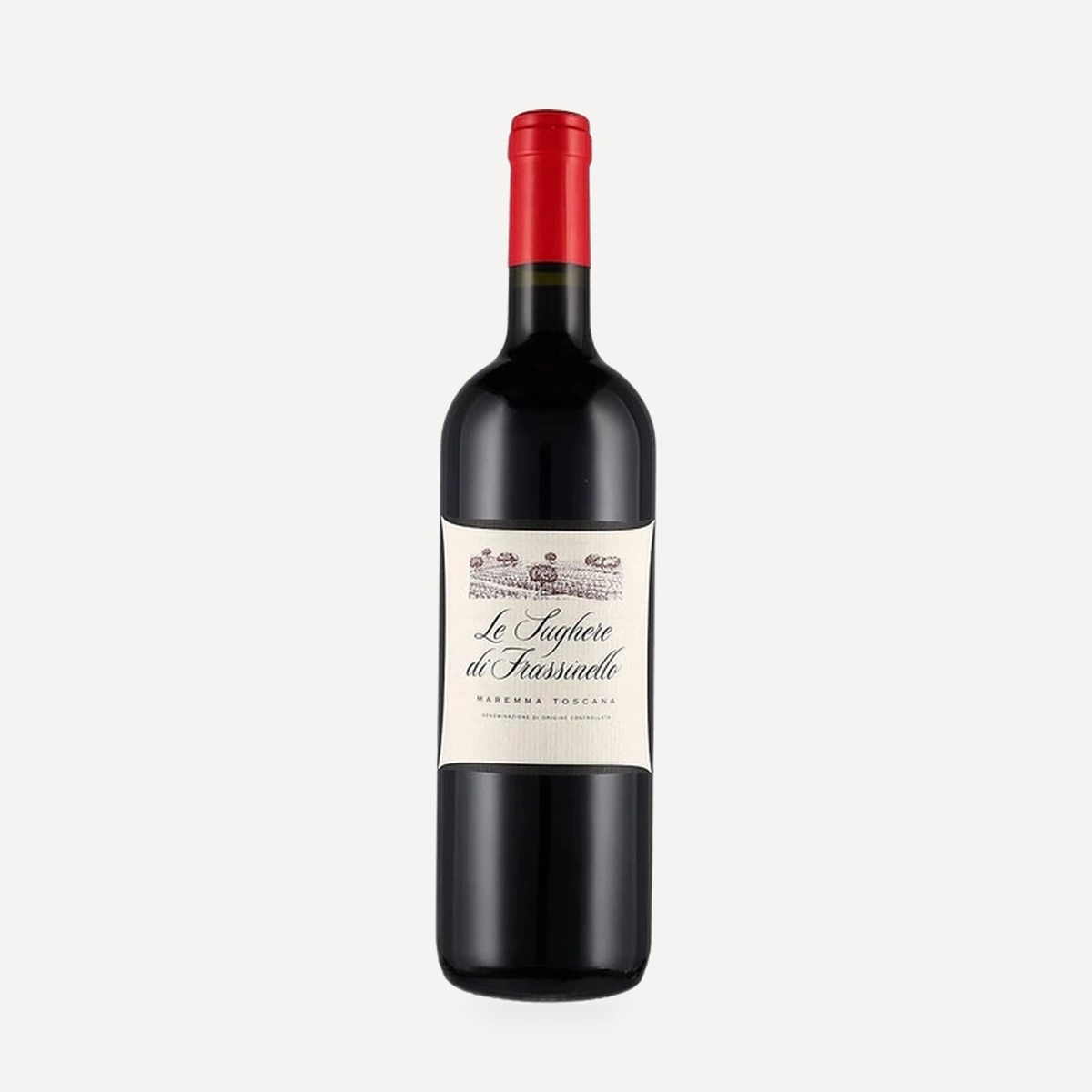
Le Sughere di Frassinello Maremma Toscana IGT
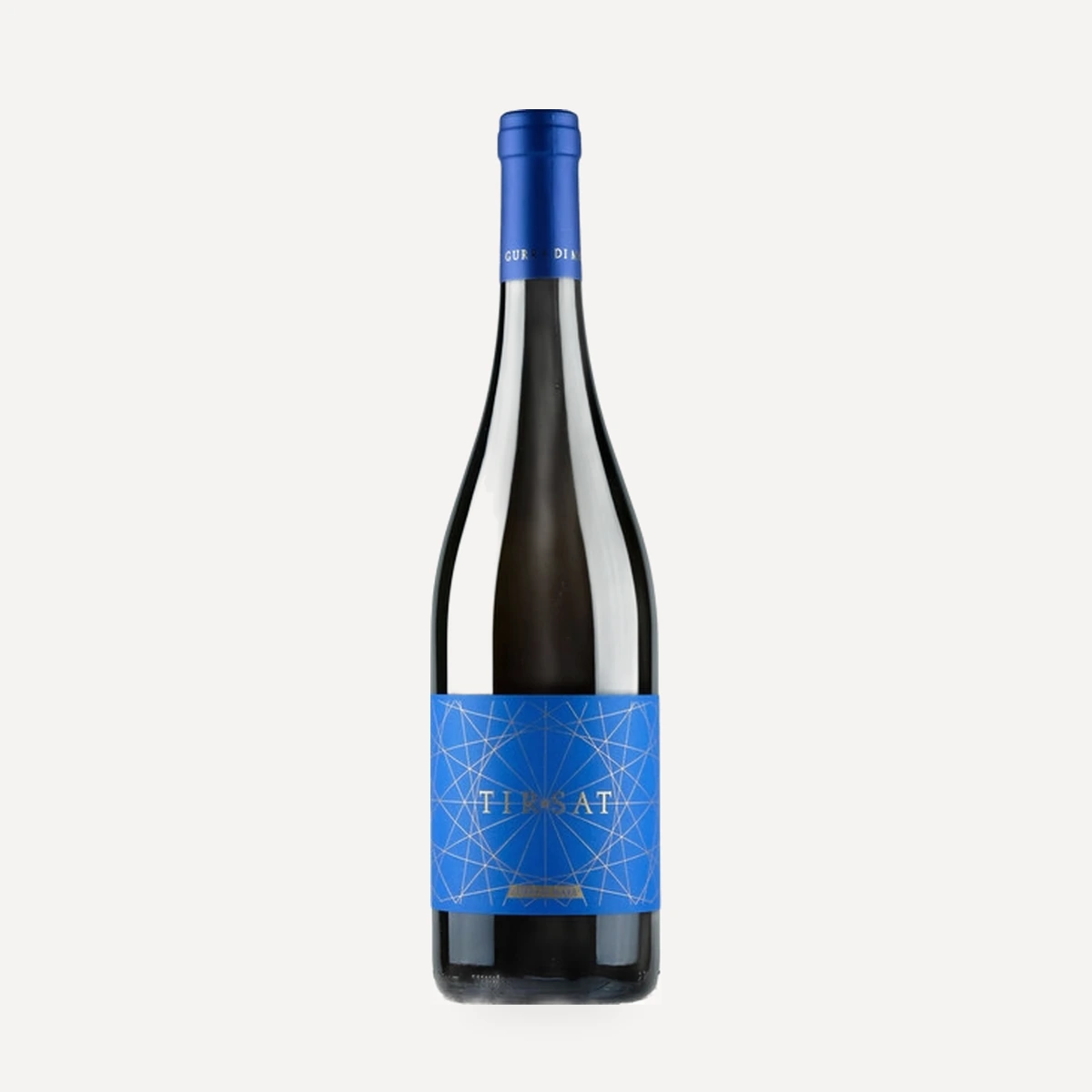
Gurra di Mare Tirsat Sicilia IGT
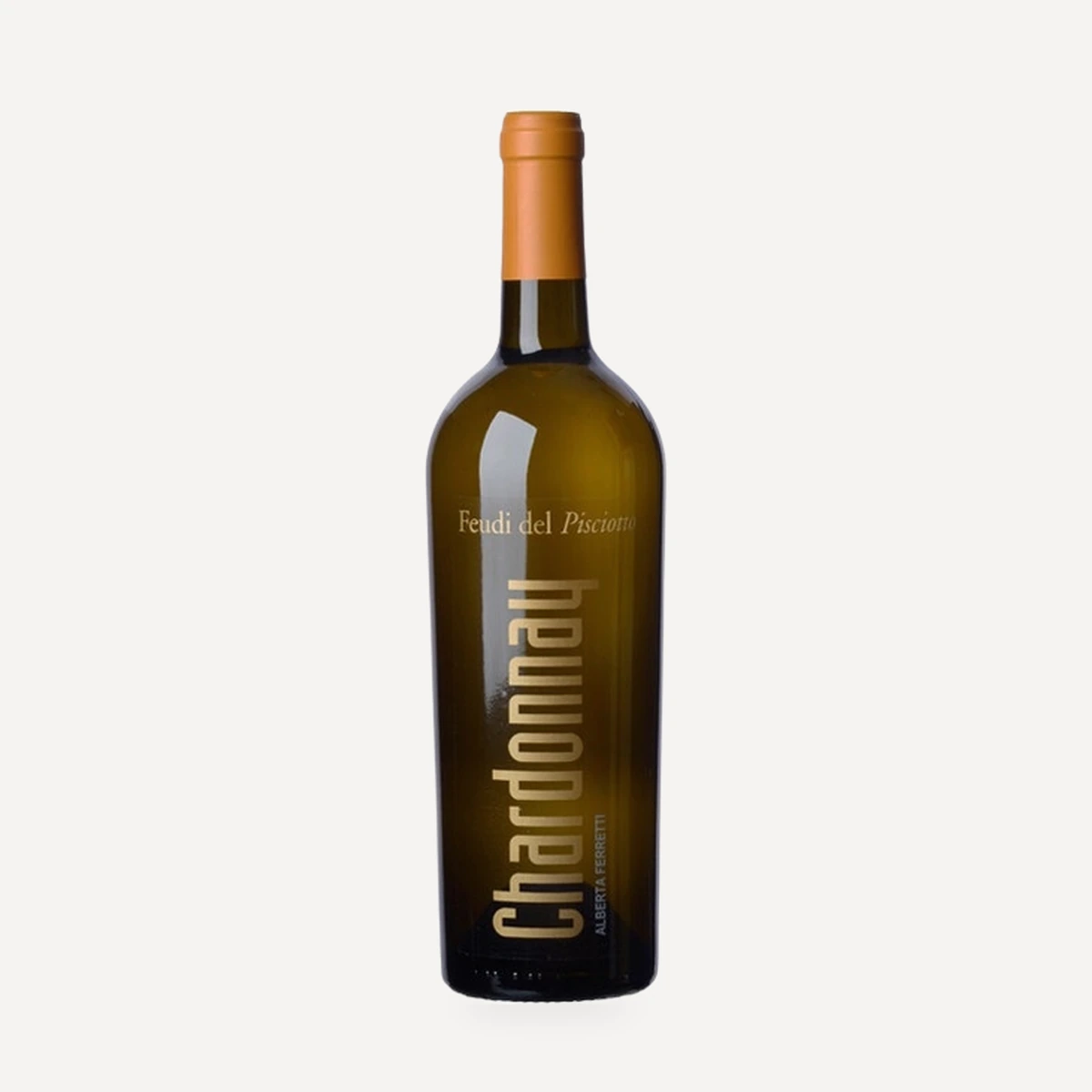
Alberta Ferretti Chardonnay Sicilia IGT
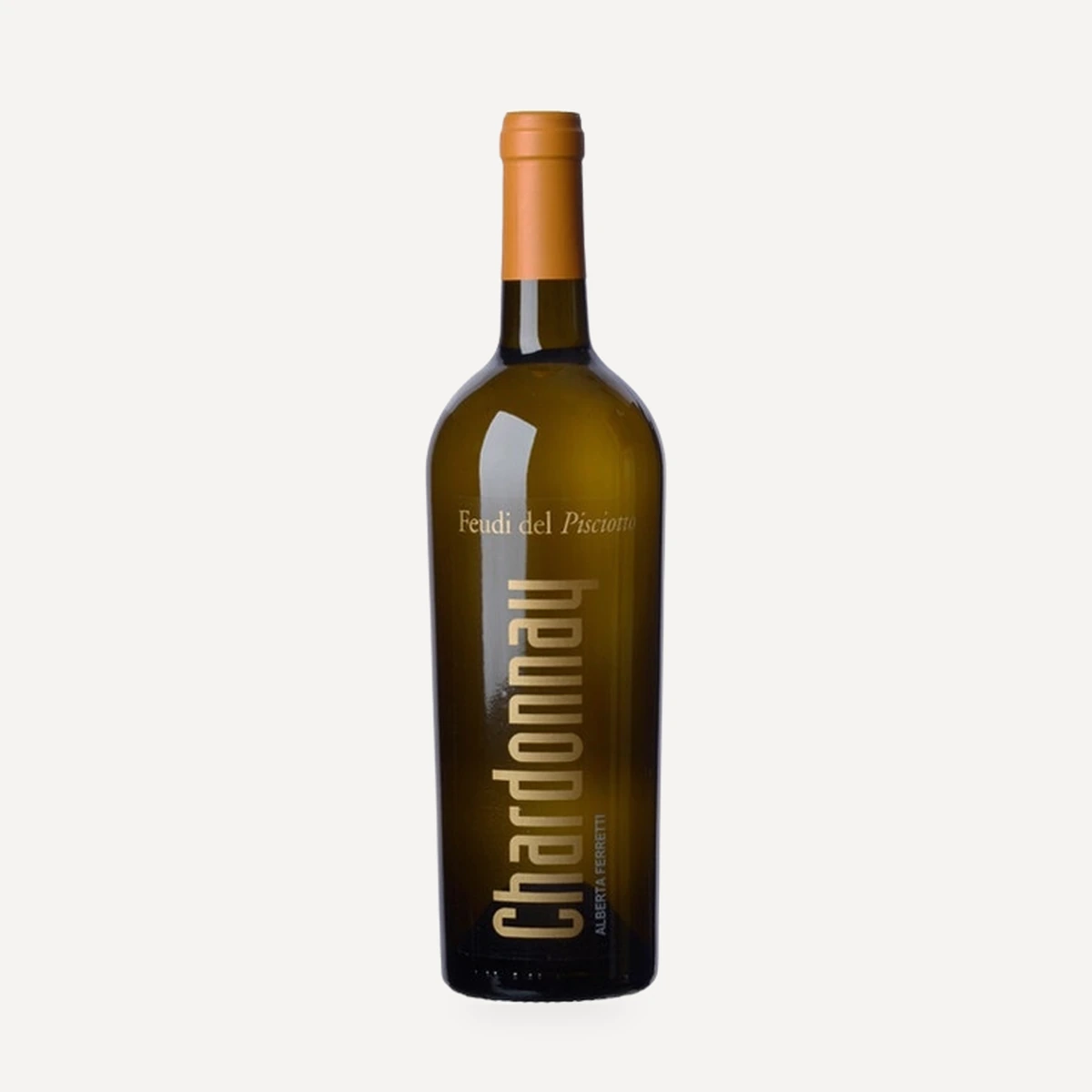
Alberta Ferretti Chardonnay Terre Siciliane IGT
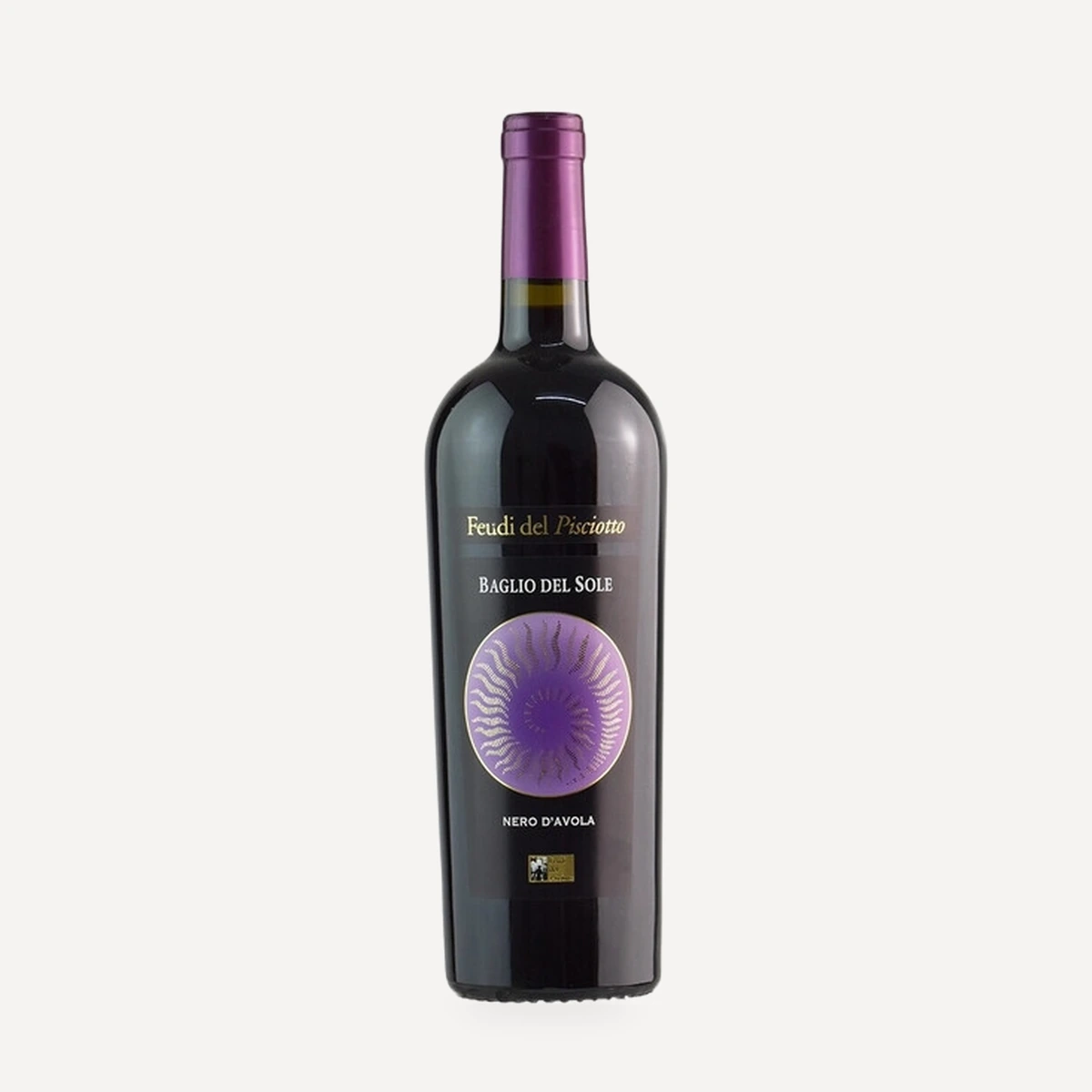
Baglio del Sole Nero d'Avola Sicilia IGT
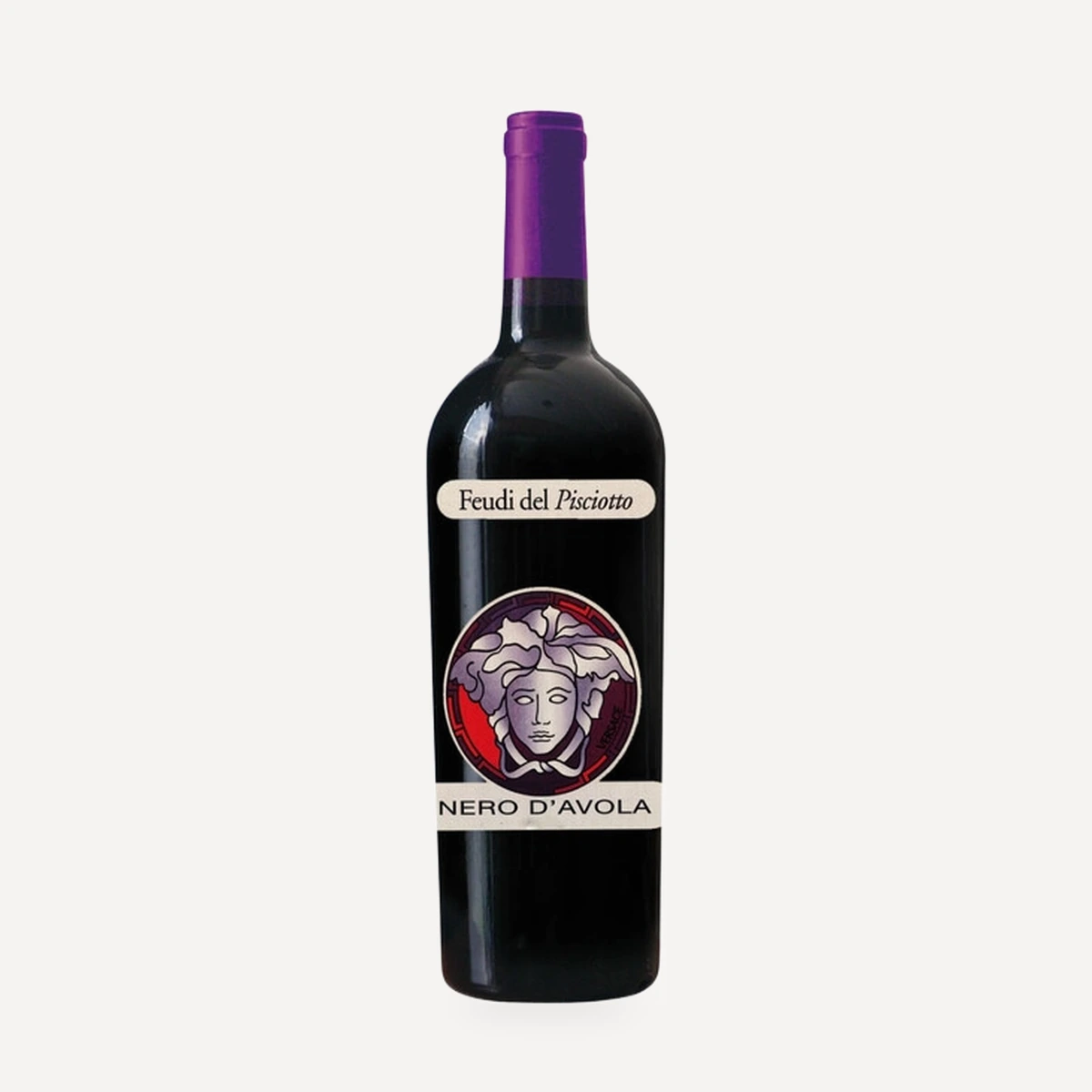
Versace Nero D'avola Sicilia IGT
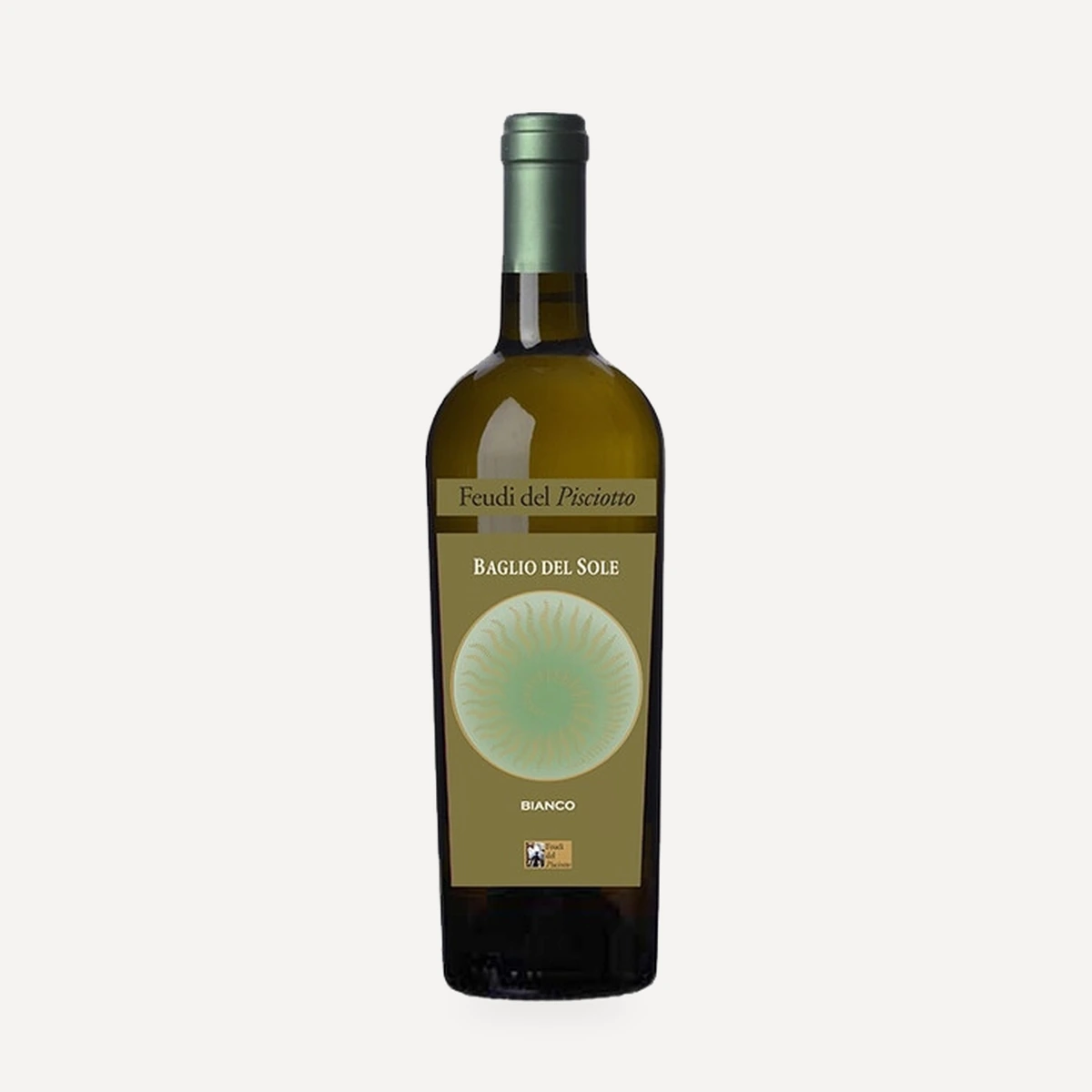
Baglio del Sole Bianco Terre Siciliane IGT
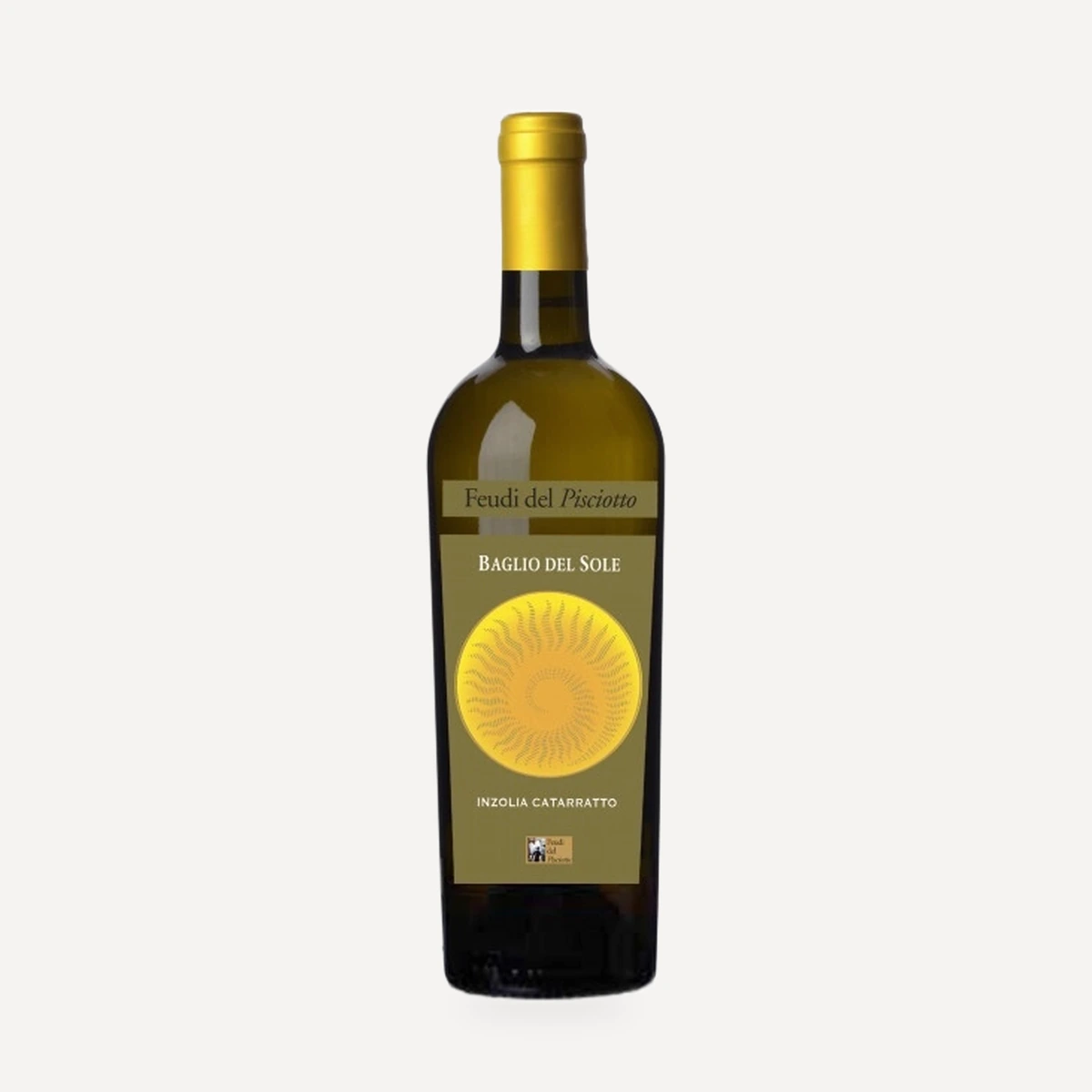
Baglio del Sole Inzolia-Catarratto Sicilia IGT
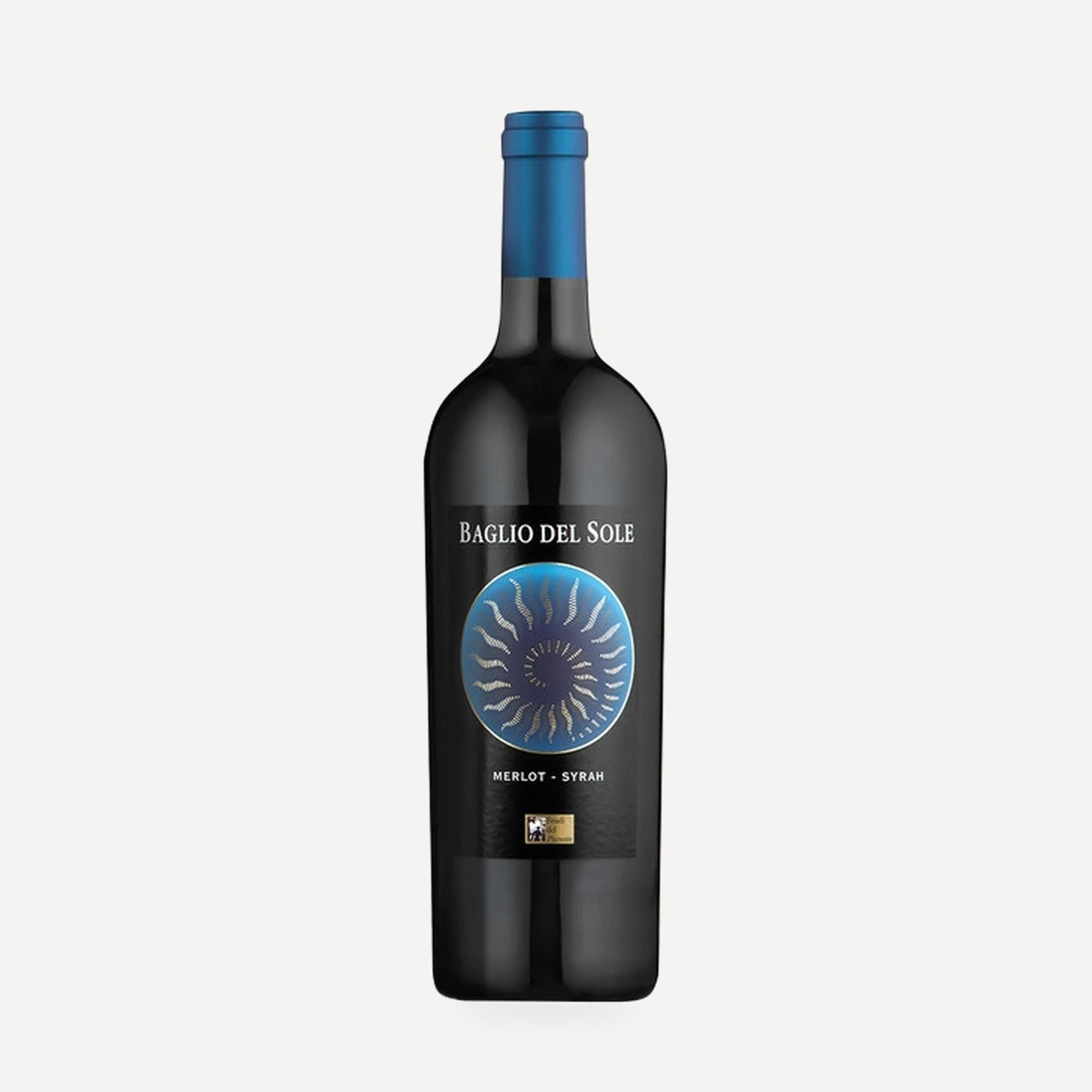
Baglio del Sole Merlot-Syrah Sicilia IGT
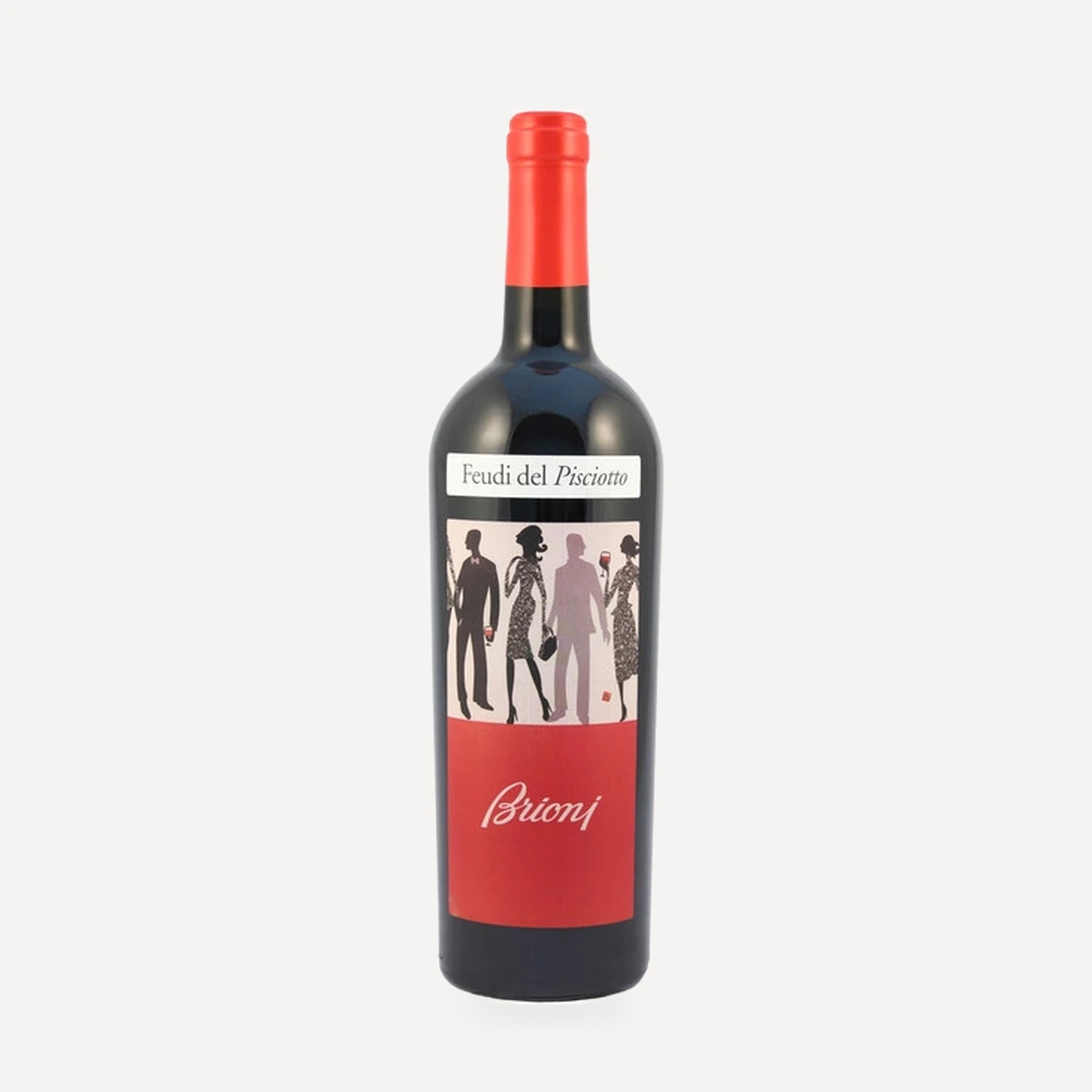
Brioni Frappato Sicilia IGT
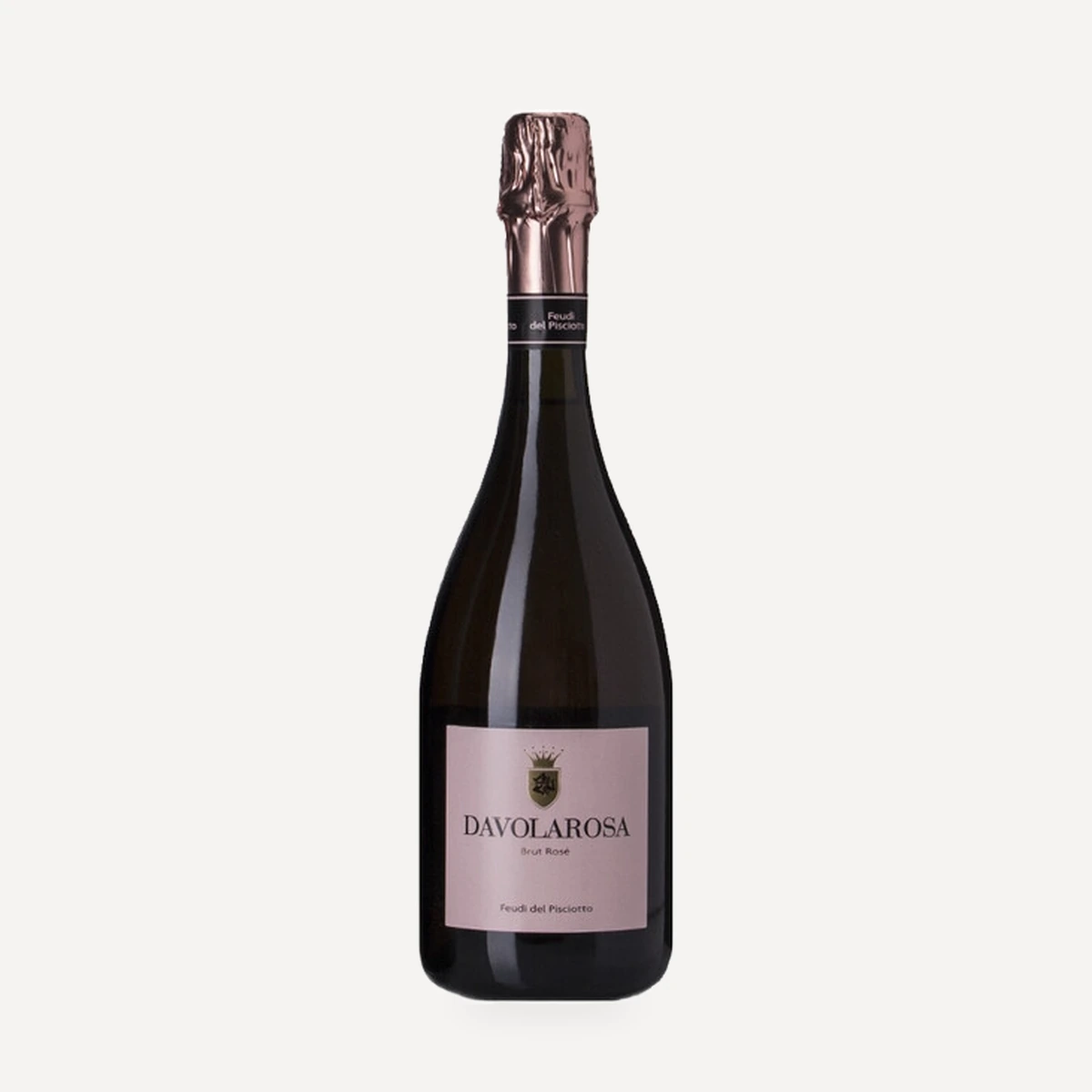
Davolarosa Brut Rose
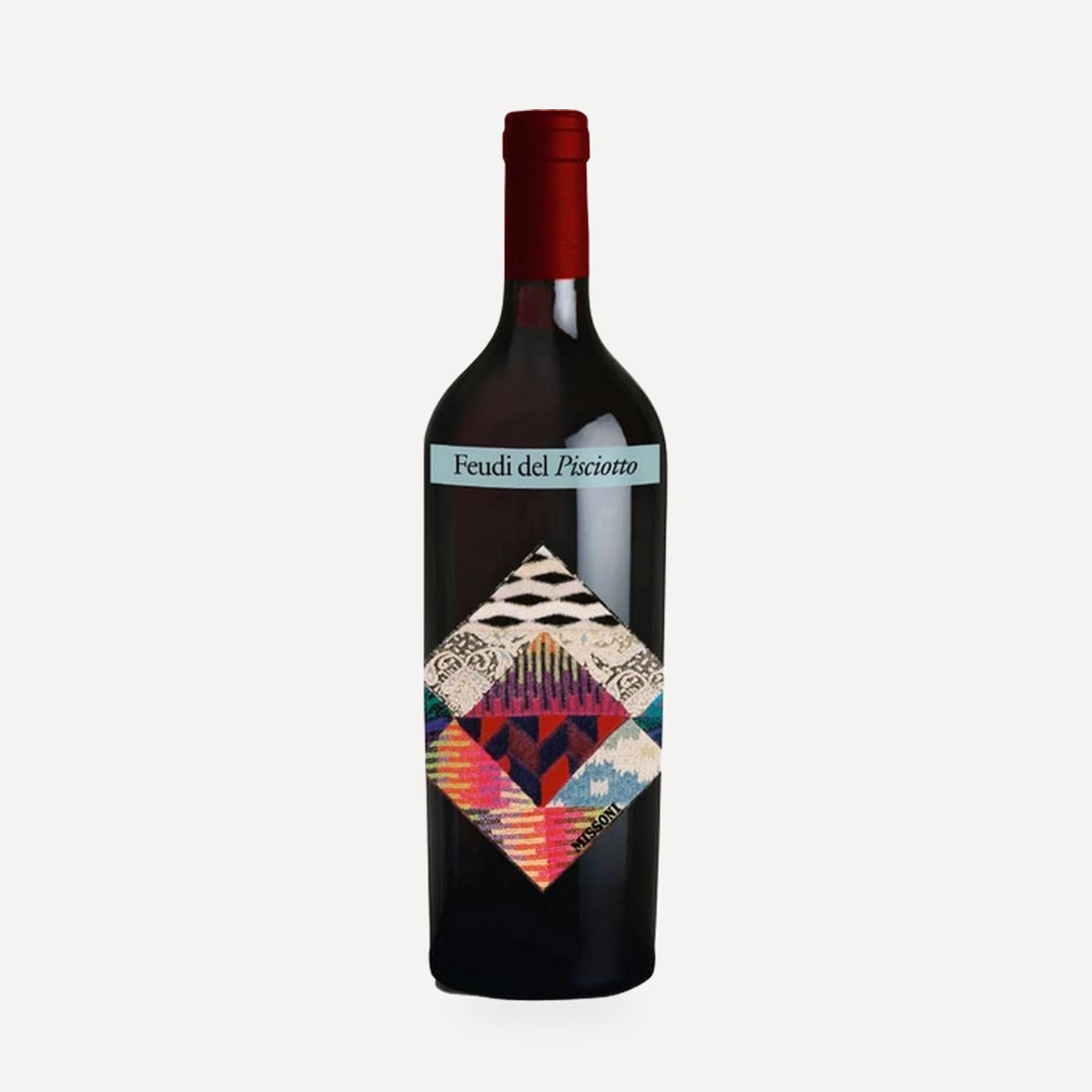
Missoni Cabernet Sauvignon Sicilia IGT
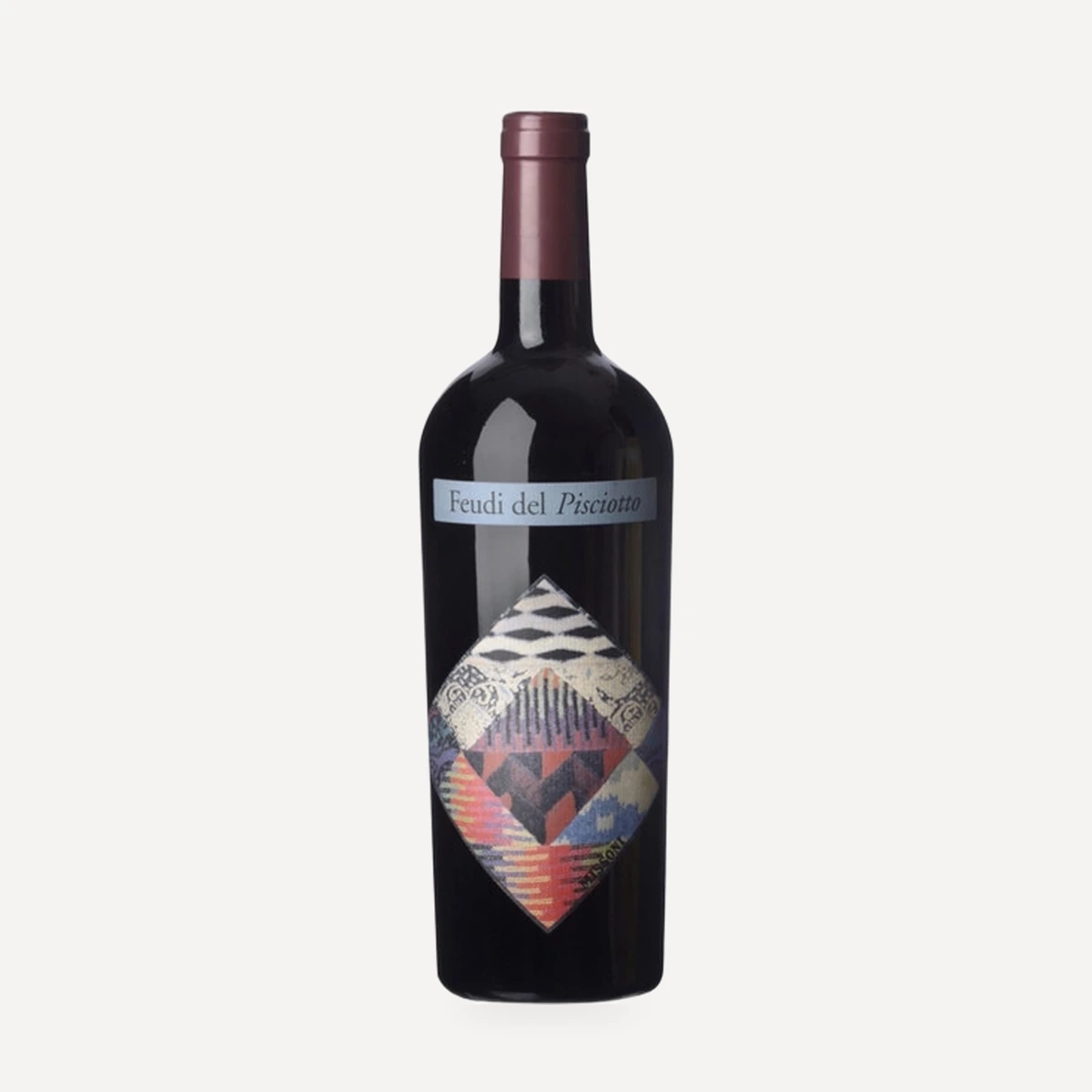
Missoni Cabernet Sauvignon Terre Siciliane IGT
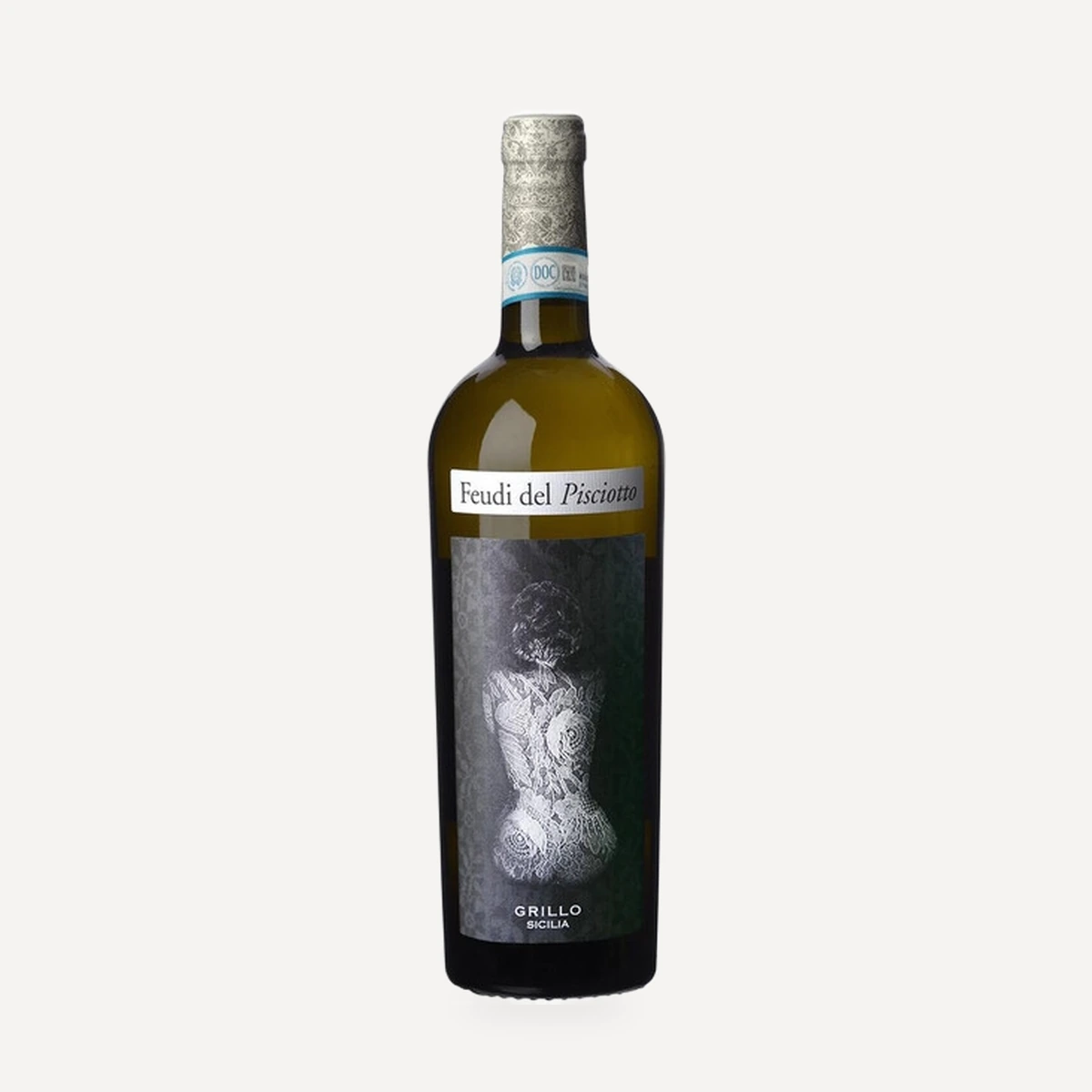
Carolina Marengo Grillo Sicilia IGT
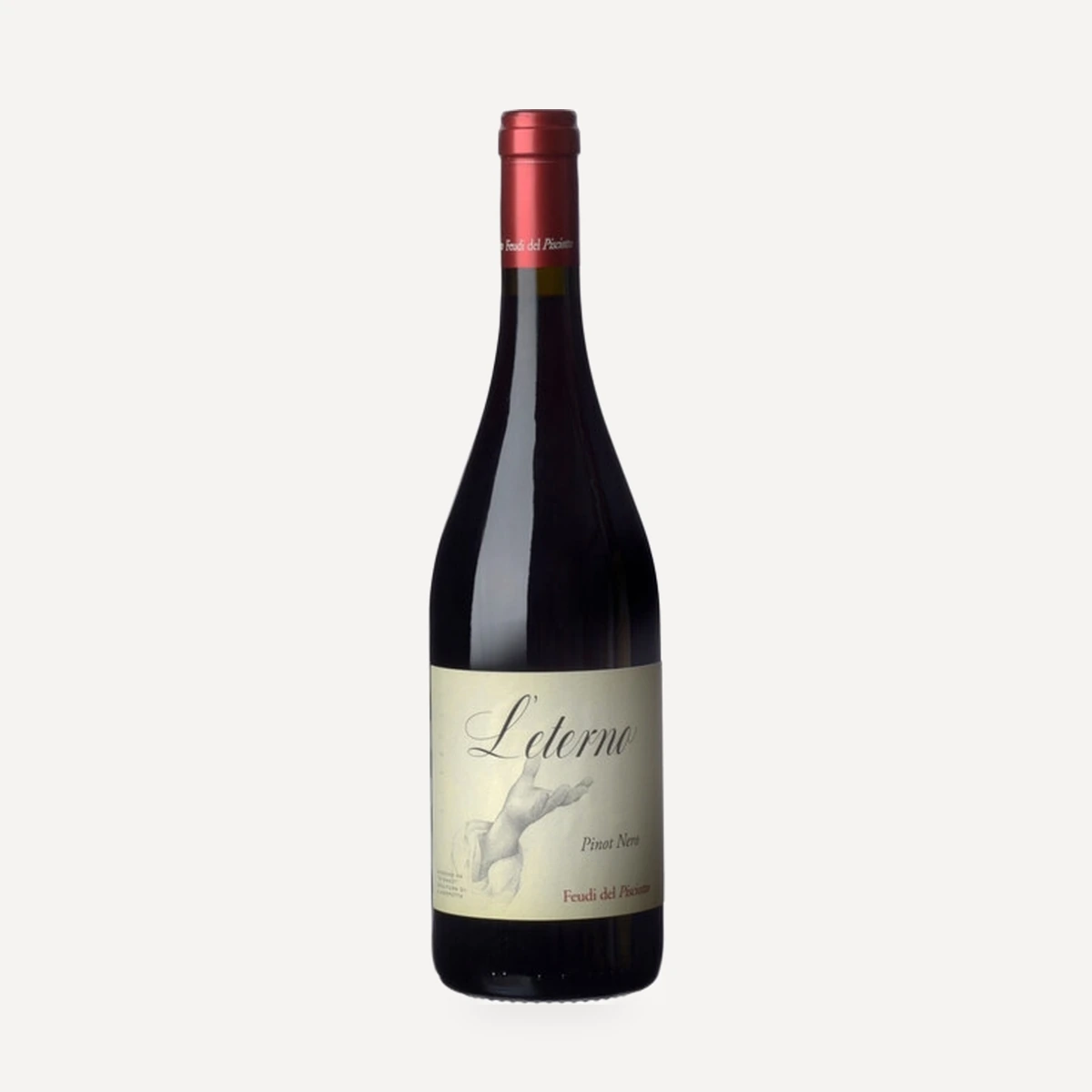
L'Eterno Pinot Nero Sicilia IGT
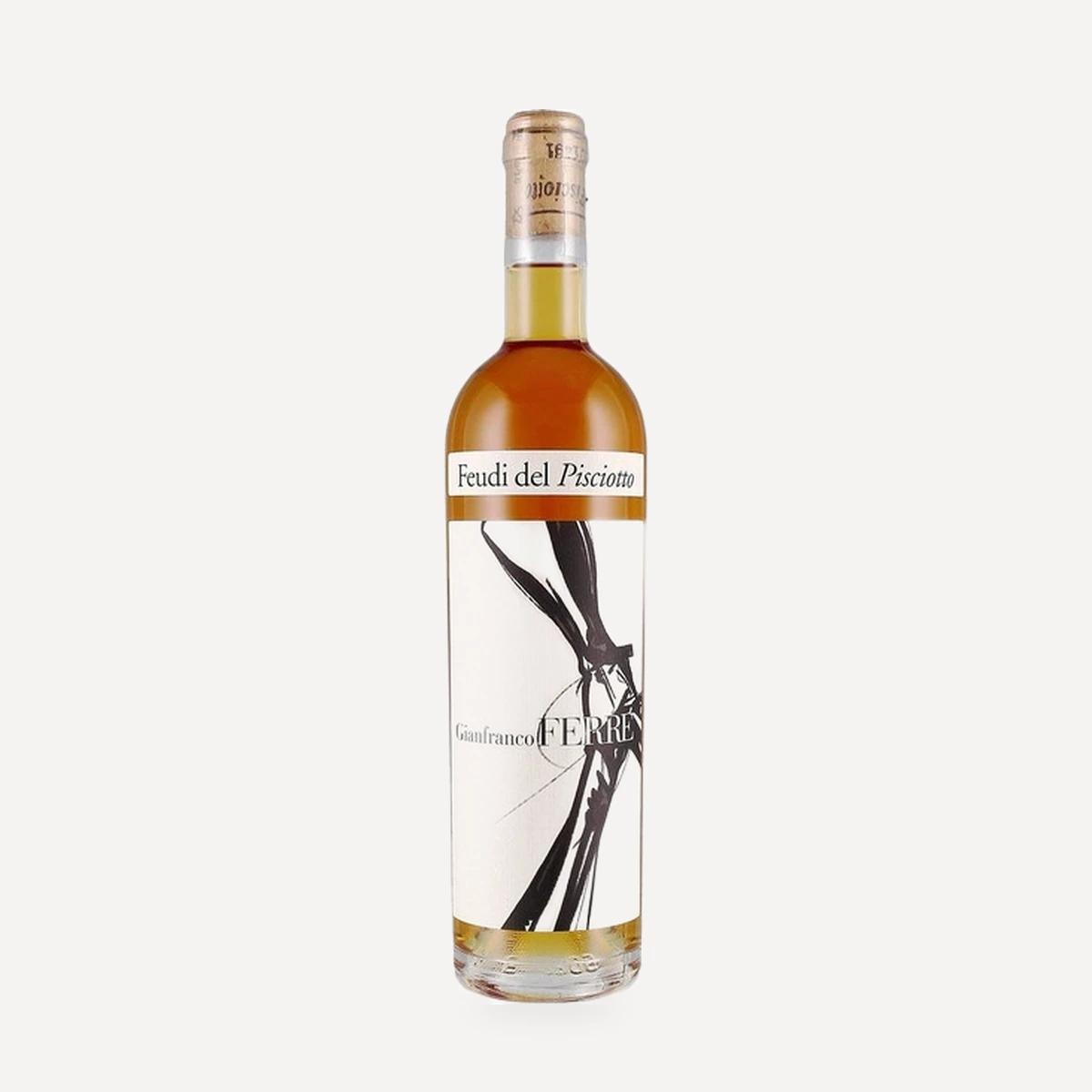
Gianfranco Ferre Passito Sicilia IGT
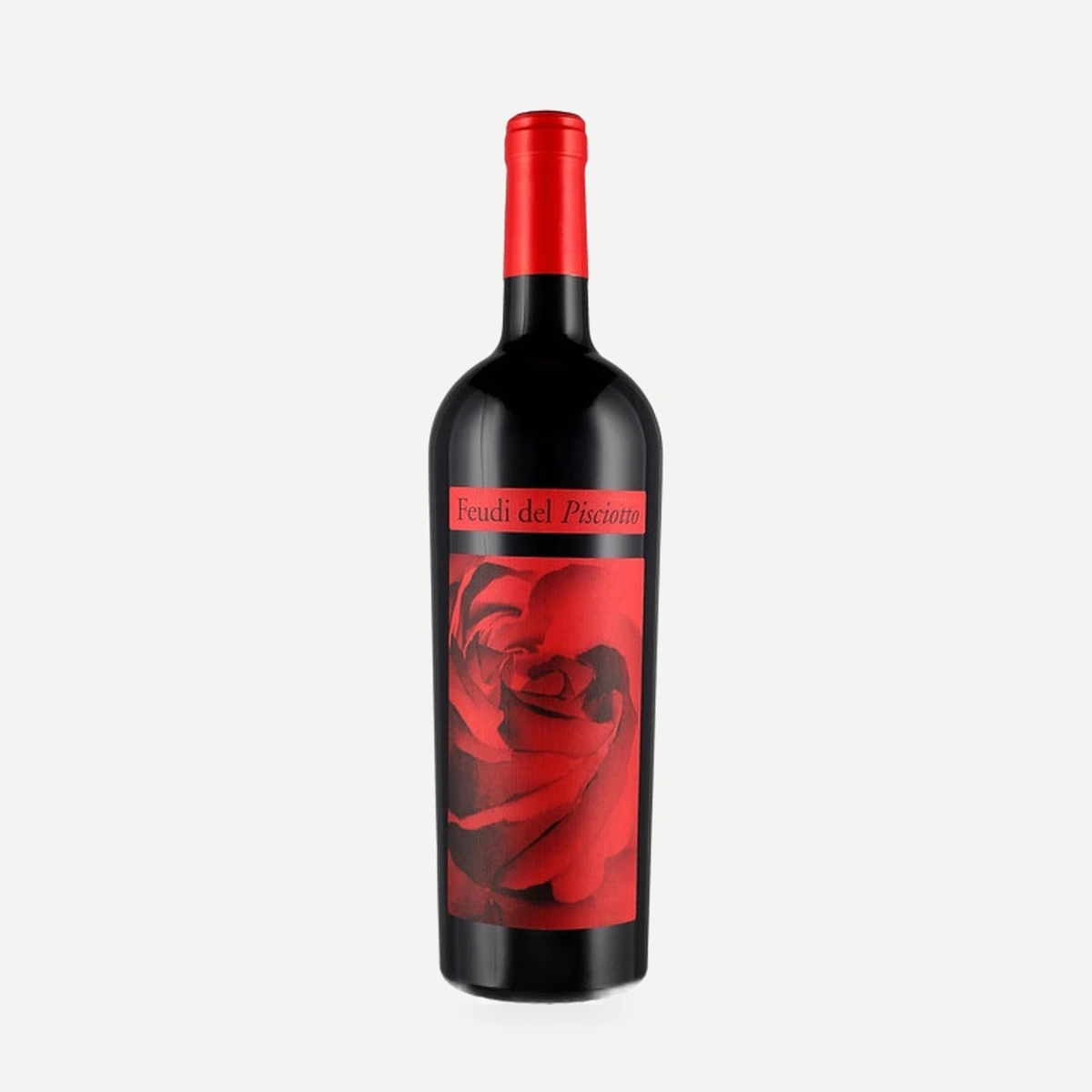
Valentino Merlot Sicilia IGT
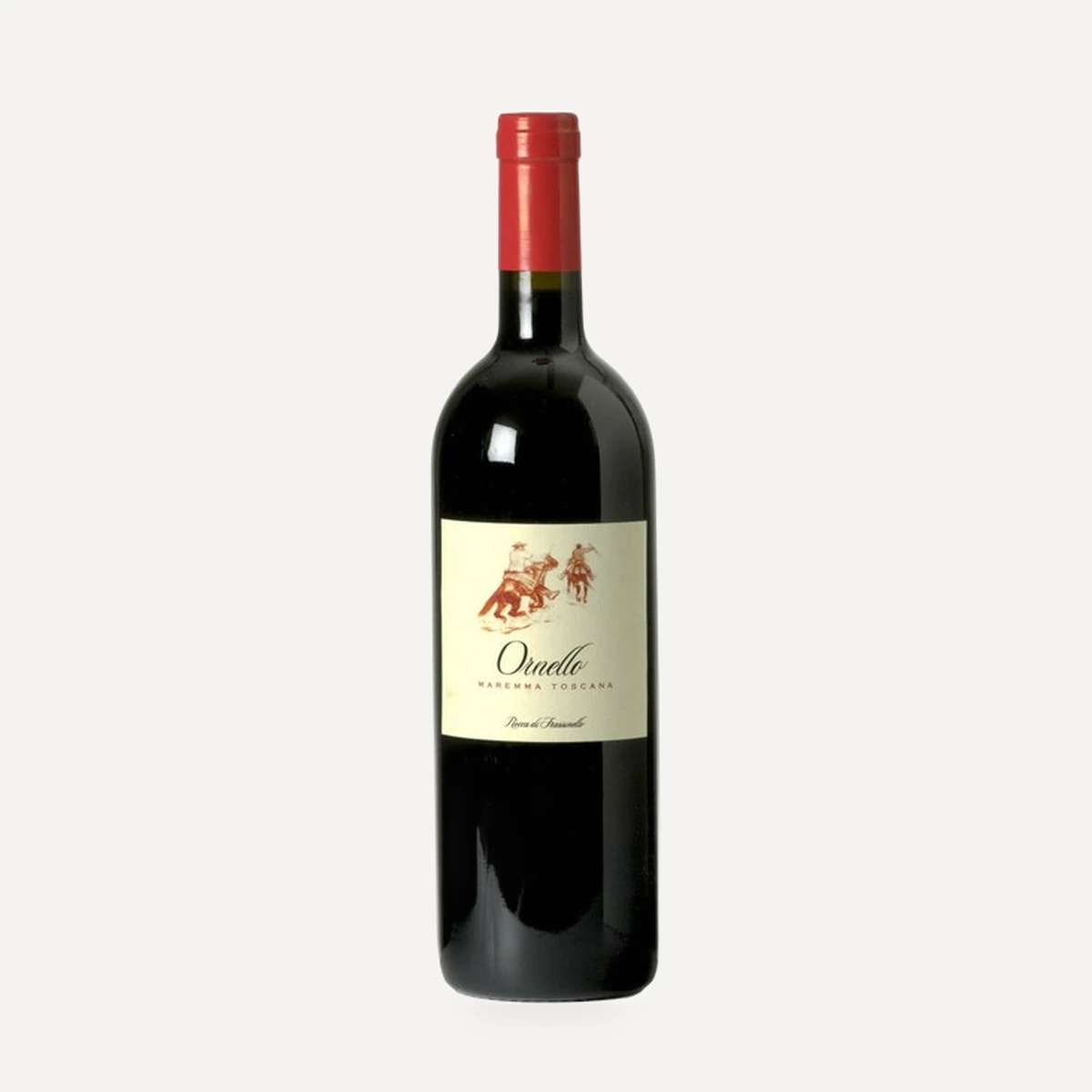
Ornello
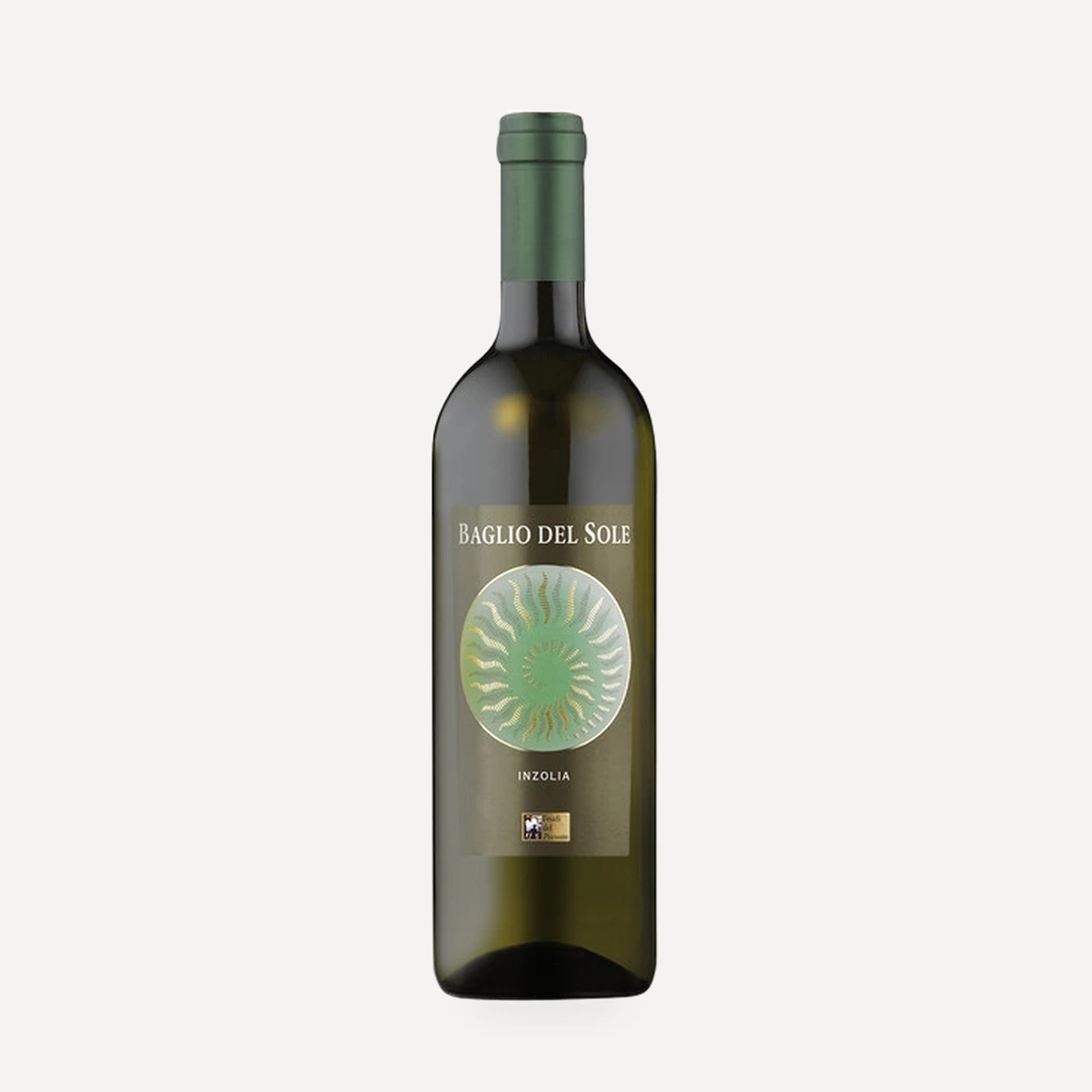
Baglio del Sole Inzolia Sicilia IGT
I Sodi di S. Niccolò 2021 | VERONELLI 100 Special Edition
I Sodi di S. Niccolò 2017 – 40 Harvests
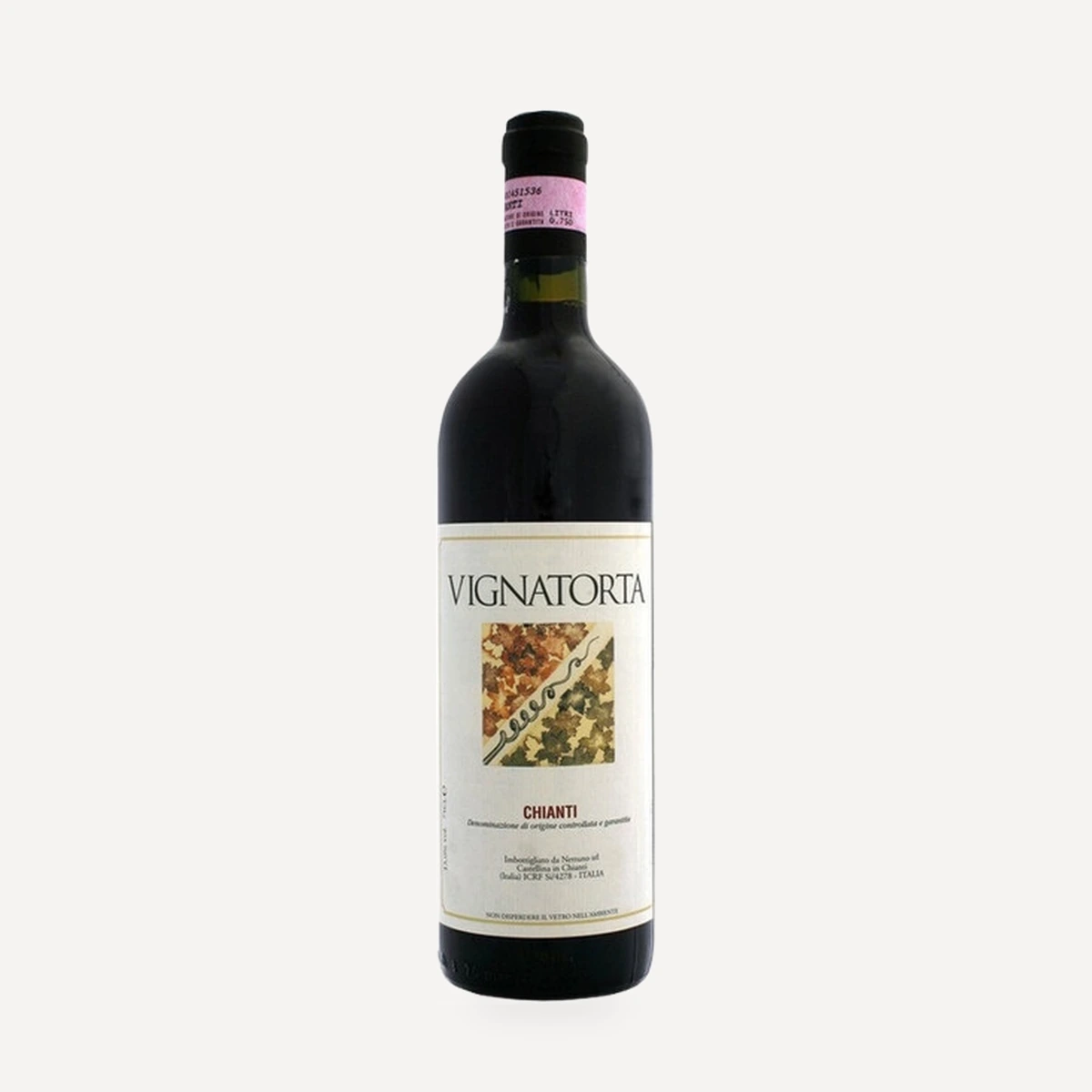
Vignatorta Chianti DOCG
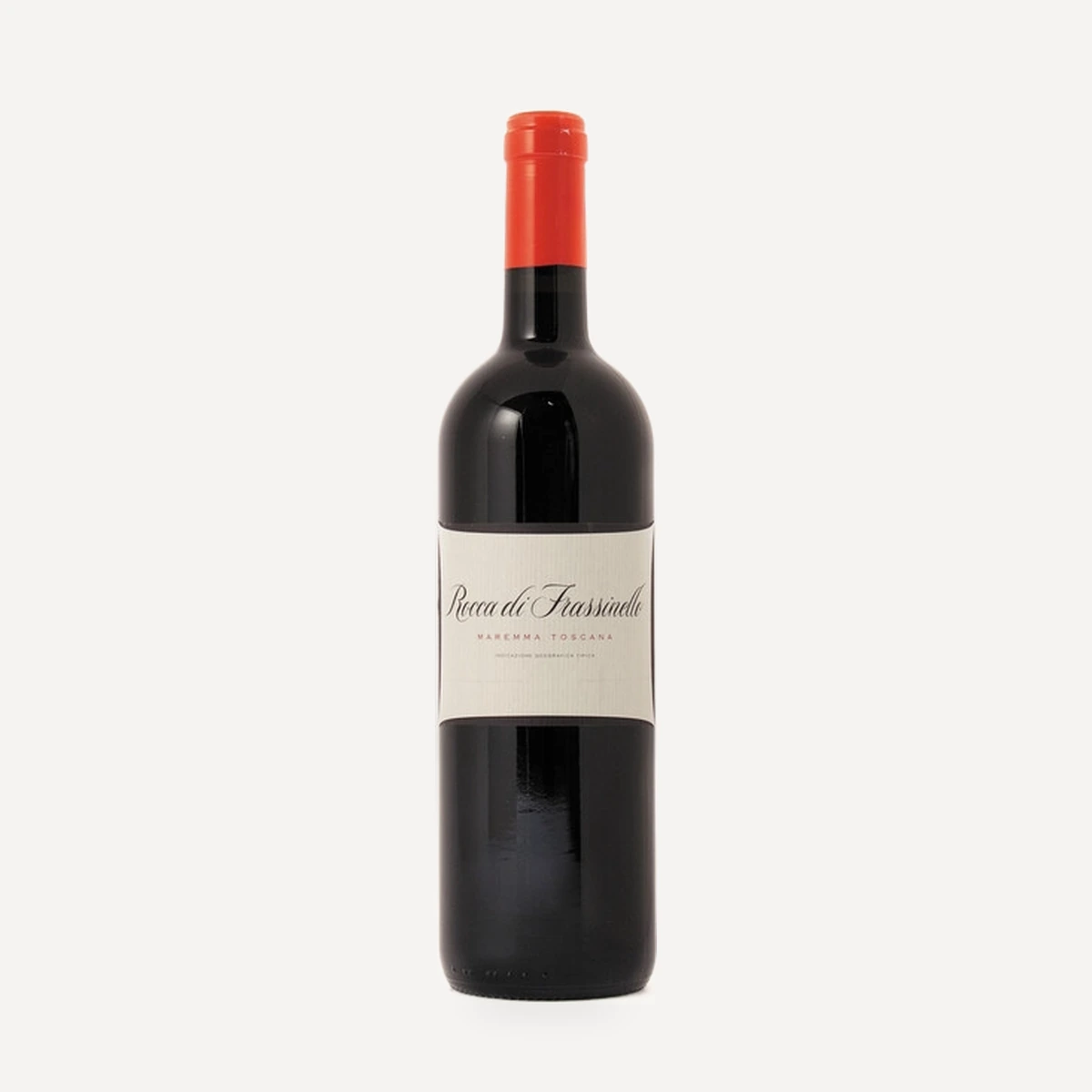
Rocca di Frassinello Maremma Toscana IGT