Storia
Medieval origins
Castello di Cigognola occupies a hill above the Scuropasso valley, where it originally served as a defensive stronghold. Its foundation is older than the surviving written record; the earliest documented references date from the middle of the 13th century.
During the Middle Ages, its strategic position toward Emilia made it an object of contention between feudal houses including the Sannazaro and Visconti families. The fortress subsequently became a humanist court during the Renaissance.
Nineteenth-century transformation
In the 19th century, Don Carlo Arnaboldi-Gazzaniga—patriot of the Risorgimento and philanthropist—remodelled the remaining medieval structure in the neo-Gothic taste of the period. His intervention introduced Ghibelline battlements, decorated portals, coats of arms and pointed ornamental elements.
The Arnaboldi and Brichetto family residence
Across successive generations, the Arnaboldi, Brichetto and Moratti families maintained the castle as an ancestral residence used for family anniversaries and convivial gatherings. Wine and the annual harvest formed a continuing thread through this family life.
Emilia Ajroldi di Robbiate, known as Donna Mimina and the grandmother of Letizia Moratti, stayed at Cigognola during the summer and returned in autumn for the harvest. She received political figures, writers and intellectuals including Benedetto Croce, Guido Piovene, Riccardo Bacchelli, Eugenio Montale and Luigi Einaudi.
Emilia’s daughters, Bianca and Bice Brichetto, were deeply attached to the castle, lived there frequently and helped bring it back to life after the Second World War. Bice Brichetto was associated with painting and a prominent Milanese cultural salon. Five separate libraries, assembled by five ancestors according to their respective interests, preserve this long-standing culture of intellectual exchange and hospitality.
Acquisition, fire and reconstruction
In December 1981, Gian Marco Moratti, husband of Letizia Brichetto Arnaboldi, acquired the entire property. A disastrous fire in 1982 destroyed most of the building. Gian Marco and Letizia Moratti commissioned their friend and previous collaborator Renzo Mongiardino to undertake the reconstruction.
Mongiardino and Letizia Moratti worked side by side throughout the creative process. Historical furnishings, paintings and antiques were combined with new decorative inventions. The restored interiors brought together 15th-century Florentine damier patterns, Mannerist references to Palazzo Te in Mantua and motifs inspired by the figuratively painted wooden ceiling of the Church of St Martin at Zillis in Graubünden. Several artisans who worked with Mongiardino later joined the arts-and-crafts school of the San Patrignano community, a rehabilitation and professional-training initiative supported by the Moratti family from its beginnings.
Present direction
Gabriele Moratti now leads the wine business and has set a new direction for it. The contemporary project brings together the family inheritance, Pinot Noir-focused wine production, scientific research, precision viticulture, an organic approach and exchanges between experienced consultants and younger professionals.
Terroir
The estate stands high on a hill in Oltrepò Pavese, overlooking and historically controlling the Scuropasso valley. Its vineyards form a geometric pattern around the castle and descend steeply from the final orogenic thrusts of the Apennines in the Lombardy–Liguria–Emilia border area.
The geological thrust runs from south-west to north-east. Beyond these steep formations, the land becomes predominantly flat toward the foothills of the Prealps. The hills have limestone-clay soils, the stated foundation for the mineral and nutrient supply of the Pinot Noir and Pinot Meunier vineyards.
Exposure varies within the hillside. The highest part of an east-facing vineyard is associated with fruit selected for rosé production. Vines on the north-west-facing side receive warm evening sunlight and are reserved for long-aged sparkling production.
Vinificazione
Vineyard management combines precision viticulture with an organic approach. Interventions are intended to be limited to what is necessary, while protection of the vines and vineyard biodiversity forms part of the wider sustainability policy.
For the estate’s Pinot Noir red-wine production, yields are kept below 1 kg of grapes per vine. Harvesting is performed exclusively by hand. One traditional technique used with Barbera is shoot cutting: interrupting the flow between vine and bunch induces partial drying of the fruit on the plant and concentrates the juice.
Environmental responsibility is framed together with the rights of people directly and indirectly involved throughout the supply chain. Packaging and distribution follow the same programme through recycled and recyclable materials, environmentally oriented supply chains and lightweight glass bottles intended to reduce carbon-dioxide emissions.
Cellar work combines manual practices, spontaneous fermentation and selective use of established winemaking techniques.
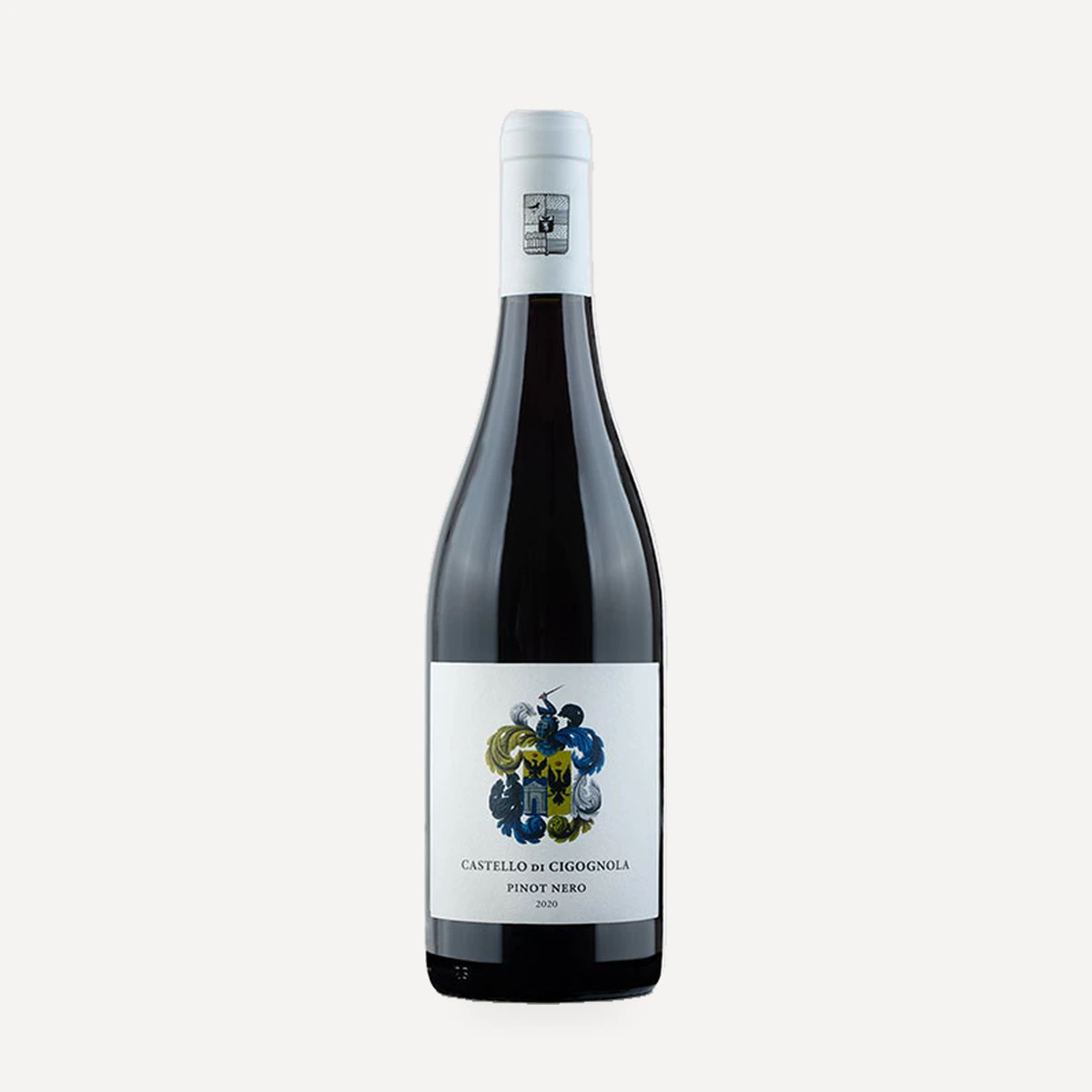
Pinot Noir destined for red wine is hand harvested at yields below 1 kg per vine. Destemming is carried out manually to keep the berries intact. Fermentation relies on spontaneous yeasts and is accompanied by several days of gentle punching down, providing a slow, gradual supply of nutrients to the yeasts. As racking approaches, the remaining whole berries are progressively broken by foot pressing.
White vinification of Pinot Noir uses slow, low-temperature spontaneous fermentation followed by maturation in stainless steel. Elsewhere in the range, the cellar employs whole-cluster fermentation, extended maceration, large casks, small casks and 600-litre tonneaux according to the intended expression.
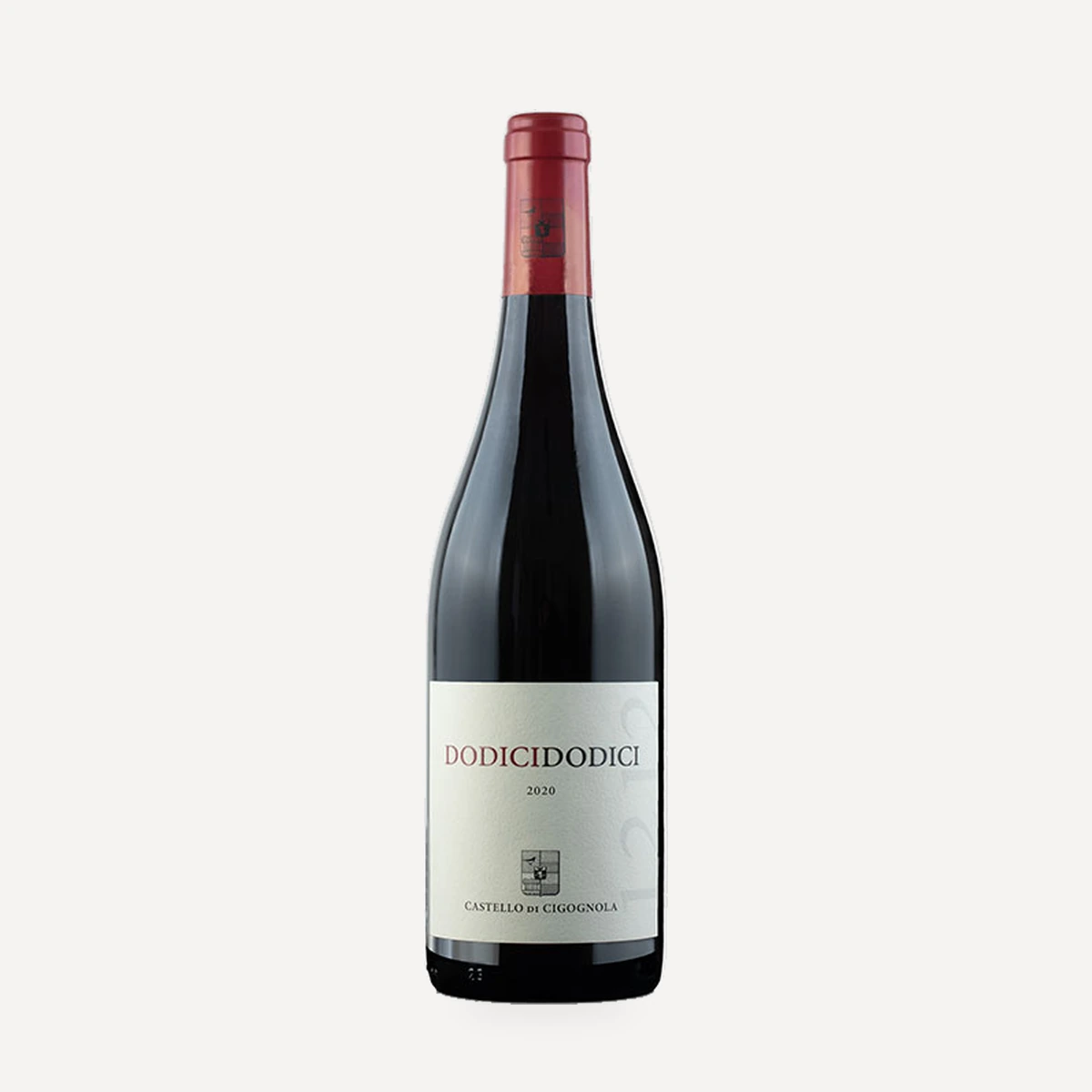
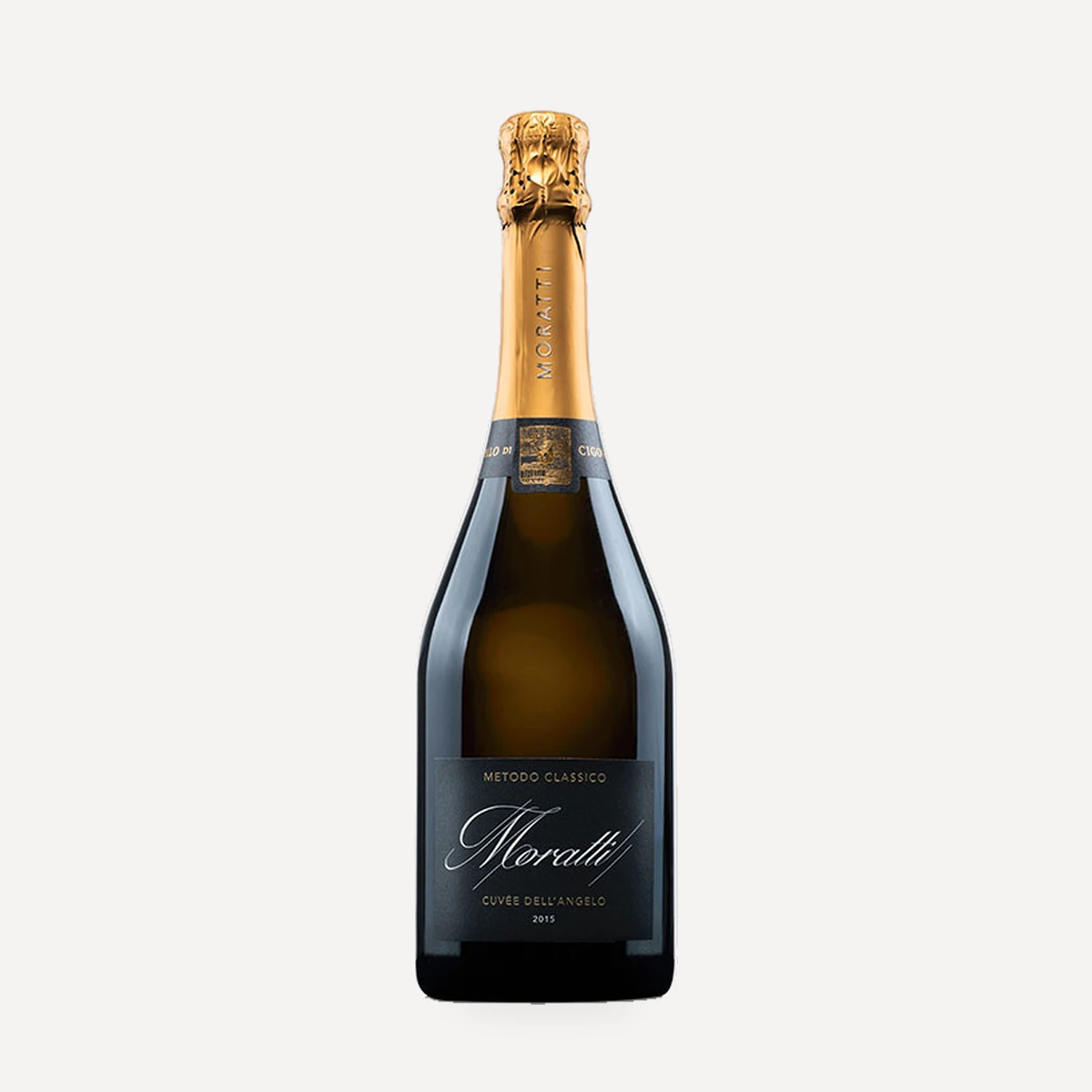
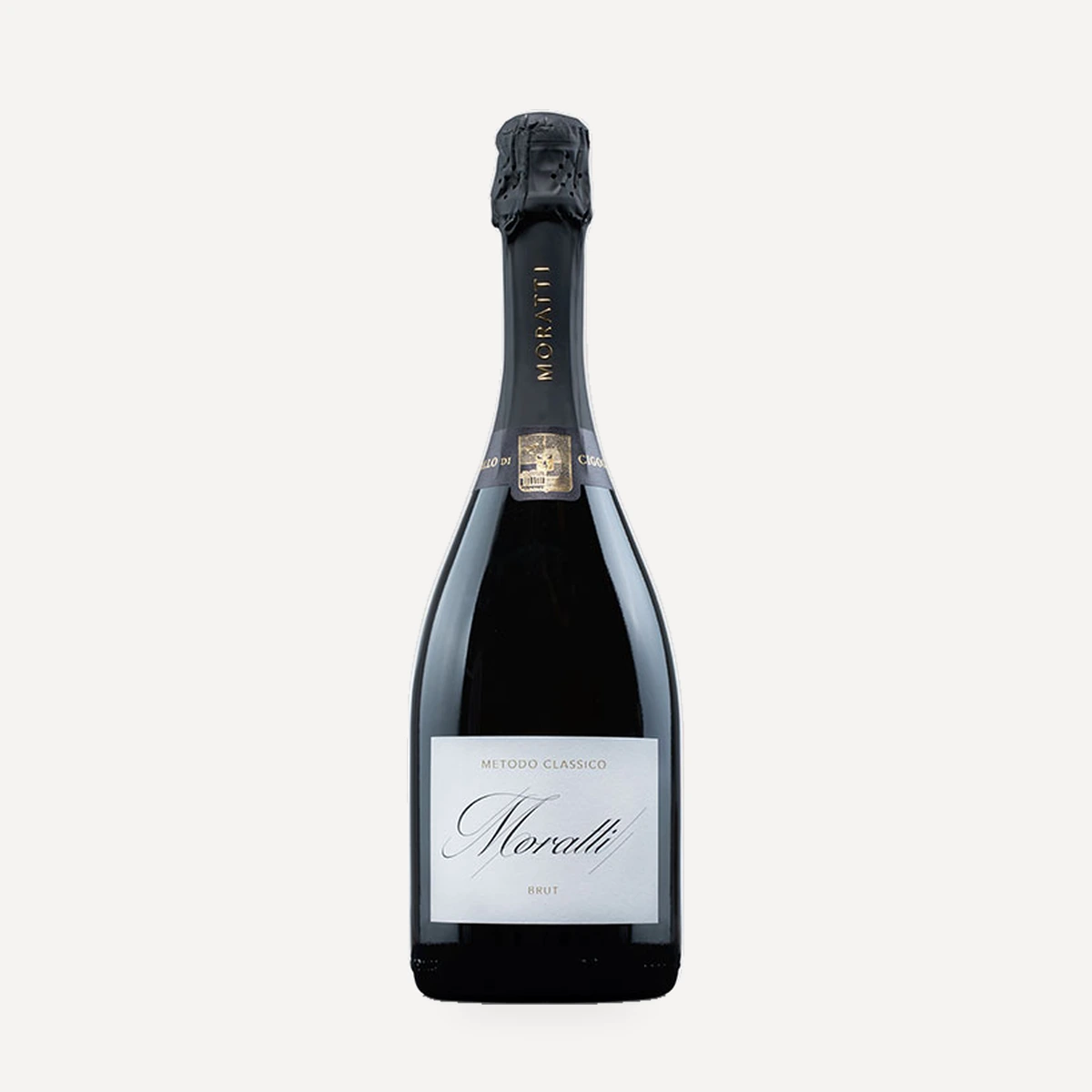
Metodo Classico wines are produced as blanc de noirs and rosé. The first selection of each harvest is directed to the Cuvée ’More range, with the character of the base wine determining whether it becomes Brut, Pas Dosé or both. The sparkling wines mature on their lees, and dosage is either omitted or decided after blind tasting at disgorgement, depending on the cuvée.
The use of non-organic inputs in winemaking has been reduced to a minimum, with their complete elimination identified as a future objective.
Filosofia
The project places people and their values at its centre. Environmental stewardship is linked to responsibility for the rights of everyone directly or indirectly involved in the supply chain. In the vineyard, this translates into respect for the vines and biodiversity, precision monitoring, an organic approach and intervention only where considered necessary.
The business describes itself as a lean, entrepreneurial wine start-up in which technique and creativity remain in continuous dialogue. Scientific research, experimentation and new technological knowledge are developed through exchange between experienced consultants and skilled younger professionals. Personal growth and generational exchange are treated as part of the production culture.
The same principles extend beyond viticulture and cellar work. Non-organic winemaking inputs are being progressively reduced, while recycled and recyclable packaging, environmentally oriented suppliers and lighter bottles are used to lower the distribution footprint.
Family continuity is paired with innovation rather than presented as a fixed historical model. The inherited culture of hospitality, intellectual exchange and artistic patronage continues through publications and collaborations with contemporary artists.
Vini
Castello di Cigognola
Cuvée dell’Angelo
Cuvée ‘More Brut
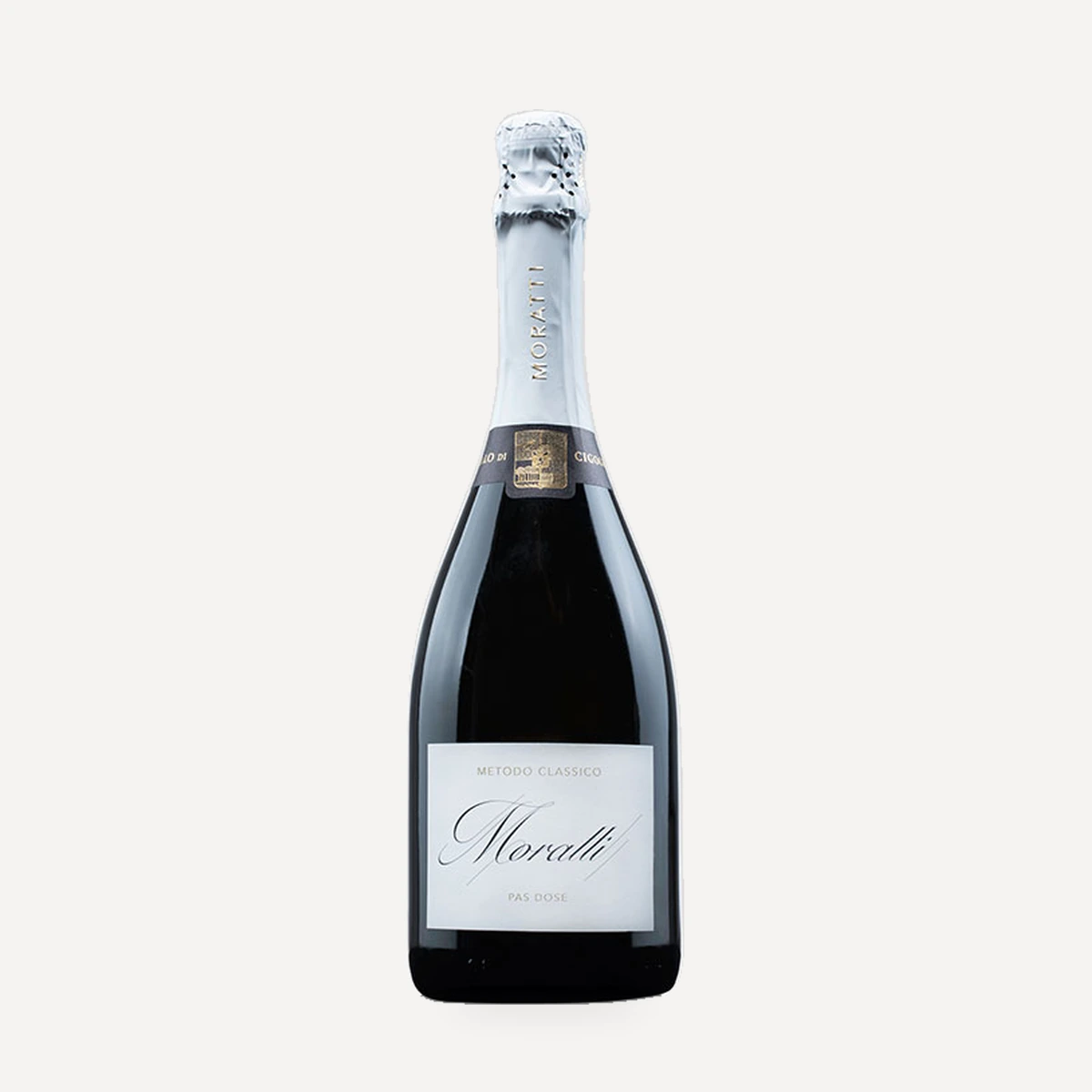
Cuvée ‘More Pas Dosé
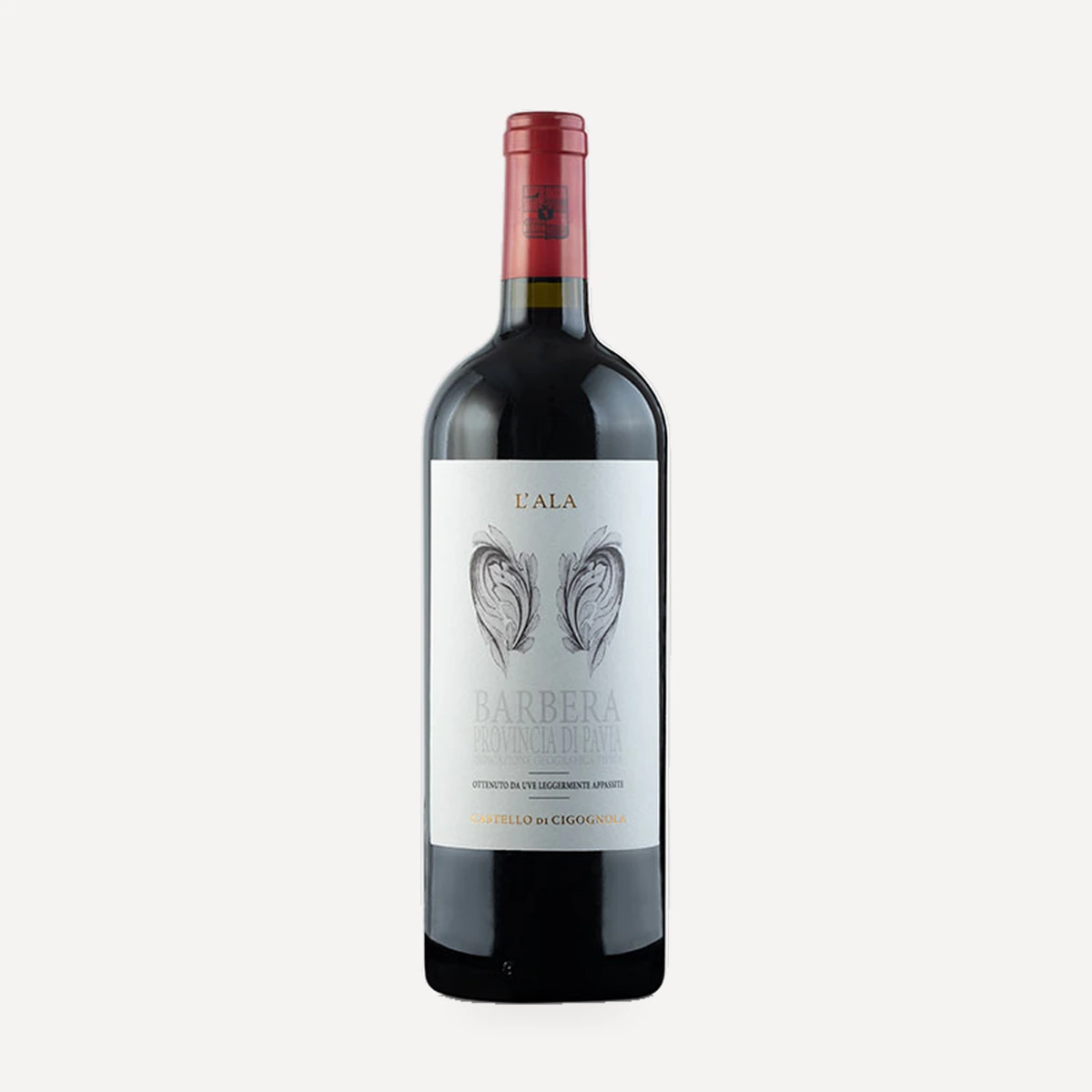
L’Ala
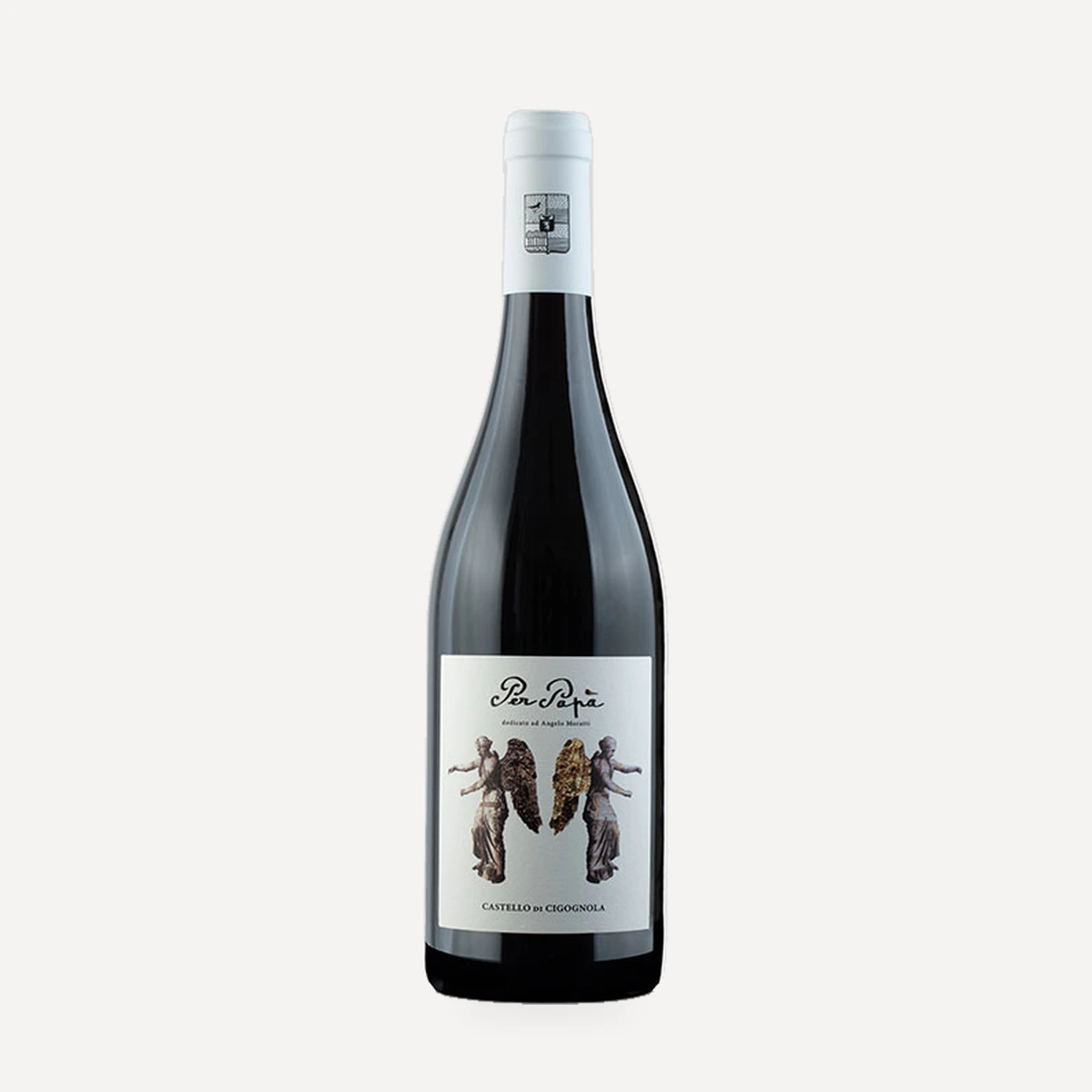
Per Papà
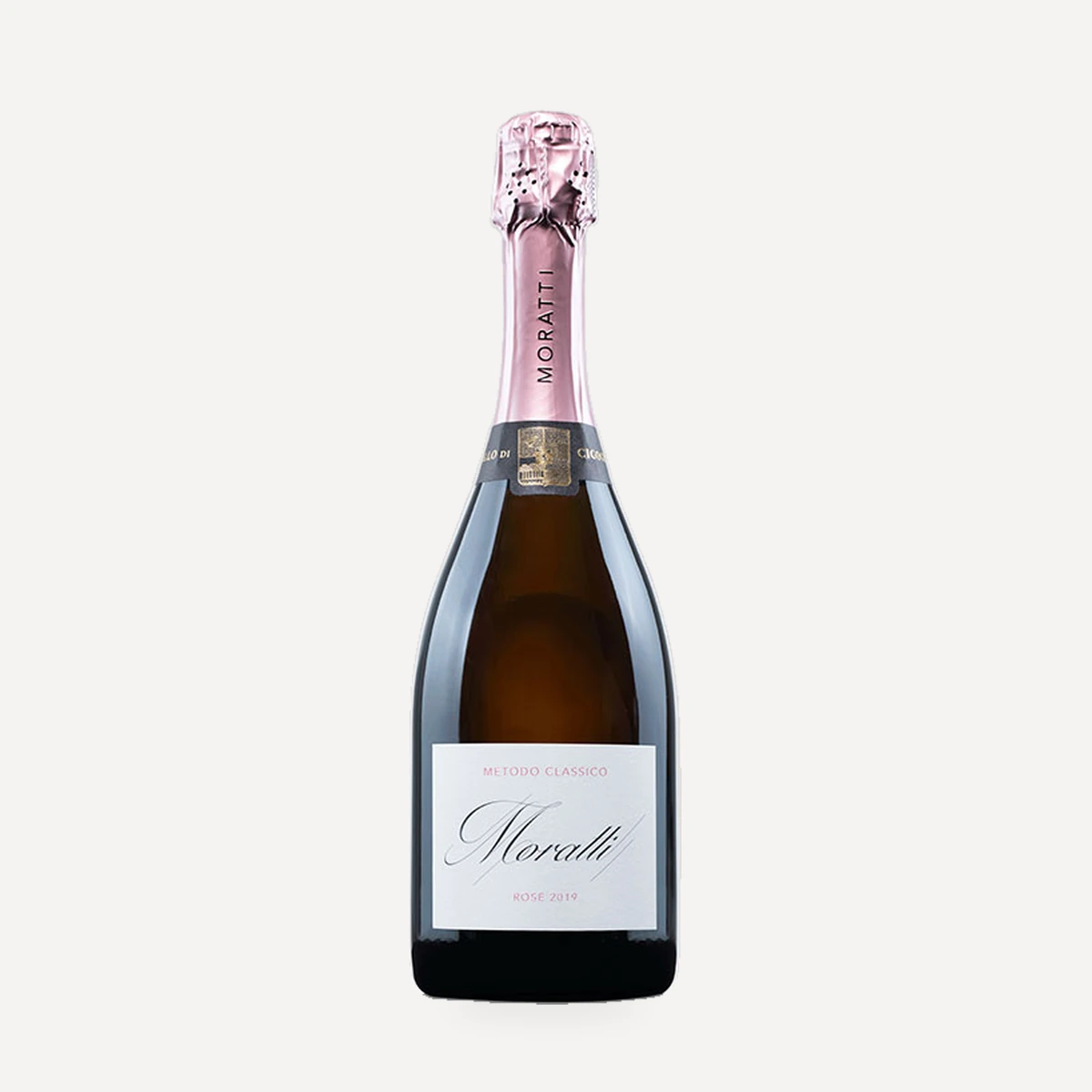
Rosè
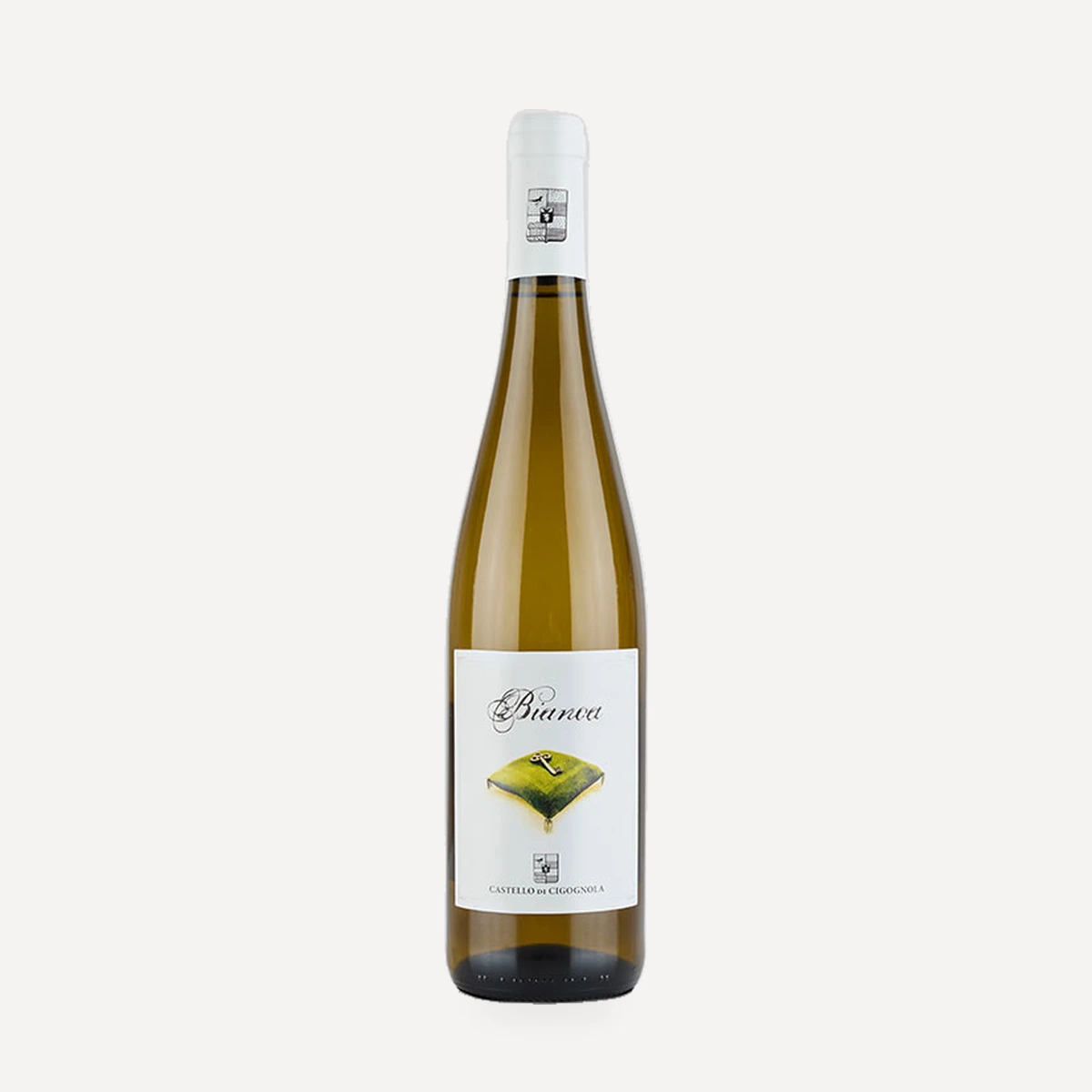
Bianca