Storia
Ancient origins and medieval winegrowing
The site occupied by the castle probably began as a Roman lookout, with one account dating the outpost to the 3rd century AD. It was subsequently used by the Lombards. A castle was probably founded around the 13th century, and a fortified structure is documented by the 14th century. Wine was already being made from the estate’s grapes in the 13th century.
Between the 16th and 17th centuries, the castle became the centre of an agricultural estate already known for wine production. Ribolla Gialla was cultivated here by the 16th century, as demonstrated by a surviving deed of sale dated 1559.
The property passed among Friulian noble families including the Dorimbergo, Rassauer and Della Torre Valsassina. The Della Torre Valsassina family, traditionally said to descend from Charlemagne, retained the castle for more than three centuries.
Casanova and the noble estate
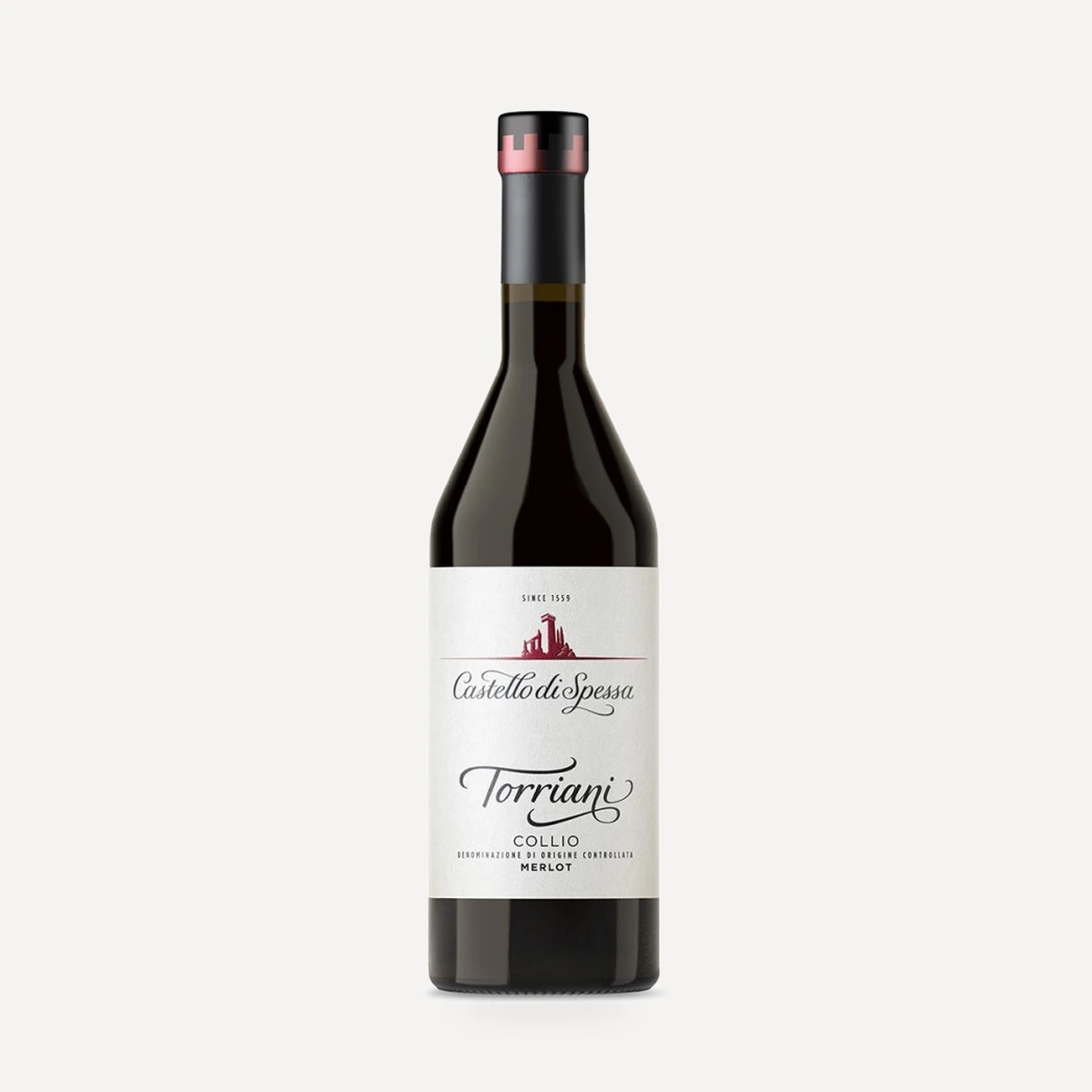
In 1773, Count Luigi Torriani received Giacomo Casanova at Spessa. Casanova later remembered the estate’s wines as being of excellent quality. Lorenzo Da Ponte, Mozart’s librettist, also stayed at the castle during this period, when its rooms hosted aristocratic social and hunting circles. In the 20th century, Marshals Armando Diaz and Luigi Cadorna were among its distinguished guests.
The Neo-Gothic transformation
Rodolfo Voelkl, a wealthy merchant of Eastern spices, acquired the castle between 1879 and 1880. He commissioned Trieste architect Ruggero Berlam to redesign it in the Neo-Gothic style. The work, completed in 1901, created the crenellated tower, polychrome-stone bifora windows and much of the silhouette seen today.
Ownership subsequently passed to the Roeckerath and Economo families. The Economo family created the historic park surrounding the castle.
The underground bunker
A military bunker was excavated beneath the property in 1939. Located 18 metres underground, it was forgotten for decades and rediscovered during restoration work in 1987. Its constant temperature of approximately 14°C made it suitable for maturing wine. Together with the medieval cellars above it, the bunker now forms the estate’s two-level ageing cellar.
Loretto Pali and the modern winery
At the end of the 1970s, Friulian entrepreneur Loretto Pali left the furniture-manufacturing world to pursue his interest in wine. He acquired his first vineyards and the La Boatina wine estate at Cormòns, establishing a 70-hectare base in the Friuli Isonzo area.
In 1987, the Pali family acquired Castello di Spessa and founded the present winery around its existing vineyard nucleus. The acquisition added 28 hectares of hillside vineyards at Capriva del Friuli. Loretto Pali subsequently enlarged the vineyard surface, invested in the surrounding territory, and expanded and modernised the vinification winery at Cormòns.
Over the following decades, the agricultural estate developed into a Golf Wine Resort & SPA with accommodation, restaurants, an 18-hole golf course and Vinum SPA, while the castle’s medieval cellars and rediscovered bunker retained their role in wine maturation.
A new style from 2014
In 2014, Loretto Pali established a new stylistic direction in response to demand for fresher, more mineral and internationally elegant Collio wines without sacrificing structure, longevity or regional identity. Enrico Paternoster joined as consulting oenologist and combined this objective with his experience in Trentino, Tuscany and Metodo Classico production.
The same period brought close collaboration with Simonit & Sirch on vineyard management and pruning, particularly for the Vigna dei 3 Pinot. The project adopted Guyot training and placed special emphasis on Pinot Nero, seeking acidity, stable colour and elegance while establishing vines capable of productive lives of at least 50–60 years.
Terroir
Between the Collio hills and the Isonzo plain
The vineyards occupy two contrasting environments. The 28-hectare Collio holding lies on the hills around Capriva del Friuli, while approximately 70 hectares form a contiguous holding on the Cormòns plain, where the Collio slopes toward the Isonzo. The broader Collio zone ranges from approximately 60 to 270 metres above sea level. Base wines for the traditional-method sparkling programme draw on sites in both Capriva del Friuli and Cormòns, between the Isonzo’s alluvial plain, the Eocene hills of the Collio Goriziano and their band of foothill deposits.
Collio ponca
The Collio originated as an ancient seabed. Alternating marl and sandstone accumulated in the marine basin before geological uplift formed the present hills. This friable, mineral-rich formation, locally called ponca, can contain small marine fossils. It comprises stratified marl and sandstone of Eocene and Paleocene origin and is rich in salts and trace elements. The estate associates it with mineral and saline expression, breadth, structure, aromatic intensity and longevity.
Isonzo alluvium
The Friuli Isonzo landscape is a gently descending glacial plateau between the Collio and Karst hills and the Adriatic. Changes in the Isonzo riverbed, flooding and meltwater from the Julian Alps deposited deep alluvial gravels ranging in age from the Pleistocene to the Holocene. The estate’s soils here are described as clayey-sandy with gravel, over a mineral-rich substrate, and include stones, iron and aluminium. The superficial layers store daytime heat and release it at night.
Maritime and Alpine influences
The Julian Prealps shelter the Collio vineyards from cold northern and north-eastern winds. The nearby Adriatic moderates annual temperature variation through warm, humid Sirocco air, while the cold, dry Bora brings ventilation from the north-east. This airflow helps keep grapes dry and healthy and reduces the need for vineyard treatments.
On the Isonzo plateau, maritime and continental breezes alternate continuously. The warm, humid Sirocco and cold, dry Bora create recurring climatic variation under the prevailing moderating influence of the sea. The favourable exposure of the hills and alternation between Mediterranean and Eurasian air masses support aromatic development and freshness.
Vinificazione
Guyot is the principal training system across both the Collio and Isonzo holdings. The Vigna dei 3 Pinot was developed with Simonit & Sirch, whose work focuses on vineyard management and pruning. Its objective is to express Pinot Nero, Pinot Grigio and Pinot Bianco through the Collio’s individual microzones and to establish durable vines capable of remaining productive for at least 50–60 years.
Synthetic products are excluded from the vineyard programme. Controlled grassing protects soil microflora and microfauna, while the soil is worked directly along the vine rows. Recent vintage records also describe integrated management of downy mildew and powdery mildew pressure.
Participation in the Api in Vigna project supports bee repopulation in the Collio. Vineyard treatments are scheduled for defined times of day and avoided when wind is present, reducing dispersal of substances that could damage the bees’ microsystem.
The ventilating Bora helps keep bunches dry and healthy, reducing treatment requirements. Harvest timing varies from late summer to early autumn. For selected cellar programmes, fruit undergoes strict selection before processing.
Winery and maturation cellars
Vinification takes place at the expanded and modernised winery in Cormòns. Maturation also occurs beneath the castle in two underground levels: the medieval cellar and a former military bunker excavated in 1939. Seventy steps descend to the bunker, 18 metres below ground, where the temperature remains close to 14°C. A stone-walled barrique cellar connects with these underground spaces.
White-wine protocols
White grapes are generally softly pressed, with the must cold-settled before temperature-controlled fermentation in stainless steel. Fermentation temperatures range from approximately 14°C to 18°C. Many lots remain on fine or noble lees in steel until February or March and then continue in bottle.
Some Collio lots receive pre-fermentation skin contact: documented protocols range from 10–15 hours at 6°C to a full night at 5°C in the absence of oxygen. Another protocol keeps part of the must on skins for several days during fermentation. Selected white lots ferment and mature partly or entirely in barrique; one late-release white undergoes strict grape sorting, overnight skin contact, gentle pressing, cold settling, alcoholic and malolactic fermentation in barrique, and approximately six months in barrique depending on the vintage. Clarification is used only when necessary, followed by light filtration and long bottle ageing.
Red-wine protocols
Red fermentations take place either in stainless steel at approximately 28–30°C or in oak vessels. Pinot Nero is fermented at about 25°C in truncated-cone oak vats with daily manual punch-downs over 15–20 days, during which malolactic fermentation takes place. Other Collio reds combine oak-vat and stainless-steel fermentation before separation from the skins and malolactic fermentation in barrique. Several reds are bottled without filtration and rest for further months before release. The Isonzo Cabernet Sauvignon and Merlot protocols use stainless-steel fermentation and malolactic conversion followed by 12 months in oak.
A late-release red blend ferments in oak vats for 15–20 days, completes malolactic fermentation and matures for 24 months in barrique before extended bottle ageing.
Sparkling wines
The traditional-method programme begins with whole-grape pressing at low extraction yields. Each parcel is vinified separately at 17–18°C in stainless steel or French-oak casks. After alcoholic and malolactic fermentation, the base wines rest for at least eight months on their lees before secondary fermentation. The documented 2020 vintage spent approximately 48 months sur lattes in the castle cellars and was disgorged in April 2025.
For the Charmat-method Ribolla Gialla, grapes are softly pressed, the must is cold-settled and fermentation proceeds at 18°C. The wine matures on its lees for several months before approximately two months of secondary fermentation in a pressurised tank at low temperature.
Distillation
Grappas and brandy are produced with a historic local distillery whose activity dates to the late 19th century. Steam stills are used for white wines and fresh white- and red-grape pomace. Long maturation includes nearly 20 years in Allier barriques for one reserve grappa and more than 40 years in oak for the estate brandy.
Filosofia
The estate treats each vineyard as an individual expression whose identity should be retained from grape to bottle. Its long-term vineyard work aims to interpret the varieties through the Collio’s microzones while allowing vines to achieve productive lives of at least 50–60 years.
The stylistic direction established in 2014 seeks freshness, minerality and international elegance without losing the identity of the Collio. Enrico Paternoster’s remit is to unite those qualities with structure and ageing capacity.
Environmental work centres on avoiding synthetic products, preserving soil microflora and microfauna, limiting unnecessary treatments through natural ventilation, and protecting pollinators through the Api in Vigna programme.
The wider manifesto presents wine as the memory of the land, seasons, vineyard work and passing time. It links the preservation of the castle’s historical inheritance with contemporary wine production, hospitality and mindful enjoyment rather than mass tourism or artificially constructed experiences.
Vini
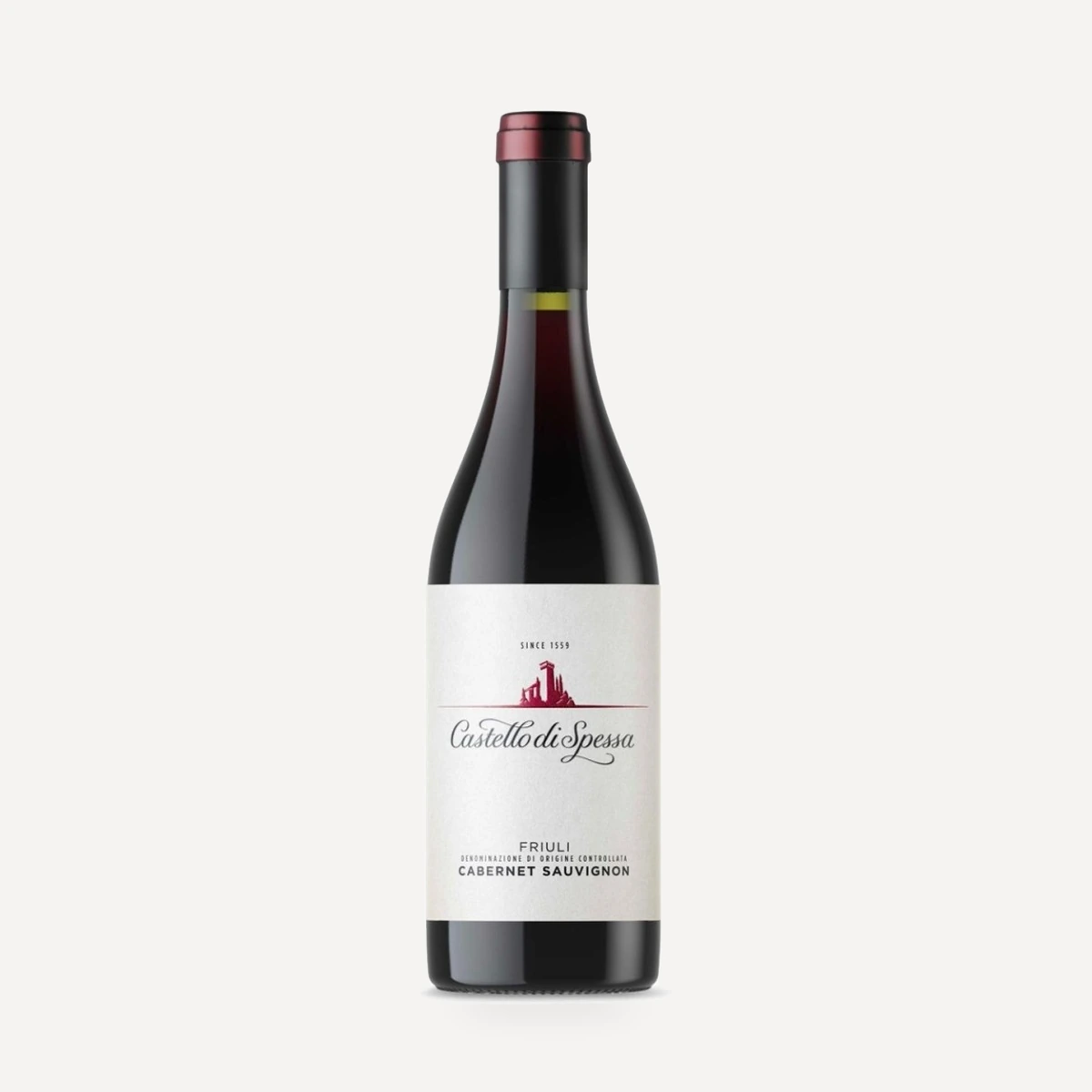
Cabernet Sauvignon DOC Friuli
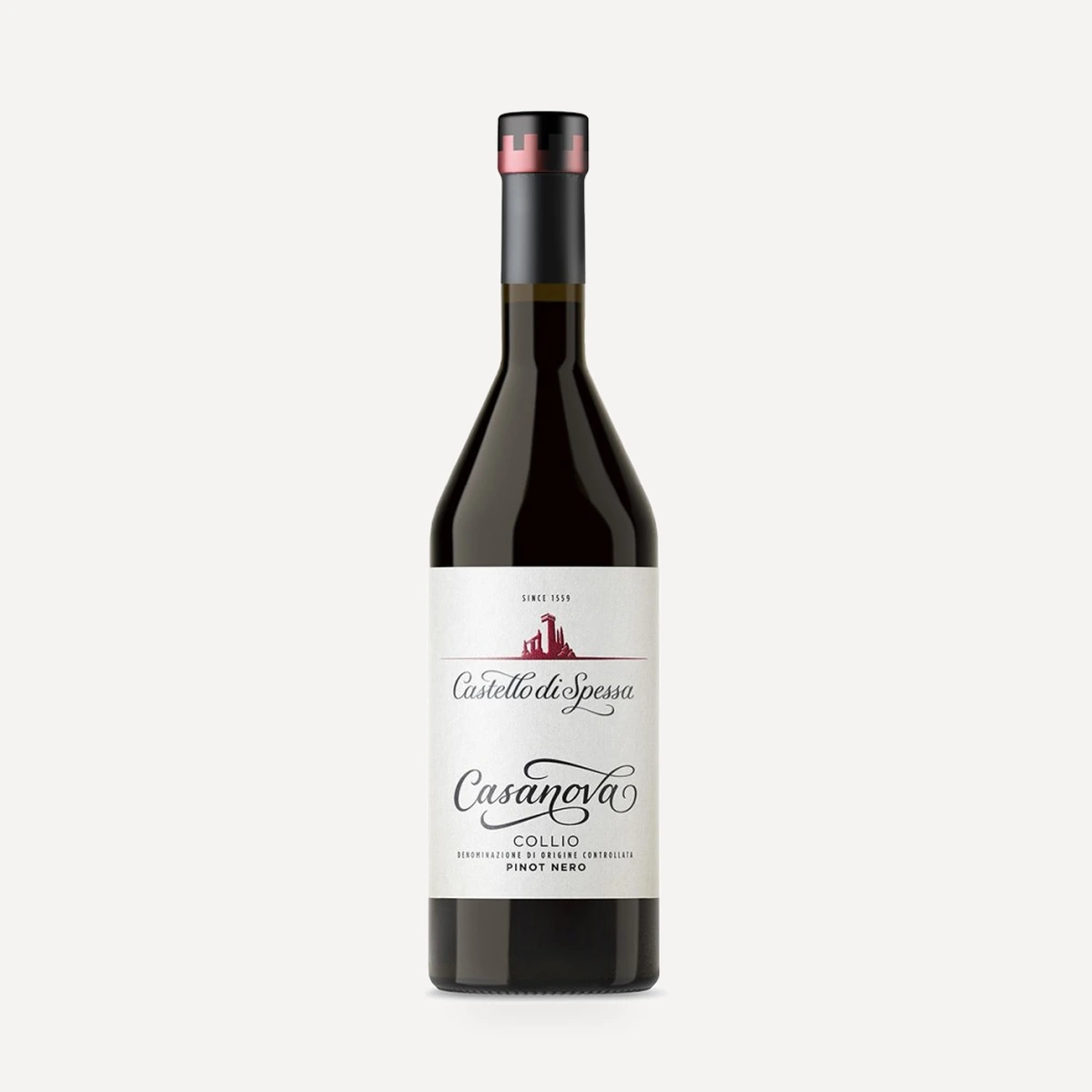
Casanova Pinot Nero DOC Collio
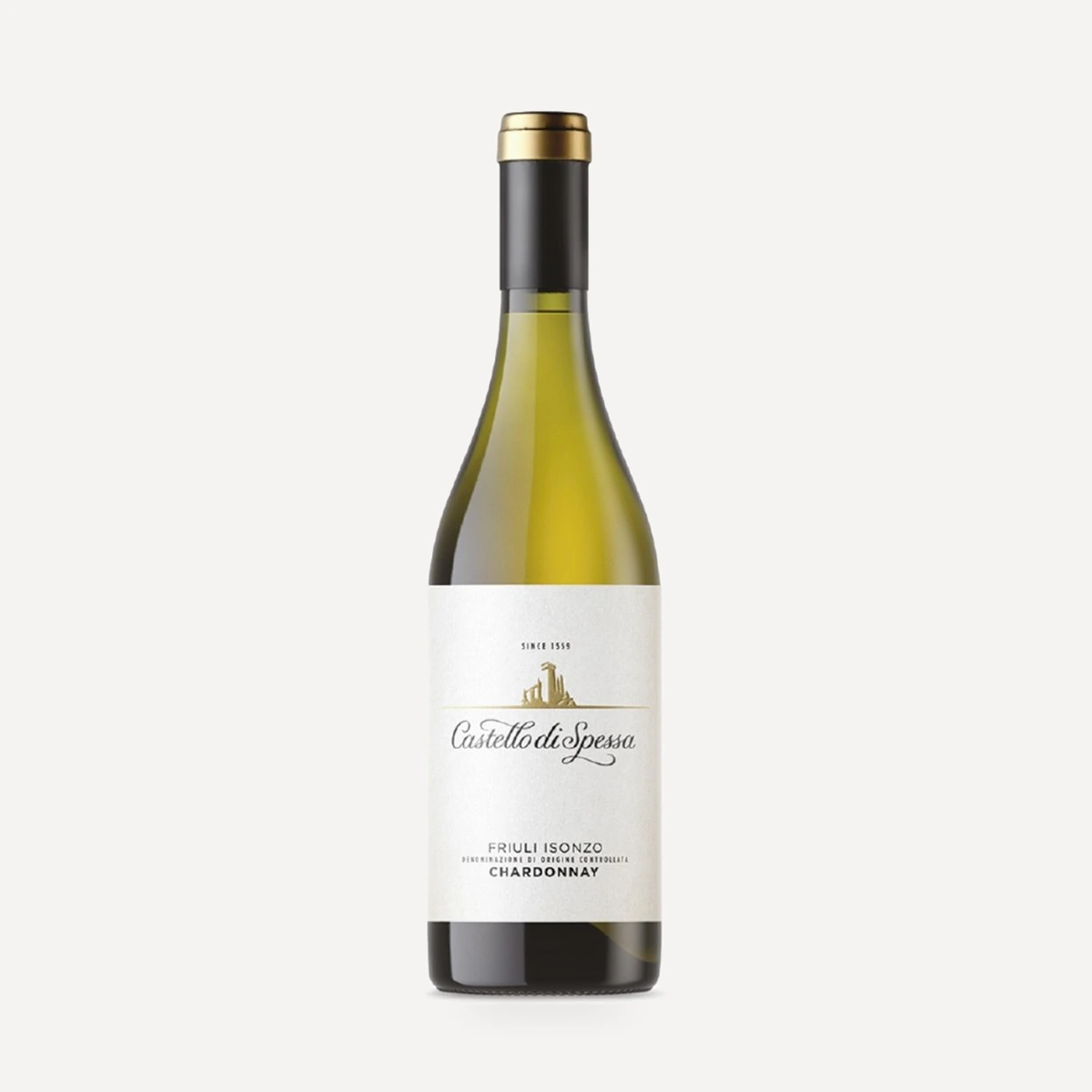
Chardonnay DOC Friuli Isonzo
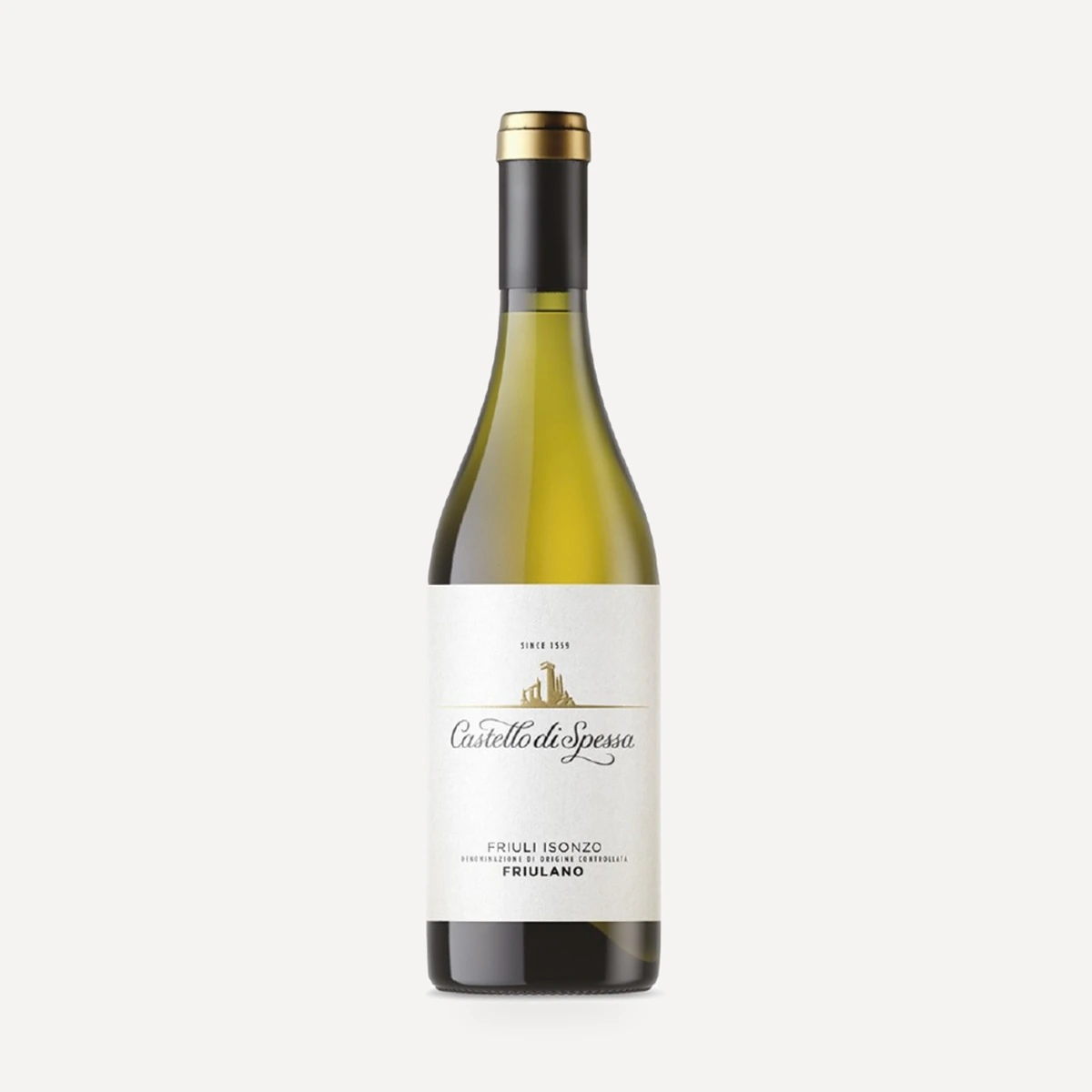
Friulano DOC Friuli Isonzo
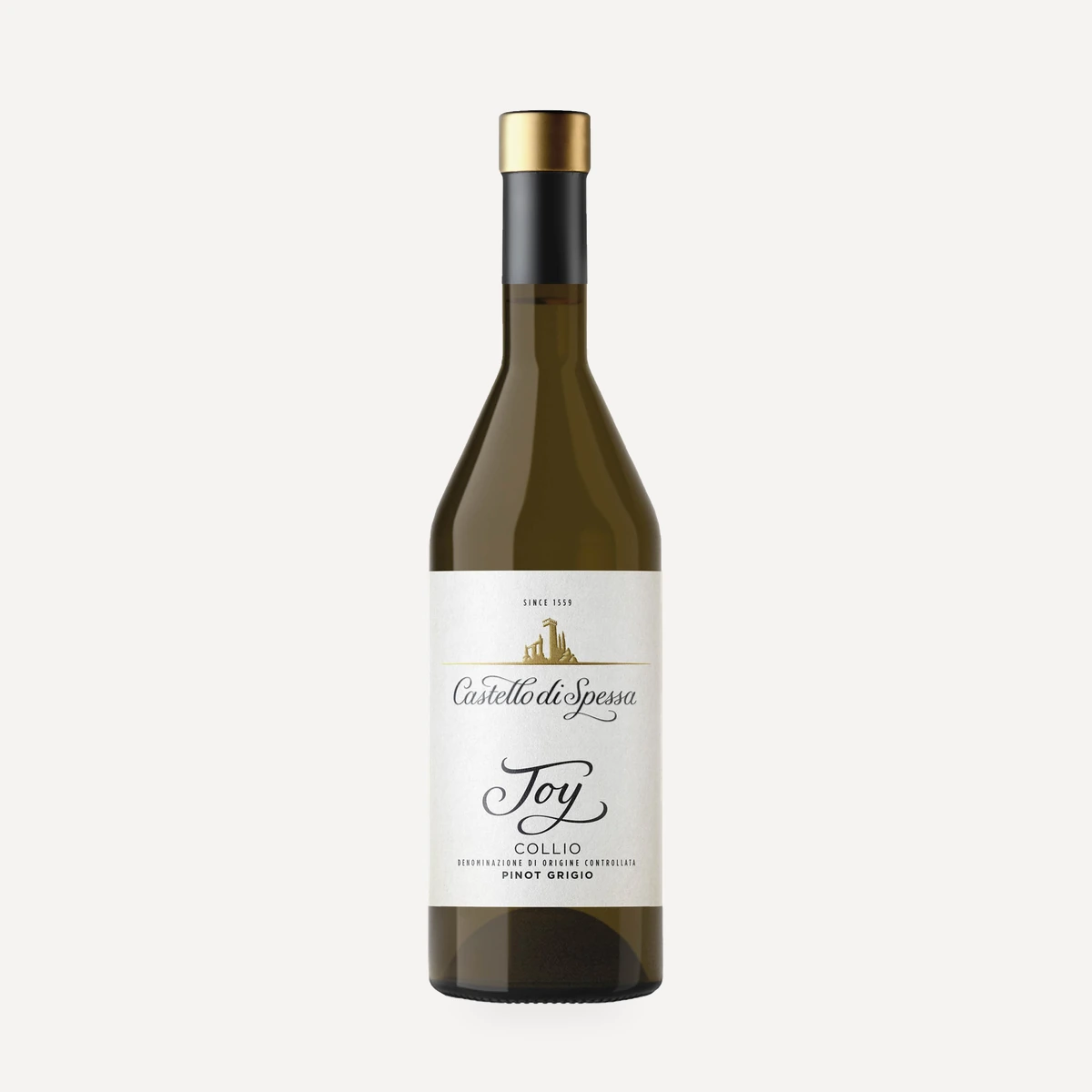
Joy Pinot Grigio DOC Collio
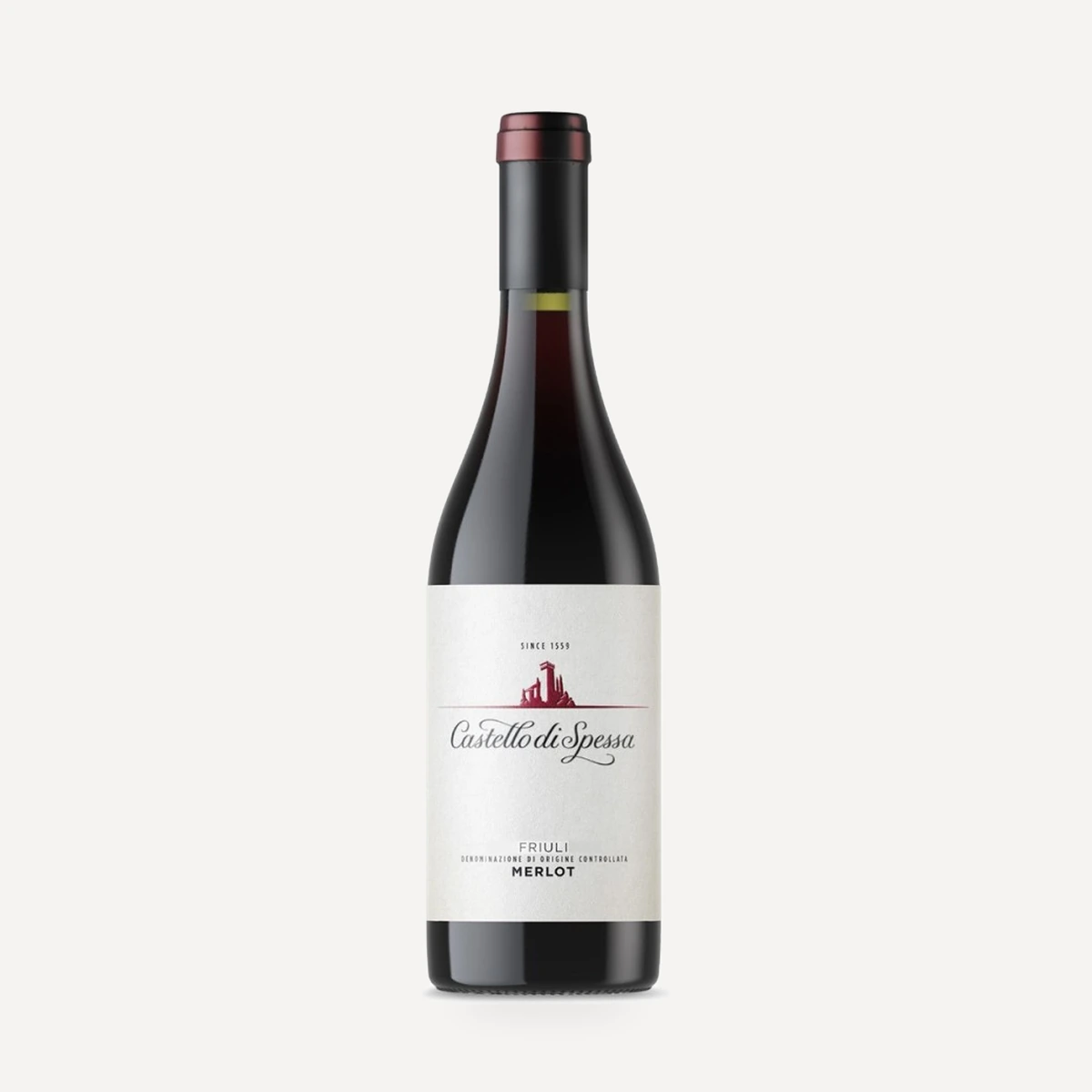
Merlot DOC Friuli
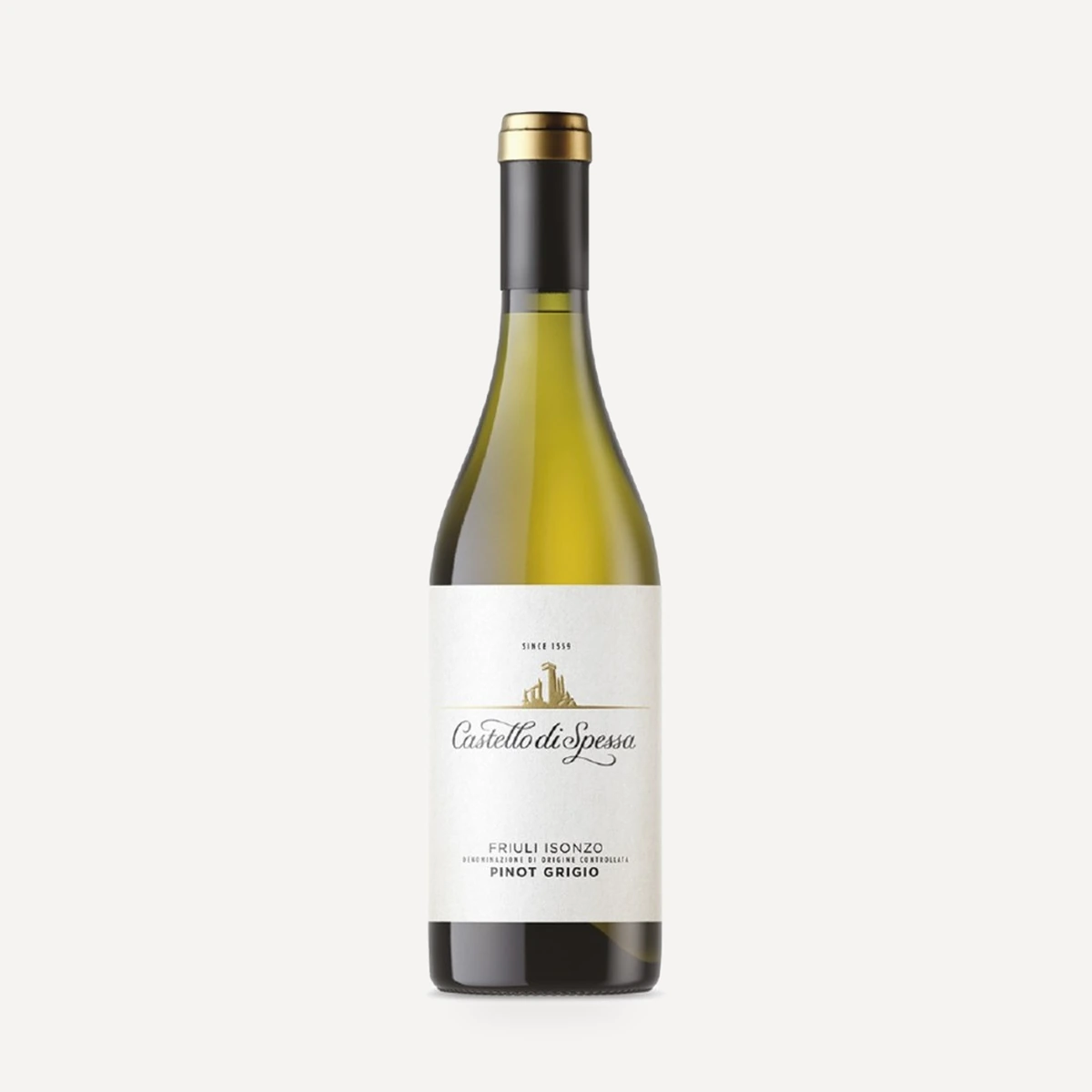
Pinot Grigio DOC Friuli Isonzo
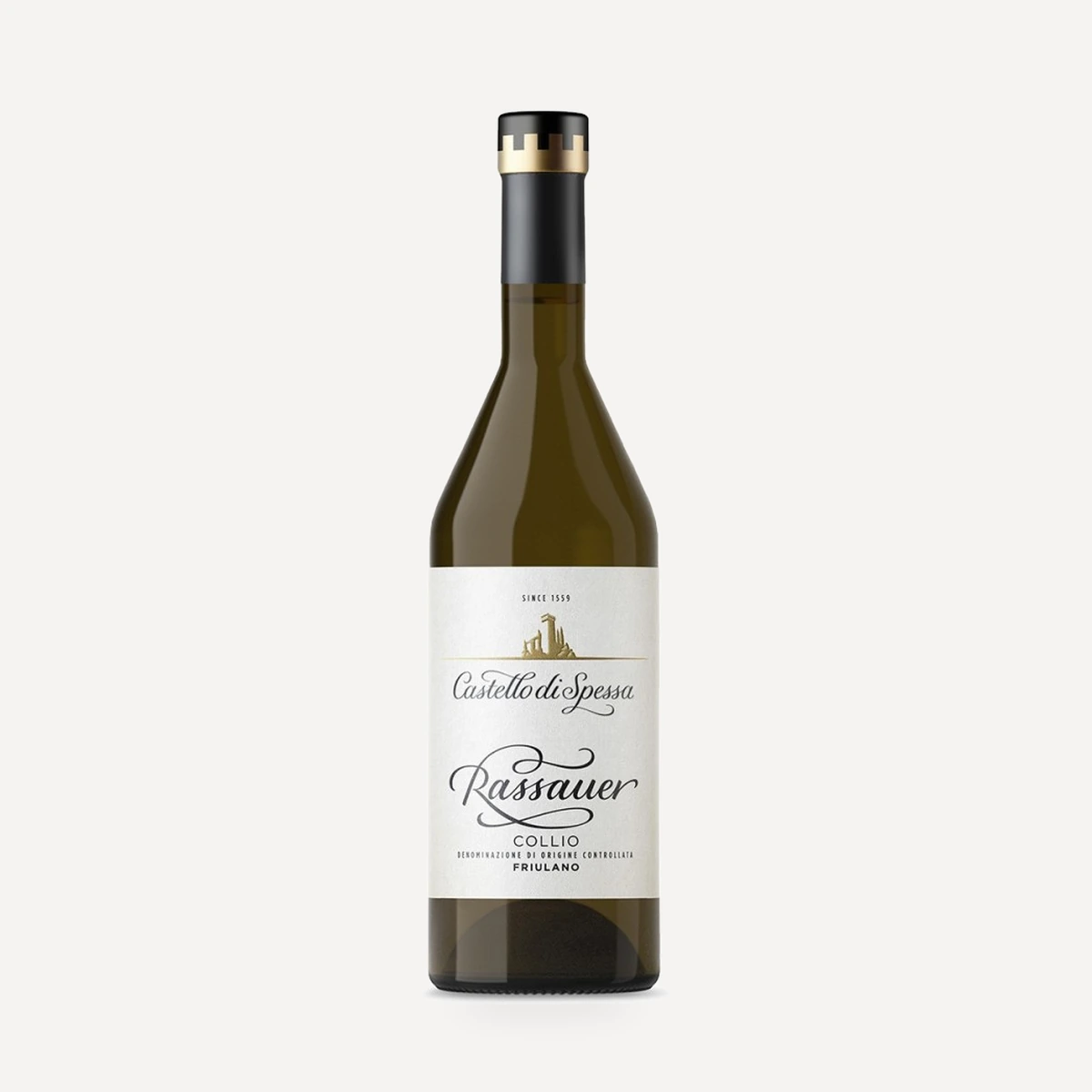
Rassauer Friulano DOC Collio
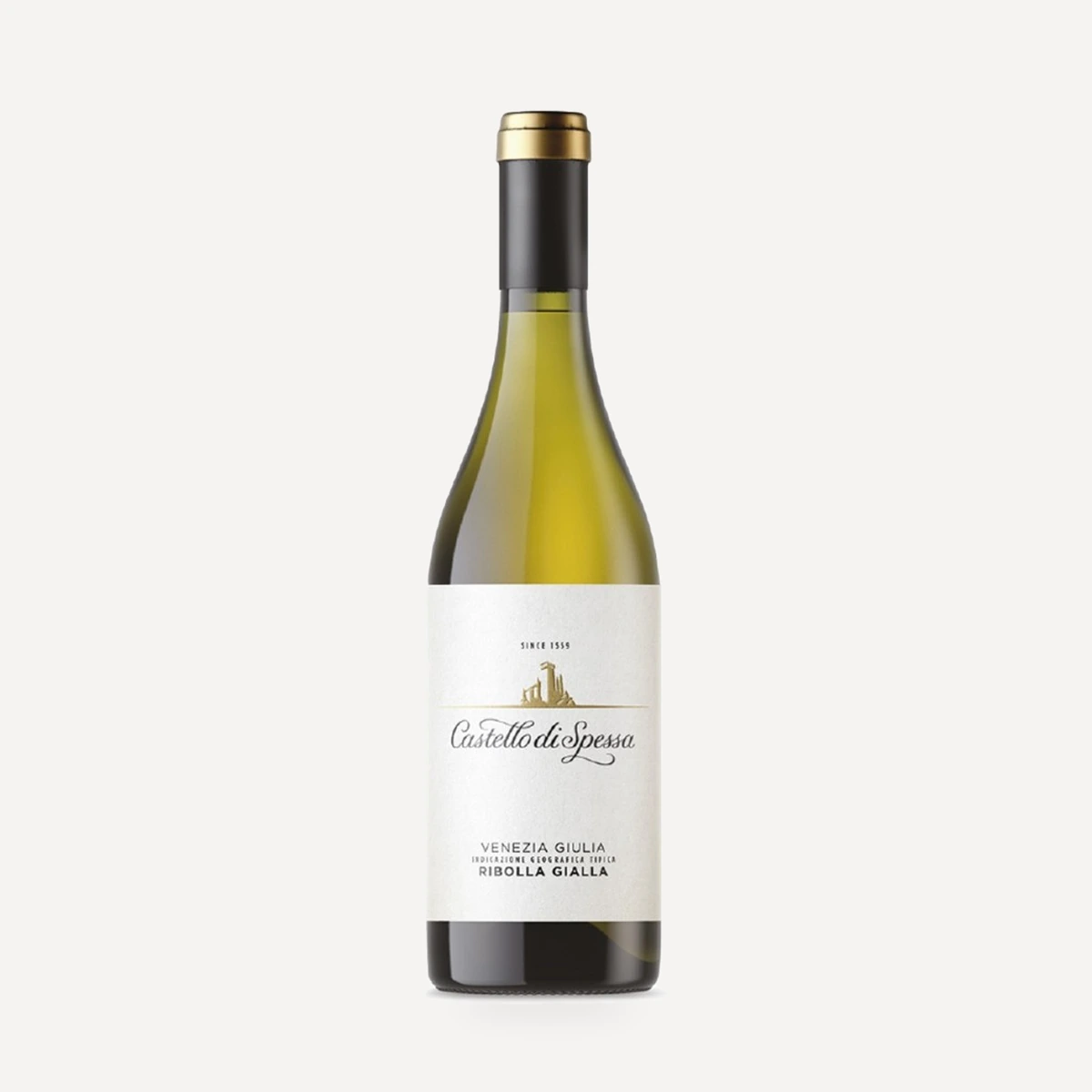
Ribolla Gialla IGT Venezia Giulia
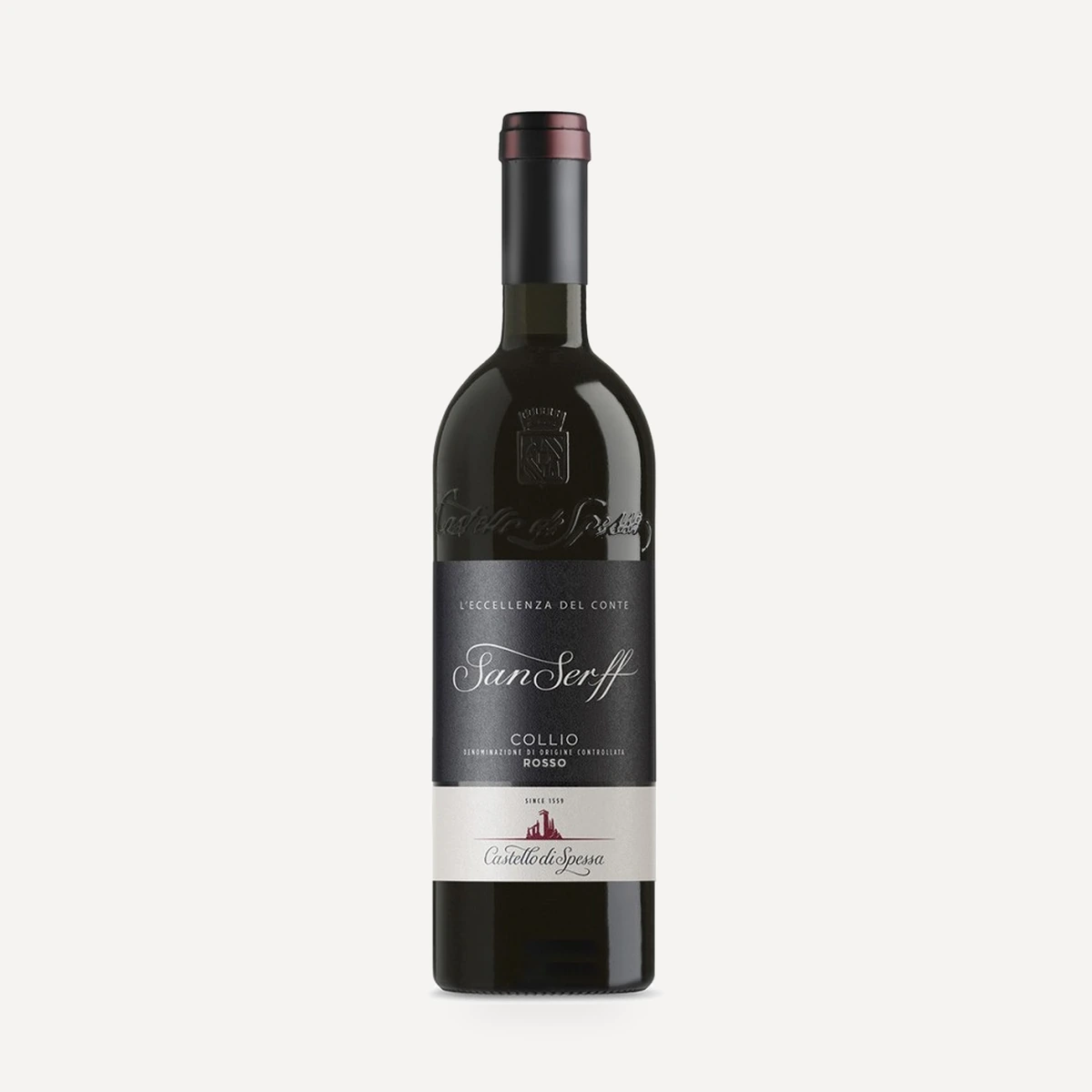
San Serff Rosso DOC Collio
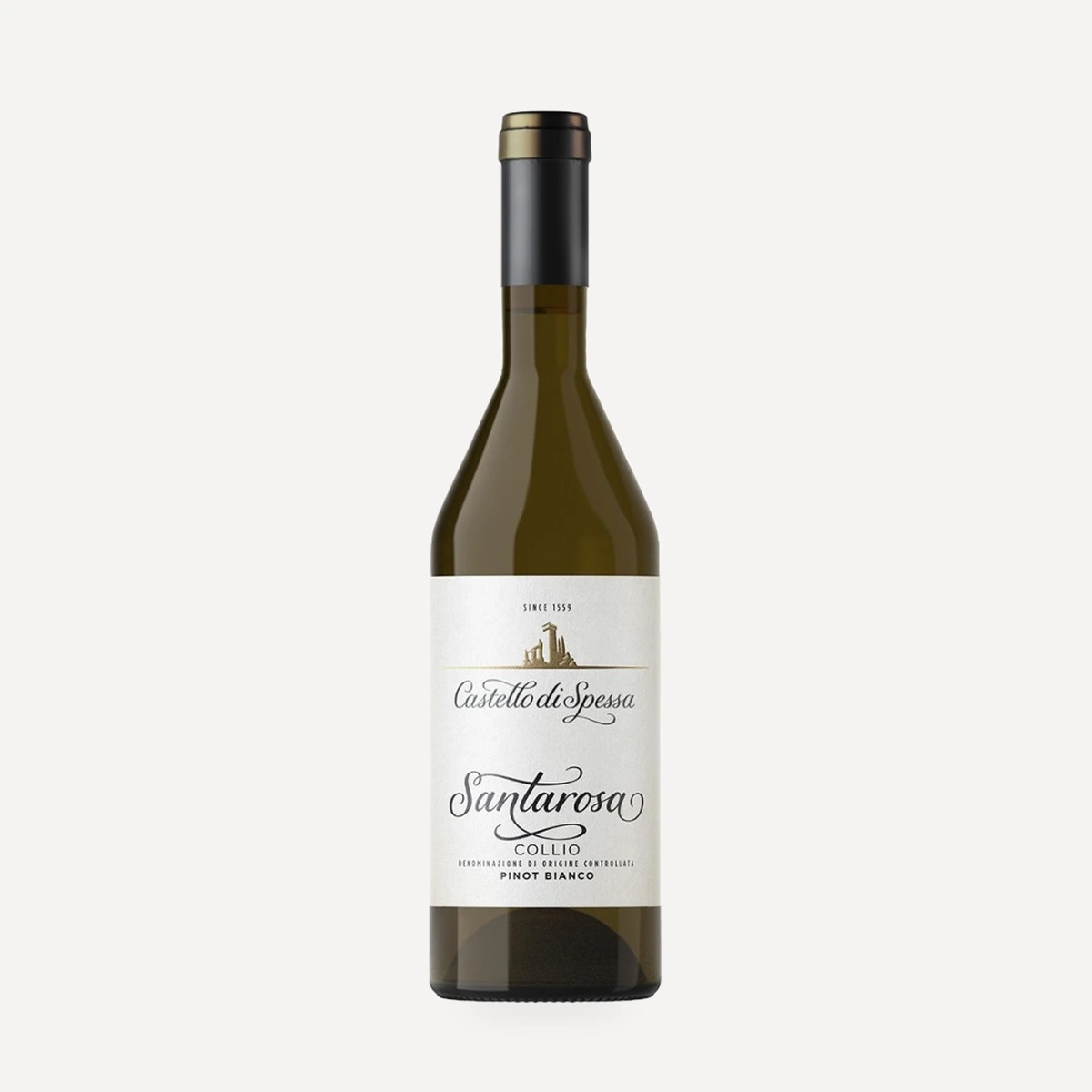
Santarosa Pinot Bianco DOC Collio
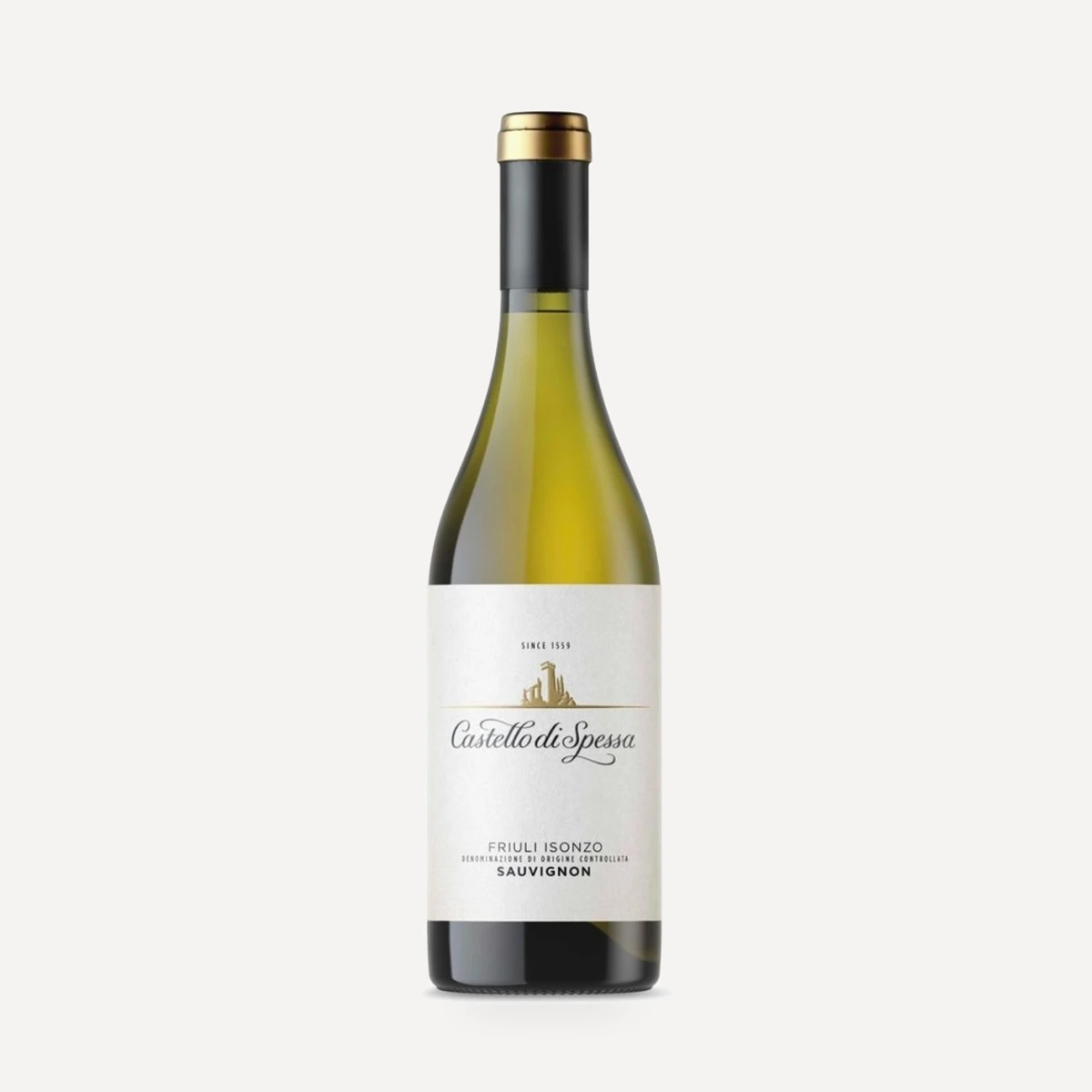
Sauvignon DOC Isonzo Friuli