Storia
Family roots and the end of sharecropping
Sante Cecchetto and Bruna Vendrame moved to Tezze di Piave in 1968. Sante worked as a sharecropper, cultivating a holding that he eventually succeeded in purchasing in 1985. The acquisition transformed land previously worked under sharecropping into the foundation of the family business and the future Tezze di Piave headquarters.
Their son Giorgio grew up in this farming and winegrowing environment. He completed his diploma in oenology at the Istituto G.B. Cerletti in Conegliano in 1982, then gained experience with another local producer.
1986: Giorgio Cecchetto’s project
In 1986 Giorgio took charge of the small family enterprise. His aim was to strengthen the business, build a new winery and take Raboso del Piave beyond its traditional local market. The estate’s 2026 anniversary identifies this as its foundation and marks forty years from Giorgio’s initiative.
Giorgio combined local tradition with technical experimentation. Early research included trials with indigenous woods—mulberry, acacia, cherry, chestnut and pear—for the maturation of Raboso. The family also began working with consulting winemaker Franco Bernabei. A Merlot named Sante Rosso was created in tribute to Giorgio’s father and to his decisive purchase of the family holding.
The 1990s: cellar development and a new interpretation of Raboso
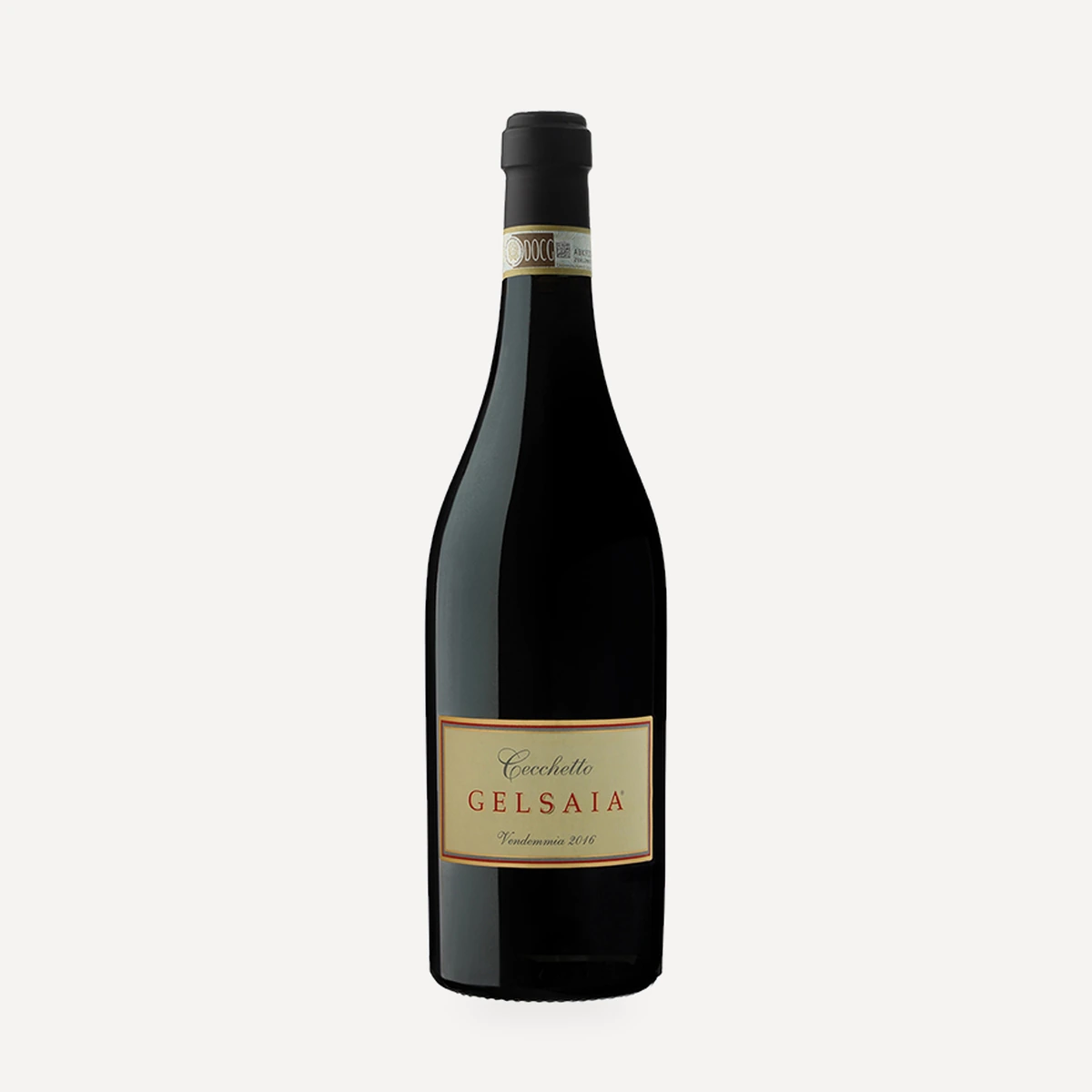
Construction and development of the Tezze di Piave headquarters and the second facility at Motta di Livenza established the estate’s multi-site structure. In 1994 an especially promising Raboso harvest prompted experiments with partial grape drying. Borrowed drying crates and a dehumidifier adapted from dairy use were employed in the first trials. The project was named Gelsaia after the mulberry trees historically used as living supports for vines in the Piave countryside.
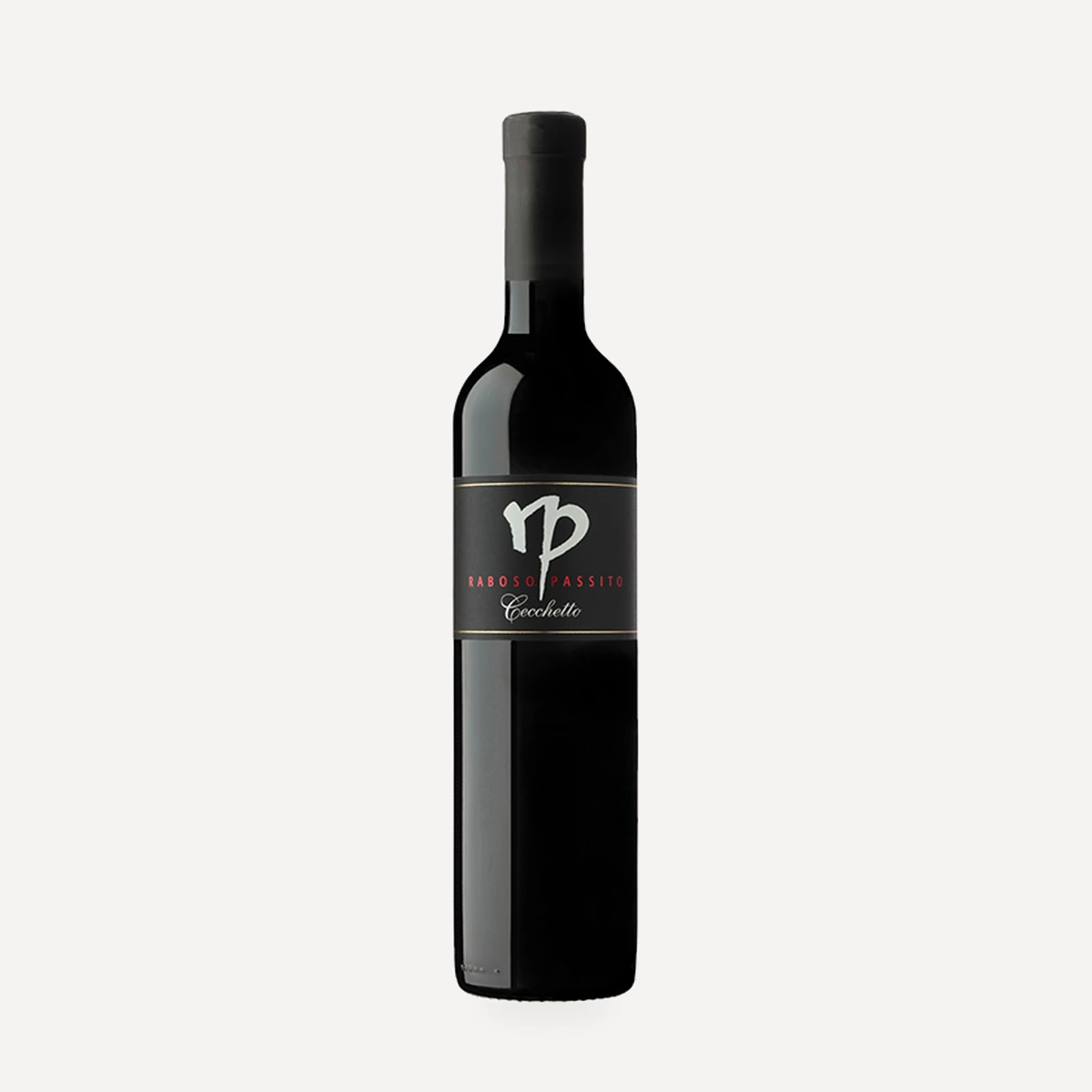
On 27 December 1996 Giorgio became a founding member of the Confraternita del Raboso Piave in Vazzola, created to promote the grape and wine, preserve its traditions and encourage research and wine education. The 1997 Gelsaia vintage became the first released expression made with a portion of dried Raboso grapes and anticipated the production model later formalised by Piave Malanotte DOCG.
Clonal selection and viticultural research
Cooperation with Vivai Cooperativi Rauscedo, begun during the 1980s, sought to broaden the genetic base available for Raboso Piave. In 2002 the estate planted its first 5,000 vines from three new clonal selections: VCR19, VCR20 and VCR43. An experimental radial vineyard subsequently compared the three clones through 54 variables. University research examined canopy geometry, cluster and berry morphology, average cluster weight, berry density, conventional and phenolic maturity, wines produced by microvinification and sensory preference and scoring tests. The clones showed clear vegetative and productive differences and, compared with the existing biotypes, stronger aromatic and flavour qualities.
The estate also participated in the 2007–2010 Piave DOC zoning project. Its work encompassed pedoclimatic variation, day–night temperature ranges, water availability, grape responses to different subzones, training and pruning models, irrigation planning and communication of the territory.
Social projects and the expansion to three sites
In October 2005 Giorgio and his wife Cristina welcomed families from the newly established Marca Trevigiana section of the Associazione Italiana Persone Down. When Raboso still remained to be harvested, the young participants were invited to join in. The informal encounter developed into an annual inclusive harvest covering picking, crushing, processing, bottling and the creation of hand-drawn labels. The finished bottles have subsequently been presented at the Veneto Region stand at Vinitaly. The collaboration later expanded to include the solidarity threshing of the historic Mentana wheat variety.
The business developed across three locations in the province of Treviso: the main winery at Tezze di Piave, the Lorenzaga di Motta di Livenza site and Tenuta Castaldo at Cornuda. The latter added vineyards in the Montello and Colli Asolani area.
In 2008 Rosa Bruna, a traditional-method rosé made to explore Raboso’s acidity, was created in honour of Giorgio’s mother Bruna, who had been involved from the beginning. Piave Malanotte DOCG subsequently formalised a category requiring 15–30% dried grapes, a practice for which Gelsaia had been an early precursor.
Sustainability programme
In 2017 all three operating sites obtained SQNPI and VIVA sustainability certification. SQNPI formalised an integrated-production system that prioritises agronomic methods and natural regulatory mechanisms while limiting environmental impact. VIVA introduced biennial measurement and improvement plans covering air, water, territory and vineyard management.
From 2019 the estate began using vineyard monitoring technology, first through Idroplan and later X-Farm Technologies, to measure water demand and support precision farming. Since 2020, electricity not supplied by the estate’s photovoltaic installation has been purchased exclusively from certified renewable sources. The estate also set a longer-term objective of becoming nature positive by 2040 through responsible forest management, reforestation, carbon capture, biodiversity work and local-community participation.
The first Sustainability Report, covering 2021, was published in 2022. It was prepared to GRI standards even though reporting was not compulsory for a business of Cecchetto’s size. The report later received the Corriere della Sera award for the best Italian sustainability report in the small and medium-sized enterprise category.
Benefit corporation and generational transition
Cecchetto adopted the legal form of a Società Benefit in 2023, incorporating common-benefit objectives into its articles. These objectives include reducing energy and water use; protecting soil fertility and biodiversity; preserving local grapes and wine culture; developing circular packaging and recycling; favouring nearby suppliers with responsible practices; supporting employees; collaborating with schools, universities, institutions and charitable or cultural associations; and promoting wine education and responsible consumption.
In the same year Giorgio’s wife Cristina and their children Marco, Sara and Alberto took over management. Marco serves as owner and oenologist, while Sara directs sustainability work. The new generation continues Giorgio’s emphasis on product care, territorial identity, research, environmental responsibility, inclusion and shared value. The 2023 operation cultivated approximately 234 ha of vines, vinified 71,486 quintals of estate-grown and purchased grapes and produced 53,750 hl of wine.
Terroir
Tezze di Piave
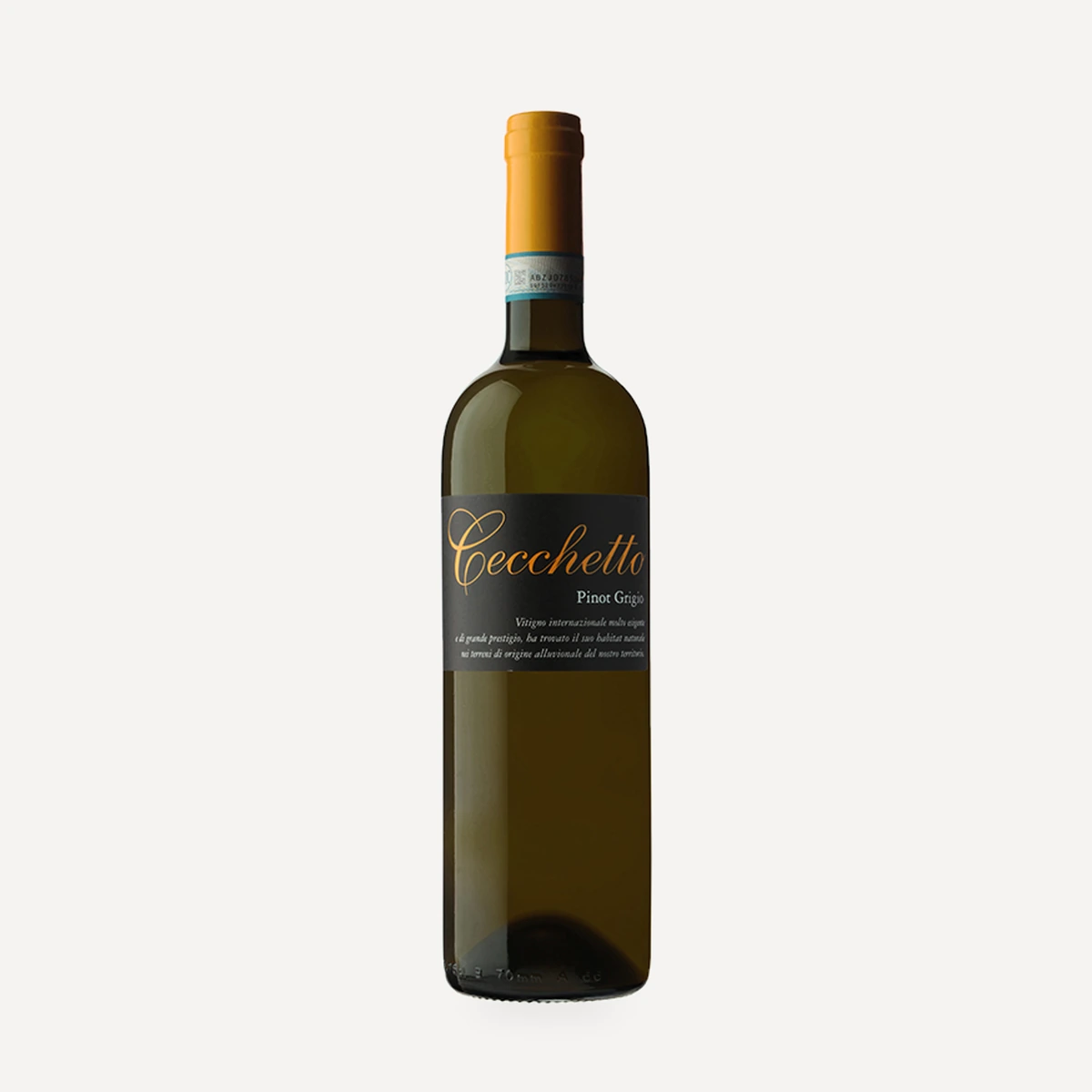
The principal site lies on the Treviso plain crossed by the Piave. Historically destructive autumn floods deposited gravelly debris over the centuries, creating loose, well-drained alluvial soils. Raboso Piave, Carmenère, Cabernet Sauvignon, Merlot and Pinot Grigio are grown here.
The wider Piave DOC is associated with loose alluvial ground in which Raboso has long held an important place. The river has shaped both the landscape and local identity, lending its name to communities such as Tezze di Piave, Mareno di Piave and Santa Lucia di Piave as well as to the Raboso Piave grape and the denomination established in 1971.
Lorenzaga di Motta di Livenza
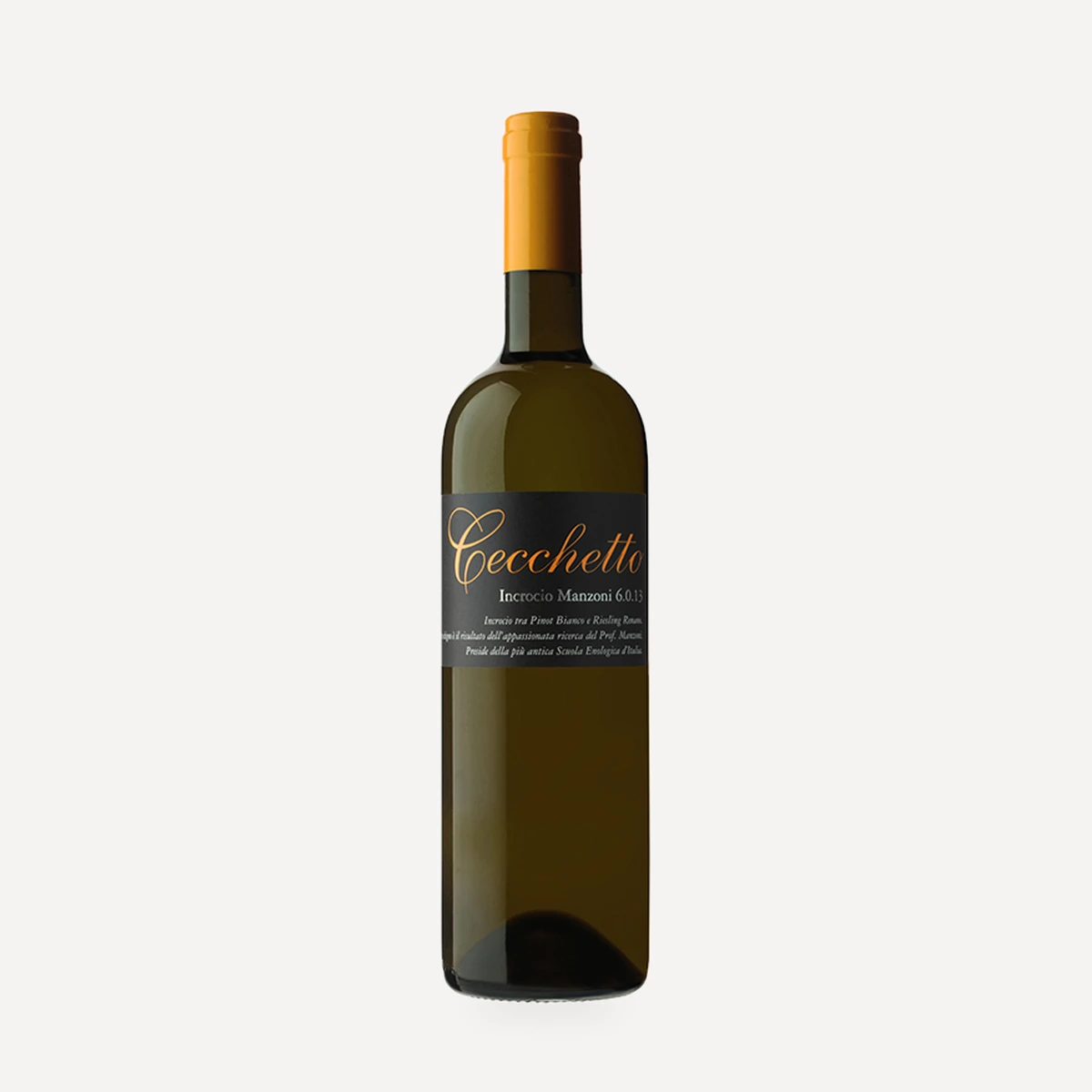
The second site occupies ground formed by glaciation and later alluvial deposits carried by meltwater from retreating glaciers. Fine particles of calcareous clay were left behind, while shallow layers contain aggregations of carbonates locally known as caranto. Manzoni Bianco, Cabernet Sauvignon and Merlot are cultivated in this sector.
Cornuda, Montello and Colli Asolani
The Cornuda vineyards lie in the Montello and Colli Asolani area and are used for Asolo Prosecco DOCG. The sites receive substantial solar exposure. Summers are dry, winters are cold and the surface substrate consists mainly of dark reddish-brown iron-rich clay.
Historic landscape
Mulberries once lined the Venetian plain and riverbanks. Besides feeding silkworms, they served as living vine supports. This relationship gave rise to the Bellussera landscape and later inspired the name Gelsaia. At the end of the nineteenth century, the Bellussi family of Tezze di Piave arranged vines radially around supports—often mulberry trees—creating the Sistema a Raggi, subsequently called the Sistema Bellussi or Bellussera.
Vinificazione
Viticulture follows the SQNPI integrated-production framework, which favours agronomic techniques, natural regulatory mechanisms and lower-impact plant protection. VIVA certification adds biennial assessment of vineyard management, greenhouse-gas emissions, water consumption and the estate’s wider landscape and socioeconomic effects.
Selected Raboso vineyards have been pruned according to the Simonit & Sirch method for more than a decade. The objective is greater vine longevity and improved vegetative–productive balance. Permanent or season-long grassing encourages pollinating insects, while hedges, woodland, old vineyards and the Bellussera landscape are preserved. Seven beehives were recorded in 2023.
Precision farming has been used since 2019. Six soil sensors and four weather stations monitor more than half of the vineyard surface, measuring soil moisture, optimum moisture ranges, crop stress and irrigation requirements. Irrigation is applied only when needed. Vineyard growth and vegetative stress are followed in real time, while the agricultural machinery fleet is tracked for location, operating performance, working time and consumption.
The estate’s own and purchased grapes are subject to quality and traceability controls. Local grape suppliers and other nearby partners are preferred where possible. In 2023, 71,486 quintals of estate-grown and purchased grapes were vinified.
Biodiversity work extends to the 5.80 ha FSC-certified Bosco delle Coste at Maser, within the MAB UNESCO reserve of the Asolo hills. Centuries-old chestnuts, wild cherries, ashes, fruiting plants, melliferous species and forest trees are protected or planted. The forest’s ecosystem services reduced the estate’s reported 2023 annual emissions by a further 15%.
Production is distributed across the Tezze di Piave headquarters and the facilities associated with Motta di Livenza and Cornuda. The Tezze visitor route distinguishes departments for vinification, grape drying and maturation, as well as a barrel cellar and collection room.
Raboso research has included partial grape drying since the 1990s, experimental microvinifications of clonal selections and maturation trials in locally sourced woods. For the wood programme, small custom-made casks were produced in oak, chestnut, cherry, acacia and mulberry. They were left untoasted apart from the brief fire contact required to bend the staves, allowing the estate and its research partners to compare each wood’s chemical and sensory influence.
Cellar operations include continuous grape and wine controls for quality and traceability. Wastewater is monitored under the VIVA organisational protocol through an annual plan that checks composition and assesses compatibility with legally permitted reuse, including fertigation. Cleaning and sanitisation procedures combine defined physical and chemical treatments with staff training to prevent overdosing and misuse. These measures reduced detergent purchases from 2,600 kg in 2021 to 2,440 kg in 2023.
Photovoltaic generation supplies part of the winery’s electricity. Since 2020 all additional purchased electricity has come from certified renewable sources. Packaging work covers lighter glass, recycled or FSC-certified materials, digital environmental labelling and designs intended to simplify reuse or recycling.
Filosofia
Cecchetto’s philosophy joins tradition and research around grapes that express the Piave and Treviso territories, above all Raboso Piave. Giorgio Cecchetto sought to preserve inherited knowledge without treating it as fixed: clonal selection, partial drying, alternative woods, pruning research and zoning were used to develop contemporary interpretations while retaining a connection to local history.
The family defines quality as the result of sound, balanced raw material and careful management of soil, water and plants. Environmental responsibility is understood as measurable work rather than a single practice: impacts on air, water, vineyards and territory are assessed, improvement plans are revised, and residual impacts are addressed through renewable energy, woodland management and reforestation.
As a Società Benefit, the business also treats social inclusion and local participation as part of sustainability. Its stated common-benefit aims encompass employee wellbeing, local sourcing, circular packaging, preservation of local grapes and cultural traditions, responsible consumption, collaboration with schools and universities, and long-term relationships with charitable and cultural organisations. The family’s current guiding values are care for the product, sustainability, inclusion and sharing.
Vini
Gelsaia
Manzoni Bianco
Raboso Passito
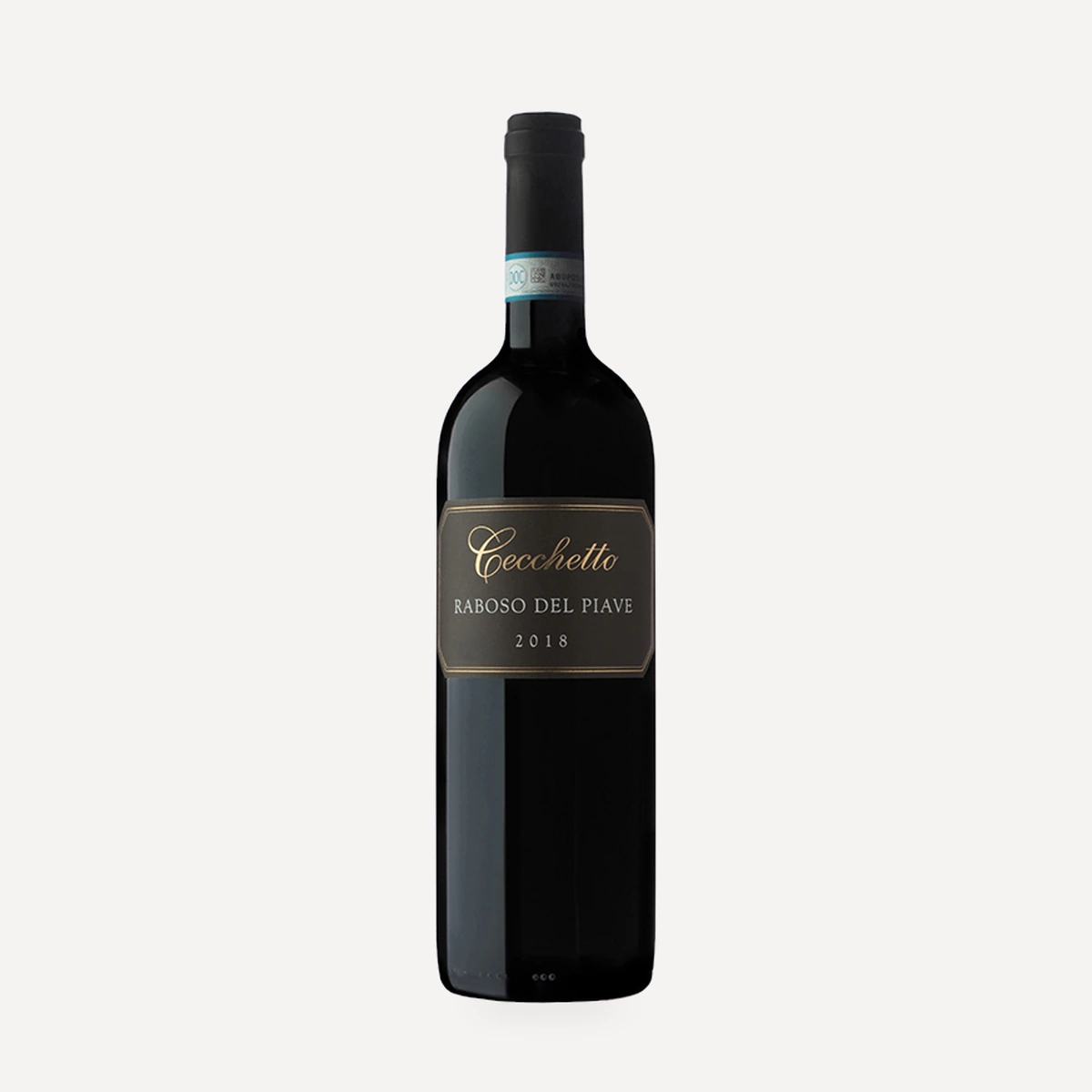
Raboso del Piave
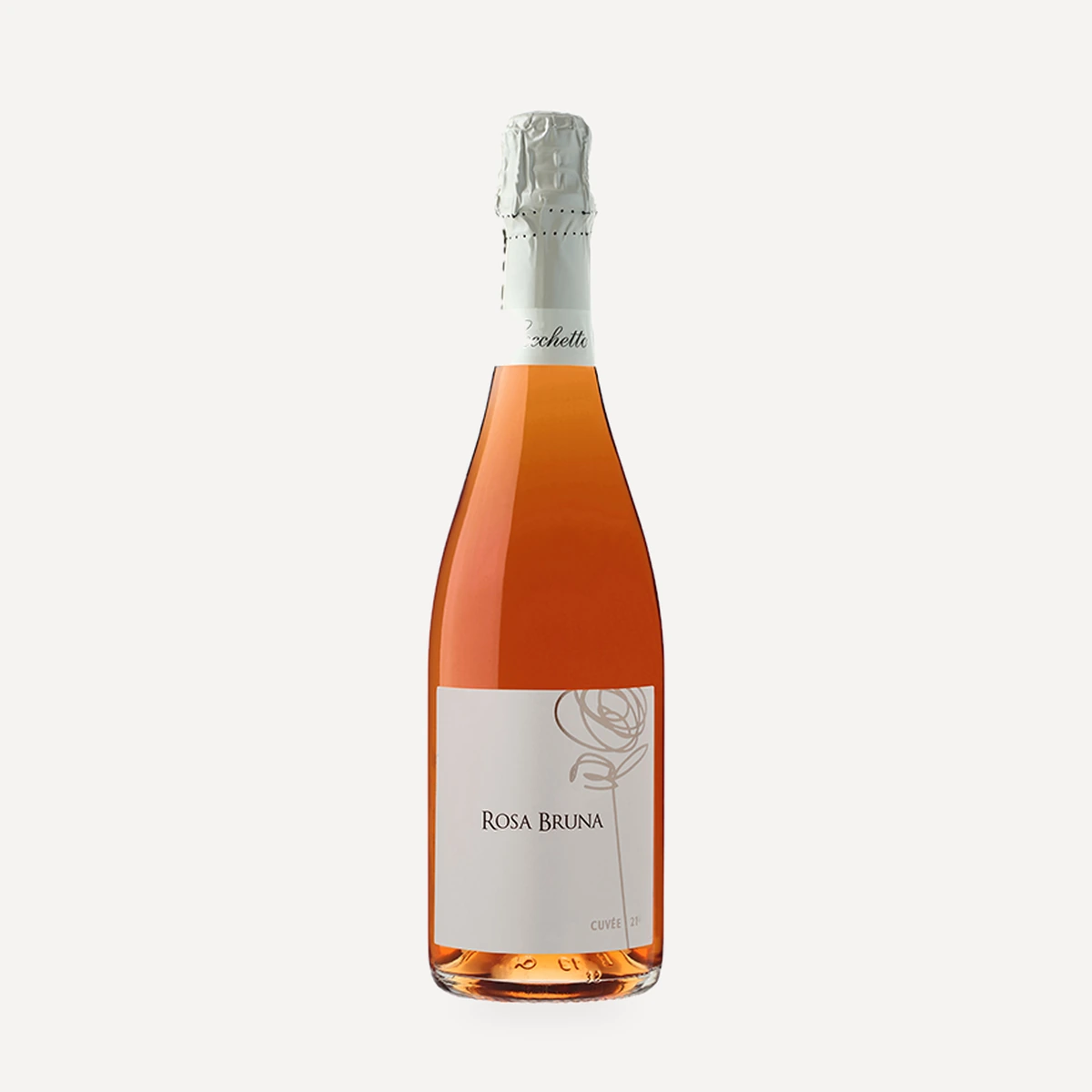
Rosa Bruna
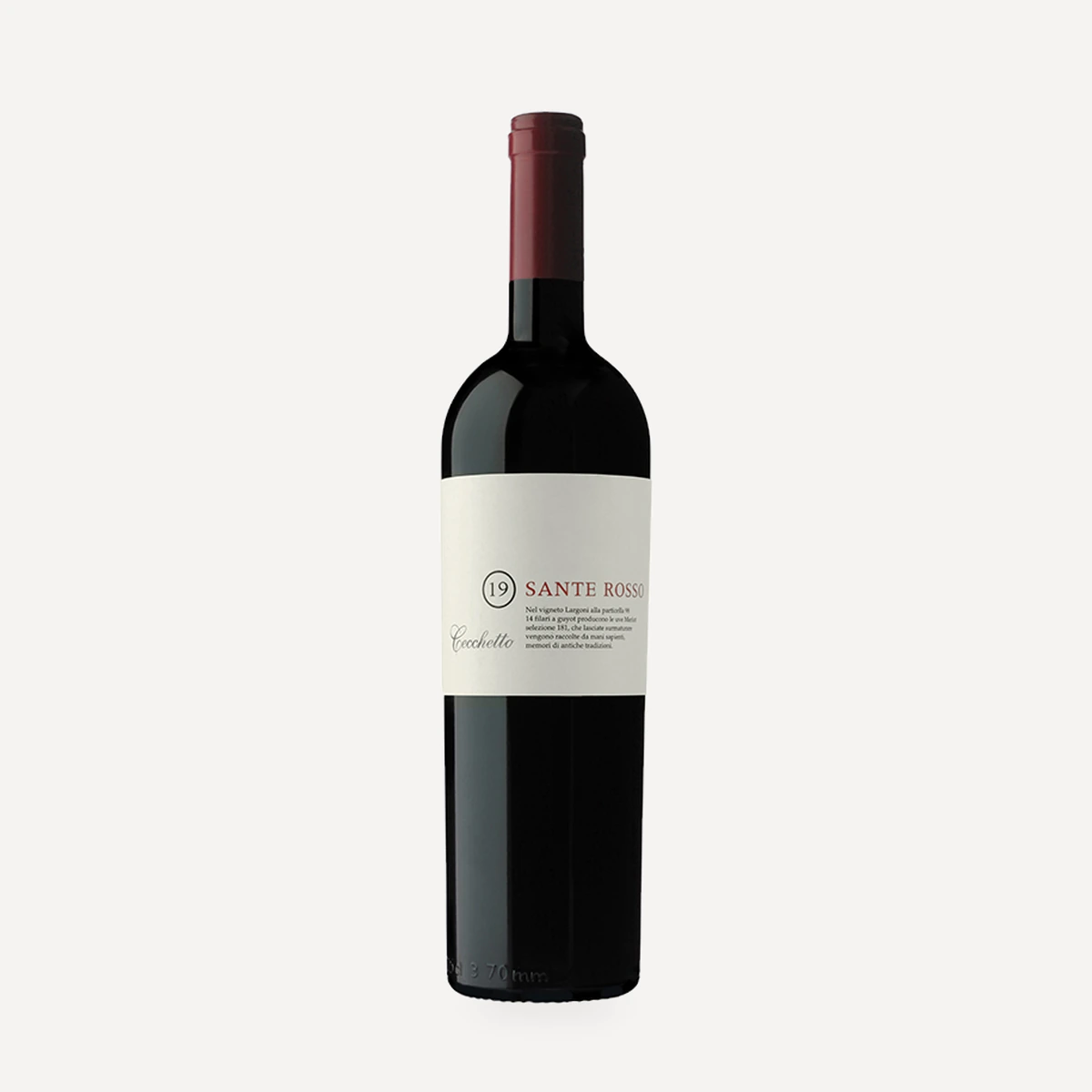
Sante Rosso
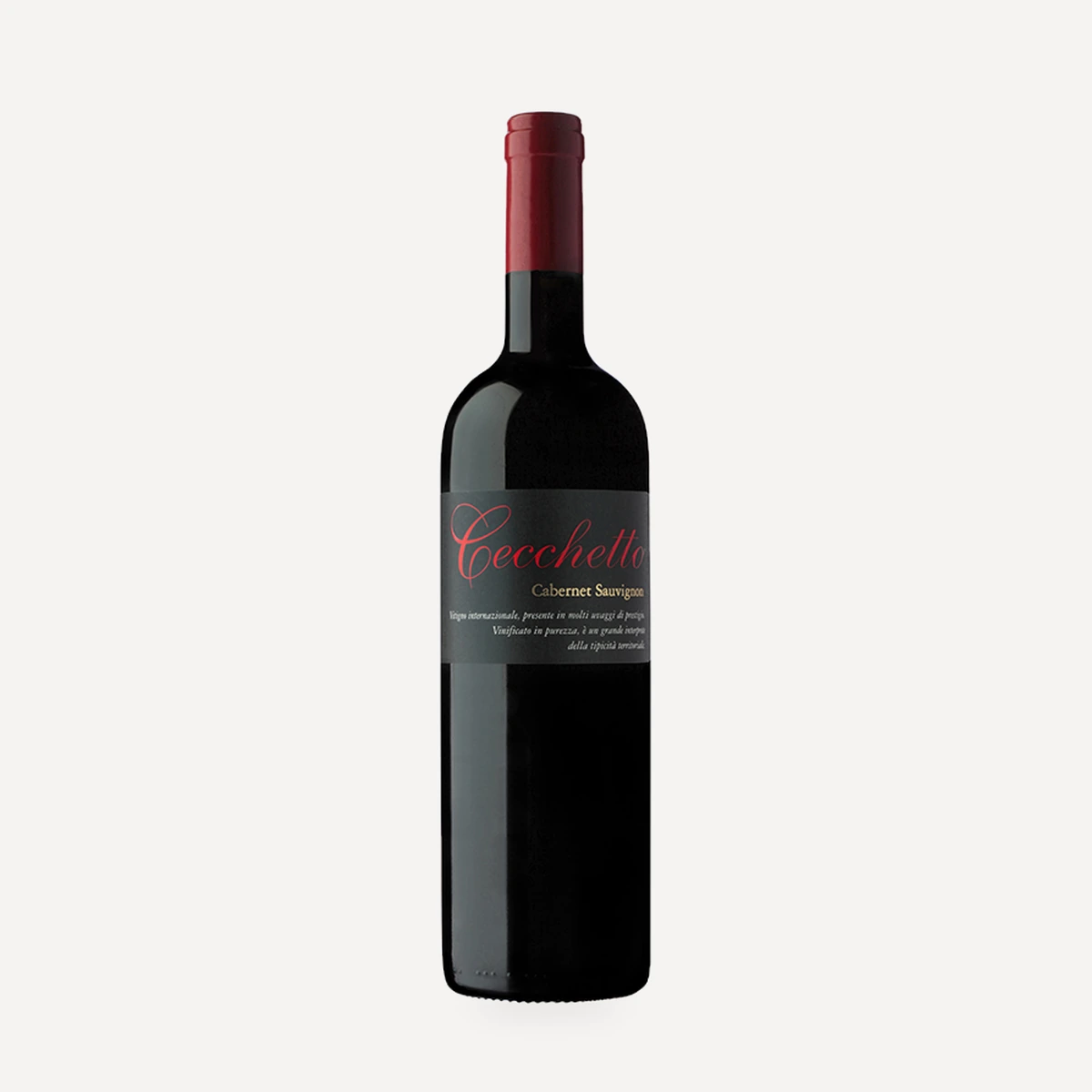
Cabernet Sauvignon
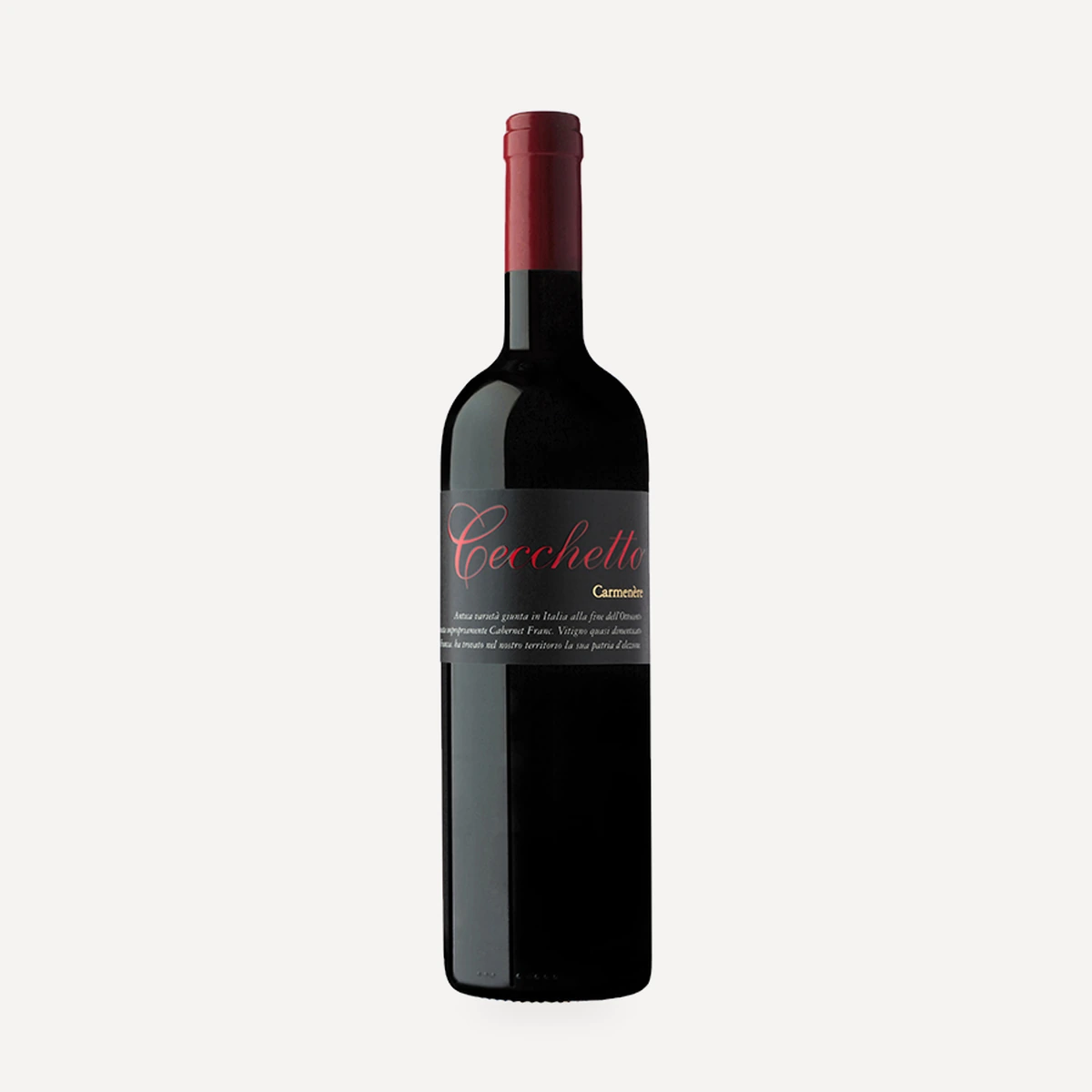
Carmenère
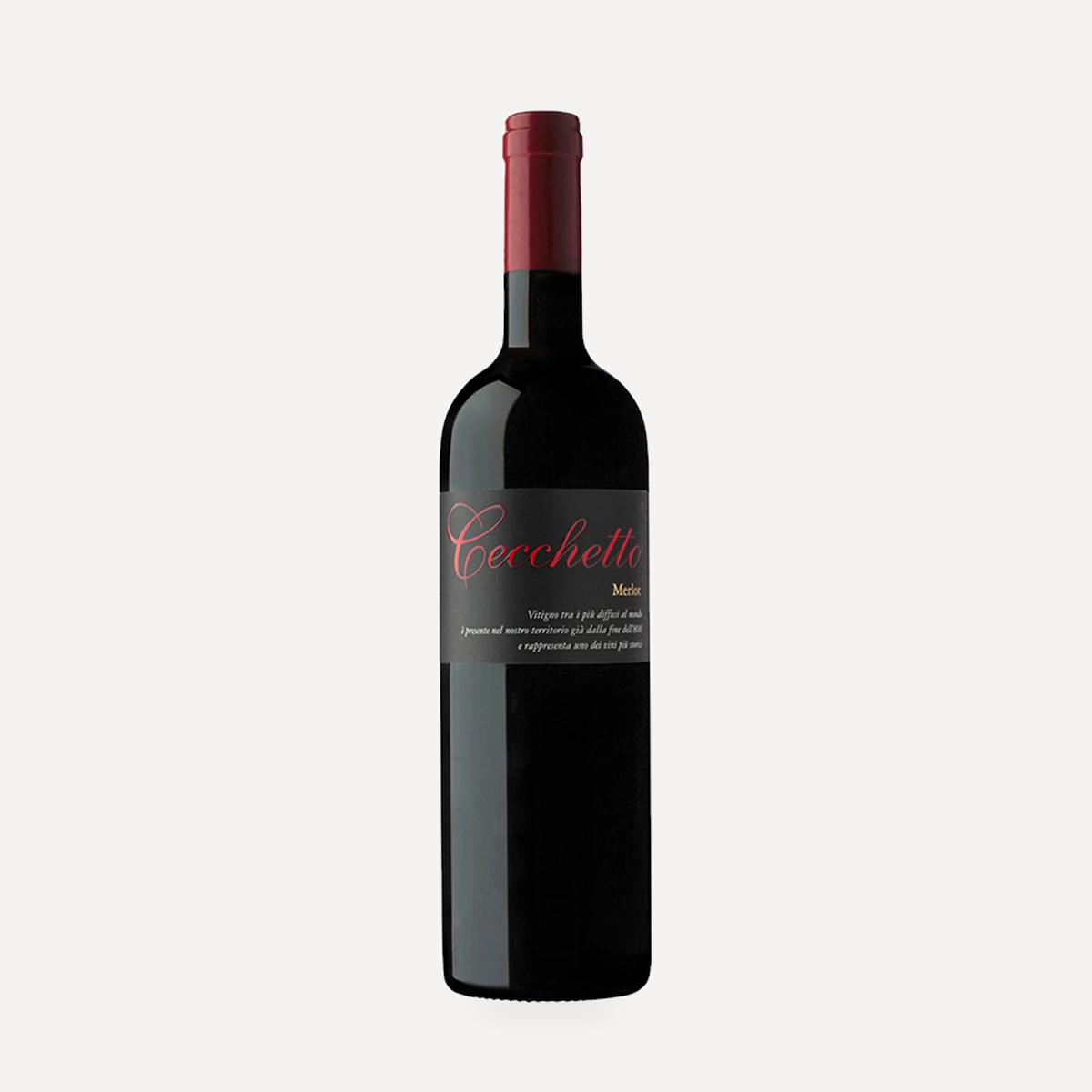
Merlot