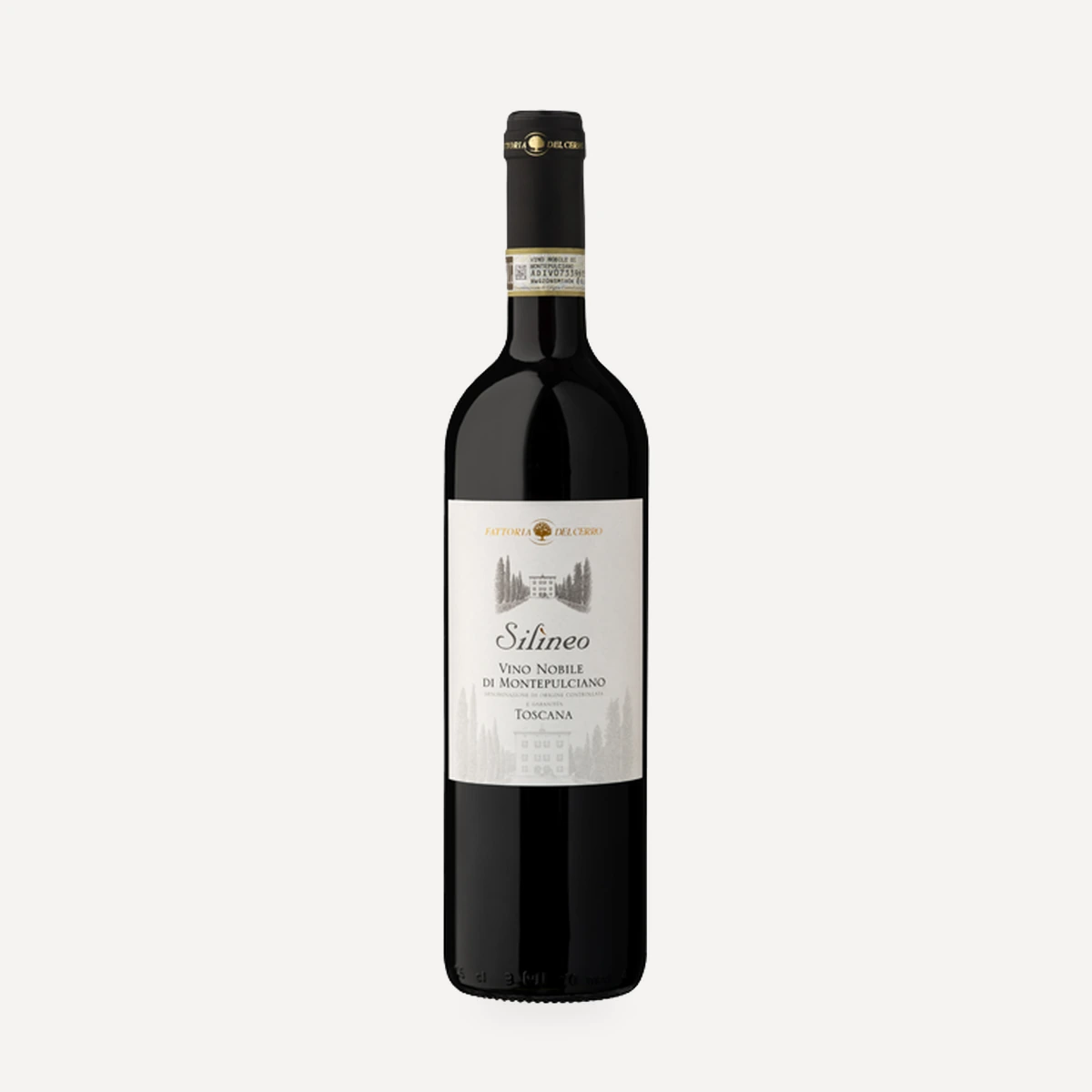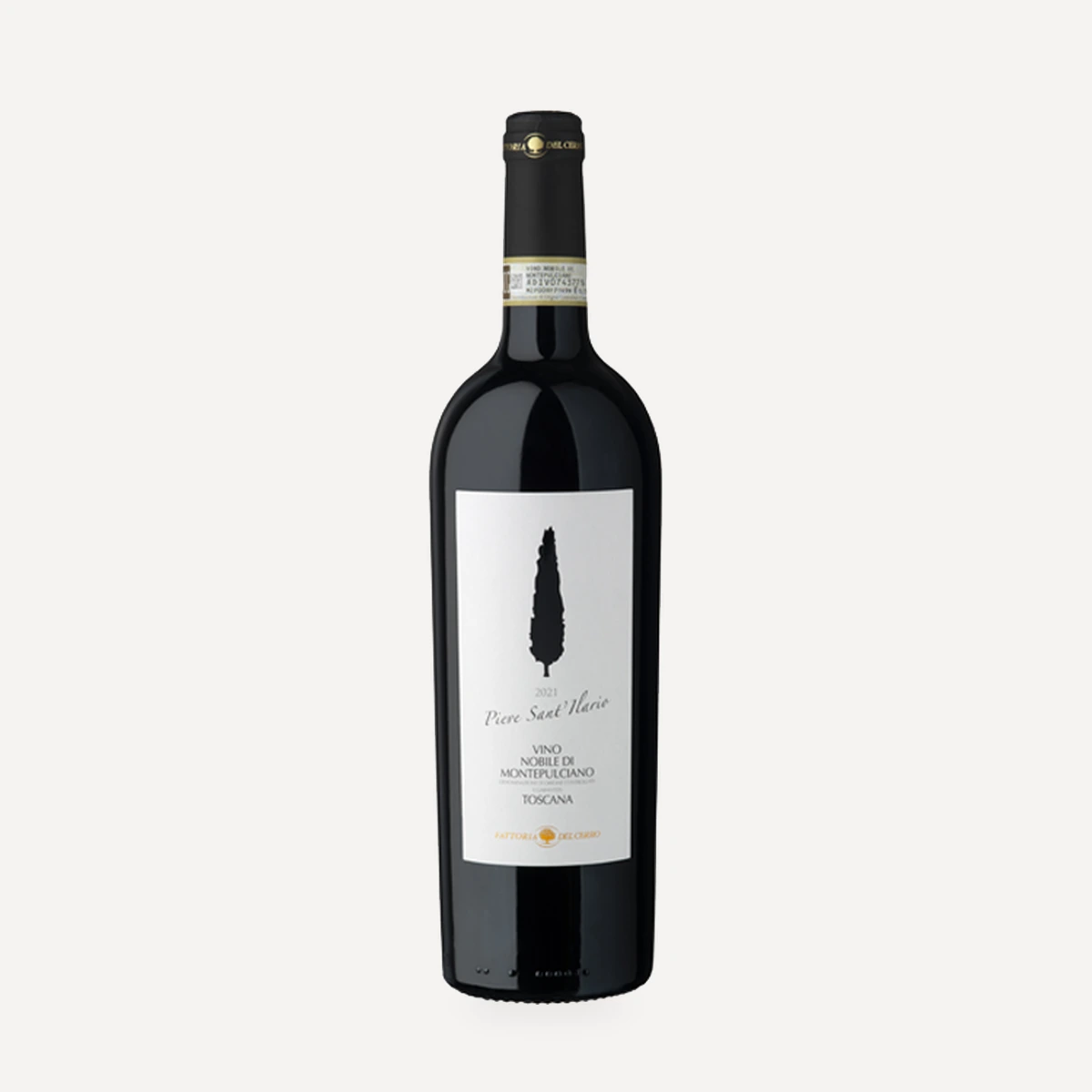
Questo vino
Vineyard and terroir
The fruit comes from vineyards in Montepulciano, Siena, within the specific geographical unit UGA Pieve Sant’Ilario. This is one of 12 zones identified through the Consorzio del Vino Nobile’s collective zoning project. Production is limited to only a few bottles, although an exact quantity is not given.
Grapes
100% Prugnolo Gentile (Sangiovese).
Vinification
The grapes are harvested in September and fermented in stainless-steel tanks. Maceration lasts approximately 15 days, followed by malolactic fermentation.
Ageing
The wine matures for a minimum of 12 months in a combination of small oak vessels—barriques and tonneaux—and large casks. It then returns to stainless steel for final finishing before bottling. Bottle ageing normally continues for at least another 12 months before release.
Tasting profile
Intense ruby red developing garnet tones. The nose is complex and ethereal, with ripe red fruit and sweet spices. The palate combines considerable length and elegance with concentration and structure.
Serving and pairing
Serve at 16–18°C in medium-sized glasses. Pair with red meat, game and wild game, especially dishes cooked slowly with aromatic spices, or with first courses dressed in rich, flavorful sauces.
Label / history
The Pieve category grew out of historical research and analysis of areas traditionally suited to Vino Nobile production. Its name recalls the ancient pievi, or parish districts, used when the territory was divided in late Roman and Lombard times. Sant’Ilario is one of the 12 UGAs defined by the zoning study.